5minutesready

menu icon
go to homepage
  • Hairstyles
  • Skin Care
  • Contact
  • Our AI Policy
search icon
Homepage link
  • Hairstyles
  • Skin Care
  • Contact
  • Our AI Policy
×
Home

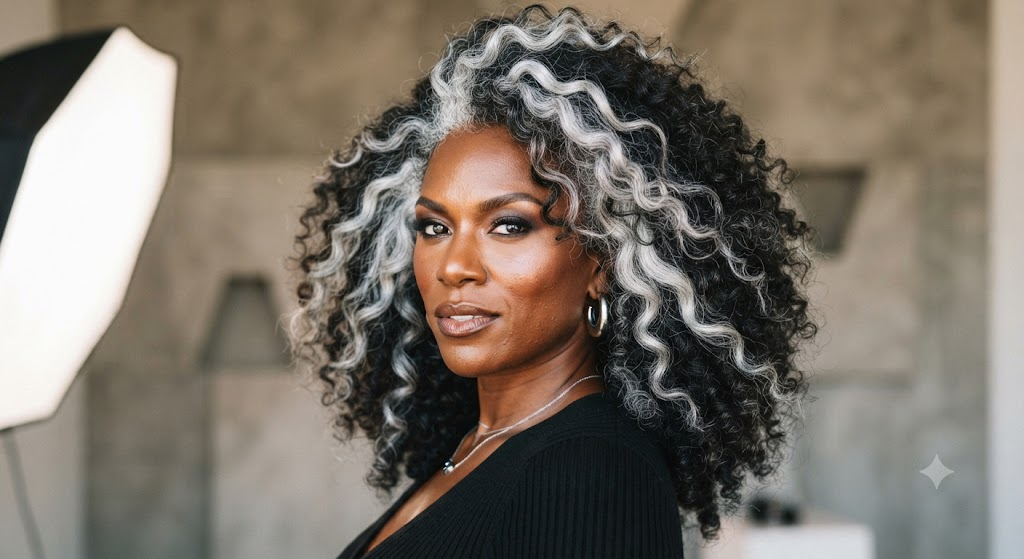
Long Bob with Curtain Bangs on Black Hair: 10 Stunning Ideas

June 5, 2026 by Jessica Guevara Leave a Comment

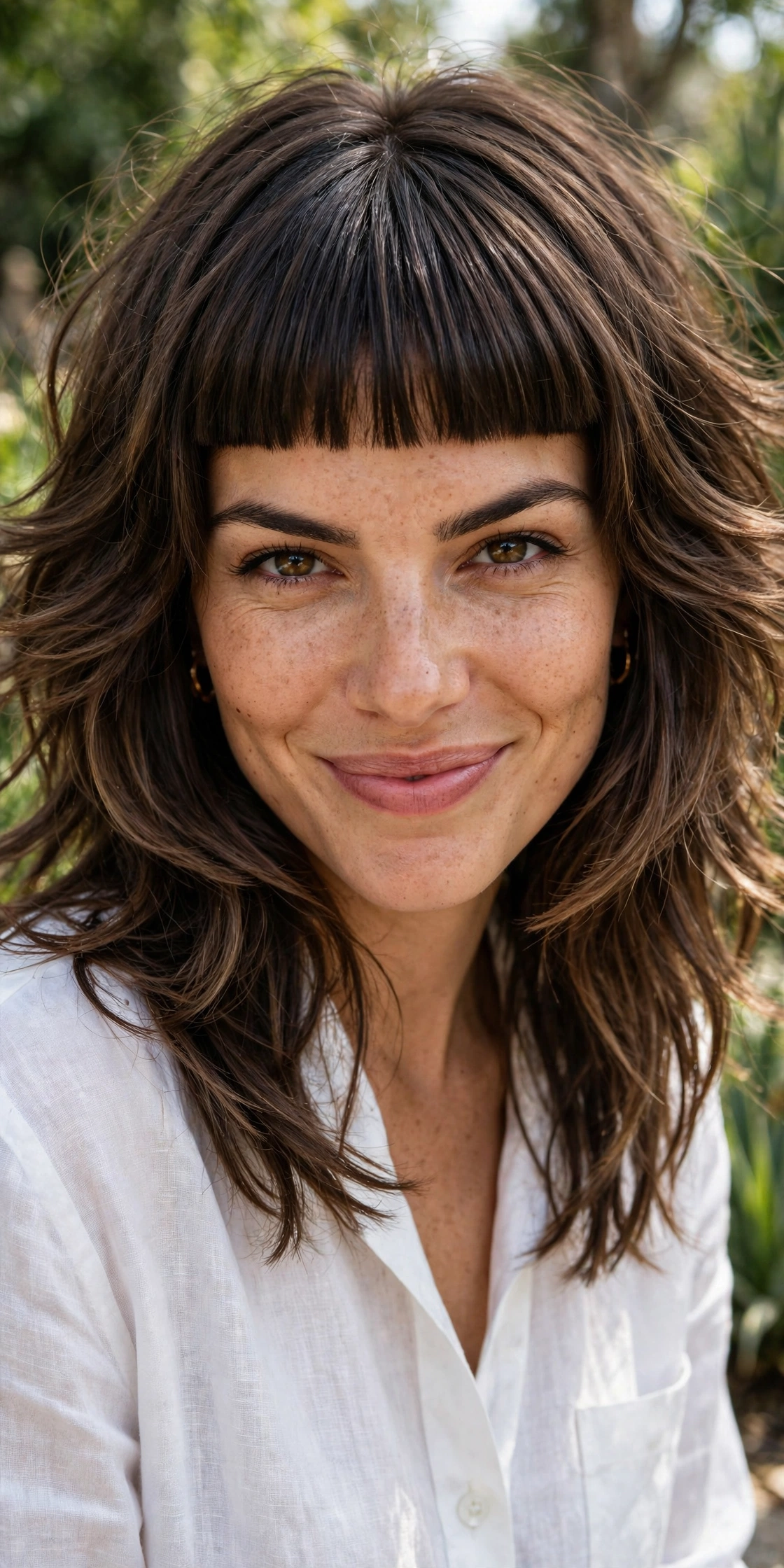
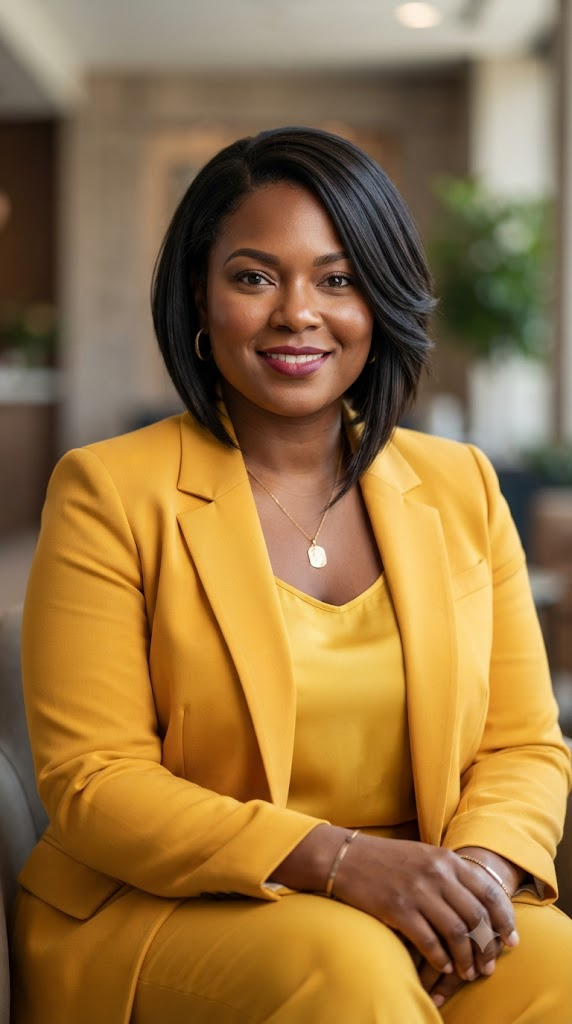
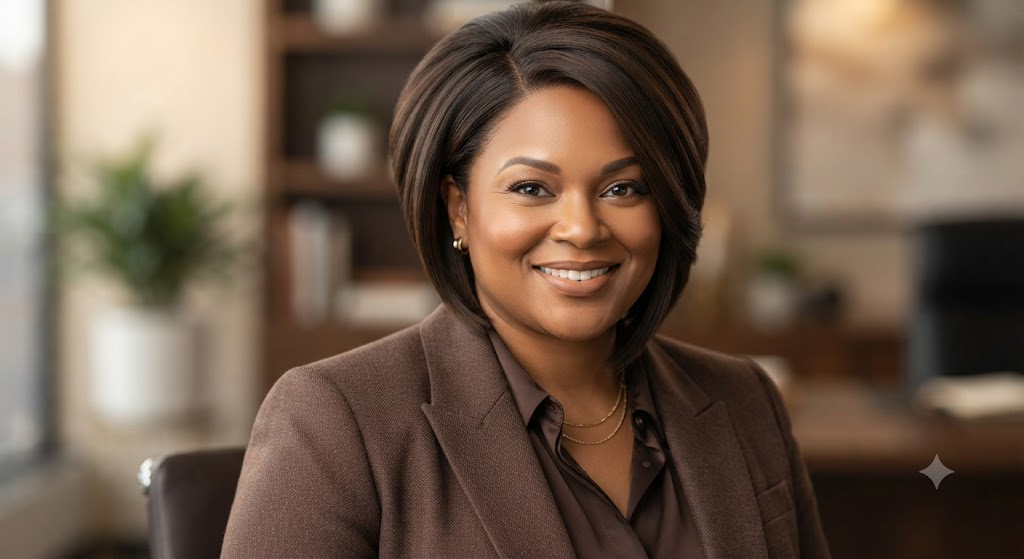
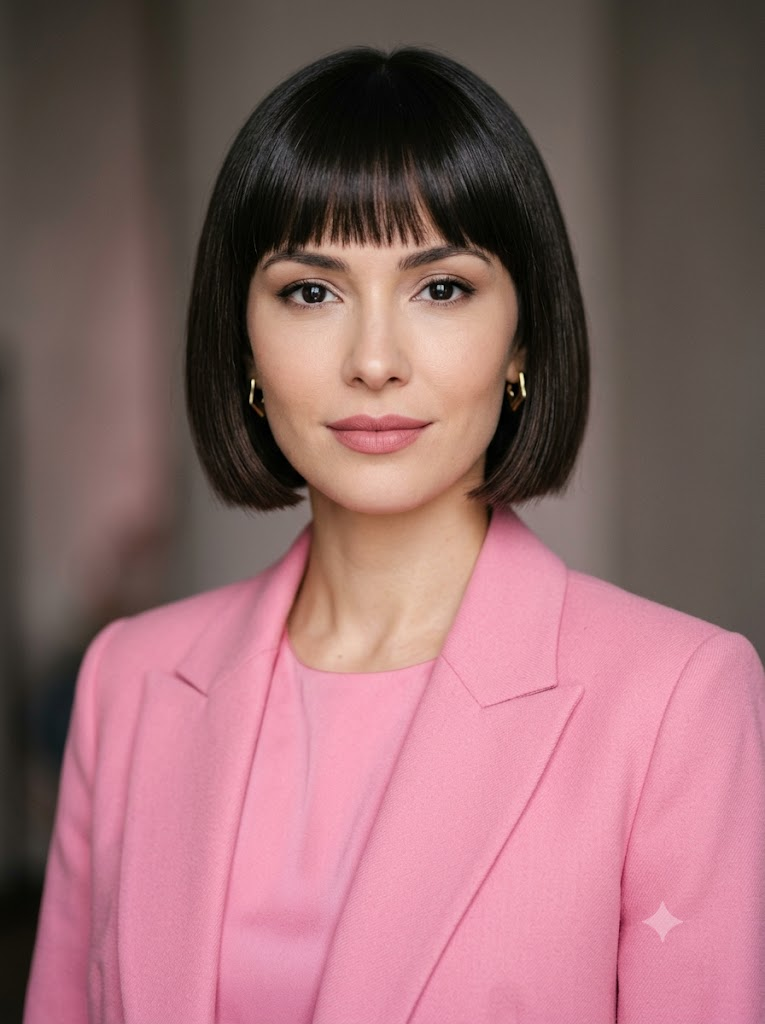
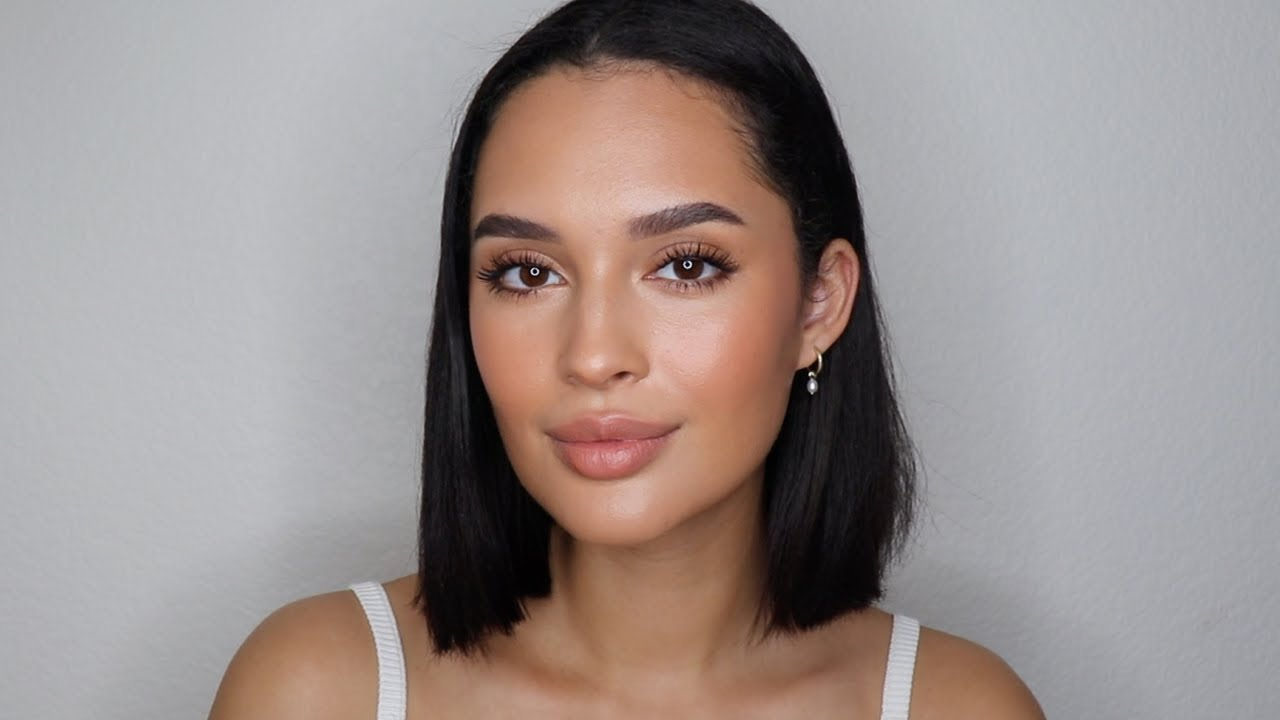
The long bob (lob) paired with curtain bangs is a match made in hair heaven—especially on black hair. Curtain bangs part in the middle and sweep to each side like curtains, opening up the face and adding softness. On black hair, the contrast between the dark color and the bangs is striking. Here are 10 stunning long bob with curtain bangs ideas for black hair.


10 Long Bob with Curtain Bangs on Black Hair Ideas

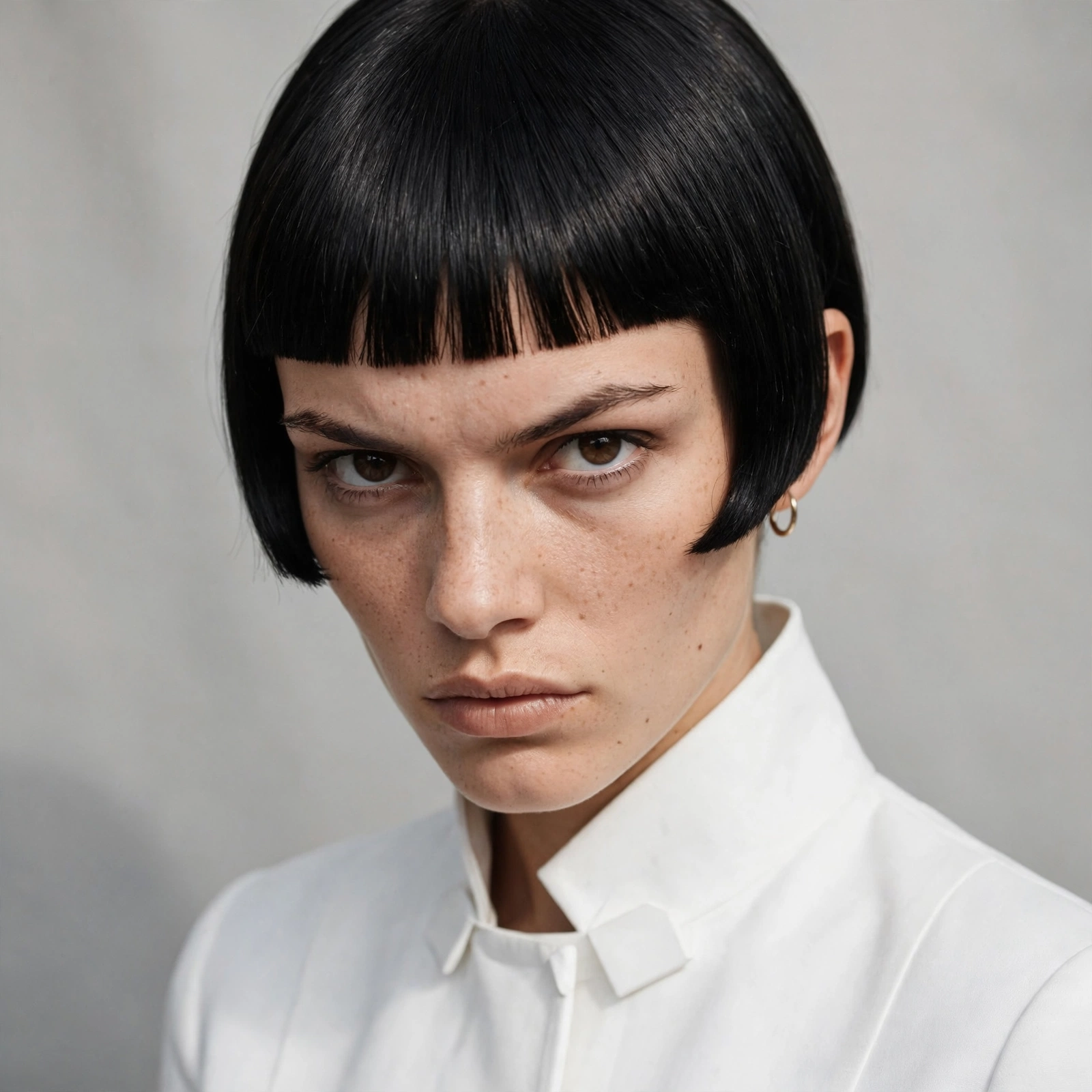
1. Classic Black Lob with Curtain Bangs

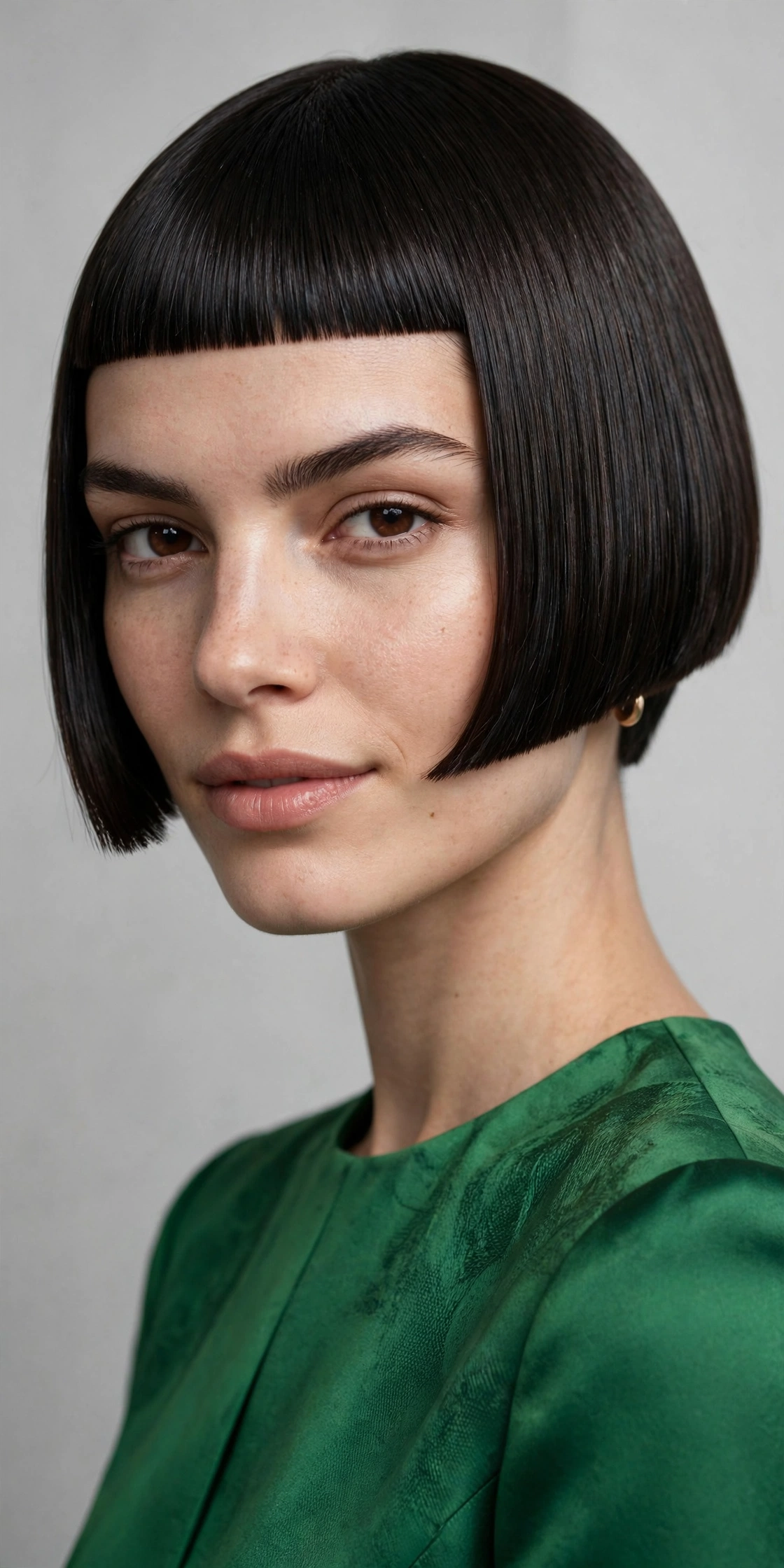
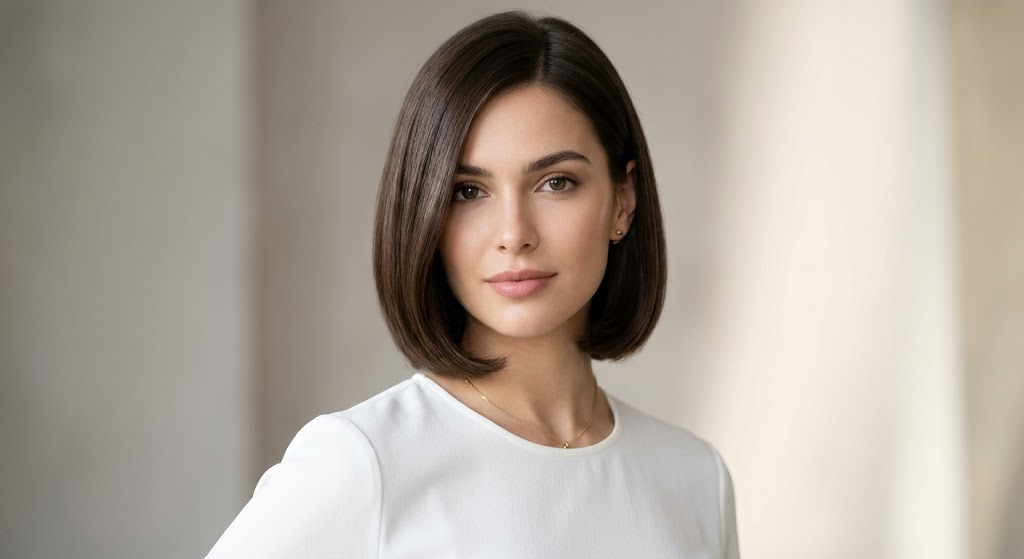
A sleek, one-length long bob at collarbone level with soft curtain bangs. Timeless, elegant, and incredibly sophisticated. The dark color makes the bangs pop.

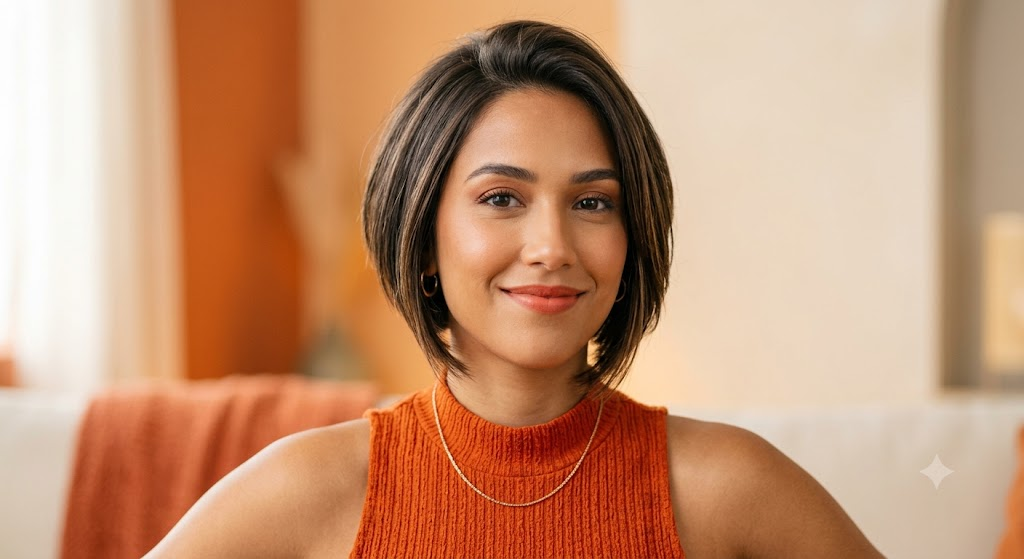
2. Textured Lob with Wispy Curtain Bangs

A shoulder-length lob with soft, piece-y texture throughout and light, wispy curtain bangs. The texture adds movement while the bangs soften the face.

3. Layered Black Lob with Face-Framing Curtain Bangs

Long layers throughout a black lob with curtain bangs that blend seamlessly into face-framing pieces. The layers add volume and the bangs highlight your features.

4. Blunt Black Lob with Curtain Bangs

A sharp, one-length blunt cut at shoulder level with precise curtain bangs. The bluntness adds weight and density, making black hair look thick and luxurious.

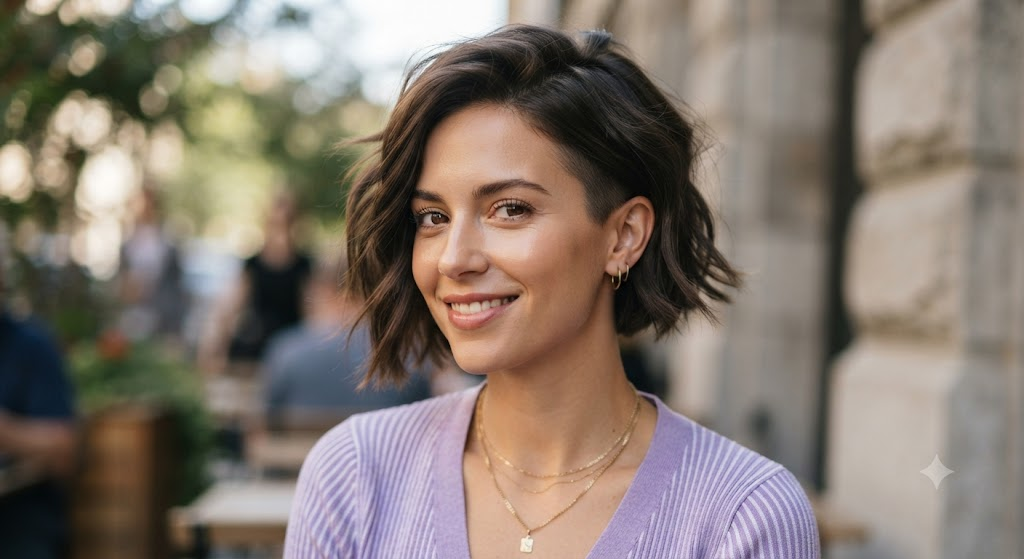
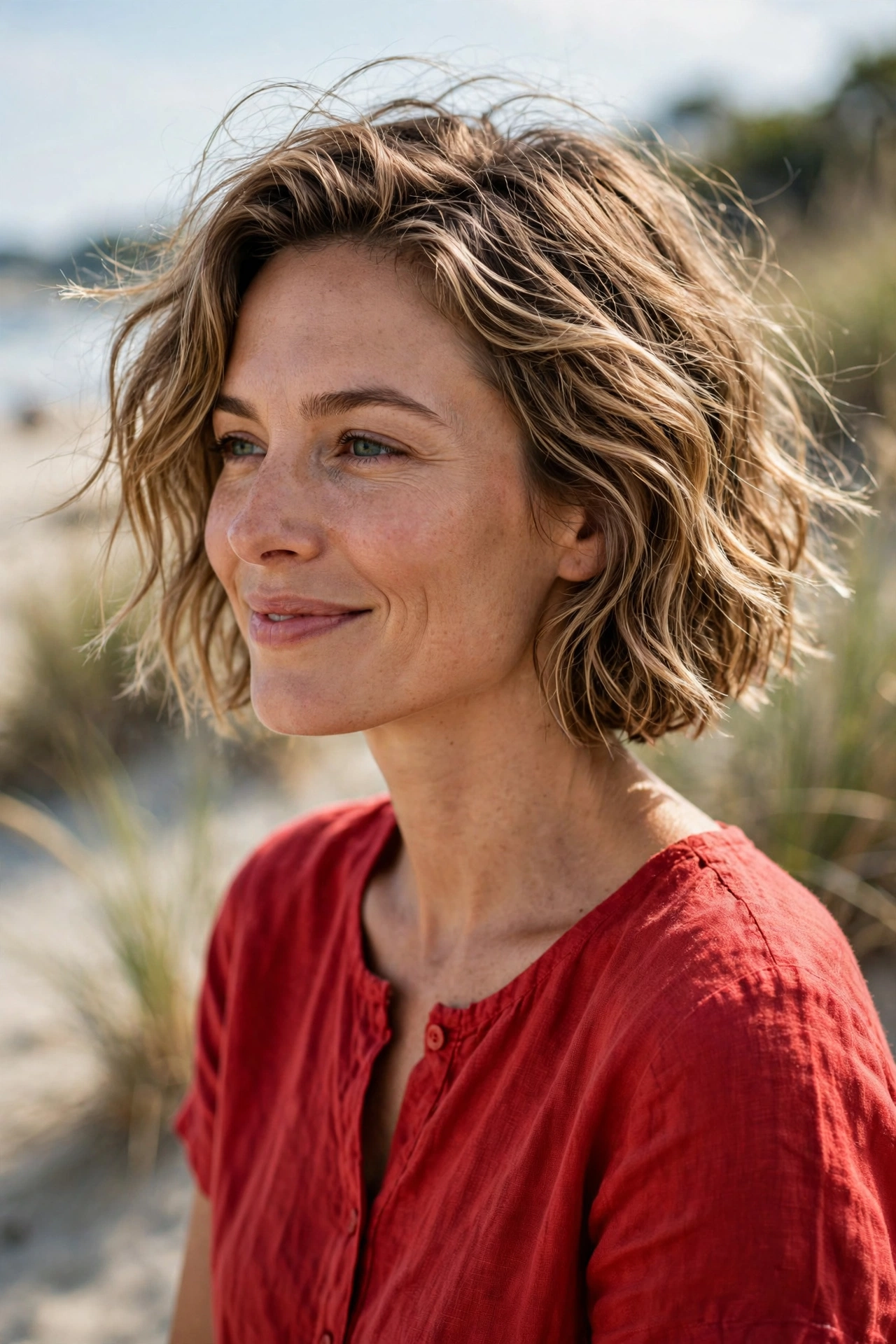
5. Wavy Black Lob with Curtain Bangs

Soft, loose waves on a black lob with curtain bangs. The waves add texture and movement while the bangs soften the overall look. Beachy and romantic.

6. Asymmetrical Lob with Curtain Bangs

One side is cut slightly longer than the other, paired with curtain bangs. The asymmetry adds visual interest and works beautifully with dark hair.

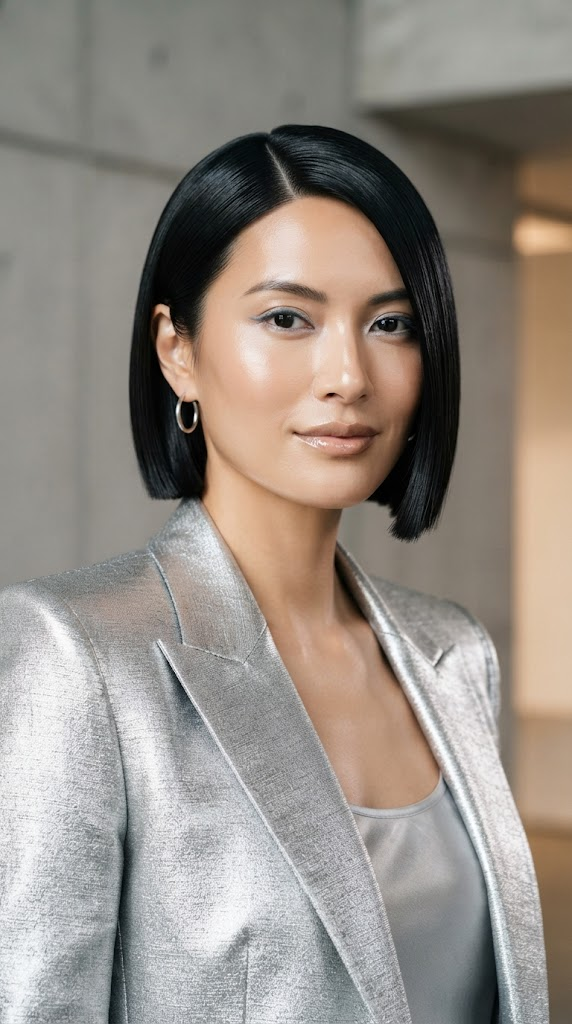
7. Sleek Straight Black Lob with Curtain Bangs

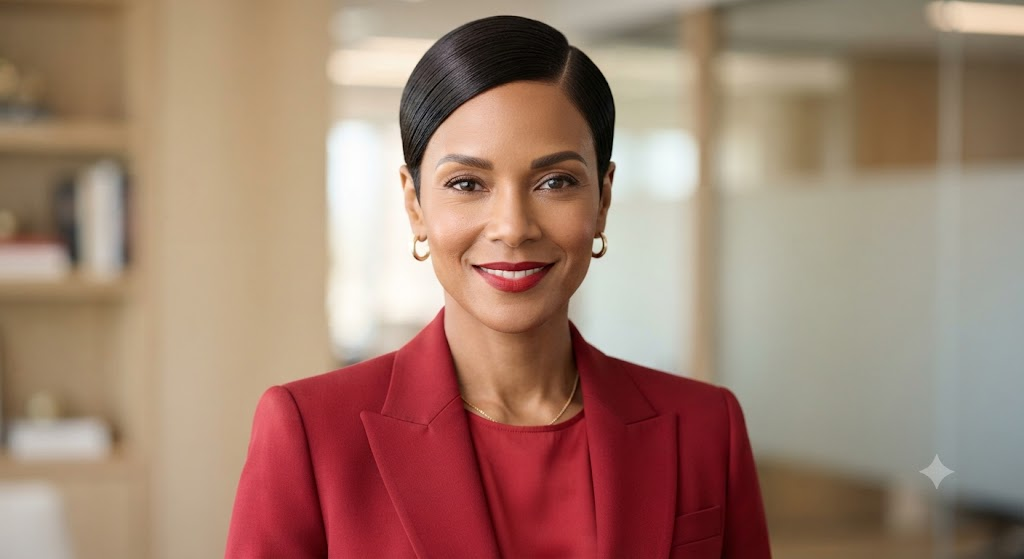
Pin-straight, glossy black lob with precise curtain bangs. The sleekness is striking, and the bangs add softness to an otherwise sharp look. Red carpet ready.

8. Voluminous Blowout Lob with Curtain Bangs

A bouncy, voluminous blowout on a black lob with curtain bangs. Extra height at the crown and soft bends at the ends. Glamorous and youthful.

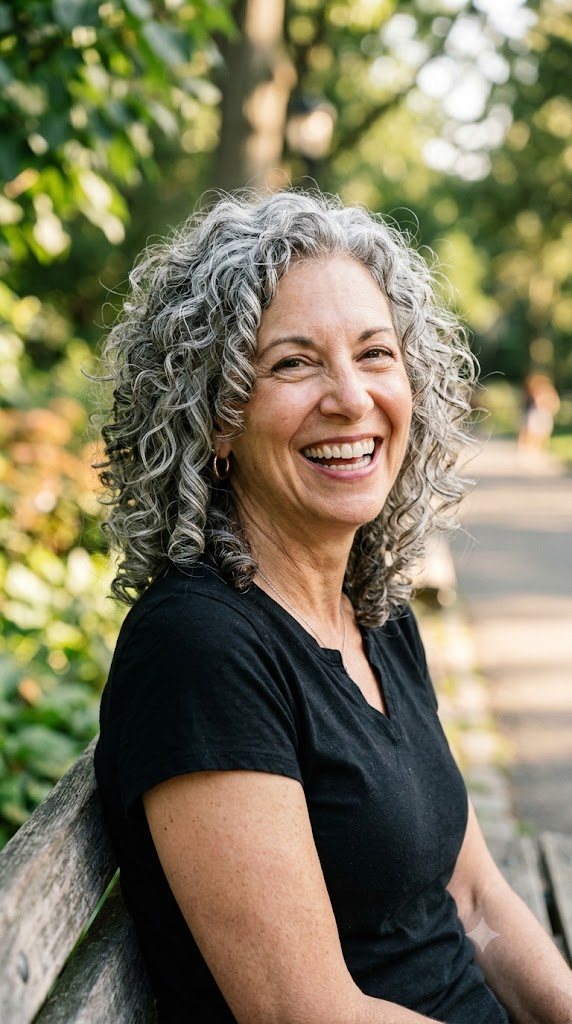
9. Curly Black Lob with Curtain Bangs

For naturally curly or permed black hair. A lob-length cut with curtain bangs that blend into the curls. The bangs soften the face and add shape to the curls.

10. Highlighted Black Lob with Curtain Bangs

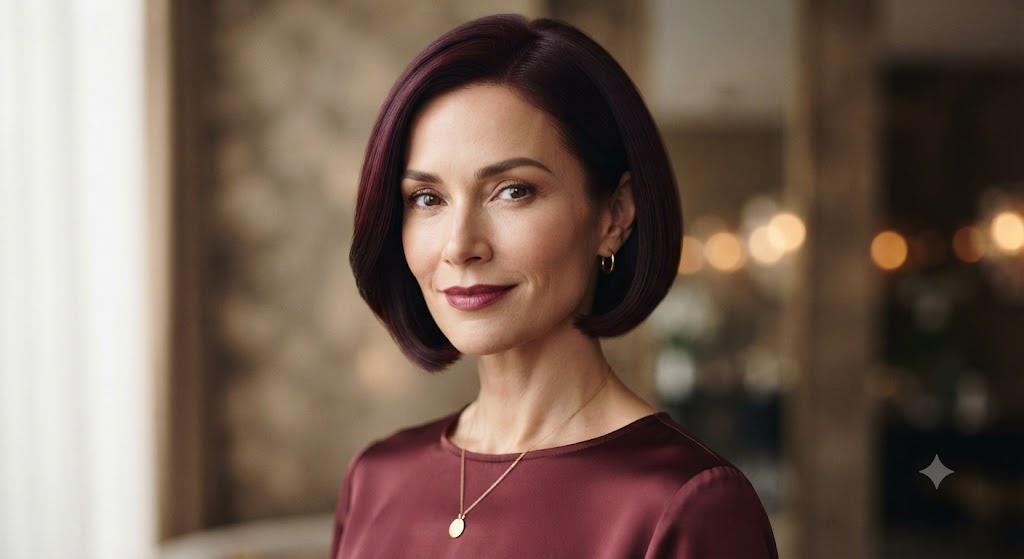
A black lob with subtle caramel, honey, or burgundy highlights and curtain bangs. The highlights add dimension while the bangs frame the face. Modern and dynamic.


Styling Guide

Wash & Prep

Use a sulfate-free shampoo and a moisturizing conditioner (black hair tends to be drier). Apply a heat protectant and a small amount of mousse or smoothing cream.

Create the Curtain Bangs

Blow-dry curtain bangs using a round brush, directing them away from your face on each side. The goal is a soft, face-framing curve.

Dry the Lob

Blow-dry the rest of your hair using a round brush. For volume, lift at the crown. For sleekness, direct air downward. For waves, use a diffuser or curling iron.

Style the Bangs

Curtain bangs should part in the middle and sweep to each side. Use a small flat iron or round brush to add a slight bend. They should never lie flat against your forehead.

Finish with Shine

Black hair looks best with shine. Mist with shine spray or add a drop of lightweight oil (argan or jojoba) to your palms and glaze over the finished style.

Quick Tip

Curtain bangs on black hair require regular trims every 3 to 4 weeks to maintain the shape. Between trims, use dry shampoo to keep them fresh and bouncy, not greasy.


Conclusion

A long bob with curtain bangs on black hair is a stunning combination. The dark color makes the cut and bangs stand out, while the curtain bangs add softness and sophistication. These 10 ideas—from classic sleek to wavy to highlighted—prove that black hair can be versatile, modern, and absolutely gorgeous. Bring your favorite idea to your stylist, maintain your bangs with regular trims, and enjoy your chic new look.

Natural Hairstyles for Kids with Thin Hair: 10 Gentle & Cute Ideas

June 5, 2026 by Jessica Guevara Leave a Comment

If your child has thin or fine natural hair, you know the challenge: finding styles that are gentle, protective, and actually stay in place. The good news is that thin hair can be beautifully styled without causing damage or tension. These 10 natural hairstyles are designed specifically for kids with thin hair—gentle on edges, easy to maintain, and absolutely adorable.


10 Natural Hairstyles for Kids with Thin Hair

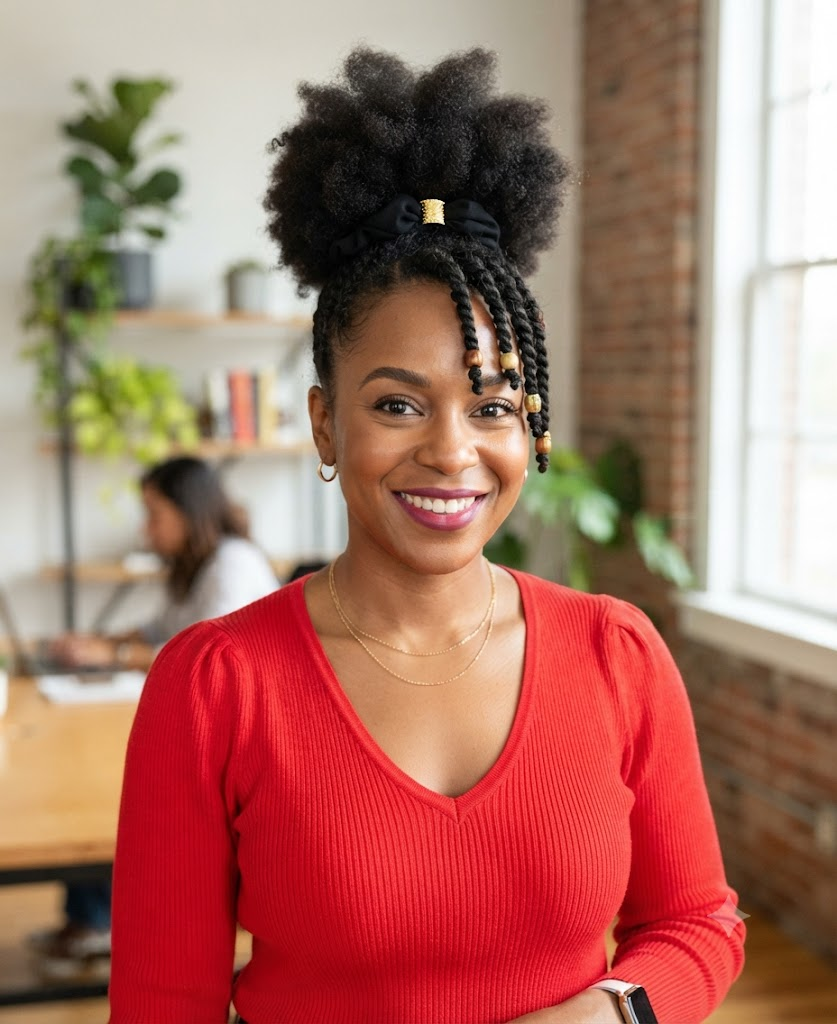
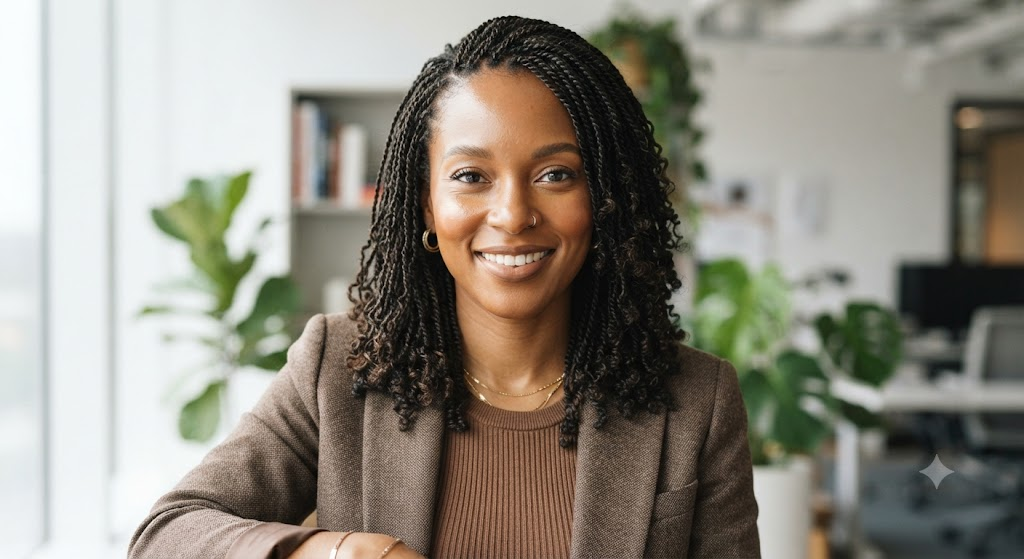
1. Loose Twists (Two-Strand Twists)

Small or medium two-strand twists throughout the hair. Gentle on thin hair because there's no tight pulling. Can be worn for days and easily refreshed with water and leave-in conditioner.

2. Flat Twists to the Side

Flat twists (similar to cornrows but using two strands) twisted along the scalp and angled to one side. Less tension than cornrows. Cute and long-lasting.

3. Puff with Twist Front

A soft ponytail or puff at the crown, with the front section styled in small twists or flat twists. Protects the edges while keeping hair off the face.

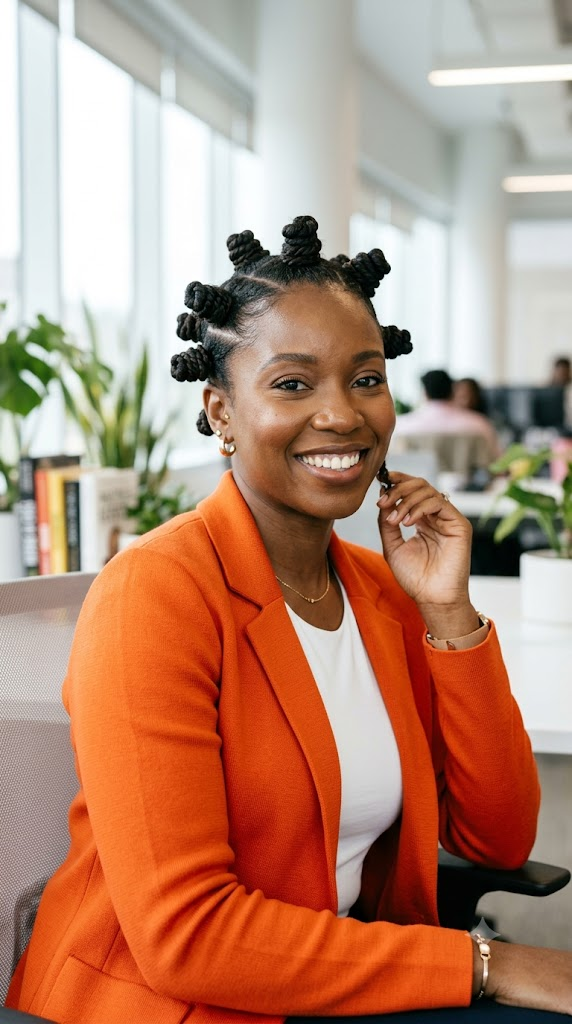
4. Bantu Knots

Small sections of hair twisted and wrapped into tiny knots. Works beautifully on thin hair because small sections are easy to manage. Can be worn as a style or undone for heatless curls.

5. Cornrows (Low Tension)

Traditional cornrows done with very low tension. Use smaller sections and avoid pulling at the hairline. A great protective style that can last up to two weeks.

6. Pineapple Updo

All hair gathered loosely into a soft ponytail or puff at the very top of the head. The pineapple keeps hair stretched and protected overnight. Perfect for thin curls.

7. Twist Out on Damp Hair

Two-strand twists done on damp hair, left in overnight, then unraveled in the morning. Creates soft, voluminous waves without heat. Great for thin hair that needs body.
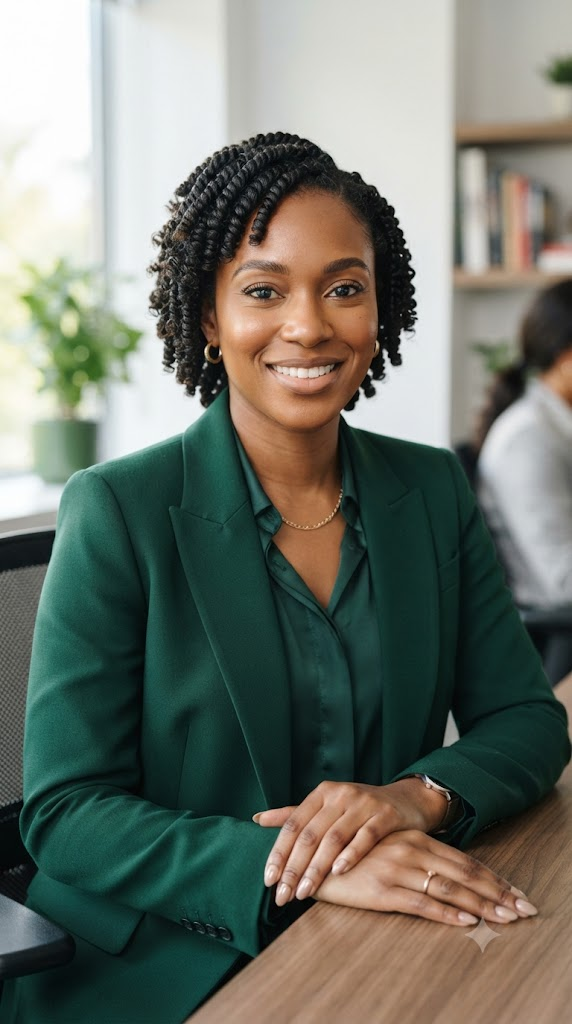

8. Headband or Scarf Style

A soft satin or cotton headband or scarf placed over clean, moisturized hair. Hair can be left loose or tucked under. Zero tension, zero damage, zero effort.

9. Mini Fro (TWA)

A tiny afro (teeny weeny afro) for very short natural hair. Just wash, condition, apply a little leave-in and light oil, and go. Simple, adorable, and healthy.

10. Braided Pigtails with Soft Elastics

Two loose braids or twists styled as pigtails. Use soft, non-damaging elastics (no rubber bands). Keeps hair neat without pulling at the hairline.


Styling Guide

Wash & Prep

Use a gentle, sulfate-free shampoo and a moisturizing conditioner. Detangle with a wide-tooth comb or fingers while conditioner is in. Rinse thoroughly.

Moisturize Lightly

Thin hair gets weighed down easily. Apply a lightweight leave-in conditioner and a small amount of water-based curl cream. Seal with a drop of light oil (jojoba or grapeseed).

Avoid Tension

Never pull thin hair tight. Tight styles cause breakage and traction alopecia, even in children. Styles should feel comfortable, not painful.

Use Soft Materials

Use soft elastics (no rubber bands), satin scrunchies, and satin or silk pillowcases. Avoid rough towels—use a microfiber towel or old t-shirt to dry.

Refresh Between Styles

Spray with water and a little leave-in conditioner to refresh twists, braids, or puffs. Re-moisturize every few days. Don't let styles sit too long.

Quick Tip

Thin natural hair needs protection but also needs breaks. Alternate between protective styles (twists, cornrows) and loose styles (puffs, afros). Give the hairline and edges a break every few weeks.


Conclusion

Natural hairstyles for kids with thin hair don't have to be complicated or damaging. These 10 styles—from loose twists to flat twists to Bantu knots—are gentle, cute, and designed to protect thin hair. The key is low tension, lightweight products, and soft materials. Your child's thin hair can be healthy, beautiful, and full of personality. Keep it moisturized, keep it gentle, and let their natural beauty shine.

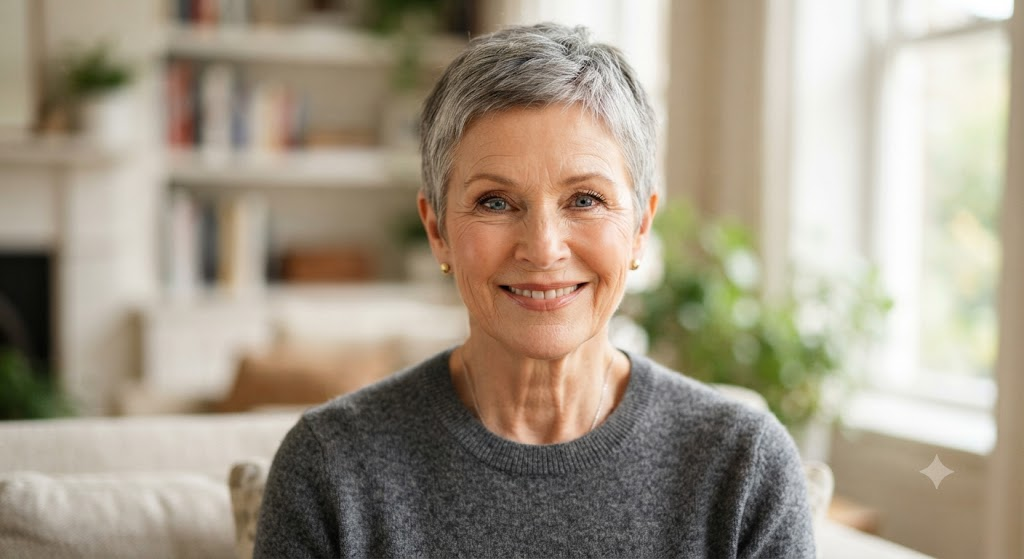
Choppy Pixie Haircuts for Women: 10 Edgy & Textured Ideas

June 5, 2026 by Jessica Guevara Leave a Comment

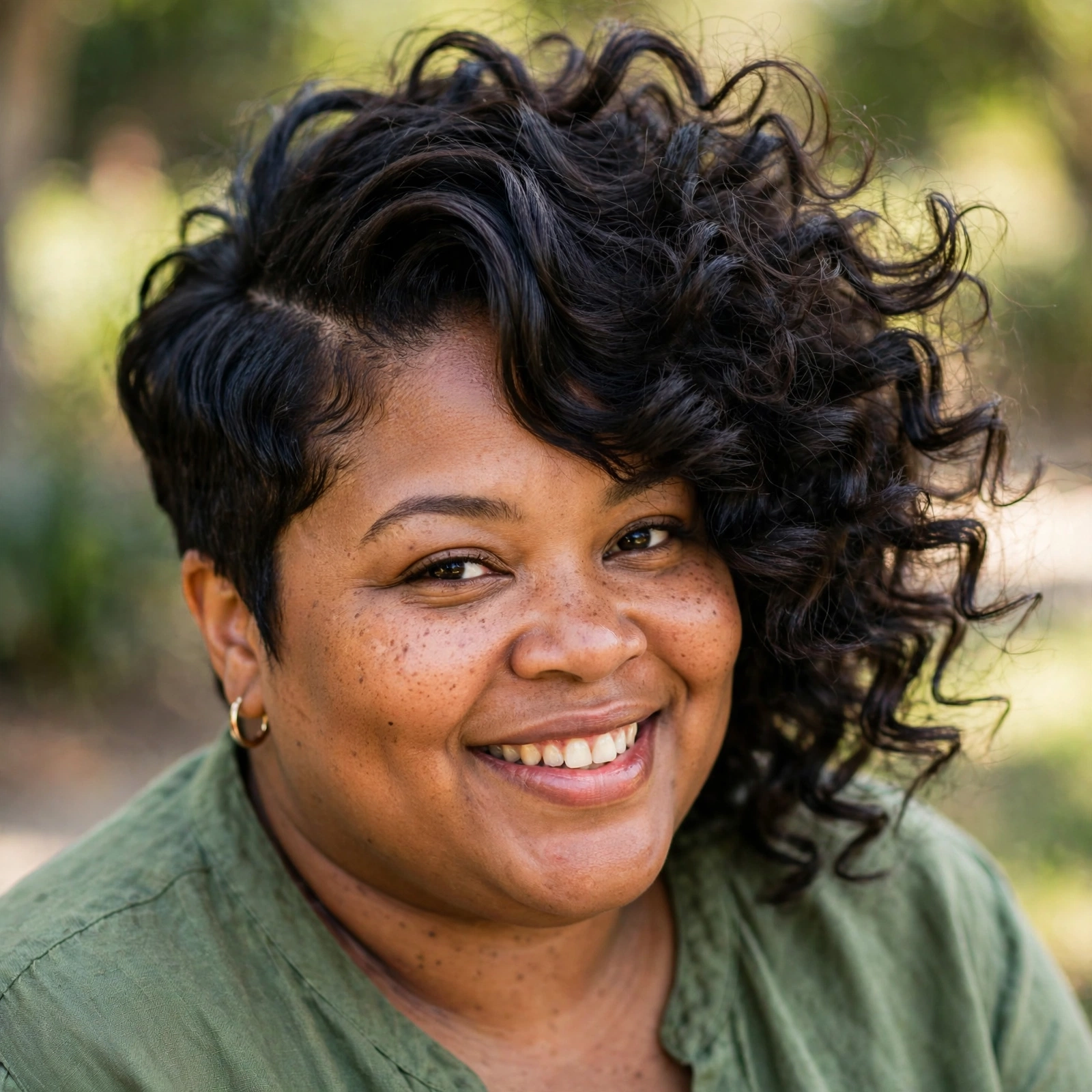
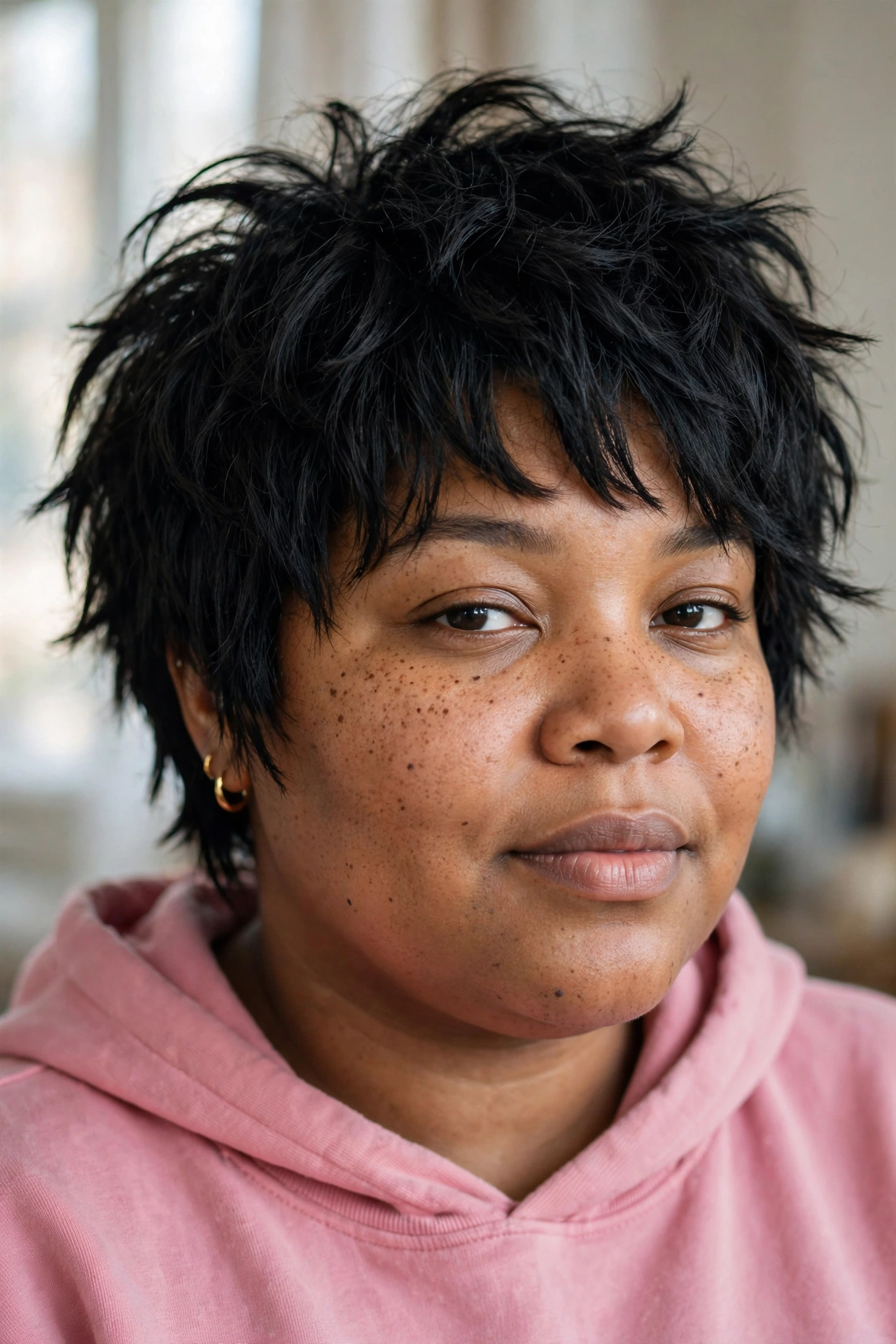
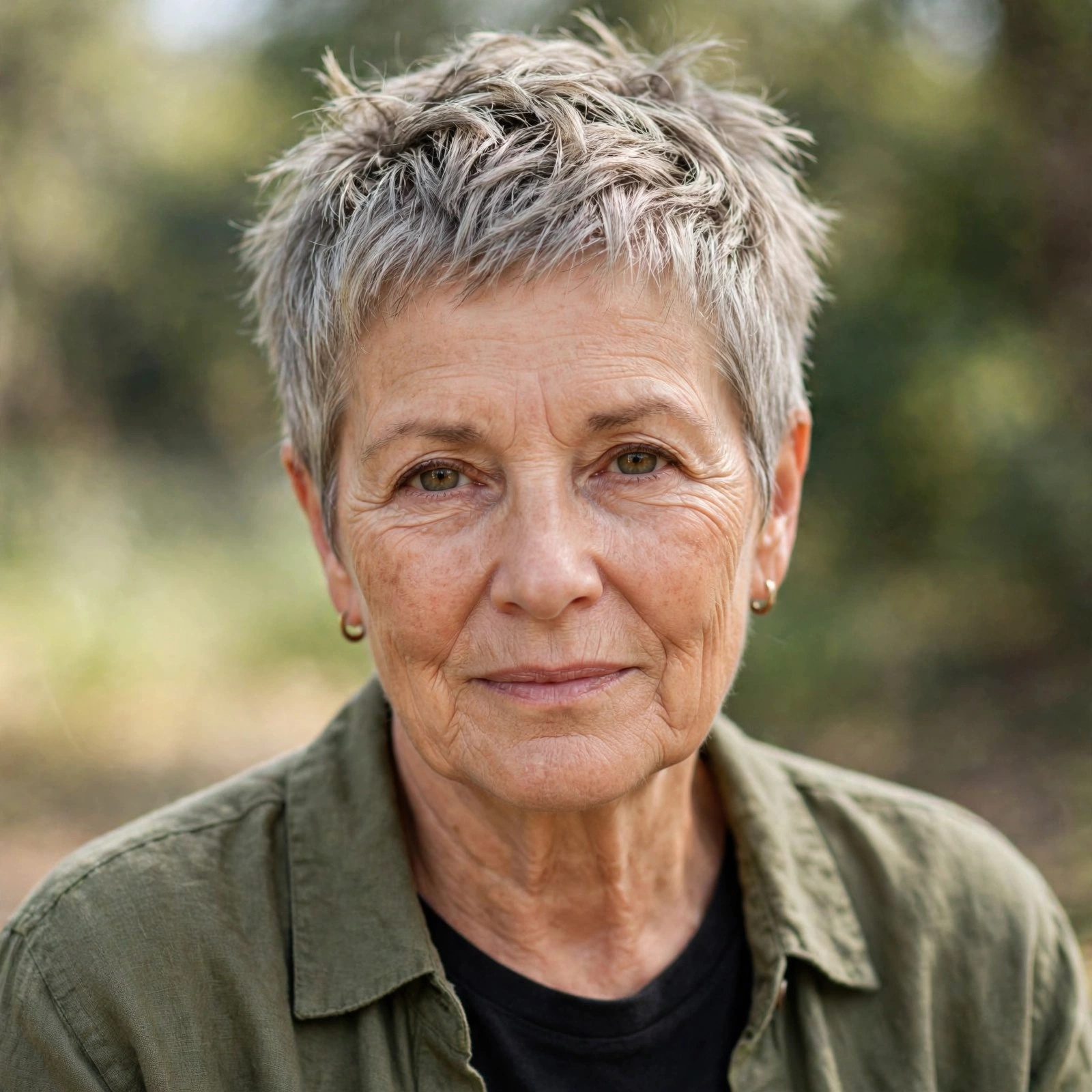
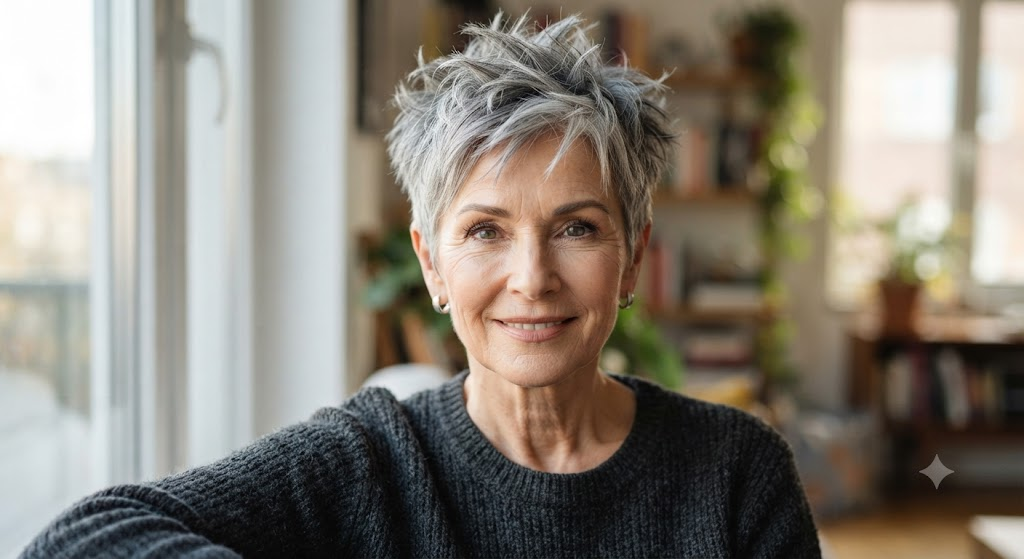
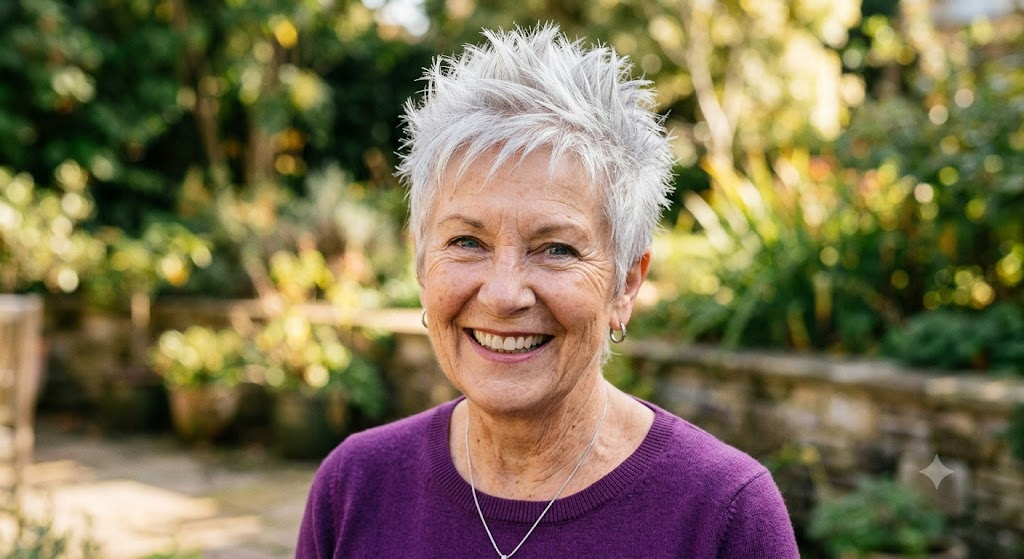
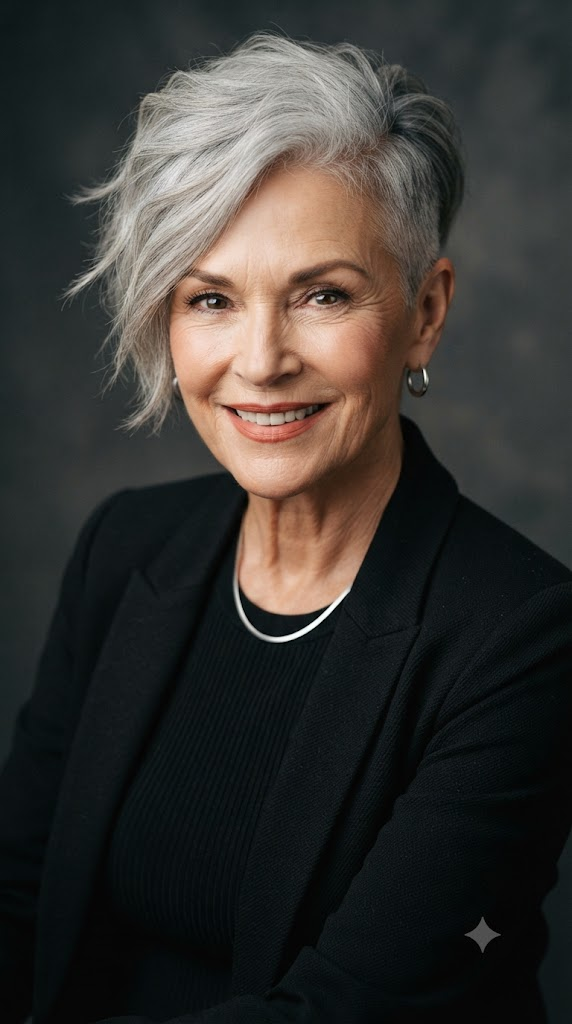
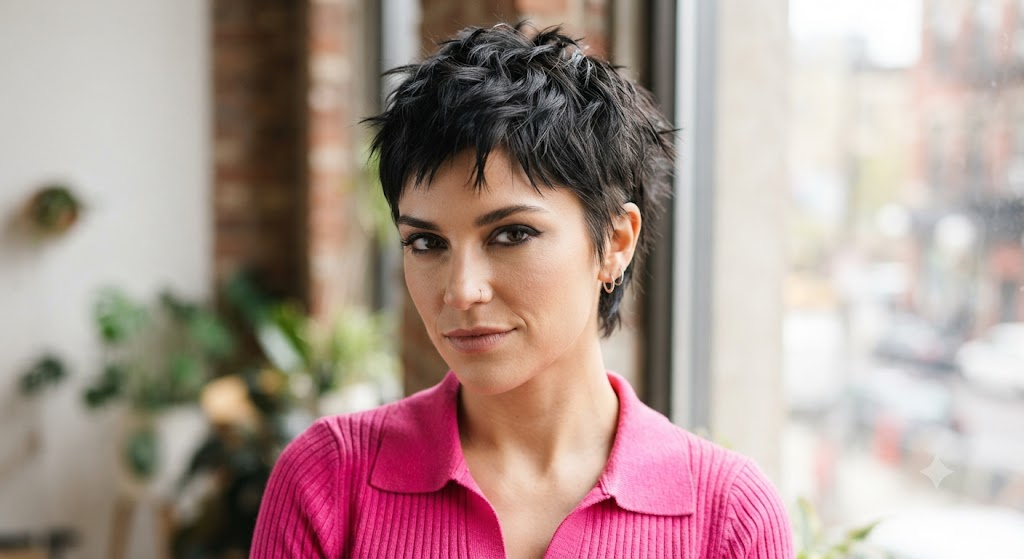
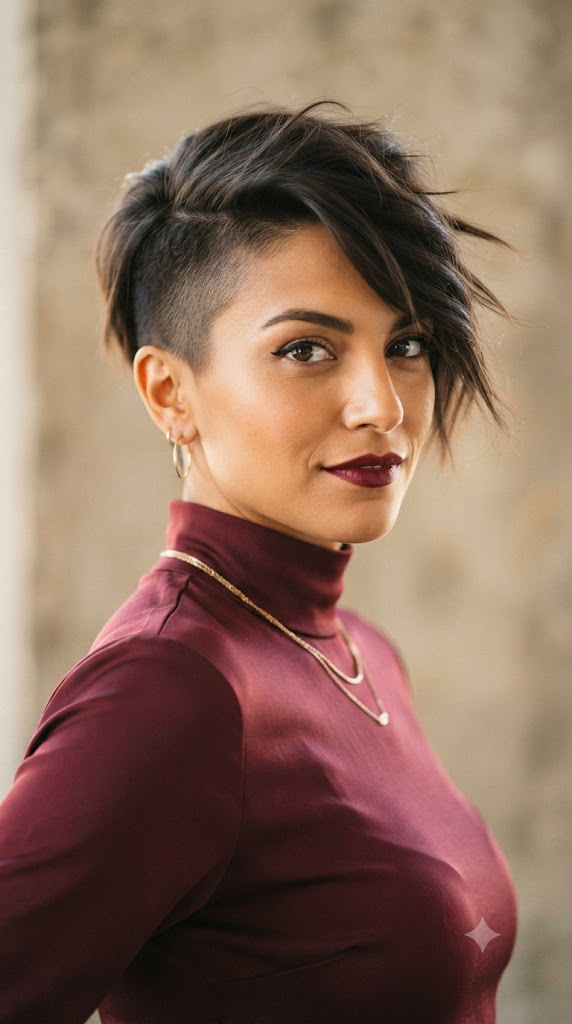
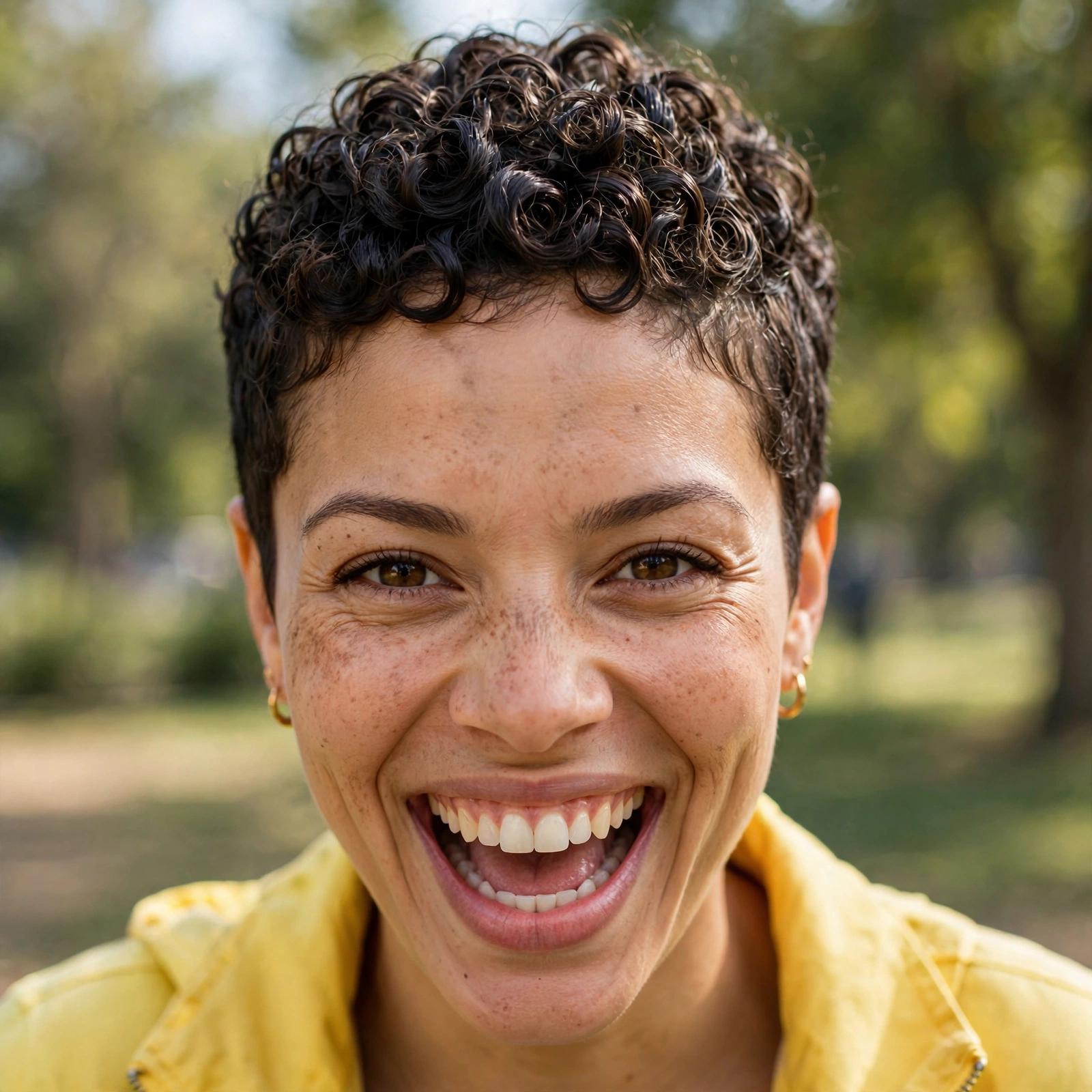
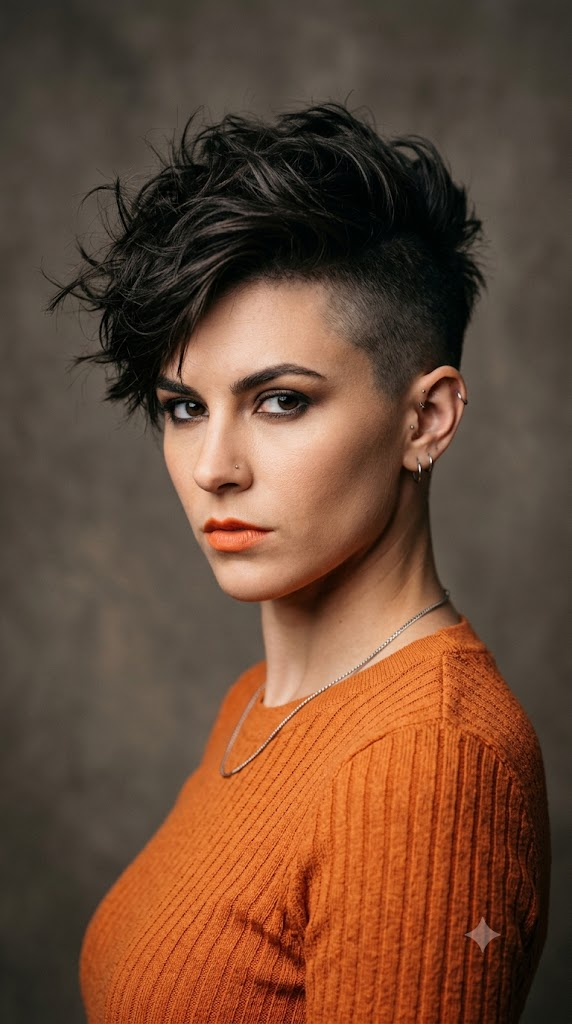
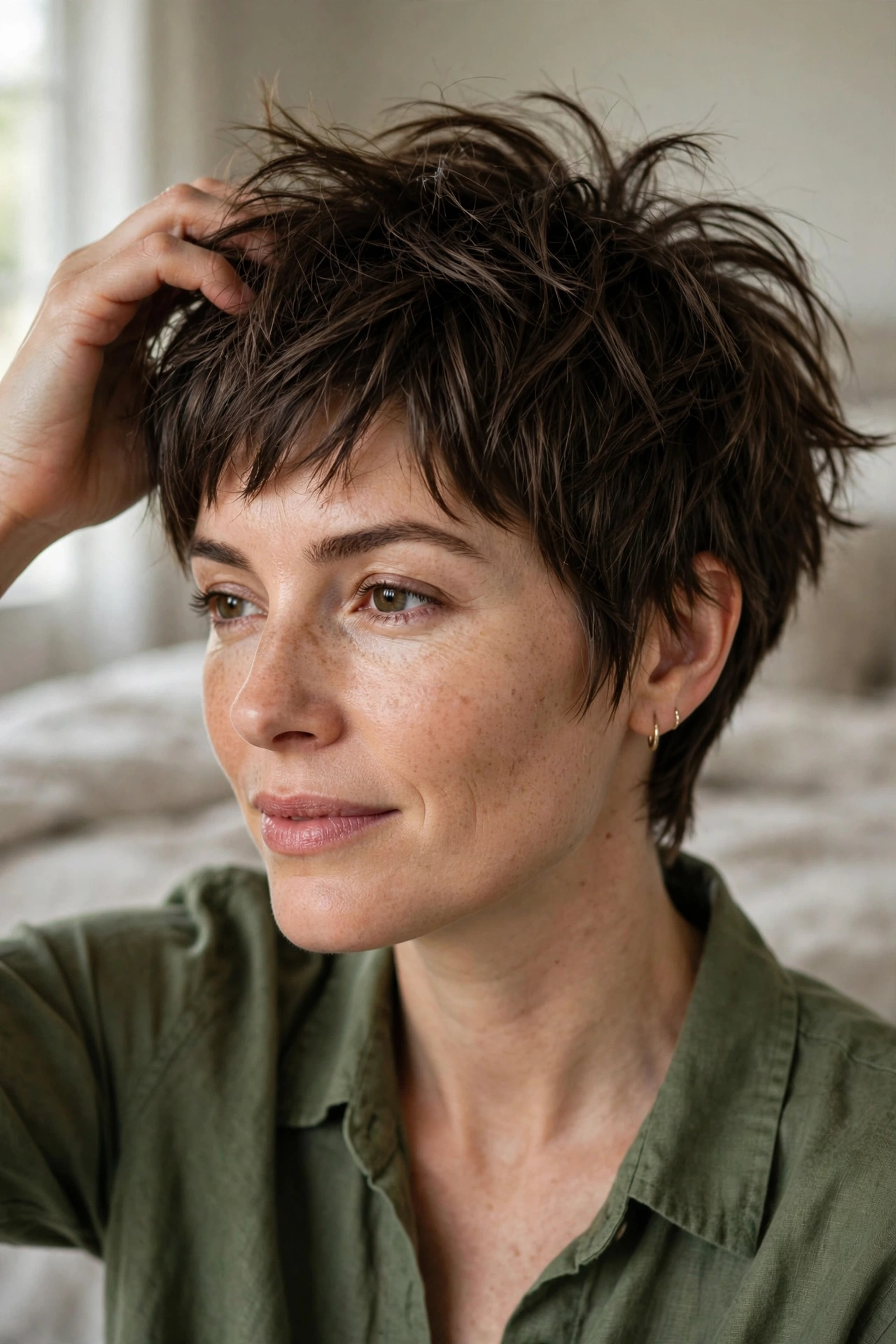
If you're looking for a short haircut with attitude, the choppy pixie is your answer. Unlike a classic smooth pixie, a choppy pixie features uneven, piece-y layers that add texture, volume, and movement. It's edgy, modern, and surprisingly low-maintenance. Whether you have thin hair, thick hair, or something in between, these 10 choppy pixie haircuts will inspire your next chop.


10 Choppy Pixie Haircuts for Women

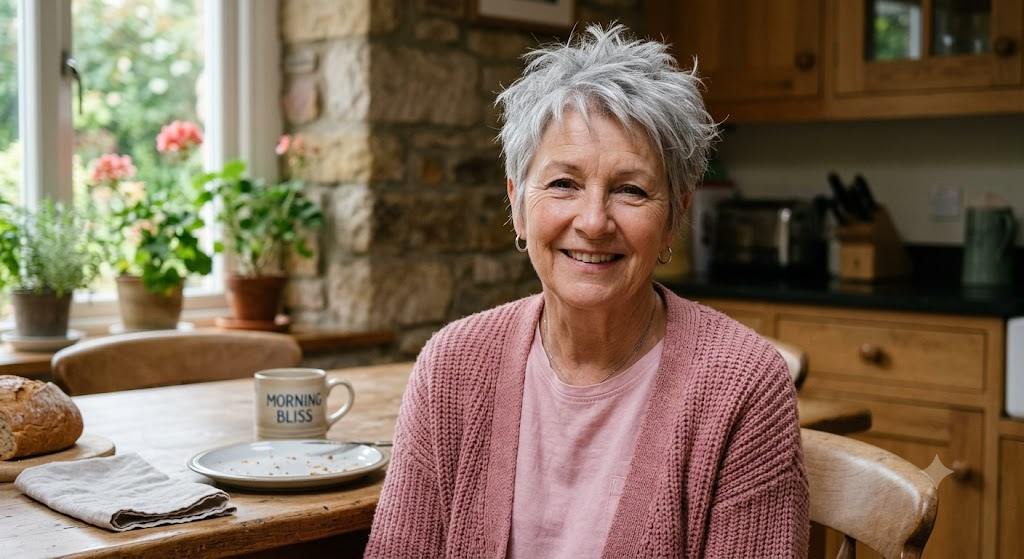
1. Classic Choppy Pixie

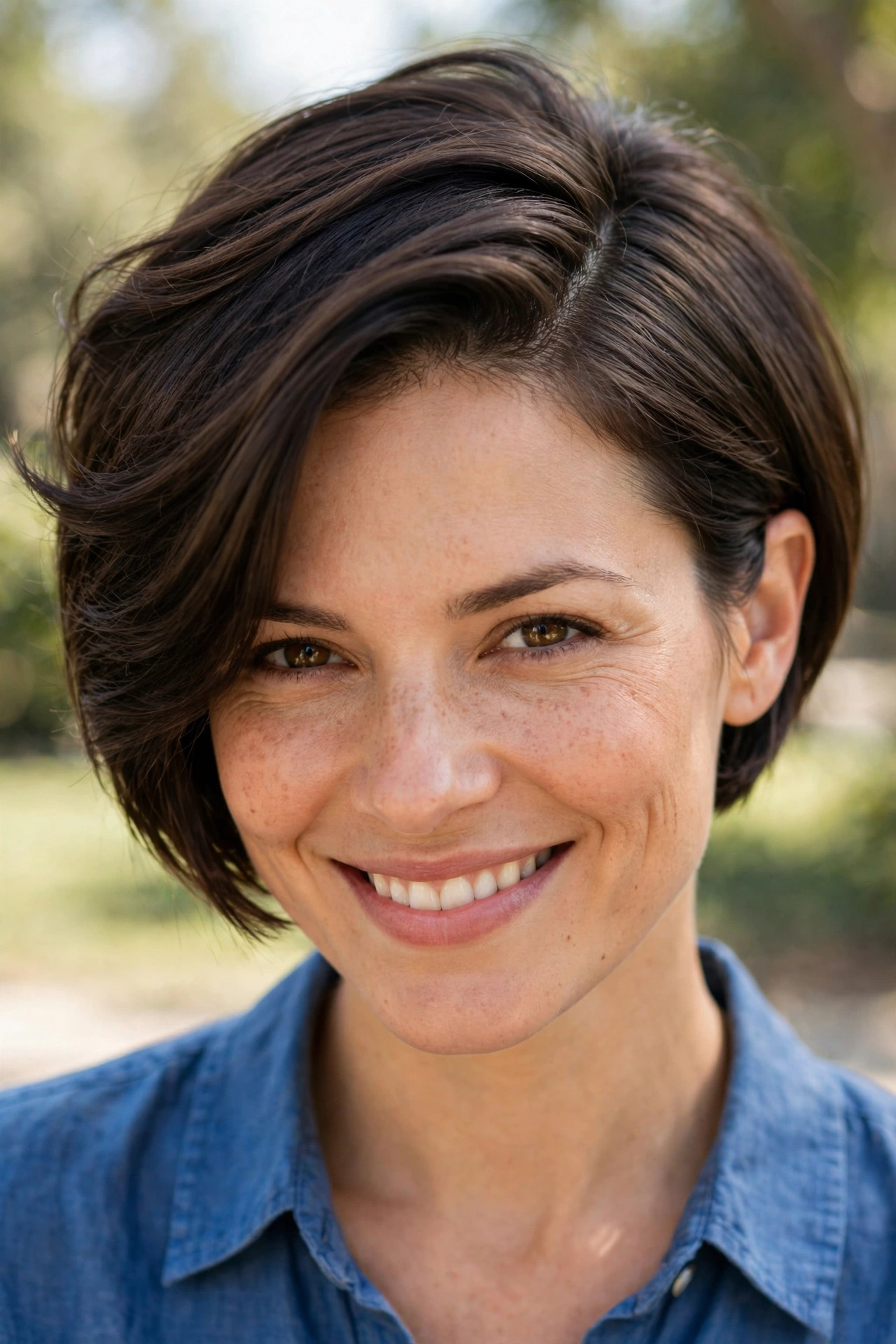
A short pixie cut with uneven, piece-y layers throughout. The choppiness adds texture and prevents the cut from looking too uniform or severe. Timeless with an edge.

2. Long Top Choppy Pixie

The top is kept longer (2 to 3 inches) while the back and sides are short and choppy. Style the longer top into messy spikes or a textured sweep. Versatile and modern.

3. Asymmetrical Choppy Pixie

One side is cut longer than the other, with choppy layers throughout. The asymmetry adds drama and visual interest while the choppiness softens the overall look.

4. Choppy Pixie with Bangs

Soft, choppy bangs paired with a textured pixie. The bangs can be side-swept, straight across, or piece-y. Adds fullness to the front and frames the face.

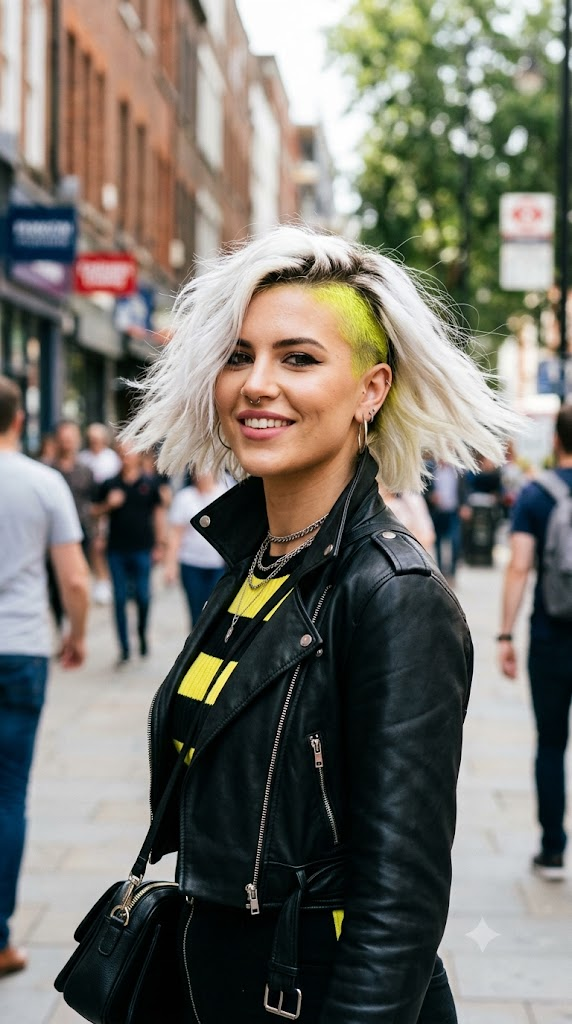
5. Undercut Choppy Pixie

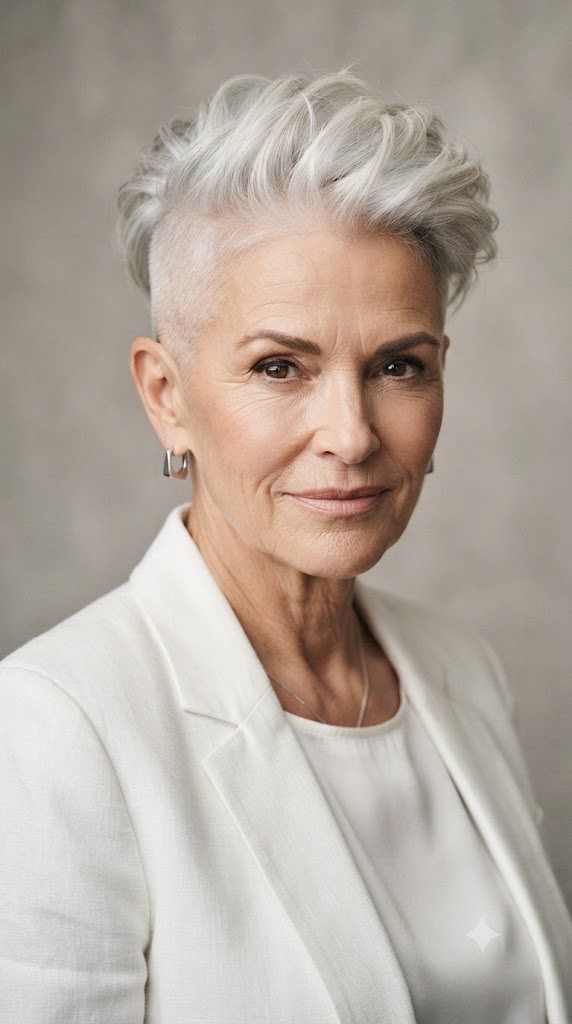
Sides and back are closely clipped or shaved, with a choppy textured top. The contrast between the clean undercut and the messy top is edgy and bold.

6. Curly Choppy Pixie

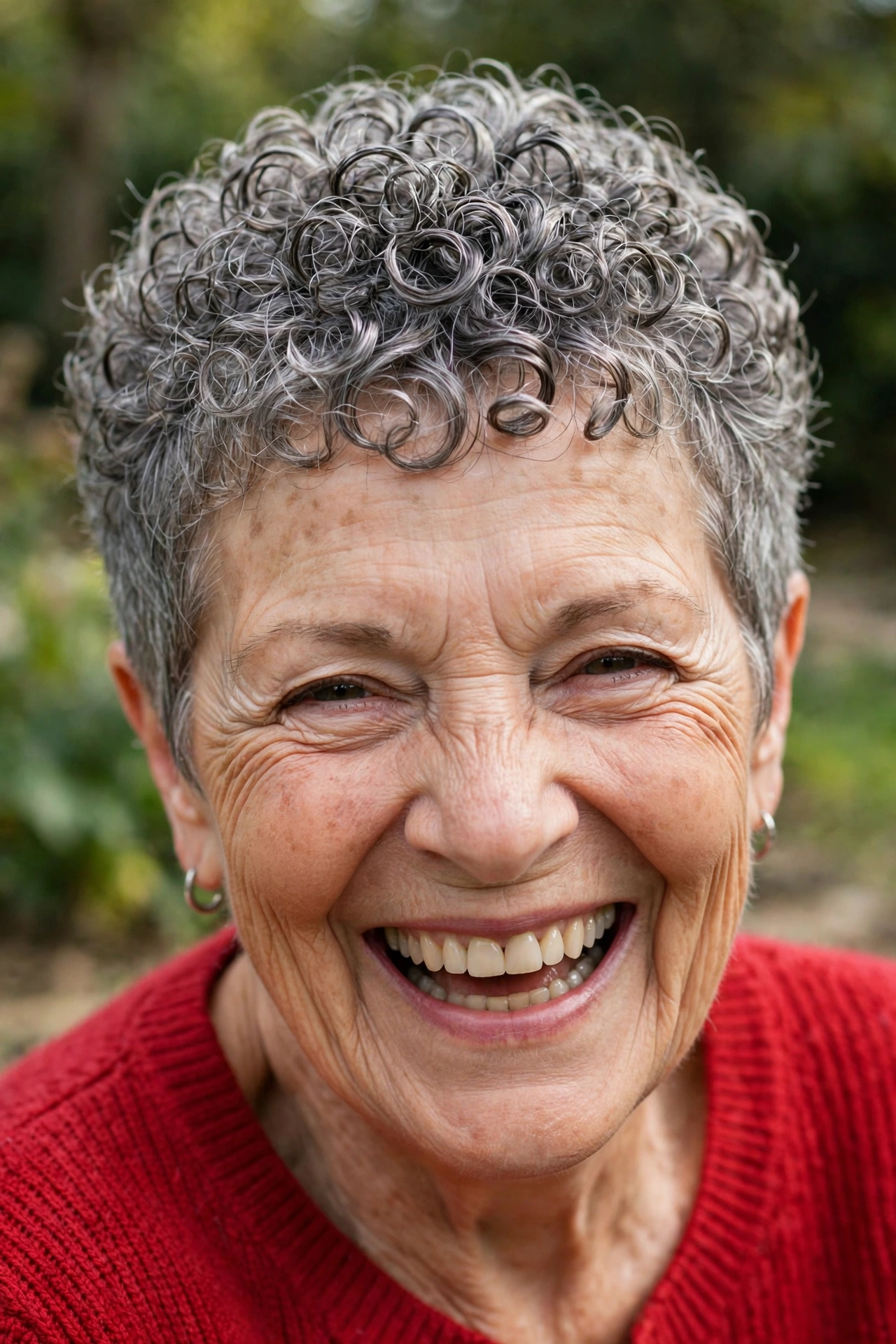
For naturally curly or permed hair. Curls are cut into choppy, uneven layers that allow curls to spring up randomly. Full, playful, and full of personality.

7. Spiky Choppy Pixie

The choppy layers are styled upward into soft or dramatic spikes. Use wax or paste to pinch and lift sections. Youthful and energetic.

8. Tapered Choppy Pixie

Short and closely tapered on the sides and back, gradually lengthening toward the top where the choppy layers are concentrated. Clean but textured.

9. Messy Bedhead Choppy Pixie

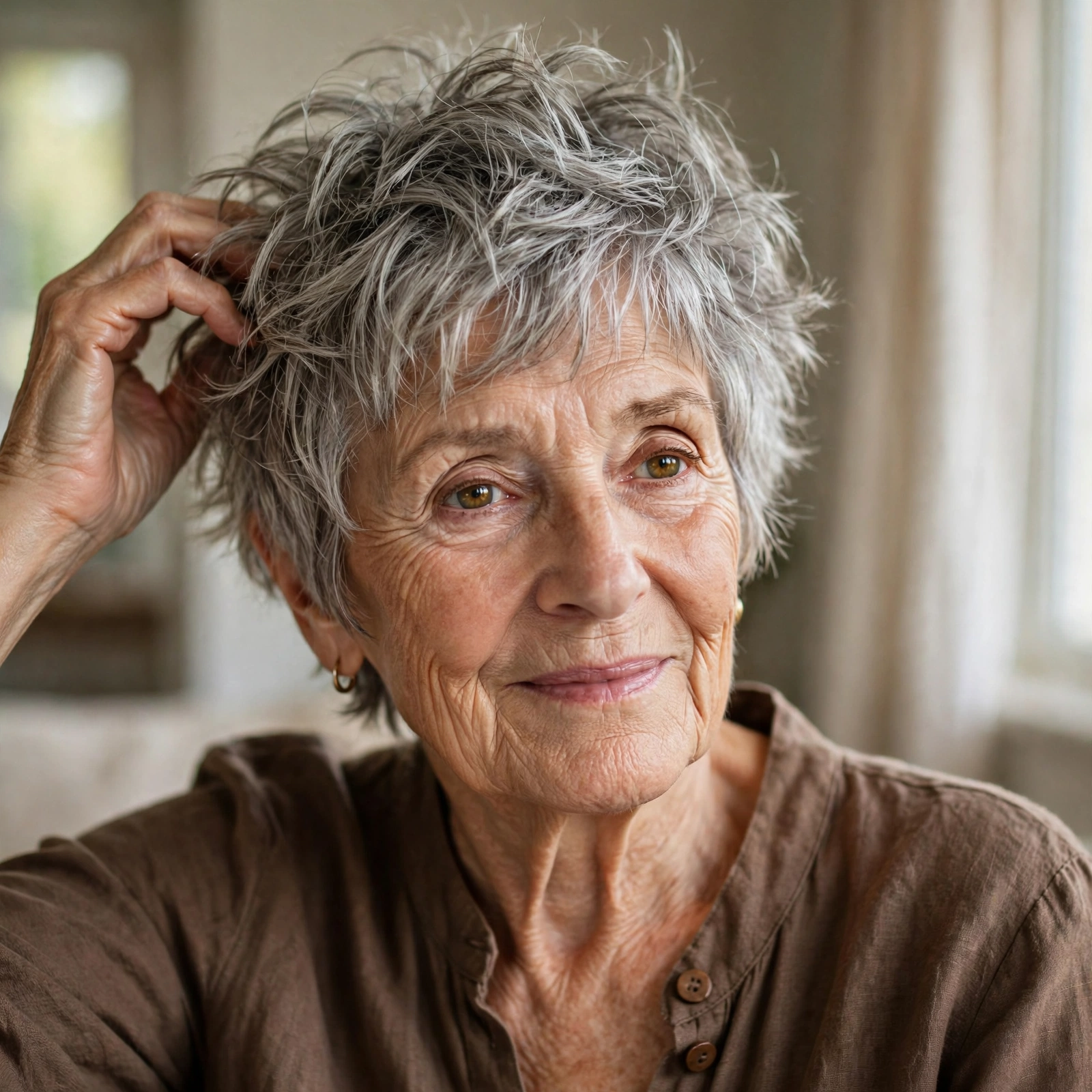
A deliberately undone choppy pixie with no hard lines. Use a touch of texture paste and your fingers to create piece-y separation. Effortless and cool.

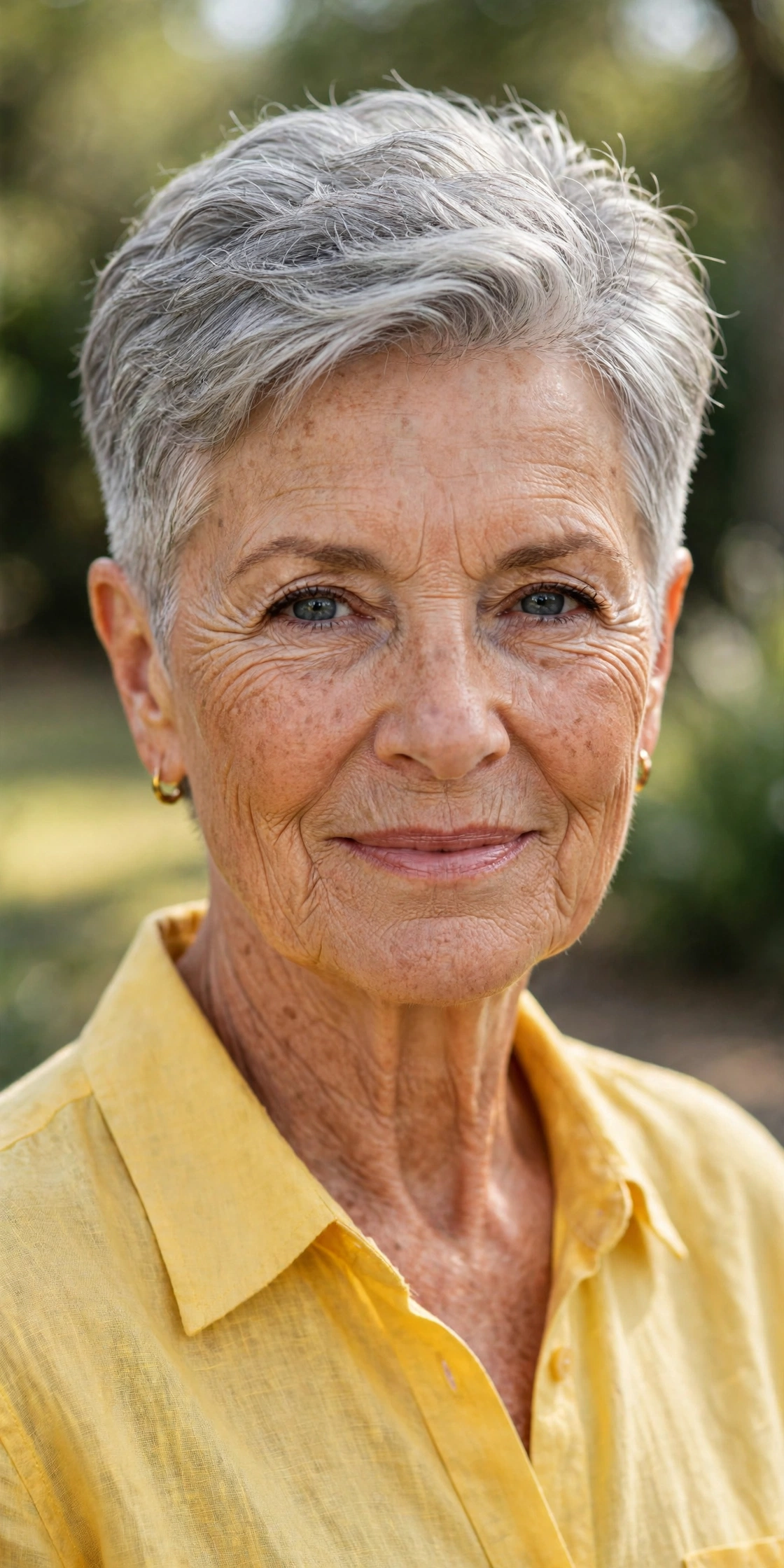
10. Gray Choppy Pixie

For women embracing natural gray or silver hair. A choppy pixie on gray hair is striking and sophisticated. The choppiness adds energy to the silver.


Styling Guide

Wash & Prep

Use a volumizing shampoo. Skip conditioner or use a tiny amount only on the ends (conditioner weighs choppy texture down). Towel-dry gently.

Dry for Grip

Blow-dry using your fingers. Dry against the natural growth direction to create lift and grip. For maximum texture, dry almost completely.

Apply Product

Warm a pea-sized amount of texture paste, clay, or wax between your fingers. Avoid gels and heavy creams—they destroy choppy texture.

Create the Choppiness

Work the product into the top and crown sections only. Use your fingertips to pinch, twist, and separate small sections. Don't over-smooth. Choppy is the goal.

Finish Without Heaviness

Choppy pixies generally don't need hairspray. The product provides the hold. If you must use spray, choose a flexible-hold and spray from far away.

Quick Tip

Choppy pixies look best on day-two or three hair. Wash less often and use dry shampoo at night to build grip and texture. The dirtier the hair, the better the chop.


Conclusion

Choppy pixie haircuts are for women who want edge, texture, and attitude without spending hours on styling. These 10 styles—from classic choppy to asymmetrical to curly to gray—prove that short hair can be anything but boring. The choppiness adds volume where thin hair needs it and movement where thick hair feels heavy. Bring your favorite id

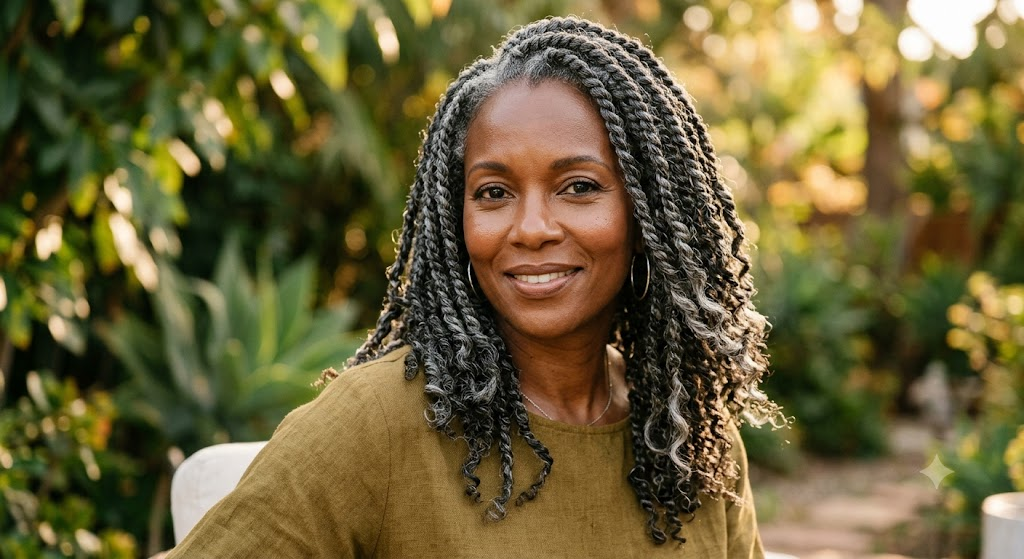
Short Hairstyles for Black Women: Natural Hair Braids & Cornrows: 10 Stunning Ideas

June 5, 2026 by Jessica Guevara Leave a Comment

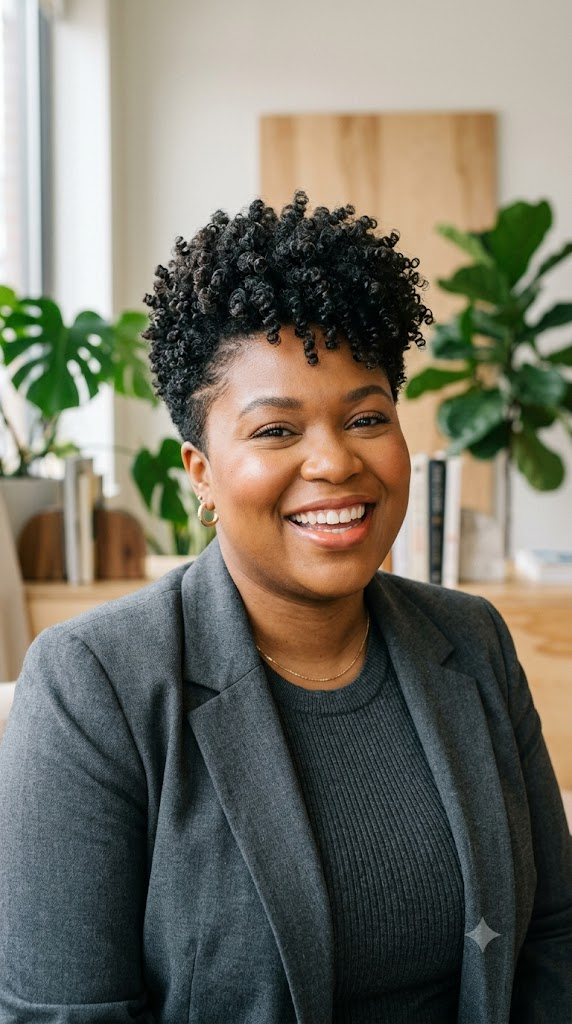
If you're a Black woman with short natural hair, braids and cornrows offer endless styling possibilities. Protective, low-maintenance, and incredibly beautiful, these styles celebrate your natural texture while keeping your hair healthy. Whether you want something simple or elaborate, these 10 short hairstyles featuring braids and cornrows will inspire your next look.


10 Short Hairstyles for Black Women: Natural Hair Braids & Cornrows

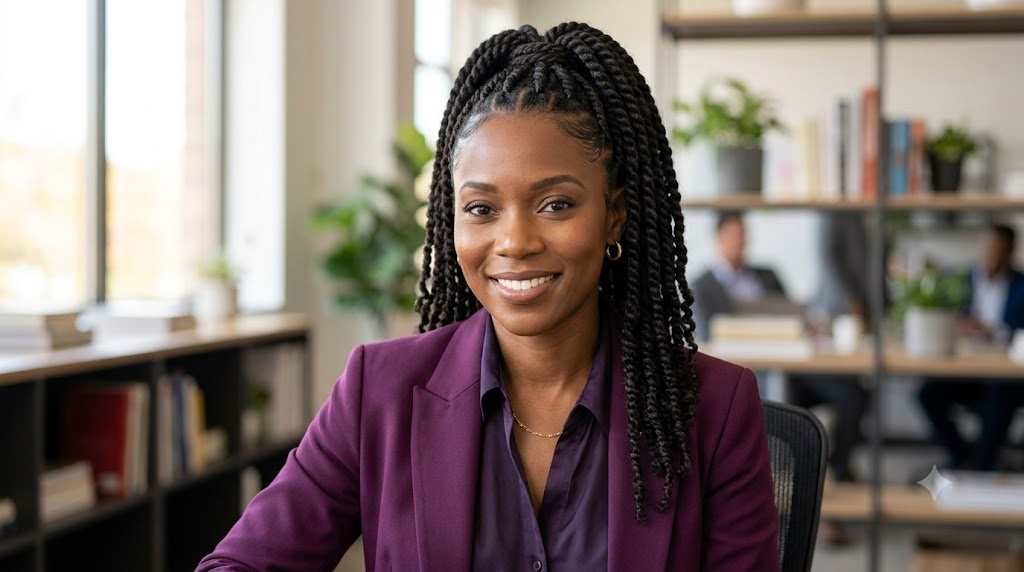
1. Classic Straight-Back Cornrows

Simple, clean cornrows braided straight from the forehead to the nape. Can be 4, 6, or 8 rows. Timeless, elegant, and perfect for everyday wear or under wigs.

2. Curved Cornrows

Cornrows that follow the natural curve of your head, often sweeping to one side or creating a crescent shape. Softer and more organic than straight-back rows.

3. Fulani Braids with Beads

Inspired by the Fulani people. Cornrows at the front with a central braid down the middle, often adorned with beads or gold cuffs. Bold and beautiful.

4. Lemonade Braids

Side-swept cornrows inspired by Beyoncé's iconic look. Braids are angled to one side, often with the other side shaved or left loose. Fierce and fashionable.

5. Feed-In Cornrows

Cornrows created by feeding in small amounts of added hair as you braid. Creates longer, thicker braids without tension. Great for short natural hair.

6. Cornrow Updo

Cornrows braided upward and pinned into a bun, twist, or other updo shape. Elegant and perfect for special occasions or professional settings.

7. Knotless Braids on Short Hair

Braids that start with your natural hair and gradually add extension hair. No tight knot at the base. Gentle on edges and looks more natural.

8. Cornrow Ponytail

Cornrows braided from the front to the crown, then gathered into a ponytail at the back. The ponytail can be braided, twisted, or left loose. Functional and cute.

9. Stitch Braids

Cornrows with a distinctive "stitch" pattern created by the way hair is fed into the braid. Looks like tiny stitches along each row. Modern and detailed.

10. Cornrow Heart or Geometric Designs

Cornrows arranged into a heart shape, zigzags, or other geometric patterns at the back or side. Artistic, personalized, and perfect for special events.


Styling Guide

Prep Your Natural Hair

Wash and deep condition before braiding. Detangle thoroughly. Your hair should be clean, moisturized, and stretched (blow-dry or air-dry in braids beforehand).

Moisturize Correctly

Apply a lightweight leave-in conditioner and a water-based braid spray. Seal with a light oil (jojoba, grapeseed, or almond). Avoid heavy greases that cause buildup.

Protect Your Edges

Never let braids be too tight around your hairline. Tension alopecia is real. Communicate with your braider about comfort. Take breaks between styles.

Maintain Your Braids

Wrap hair with a satin or silk scarf at night. Spray with braid spray or watered-down leave-in conditioner every few days. Wash gently with diluted shampoo if needed.

Know When to Remove

Don't keep braids in for more than 6 to 8 weeks. Signs it's time: lots of frizz, matting at the roots, tension pain, or visible buildup.

Quick Tip

For short natural hair, feed-in or knotless techniques are gentler and allow more of your natural hair to be incorporated. They also last longer and look more natural than traditional extensions.


Conclusion

Short natural hair and braids/cornrows are a match made in heaven. These 10 styles—from classic straight-backs to Fulani braids to heart-shaped designs—prove that short hair can be versatile, protective, and absolutely stunning. The key is gentle braiding, proper moisture, and nightly protection. Bring your favorite idea to a skilled braider, take care of your edges, and wear your crown with pride.

Short Haircuts for Women with Straight Hair: 10 Sleek Ideas

June 5, 2026 by Jessica Guevara Leave a Comment

If you have straight hair, short haircuts can be incredibly striking. Straight hair shows every line, every angle, and every detail—which means the right cut looks polished and modern, while the wrong cut can fall flat. These 10 short haircuts are designed specifically for straight hair, from sleek and smooth to textured and edgy.
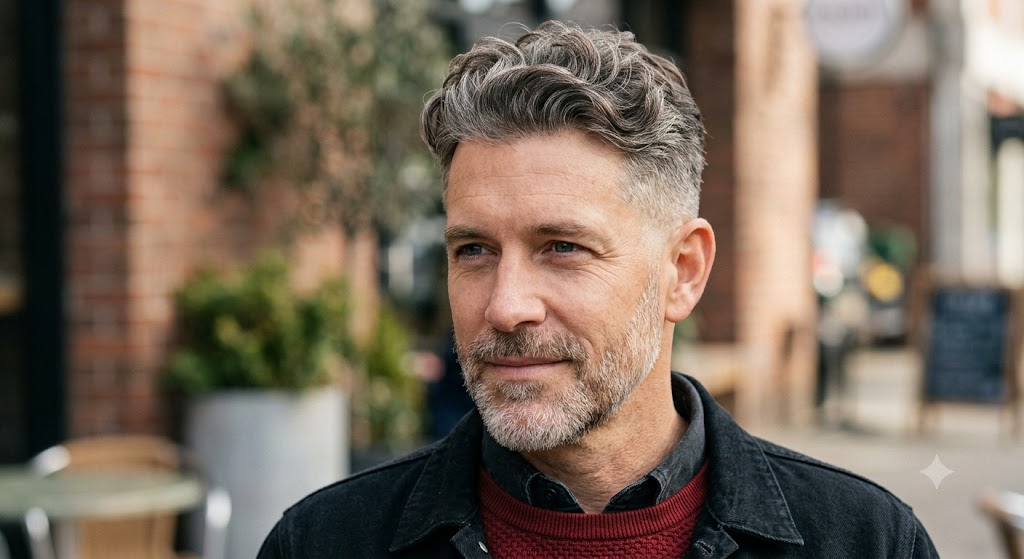

10 Short Haircuts for Women with Straight Hair

1. Classic Blunt Pixie

A short pixie cut with clean, blunt lines. No layers, no texture—just sharp, precise edges. The bluntness creates the illusion of thicker hair. Timeless and elegant.

2. Textured Pixie with Piece-Y Layers

A short pixie with soft, choppy layers throughout. The texture adds movement and prevents straight hair from looking flat or helmet-like. Modern and easy.

3. Asymmetrical Pixie

One side is cut longer than the other. The uneven lengths create drama and visual interest. Perfect for straight hair because every angle is visible.

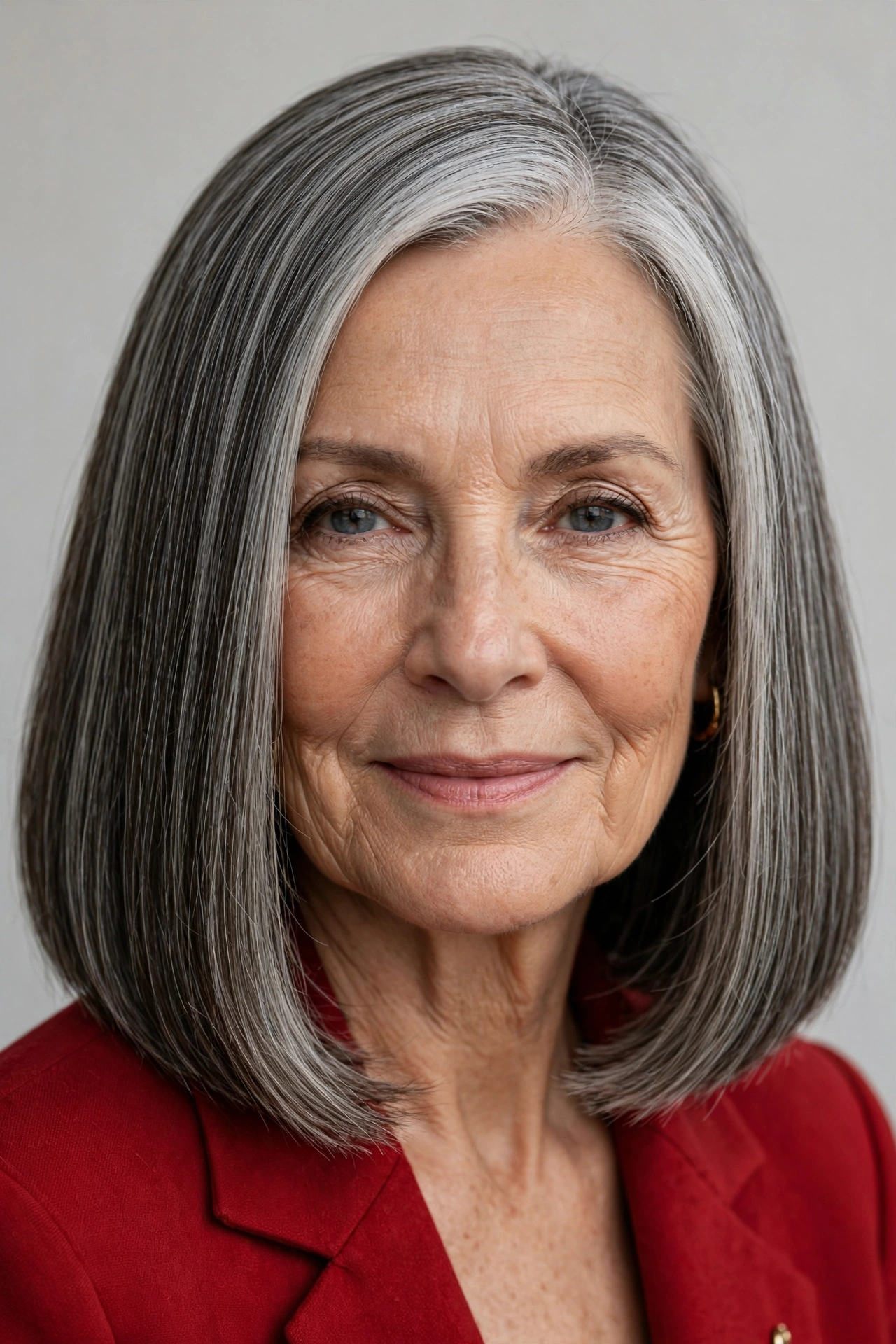
4. Sleek Blunt Bob

A chin-length bob cut straight across with no layers. Pin-straight and polished. The blunt ends make fine straight hair look thick and dense.

5. Stacked Bob

Shorter in the back with stacked layers, gradually lengthening toward the front. The stacking creates volume at the crown that straight hair often lacks.

6. Long Pixie (Pixie Bob)

A hybrid cut—shorter in the back like a pixie, longer in the front like a bob. The longer front pieces can be swept to the side or tucked behind ears.

7. Undercut Pixie

Sides and back are closely clipped or shaved, with longer hair on top. The contrast between shaved sides and smooth top is edgy and modern.

8. French Bob

A shorter bob that hits at the jawline or above, often with soft bangs. Chic, timeless, and incredibly sophisticated on straight hair.

9. Sharp A-Line Bob

An angled bob that is shorter in the back and dramatically longer in the front. The sharp angle adds instant edge and elongates the neck.

10. Bowl Cut (Modern)

A modern take on the classic bowl cut—blunt, rounded, and precise. When done correctly, it's high fashion and incredibly cool. Not for the timid.


Styling Guide

Wash & Prep

Use a volumizing shampoo and lightweight conditioner (ends only). Apply a heat protectant and a small amount of volumizing mousse to damp roots.

Dry for Smoothness

Blow-dry using a paddle brush or round brush. Direct air downward along the hair shaft to seal the cuticle and create shine. For volume, lift roots with a round brush.

Add Grip

Straight hair can be slippery. Spray dry texture spray or volumizing powder at the roots to give hair the grip it needs to hold its shape.

Create Sleek or Textured

For sleek styles, use a flat iron and add a drop of shine serum. For textured styles, warm a pea-sized amount of paste or wax between fingers and work through ends.

Finish Light

Mist with flexible-hold hairspray. Avoid heavy products that make straight hair look greasy or weighed down.

Quick Tip

Straight hair shows oil faster than any other texture. Wash every other day and use dry shampoo at the roots immediately after drying—not just when it looks greasy.


Conclusion

Short haircuts on straight hair are all about precision. Every line and angle is visible, which means the right cut looks sharp, modern, and incredibly chic. These 10 styles—from blunt pixies to stacked bobs to undercuts—prove that straight hair can be anything but boring. Bring your favorite idea to your stylist, keep your products lightweight, and enjoy the sleek, polished confidence of short straight hair.

Mid Length Curly Haircuts for Thin Hair: 10 Volumizing Ideas

June 5, 2026 by Jessica Guevara Leave a Comment

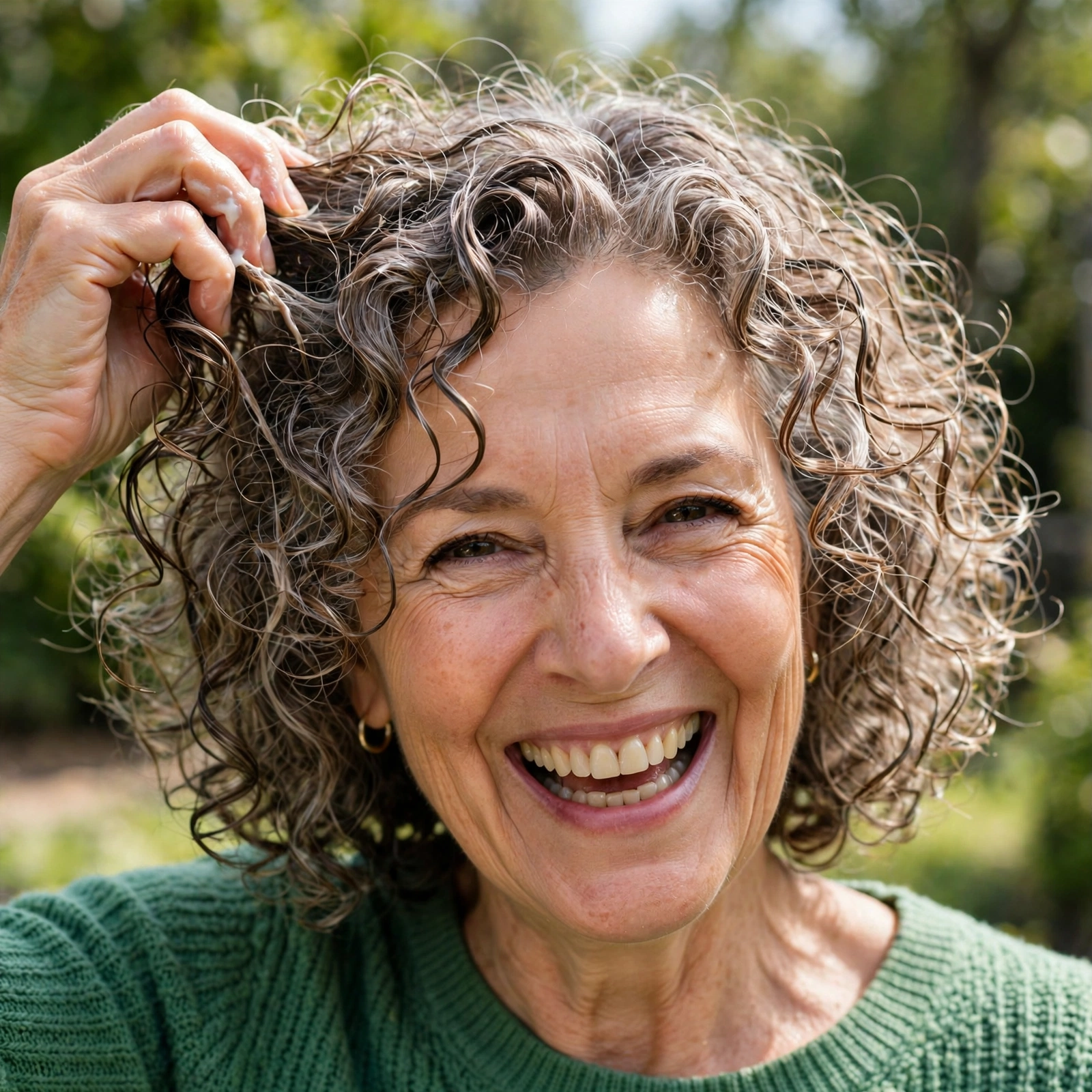
If you have thin hair and natural curls (or a perm), you already know the struggle. Curls can add incredible volume, but the wrong cut can leave you with flat roots and stringy ends. The right mid length curly haircut removes weight where you don't need it and adds shape where you do. Here are 10 mid length curly haircuts designed specifically for thin hair.


10 Mid Length Curly Haircuts for Thin Hair

1. Long Layered Curls

Soft, long layers throughout mid length curly hair. The layers remove just enough weight to let curls spring up without losing density at the ends. Perfect for thinner curl patterns.

2. Curly Shag Mid Length

A shag haircut on mid length curls with choppy, disconnected layers. Adds massive volume at the crown and movement throughout. Edgy and modern.

3. Face-Framing Curly Layers

Layers that start at the cheekbones and angle downward, with a middle or side part. The face-framing pieces highlight your features and add shape where thin hair needs it most.

4. Rounded Curly Bob

A mid length bob (between chin and shoulders) cut into a rounded shape. The rounded silhouette creates the illusion of full, dense curls. No triangle shape here.

5. Curly Layers with Curtain Bangs

Soft curtain bangs that part in the middle and blend into mid length curly layers. The bangs add fullness to the front and hide sparse areas at the hairline.

6. Voluminous Crown Curls

Layers cut specifically to lift the crown area. The top sections are cut shorter so curls spring upward. Maximum height where thin hair needs it most.

7. Textured Curly Ends

The ends of each layer are point-cut or razored for a soft, wispy finish. Removes bulk at the ends so thin curls don't look stringy or see-through.

8. Invisible Layers Curls

Very subtle, fine layers throughout that you can barely see. They add internal movement and bounce without changing the overall shape. Great for very fine curly hair.

9. Curly Mid Length with Side Part

A simple cut with soft layers, styled with a deep side part. The side part instantly adds height at the crown and makes thin curls look fuller.

10. Air-Dry Curly Cut

A cut designed specifically to look good air-dried. No heat, no diffuser, no fuss. The stylist cuts your curls dry, following your natural curl pattern.


Styling Guide

Wash & Prep

Use a moisturizing sulfate-free shampoo and lightweight conditioner. Apply a leave-in conditioner and a small amount of lightweight curl cream to soaking wet hair.

Detangle Gently

Use a wide-tooth comb or your fingers in the shower with conditioner. Never brush dry curly hair. Start from ends and work up.

Add Volume Products

Scrunch in a lightweight mousse or volumizing foam at the roots. Avoid heavy butters, oils, or creams—they weigh thin curls down.

Dry for Volume

Flip your head upside down and use a diffuser on low heat. Cup sections of curls and lift toward the scalp. Or air dry for softer results.

Break and Fluff

Once completely dry, flip head over and shake at the roots. For gel-cast curls, scrunch gently to break the hardness. Never brush.

Quick Tip

Thin curly hair looks best on day two. Sleep on a satin pillowcase and spray lightly with water in the morning to reactivate your curl pattern. A little dry shampoo at the roots adds grip and volume.


Conclusion

Mid length curly hair and thin hair can be a beautiful combination with the right cut. These 10 styles—from long layers to curly shags to rounded bobs—prove that thin curls can look full, bouncy, and full of life. The key is removing weight strategically, adding volume at the crown, and using lightweight products. Bring your favorite idea to a stylist who understands curls, and get ready to love your thin curly hair.

Pixie Haircut with Undercut Shaved Sides: 12 Edgy Ideas

June 4, 2026 by Jessica Guevara Leave a Comment

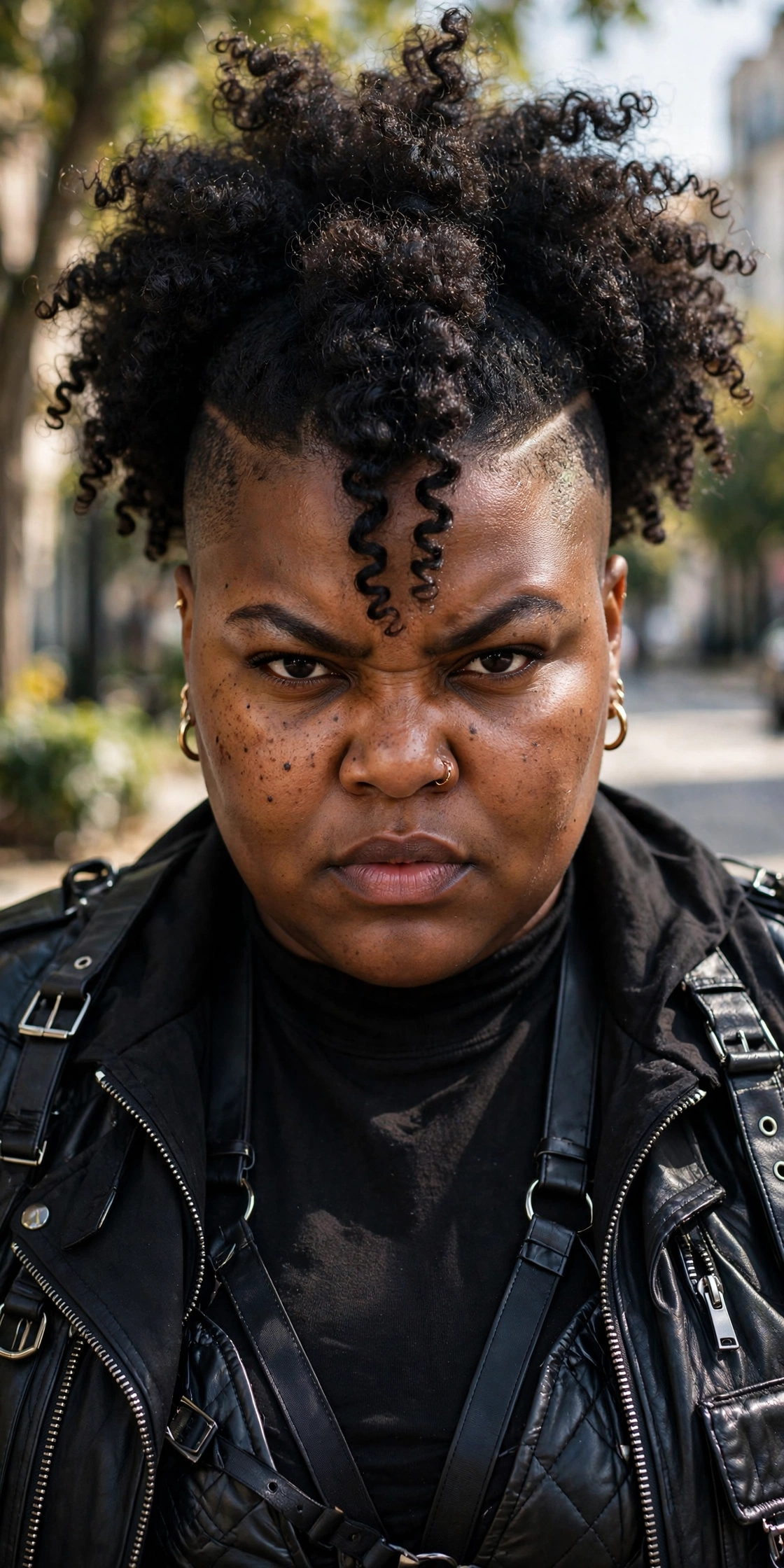
If you're ready to make a bold statement, a pixie haircut with an undercut and shaved sides is waiting for you. This edgy style features closely clipped or shaved sides and back, with longer hair on top. The contrast is dramatic, modern, and incredibly confident. Whether you want subtle or extreme, these 12 pixie undercut ideas will inspire your next transformation.


12 Pixie Haircut with Undercut Shaved Sides Ideas

1. Classic Undercut Pixie

Sides and back are closely clipped (often with clippers), while the top is left longer and textured. The clean contrast creates a bold, modern silhouette.

2. Disconnected Undercut Pixie

A sharp, dramatic disconnect between the shaved sides and the longer top. No blending whatsoever. Edgy, architectural, and unforgettable.

3. Textured Top Undercut

The top is cut into choppy, piece-y layers and styled with texture paste. The messy top contrasts beautifully with the clean shaved sides.

4. Curly Undercut Pixie

For naturally curly or permed hair. The sides are clipped close, leaving the curly top to spring up with massive volume. Playful and full of personality.

5. Long Swept Top Undercut

The top is kept longer (3 to 4 inches) and swept dramatically to one side. The long top balances the shaved sides for a sophisticated edgy look.

6. Spiky Undercut Pixie

The top is cut into short spike-friendly layers and styled upward. The spikes add height and energy. The undercut keeps the look clean and modern.

7. Design Shaved Undercut

The shaved sides feature a design or pattern—lines, zigzags, swirls, or shapes. Adds an artistic, personalized touch to the undercut.

8. Side-Swept Bangs Undercut

An undercut pixie with long, side-swept bangs that drape across the forehead. The bangs soften the edgy undercut and frame the face beautifully.

9. Gray Undercut Pixie

An undercut pixie designed for natural gray or silver hair. The contrast between the shaved sides and the textured gray top is striking and sophisticated.

10. Asymmetrical Undercut Pixie

One side is shaved closer or higher than the other. The asymmetry adds visual interest and draws the eye diagonally for a slimming effect.

11. Swept Back Undercut Pixie

The longer top is styled back and away from the face using pomade or wax. Clean, sleek, and incredibly modern. Shows off the full undercut.

12. Neon or Colorful Top Undercut

The shaved sides are kept neutral while the longer top is dyed a bold color—pink, blue, purple, or silver blonde. Maximum edge and personality.


Styling Guide

Wash & Prep

Use a volumizing shampoo. Skip conditioner on the shaved sides (they don't need it). Apply a lightweight mousse to the top section only.

Dry for Volume

Blow-dry the top section using your fingers or a small round brush. Lift straight up or dry against the natural growth direction for maximum height.

Apply Product

Warm a pea-sized amount of texture paste, clay, wax, or pomade between your fingers. Work it into the top section only. Avoid the shaved sides.

Create the Style

For spikes, pinch and lift small sections upward. For swept styles, use a comb or fingers to direct hair to one side or back. For messy looks, tousle randomly.

Maintain the Undercut

The beauty of an undercut is the clean line. Schedule touch-ups every 2 to 4 weeks to keep the shaved sides fresh. The top can go longer between cuts.

Quick Tip

If you're new to undercuts, start with a subtle one—just the lower half of the sides shaved. You can always go higher or more dramatic at your next appointment.


Conclusion

A pixie haircut with an undercut and shaved sides is not for the faint of heart—it's for women who know what they want and aren't afraid to show it. These 12 ideas prove that undercuts can be subtle, dramatic, curly, spiky, or even colorful. The contrast between shaved sides and longer top adds instant volume and edge. Bring these ideas to your stylist, embrace the clippers, and get ready to turn heads.

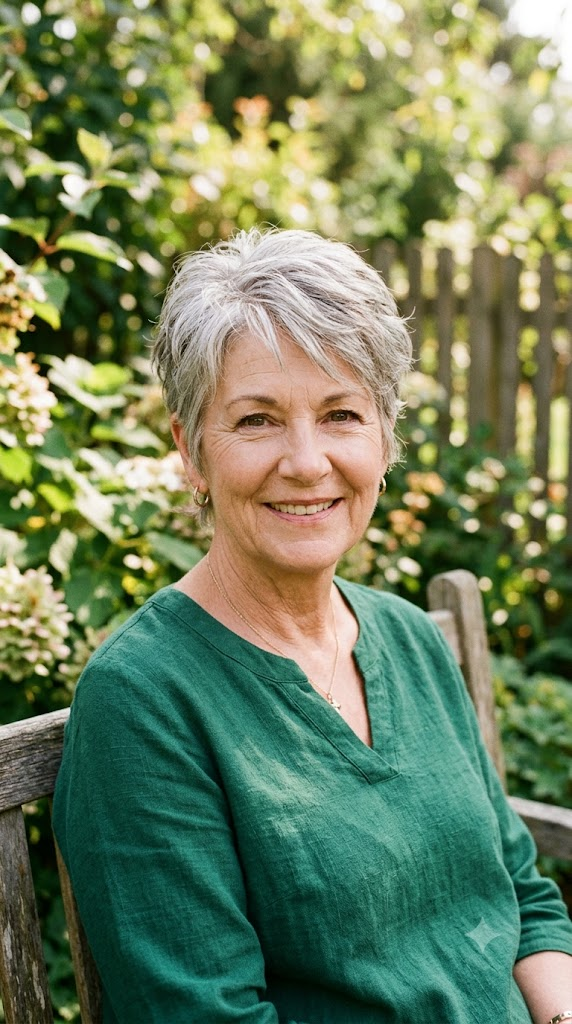
Pixie Bob Haircut for Short Older Women: 12 Flattering Ideas

June 4, 2026 by Jessica Guevara Leave a Comment

If you're an older woman looking for a short haircut that combines the sass of a pixie with the length of a bob, the pixie bob is your answer. This hybrid cut is shorter in the back like a pixie and longer in the front like a bob. It's youthful, low-maintenance, and incredibly flattering for women over 60. Here are 12 pixie bob haircut ideas for short older women.


12 Pixie Bob Haircut Ideas for Short Older Women

1. Classic Pixie Bob

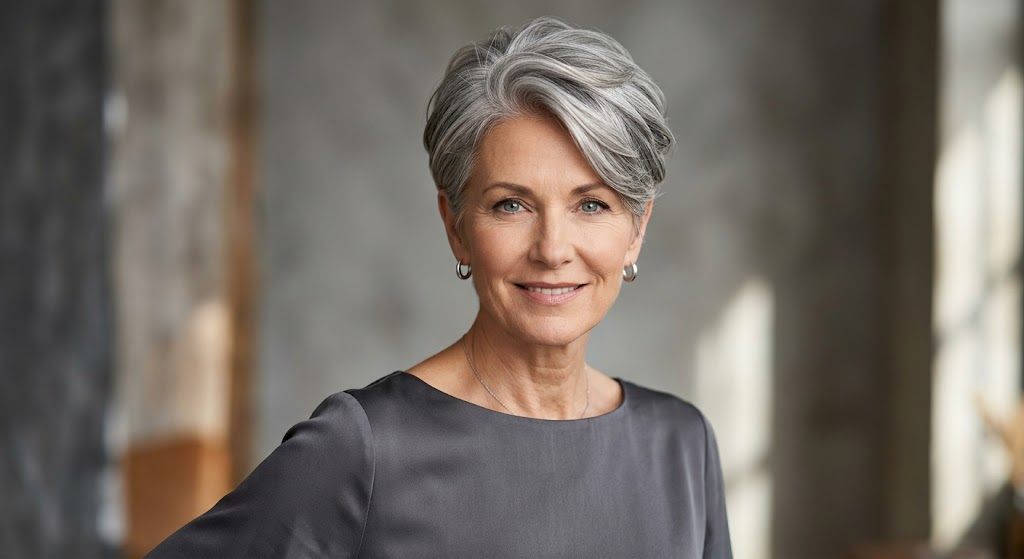
A timeless version with a short, tapered back and front pieces that hit around the ear or jawline. Clean, elegant, and easy to style.

2. Textured Pixie Bob

Soft, choppy layers throughout with piece-y ends. The texture adds volume and movement, making thin hair look fuller.

3. Asymmetrical Pixie Bob

One side is cut longer than the other. The uneven lengths create drama and draw the eye diagonally for a slimming effect.

4. Curly Pixie Bob

For naturally curly or permed hair. Short, bouncy curls in a pixie bob shape. The curls add volume and softness around the face.

5. Long Top Pixie Bob

The top is kept longer (2 to 3 inches) while the back and sides are closely cropped. Style the top swept to the side or slightly spiky.

6. Wispy Pixie Bob

Soft, feathery layers with light, wispy ends. Perfect for women who want a gentler, more romantic take on the short cut.

7. Stacked Pixie Bob

The back is cut with stacked layers for extra volume at the crown. The front gradually lengthens toward the face. Lifted and youthful.

8. Side-Swept Pixie Bob

Longer front pieces swept dramatically to one side. The deep side part adds instant height and disguises thinning at the crown.

9. Messy Bedhead Pixie Bob

A deliberately tousled pixie bob with no hard lines. Use a touch of texture paste to create piece-y separation. Effortless and modern.

10. Pixie Bob with Bangs

Front pieces cut into soft bangs that can be worn straight across or swept to the side. Bangs add fullness to the front and hide forehead lines.

11. Sleek Pixie Bob

Smooth, polished finish with clean lines. Use a flat iron and shine serum. Sophisticated and perfect for formal occasions.

12. Gray Pixie Bob

For women embracing their natural gray or silver hair. The pixie bob shape adds modern style while the gray color adds sophistication.


Styling Guide

Wash & Prep

Use a volumizing shampoo and lightweight conditioner (ends only). Apply a dime-sized amount of mousse to damp roots.

Dry for Volume

Blow-dry using a small round brush or your fingers. Lift the crown straight up. For a sleek look, direct air downward with a paddle brush.

Apply Product

For textured or messy styles, warm a pea-sized amount of paste or wax between your fingers. Work through the top sections only. For sleek styles, add a drop of shine serum.

Create the Shape

For side-swept, brush longer pieces to one side. For messy, tousle with fingers. For sleek, smooth with a flat iron. For bangs, dry them forward or to the side.

Finish Light

Mist with flexible-hold hairspray from a distance. Avoid heavy products that weigh short hair down.

Quick Tip

A pixie bob needs frequent trims to maintain its shape—every 4 to 6 weeks. Between cuts, use a little dry shampoo at the roots to add grip and extend your style.


Conclusion

The pixie bob is one of the most versatile and flattering short haircuts for older women. It gives you the ease of a pixie with the softness of a bob. Whether you prefer textured, sleek, curly, or gray, these 12 ideas prove there's a pixie bob for every woman over 50. Bring your favorite to your stylist, keep up with regular trims, and enjoy a haircut that makes you feel youthful and confident

Medium Length Locs Hairstyles for Women: 12 Beautiful Ideas

June 4, 2026 by Jessica Guevara Leave a Comment

If you wear locs and prefer medium length, you have endless styling possibilities. Medium length locs—typically between chin and shoulder length—are long enough to pull back or style up, but short enough to be lightweight and easy to maintain. Whether you want elegant, casual, or bold, these 12 medium length locs hairstyles will inspire your next look.


12 Medium Length Locs Hairstyles for Women

1. Half-Up Half-Down Locs

Gather the top half of your locs and secure them at the crown with a scrunchie or clip. The bottom half hangs freely. Effortless and perfect for everyday wear.

2. High Bun with Loose Ends

Pull all locs into a high bun on top of your head. Leave a few ends sticking out for a playful, messy finish. Great for hot days or active lifestyles.

3. Low Ponytail with Wrapped Base

Gather locs into a low ponytail at the nape. Wrap a small loc around the base to hide the elastic. Sleek, professional, and elegant.

4. Side-Swept Locs

Brush or finger-comb all locs to one side and let them fall over one shoulder. Romantic and dramatic. Perfect for date nights or special events.

5. Pineapple Updo

Gather all locs loosely at the very top of your head, letting the ends fan out like a pineapple. Fun, playful, and protects your locs overnight.

6. Two Strand Twists Updo

Twist sections of locs together into two-strand twists, then pin them into an elegant updo. Intricate-looking but surprisingly simple to achieve.

7. Loc Bob with Bangs

Medium length locs cut into a bob shape with loc bangs across the forehead. Chic, modern, and frames the face beautifully.

8. Crown Braid with Locs

Braid or twist locs around the perimeter of your head to create a crown effect. Regal, elegant, and perfect for weddings or formal events.

9. Messy Top Knot

Gather locs into a loose, messy knot on top of your head. Leave several locs hanging loose around your face. Effortless and cool.

10. Layered Loc Cut

Loc cut with varying lengths—shorter layers on top, longer in front and back. Adds movement and dimension to medium length locs.

11. Headband Style

Simply place a decorative headband or scarf over your locs and let them hang freely. Instant polish with zero effort. Great for second-day locs.

12. Curled Ends Locs

Use perm rods or flexi rods on the ends of your locs to create soft curls or spirals. Adds a romantic, feminine touch to medium length locs.


Styling Guide

Wash & Cleanse

Use a residue-free shampoo or apple cider vinegar rinse to clean your locs. Focus on the scalp. Never use conditioner with silicones—it leaves buildup.

Dry Thoroughly

Locs hold moisture. Always dry completely to prevent mildew or odor. Use a hooded dryer or sit in the sun. Never go to bed with damp locs.

Moisturize Correctly

Spray locs with a water-based moisturizer or rose water. Seal with a lightweight oil (jojoba, grapeseed, or almond). Avoid heavy creams or butters—they cause buildup.

Retwist as Needed

For maintained locs, retwist new growth every 4 to 6 weeks. For freeform locs, let them do their own thing. Both are beautiful—choose your path.
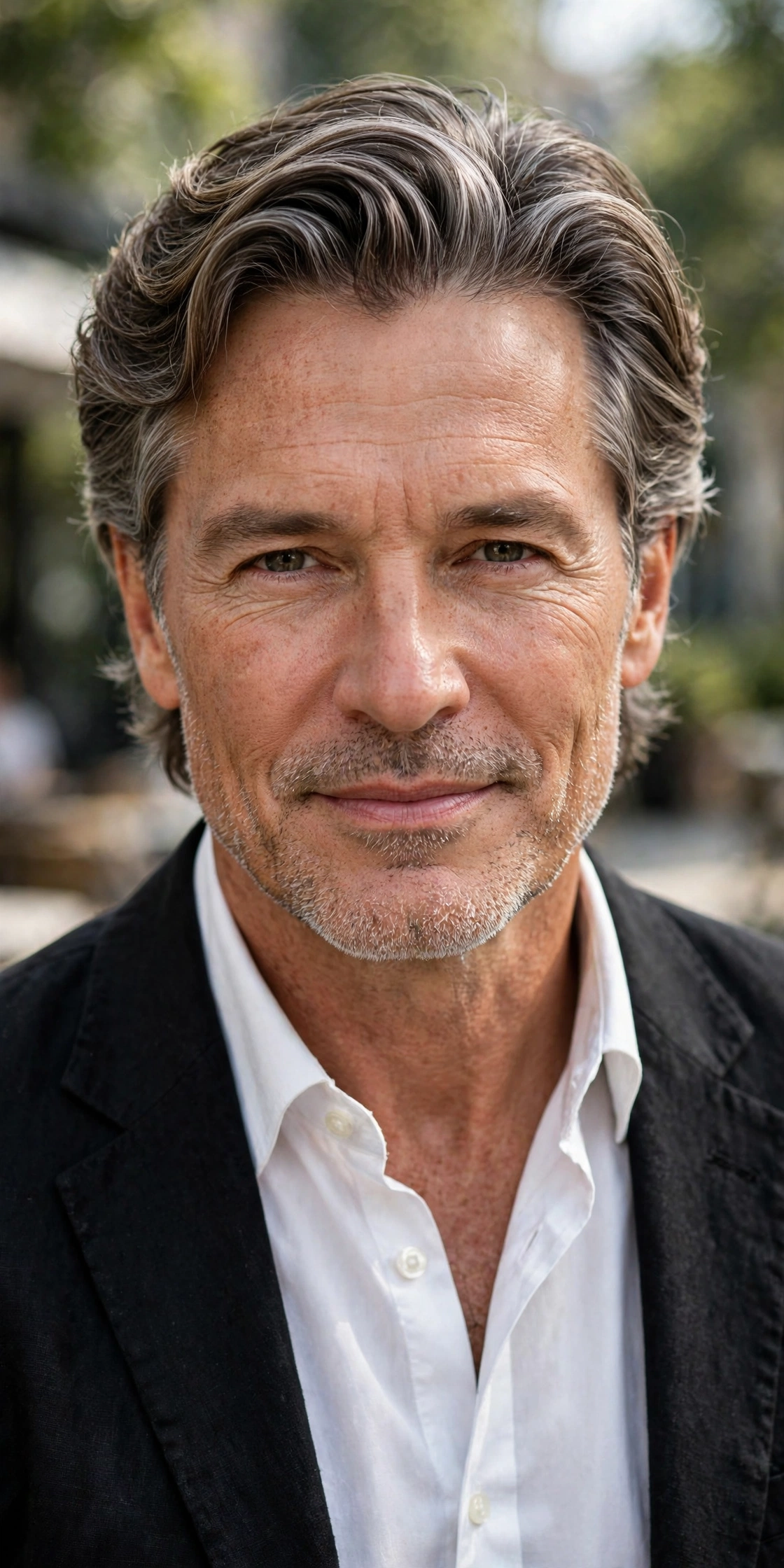
Style with Care

Avoid tight styles that pull at the roots. Use soft elastics, silk scrunchies, or loc-friendly bands. Never use rubber bands—they snag and break locs.

Night Protection

Wrap locs in a satin or silk scarf or use a satin pillowcase. This prevents frizz, lint, and breakage. Pineapple updo also works beautifully for medium length locs.

Quick Tip

Medium length locs are the easiest to style. Long enough to pull up, short enough to not weigh you down. Between washes, refresh with a spray of water and a few drops of essential oil for scent and moisture.


Conclusion

Medium length locs are versatile, beautiful, and surprisingly easy to style. Whether you prefer elegant updos, casual ponytails, or bold layered cuts, these 12 ideas prove that locs can do it all. Protect your locs at night, keep them moisturized but not heavy, and don't be afraid to experiment. Your locs are a crown—wear them with pride.

Blonde Bob Hairstyles for Fine Hair Shoulder Length: 10 Bright Ideas

June 4, 2026 by Jessica Guevara Leave a Comment

If you have fine, shoulder-length hair and love the idea of going blonde, you're in for a treat. Blonde adds dimension, reflects light, and creates the illusion of thicker, fuller hair. When paired with the right bob cut, blonde can transform fine, limp hair into a bright, voluminous statement. Here are 10 blonde bob hairstyles for fine, shoulder-length hair.


10 Blonde Bob Hairstyles for Fine Hair Shoulder Length

1. Platinum Blonde Textured Lob

A shoulder-length long bob in cool platinum blonde with soft, piece-y texture. The light color reflects light beautifully, making fine hair appear thicker.

2. Honey Blonde Blunt Bob

A one-length blunt bob at shoulder level in warm honey blonde. The blunt ends create density while the warm tone adds richness and depth.

3. Beachy Blonde Wavy Bob

Loose, beachy waves on a shoulder-length bob in sun-kissed blonde. Use sea salt spray and scrunching for effortless volume.

4. Ash Blonde Layered Bob

A shoulder-length bob with soft layers in cool ash blonde. The ash tone minimizes brassiness while layers add movement without losing weight.

5. Golden Blonde Side-Swept Bob

A classic shoulder-length bob with a deep side part in warm golden blonde. Sweep all hair to one side for instant volume and a flattering shape.

6. Blonde Balayage Lob

A shoulder-length bob with blonde balayage (hand-painted highlights) on a darker base. The dimension creates the illusion of thicker, more textured hair.

7. Champagne Blonde Textured Shag

A shoulder-length shag bob in soft champagne blonde. Choppy layers and a light, bubbly blonde tone work together for maximum volume.

8. Icy Blonde Sleek Bob

A smooth, pin-straight shoulder-length bob in icy platinum blonde. Polished and sophisticated. The cool tone adds brightness to fine hair.

9. Butter Blonde with Face-Framing Highlights

A soft shoulder-length bob in creamy butter blonde with slightly lighter face-framing pieces. Draws attention upward and adds dimension around the face.

10. Rooted Blonde Messy Bob

A shoulder-length bob with darker roots blending into a lighter blonde mid-length and ends. The dark roots add depth and make fine hair look fuller.


Styling Guide

Wash & Prep

Use a purple shampoo once a week to prevent brassiness (especially for cool blondes). Apply a lightweight volumizing mousse to damp roots.

Dry for Volume

Flip your head upside down and rough dry until 80% dry. Use a round brush to smooth ends and lift the crown. Direct air downward to avoid frizz.

Add Texture

Spray dry texture spray or sea salt spray at the roots and mid-lengths. For fine blonde hair, avoid heavy oils that can make it look greasy.

Create Waves or Smoothness

For a wavy blonde bob, use a 1-inch curling iron to add random bends. For a sleek bob, use a flat iron and add a lightweight shine spray.

Protect Your Blonde

Always use a heat protectant before styling. Blonde hair is more porous and prone to damage. A leave-in conditioner adds protection and softness.
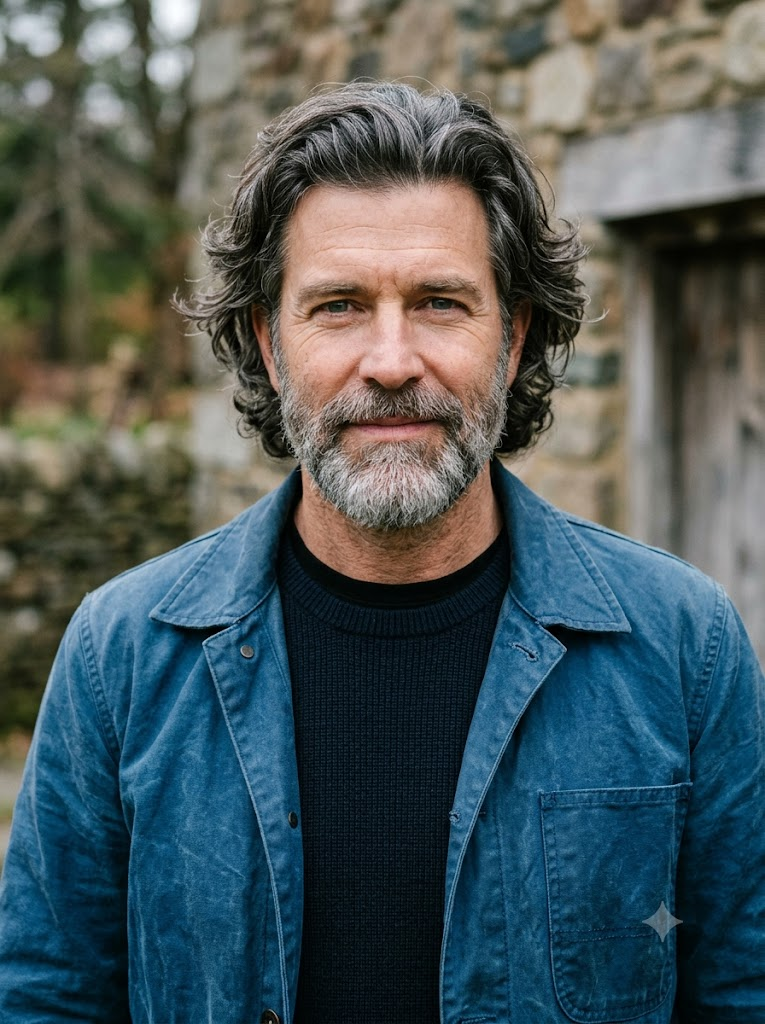
Quick Tip

Fine blonde hair shows oil and darkness at the roots faster than any other color. Use dry shampoo at the roots immediately after drying—not just when it gets oily. Touch up roots every 4 to 6 weeks.


Conclusion

Blonde and fine, shoulder-length hair are a perfect match. The right shade—whether platinum, honey, ash, or butter—adds light, dimension, and the illusion of thickness. These 10 blonde bob ideas prove that fine hair can look full, bright, and beautiful. Bring your favorite shade and cut to your stylist, protect your color with purple shampoo, and enjoy hair that shines as bright as you do.

Short Relaxed Hairstyles for Thin Hair: 10 Effortless Ideas

June 3, 2026 by Jessica Guevara Leave a Comment

If you have thin hair and want a short, relaxed style that doesn't require hours of upkeep, you're in the right place. Relaxed hairstyles are all about softness, ease, and natural movement. No rigid curls, no complicated updos—just simple, beautiful styles that work with your thin hair, not against it. Here are 10 short relaxed hairstyles for thin hair.


10 Short Relaxed Hairstyles for Thin Hair

1. Soft Tousled Pixie

A short pixie cut with soft, piece-y layers styled in a gently tousled way. Use your fingers and a touch of texture spray. Effortless and youthful.

2. Relaxed Layered Bob

A chin-length bob with soft, subtle layers that add movement without removing density. Air-dry for a natural, undone finish.

3. Messy Textured Crop

A very short crop with choppy, disconnected layers. Styled with a small amount of wax or paste for a deliberately messy, lived-in look.

4. Side-Swept Relaxed Pixie

A classic pixie with longer top pieces swept gently to one side. No spikes, no drama—just soft, easy elegance.

5. Finger-Waved Crop

Soft, subtle finger waves created on a very short crop. Vintage-inspired but relaxed. Perfect for special occasions or everyday glamour.

6. Relaxed Curly Pixie

For women with natural curls or a light perm. Let curls air-dry into soft, loose ringlets. No picking, no fluffing—just relaxed curl.

7. Blunt Bob with Soft Ends

A one-length blunt bob at chin level, but with ends that are lightly textured instead of sharp. Gives the illusion of thicker hair without stiffness.

8. Bedhead Pixie Bob

A pixie bob styled to look like you just rolled out of bed. A little dry shampoo, a little finger-tousling, and you're done.

9. Relaxed Asymmetrical Cut

An asymmetrical short cut where one side is slightly longer. The unevenness adds visual interest while keeping the overall look soft and easy.

10. Natural Gray Relaxed Crop

For women embracing their gray hair. A short, relaxed crop with soft texture. Let your natural color and natural texture do all the work.


Styling Guide

Wash & Prep

Use a volumizing shampoo and a lightweight conditioner (ends only). Apply a leave-in conditioner or lightweight mousse to damp hair.

Dry Naturally or Low Heat

For relaxed styles, air-drying is your best friend. If you need to dry quickly, use a blow-dryer on low heat with a diffuser. Avoid high heat.

Add Soft Texture

Spray dry texture spray or sea salt spray at the roots and mid-lengths. Avoid heavy products that weigh thin hair down.

Style with Fingers

Forget brushes and combs. Use your fingers to tousle, separate, and shape your hair. Relaxed styles should look untouched by tools.

Finish with Flexible Hold

Mist with a flexible-hold hairspray or skip it entirely. The goal is movement, not stiffness. A touch of shine spray can add life to dull thin hair.

Quick Tip

Relaxed hairstyles look best on hair that isn't freshly washed. Day-two or even day-three hair has more grip and texture. Wash less often and use dry shampoo between washes.


Conclusion

Short relaxed hairstyles prove that thin hair doesn't need complex routines to look beautiful. Softness, ease, and natural movement are your best friends. These 10 ideas are designed for women who want to spend less time on their hair and more time enjoying their day. Embrace your thin hair, keep your products light, and let relaxed styles do the work for you.

Why Women Over 50 Should Rethink Hair Relaxers

May 15, 2026 by Jessica Guevara Leave a Comment


As hair naturally changes with age—becoming thinner, drier, and more fragile—the harsh chemicals in relaxers can pose greater risks than benefits. For women over 50, avoiding relaxers isn’t just about style; it’s about protecting scalp health, hair integrity, and overall well-being.


3 Reasons to Avoid Hair Relaxers After 50:

1. Increased Risk of Scalp Irritation and Burns

Age-related thinning of the scalp’s protective barrier makes it more susceptible to chemical burns, inflammation, and long-term sensitivity.


2. Higher Likelihood of Breakage and Thinning

Mature hair has less natural oil and protein, so relaxers can over-process strands, leading to excessive breakage and visibly thinner hair.


3. Delayed Healing and Higher Infection Risk

Slower cell regeneration after 50 means even minor chemical burns or sores from relaxers take longer to heal, raising the chance of scalp infections.

Safer Alternatives to Hair Relaxers

Instead of using chemical relaxers, consider these gentler options that work with your hair's natural aging process:

  • Heatless styling methods – Use satin rollers, flexi-rods, or twist-outs to create smooth, defined curls without chemicals or high heat.
  • Deep conditioning treatments – Weekly moisturizing masks with shea butter, argan oil, or aloe vera can soften natural texture and reduce frizz.
  • Professional keratin smoothing treatments (low-formaldehyde) – Some modern options use milder ingredients; always consult a stylist experienced with mature hair.
  • Embrace shorter, low-maintenance cuts – A chic pixie or softly layered bob reduces styling time and removes damaged ends.

How to Transition Away From Relaxers Safely

If you've been using relaxers for years, follow these steps to avoid breakage during the transition:

  1. Do not overlap new relaxer applications – Let new growth come in naturally.
  2. Cut off relaxed ends gradually – Trim ¼ to ½ inch every 6–8 weeks until all chemically treated hair is gone.
  3. Use a clarifying shampoo once – Remove relaxer residue, then switch to sulfate-free, moisturizing products.
  4. Protect your hair at night – Sleep on a satin pillowcase or wear a satin bonnet to reduce friction and moisture loss.
  5. See a curl specialist – A stylist trained in natural hair transitions can guide you through the process.

When to Consult a Dermatologist or Trichologist

Seek professional advice if you experience any of the following after age 50:

SymptomPossible Concern
Persistent scalp itching or burningChemical sensitivity or contact dermatitis
Circular bald patchesAlopecia areata or scarring alopecia
Scalp sores that don't heal within a weekInfection or slow healing requiring medical attention
Sudden widespread thinningHormonal changes or underlying health condition

Note: A trichologist specializes in hair and scalp disorders and can offer non-chemical treatment plans tailored to mature clients.


Frequently Asked Questions (FAQs)

Can I use a "mild" or "children's" relaxer after 50?
No. Mild relaxers still contain strong alkalis (like sodium hydroxide or calcium hydroxide) that can damage thinning, mature hair and sensitive scalps.

How long should I wait between relaxers if I'm not ready to stop?
Most experts recommend at least 10–12 weeks, but after 50, many women need 14–16 weeks to allow the scalp to fully recover.

Will my natural texture change permanently after stopping relaxers?
No. New growth will return to your original texture. The previously relaxed ends will remain straight until trimmed off.

Are "natural" relaxers safer?
Many products labeled "natural" still contain chemical ingredients like glyoxylic acid or lithium hydroxide. Always read the full ingredient list.


Conclusion

Turning 50 is a milestone worth celebrating—and your hair deserves a fresh start, too. While relaxers may have served you well in younger years, the chemical risks they pose to aging scalps and fragile hair are simply not worth it. From increased irritation and breakage to slower healing and infection risks, the evidence is clear: avoiding hair relaxers after 50 is a wise, health-conscious choice.

The good news is that you have plenty of safer, gentler alternatives. Whether you choose to embrace your natural texture, try heatless styling, or consult a specialist for a smooth transition, you can absolutely have beautiful, healthy hair without harsh chemicals. Your hair at 50 and beyond should reflect your strength, wisdom, and vitality—not the damage of outdated beauty routines. Make the switch today, and let your natural beauty shine.

Why the FDA Just Failed to Ban a Cancer-Causing Ingredient in Hair Products:Chemical Risk Ignored

May 15, 2026 by Jessica Guevara Leave a Comment


In a controversial decision, the U.S. Food and Drug Administration (FDA) recently declined to ban a chemical linked to uterine, ovarian, and breast cancers—despite mounting evidence and public health pleas. The ingredient, widely used in relaxers and other hair products, continues to appear on store shelves, leaving consumers, especially women of color, disproportionately exposed to unnecessary risk.


6 Key Reasons the FDA Did Not Act (and Why It Matters):

1. Lack of Statutory Authority


Under current law, the FDA cannot easily ban cosmetic ingredients without first proving they pose an “unreasonable risk” through a lengthy rulemaking process—a burden rarely met without new, explicit congressional authority.

2. Reliance on Voluntary Industry Cooperation


The agency’s cosmetic oversight remains largely voluntary, meaning manufacturers are not required to submit safety data before selling products, leaving the FDA to react only after harm is well-documented.

3. Pressure from Trade Groups


Lobbying by beauty and chemical industry associations helped stall the ban, with arguments that existing exposure levels are too low to warrant regulatory action—despite independent studies showing cumulative risks.

4. Weak Post-Market Surveillance


The FDA lacks a mandatory adverse-event reporting system for cosmetics, so the number of cancer cases linked to hair products is likely underreported, weakening the evidentiary basis for a ban.

5. Disproportionate Impact on Vulnerable Communities


Because the chemicals are common in relaxers marketed to Black women, the agency’s failure to act further entrenches environmental health disparities—an issue the FDA is unequipped to prioritize under its current mandate.

6. Pending But Unfinished Research


The FDA opted to wait for additional long-term studies on formaldehyde-releasing preservatives and phthalates in hair products, delaying a decision that critics say could take another five to ten years—while exposures continue daily.

What Is the Chemical in Question?

The primary chemicals of concern are formaldehyde-releasing preservatives (such as DMDM hydantoin, quaternium-15, and bronopol) as well as certain phthalates and parabens found in many hair relaxers, straighteners, and smoothing products. These substances have been classified as known or probable human carcinogens by the International Agency for Research on Cancer (IARC). When heated or applied to the scalp, they can be absorbed into the bloodstream or inhaled as vapors, increasing long-term cancer risk.


Who Is Most at Risk?

Studies published in the Journal of the National Cancer Institute have shown that women who frequently use chemical hair straighteners face more than double the risk of uterine cancer compared to non-users. The risk is highest among Black women, who use these products more often and start at younger ages due to societal and professional pressures around Eurocentric hair standards. This makes the FDA's inaction not just a regulatory failure, but a racial health justice issue.


What Could the FDA Have Done?

Under the Modernization of Cosmetics Regulation Act (MoCRA) of 2022, the FDA gained slightly more authority—including mandatory facility registration and adverse event reporting. However, the agency still lacks fast-track power to ban ingredients without years of rulemaking. The FDA could have issued a public safety warning, requested a voluntary recall, or begun a formal risk assessment, but it chose none of these steps for this particular chemical at this time.


What Can Consumers Do Now?

Until federal action is taken, consumers can:

  • Check ingredient labels for formaldehyde, DMDM hydantoin, quaternium-15, bronopol, and phthalates (often listed as DEP, DBP, or DEHP).
  • Switch to natural or certified clean hair products from brands that publish third-party safety testing.
  • Report adverse reactions to the FDA's voluntary Cosmetic Adverse Event Reporting System (CAERS) to help build public data.
  • Support advocacy groups like the Environmental Working Group (EWG) and Black Women for Health Reform who are pushing for legislative change.

Conclusion

The FDA's failure to ban a cancer-causing chemical in hair products is not a story about bureaucratic complexity alone—it is a story about whose health is prioritized and whose is left behind. While the agency cites lack of authority, unfinished research, and industry pressure, real women continue to apply these products to their scalps, their children's hair, and their futures. The science is clear enough. The harm is measurable. What remains missing is political will. Until that changes, consumers are left to protect themselves from products that should have been removed from shelves years ago. This is not just a regulatory gap. It is a preventable public health failure.

Stop Overwashing: Why Your Scalp Gets Dry and Itchy After 50

May 15, 2026 by Jessica Guevara Leave a Comment


For decades, you’ve been told that a clean scalp is a healthy scalp. But after 50, hormonal shifts thin your skin and reduce natural oil production, making frequent washing a direct route to dryness, flaking, and persistent itch. Understanding why less is more—and how to adjust your routine—can restore comfort without sacrificing cleanliness.

Who Is This For?

This article is for anyone over 50 who experiences persistent scalp tightness, visible flakes that aren't dandruff, itching that worsens after shampooing, or a feeling that their scalp is "too clean." It also applies to menopausal and postmenopausal women, as well as older men whose sebaceous glands have naturally slowed down.


6 Ideas to Prevent a Dry, Itchy Scalp After 50

1. Cut washing down to twice a week

Overwashing strips the already fragile lipid barrier on mature scalps, so spacing out shampoos allows natural oils to replenish and protect.


2. Switch to sulfate-free, moisturizing shampoos

Harsh detergents like sodium lauryl sulfate remove too much oil; gentle, hydrating formulas clean without triggering tightness or irritation.


3. Use lukewarm, not hot, water

Hot water accelerates moisture loss from aging skin, while lukewarm water dissolves dirt without weakening the scalp’s natural defenses.


4. Apply a pre-shampoo scalp oil treatment

Massaging a few drops of jojoba or squalane oil before washing protects the skin barrier and prevents the shampoo from over-drying sensitive areas.


5. Skip daily conditioner on the roots

Conditioner ingredients can build up on a low-oil scalp, clogging follicles and worsening itch; focus conditioner only on the mid-lengths and ends of hair.


6. Add a humidifier to your bedroom

Dry indoor air after 50 pulls moisture from your scalp overnight; a humidifier keeps relative humidity above 40%, reducing itch without changing your wash routine.

Signs You Are Overwashing (And Don't Know It)

  • Your scalp feels dry and tight immediately after drying your hair.
  • Flakes appear within 24 hours of washing, but they are small and white (not yellow or greasy).
  • Itching intensifies on days you shampoo.
  • Your hair looks dull and brittle despite using conditioner.
  • You wash more often because your scalp "feels dirty," but the dryness never improves.

What to Avoid

  • Clarifying or anti-dandruff shampoos – They are too aggressive for mature, dry scalps.
  • Scalp scrubs with granules – Physical exfoliation damages thin, aging skin.
  • Alcohol-based styling sprays or mousses – They evaporate quickly and take remaining moisture with them.
  • Washing every time you shower – Simply rinsing hair with water is fine; shampoo is the problem.

When to See a Dermatologist

See a doctor if your scalp develops open sores, weeping, or yellow crusts, or if itching keeps you awake at night. You may have seborrheic dermatitis, psoriasis, or a fungal infection — all of which require different treatment than simple dryness from overwashing.


Quick Reference: Your New Weekly Routine

DayAction
MondayNo wash – just water rinse if needed
WednesdaySulfate-free shampoo + conditioner (ends only)
FridayScalp oil treatment before shower + shampoo
WeekendNo wash – use humidifier in bedroom

Conclusion

After 50, your scalp is not the same as it was at 30. It produces less oil, regenerates more slowly, and loses moisture faster. Continuing to wash it daily — or even every other day — only accelerates the cycle of dryness, irritation, and itch.

The solution is counterintuitive but simple: wash less, choose gentler products, and add moisture through oil treatments and humidifiers rather than more shampoo. Within two to three weeks of reducing washes to twice weekly, most people notice less flaking, reduced itching, and softer hair.

Listen to your scalp, not the old "clean is better" rule. Sometimes, doing less is the most effective care you can give.

Stop Towel Drying Your Hair Roughly – You Are Breaking Your Baby Hair

May 15, 2026 by Jessica Guevara Leave a Comment


That post-shower ritual of vigorously rubbing your hair with a towel might feel efficient, but it’s actually causing microscopic damage to the fine, delicate hairs around your hairline and crown—often called "baby hair." These strands are more fragile, more prone to breakage, and once they snap, they take months to regrow.

Why Baby Hair Is Different from the Rest of Your Hair

Baby hair isn't just shorter—it's structurally different. These fine, wispy strands around your hairline and nape have a thinner cuticle layer (the protective outer shell) and a smaller cortex. That means they lack the tensile strength of mature hair. While the hair on your scalp can withstand moderate pulling and rubbing, baby hair breaks after significantly less force. Think of it like comparing cotton thread to dental floss—both useful, but one snaps with a single sharp tug.

Below are 10 gentle alternatives to protect your baby hairs and keep your mane intact.


10 Ideas to Protect Your Baby Hair from Towel Breakage

1. Swap to a microfiber towel or soft T-shirt

Rough terry cloth fibers snag and tear baby hairs, whereas smooth microfiber or cotton jersey absorbs moisture without friction.

2. Squeeze, don’t rub

Gather sections of hair in the towel and press gently to remove water—rubbing twists and snaps the cuticle, especially on short, fragile strands.

3. Apply leave-in conditioner before drying

A lightweight leave-in adds slip, reducing drag on baby hairs as you blot or wrap your hair.

4. Use the “plopping” method for curls and waves

Lay a T-shirt flat, flip your head down, lower your curls onto it, then wrap and tie—this dries hair without any abrasive motion.

5. Detangle with a wide-tooth comb before toweling

Removing knots first means fewer tangles for the towel to catch and pull on your delicate baby hairs.

6. Never use a terry towel on soaking wet hair

Wet hair is at its weakest; terry cloth fibers act like tiny hooks. Air-dry for 5 minutes first, then gently blot.

7. Pat baby hairs separately with your fingertips

Instead of dragging a towel across your hairline, use a small corner of a soft cloth to lightly press along the edges.

8. Apply a few drops of hair oil to baby hairs before drying

Oil seals the cuticle temporarily, creating a non-stick barrier that prevents the towel from grabbing and snapping those fine strands.

9. Swap vigorous drying for a loose microfiber turban

Flipping and twisting a heavy towel creates tension at the hairline—a lightweight turban holds hair in place without pulling.

10. Finish with cool air from a dryer on low speed

If you need faster drying, skip the towel friction entirely and use a dryer’s cool setting while finger-combing from mid-lengths to ends.

Signs You're Already Breaking Your Baby Hair

Not sure if rough towel drying is affecting you? Look for these four red flags:

  • Frizz that won't lie flat – especially right after drying, not from humidity.
  • Short, stubby hairs sticking up at your hairline – these are broken strands, not new growth (new growth tapers at the end; broken hair has a blunt tip).
  • Tenderness along the hairline – friction can irritate follicles and even cause small inflammation.
  • Thinning edges – if your baby hair area looks sparse compared to six months ago, mechanical damage is likely the culprit.

The Right Way to Dry Your Hair in 4 Simple Steps

Replace the rub-and-rip routine with this gentle workflow:

Step 1: Let your hair drip over the tub or sink for 1–2 minutes after turning off the water.

Step 2: Gently squeeze out excess water from roots to ends using just your hands.

Step 3: Wrap your hair in a microfiber towel or soft T-shirt—no twisting. Just fold and clip or tie loosely.

Step 4: After 5–10 minutes, remove the wrap and either air-dry or use a cool blow-dryer on low speed. Blot any remaining dampness at the hairline with your fingertips.


Products That Help (and One to Avoid)

Recommended:

  • Microfiber hair wrap (look for "smooth weave" not "plush")
  • 100% cotton jersey T-shirt (old, soft ones work best)
  • Leave-in conditioner spray with slip agents (e.g., glycerin or aloe vera)
  • Lightweight hair oil (argan, jojoba, or grapeseed)

Avoid:

  • Terry cloth towels labeled "extra absorbent" – the loops are baby hair magnets
  • Any towel dried with fabric softener – softener residue increases friction on hair

How Long Until You See a Difference?

If you stop rough towel drying today, here's the realistic timeline:

  • 1 week – Less post-shower frizz, hair lies smoother at the hairline.
  • 3–4 weeks – New, undamaged baby hairs begin sprouting (you'll see soft, tapered ends).
  • 8–12 weeks – Noticeable regrowth along the edges; broken blunt ends will have grown out or been trimmed.
  • 6 months – Full recovery, provided you maintain gentle habits.

Conclusion

Your baby hairs aren't weak because they're unhealthy—they're weak because they're designed to be fine and soft. That very softness makes them vulnerable to a habit most of us learned as children: rubbing hair vigorously with a towel. The good news is that damage is entirely preventable. You don't need expensive treatments or salon visits. You just need to stop rubbing, start blotting, and swap terry cloth for microfiber or T-shirt cotton.

Think of it this way: you wouldn't scrub a silk blouse with a rough sponge. Treat your baby hairs with the same consideration. In a few months, you'll see a fuller, smoother hairline—no broken strands, no stubborn frizz, just healthy regrowth. Your future hair will thank you for every gentle squeeze and every towel you retired.

Stop Air-Drying Your Hair – It Actually Damages It More Than Heat

May 15, 2026 by Jessica Guevara Leave a Comment

 For years, we’ve been told that ditching the blow-dryer is the ultimate act of hair self-care. But recent trichology studies and stylist insights reveal a surprising truth: leaving your hair wet for hours can be more harmful than using a controlled heat source. From swelling the hair cuticle to inviting bacterial growth, here are 10 reasons why it’s time to retire the “air-dry only” rule.


10 Reasons Air-Drying Harms Your Hair

1. Prolongs the “Swelling” Phase (Hygral Fatigue)

Hair is weakest when wet; air-drying keeps it in a swollen state for an hour or more, weakening the cuticle over time.


2. Increases Risk of Cuticle Rupture

When hair sits wet, the raised cuticles rub against clothes and pillows, chipping and breaking off much like peeling paint.


3. Encourages Cradle Cap & Bacterial Growth

A consistently damp scalp creates a breeding ground for fungus and bacteria, leading to itchiness, dandruff, and clogged follicles.


4. Stretches the Hair’s Natural Elasticity

Water weight pulls down on wet strands, stretching them beyond their recovery point and causing thin spots when dried.


5. Frizz Is Actually Worse Without Heat

Without a seal of warm air, raised cuticles stay lifted, absorbing ambient humidity and turning your hair more frizzy than a quick blow-dry.


6. Leads to “Fish Eye” Split Ends

Extended air-drying allows water to slowly pry apart the hair’s protein bonds, creating deep, V-shaped splits that cannot be repaired.


7. Weights Down Fine Hair

The prolonged moisture retention flattens roots permanently, making fine or straight hair look limp and greasy hours after it finally dries.


8. Triggers Breakage During Sleep

Most people air-dry at night; going to bed with damp hair creates intense friction against cotton pillowcases, snapping mid-length hairs.


9. Prevents Effective Product Absorption

Oils and serums need a slightly warm, dry surface to penetrate; air-drying leaves a water barrier that repels these treatments.


10. Cold Weather Worsens the Damage

In winter, cold air freezes the water inside the shaft, expanding the hair like a burst pipe and creating invisible longitudinal cracks.

What You Should Do Instead (A Healthier Routine)

You don’t need to abandon drying altogether—just change how you do it. Follow these steps to protect your hair:

  • Towel dry gently first – Use a microfiber towel or soft cotton T-shirt to remove excess water without rough rubbing.
  • Apply heat protectant – Always spray a thermal protectant on damp hair before any heat touches it.
  • Use low to medium heat – Keep your blow-dryer 6 inches away and move it constantly; high heat is the enemy, not warm air.
  • Dry to 80-90% only – Leave a slight trace of dampness in the mid-lengths and ends to avoid over-drying.
  • Finish with a cool shot – Seal the cuticle flat by blasting cool air for 10 seconds at the end.

Who Should Still Be Cautious with Heat

While air-drying is generally worse, certain hair types need extra care with blow-drying:

Hair TypeRecommendation
Severely bleached or chemically damaged hairUse the lowest heat setting and stop at 70% dry
Very fine or thinning hairMedium heat, low speed to avoid tangling
Active scalp conditions (psoriasis, severe dandruff)Cool or warm air only; avoid direct heat on plaques

If your hair feels brittle or looks burnt, take a 2-week break from all heat and air-dry only until it recovers—then return to smart blow-drying.


Common Myths About Air-Drying – Busted

Myth 1: "Air-drying is always natural, so it must be safer."
Truth: Natural doesn't mean harmless. Leaving hair wet for hours is an unnatural state that weakens its structure.

Myth 2: "My stylist told me to avoid heat completely."
Truth: Many stylists now revise that advice—they mean avoid excessive, unprotected heat, not all warm air.

Myth 3: "Air-drying gives me better volume."
Truth: Air-drying actually flattens roots because water weight pulls them down. Warm air lifts roots as it dries.

Myth 4: "I have curly hair, so I must air-dry."
Truth: Curly hair is actually more prone to hygral fatigue. Use a diffuser on low heat to set curls while sealing the cuticle.


Quick Product Recommendations

To successfully switch from air-drying to smart blow-drying, consider these product types:

  • Microfiber hair towel – Reduces friction and absorbs 50% more water than cotton.
  • Heat protectant spray or cream – Look for formulas with silicones or amodimethicone for thermal protection up to 450°F.
  • Ionic blow-dryer – Dries faster by breaking down water molecules, reducing your hair's "wet time."
  • Cool shot button dryer – Non-negotiable for sealing cuticles flat.
  • Leave-in conditioner – Adds slip and moisture barrier before any drying method.

When Is Air-Drying Actually OK?

Air-drying isn't always a crime. These are the only scenarios where it's acceptable:

  • You have just washed your hair and will be sitting in direct, warm sunlight for at least an hour.
  • Your hair is very short (pixie cut or shorter) and dries completely within 10–15 minutes.
  • You are recovering from a chemical burn or severe scalp irritation (doctor's orders).
  • You are on a camping trip with no electricity for 48+ hours.

Outside of these rare cases, reach for the blow-dryer—correctly used, it's the lesser evil.


Conclusion

For years, we've been misled by the belief that avoiding heat equals avoiding damage. But science and hair health experts now agree: prolonged wetness is a silent destroyer. From hygral fatigue and bacterial growth to nighttime breakage and winter cracking, air-drying attacks your hair slowly over months—whereas a responsible 10-minute blow-dry seals, protects, and finishes the job cleanly.

This doesn't mean you should blast your hair with maximum heat every day. It means you should stop fearing your blow-dryer and start using it smartly: with protectant, low to medium heat, and a cool shot to seal the deal. Your hair will feel smoother, look shinier, and—most importantly—break less.

The Truth About Rosemary Oil for Hair Growth: What Studies Actually Say

May 15, 2026 by Jessica Guevara Leave a Comment


Walk into any natural hair forum or TikTok trends feed, and you’ll see rosemary oil hailed as a near-magical remedy for thicker, longer hair. But how much of this hype is backed by clinical research, and how much is just hopeful thinking? This article cuts through the noise to examine what peer-reviewed studies actually reveal about rosemary oil’s effect on hair growth, separating proven mechanisms from popular myths.

How to Use Rosemary Oil Correctly (Based on Studies)

If you choose to try rosemary oil, follow the protocols used in clinical research rather than social media trends. Mix 3–5 drops of rosemary essential oil with one tablespoon of a carrier oil (jojoba, coconut, or grapeseed oil). Massage the blend into your scalp for 3–5 minutes, leave it on for at least 2 hours (or overnight), then rinse with a mild shampoo. Apply 2–3 times per week consistently for at least 6 months before evaluating any results.


10 Evidence-Based Ideas About Rosemary Oil for Hair Growth

1. One clinical trial found rosemary oil matched minoxidil 2% for improving hair count.

A 2015 study on androgenetic alopecia showed that after six months, rosemary oil was not statistically inferior to minoxidil, though it caused less scalp itching.


2. The active compound in rosemary (carnosic acid) has demonstrated anti-inflammatory effects on the scalp.

By reducing scalp inflammation, rosemary oil may help create a healthier environment for dormant hair follicles to re-enter the growth (anagen) phase.


3. Rosemary oil appears to inhibit the enzyme 5-alpha-reductase in vitro.

This enzyme converts testosterone into DHT—the hormone primarily responsible for miniaturizing hair follicles in male and female pattern baldness.


4. Most studies use rosemary oil diluted in a carrier oil (usually jojoba or grapeseed), not undiluted essential oil.

Applying pure rosemary oil directly can cause contact dermatitis; effective research protocols typically use 3–5% rosemary oil in a carrier.


5. Human studies show results only after consistent use for 3–6 months.

Like minoxidil, rosemary oil does not produce visible regrowth in weeks; the 2015 trial measured significant differences only at the 6‑month mark.


6. Rosemary oil has been shown to improve microcapillary circulation in the scalp.

Enhanced blood flow can deliver more oxygen and nutrients to hair follicles, though it remains unclear if this alone reverses balding.


7. There is no high-quality evidence that rosemary oil works for traction alopecia or scarring alopecias.

Most positive data focuses on androgenetic alopecia and telogen effluvium; other hair loss types have not been tested in controlled human trials.


8. A 2022 study suggested rosemary oil may reduce scalp sebum production in some individuals.

While excess sebum can trap DHT near follicles, too little sebum may dry out hair shafts—meaning the effect is neither wholly beneficial nor harmful.


9. Rosemary oil is generally safe, but allergic reactions and phototoxicity have been reported.

Patch testing is advised before full-scalp application, and users should avoid sun exposure immediately after applying undiluted oil.


10. Long-term safety data beyond 6 months does not exist in clinical literature.

Unlike minoxidil or finasteride, which have decades of post-marketing surveillance, rosemary oil’s extended use for hair loss remains unstudied.

Potential Side Effects and Precautions

Rosemary oil is generally safe, but side effects occur when used improperly. Common issues include scalp irritation, redness, or a burning sensation from undiluted application. Less common but possible: allergic contact dermatitis, worsened dandruff from oil buildup, and phototoxicity (increased sun sensitivity) if exposed to UV light after application. Always perform a patch test on your inner forearm 24 hours before first use. Pregnant or breastfeeding women should consult a doctor before use, as high concentrations of rosemary oil have historically been linked to uterine stimulation.


Who Should NOT Rely on Rosemary Oil

Rosemary oil is not for everyone. Avoid using it as a primary treatment if you have:

  • Scarring alopecia (lichen planopilaris, frontal fibrosing alopecia) – No evidence supports efficacy.
  • Traction alopecia – The root cause is mechanical tension, not follicle miniaturization.
  • Complete baldness with smooth, shiny scalp – This indicates scarred follicles that cannot regrow hair.
  • Known allergy to rosemary or other Lamiaceae plants (mint, lavender, basil).

If you have been losing hair for more than 2–3 years with significant visible thinning, prescription treatments or a dermatologist consultation should be your priority.


Comparison Table: Rosemary Oil vs. Standard Treatments

FeatureRosemary OilMinoxidil (Rogaine)Finasteride (Propecia)
Evidence strengthModerate (1 RCT)Strong (multiple RCTs)Strong (multiple RCTs)
Typical onset of results6 months4–6 months6–12 months
MechanismAnti-inflammatory + possible 5-AR inhibitionVasodilation + follicle stimulationBlocks DHT production systemically
Side effectsMild (itching, rash)Scalp irritation, unwanted facial hairSexual side effects, depression risk
Cost (monthly)5–5–1510–10–3010–10–60 (generic)
FDA-approvedNoYes (for androgenetic alopecia)Yes (for male pattern baldness)
Works for womenPossibly (limited data)Yes (2% strength)No (not approved for women)

What the Studies Do NOT Say (Important Caveats)

No study has compared rosemary oil to 5% minoxidil (the standard strength for men). The 2015 trial used only 2% minoxidil, which is less potent. No long-term study (beyond 6 months) exists, so we do not know if effects plateau, reverse, or continue. No study has tested rosemary oil alongside finasteride or dutasteride. Finally, no research has examined rosemary oil for severe Norwood stage 4+ baldness – all trials included participants with mild to moderate hair thinning only.


How to Talk to Your Dermatologist About Rosemary Oil

Bring these specific questions to your appointment to avoid wasting time:

  1. "Based on my type of hair loss (androgenetic, telogen effluvium, or something else), is rosemary oil even relevant?"
  2. "Would you recommend using rosemary oil alongside my current treatment, or instead of it?"
  3. "Can you show me my scalp with a dermatoscope to see if miniaturization is present – and then reassess in 6 months if I try rosemary oil?"
  4. "Are there any interactions between rosemary oil and my current medications (especially blood thinners or diabetes drugs)?"

A good dermatologist will neither dismiss natural options outright nor endorse them without evidence – they should help you track actual follicle changes over time.


Conclusion

So, what is the truth about rosemary oil for hair growth? The studies say this: rosemary oil shows genuine, measurable promise for mild to moderate androgenetic alopecia, backed by exactly one well-designed human trial that matched low-strength minoxidil. Its anti-inflammatory and potential DHT-blocking mechanisms make biological sense, and it carries fewer side effects than pharmaceutical alternatives.

However, the truth also includes what the studies do not say. No evidence supports rosemary oil for scarring alopecias, traction alopecia, or advanced baldness. No long-term safety data exists beyond six months. And no trial has compared it head-to-head with standard 5% minoxidil or finasteride.

If you have early-stage thinning, a tight budget, or sensitive skin that reacts to minoxidil, rosemary oil diluted properly and used consistently for 6+ months is a reasonable, low-risk first step. But if you have aggressive hair loss, a family history of complete baldness, or no visible results after 8 months of honest use, do not let natural remedy optimism delay proven medical treatment.

The kindest truth of all: rosemary oil is a tool, not a miracle. Use it with realistic expectations, track your scalp with monthly photos, and see a dermatologist if things worsen. Your hair didn't thin overnight – and no oil, however promising, will reverse it overnight either.

The 6-Week Haircut Myth: Why This “Golden Rule” Actually Harms Older Women’s Hair

May 14, 2026 by Jessica Guevara Leave a Comment

 For decades, the beauty industry has sold us the dogma of trimming every six weeks to prevent split ends. But for women over 50, this one-size-fits-all advice doesn’t just waste money—it actively works against your hair’s changing biology. As hormones shift and hair texture evolves, frequent trimming can strip volume, reduce styling flexibility, and even accelerate the appearance of thinning. Here is the truth about why you should ignore the 6-week rule.

The One Exception – When a Six-Week Trim Makes Sense

While this article argues against the six-week rule for most older women, there are a few specific situations where frequent trims remain necessary:

  • You chemically treat your hair (bleach, relaxers, perms) – chemical damage travels up the shaft faster.
  • You use high heat daily (flat irons, curling wands) – heat accelerates split ends regardless of age.
  • You have specific medical hair conditions (trichorrhexis nodosa, severe breakage disorders) – your dermatologist may recommend more frequent dusting.
  • You wear a very short, structured hairstyle (pixie, crop) – shape maintenance requires frequent trims, not split-end control.

For everyone else over 50, stretch that trim interval.


10 Reasons Why the 6-Week Trim Rule Is Bad Advice for Older Women

1. Slower growth rate makes frequent trims counterproductive.

As estrogen declines, the anagen (growth) phase shortens, meaning your hair grows more slowly per month than it did in your 20s or 30s—trimming every six weeks removes progress you can barely afford to lose.

2. You lose precious, hard-won length.

Many older women struggle to grow hair past their shoulders due to age-related shedding; a mandatory six-week schedule keeps you in a perpetual state of “maintenance” that never allows you to see real length gains.

3. It thins out already-fragile density.

Post-menopausal hair often experiences reduced strand diameter; frequent dusting of the ends removes bulk from the hemline, making the ponytail look sparser rather than fuller.

4. The “split end prevention” logic doesn’t apply to aging hair.

Older hair tends to snap and break mid-shaft due to dryness and brittleness, not just at the ends—so trimming the bottom every six weeks ignores where the real damage occurs.

5. Scarce natural oils mean you need length, not cuts.

Scalp sebum production drops dramatically after 50, so longer hair allows your scalp’s limited oils to travel down the shaft better; short, frequently trimmed hair leaves the mid-lengths and ends perpetually dry.

6. Styling versatility takes a serious hit.

Many older women rely on updos, twists, or gentle braids to camouflage thinning areas—constant trims keep hair at an awkward, too-short length that prevents these protective styles.

7. It causes unnecessary mechanical stress to fragile roots.

Sitting in a salon chair every six weeks means repeated washing, aggressive towel-drying, tension from clips, and blow-drying—all of which put wear on roots that are already more prone to traction alopecia.

8. You’re paying for a service that delivers zero visible benefit.

If your ends aren’t splitting due to proper moisturizing and protective care, a six-week trim offers no aesthetic improvement—it becomes a recurring expense with no return on investment.

9. The rule originated for young, oily, fast-growing hair types.

The 6-week myth came from the 1980s salon industry targeting teenagers and 20-somethings with high sebum and rapid growth; applying it to menopausal hair is like using a teen’s skincare routine on mature skin.

10. A better schedule exists: trim every 12–16 weeks for actual health.

Waiting three to four months allows you to assess true split-end accumulation while preserving enough length to style softly, meaning you trim for condition—not for an arbitrary calendar date.

Signs You Actually Need a Trim (Ignore the Calendar)

Instead of watching the calendar, watch your hair. Book a trim only when you notice one or more of these signs:

SignWhat It Looks Like
Visible split endsWhite dots or tiny forks at the ends
Tangling at the bottomHair knots instantly after brushing
Uneven hemlineOne side looks visibly longer than the other
Dry, rough textureEnds feel like straw while roots feel fine
Snagging on clothingEnds catch on sweater cuffs or collars

Once every 12–16 weeks is a healthy starting point, but your hair's behavior should be the real boss.


How to Protect Your Hair Between Trims (The 50+ Hair Care Protocol)

If you trim less often, you must care for your ends more deliberately. Here is a simple protocol for older women:

  1. Silk or satin pillowcase – reduces friction breakage by 80% overnight.
  2. Leave-in conditioner on ends daily – apply only from mid-lengths down.
  3. Wide-tooth comb only – never brush wet hair aggressively.
  4. Low or no heat styling – air-dry 80% of the way before using warm (not hot) settings.
  5. Regular oiling – argan, jojoba, or rosemary oil on ends every 2–3 days.
  6. Gentle hair ties – no elastic rubber bands; use spiral or fabric-covered ties.

What to Say to Your Stylist (Script Included)

Many older women feel pressured by their stylist to trim "on schedule." Here is exactly what to say to take back control:

"I am growing my hair longer because my growth rate has slowed with age. Please do not trim today unless you see actual split ends. I will come back in about three months unless I notice breakage sooner. Thank you for respecting my hair's changing needs."

If your stylist pushes back, consider finding a stylist who specializes in aging hair.


The Financial Reality Check

Let's do simple math. A standard trim costs 30–30–70 plus tip.

ScheduleTrims per yearAnnual cost (avg 50+50+10 tip)
Every 6 weeks8–9 trims480–480–540
Every 12 weeks4 trims$240
Every 16 weeks3 trims$180

If you switch from 6 weeks to 12 weeks, you save 240–240–300 per year. Over five years, that is 1,200–1,200–1,500 you keep in your pocket for no loss of hair health.


Conclusion: Your Hair, Your Calendar, Your Rules

The "trim every six weeks" rule was never based on science—it was based on salon retail strategy and a one-size-fits-all beauty standard. For older women, following that advice does more harm than good. It slows your length goals, thins your hemline, dries out your ends, stresses your fragile roots, and costs you hundreds of dollars annually for no real benefit.

Your hair at 50, 60, and beyond is not the same as your hair at 20. It grows slower, produces less natural oil, and breaks differently. That does not mean it is worse—it means it requires a different kind of care. Less frequent trims, more protective styling, and paying attention to actual signs of damage are the real secrets to healthy, beautiful aging hair.

So ignore the calendar. Ignore the outdated salon dogma. Listen to your own strands. Trim when they need it, not when a rulebook from the 1980s tells you to. Your length, your volume, your wallet, and your peace of mind will all thank you.

The Truth About Biotin: Why It’s Not Helping Your Thinning Hair

May 14, 2026 by Jessica Guevara Leave a Comment

Walk down any supplement aisle, and you’ll see shiny bottles of biotin promising longer, stronger, thicker hair. But here’s the reality that marketing won’t tell you: for the vast majority of people experiencing thinning hair, biotin is not the solution. While a severe biotin deficiency can cause hair loss, true deficiency is incredibly rare. Below, we break down the science and myths to explain why your biotin gummies likely aren’t working.

Who Actually Needs Biotin?

Biotin supplements are legitimately helpful for a very small group of people. This includes individuals with biotinidase deficiency (a rare genetic disorder), people on long-term IV nutrition, those who consume large amounts of raw egg whites (which contain a protein that blocks biotin absorption), and patients with certain intestinal absorption issues. If you don't fall into one of these categories, taking biotin is unlikely to change your hair.


Signs You Might Have a Real Vitamin Deficiency (Not a Biotin Problem)

Before assuming a supplement will help, look for these actual signs of nutritional deficiency: sudden diffuse shedding all over the scalp, brittle nails that split easily, extreme fatigue, unexplained weakness, or a smooth, red tongue. These symptoms warrant a doctor's visit and blood test for ferritin (iron storage), vitamin D, zinc, and thyroid hormones—not just a quick fix from the drugstore.


10 Reasons Biotin Isn’t Fixing Your Thinning Hair

1. True biotin deficiency is extremely rare.

Most people get enough biotin from their daily diet (eggs, nuts, salmon), so adding more doesn’t fix hair loss caused by genetics or hormones.


2. Thinning hair is almost never due to a lack of biotin.

Androgenetic alopecia (pattern baldness), telogen effluvium (stress shedding), and thyroid issues are the real culprits—none of which biotin can treat.


3. High doses can actually skew lab test results.

Biotin supplements have been shown to interfere with thyroid and cardiac biomarker tests, leading to false diagnoses that delay real treatment for your hair.


4. No strong evidence supports biotin for healthy individuals.

Most studies claiming biotin benefits are small, poorly controlled, or conducted only on people with existing medical conditions or deficiencies.


5. You’re likely excreting 95% of what you take.

Biotin is water-soluble, meaning your body absorbs only what it needs and flushes the rest out in your urine—expensive urine, not better hair.


6. Hair growth cycles don’t respond to random vitamin boosts.

Your hair grows in phases over months. Adding extra biotin won’t switch dormant follicles back on if they’ve been miniaturized by DHT or inflammation.


7. It can cause acne and skin rashes in high doses.

Paradoxically, some users report breakouts on their face and chest after starting megadoses of biotin—hardly a confidence booster.


8. Real results come from complete nutrition, not single vitamins.

Iron, zinc, vitamin D, and protein are far more likely to be deficient and affect hair. Biotin alone is rarely the missing link.


9. Many “success” stories are from people who also changed other habits.

When someone starts biotin and reduces stress, eats better, or uses minoxidil, the biotin gets the credit—but it’s the other changes doing the work.


10. FDA-approved treatments target the actual causes.

Minoxidil (Rogaine) and finasteride (Propecia) have decades of clinical trials proving they slow or reverse thinning. Biotin has no such equivalent data.

What to Do Instead of Taking Biotin

Step 1: See a dermatologist or primary care physician for a proper diagnosis. They can distinguish between telogen effluvium (temporary shedding), androgenetic alopecia (pattern loss), alopecia areata (autoimmune), or scarring alopecias.

Step 2: Get blood work done. Ask for ferritin, vitamin D, B12, zinc, thyroid panel (TSH, free T3, free T4), and a complete blood count.

Step 3: If deficiencies are found, supplement exactly what you're missing (e.g., iron for low ferritin, vitamin D for deficiency).

Step 4: Consider proven treatments: topical minoxidil (women and men), oral finasteride or dutasteride (men only, off-label for some women), low-level laser therapy, or PRP (platelet-rich plasma) injections.

Step 5: Address lifestyle factors—reduce chronic stress, improve sleep quality, avoid crash diets, and eat adequate protein (at least 50–60 grams daily).


When to Be Skeptical of Supplement Marketing

If a product promises "dramatic results in 30 days," uses before-and-after photos with different lighting and angles, calls itself a "doctor-approved secret," or lists proprietary blends without exact dosages—be wary. Biotin is often added to "hair, skin, and nails" gummies because it's cheap, safe (in small doses), and legally allowed to make structure/function claims without FDA approval. Marketing buzzwords are not medical evidence.


Conclusion

Here’s the bottom line: Biotin is not your enemy. It's a necessary vitamin that supports healthy hair growth—when you're actually deficient. But for the overwhelming majority of people dealing with thinning hair, popping a high-dose biotin gummy every morning is like pouring extra water into an already full glass. You’ll just be making expensive urine.

Thinning hair is frustrating, even heartbreaking. That frustration makes you an easy target for supplement companies who profit from hope, not science. The real truth is that most hair loss has underlying causes—genetics, hormones, stress, medical conditions, or nutritional gaps that go far beyond biotin.

The good news? Many of those causes are treatable. But the first step isn't buying another bottle of biotin. It's getting a proper diagnosis from a medical professional who can run the right tests and recommend treatments that actually work. Save your money, skip the hype, and invest your time in evidence-based solutions. Your hair—and your wallet—will thank you.

The Truth About Volumizing Shampoos: Why They Actually Make Thin Hair Worse (And Everything Changed)

May 14, 2026 by Jessica Guevara Leave a Comment

For years, thin-haired individuals have reached for volumizing shampoos hoping for lift and body, only to end up with drier, tanglier, or even limper strands. The truth is that most volumizing formulas work by roughing up the hair cuticle — a temporary trick that backfires on fine hair, leading to breakage, friction, and long-term thinning. Here’s why everything changed once we understood the real science.


6 Well-Structured Ideas with Explanations

1. Volumizing shampoos strip natural oils too aggressively.

By using harsh sulfates to remove every trace of sebum, they leave fine hair brittle and prone to static, not the soft, bendable volume you actually want.


2. They rely on cuticle-lifting polymers that cause breakage over time.

These polymers prop up each strand by forcing the cuticle open, which weakens the hair shaft and leads to split ends and flyaways on already delicate thin hair.


3. The “rough texture” they create makes strands snag and clump together.

Instead of separate, bouncy strands, rough cuticles cause friction that tangles hair instantly, making thin hair look sparse and patchy rather than full.


4. Build-up from film-forming ingredients weighs thin hair down within days.

Cationic polymers and waxes in many volumizing shampoos accumulate quickly, turning an initial lift into heavy, lank strands by the second or third wash.


5. They trick you into skipping the real solution: lightweight hydration.

Thin hair needs flexible moisture to maintain shape, but volumizing shampoos leave it parched — so you overcompensate with heavy conditioners, defeating the purpose.


6. Everything changed when experts replaced “stripping” with “scaffolding.”

New clean-volume formulas use biomimetic proteins and low-weight humectants to support hair from within, proving that true body comes from strand strength, not cuticle damage.

Why Most "Volumizing" Claims Are Misleading (The Label Loophole)

When a shampoo says "volumizing," it's not regulated by the FDA or any hair-health authority. Brands can use the term simply because the formula creates temporary body — even if that body comes from damage. In fact, many volumizing shampoos share nearly identical ingredients with budget clarifying shampoos. The only real difference? Marketing.


The One Ingredient to Avoid at All Costs (And What to Look For Instead)

Avoid Sodium Lauryl Sulfate (SLS) and Sodium C14-16 Olefin Sulfonate — two common stripping agents in volumizing shampoos. Instead, look for Coco Glucoside, Decyl Glucoside, or Disodium Cocoyl Glutamate. These gentle cleansers remove dirt without attacking the cuticle. Also seek out hydrolyzed rice protein or silk amino acids — they add temporary, wash-out volume by coating the hair evenly, not by roughing it up.


The Right Way to Wash Thin Hair (A 3-Step Routine That Actually Works)

Step 1: Pre-wash scalp oiling (optional but powerful).
Apply a few drops of lightweight oil like grapeseed or jojoba to your ends before shampooing. This protects the fragile lengths from any cleanser.

Step 2: Use a sulfate-free, protein-enhanced shampoo.
Focus only on your scalp, not the ends. Let the suds run down naturally. Thin hair needs less product — about a dime-sized amount.

Step 3: Condition only the mids-to-ends, never the roots.
Rinse with cool water to seal the cuticle flat. Then gently blot with a microfiber towel — no rough towel-drying.


Myth vs. Fact: Quick Reference Table

MythFact
Volumizing shampoos train hair to be fuller over time.They only create temporary, damage-based lift that worsens thin hair with repeated use.
Fine hair needs strong sulfates to feel clean.Gentle cleansers remove dirt without stripping the protective lipid layer.
More lather means more volume.Lather comes from harsh detergents — it has no relation to body or lift.
You should wash thin hair every day.Every 2–3 days is ideal; daily washing accelerates moisture loss and breakage.

Real Alternatives: 3 Product Types That Actually Help Thin Hair

1. Mousses with heat protection.
Modern lightweight mousses use polymers that harden only after heat is applied, giving bendable hold without the morning-after crunch.

2. Root-lifting sprays (water-based).
Spray directly onto damp roots before blow-drying. They work like a temporary "scaffold" — exactly what stripping shampoos failed to provide.

3. Dry texture powders.
These absorb tiny amounts of oil at the root while adding grip. One tap gives instant lift without any wash-day damage.


When to See a Trichologist (And When to Just Change Your Shampoo)

If you switch to a gentle, protein-balanced shampoo for 6 weeks and still see excessive shedding, visible scalp, or no change in body, book a consultation with a trichologist or dermatologist. Thin hair from genetics, hormones, or nutritional deficiencies won't improve with any shampoo — volumizing or otherwise. But for the vast majority of people, the fix is as simple as putting down the stripping bottle.


Conclusion

Everything changed when we stopped believing that damage equals volume. For years, the haircare industry sold thin-haired people a lie: that stripping, roughening, and drying their strands would somehow make them look fuller. The truth is brutally simple. Volumizing shampoos make thin hair worse — not better — by breaking down its natural structure wash after wash. True volume doesn't come from a rough cuticle. It comes from clean, hydrated, flexible strands that move together without tangling or snapping. So here's the real secret: ignore the "volumizing" label. Look for gentle cleansers, lightweight proteins, and common sense. Your thin hair wasn't the problem. Your shampoo was.

 I Stopped Listening to Hairstylists Who Don’t Have Grey Hair—Then Everything Changed

May 14, 2026 by Jessica Guevara Leave a Comment

 For years, I sat in salon chairs, faithfully following advice from stylists with perfectly dyed, youthful manes—only to leave feeling frustrated with my own growing grey. The turning point came when I decided to take hair advice exclusively from stylists who actually have grey hair themselves, and suddenly, everything from my texture to my confidence transformed.


1. They understand that grey hair has a different texture, not a “problem.”

Instead of calling my wiry strands “resistant” or “damaged,” grey-haired stylists taught me that coarse, dry texture is natural and simply needs extra moisture and specific cutting techniques.


2. They stop pushing permanent dye as the only option.

Unlike younger stylists who often default to full coverage, grey experts introduced me to low-commitment solutions like purple shampoo, silver highlights, and glossing treatments that blend without harsh regrowth lines.


3. They respect the emotional journey of going grey.

Having lived through the awkward “skunk stripe” phase themselves, these stylists offered practical camouflage tricks and honest timelines instead of rushing me into a drastic chop or dark dye.


4. They recommend products that actually work on mature hair.

I stopped wasting money on volumizing sprays meant for fine, oily hair and switched to rich, sulfate-free creams and serums that grey-haired stylists personally used to tame frizz and boost shine.


5. They cut with your natural grey pattern in mind, not a trend.

A stylist with grey hair knows that certain layers or bangs can emphasize uneven pigmentation, so they tailor the shape to work with your silver streaks for a softer, more flattering effect.


6. They teach you to own the grey, not just manage it.

The biggest shift was mental: these stylists celebrated my changing colour as a feature, not a flaw, which finally gave me the confidence to walk out of the salon genuinely happy—roots and all.

Why I Used to Trust the Wrong Stylists (And You Might Too)

Let me be honest: I assumed younger stylists with perfectly colored hair knew more. They had fresh certifications, followed trending techniques on social media, and seemed confident. But confidence without lived experience is just opinion. I confused technical skill with wisdom about aging hair—and that was my mistake.


The Hidden Problem with Stylists Who Have Zero Grey Hair

They mean well, but they cannot truly understand what they haven't lived through. A stylist who dyes their own roots every four weeks has never faced the question: Do I keep growing this out, or give in? They have never felt the texture change overnight, or watched a patch of silver spread like a map across their crown. Empathy is not the same as experience.


How to Find a Truly Grey-Experienced Stylist (Without Being Rude)

  • Look at their roots. Check salon social media pages—does the stylist themselves show natural regrowth in photos?
  • Ask directly: “Do you personally have grey hair, or have you fully transitioned to grey?”
  • Request a consultation first. Sit in their chair and watch how they talk about silver strands. Do they sigh sympathetically or nod knowingly?
  • Avoid stylists who immediately reach for permanent dye swatches before asking what you actually want.

One Unexpected Benefit I Never Saw Coming

My salon visits became shorter and cheaper. No more two-hour color corrections. No more expensive bleach sessions. No more guilt about "letting myself go." I now go in for a quick gloss and a dry cut every eight weeks, and I leave feeling seen, not coached.


A Quick Reality Check (Because This Isn't Perfect)

Not every grey-haired stylist is a miracle worker. Some are stuck in old techniques. Others still push warm tones that wash out silver hair. And in some areas, finding a naturally grey stylist is genuinely hard. The rule is a filter, not a guarantee. Always trust your gut alongside their hair colour.


Conclusion

Stopping my blind loyalty to hairstylists without grey hair was not about ageism or resentment. It was about lived expertise. When I finally sat in a chair across from someone who had walked the same silver path, everything changed—not because they were better trained, but because they understood. My hair stopped being a problem to fix and became a feature to celebrate. If you are exhausted by advice that never fits your grey reality, try this one shift. Find a stylist who already has the hair you are growing into. Then watch everything change.

The Hidden Danger: Why Brushing Wet Hair Causes More Harm Than Good

May 13, 2026 by Jessica Guevara Leave a Comment

 You’ve likely been told that wet hair is vulnerable, but few realize just how much damage a single brush stroke can inflict. While it’s tempting to detangle right after a shower, brushing soaking wet strands stretches, snaps, and strips away your hair’s natural defenses—leading to breakage, frizz, and long-term thinning.


10 Ways Brushing Wet Hair Damages Your Strands

1. Excessive Stretching and Elasticity Loss


Wet hair can stretch up to 30% longer than dry hair, but brushing pulls it past its natural limit, permanently deforming the hair shaft and reducing its ability to bounce back.

2. Cuticle Ripping and Fraying


The hair’s outer protective layer (cuticle) is raised and softened when wet; a brush easily scrapes it off, leaving the inner cortex exposed, rough, and prone to splitting.

3. Increased Breakage from Lack of Lubrication


Unlike dry hair, wet hair lacks natural oils to reduce friction, so brush teeth snag and snap mid-length and ends instead of gliding through.

4. Formation of “Knot Tunnels”


Aggressive brushing forces tangles downward, tightening them into hard, compressed knots that must be cut out later—creating weak spots that will eventually break.

5. Weakening of the Hair’s Protein Bonds


Wet hair relies on hydrogen bonds for shape; brushing disrupts these bonds harshly, permanently damaging the protein structure and making strands limp and brittle.

6. Scalp Trauma and Follicle Damage


Pulling a brush through wet, tangled hair tugs directly at the roots, causing inflammation, temporary follicle loosening, and even traction alopecia over time.

7. Creation of Frizz That Cannot Be Fixed


Ripped cuticles stand up straight once dry, trapping humidity and creating permanent, unruly frizz that no serum can fully smooth.

8. Accelerated Color Fading


For color-treated hair, brushed-open cuticles allow dye molecules to escape rapidly, washing out your color in half the usual time.

9. Splitting That Travels Up the Shaft


A single brush-induced crack at the end can split all the way to the root, turning one damaged strand into dozens of frayed fibers.

10. Loss of Natural Wave and Curl Pattern


In curly or wavy hair, brushing wet disrupts the clumped alignment of curls, replacing defined patterns with a shapeless, poofy texture that requires heat to fix.

How to Tell If You've Already Caused Damage

Look for these four signs after brushing wet hair:

  • "Springy" strands – Stretch a wet hair gently; if it doesn't return to its original length, you've exceeded its elastic limit.
  • White dots along the shaft – These are stress fractures that will eventually snap.
  • Persistent frizz that resists serums – Ripped cuticles cannot be smoothed back down.
  • More hair in your brush than usual – Breakage, not natural shedding (natural shed hairs have a white bulb at the root).

The Right Way to Detangle Wet Hair

Replace your damaging routine with this gentle method:

  1. Wait 5–10 minutes after showering. Hair is strongest when damp, not soaking wet.
  2. Apply a leave-in conditioner or detangler – This adds slip and lubrication.
  3. Use a wide-tooth comb or wet brush – These are designed to separate without pulling.
  4. Start from the bottom – Hold the strand mid-length, detangle ends first, then work upward.
  5. Work in small sections – Patience prevents breakage.

What Tools to Use (and What to Avoid)

Safe for Wet HairNever Use on Wet Hair
Wide-tooth combPaddle brush
Wet brush (flexible bristles)Round brush
Detangling brush with soft nylon bristlesBoar bristle brush
Your fingersAny brush with ball-tipped bristles

When Is It Actually Safe to Brush Wet Hair?

Very rarely. The only exceptions are:

  • Hair that is naturally fine, straight, and low-porosity – These strands have tightly closed cuticles and less swelling when wet.
  • After applying a high-slip mask or conditioner – Lubrication temporarily protects the strand.
  • With a specialized "wet brush" using slow, gentle strokes – Even then, start from the ends.

For everyone else, wait until hair is at least 80% dry.


Conclusion

Brushing your hair when wet feels like a harmless daily habit, but the evidence is clear: it is one of the most damaging things you can do to your strands. From stretched-out protein bonds and ripped cuticles to follicle trauma and permanent frizz, each stroke trades short-term tidiness for long-term weakness.

The good news is that this damage is entirely preventable. By switching to a wide-tooth comb, applying a detangler, and waiting just a few minutes after your shower, you can keep your hair stronger, shinier, and healthier for years to come. Your hair in its wet state is not an enemy to be conquered with force—it is a delicate material that rewards patience.

Next time you step out of the shower, put the brush down. Your future hair will thank you.

Why Your 40s Haircut Needs to Stay in the 40s (It’s Time to Evolve)

May 13, 2026 by Jessica Guevara Leave a Comment


You’ve spent decades perfecting your career, your home, and your confidence—so why is your haircut still frozen in the era of dial-up internet and flip phones? The style that flattered you at 42 might actually be aging you, thinning you, or simply boring you now. Here are ten compelling reasons to finally break up with the haircut you’ve been loyal to since your 40s.


10 Reasons to Stop Getting the Same Haircut You Had in Your 40s

1. Your hair texture has changed.

What worked when your hair was thick and oily can look limp, dry, or frizzy on the finer or grayer strands you have today.

2. It likely reads as “dated” rather than “classic.”

Blunt mid-length bobs, heavily layered “Karen” cuts, or rigid geometric shapes scream 2005–2015, not timeless elegance.

3. Face shape shifts with age, and your cut should follow.

Loss of facial volume and skin laxity mean a cut that once lifted your face may now drag it downward.

4. The same style breeds boredom and style fatigue.

Looking predictable every single day subtly signals that you’ve stopped trying, even if you haven’t.

5. Modern cutting techniques offer more movement and lightness.

Point-cutting, invisible layers, and soft graduation remove weight without sacrificing length—something older blunt cuts can’t do.

6. Your natural grays deserve a different approach.

A flat, one-length cut can make salt-and-pepper or silver hair look drab, while strategic layers add shimmer and dimension.

7. You’re avoiding styles that actually require less maintenance.

Many 40s cuts demand daily blowouts or heavy product; today’s textured, air-dry cuts look better with zero heat.

8. Hair loss or thinning at the crown becomes more obvious.

A fixed side-part or heavy bang from your 40s may now accentuate sparse areas instead of camouflaging them.

9. It’s holding back a more modern personal brand.

Whether in meetings or on Zoom, a fresh cut signals adaptability and self-awareness—key traits at any age.

10. Letting go of an old haircut feels like letting go of “old you.”

And that’s a good thing—because the current you is wiser, freer, and absolutely deserves a look that matches your energy now.

What to Ask Your Stylist Instead

Walking into a salon without a clear plan can lead to falling back into old habits. Here are three questions to guide you toward a fresher look:

  • “What cut would work with my current texture and density?” – This forces a real assessment, not a nostalgic repeat.
  • “Can you show me a low-maintenance version of a modern cut?” – You want something that looks great air-dried but can also be dressed up.
  • “What length or layers will lift my face rather than drag it down?” – A good stylist knows exactly where to place volume for an instant visual lift.

How to Transition Without Regret

Fear of a bad haircut keeps many people stuck. Try this three-step transition plan:

  1. Go in stages. Start with two inches off and subtle long layers. Live with it for two weeks before going shorter.
  2. Bring 3–5 reference photos of women your age. Avoid models in their 20s – their bone structure and hair density don't match your reality.
  3. Schedule a "second opinion" appointment. Ask a different stylist for a consultation only. If both suggest a similar new direction, you have your answer.

Signs You're Still Stuck (And Don't Know It)

If any of these sound familiar, you're likely overdue for change:

  • You ask for the same cut without looking at a single photo because "you've done it for years."
  • You've had the same hairdresser for over a decade and never let them try anything new.
  • You describe your style as "just tidy" or "easy" – never "fun," "chic," or "confident."
  • You feel invisible in photos from group events.

The Emotional Payoff of a Real Change

This isn't just about hair. Releasing an outdated cut often unlocks:

  • More compliments – not just on your hair, but on your "whole energy"
  • Less time getting ready – because modern cuts work with your natural hair, not against it
  • A small but powerful daily confidence boost – every time you catch your own reflection
  • Permission to update other things – wardrobe, makeup, even posture – once you break one "old you" habit

Conclusion

Your 40s haircut served you well. It saw you through promotions, parent-teacher conferences, dinner parties, and chaotic mornings. But holding onto it now isn't loyalty – it's a comfort zone that has quietly become a crutch.

The women who look most vibrant at 55, 62, and beyond aren't the ones chasing youth. They're the ones who evolve. They notice when their hair stops working for them. They ask for help. They take small risks in a salon chair, and they almost never regret it.

You are not the same person you were in your 40s. You're wiser, more self-assured, and far too interesting to have the same haircut as a decade ago. So book that appointment. Bring those AI-generated reference images. Let the stylist try something new.

And when you walk out feeling lighter – because you will – you'll wonder why you waited so long.

The best haircut of your life isn't behind you. It's the next one.

The Hidden Risks of Getting a Perm After 50: Why Mature Hair Needs Extra Caution

May 13, 2026 by Jessica Guevara Leave a Comment


As we age, our hair naturally becomes thinner, drier, and more fragile due to hormonal changes and reduced oil production. While a perm can add volume and curl, getting one later in life often leads to unexpected damage, poor results, and long-term scalp issues that many salons don’t warn you about.

Why Older Hair Responds Differently to Perm Chemicals

As we age, hair follicles produce less melanin and fewer natural oils (sebum). The hair shaft becomes finer, more porous, and has a weakened cortex. Perm solutions work by breaking down disulfide bonds in the hair's protein structure. In mature hair, these bonds are already compromised, so the chemical reaction becomes harder to control—leading to over-processing in minutes instead of the usual 20–30 minutes for younger hair.


10 Negative Effects of Getting a Perm at an Older Age

1. Increased breakage and hair loss


Mature hair has a weaker protein structure, making it prone to snapping off during the perming process.

2. Prolonged chemical exposure on a sensitive scalp


Aging scalps are often more sensitive, leading to burns, itching, or allergic reactions from perm solutions.

3. Uneven curl patterns due to gray hair


Gray and white hairs lack natural pigment and often resist or react unpredictably to perming chemicals.

4. Slower recovery from damage


Reduced blood circulation to the scalp in older adults means damaged hair takes much longer to grow back healthy.

5. Dryness that worsens existing brittleness


Perm solutions strip natural oils, making age-related dryness significantly worse and causing straw-like texture.

6. Difficulty maintaining curls with medication use


Common medications for blood pressure or arthritis can alter hair structure, causing permed curls to fall out quickly.

7. Higher risk of over-processing


Thinner, aged hair absorbs chemicals faster, making it easy for stylists to accidentally leave solution on too long.

8. Limited styling versatility


Once permed, older hair cannot withstand heat styling or frequent washing, leaving few options for daily management.

9. Emotional distress from poor results


Expecting voluminous curls but ending up with frizzy, limp, or damaged hair can negatively impact self-image in older adults.

10. Costly and frequent salon repairs


Unlike younger hair, damaged permed hair in older individuals often requires expensive corrective treatments or frequent trims.

Signs You Should Avoid a Perm After 60

Not every older adult will have a bad perm experience, but certain warning signs indicate high risk:

  • More than 50% gray hair – resistant to even curl formation
  • Chemotherapy or radiation history – hair structure permanently altered
  • Thyroid disorders or hormonal imbalances – affects hair strength
  • Use of blood thinners, retinoids, or steroids – increases scalp sensitivity
  • Existing scalp conditions – psoriasis, eczema, or seborrheic dermatitis

If any of these apply, consult a dermatologist before considering chemical services.


Safer Alternatives to Traditional Perms for Mature Hair

Instead of a harsh perm, older adults can achieve volume and curl through these lower-risk methods:

AlternativeBenefits
Heatless curl sets (foam or fabric rollers)No chemicals, temporary hold
Body wave with milder solutionWeaker formula, shorter processing
Volumizing haircut (layers, texturizing)Adds movement without damage
Root lift sprays & moussesDaily volume with blow-drying
Human hair wigs or toppersInstant style, zero chemical risk

If you still want a perm, request a patch test 48 hours in advance and ask for a "acid perm" which is gentler than alkaline perms.


What to Ask Your Stylist Before Booking

Use these questions to protect yourself:

  1. "How many clients over 60 have you permed successfully?"
  2. "Do you offer a weaker solution for fragile hair?"
  3. "Will you perform a strand test before full application?"
  4. "What is your policy for damaged results or refunds?"
  5. "Can you recommend a deep conditioning treatment before and after?"

A responsible stylist will answer honestly. If they rush or dismiss your concerns, walk away.


Aftercare Tips If You Already Got a Perm

If you have already permed your mature hair, follow this protocol:

  • Wait 72 hours before washing – allows bonds to stabilize
  • Use sulfate-free, protein-enriched shampoos – rebuilds weak spots
  • Avoid heat styling completely – no flat irons, curling irons, or hot blow-drying
  • Sleep on a silk pillowcase – reduces friction breakage
  • Deep condition weekly – look for keratin or ceramide masks
  • Trim every 6–8 weeks – removes split ends before they travel up the shaft

Conclusion

A perm may seem like a quick fix for thinning, flat hair, but for older adults, the risks often outweigh the rewards. From increased breakage and chemical burns to uneven curls and emotional distress, the negative effects can last for months—sometimes permanently. Aging hair deserves gentler care, not harsh chemical processing. Before booking that appointment, consider safer alternatives, speak honestly with a qualified stylist, and prioritize your scalp and hair health over temporary volume. Looking good at any age starts with keeping your hair strong, not just curly.

Negative Effects of Anti-Aging Hair Products:The Hidden Cost of the Fountain of Youth

May 13, 2026 by Jessica Guevara Leave a Comment

 In the relentless pursuit of youthful, thick, and vibrant hair, many consumers turn to a growing market of anti-aging shampoos, serums, and treatments. While these products promise to restore hair density and reverse the clock, they often contain potent active ingredients that can lead to unintended and sometimes serious negative side effects, ranging from scalp damage to systemic health concerns.

How These Products Work (A Brief Overview)

Anti-aging hair products typically claim to work by stimulating blood flow to the scalp, blocking follicle-damaging hormones (like DHT), or increasing cell turnover. Common active ingredients include minoxidil, retinoids, peptides, caffeine, saw palmetto, and various essential oils. While these mechanisms sound promising, their potency is precisely what leads to the negative side effects outlined above.


Who Is Most at Risk?

Certain individuals face a higher likelihood of experiencing adverse effects from anti-aging hair products:

  • People with sensitive skin or existing scalp conditions (eczema, psoriasis, seborrheic dermatitis) are more prone to irritation and allergic reactions.
  • Those with cardiovascular issues (high blood pressure, heart palpitations, arrhythmias) should avoid minoxidil-based products due to systemic absorption risks.
  • Pregnant or breastfeeding women may be vulnerable to hormonal disruptions caused by certain botanical ingredients.
  • Individuals taking multiple medications (especially blood pressure drugs, steroids, or hormone therapies) face higher risks of dangerous interactions.
  • People with a family history of early greying may paradoxically accelerate the process with aggressive peptide or retinoid formulas.

10 Negative Effects of Using Anti-Aging Hair Products

1. Scalp Irritation and Contact Dermatitis

High concentrations of active ingredients like minoxidil or retinoids frequently cause redness, itching, flaking, and a painful burning sensation on the scalp.

2. Unwanted Facial Hair Growth

Topical minoxidil, a common anti-aging hair ingredient, can easily transfer onto pillows or towels, leading to unwanted coarse hair growth on the forehead, cheeks, and other areas.

3. Accelerated Shedding During Initial Use (The “Dread Shed”)

Many anti-aging treatments force resting hairs into the shedding phase too quickly, resulting in a dramatic and alarming increase in hair loss for the first two to three months.

4. Systemic Cardiovascular Side Effects

When absorbed through the scalp in sufficient amounts, minoxidil can enter the bloodstream, potentially causing palpitations, rapid heartbeat, dizziness, and fluid retention.

5. Premature Greying of New Growth

Paradoxically, certain hormonal or peptide-based anti-aging formulas have been reported to interfere with melanocyte function, causing newly stimulated hairs to grow in grey or white instead of their natural color.

6. Severe Scalp Dryness and Dandruff

Alcohol-based delivery systems and exfoliating acids used to “rejuvenate” hair follicles strip the scalp’s natural oils, leading to chronic dryness, brittle hair shafts, and visible dandruff.

7. Allergic Reactions with Long-Term Use

Preservatives such as parabens or methylisothiazolinone in these products can trigger delayed hypersensitivity, leading to hives, scalp swelling, and even oozing lesions after months of use.

8. Hormonal Disruptions (Endocrine Effects)

Some plant-based anti-aging ingredients (like saw palmetto or certain essential oils) act as mild hormone modulators, which in rare cases can cause breast tenderness, menstrual irregularities, or reduced libido.

9. Product Dependency and Rebound Hair Loss

Discontinuing potent anti-aging treatments often triggers a severe rebound effect, where hair loss accelerates far beyond pre-treatment levels, leaving users dependent on the product indefinitely.

10. Interference with Other Medications

Systemic absorption of anti-aging hair ingredients can interact with blood pressure medications (e.g., beta-blockers) or topical steroids, reducing their effectiveness or increasing the risk of adverse reactions.

Safer Alternatives to Consider

If you are concerned about hair aging but want to avoid the negative effects listed above, consider these lower-risk options:

  1. Gentle, sulfate-free shampoos – Cleanse without stripping natural oils or irritating the scalp.
  2. Scalp massage with soft bristle brushes – Increases blood circulation naturally without chemicals.
  3. Dietary adjustments – Iron, zinc, biotin, and vitamin D from whole foods support hair health from within.
  4. Stress management techniques – Chronic stress is a major contributor to premature hair aging and shedding.
  5. Regular trims and protective styles – Prevent breakage and split ends without topical stimulants.
  6. Consult a dermatologist – Professional guidance ensures safe, personalized solutions instead of risky over-the-counter experiments.

When to See a Doctor

Stop using anti-aging hair products immediately and consult a healthcare professional if you experience:

  • Chest pain, irregular heartbeat, or shortness of breath
  • Unexplained swelling in the hands, feet, or face
  • Severe scalp burning, blistering, or oozing
  • Sudden, dramatic increase in hair shedding beyond the first three months
  • Signs of hormonal imbalance (breast tenderness, menstrual changes, sexual dysfunction)

Early medical intervention can prevent long-term damage and identify safer treatment options.


Conclusion

The desire to maintain youthful, thick hair is entirely understandable in a society that often equates hair with vitality and confidence. However, the anti-aging hair product industry markets powerful, drug-like ingredients as casual cosmetic solutions, downplaying their real risks. From scalp irritation and unwanted facial hair to cardiovascular side effects and hormonal disruptions, these products can cause more harm than good. Worse, they can create dependency, trigger rebound hair loss upon discontinuation, and interfere with essential medications. Consumers deserve a balanced understanding: what restores hair on the surface may damage the scalp, body, or overall health underneath. Before reaching for the nearest anti-aging serum, consider safer alternatives, consult a professional, and remember that healthy hair is not about stopping the clock—it is about caring for what you have, without paying an unnecessary price.

Why You Should Put Down the Flat Iron and Embrace Your Grey Hair

May 12, 2026 by Jessica Guevara Leave a Comment


Many women with grey hair reach for a flat iron daily, believing sleek, pin-straight strands are the only “polished” look. But excessive heat does more damage than you might realize—especially to delicate grey hair. Here are three key reasons to stop flat ironing your grey hair and let its natural beauty shine.

Why Heat Protection Isn't Enough (And What to Do Instead)

Many women think a heat protectant spray makes flat ironing safe. For grey hair, that's a myth. Heat protectants reduce some surface damage, but they cannot prevent the internal weakening of low-melanin, coarse, or fine grey strands. Instead of relying on sprays, try air-drying with a lightweight leave-in conditioner, or use soft rollers for gentle, heat-free shaping.

3 Reasons to Stop Flat Ironing Your Grey Hair

1. Grey hair is naturally more fragile and prone to breakage.

Without its usual melanin, grey hair has a finer texture and reduced elasticity, making it far more vulnerable to heat damage and splitting.

2. Flat ironing cancels out the beautiful volume and texture of natural grey.

Embracing your grey allows you to enjoy its natural wave, body, and dimension—qualities that heat styling often flattens into a limp, one-dimensional look.

3. Less heat means healthier, shinier hair in the long run.

Ditching the flat iron preserves your hair’s moisture and natural oils, preventing the dry, brittle feel that heat tools often cause on grey strands.

How to Style Grey Hair Without a Flat Iron (3 Quick Alternatives)

  • Finger-coiling damp hair – Twist small sections of damp grey hair around your finger and let it air-dry for defined, frizz-free waves.
  • Overnight braids – Braid your slightly damp grey hair before bed, undo in the morning, and shake gently for natural, voluminous texture.
  • Velcro rollers on dry hair – Roll sections of dry grey hair with large velcro rollers, leave for 10 minutes, then remove for smooth, lifted volume without heat.

Signs You've Already Damaged Your Grey Hair from Heat

  • Your hair feels like straw or cotton when dry.
  • Strands stretch and snap instead of bouncing back.
  • You see more short, broken pieces around your hairline and part.
  • Your grey looks dull, yellowed, or ashy despite using purple shampoo.

If you notice these signs, stop using heat immediately and switch to deep conditioning masks with ingredients like shea butter, argan oil, or keratin.


The Emotional Shift: Letting Go of "Perfectly Straight" Grey Hair

There is often an emotional attachment to flat ironing—it can feel like control over aging, frizz, or change. But constantly fighting your grey hair's natural texture is exhausting and unnecessary. Letting go of the flat iron is not about giving up; it's about giving your hair (and your peace of mind) a break. Many women report feeling lighter, more confident, and more authentic once they embrace their natural grey texture.


Conclusion

Flat ironing your grey hair might offer a few hours of sleekness, but the long-term price is brittle breakage, lost volume, and unnecessary stress on already delicate strands. Your grey hair is not a problem to be fixed—it is a unique texture that deserves care, not heat. By putting down the flat iron, you give your hair the chance to be healthier, shinier, and full of natural movement. Make the switch today, and in a few weeks, you won't miss the iron—but you will notice the difference in every strand.

The Hidden Cost of the Classic Bun: Why Older Women Should Loosen Up

May 12, 2026 by Jessica Guevara Leave a Comment

 For decades, the sleek, tight bun has been a go-to hairstyle for older women, prized for its elegance and practicality. What many don’t realize, however, is that this seemingly harmless style can cause lasting damage to both hair and scalp health.

Who Is Most at Risk?

While any woman who frequently wears tight buns is at risk, older women face unique vulnerabilities. Age-related hormonal changes (especially during and after menopause) naturally thin hair density and reduce sebum production. Combined with decades of repetitive tension from the same hairstyle, this creates a "perfect storm" for irreversible hair loss. Women with fine or fragile hair textures, as well as those using chemical relaxers or dyes, face even greater risks.


Signs You've Already Done Damage

Recognizing early warning signs can prevent permanent hair loss. Look for these red flags:

  • Forehead expansion: A noticeably higher hairline than five years ago
  • "Fringe sign": Short, broken baby hairs along the forehead that never grow long
  • Scalp soreness: Tenderness that lasts hours after removing a bun
  • Visible gaps: Small bald patches around the temples or crown
  • Itching or burning: Persistent scalp irritation where tension is highest

If you experience two or more of these signs, it's time to change your hairstyle immediately.

Below are 7 compelling reasons to retire the tight bun and embrace gentler alternatives:


1. Traction Alopecia (Receding Hairline)

Constant tension pulls hair follicles away from the scalp, leading to permanent hair loss along the hairline and temples.


2. Increased Scalp Pain & Headaches

Prolonged tension on the hair roots can trigger sensitive nerve endings, resulting in chronic scalp tenderness and tension headaches.


3. Weakened, Brittle Hair Shafts

The repetitive stress and friction from elastic bands weaken the hair cuticle, causing mid-shaft breakage and split ends.


4. Reduced Natural Oil Distribution

A tight bun restricts sebum (scalp oil) from traveling down the hair strand, leaving the ends dry, frizzy, and prone to snapping.


5. Exacerbation of Age-Related Thinning

As hair naturally becomes finer and sparser with age, tight buns expose more scalp and make thinning areas dramatically worse.


6. Poor Circulation to Hair Follicles

Constant tension compresses blood vessels in the scalp, reducing oxygen and nutrient flow to follicles needed for healthy growth.


7. Forehead Wrinkles from Skin Pulling

The backward pull of a severe bun can accentuate forehead furrows and temple hollows, subtly accelerating facial aging signs.

Gentle Alternatives to Tight Buns

You don't have to abandon buns entirely—just modify them. Try these hair-friendly options:

StyleHow to Do ItBenefit
Loose, low bunSecure at the nape with a soft scrunchie, leaving 1-2 inches of slackNo tension on crown or hairline
Silk/satin scrunchieReplace elastic bands with fabric-covered scrunchiesReduces friction and breakage
Braided low ponytailWeave a loose side braid instead of twisting into a bunEvenly distributes weight
Claw clip twistTwist hair loosely and secure with a large claw clipZero tension, easy removal
Silk scarf wrapWrap hair in a silk scarf and tie loosely at the napeProtects hair while sleeping or during the day

Crucial rule: Never wear the same style two days in a row. Rotate between loose styles to give pressure points time to recover.


How to Reverse Damage Already Done

The good news: Early to moderate damage can be reversed. Follow this three-month recovery plan:

Month 1: Stop all tension. Switch entirely to loose, heat-free styles. Massage your scalp daily for 5 minutes using circular motions to boost blood flow.

Month 2: Rebuild hair strength. Use a biotin or peptide serum on thinning areas. Eat protein-rich foods (eggs, fish, legumes) to support new growth.

Month 3: Stimulate regrowth. Apply rosemary oil diluted with jojoba oil to the hairline three times weekly. Consider minoxidil (Rogaine) after consulting a dermatologist.

When to see a doctor: If no baby hairs appear after four months, or if bald spots are completely smooth and shiny (indicating scarred follicles), seek a dermatologist. Steroid injections or platelet-rich plasma (PRP) therapy may help.


A Note on Cultural and Personal Identity

For many older women, the tight bun is more than a habit—it's tradition. From ballerinas to nurses, from grandmothers to corporate executives, the bun represents discipline, professionalism, and heritage. This article isn't about shaming those choices. Instead, it's about informed adaptation. You can honor your cultural or personal style by simply loosening the bun by one inch, switching to softer materials, and varying your placement. Tradition and health can coexist.


Conclusion: Loosen Up for Lasting Hair Health

Your hair tells the story of your life—don't let a tight bun write a tragic ending. The elegance of a bun comes not from its severity, but from its intention. By loosening your grip just slightly, rotating styles, and listening to your scalp's signals, you can preserve your hair for decades to come. Remember: every ponytail holder is a choice between temporary sleekness and long-term health. Choose wisely, age gracefully, and let your hair—and your hairline—breathe.

Final call to action: Today, take a photo of your hairline. Switch to a loose style for one month. Take another photo. The difference will surprise you. Your future self will thank you.

Why Women Over 60 Should Rethink Box Dye

May 12, 2026 by Jessica Guevara Leave a Comment


As we age, our hair changes in texture, thickness, and color—yet many over 60 continue using the same box dyes they relied on in their 40s and 50s. While convenient and cheap, box dyes can pose unique problems for mature hair and scalp health, making it time to explore better alternatives.

3 Reasons to Stop Using Box Dye After 60

1. Increased risk of scalp irritation and allergies

With age, skin becomes thinner and more sensitive, making harsh chemicals in box dyes—such as PPD and ammonia—more likely to cause burning, itching, or long-term allergic reactions.

2. Unflattering, one-tone color that looks unnatural

Grey roots and lighter aging hair react differently to box dyes, often resulting in flat, opaque color that lacks natural highlights and lowlights, exaggerating rather than softening signs of age.

3. Higher chance of hair breakage and dryness

Mature hair retains less moisture and natural oils, so strong peroxide-based dyes can strip the cuticle, leaving hair brittle, wiry, and prone to split ends instead of soft and manageable.

Who Is Most at Risk?
Box dye affects women differently based on hair type and health history. Women over 60 with existing scalp conditions (eczema, psoriasis, dermatitis) face the highest irritation risk. Those who have been dyeing continuously for 30+ years may also develop sudden new allergies due to cumulative chemical exposure. Additionally, women taking blood thinners or thyroid medications should consult a doctor before using box dye, as chemical absorption through the scalp can interact with certain drugs.

The False Economy of Box Dye After 60
While a box dye costs 10–15versus10–15versus60–150 for a salon visit, the hidden costs add up quickly. Treating chemical burns, buying restorative serums for breakage, or seeing a dermatologist for allergic reactions often exceeds salon prices. Furthermore, failed box dye results (orange tones, patchy grey coverage, or too-dark color) frequently require a costly salon correction that doubles the original professional price. In the long run, cheaper dye rarely means cheaper care.

How to Talk to Your Stylist About Alternatives
If you are nervous about switching from box dye, use this simple script when booking a consultation:
*"I'm over 60 and have been using box dye for years. I want to protect my scalp health and hair texture. Can you recommend a gentle, low-ammonia option or help me transition to working with my natural grey?"*
A good stylist will perform a strand test, assess your scalp sensitivity, and show you color swatches before applying anything. Do not hesitate to ask for a patch test 48 hours in advance, even in a salon.

Quick Reference: Box Dye vs. Better Options After 60

FeatureBox DyeSalon Semi-PermanentNatural Gray Blending
Scalp irritation riskHighLowNone
Grey coverageHarsh, opaqueSoft, naturalEmbraces grey
Damage to mature hairHighMinimalZero
Cost per application$10–15$50–80One-time styling
Maintenance frequencyEvery 3–4 weeksEvery 6–8 weeksEvery 10–12 weeks

Final Reminder: The 48-Hour Patch Test
Even if you have used the same box dye brand for decades, always perform a patch test before each application after age 60. Aging can suddenly trigger allergies to ingredients that never bothered you before. Apply a small amount behind your ear or on your inner elbow, wait 48 hours, and check for redness, swelling, or itching. If any appears, discard the box immediately.


Conclusion
Reaching your 60s is a milestone worth celebrating with hair that looks healthy, feels soft, and truly suits you. Box dye may have been a practical solution in younger years, but mature hair deserves a gentler, more thoughtful approach. By switching to safer alternatives, working with your natural grey, and listening to your scalp's changing needs, you can achieve vibrant, age-appropriate color without the hidden risks. Your hair has carried your story for six decades—it's time to treat it with the care it has earned.

Why Women Over 50 Should Rethink Sulfates: 10 Gentle Shampoo Swaps for Healthier, Fuller Hair

May 12, 2026 by Jessica Guevara Leave a Comment


As we age, our hair naturally becomes drier, finer, and more fragile due to declining estrogen levels and a slower oil production cycle. While traditional shampoos create a satisfying lather using strong detergents called sulfates (like SLS and SLES), these same ingredients can strip mature hair of its precious moisture, leading to brittleness, frizz, and even colour fade. Switching to a sulfate-free formula helps preserve your scalp’s natural barrier, retain colour, and promote softer, more resilient strands.

How to Choose the Right Sulfate-Free Shampoo for Your Hair Type

Not all sulfate-free shampoos are created equal. Look for these ingredients based on your specific needs:

  • For dry, brittle hair: Seek out shampoos with shea butter, argan oil, or glycerin.
  • For fine, thinning hair: Choose lightweight formulas with biotin, saw palmetto, or rice protein.
  • For curly or coily grey hair: Opt for creamy cleansers with coconut oil or aloe vera.
  • For sensitive scalp: Avoid fragrances and essential oils; look for oat extract or chamomile.

Below are 10 compelling reasons why women over 50 should make the switch—and how to choose the right formula.


1. Preserve Natural Oils to Combat Dryness

Sulfates strip away sebum aggressively, but a sulfate-free cleanser removes dirt without eliminating the natural oils mature hair desperately needs to stay supple.


2. Protect Colour-Treated or Highlighted Hair

If you cover greys or add highlights, sulfates accelerate fading by opening the hair cuticle; sulfate-free formulas lock in colour vibrancy for weeks longer.


3. Reduce Scalp Irritation and Sensitivity

Menopausal and post-menopausal scalps often become more sensitive or prone to flaking; sulfate-free cleansers are gentler, reducing itchiness and inflammation.


4. Maintain Volume Without Heavy Buildup

Many women fear sulfate-free shampoos will flatten fine hair, but modern lightweight formulas remove residue without weighing hair down, preserving natural lift.


5. Keep Keratin or Smoothing Treatments Intact

If you’ve invested in a smoothing or anti-frizz treatment, sulfates will dissolve it prematurely; sulfate-free washing extends the life of these professional services.


6. Improve Manageability for Curly or Textured Grey Hair

As hair naturally coarsens with age, sulfates cause frizz and tangling; a sulfate-free routine leaves curl patterns defined and easier to detangle.


7. Prevent Split Ends and Breakage

By preserving moisture and the hair’s outer cuticle layer, sulfate-free shampoos reduce friction and snapping, especially around the hairline and nape.


8. Support a Healthier Microbiome on the Scalp

Harsh detergents disrupt the scalp’s protective acid mantle, which can worsen conditions like seborrheic dermatitis; gentler cleansing allows beneficial microbes to thrive.


9. Extend Time Between Washes

Because sulfate-free shampoos don’t over-strip oils, your scalp won’t overcompensate by producing excess grease, letting you wash every 2–3 days instead of daily.


10. Layer Easily with Anti-Aging Hair Serums

Sulfate-free shampoos leave the hair slightly more porous for subsequent products, allowing restorative serums (with peptides or biotin) to penetrate deeper for better results.

Key Ingredients to Look For (And What to Avoid)

Look for these gentle cleansers:

  • Decyl glucoside
  • Coco-glucoside
  • Sodium cocoyl isethionate
  • Disodium cocoyl glutamate

Avoid these harsh sulfates:

  • Sodium lauryl sulfate (SLS)
  • Sodium laureth sulfate (SLES)
  • Ammonium lauryl sulfate (ALS)

Bonus beneficial ingredients for women over 50:

  • Peptides (stimulate hair follicles)
  • Niacinamide (soothes scalp inflammation)
  • Ceramides (repair the hair cuticle)

How to Transition to Sulfate-Free Shampoo (First 2 Weeks)

Many women experience an adjustment period. Here's what to expect and how to manage it:

Week 1: Your hair may feel waxy or heavy. This is normal—sulfate-free formulas don't strip everything, and your scalp is rebalancing oil production.

Week 2: You might need to double-cleanse (wash, rinse, repeat) if you have product buildup from silicones or hairsprays.

Tip: Do a final "clarifying wash" with a sulfate shampoo before switching. Then commit to sulfate-free for at least 14 days before judging results.


The Best Application Technique for Mature Hair

How you apply shampoo matters just as much as what you use:

  1. Wet hair thoroughly with lukewarm water (hot water strips oils).
  2. Dilute the shampoo with a little water in your hands before applying.
  3. Focus on the scalp only—let the suds run down the lengths.
  4. Massage gently with fingertips (never nails) for 60 seconds.
  5. Rinse with cool water to seal the cuticle and boost shine.

Common Myths About Sulfate-Free Shampoo Debunked

Myth 1: "It doesn't lather, so it isn't cleaning."
Truth: Sulfates create foam for psychological effect, not cleaning power. Sulfate-free cleansers work without the bubble show.

Myth 2: "It's only for curly or coloured hair."
Truth: Women over 50 with straight, fine, or thinning hair benefit equally from gentler cleansing.

Myth 3: "It leaves buildup over time."
Truth: Only if you use silicones. Pair sulfate-free shampoo with a silicone-free conditioner for best results.

Myth 4: "It's too expensive."
Truth: Many drugstore brands (like OGX, Love Beauty and Planet, SheaMoisture) offer affordable sulfate-free options under $10.


When to Avoid Sulfate-Free Shampoo (Yes, Exceptions Exist)

Sulfate-free isn't for everyone in every situation:

  • If you use heavy oils or waxes (like some natural hair butters), a sulfate shampoo once a month may be needed for deep cleansing.
  • If you have severe dandruff caused by malassezia yeast, some medicated shampoos require sulfates to deliver active ingredients.
  • If you swim in chlorinated pools frequently, a sulfate shampoo helps remove chlorine buildup (follow with a sulfate-free moisturizing wash).

In these cases, use a sulfate shampoo occasionally—not daily.


Conclusion

Turning 50 isn't about accepting dull, dry, or fragile hair. It's about understanding how your body has changed and choosing products that work with your biology, not against it.

Sulfate-free shampoo is a small switch with outsized results. By preserving your scalp's natural oils, protecting colour investments, reducing irritation, and extending time between washes, you're not just buying a different bottle—you're embracing a gentler, smarter approach to hair care.

Your hair deserves the same respect and care you give your skin. After all, both are living barriers that age beautifully when treated kindly.

Start with one sulfate-free wash. Give it two weeks. Then run your fingers through softer, stronger, healthier strands—and wonder why you didn't switch sooner.

Updo Hairstyles for Women Over 50 for Any Occasion

May 12, 2026 by Jessica Guevara Leave a Comment


Finding the perfect updo after 50 is not about hiding your age—it’s about celebrating your confidence, lifestyle, and face shape. The right style can lift your features, smooth fine lines, and look effortlessly polished, whether you’re heading to a wedding, a business lunch, or a casual brunch.

What to Consider Before Choosing an Updo

Face Shape

  • Round face: Go for height at the crown (soft pompadour, voluminous French twist) to elongate. Avoid wide, flat buns at the nape.
  • Oval face: Almost anything works, but low chignons and sleek knots highlight your balance beautifully.
  • Square face: Soft, side-swept styles (side-swept roll, knotted updo) soften a strong jawline.
  • Heart-shaped face: Low buns and side-parted styles (sleek low knot, beaded ponytail wrap) draw attention upward away from a pointed chin.

Hair Texture & Density

  • Fine hair: Use texture sprays or dry shampoo before styling. Pin-curled accents, faux bobs, and claw-clip updos add body without heaviness.
  • Thick or coarse hair: Rope twists, double-strand wraps, and messy buns hold shape well. Use strong but smooth pins (no ridges that snag).
  • Curly or coily hair: Braided crowns, knotted updos, and low twisted chignons work with your natural volume—no need to straighten first.

Occasion

  • Formal (weddings, galas): Voluminous French twist, sleek low knot, soft pompadour. Add pearl or crystal pins.
  • Semi-formal (dinner parties, theatre): Braided crown, faux bob updo, rope twist bun.
  • Casual (brunch, shopping, travel): Textured messy bun, beaded low ponytail wrap, claw-clip updo.

Here are 15 versatile updos that balance sophistication with ease, proving that chic hair has no expiration date.


15 Updo Ideas for Women Over 50

1. The Low Twisted Chignon

A classic gathered at the nape, this style softens the neckline and works beautifully with fine or medium hair.


2. The Voluminous French Twist

Backcomb gently at the crown for lift, then twist and pin—perfect for black-tie events or anniversary dinners.


3. The Textured Messy Bun

Loosely wrap hair into a high or mid bun, letting a few face-framing strands free for a modern, forgiving look.


4. The Side-Swept Roll

Brush hair to one side, roll it inward from the ends, and pin; this hides thinning spots and adds romantic volume.


5. The Braided Crown

Create two small braids from the temples and pin them across the top of the head—ideal for outdoor weddings or garden parties.


6. The Faux Bob Updo

Fold longer hair under and secure with pins at the back to mimic a short bob, giving you a dramatic style change without a cut.


7. The Pin-Curl Accent Twist

Take front sections, pin-curl them flat against the scalp, and gather the rest into a low ponytail—great for fine hair that needs texture.


8. The Rope Twist Bun

Divide hair into two strands, twist each, then twist them together before coiling into a bun; it looks intricate but takes minutes.


9. The Beaded Low Ponytail Wrap

Gather hair at the nape, wrap a small strand around the elastic, and add a single decorative bead or clip—casual yet intentional.


10. The Knotted Updo

Tie your hair into one or two loose knots (like tying a ribbon), then pin flat—perfect for wavy or naturally textured gray hair.


11. The Soft Pompadour

Tease just the front section gently, smooth over, and pin into a low bun; this vertical lift opens up the eyes and cheekbones.


12. The Half-Up Twist with Volume

Pin only the top half into a small twist or bun, leaving the bottom loose—effortless for daytime occasions like coffee dates or gallery openings.


13. The Sleek Low Knot with a Deep Side Part

A deep side part combed into a tight low knot at the nape reads as modern, architectural, and works beautifully with silver or white hair.


14. The Double-Strand Wrap

Divide hair into two sections, wrap each around the other like a rope, then coil into a flat bun—excellent for medium-density hair.


15. The Accessorized Claw-Clip Updo

Twist hair upward and secure with a decorative claw clip at the crown; it takes 10 seconds but looks intentional, especially with pearl or tortoise accents.

Essential Products & Tools for Updos After 50

ProductWhy It HelpsBest For
Volumizing mousseAdds grip and lift at the crownFine or limp hair
Texturizing sprayCreates friction so pins stay putSlippery or silky hair
Rattail combTeases gently and creates clean partsAll hair types
Bobby pins (matte, non-slip)Hold securely without slippingThin or thick hair
Flexible hairsprayHolds shape without crunchAll updos, especially loose styles
Silk scrunchiePrevents breakage for base ponytailsFragile or color-treated hair
Decorative clips or combsAdds polish and covers thin spotsFine hair or short transition lengths

Pro tip: Avoid rubber bands and metal clips with sharp edges. They snap fine hair and damage the cuticle over time.


Step-by-Step: How to Get a Salon-Quality Updo at Home (In 10 Minutes)

  1. Prep second-day hair – Clean hair is often too slippery. Lightly mist with texturizing spray or use dry shampoo at the roots.
  2. Add gentle volume – Flip your head over and spray mousse at the crown. Blast with cool air for 10 seconds.
  3. Create a stable base – For most updos, start with a low, loose ponytail at the desired height. Use a silk scrunchie.
  4. Twist, roll, or pin – Follow your chosen style. If hair feels thin, pancake (gently pull apart) each section for fullness.
  5. Soften the finish – Pull out two or three small strands around the face. This instantly modernizes any updo and softens fine lines.
  6. Lock without stiffness – Hold hairspray 12 inches away and mist lightly. Tap any visible pins with a drop of hair oil to hide shine.

Common Mistakes to Avoid

  • Pulling too tight – Causes headaches and emphasizes every wrinkle around the eyes. Leave ½ inch of softness at the hairline.
  • Skipping texture products – Without grip, updos unravel or slip down within an hour, especially on fine or color-treated gray hair.
  • Using old or cheap pins – Rusty or flimsy pins won't hold. Invest in smooth, sturdy bobby pins that match your hair color.
  • Forgetting the nape – Loose hair at the back of the neck makes any updo look messy, not intentional. Pin it flat.
  • Over-teasing – Excessive backcombing breaks fragile hair. Two gentle lifts at the crown are enough.

How to Adapt Any Updo for Short or Growing-Out Hair

  • Short (chin to shoulder length): Use a claw clip or small jaw clip to twist and secure just the top sections. Let the bottom hang or curl under. The faux bob updo and half-up twist work best.
  • Growing-out layers: Braid the shorter front sections separately and pin them into the main bun. Those little braids turn "awkward" into "intentional."
  • Very short (pixie to ear length): Focus on pin curls and finger waves at the front. A decorative side comb or beaded clip gives the illusion of a full updo without needing length.

Conclusion

Turning 50 doesn't mean turning away from beautiful, creative hairstyles—it means you finally know exactly what works for you. The right updo can lift your mood as much as your features, taking seconds off your morning routine and years off your face. Whether you choose a sleek low knot for a business dinner, a messy bun for a weekend farmers' market, or a braided crown for your daughter's wedding, these 15 styles prove that elegance, ease, and confidence only get better with time.

The golden rule: Never sacrifice comfort for style. If an updo pulls, pinches, or takes longer than 15 minutes, modify it. Your best accessory at any age is the quiet confidence of a woman who knows she looks good without trying too hard. Now go pin, twist, and twirl—beautifully and unapologetically.

10 Best Bob Haircuts for Women Over 50 with Thin Hair – Volume & Style That Lasts

May 11, 2026 by Jessica Guevara Leave a Comment

Finding the perfect haircut after 50, especially with thinning hair, isn’t about hiding—it’s about smart styling that creates instant volume and movement. The bob remains the ultimate solution because its weight can be expertly distributed to make fine hair look fuller, healthier, and effortlessly chic.

Below are ten tailored bob ideas that add texture, lift, and modern elegance to thin hair.


10 Bob Ideas for Thin Hair Over 50

1. The Textured French Bob

A chin-length bob with soft, choppy ends and no heavy layering creates the illusion of density while keeping a sophisticated, low-maintenance shape.

2. The Inverted Bob

Shorter in the back and slightly longer in the front, this cut naturally stacks weight at the crown, giving thin hair an instant lift without teasing or product buildup.

3. The Blunt One-Length Bob

Cut straight across at the jawline with no layers, this bob uses clean lines to make fine strands appear thicker and more substantial from every angle.

4. The Angled Lob (Long Bob)

Grazing the collarbone with a subtle forward angle, this longer version of the bob adds movement and weight at the ends, preventing thin hair from looking wispy.

5. The Messy Wavy Bob

Soft, undone waves broken up with point-cutting remove excess bulk in a smart way, creating texture that tricks the eye into seeing twice the volume.

6. The Asymmetrical Bob

One side slightly longer than the other shifts visual focus away from thin areas and adds modern asymmetry, which makes hair look deliberately edgy rather than sparse.

7. The Layered Bob with Fringe

Fine, wispy bangs combined with light internal layers give thin hair directional flow and frame the face, reducing the appearance of scalp showing through.

8. The Stacked Bob

Dense, precision stacking at the nape of the neck creates a rounded, pillow-like back that supports the rest of the hair, perfect for very fine or thinning hair.

9. The Clean-Cut Micro Bob

Cropped right at the ear lobe with no graduation, this ultra-short bob eliminates long, thin ends that can look stringy, keeping all the visual weight low and dense.

10. The Side-Parted Deep Wave Bob

A deep side part paired with soft, loose waves (created with a large-barrel iron) adds instant root lift and disguises uneven density across the crown.

What to Tell Your Stylist Before the Cut

Communication is everything when you have thin hair. Walk into the salon with these exact phrases:

  • "Use point-cutting, not thinning shears." Thinning shears remove bulk you can't afford to lose. Point-cutting adds texture while keeping density.
  • "Keep weight in the perimeter." Ask your stylist to avoid over-layering the bottom edge so the haircut looks solid, not wispy.
  • "Elevate the back for subtle stacking." A small amount of stacking at the crown creates lift without exposing the scalp.
  • "Leave the length at the nape soft." A harsh, shaved nape can make thin hair look even thinner. Soft, tapered edges are more forgiving.

Styling Products That Add Instant Volume to Thin Hair

Using the wrong products weighs fine hair down. Stick to these lightweight, volume-building essentials:

Product TypeWhat to Look ForWhat to Avoid
ShampooVolumizing, sulfate-free, lightweightHeavy moisturizing or "smoothing" formulas
ConditionerApply only to ends, rinse quicklyHeavy butters or oils near the scalp
MousseFoam texture, alcohol-freeCream mousses or lotions
Root lifterSpray formula with heat protectionOily or greasy sprays
Dry shampooTinted or translucent powderAerosol sprays with heavy fragrance
Finishing sprayFlexible hold, non-stickyHard-hold hairsprays that crack

Pro tip: Always blow-dry your roots in the opposite direction of your natural part before flipping back. This alone creates 30% more visible volume.


Daily Styling Routine for Thin Hair Over 50

Follow this 5-minute routine to maximize volume and minimize damage:

Step 1: Wash with volumizing shampoo – Focus on the scalp only. Use lukewarm water (hot water strips natural oils).

Step 2: Condition only the ends – From the ears down. Never apply conditioner to the crown or roots.

Step 3: Towel-dry gently – Pat, don't rub. Rubbing causes breakage and frizz.

Step 4: Apply a golf-ball-sized amount of mousse – Distribute evenly from roots to mid-lengths.

Step 5: Blow-dry upside down – Bend at the waist for 30 seconds to lift roots away from the scalp.

Step 6: Use a round brush on the crown – Lift each section straight up, then cool with the cold shot button.

Step 7: Finish with dry shampoo at the roots – Even on clean hair. This adds grip and texture that lasts all day.


Maintenance Schedule for Thin Hair Bobs

Thin hair shows every split end and uneven cut. Stick to this schedule:

  • Every 4–6 weeks: Trim to maintain the bob's shape. Waiting longer allows ends to become wispy and transparent.
  • Every 2–3 months: Clarifying shampoo treatment to remove product buildup that flattens thin hair.
  • Every 6 months: Assess if the bob length still works for your face shape and density (thinning can progress over time).

Common Mistakes That Make Thin Hair Look Thinner

Avoid these traps at all costs:

  • Over-layering: Too many layers expose the scalp and remove weight needed for volume.
  • Growing hair too long: Length pulls thin hair down, making it look stringy and see-through.
  • Using heavy oils or serums: These coat fine strands and make them cling together, revealing gaps.
  • Skipping trims: Even one extra month of growth can turn a chic bob into a flat, shapeless cut.
  • Washing every day: Over-washing strips natural sebum that gives thin hair slight grip and body.

Product Recommendations for Each Bob Type

Bob StyleBest Styling ProductApplication Trick
Textured French BobSea salt spray (light)Spray on damp hair, scrunch, air-dry
Inverted BobRoot lifting sprayFocus on the stacked back section only
Blunt One-Length BobWeightless shine serum (one drop)Rub between palms, smooth over finished style
Angled LobVolumizing foamApply from mid-shaft to ends, avoid roots
Messy Wavy BobTexture spraySpray on dry hair, twist small sections
Asymmetrical BobFlexible hold hairspraySpray on the longer side only for contrast
Layered Bob with FringeDry shampoo powderDust onto bangs to keep them piecey
Stacked BobLift spray gelApply directly to the nape area before blow-drying
Clean-Cut Micro BobMatte pomade (tiny amount)Warm between fingers, pinch ends
Side-Parted Deep Wave BobHeat protectant + wave sprayApply before using a 1.5-inch curling iron

Conclusion

Turning 50 doesn't mean settling for flat, lifeless hair. The right bob haircut—cut with intention and styled with lightweight products—can make thin hair look twice as full, twice as healthy, and twice as chic. The ten bobs outlined here work because they respect the science of fine hair: keep weight where it counts, add texture without bulk, and never sacrifice shape for length.

Remember, the most important tool isn't your scissors or your blow-dryer—it's your confidence. A bob is bold, modern, and unapologetic. Wear it like you mean it. Whether you choose a blunt one-length cut, a stacked nape, or a messy wave, own the fact that less hair can absolutely mean more style. Book that trim, buy that mousse, and step into your fifties with the best damn bob of your life.

Short 4C Natural Hairstyles for Women Over 50:Timeless & Tight

May 11, 2026 by Jessica Guevara Leave a Comment


Entering your 50s is a celebration of wisdom, confidence, and embracing your authentic beauty—and there’s no better way to express that than with short, natural 4C hair. These low-maintenance, high-impact styles not only celebrate your unique texture but also offer comfort, versatility, and an elegant frame for your features, proving that short hair can be both powerful and practical at any age.

Why Go Short with 4C Hair After 50

Choosing a short natural hairstyle in your 50s and beyond comes with unique advantages:

  • Less Physical Strain – Shorter hair means lighter weight on your scalp, reducing tension headaches and neck fatigue.
  • Faster Routine – Wash, moisturize, and style in under 30 minutes most days.
  • Healthier Ends – Regular trims keep split ends at bay, allowing your 4C coils to thrive.
  • Cooler & More Comfortable – Perfect for hot flashes or warm climates, short hair offers better airflow.
  • Spotlights Your Face – Short styles draw attention to your eyes, cheekbones, and smile.
  • Celebrates Gray Naturally – 4C texture beautifully showcases silver, white, and salt-and-pepper patterns without constant dyeing.

10 Short 4C Natural Hairstyles

1. Tapered Natural Fro

Keep the sides and back tapered short while leaving more volume on top for a classic, polished fro that requires minimal daily fuss.

2. Finger-Coiled Pixie

Define your 4C curls into small, tight finger coils all over for a structured, sophisticated pixie that lasts for over a week.

3. Salt-and-Pepper Teeny Weeny Afro (TWA)

Embrace your grays with a super-short, evenly rounded TWA that highlights your natural color and bone structure with effortless grace.

4. Sleek Pin-Curled Cap

Set damp hair into flat pin curls using gel, then release into a smooth, wavy cap that sits close to the head—elegant and heat-free.

5. Twist-Out on a Cropped Cut

On a short, uniform length, apply a twisting cream, do small two-strand twists overnight, then unravel for a soft, fluffy texture with defined waves.

6. Side-Swept Bang Fro

Shape your fro so that the front section falls slightly longer and sweeps across the forehead, softening wrinkles and adding a youthful asymmetry.

7. Rod-Set Curly Top

Roll small sections of your crown hair on perm rods, let dry, then remove for bouncy, springy ringlets while keeping the sides closely faded.

8. Headband-Coasted Wash-and-Go

Moisturize your 4C hair, define with a light gel, and pull a soft, wide headband over the hairline to create a neat, pulled-back look in under five minutes.

9. Chunky Pin-Knots

Part dry hair into large sections, twist each section into a flat knot against the scalp, and secure with pins for an artistic, gravity-defying updo on short hair.

10. Clipper-Cut Finger Waves

Have your barber or stylist use clippers to carve deep, sculpted finger waves into very short 4C hair, resulting in a glossy, retro, low-maintenance style.

Essential Maintenance Tips for Short 4C Hair Over 50

To keep your short natural style looking fresh and healthy:

TipWhy It Matters
Moisturize daily4C hair is prone to dryness; use a water-based leave-in and seal with oil
Sleep with satinSatin bonnets or pillowcases prevent breakage and preserve your style
Wash weeklyUse sulfate-free shampoos to avoid stripping natural oils
Deep condition bi-weeklyAdds elasticity and softness to aging hair strands
Trim every 4-6 weeksKeeps shapes crisp and removes thinning ends
Protect edgesAvoid tight pulling; use edge control gently to prevent traction alopecia
Embrace low heatAir-dry or use hooded dryers on cool settings to prevent heat damage

What to Tell Your Stylist

Before trying any of the 10 styles above, have this conversation with your barber or stylist:

  1. "I want to keep my 4C texture intact – no chemical relaxers."
  2. "Please show me the length before cutting more."
  3. "Can you recommend a shape that suits my face and thinning areas (if any)?"
  4. "How often should I come back for maintenance on this style?"
  5. "What products do you suggest for my aging scalp and hair density?"

A good stylist will also check for any scalp conditions common with age (dryness, sensitivity, or thinning) before cutting.

Styling Products to Keep on Hand

For short 4C hair over 50, stock your bathroom with:

  • Leave-in conditioner (water-based, for daily moisture)
  • Curl cream or butter (thick enough to define 4C coils)
  • Light gel or mousse (for hold without crunch)
  • Natural oil (jojoba, coconut, or argan for sealing)
  • Edge control (non-flaking, alcohol-free)
  • Satin scarf or bonnet (nighttime protection)

Avoid products with alcohol, sulfates, or heavy silicones, which can dry out mature hair and scalp.


How to Transition from Long to Short 4C Hair

If you're currently wearing longer natural hair and considering the chop:

  1. Go gradually – Try a medium-length bob first to adjust to less hair.
  2. Donate if possible – Some organizations accept natural hair donations.
  3. Document the process – Take photos at each length to see what suits you.
  4. Give yourself two weeks – Shock is normal; allow time to fall in love with your new look.
  5. Buy a few headbands and scarves – Accessories ease the transition during awkward in-between stages.

Conclusion

Turning 50 doesn't mean turning away from bold, beautiful hair—it means finally wearing what makes you feel like you. Short 4C natural hairstyles offer the perfect blend of practicality, elegance, and self-expression for women over 50. Whether you choose a classic tapered fro, playful finger coils, or a chic set of pin-knots, each style celebrates your texture, your journey, and your crown. The best part? These looks work with your hair's natural pattern, not against it—saving you time, money, and unnecessary stress. So book that stylist appointment, save your favorite AI prompts for inspiration, and step into this chapter with your coils held high. You've earned every single one.

Best Hairstyles for Women Over 50 Who Wear Glasses

May 11, 2026 by Jessica Guevara Leave a Comment


Finding the perfect hairstyle when you wear glasses can feel like a puzzle—frames compete with your hair for attention, and the wrong cut can overwhelm your face. But for women over 50, the right combination of cut, texture, and frame style creates a polished, youthful, and confident look.

How to Choose the Right Hairstyle for Your Face Shape & Frames

Before booking a salon appointment, consider two key factors: your face shape and your glasses style.

  • Round faces benefit from angular cuts (pixie, asymmetrical bob) that add structure.
  • Square faces look softer with layered lobs or waves that round out strong jawlines.
  • Oval faces can wear almost any style, from blunts to shags.
  • Heart-shaped faces shine with side-swept bangs or chin-length bobs that balance a wider forehead.

Your glasses matter just as much:

  • Bold, thick frames need simple, low-volume hairstyles (sleek ponytail, tucked lob).
  • Thin, delicate frames pair beautifully with textured or voluminous cuts (curly pixie, blowout).
  • Cat-eye or angular frames harmonize with soft waves or rounded bobs.
  • Round frames look striking against structured cuts like the inverted bob or pixie.

Whether you have reading glasses, blue-light blockers, or stylish prescription frames, these 12 hairstyles work with your glasses to highlight your best features.


1. The Textured Pixie Cut

The short, piece-y layers of a pixie keep hair off your lenses and draw attention to your eyes, making it a perfect match for bold or cat-eye frames.

2. The Classic Blunt Bob (Chin-Length)

A clean, blunt bob that ends right at your chin creates a strong horizontal line that balances most glasses and gives a sleek, sophisticated silhouette.

3. The Layered Lob (Long Bob)

Falling just above the shoulders, a layered lob softens square or angular frames and offers versatility to wear hair tucked behind your ears or forward.

4. Soft Waves with Side-Swept Bangs

Loose, gentle waves paired with side-swept bangs prevent glasses from getting lost in heavy fringe, while the movement adds a flattering, youthful lift.

5. The Cropped Shag with Wispy Fringe

A modern shag with short, choppy layers and barely-there bangs blends seamlessly with frames, reducing bulk where glasses rest on your ears.

6. The Sleek Low Ponytail

Smoothing hair into a low ponytail at the nape of your neck eliminates side-volume that competes with glasses, creating an elegant, minimalist look.

7. The Curly Pixie Cut

Natural curls or permed texture in a pixie cut adds volume on top, lifting your face and preventing curls from tangling around your frames.

8. The Asymmetrical Bob

An angled bob that is shorter in the back and longer in the front draws the eye diagonally across your face, complementing both round and rectangular glasses.

9. The Chin-Length Inverted Bob

Stacked layers in the back with a slightly longer front creates a sharp, modern line that echoes the structure of most glasses frames.

10. Tucked-Behind-the-Ears Straight Lob

Straight, flat-ironed hair tucked behind your ears lets your glasses become the focal point, ideal for women with statement or colorful frames.

11. The Voluminous Blowout (Shoulder-Length)

Big, bouncy blow-dried layers add height at the crown, which balances heavier frames and prevents glasses from visually shortening your face.

12. The Micro Bob with Deep Side Part

A very short bob (earlobe to mid-cheek) parted deeply on one side creates asymmetry that softens the symmetry of glasses, reducing forehead shadows.

Quick Styling Tips for Women Over 50 with Glasses

  • Keep hair off your ears if your frames have thick temples — a pixie or tucked lob prevents pinching and breakage.
  • Use volumizing products at the crown to counteract the visual weight of glasses.
  • Avoid heavy, straight-across bangs — they clash with frames and can constantly fall into your lenses.
  • Embrace natural gray or silver — it pairs beautifully with modern frames and reduces maintenance.
  • Ask your stylist to cut your hair while you wear your glasses — this ensures the length and layers actually work with your frames.

Conclusion

Turning 50 isn’t about fading into the background — it’s about owning your look with confidence. Your glasses are part of your signature style, not an obstacle. The right haircut works with your frames to brighten your eyes, lift your face, and simplify your morning routine. Whether you choose a bold pixie, a soft lob, or elegant waves, the key is texture, shape, and proportion. Don’t be afraid to experiment — and remember, the most flattering hairstyle is the one that makes you feel like you. Now go book that appointment, and wear your glasses like the statement piece they are.

Keratin Treatments After 50: What They Are and Whether They’re Safe for Mature Hair

May 11, 2026 by Jessica Guevara Leave a Comment


If you’re a woman over 50 dealing with frizz, humidity-induced puffiness, or thinning hair that has lost its youthful bounce, you’ve likely heard about keratin treatments. But what exactly is this smoothing process, and more importantly, is it safe for aging hair that may be more fragile, drier, or even color-treated? In a nutshell, a keratin treatment is a semi-permanent straightening or smoothing service that infuses liquid keratin into the hair cuticle. When done correctly with the right formulation, it is not only safe for women over 50 but can also be transformative—making hair shinier, easier to manage, and visually fuller.

Who Should Avoid Keratin Treatments Over 50

Women with very advanced hair loss or bald patches should skip it.
Keratin treatments can irritate exposed scalps and won't revive dead follicles; consult a trichologist first.

Those with scalp psoriasis or eczema need medical clearance.
The heat and chemicals can trigger flare-ups; a dermatologist should approve any smoothing treatment.

If you're undergoing chemotherapy or have recently finished, avoid keratin.
Scalps are hypersensitive and hair is in a regrowth phase; wait at least six months post-treatment.

Below are 10 essential ideas to guide you through the decision.


10 Ideas: Keratin Treatments for Women Over 50 – Safety & Practicalities

1. Keratin treatments rebuild lost protein.


After 50, natural keratin production slows, leaving hair porous and weak; a treatment replenishes this protein, temporarily restoring strength and elasticity.

2. Not all keratin treatments contain harsh chemicals.


Avoid older formulas with high levels of formaldehyde or methylene glycol—instead, look for “formaldehyde-free” or “glyoxylic acid–based” treatments designed for sensitive or mature hair.

3. The treatment can make thinning hair look fuller.


By smoothing the cuticle and eliminating frizz, individual strands lie closer together, creating the optical illusion of denser, healthier hair.

4. It is safe for colored or highlighted hair if done correctly.


Many sodium-free keratin treatments are formulated to lock in color rather than strip it, but always wait at least two weeks after a fresh dye job.

5. Over-50 scalps are often more sensitive—so patch-test first.


Thinner skin and potential hormonal dryness make patch-testing crucial; apply a small amount behind your ear 48 hours before the full treatment.

6. Heat setting must be lowered for fragile grey or silver hair.


Grey hair tends to be more wiry and brittle; a skilled stylist should use a flat iron at 350–400°F (not the typical 450°F) to prevent breakage.

7. You will lose some volume at the roots—consider a layered cut.


Keratin weighs hair down, which is great for frizz but can flatten crown volume; ask for long layers to keep lift where women over 50 want it most.

8. Aftercare requires sulfate-free and sodium chloride–free products.


Harsh shampoos strip the keratin, causing rapid re-frizzing; using gentle, moisturizing shampoo and conditioner makes the treatment last 3–5 months.

9. The “no-wash waiting period” (48–72 hours) is non-negotiable.


Washing, tucking hair behind ears, or using clips too soon will create dents and reduce longevity—pin hair up loosely and avoid humidity during this window.

10. Consult a stylist who specializes in mature hair before booking.


A specialist will assess your hair’s porosity, breakage patterns, and scalp health to choose the lowest-risk keratin formula and heat settings for your age group.

How to Choose the Right Salon and Stylist Over 50

Ask for a patch test and a strand test before booking the full service.
A reputable salon will happily test a small hidden section to check for breakage or allergic reaction.

Read online reviews specifically mentioning "mature hair" or "grey hair."
Other women over 50 will reveal whether the stylist is gentle, knowledgeable, and uses safe formulas.

Avoid salons that push "extra strong" or "permanent straightening."
Those terms often hide harsh relaxers or high-formaldehyde formulas unsafe for aging hair.


Alternatives to Keratin Treatments for Women Over 50

Try a keratin-infused deep conditioner mask once a week.
It offers temporary smoothing without heat or chemicals, ideal for very sensitive scalps.

Use a ceramic or tourmaline blow-dry brush for at-home frizz control.
These tools seal the cuticle naturally without chemical straighteners, reducing damage over time.

Apply a few drops of argan or marula oil to damp hair daily.
Natural oils mimic keratin's smoothing effect by coating the cuticle, with zero risk of chemical irritation.

Consider a "keratin express" or "blowout" treatment instead of full straightening.
These lighter versions last 4–6 weeks, use lower heat, and are gentler on fragile over-50 hair.


Before-and-After Expectations – What Real Women Over 50 Report

Before the treatment: hair feels dry, frizzy, and unmanageable in humidity.
Many women say they spend 30+ minutes daily just trying to tame flyaways.

After the treatment: hair dries 50–70% faster and needs little to no styling.
Most users report cutting their morning routine in half and feeling more confident.

Results fade gradually over 3–5 months, not abruptly.
You won't wake up one day with full frizz; the smoothness slowly softens, which feels natural.

Second and third treatments often last longer than the first.
As protein builds up in the hair shaft, many women over 50 report 5–6 months of results.


Cost and Maintenance Realities for Women Over 50

Expect to pay 150–150–500 depending on hair length and formula.
Long or very thick hair costs more; formaldehyde-free versions are usually pricier but safer.

Budget for sulfate-free shampoo, conditioner, and a silk pillowcase.
These aftercare items add 50–50–100 upfront but double the treatment's lifespan.

Avoid swimming in chlorine or saltwater for at least two weeks post-treatment.
Both strip keratin rapidly; wear a swim cap if you must swim, and rinse immediately after.

Re-touch only the regrowth (roots) after 3–4 months, not the whole head.
This saves money and prevents over-processing the already-treated lengths.


Conclusion

Keratin treatments can be a safe, confidence-boosting option for women over 50—provided you choose the right formula, stylist, and aftercare routine. Aging hair is often drier, more fragile, and more sensitive than younger hair, but that doesn't mean you have to live with frizz or daily styling battles. By opting for formaldehyde-free treatments, lowering heat settings, patch-testing first, and committing to sulfate-free maintenance, you can enjoy smoother, shinier, and more manageable hair for months at a time. However, if you have significant hair loss, scalp conditions, or recent chemotherapy, alternatives like keratin masks, natural oils, or express blowouts may be wiser first steps. Ultimately, listen to your hair and consult a stylist who respects mature hair's unique needs. With the right precautions, a keratin treatment can help you look and feel like the vibrant, polished woman you are—at 50, 60, 70, and beyond.

 10 Essential Hair Tips To Tame the Frizz for Women Over 50.

May 11, 2026 by Jessica Guevara Leave a Comment


As we age, hormonal changes (especially during and after menopause) can make hair drier, finer, and more prone to frizz. But frizz isn’t something you have to live with—by adjusting your hair care routine to focus on moisture, gentle handling, and the right products, you can restore smoothness, shine, and manageability at any age.

Best Product Ingredients to Look For

AI image search prompt: "Flat lay of hair care products for frizzy hair including argan oil, shea butter, and silk pillowcase"

IngredientBenefit for Women Over 50
Argan oilSeals moisture, adds shine without heaviness
Shea butterDeeply hydrates coarse, dry strands
KeratinRepairs protein loss, smooths cuticle
GlycerinAttracts moisture from air (good for low humidity)
Coconut oilPenetrates hair shaft to reduce protein loss
Aloe veraSoothes scalp and adds lightweight hydration

Avoid: Sulfates, alcohol (Denat., SD alcohol), silicones (if not water-soluble), and synthetic fragrances.


10 Ideas to Get Rid of Frizzy Hair for Women Over 50

1. Switch to a sulfate-free, moisturizing shampoo.

Sulfates strip natural oils, worsening dryness and frizz; a gentle, hydrating shampoo preserves your hair’s protective barrier.

2. Always use a nourishing conditioner, focusing on mid-lengths to ends.

Conditioner seals the cuticle and adds essential moisture—older hair needs this step more than ever to prevent flyaways.

3. Apply a leave-in conditioner or frizz serum on damp hair.

These products create a weightless shield against humidity and lock in hydration without weighing down fine, mature hair.

4. Replace regular towels with a microfiber towel or soft T-shirt.

Rough terry cloth fibers lift the cuticle and cause friction; microfiber gently absorbs water without creating static or breakage.

5. Limit heat styling and always use a heat protectant.

Heat accelerates moisture loss and brittleness; a protectant spray or cream buffers hair from damage while smoothing the shaft.

6. Sleep on a silk or satin pillowcase.

Cotton creates friction overnight, leading to bedhead frizz—silk reduces tugging, preserves hairstyles, and keeps hair sleek.

7. Deep condition weekly with a hydration mask.

A weekly mask replenishes lipids and proteins that naturally decline after 50, repairing dryness at the source.

8. Get regular trims every 6–8 weeks.

Split ends travel up the hair shaft, making frizz look worse; frequent trims keep ends blunt, healthy, and smooth.

9. Rinse with cool (not cold) water after conditioning.

Cool water flattens the hair cuticle, trapping moisture inside and boosting shine without shocking the scalp.

10. Try a lightweight, non-greasy oil (like argan or jojoba) on dry ends.

A drop or two of oil seals split ends instantly, adds softness, and controls flyaways without flattening volume.

Lifestyle & Diet Tips for Frizz Control

AI image search prompt: "Woman over 50 drinking water and eating salmon and walnuts at kitchen table, healthy lifestyle"

  • Stay hydrated: Drink 8+ glasses of water daily to keep hair hydrated from within.
  • Boost omega-3s: Salmon, walnuts, and flaxseeds nourish hair follicles and reduce dryness.
  • Take biotin or collagen supplements: Supports hair strength and elasticity (consult your doctor first).
  • Use a humidifier at home: Adds moisture to dry indoor air, preventing static frizz.
  • Avoid over-brushing: Brush only when necessary using a boar-bristle brush to distribute natural oils.

Quick Morning Frizz Fix (Under 5 Minutes)

AI image search prompt: "Woman over 50 spraying water bottle on frizzy hair and smoothing with hands, morning routine"

  1. Lightly mist hair with water or a mix of water + leave-in conditioner.
  2. Smooth a pea-sized amount of anti-frizz serum or argan oil over the surface.
  3. Gently finger-comb or use a wide-tooth comb.
  4. If needed, use a cool shot from a hairdryer (with nozzle attachment) to seal cuticles.

Conclusion

Frizzy hair after 50 isn't a sign of aging poorly—it's simply a sign that your hair needs a different kind of care. By switching to moisturizing, sulfate-free products, adopting gentle drying and sleeping habits, and incorporating weekly deep conditioning, you can dramatically reduce frizz and restore softness, shine, and manageability. Remember that consistency matters more than any single product. Start with two or three changes from this list, then build from there. Your hair at 50+ can be just as smooth, vibrant, and beautiful as it was in your younger years—sometimes even more so, because now you know exactly what it needs.

Korean Men’s Hairstyles Dominating 2026

May 6, 2026 by Jessica Guevara Leave a Comment


Gone are the days of a single “K-pop bowl cut” ruling the streets of Seoul. In 2026, Korean men’s hairstyles are defined by soft texture, natural movement, and individuality—moving away from rigid styling toward effortless, “lived-in” looks that blend East Asian hair science with global streetwear vibes. Whether you prefer a bold two-block or a relaxed mid-length perm, this year’s trends prioritize volume, airy lightness, and low-fuss maintenance.


10 Korean Men’s Hairstyles for 2026

1. The Airy Two-Block Cut

The crown stays longer and textured, while the nape and sides are kept short but not shaved—creating a soft, floating silhouette that works for both straight and wavy hair.

2. The See-Through Curtain Perm

A relaxed, S-wave perm that parts naturally in the middle, with ends that gently curl away from the forehead, giving a dreamy, “just rolled out of bed” look.

3. The Cropped Cloud Crop

Very short on the sides and back, but with a round, sponge-like texture on top—no hard lines or fades, just a pillowy, matte finish.

4. The Tidal Wave Mullet

A 2026 update on the mullet: shorter sides, longer nape, and a voluminous, wavy top that sweeps back, often paired with bleached tips.

5. The Dry Textured Comma

Instead of the classic wet-look comma hair, this version uses dry paste to create broken, piece-y strands that bend slightly inward toward the brow.

6. The Low-Tension Loose Bun

For chin-length or longer hair, the danchu (man bun) sits at the nape with soft tendrils left loose around the ears and forehead—effortlessly elegant.

7. The Razored Fringe with Ear Tuck

A choppy, uneven fringe that hits just above the brows, with the hair behind one ear tucked cleanly to reveal a fade or undercut detail.

8. The Glass Hair 2.0

Ultra-sleek, high-shine straight hair, but now with a subtle hidden underlayer of color (muted lavender or ash blue) that flashes when moving.

9. The Shaggy Wolf Cut

Layers upon layers starting from the crown, with wispy ends and a slightly messy nape—borrowing from 90s grunge but softened for East Asian face shapes.

10. The Buzz with a Pattern Line

A clean micro-buzz all over, but one or two razor-sharp curved lines are etched into the sides or back, creating a futuristic, discreet graphic detail.

Key Styling Products for 2026

To achieve these looks, Korean men in 2026 are reaching for three essential product types:

  • Airy Texturizing Spray: Used instead of heavy waxes, this creates the “cloud-like” volume seen in the Two-Block and Cloud Crop.
  • Low-Shine Paste with Kaolin Clay: Provides the dry, broken texture for the Dry Textured Comma and Shaggy Wolf Cut without weighing hair down.
  • Heatless Perm Rods (Overnight): Many of the wavy styles (See-Through Curtain Perm, Tidal Wave Mullet) are now achieved with soft silicone rods worn while sleeping, avoiding heat damage.

Who These Hairstyles Suit Best (Face Shape Guide)

HairstyleBest for face shape
Airy Two-BlockOval, heart
See-Through Curtain PermLong, rectangular
Cropped Cloud CropRound, square
Tidal Wave MulletDiamond, oval
Dry Textured CommaSquare, triangle
Low-Tension Loose BunOval, long
Razored Fringe with Ear TuckHeart, round
Glass Hair 2.0Oval, rectangular
Shaggy Wolf CutAll face shapes
Buzz with Pattern LineStrong jawline (square, oval)

How to Maintain These Looks (2026 Routine)

  1. Wash 2–3 times per week with a sulfate-free, cooling-scalp shampoo to preserve texture and perm shape.
  2. Towel dry gently (no rubbing), then apply a pea-sized amount of lightweight essence to damp hair.
  3. Blow-dry with a diffuser on low heat for permed styles, or air-dry for straight, glass-like finishes.
  4. Refresh the next morning with a spritz of sea salt or texturizing water — never re-wash.

Conclusion

Korean men’s hairstyles in 2026 have moved far beyond uniform idol looks. The trends now celebrate individual texture, face shape harmony, and low-maintenance effortlessness — from the airy Two-Block to the daring Buzz with a Pattern Line. Whether you have straight, wavy, or coiled hair, these ten styles offer a roadmap to looking modern without trying too hard. The key takeaway? Less product, more movement, and a cut that works with your natural hair, not against it.

Pixie vs. Bob: The Ultimate Showdown for the Best Short Cut for Women Over 50

May 6, 2026 by Jessica Guevara Leave a Comment


Deciding between a pixie and a bob after 50 isn’t just about following trends—it’s about finding a cut that enhances your bone structure, works with your hair’s natural texture, and simplifies your daily routine. Both styles offer elegance and ease, but the “best” choice depends on your face shape, hair type, and lifestyle.

Face Shape Guide: Which Cut Flatters You Most?

  • Oval face: Both pixie and bob work beautifully. You can choose based on mood.
  • Round face: A layered pixie with height at the crown or an angled bob that falls below the chin elongates the face.
  • Square face: A soft, wispy pixie or a rounded bob with waves softens strong jaw angles.
  • Heart-shaped face: A side-swept pixie or a chin-length bob with volume at the bottom balances a wider forehead.
  • Long/oblong face: A fuller pixie with side fringe or a blunt bob at chin level shortens the appearance of length.

Here are 10 well-structured ideas to help you pick your perfect power cut.


10 Ideas: Pixie vs. Bob for Women Over 50

1. Choose a pixie to highlight strong cheekbones and eyes.


A cropped pixie draws immediate attention upward, framing your eyes and accentuating cheekbones for a lifted, youthful look.

2. Choose a bob to soften a square or heart-shaped face.


A chin-length bob with gentle waves rounds out angular jawlines, offering a softer, more balanced silhouette.

3. Choose a pixie if you have fine or thinning hair.


Short pixie layers create natural volume and density, making fine hair appear fuller and more textured.

4. Choose a bob for versatility in styling.


Unlike a pixie, a bob can be curled, straightened, half-pinned, or accessorized, giving you more options for different occasions.

5. Choose a pixie for ultra-low maintenance mornings.


With a pixie, you can wash, towel-dry, and go—no blow-dryer or hot tools required, which is a game-changer for busy women.

6. Choose a bob to transition gracefully from longer hair.


If you’re not ready to go extremely short, a bob offers a chic compromise that still feels feminine and modern.

7. Choose an asymmetrical pixie for an edgy, modern vibe.


A longer top with a buzzed nape adds contemporary flair and can even elongate the neck—a common concern after 50.

8. Choose a stacked bob to add lift at the crown.


Layers stacked at the back of a bob naturally boost volume behind the head, correcting flatness that often comes with age.

9. Choose a pixie if you wear glasses or bold earrings.


A cropped cut keeps accessories like statement frames or chandelier earrings from competing with your hair, letting them shine.

10. Choose a bob if you prefer to hide neck or jaw imperfections.


The gentle length of a bob can camouflage sagging under the chin or a less-defined jawline, acting like a soft filter for your features.

Hair Texture & Density Considerations

  • Fine hair: Pixies create instant volume. Bobs need light layers and dry shampoo for lift.
  • Thick hair: Pixies require texturizing to remove bulk. Bobs benefit from internal layers to prevent a triangular shape.
  • Curly hair: A longer pixie (often called a "curly pixie") or a lob-length bob prevents shrinkage and maintains definition.
  • Gray/transitioning hair: Pixies make the grow-out of gray roots almost invisible. Bobs show the line of demarcation more clearly unless styled in waves.

Maintenance & Salon Visit Schedule

  • Pixie: Needs trimming every 3–4 weeks to keep shape. At-home maintenance is minimal—just a quick rinse and air-dry.
  • Bob: Needs trimming every 6–8 weeks. Requires blow-drying or curling depending on natural texture. Investment in a good round brush and heat protectant is recommended.

Common Mistakes to Avoid When Choosing a Short Cut After 50

  1. Going too short too fast – Try a longer pixie or a lob first if you’ve had long hair for decades.
  2. Ignoring your hair’s natural texture – Fighting curls or extreme straightness daily leads to frustration.
  3. Forgetting about your crown – Flat crowns look older; always ask for lift or stacking at the back.
  4. Choosing a cut based on a celebrity 20 years younger – Your face shape and density are unique to you.
  5. Skipping the consultation photo – Always bring 2–3 reference images to your stylist.

Styling Product Recommendations by Cut

For pixies:

  • Texture paste or matte clay (for definition)
  • Lightweight volumizing spray (for crown lift)
  • Tinted dry shampoo (for gray roots between washes)

For bobs:

  • Round brush blow-dry cream (for smoothness)
  • Heat protectant spray (essential for daily styling)
  • Light-hold hairspray (to keep shape without stiffness)

Conclusion

So, which is the best short cut for women over 50—pixie or bob? The honest answer is the one that makes you feel confident the moment you look in the mirror. A pixie wins for low-maintenance mornings, bold bone structure, and embracing natural gray or silver hair with attitude. A bob wins for styling versatility, softening facial features, and offering a gentler step away from longer lengths.

Neither is universally “better.” The right choice honors your face shape, respects your hair’s natural behavior, and fits the time you’re genuinely willing to spend on styling. The women who look most radiant after 50 aren’t the ones wearing a specific cut—they’re the ones wearing a cut that feels like them. Whether you chop it all off into a sassy pixie or swing into a polished bob, own it with the confidence that only comes with age and self-knowledge.

Great Male Haircuts That Minimize (And Compliment) A Big Forehead

May 6, 2026 by Jessica Guevara Leave a Comment

A larger forehead is often a sign of maturity, intelligence, and strong facial structure—think of celebrities like Ty Burrell, Jude Law, or Riz Ahmed. The key is not to hide your forehead completely, but to choose a haircut that balances your proportions, draws the eye to your best features, and gives you a confident, modern look.

How to Choose the Right Cut for Your Face Shape

Not every cut on this list will suit every face shape. Use this quick guide before heading to your barber.

Face ShapeRecommended Style from Above
OvalAlmost anything works, especially the Textured Fringe or Side-Swept Pompadour
RoundGo for height and asymmetry: Side-Swept Pompadour or Deep Side Part with a Low Swoop
SquareSoftening styles like the Messy Caesar Cut or Curly Top Drop work best
Oblong / RectangleStyles that add width and cover part of the forehead: Modern French Crop or Brushed-Forward Quiff
DiamondThe Tapered Brush-Up or Low Fade with a Heavy Top add balance to a narrow chin

Below are 10 well-structured ideas designed to work with your forehead, not against it.


1. The Textured Fringe (Cropped Bangs)

A textured fringe lands right at the brow line, breaking up the vertical expanse of the forehead while keeping the look casual and youthful.

2. The Modern French Crop

Similar to the fringe but with shorter sides, this cut uses a blunt, horizontal line of hair to create an optical illusion that reduces perceived forehead length.

3. The Side-Swept Pompadour

By directing volume upward and diagonally across the forehead, this classic cut shifts focus away from the hairline and toward the upper corners of your face.

4. The Low Fade with a Heavy Top

Keeping significant length on top while fading the sides low creates a top-heavy balance that visually narrows and shortens the forehead area.

5. The Brushed-Forward Quiff

Instead of pushing the quiff straight up, brush it forward and slightly to the side so it falls softly over the hairline to mask the forehead's starting point.

6. The Slicked-Back Undercut (With a Twist)

Avoid a tight slick-back; instead, leave a few centimeters of length at the front hairline to fall naturally forward before slicking the rest back, creating a soft "break."

7. The Messy Caesar Cut

A short, horizontally layered fringe that is slightly choppy and uneven—this cut is excellent for adding texture and distraction right at the center of the forehead.

8. The Curly Top Drop

If you have curly or wavy hair, let the curls grow longer on top and "drop" over the forehead, as the natural volume and irregular shape will break up the flat line of the hairline.

9. The Deep Side Part with a Low Swoop

A dramatic side part (far to the left or right) combined with hair swept low across the brow creates an asymmetrical line that divides and diminishes the forehead's width.

10. The Tapered Brush-Up

A shorter, cleaner option where the hair is brushed up but kept compact—not high—so the forehead is visible but framed by strong, defined sidewalls that add width to the lower face.

What to Avoid If You Have a Big Forehead

Before diving into the best cuts, it helps to know which styles typically work against a larger forehead. Avoiding these will save you from unflattering proportions.

  • Very short, uniform crops (e.g., a tight buzz cut): These remove all length on top, leaving your forehead as the most prominent feature.
  • Slicked-back styles with no forward break: A tight, gel-slicked look that pulls every hair away from the hairline exposes the full forehead without any softening element.
  • High-volume pompadours with no fringe: Piling all the height straight up can elongate your face further rather than balancing it.
  • Severe middle parts: A middle part often frames both sides of the forehead equally, which can widen its appearance rather than narrowing it.

Frequently Asked Questions

Does a big forehead mean I'm balding?

Not necessarily. Many men simply have a naturally high hairline or a larger forehead due to genetics. If your hairline has gradually receded over years, that may be maturing. If it's rapid or patchy, consult a dermatologist.

Can I still buzz my hair if I have a big forehead?

Yes, but avoid a uniform short buzz. Instead, try a "burr" cut where the front is left slightly longer (just a few millimeters) to create a faint shadow line that breaks up the forehead.

Which haircut is best for thinning hair on top with a big forehead?

The Modern French Crop or Messy Caesar Cut. Both keep hair short enough to look dense but long enough to cover the hairline. Avoid high-volume styles that expose thin areas.

How long does my hair need to be for a fringe style?

Typically 3–4 inches (7–10 cm) on top. Your barber can cut the fringe while keeping the crown slightly longer for volume.


Conclusion

A larger forehead is not a flaw to hide—it's a feature to work with. The right haircut can shift proportions, draw attention to your eyes and jawline, and give you a signature look that feels intentional rather than compensatory. Whether you choose a soft textured fringe, a bold side-swept pompadour, or a low-maintenance French crop, the goal is balance, not coverage.

Remember to communicate clearly with your barber, use the right products at home, and embrace your unique facial structure. With the 10 cuts above—and the practical tips on styling, maintenance, and face shapes—you're now equipped to walk into any barbershop with confidence. Your best haircut is waiting for you just a few inches of length away.

Flattering Hairstyles for Women with a Big Forehead

May 6, 2026 by Jessica Guevara Leave a Comment


If you have a larger forehead, you already know that the right haircut can be a total game-changer. Beyond just hiding, the goal is to create balance, draw attention to your best features, and boost your confidence.

What Causes a Large Forehead (and Why It's Not a Flaw)

First, let's normalize the conversation. A larger forehead—medically often called a "high hairline" or "broad frontal bone"—can be completely natural. Genetics play the biggest role: some ethnicities and families simply have higher hairlines. Other factors include natural aging (hairline recession), traction alopecia from tight hairstyles, or simply your unique bone structure. Regardless of the cause, a larger forehead is not a defect. It has been considered a sign of beauty, intelligence, and nobility in many cultures throughout history—from the Elizabethan era to modern day supermodels like Tyra Banks and Rihanna.

Whether you prefer short, long, curly, or sleek styles, these 10 hairstyles are designed to minimize width and height while keeping you looking chic and modern.


1. Side-Swept Bangs

Sweeping long bangs diagonally across your forehead creates an instant optical illusion, breaking up the expanse and adding softness to your face.

2. Curtain Bangs

These parted-in-the-middle bangs frame both sides of your forehead, subtly covering the corners while leaving the center open for a trendy, low-commitment look.

3. Textured Pixie Cut

A choppy pixie with longer pieces brushed forward over the hairline reduces forehead height and adds edgy volume on top to balance proportions.

4. Layered Shag with Fringe

The shag’s signature choppy layers and micro-fringe blur the forehead line, while the overall texture distracts from length and adds rock-and-roll movement.

5. Deep Side Part with Voluminous Waves

Parting your hair deeply to one side and adding soft waves allows the longer side to drape across your forehead naturally, masking its size.

6. Face-Framing Layers (Long Hair)

Starting layers at cheekbone level and letting them fall forward creates vertical lines that visually shrink both forehead width and height.

7. Blunt Bob with a Full Fringe

A chin-length blunt bob paired with thick, straight-across bangs completely covers the forehead, instantly shortening its appearance for a doll-like effect.

8. High Ponytail with Loose Forehead Strands

Pulling hair up high elongates the lower face while you deliberately leave out two thin, face-framing strands to fall softly over the forehead corners.

9. Curly or Coily Afro with a Rounded Shape

Keeping your curls rounded and lifted at the sides instead of flat on top draws the eye outward, reducing focus on the forehead’s length.

10. Low Bun with a Swooped Baby Hair Edge

Slicking hair into a low bun while laying down swooped, gel-styled baby hairs along the hairline creates a vintage, artistic cover-up for extra skin.

How to Choose the Right Style for Your Face Shape

Not every forehead-friendly hairstyle works for every face. Use this quick guide:

Face ShapeBest Forehead Style to Pair
RoundSide-swept bangs or high volume on top (adds length)
OvalCurtain bangs or almost anything (oval is versatile)
SquareSoft, wispy fringe or rounded layers (softens jaw angles)
HeartDeep side part or curtain bangs (balances narrow chin)
LongBlunt full fringe or textured pixie (shortens overall length)

Pro tip: Avoid center parts with no bangs if you have a very tall forehead—this creates a straight vertical line that emphasizes height.


Common Mistakes to Avoid

  • Slicked-back, high ponytails with no hair left out – This pulls every inch of forehead into full view.
  • Very short, flat micro-bangs – These sit high on the forehead and actually highlight the space below them.
  • Center parts with pin-straight hair – The clean line draws the eye straight up, lengthening the forehead visually.
  • Overly tight braids or cornrows – These can traction alopecia over time, worsening a high hairline.
  • Avoiding bangs out of fear – Many women assume bangs won't suit them, but almost everyone can wear some type of fringe when properly cut for their face shape.

Maintenance Tips for Forehead-Framing Styles

HairstyleMaintenance LevelTouch-Up Frequency
Side-swept bangsLowEvery 4-6 weeks
Curtain bangsMediumEvery 3-4 weeks
Full blunt fringeHighEvery 2-3 weeks
Textured pixieHighEvery 3-4 weeks
Layered shagLowEvery 6-8 weeks

Daily care: Use dry shampoo on bangs to prevent oiliness (bangs touch your forehead skin). Blow-dry bangs with a round brush immediately after washing to set their direction. Avoid touching your forehead throughout the day—hand oils transfer to hair and create separation between strands.

Frequently Asked Questions

Q: Will bangs make my forehead look bigger?
A: No—if cut correctly. The only exception is very short, blunt micro-bangs that sit an inch above your brows. Those can backfire. Stick with brow-grazing or side-swept bangs.

Q: Can I wear my hair up without exposing my forehead?
A: Yes. Use the high ponytail trick (loose strands left out) or the low bun with swooped baby hairs. You can also wear a wide cloth headband placed low on your forehead.

Q: I have thin hair. Which styles work best?
A: Curtain bangs, side-swept bangs, and face-framing layers. Avoid blunt full fringe—it requires thickness to look good. A textured pixie also works well on fine hair.

Q: How long does it take for bangs to grow out if I hate them?
A: About 3-4 months to reach chin length. In the meantime, pin them back with bobby pins or twist them into small braids along your hairline as a styling fix.

Q: Are there any celebrities with large foreheads I can look to for inspiration?
A: Yes. Tyra Banks, Rihanna, Angelina Jolie, Christina Ricci, and Grace Jones all have naturally higher foreheads and have worn nearly every style on this list beautifully.


Conclusion

A larger forehead is not something to "fix"—it is a feature to style with intention. The right haircut works with your bone structure, not against it, creating harmony while letting your personality shine through. Whether you choose the low-maintenance ease of curtain bangs, the bold confidence of a textured pixie, or the vintage charm of swooped baby hairs, there is a look here for every woman, every hair type, and every lifestyle.

Remember: the most attractive quality is always how you wear a style, not the style itself. Experiment, take photos to your stylist, and don't be afraid to try bangs at least once—you might just discover your new signature look. Your forehead is not a flaw. It's a canvas. Now go style it with pride.


Trending Summer Hairstyles for Black Women

May 6, 2026 by Jessica Guevara Leave a Comment

Summer is here, and it’s time to protect your strands while making a bold statement. From chic protective styles to heatless curls that combat humidity, these 12 trending hairstyles will keep you cool, confident, and camera-ready all season long.

Why These Styles Work for Summer

Summer brings heat, humidity, pool days, and sweat, which can be tough on Black hair. The styles listed below are chosen because they:

  • Protect your ends from sun damage and friction
  • Keep hair off the neck for instant cooling relief
  • Minimize heat usage to prevent humidity-induced frizz
  • Allow easy access for scalp cleansing despite protective styling
  • Transition seamlessly from beach days to evening events

12 Trending Summer Hairstyles

1. Boho Knotless Braids

This variation of knotless braids incorporates wavy, human-hair strands for a soft, effortless finish that mimics a stylish "lived-in" look.


2. The Bantu Knot-Out

Unraveling overnight Bantu knots creates a bouncy, frizz-free curly afro that celebrates natural texture without applying heat in the summer humidity.


3. Stitch Braids

Also known as cornrows with a twist, these braids feature precise, parted "stitches" across the scalp, offering a sleek and athletic look perfect for sweaty summer workouts.


4. Fulani Goddess Braids

Combining medium-sized cornrows with a central braid and side beads, this style keeps hair off the neck and incorporates curly extensions for a romantic, airy feel.


5. The Pineapple Updo

A summer lifesaver for natural curls, this high, loose ponytail in the front protects your ends while keeping your hair lifted off your shoulders to beat the heat.


6. Citrus-Tipped Locs

Add a burst of summer color by dyeing just the last two inches of your locs in vibrant orange, lemon yellow, or lime green for a playful, low-commitment pop.


7. Crochet Passion Twists

Using springy, pre-curled synthetic hair, this protective style installs quickly via crochet needle, giving you voluminous, bohemian twists without hours in the salon chair.


8. The Slicked Low Bun

Using strong-hold gel to smooth edges and nape hairs, this minimalist bun is a cooling, elegant choice for formal summer events or humid office commutes.


9. Half-Up, Half-Down Fro

Gather the top section of your wash-and-go afro into a puff while leaving the bottom half free, maximizing airflow to your scalp while showing off your length.


10. Cornrows with Beaded Ends

Classic straight-back cornrows get a summer upgrade by threading colorful wooden or shell beads onto the ends, creating a playful sway and sound as you walk.


11. The Wash-and-Go (Short Cut)

For tapered cuts or teeny weeny afros (TWAs), simply apply a leave-in conditioner and let your natural curl pattern air dry for a low-maintenance, fresh-from-the-pool vibe.


12. Scarf-Accented Space Buns

Part your hair down the middle, twist each side into a high bun, and tie a silk scarf around the base of each to protect edges from UV rays while adding vintage glamour.

ro Tips for Summer Hair Maintenance

  1. Hydrate from within – Drink plenty of water to keep your scalp and hair moisturized.
  2. Use a silk or satin scarf at night to preserve your style and reduce friction-related breakage.
  3. Apply a UV protectant spray designed for Black hair to prevent color fading and dryness.
  4. Clarify your scalp weekly with diluted apple cider vinegar or a gentle clarifying shampoo, especially after swimming.
  5. Avoid heavy oils and butters in extreme heat – opt for lightweight leave-in conditioners and water-based moisturizers instead.
  6. Re-tighten or re-braid edges promptly to prevent tension alopecia.
  7. Wear a wide-brim hat or silk-lined cap during peak sun hours for extra protection.

Conclusion

Summer doesn't have to mean sacrificing style for the sake of hair health. Whether you prefer the low-tension elegance of knotless braids, the bold playfulness of citrus-tipped locs, or the effortless chic of a wash-and-go afro, there is a trending look for every Black woman this season. The key is choosing a style that works with your lifestyle, protects your natural texture, and keeps you feeling cool and confident under the sun. Experiment with one—or several—of these 12 ideas, and step into summer with hair that turns heads and handles the heat.

The Messy French Crop: 9 Undone Looks That Redefine Effortless Men’s Style

May 6, 2026 by Jessica Guevara Leave a Comment

The messy French crop has become the go-to haircut for men who want structure without stiffness—think textured fringe, cropped back and sides, and just enough disorder to look coolly indifferent. Unlike its polished cousin, the classic French crop, this version thrives on imperfection, making it ideal for anyone seeking a low-maintenance yet undeniably stylish edge.

Who the Messy French Crop Suits Best

Face shapes – Almost everyone. Oval and oblong faces benefit from the fringe shortening the appearance. Round faces gain vertical definition from the cropped sides. Square faces soften their angles with the textured fringe.

Hair types – All textures, but especially wavy and curly hair, which hold messy shapes effortlessly. Very fine straight hair may need extra product and a shorter fringe to avoid looking limp.

Lifestyle – Perfect for men who want a stylish cut without daily blow-drying or precision combing. Ideal for creative professionals, students, and anyone who prefers "effortless cool" over "airtight polish."

Age range – Works from teens through 50s. For older men, keep the fringe slightly shorter and less exaggerated to maintain a sophisticated edge.

Below are nine distinct ways to wear the messy French crop, each with its own personality.


1. The Bedhead Crop

Embrace second-day texture by finger-combing a matte paste through the fringe for that just-rolled-out-of-bed look.

2. The Curly Chaos Crop

Let natural curls spring forward over the forehead, then break them up with a lightweight sea-salt spray for controlled volume.

3. The Disconnected Fringe

Keep the sides tightly cropped (even faded) while leaving the top longer and thoroughly tousled for sharp contrast.

4. The Wind-Swept Crop

Blow-dry the fringe slightly to one side and lock in movement with a flexible hairspray, mimicking a breezy afternoon.

5. The Textured French Fade

Pair a low, skin-faded back and sides with a choppy, uneven fringe that lands just above the eyebrows.

6. The Extra-Length Flop

Grow the top past the nose, then push it forward messily so it flops over the forehead in soft, broken waves.

7. The Messy Cropped Mullet

Leave the nape slightly longer and textured, while keeping the fringe and crown deliberately undone—a subtle nod to punk.

8. The Salt-Spray Surf Crop

Spray damp hair generously with sea-salt spray, scrunch, and air-dry for a gritty, beachy finish with zero brushing.

9. The Razor-Cut Shag Crop

Ask your barber for razor-cutting through the fringe and crown to create wispy, piece-y ends that fall into natural disorder.

Styling Tips for the Messy French Crop

Use the right products – Matte clays, sea-salt sprays, and texture powders work best. Avoid gels or pomades with high shine, as they ruin the "messy" effect.

Don't over-wash – Shampooing daily strips natural oils that help create that lived-in texture. Aim for 2–3 times a week, using dry shampoo in between.

Air-dry whenever possible – Heat styling can make the crop look too deliberate. Towel-dry gently, apply product, scrunch, and let it air-dry for the most natural disorder.

Get frequent maintenance trims – Even a messy cut needs shape. Visit your barber every 4–6 weeks to keep the fringe from growing past the eyes and the sides from losing their crop.

Work with your natural hair type – Straight, wavy, curly, or coily—each texture gives the messy French crop a unique personality. Don't fight your pattern; enhance it.

Common Mistakes to Avoid

Going too neat – If your barber's version looks perfect and symmetrical, ask for more texture and choppiness. A messy crop that isn't messy defeats the purpose.

Using the wrong fringe length – Too short, and you lose the "flop." Too long, and you're constantly pushing hair out of your eyes. Aim for eyebrow to mid-forehead.

Skipping product entirely – "Messy" doesn't mean unwashed and shapeless. A small amount of matte paste or texture powder gives definition without looking styled.

Over-scrunching curly hair – For curly and coily textures, over-scrunching creates frizz, not controlled mess. Use a leave-in conditioner first, then scrunch gently once.

Ignoring the back and sides – Even with a messy top, the cropped back and sides need clean lines. A messy crown with a shaggy nape just looks untidy, not intentional.


Barbershop Communication Guide

Key terms to use – Ask for a "French crop with textured, choppy fringe," "cropped back and sides with a messy finish," or "disconnected fringe, keep the top longer and broken up."

Show, don't just tell – Bring 2–3 reference photos of the exact messy level you want. Say: "This texture, but the fringe slightly shorter" or "This shape, but messier on top."

Clarify the back and sides – Specify "low fade," "mid crop," or "clipper size 2–3 on the sides." For a true messy crop, the sides should be visibly shorter than the top but not skin-bald unless you want contrast.

Discuss maintenance – Ask your barber: "How often should I come back?" and "What product works best for my hair type with this cut?" A good barber will tailor the messy crop to your lifestyle.


Conclusion

The messy French crop proves that men's hair doesn't need to be perfect to look polished. By embracing texture, movement, and a little controlled chaos, this cut delivers on the promise of effortless style—whether you have tight curls, loose waves, or pin-straight hair. The nine variations above offer a starting point, but the real beauty of the messy French crop is its adaptability. Show your barber a reference, choose your fringe length, and walk out with a look that says you tried without looking like you tried at all. For any man tired of rigid side parts and helmet-like fades, this is your next haircut.

Short Hairstyles Set to Dominate 2026: The Cut of the Moment

May 6, 2026 by Jessica Guevara Leave a Comment

Introduction: As we move into 2026, short hair is no longer just a bold statement—it’s the ultimate expression of effortless confidence and modern versatility. This year, trends move away from rigid precision and embrace lived-in texture, soft curves, and architectural shapes that frame the face naturally.

What to Consider Before Going Short in 2026

Before booking that salon appointment, keep these three key factors in mind to ensure your new cut works with your lifestyle and natural features.

Face Shape Compatibility
While 2026 trends emphasize versatility, certain cuts naturally complement specific face shapes. Round faces shine with height and angular lines (try the Disconnected Undercut or Soft Mohawk Fade). Oval faces can wear almost anything, from the Bixie to the Rounded Bob. Square faces benefit from softness and texture (Curly Micro-Shag or Italian Crop), while heart-shaped faces look stunning with volume at the nape (Angled A-Line Wedge).

Hair Texture Honesty
The most successful short hairstyles work with your natural texture, not against it. Fine hair thrives in the Wet-Look Pixie or Brushed-Up Buzz, which create the illusion of density. Thick hair handles sculpted shapes like the Bubble Bob or Sculpted Finger Wave Crop beautifully. Curly and coily textures come alive in the Curly Micro-Shag and Cropped Mullet with Curtain Bangs—cuts that remove weight while preserving bounce.

Maintenance Commitment
Short hair is not necessarily low-maintenance. Precision cuts like the No-Part Rounded Bob require trims every 3–4 weeks. Textured styles (Bixie, Lounging Lob) can stretch to 6–8 weeks. Buzz cuts need touch-ups every 2 weeks to keep the length uniform. Be honest about your time and budget before committing.

Whether you crave a wash-and-go pixie or a chin-skimming bob with movement, these 15 styles are predicted to take over salons and social feeds alike.


15 Trending Short Hairstyles for 2026

1. The Wet-Look Pixie

Sleek, glossy, and combed flat to the head, this style offers a futuristic edge that transitions seamlessly from the office to an evening out.

2. The “Bubble” Bob

Featuring super-soft, rounded ends that curl slightly under (not sharply), this shape creates a gentle, pillowy silhouette that flatters all face shapes.

3. Disconnected Undercut

Longer, choppy layers on top contrast with a shaved or closely cropped nape, delivering high-impact drama with an airy, lightweight finish.

4. The Italian Crop

A short, textured fringe meets slightly longer sides in this Mediterranean-inspired cut, which emphasizes the eyes and cheekbones with a relaxed, sexy feel.

5. Curly Micro-Shag

Tight curls and coils are cut into a miniature shag shape with wispy, uneven edges, giving natural volume a cool, rebellious structure.

6. The “Ear-Tuck” Bob

A blunt, jaw-length bob designed to be tucked behind one ear while the other side falls forward, creating asymmetrical intrigue without a permanent cut.

7. Textured Bowl Cut (2026 Update)

Gone is the harsh helmet; this version features soft, point-cut ends and slight dishevelment, turning a retro shape into a modern, artistic piece.

8. The Bixie (Bob + Pixie Hybrid)

Longer than a classic pixie but shorter than a bob, this versatile cut has wispy layers at the nape and piece-y length around the ears for the best of both worlds.

9. Sculpted Finger Wave Crop

A close-to-the-head cut where short sides are carved with subtle, gel-set S-waves, offering a vintage jazz-age feel updated for 2026’s love of craftsmanship.

10. The Lounging Lob

A long bob (lob) cut just above the shoulders with zero stacking—just a simple, blunt line that swings freely and looks incredible in a low ponytail or loose.

11. Cropped Mullet with Curtain Bangs

Short at the top and sides, slightly longer at the back, and framed by soft curtain bangs; this is the “working girl’s mullet”—edgy but office-appropriate.

12. The Brushed-Up Buzz

A #3 or #4 buzz cut where the front quarter-inch is brushed upward with a dab of pomade, adding texture and direction to an otherwise uniform length.

13. Angled A-Line Wedge

Sharp, stacked layers at the back angle down to a longer, pointy front piece, creating a dynamic, speed-line effect that looks fantastic from every angle.

14. Soft Mohawk Fade

Instead of a dramatic spike, the center strip is kept soft and finger-combed forward over a faded side, offering punk attitude with a polished, daily-wear finish.

15. The “No-Part” Rounded Bob

A chin-length bob with no defined part—the hair is simply brushed forward into a smooth, curved dome—giving a minimalist, futuristic silhouette unlike anything from previous years.

Styling & Product Guide for 2026 Short Hair

Achieving these trending looks requires the right tools and products. Here is what you will need for each category of style.

For Wet-Look & Sleek Styles (Wet-Look Pixie, Sculpted Finger Waves)

  • Product: High-gloss gel or wet-look serum (e.g., Bumble and Bumble Bb. Gel, Oribe Wet Look)
  • Tool: Fine-tooth comb, boar bristle brush
  • Technique: Apply to soaking wet hair, comb into place, and do not touch until dry.

For Textured & Messy Cuts (Bixie, Curly Micro-Shag, Textured Bowl Cut)

  • Product: Sea salt spray, texture powder, or lightweight paste
  • Tool: Fingers only or a wide-tooth comb
  • Technique: Scrunch into damp hair and air-dry or diffuse for piece-y, lived-in separation.

For Voluminous & Rounded Shapes (Bubble Bob, No-Part Rounded Bob)

  • Product: Mousse or volumizing foam, round brush spray
  • Tool: Round brush (small to medium barrel), blow-dryer with nozzle
  • Technique: Roll ends under while blow-drying, finish with a flexible hold hairspray.

For Buzz & Ultra-Short Crops (Brushed-Up Buzz, Soft Mohawk Fade)

  • Product: Matte pomade or wax stick
  • Tool: Your fingers or a small grooming brush
  • Technique: Warm product between palms, then brush upward or forward as desired.

For Natural Curls & Coils (Curly Micro-Shag, Cropped Mullet with Curtain Bangs)

  • Product: Leave-in conditioner, curl cream, or lightweight gel
  • Tool: Denman brush or wide-tooth comb, diffuser attachment
  • Technique: Apply products to very wet hair, define curls in sections, then diffuse or air-dry.

Maintenance Schedule by Style Type

Hairstyle CategoryTrim FrequencyDaily Time Commitment
Precision bobs (Bubble, No-Part, Ear-Tuck)Every 3–4 weeks5–10 minutes
Textured cuts (Bixie, Shag, Italian Crop)Every 6–8 weeks2–5 minutes
Pixies & crops (Wet-Look, Sculpted Waves)Every 4–5 weeks3–7 minutes
Buzz cuts & fades (Brushed-Up Buzz, Mohawk Fade)Every 2–3 weeks1–2 minutes
Curly short cuts (Micro-Shag, Curly Mullet)Every 8–10 weeks5–15 minutes (washing + styling)

Who These Trends Suit Best (And Who Should Skip)

Most Flattering For:

  • Women seeking a confident, modern refresh after years of long hair
  • Professionals who want a polished look with minimal daily effort
  • Anyone with fine or thinning hair looking for volume tricks
  • Curly and coily textures wanting shape without bulk

May Not Be Ideal For:

  • Those unwilling to commit to regular trims (every 3–8 weeks)
  • People who rely on ponytails or buns for 90% of their styling
  • Very active swimmers who expose hair to chlorine daily (short hair offers less protection)
  • Anyone still growing out a previous short cut they disliked—wait until you feel excited, not rushed

How to Transition from Long to Short Without Regret

Making a dramatic chop can feel intimidating. Follow these steps to ensure you love your new look.

  1. Start with inspiration images. Use the AI prompts above to generate photos of your chosen cut on women with your exact face shape and hair texture. Save at least five images.
  2. Try a “test drive” with styling first. Pin or tuck long hair into a faux bob or use a wig cap to wear a short wig for a day. Live in the look before cutting.
  3. Consult with a stylist who specializes in short hair. Not every stylist excels at pixies or undercuts. Read reviews and ask for portfolio photos specifically of short cuts.
  4. Go longer than you think. Ask for your chosen style at its longest possible interpretation. You can always go shorter at a follow-up appointment in two weeks.
  5. Donate or save your length. If your hair is healthy and long enough, consider donating to organizations like Wigs for Kids. Or keep your ponytail as a memento.

Conclusion

Short hair in 2026 is no longer a singular statement of “being brave”—it is a practical, expressive, and deeply personal choice backed by an incredible range of options. From the glassy sophistication of the Wet-Look Pixie to the rebellious charm of the Cropped Mullet, there is a short style for every face, texture, and personality.

The real shift this year is permission. Permission to stop hiding behind length. Permission to celebrate your natural texture instead of fighting it. Permission to walk into a salon and say, “Give me the No-Part Rounded Bob,” or “Take the sides short and leave the curls loose.”

As the trends above prove, short hair can be soft or sharp, curly or straight, polished or messy. It can honor vintage craftsmanship (Sculpted Finger Waves) or lean fully into futuristic minimalism (Brushed-Up Buzz). And thanks to the AI image prompts provided, you can now visualize exactly how each cut translates across all races, ensuring your inspiration is truly representative of you.

The only question left is: which of these 15 styles will you book your appointment for? Because in 2026, the most trending short hairstyle is the one that makes you feel completely, unapologetically yourself.

  • « Previous Page
  • 1
  • 2
  • 3
  • 4
  • 5
  • Next Page »

Welcome!

We are all about looking polished without spending hours on it. Here you'll find quick hairstyles, beauty tips, and style ideas that actually fit into a busy schedule.

More about me

Popular

  • Women's Haircuts: Medium Layers & Trending Long Bobs - 10 Stylish Ideas
  • Short Bob Hairstyles for Thick Hair Older Women: 10 Popular & Flattering Ideas
  • Short French Curls Braids Bob Layered: 10 Stunning Ideas
  • Short Stacked Angled Bob Hairstyles: 12 Modern & Voluminous Ideas

Seasonal

  • Wash-and-Wear Hairstyles for Women Over 50
  • The 15 Most Trending Kinky & Coily Hairstyles of 2026
  • Updo Hairstyles for Women Over 50 for Any Occasion
  • Trending Summer Hairstyles for Black Women

Footer

↑ back to top

About

  • Privacy Policy
  • Disclaimer
  • Terms & Conditions

Newsletter

  • Sign Up! for emails and updates

Contact

  • Contact

As an Amazon Associate I earn from qualifying purchases.