A bob can be one of the most flattering choices for women over 60 with thinning hair—when it's cut strategically. The key is creating the illusion of density while keeping the shape soft and wearable. Below are 14 expert-backed bob ideas, each with the specific reason it works for fine, mature hair.
Thin Hair? These 14 Bob Haircuts Are Perfect for Women Over 60
1. The Blunt Chin-Length Bob
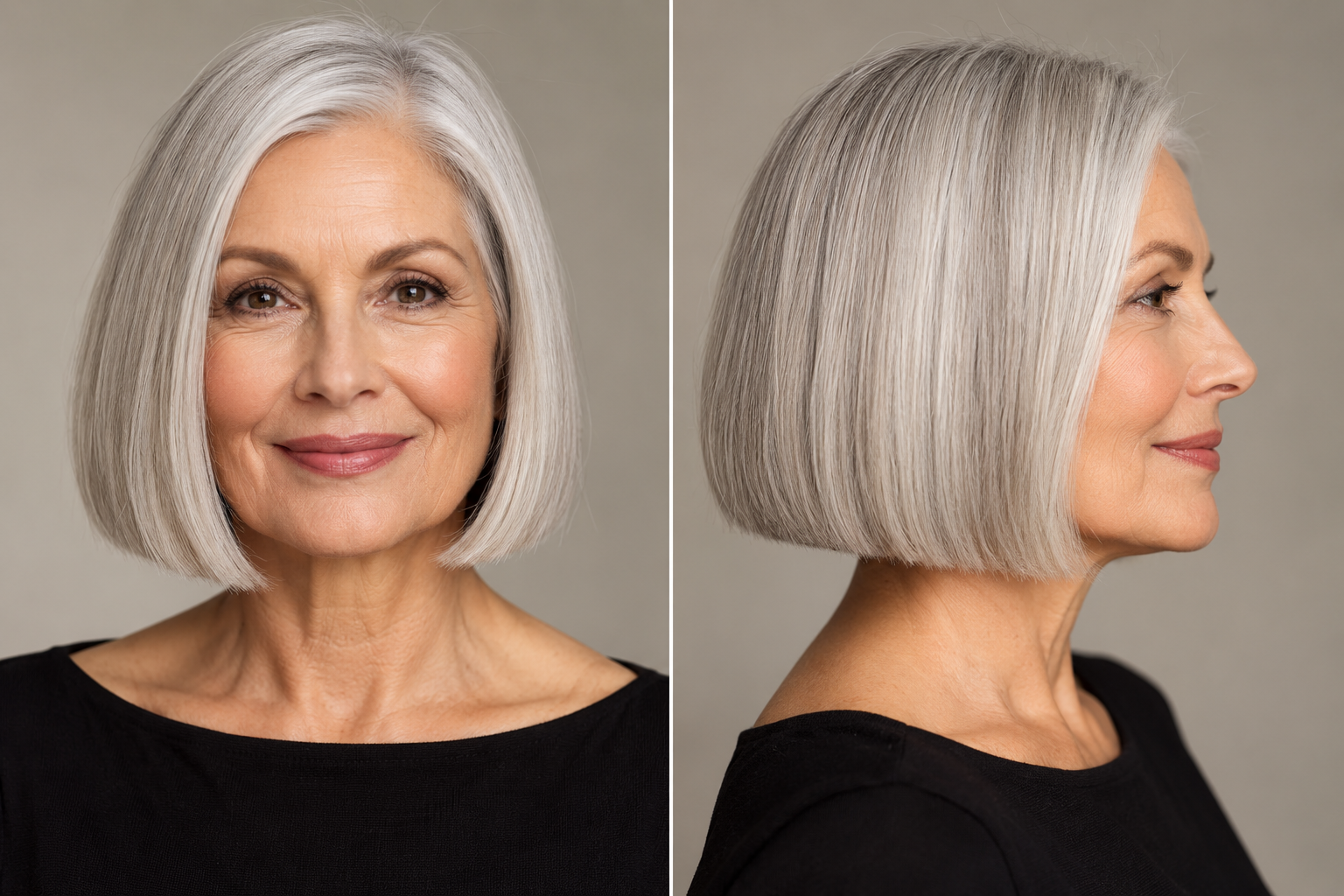
What it is: A single-length cut that hits right at the chin, with no significant layering through the ends.
Why it works: A blunt perimeter creates a "strong, powerful line" that draws attention to the ends rather than the roots, making hair appear thicker and denser. Hairstylists consistently recommend keeping more weight in the haircut rather than over-layering, since too many layers can make thinning ends look sparse. Celebrity stylist DJ Quintero notes that a blunt cut "will make any hair type feel thicker on the ends and create the illusion of more/fuller hair."
Best for: Straight to slightly wavy fine hair; oval, heart, and round face shapes.
2. The Blunt Lob (Long Bob)
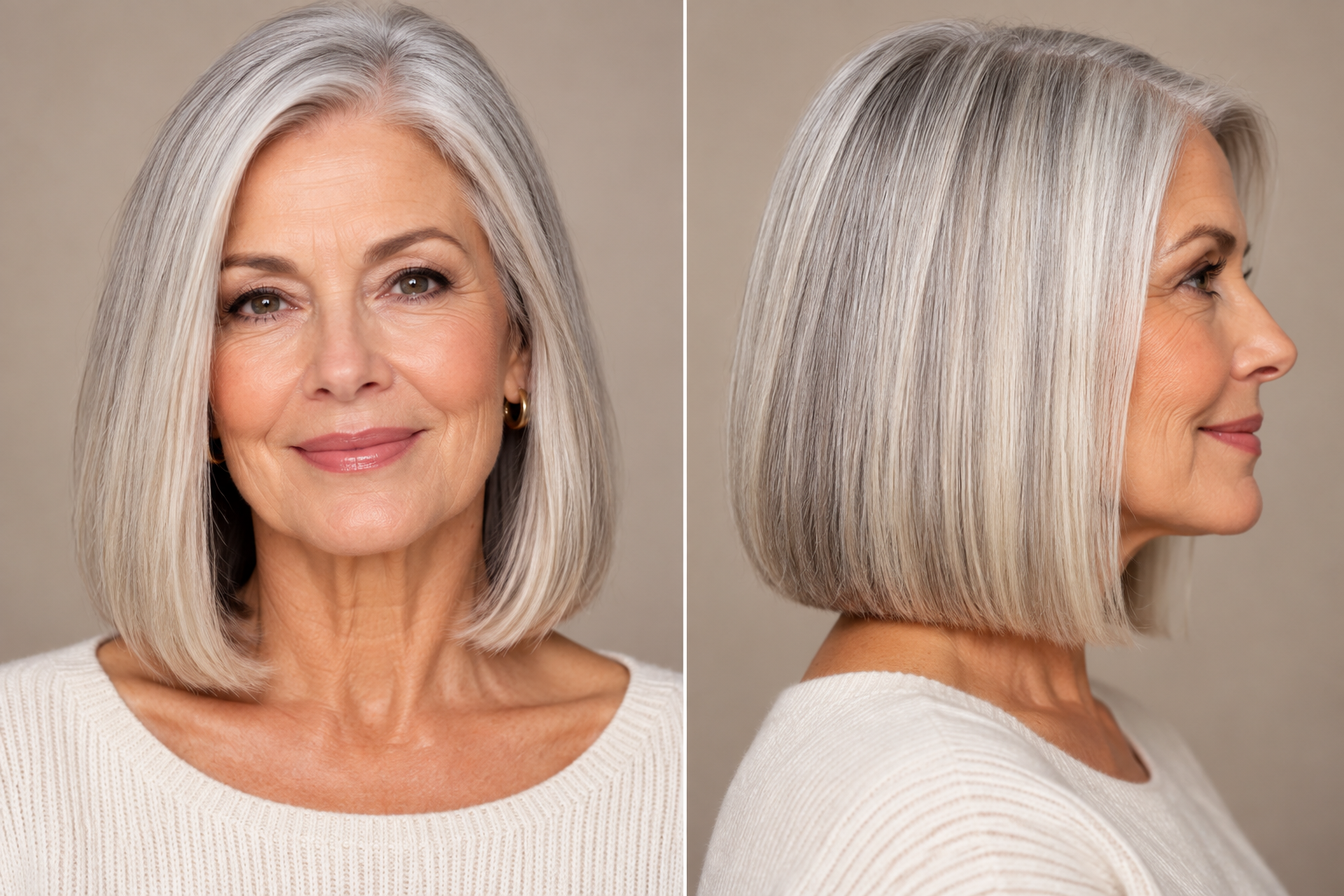
What it is: A bob that falls between the chin and collarbone, cut with a precise, blunt line.
Why it works: The lob is described as the "sweet spot" for fine hair because the added length offers versatility while a blunt edge prevents hair from looking thin or tapered. Because there's minimal layering, the hair maintains weight and structure all the way down. It can be worn sleek, waved, or pulled back—making it practical for daily life.
Best for: Women who want more length than a traditional bob but still need fullness; most face shapes.
3. The Graduated Bob (Power Bob)
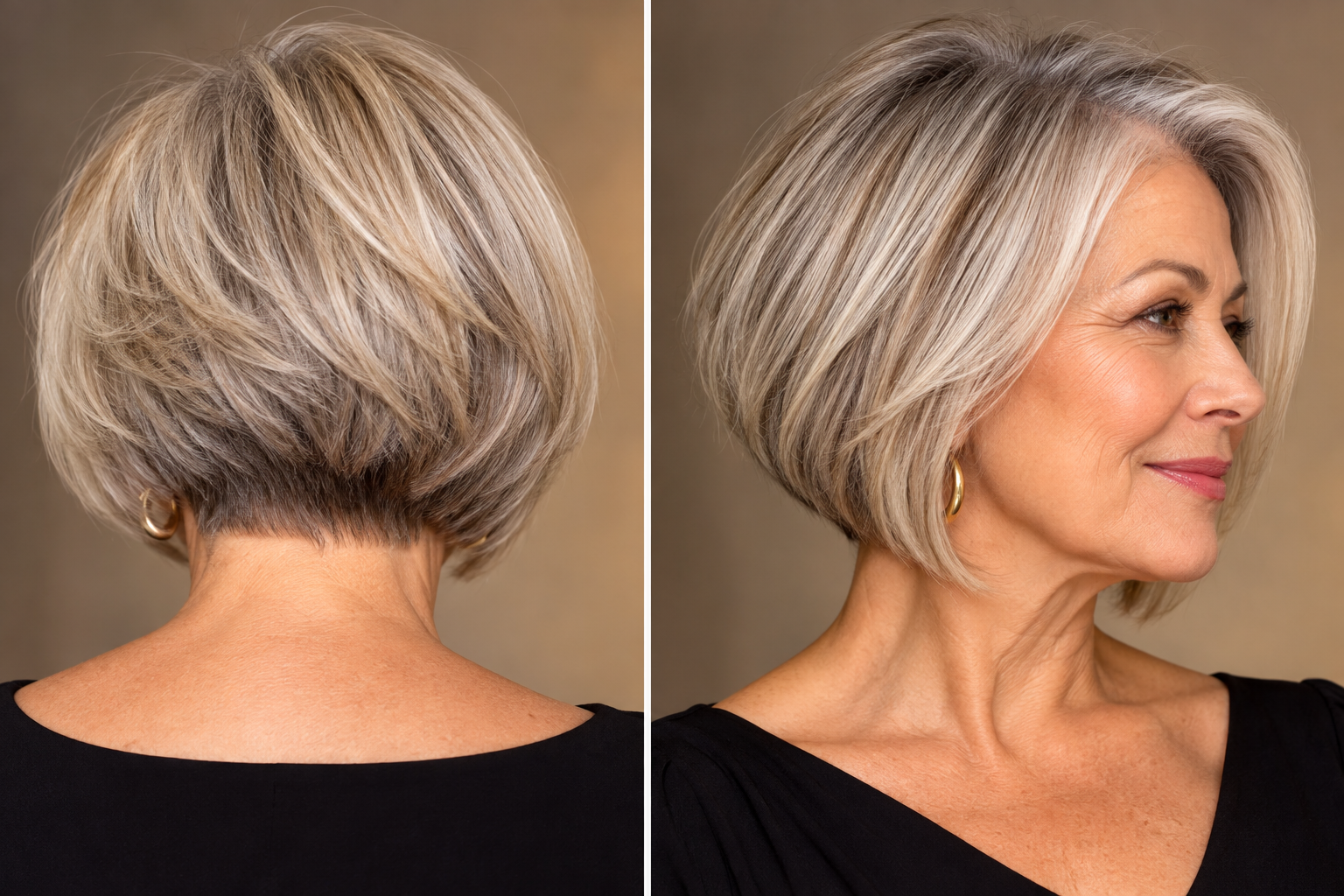
What it is: A cut that sits shorter at the back and gradually becomes longer toward the front, with subtle stacking at the nape.
Why it works: The stacking at the back builds natural volume and lift exactly where fine hair tends to fall flat. Harper's Bazaar UK calls it "the most flattering short haircut for mature women," noting it creates the illusion of fullness and density while softening facial features and highlighting cheekbones. Modern versions use softer edges rather than harsh, dramatic lines—avoiding the dated feel of early 2000s versions.
Best for: Medium to fine hair; oval, heart, and round face shapes.
4. The A-Line Bob (Inverted Bob)
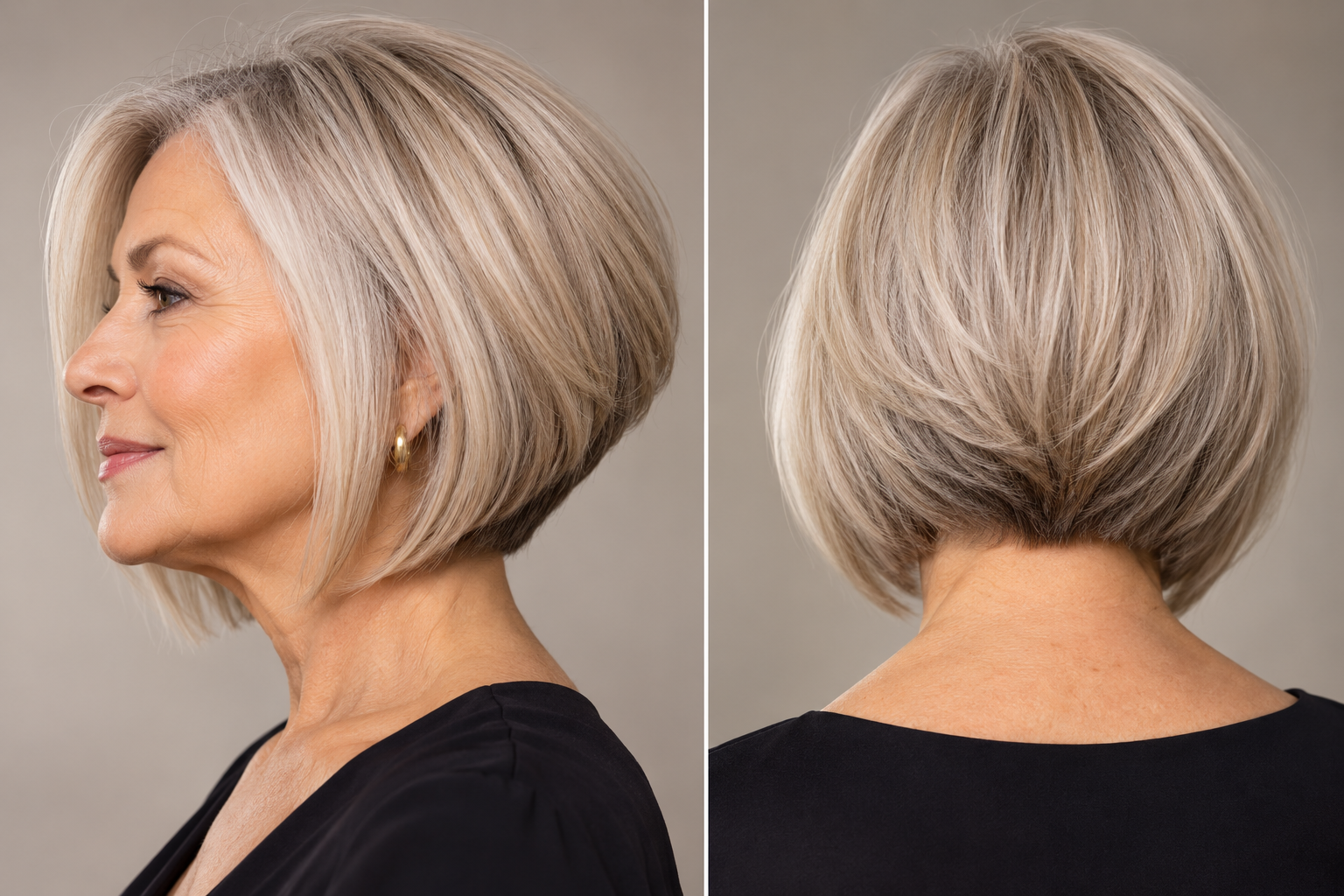
What it is: A bob with a soft angle from back to front—shorter at the nape, longer at the jawline.
Why it works: The graduation in the back adds "built-in" lift at the nape, preventing fine hair from falling flat. The intentional elevation creates a dynamic structure that removes bulk at the back while keeping fullness where it matters. Victoria Beckham's iconic A-line cut is cited as proof that this style can fake density beautifully on thin hair.
Best for: Straight and wavy hair; women who want a sharper, more structured silhouette.
5. The Feathered Bob
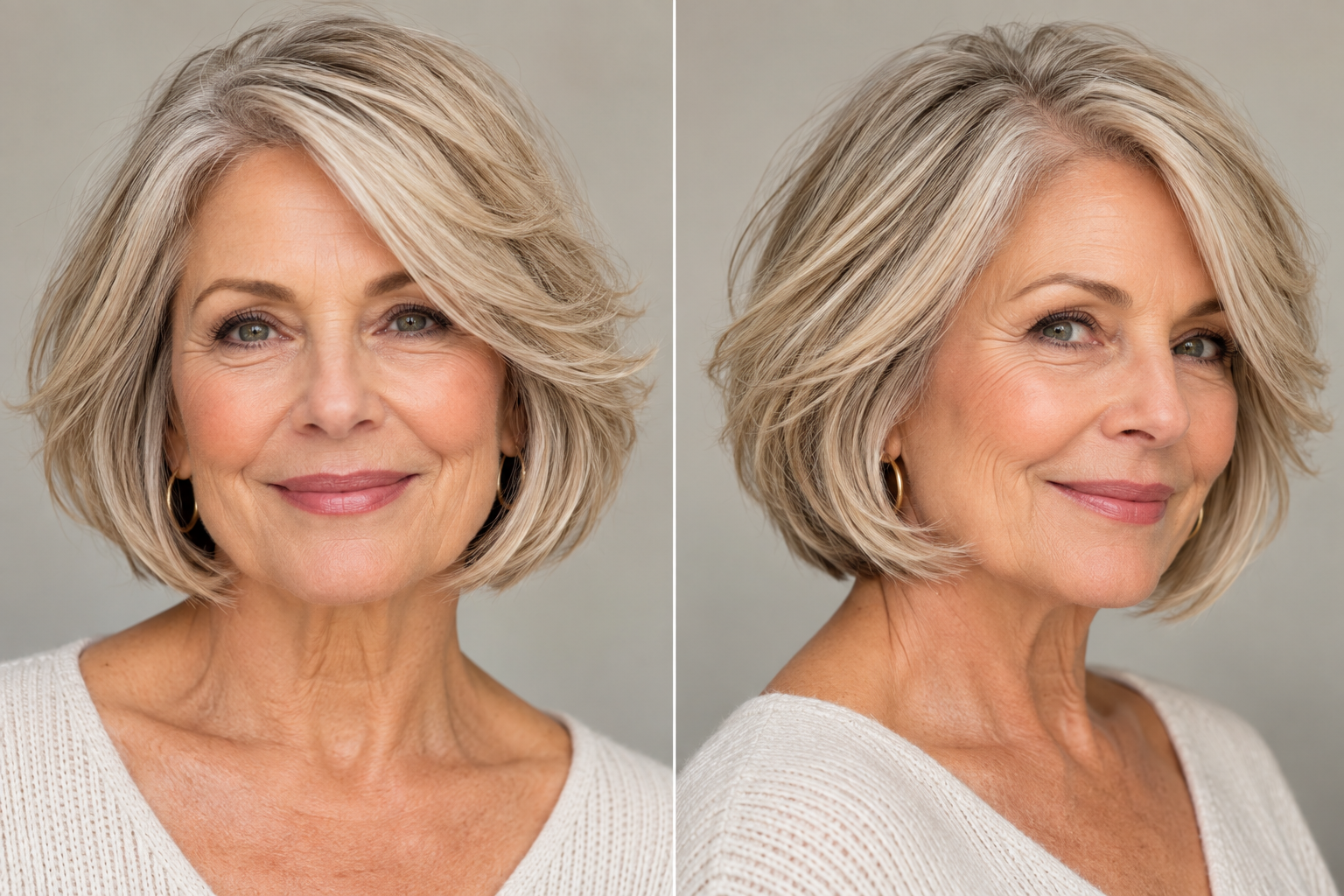
What it is: A bob with lightly feathered layers that create a soft, textured silhouette while keeping the ends relatively full.
Why it works: Stylist Caspar Finch explains that this cut "creates the illusion of much more density and fullness." The key is keeping the cut blunt through the ends—maintaining weight—while the feathered shape adds natural lift and movement without relying on heavy layering. Hannah Waddingham's feathered bob is a prime example: the light layers and side parting add texture and volume while the perimeter stays strong.
Best for: Fine hair of all textures; women who want movement without sacrificing fullness.
6. The Italian Bob
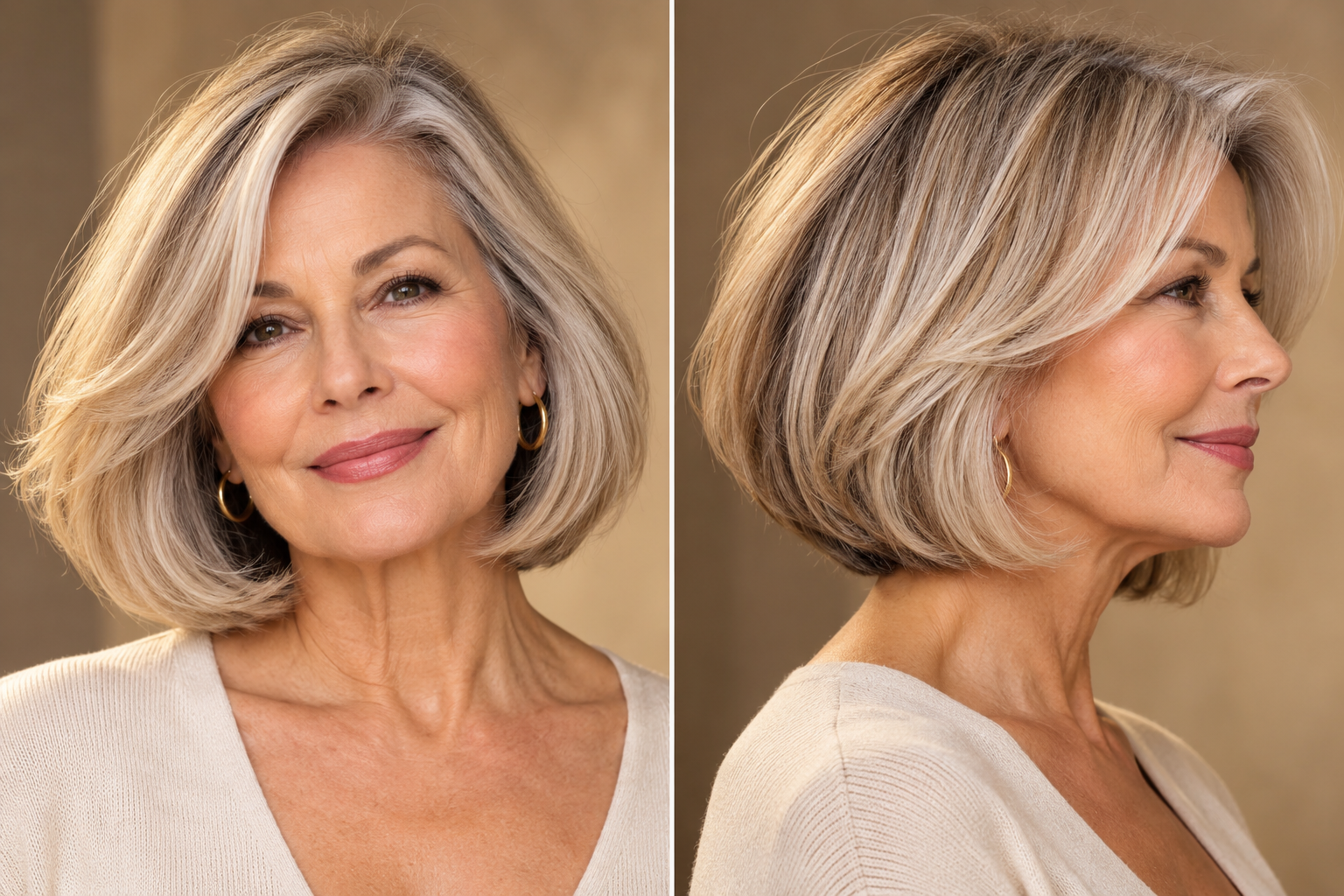
What it is: A softer, fuller bob that sits between the jaw and collarbone, with plenty of movement and an effortless, "expensive-looking" finish.
Why it works: Stylist Jason Collier says the Italian bob "creates natural fullness without removing too much density through heavy layering." It's especially flattering over 50 because it frames the face gently and creates a lifted, youthful effect rather than feeling rigid. The shorter length lifts the hair naturally, while soft texture brings body and bounce. Spotted on Demi Moore, Penélope Cruz, and Hannah Waddingham.
Best for: Fine to medium hair; women who want a polished but relaxed look.
7. The French Bob
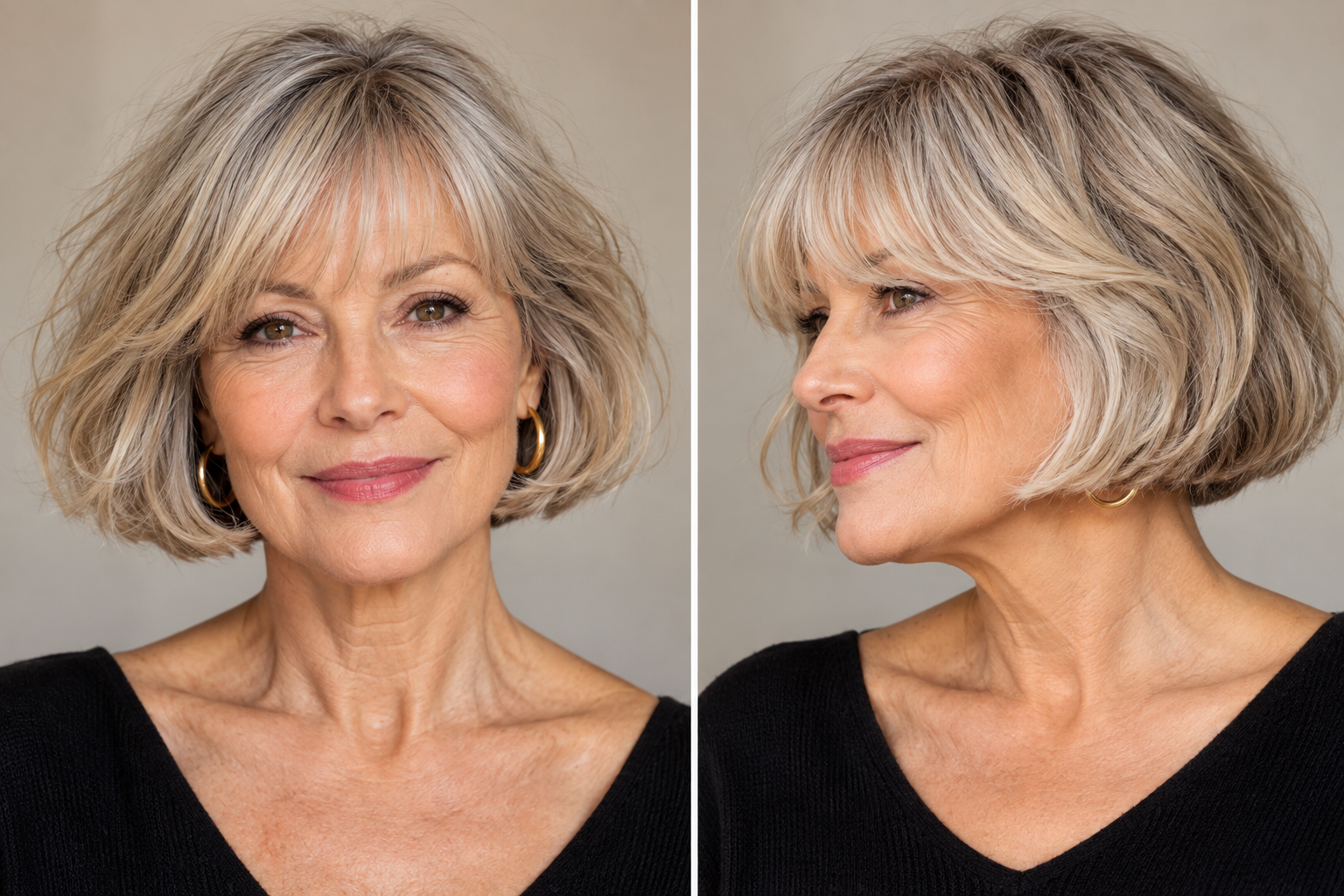
What it is: A jaw-skimming bob, often paired with a delicate fringe, embodying "effortless yet intentional" Parisian style.
Why it works: Removing excess length makes strands appear lighter and bouncier. Stylists recommend adding a delicate fringe to create texture around the face, which "can artfully disguise any sparseness at the hairline"—a common concern for those with fine hair. The shorter length also helps maintain a blunt baseline, which is key for the illusion of density.
Best for: Straight and slightly wavy fine hair; women who want a chic, low-maintenance cut.
8. The Bell-Bottom Bob
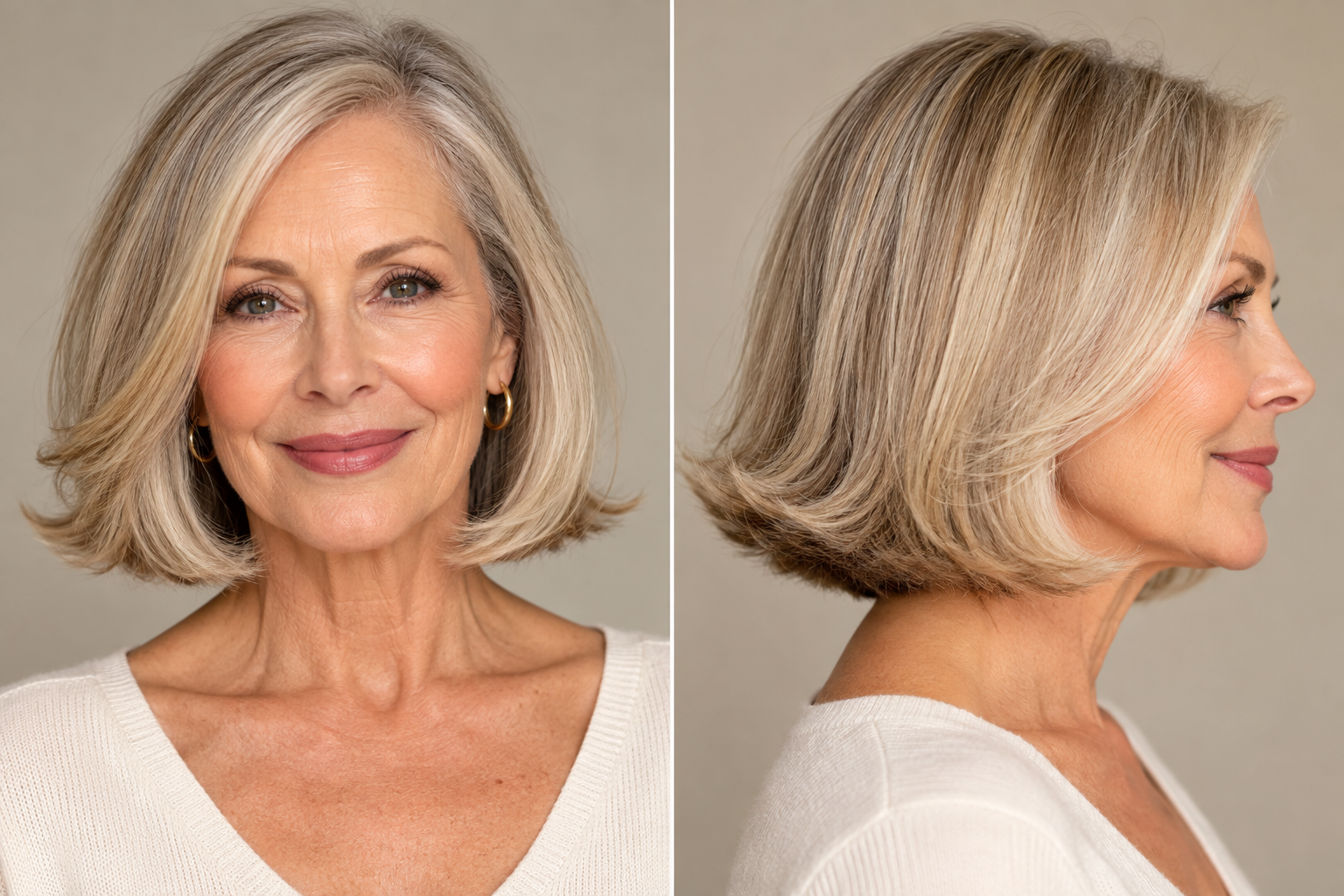
What it is: A bob that stays sleek at the roots and gently flares out at the ends, like its denim namesake.
Why it works: The outward movement at the ends "gives the style more body" and creates the illusion of fullness through the ends, making it ideal for fine or lackluster hair. Stylist Chlöe Swift notes it's "incredibly flattering" because the outward movement around the jawline softens features and creates balance. It's also relatively low-maintenance—blow-dry smooth, then flick the ends out with a round brush.
Best for: Straight to wavy hair; oval, heart, and longer face shapes.
9. The Curtain Call Bob
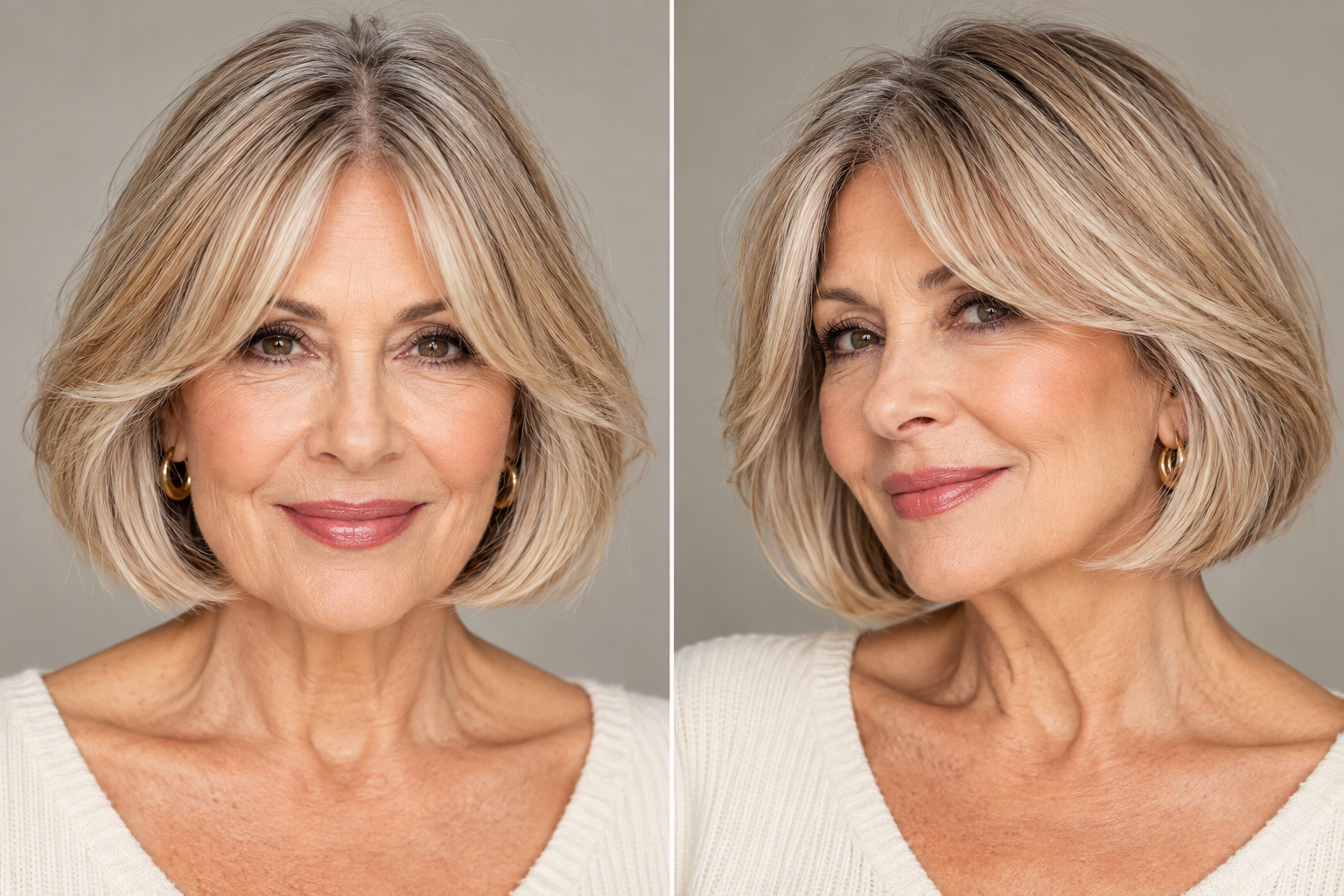
What it is: A bob paired with middle-parted, soft curtain bangs—either a U-shaped fringe or a grown-out Bardot-inspired bang.
Why it works: The shorter lengths of the bob instantly create the illusion of density, while the face-framing fringe "helps build even more shape around the front." The center split keeps the style light and blends effortlessly into the bob, growing out gracefully. Stylist Jordanna Cobella recommends avoiding overly sleek styling—air-dried textures with movement make hair look thicker than pin-straight styles.
Best for: Women who want to add fullness around the face and hairline; all face shapes.
10. The Textured Bob with Blunt Ends
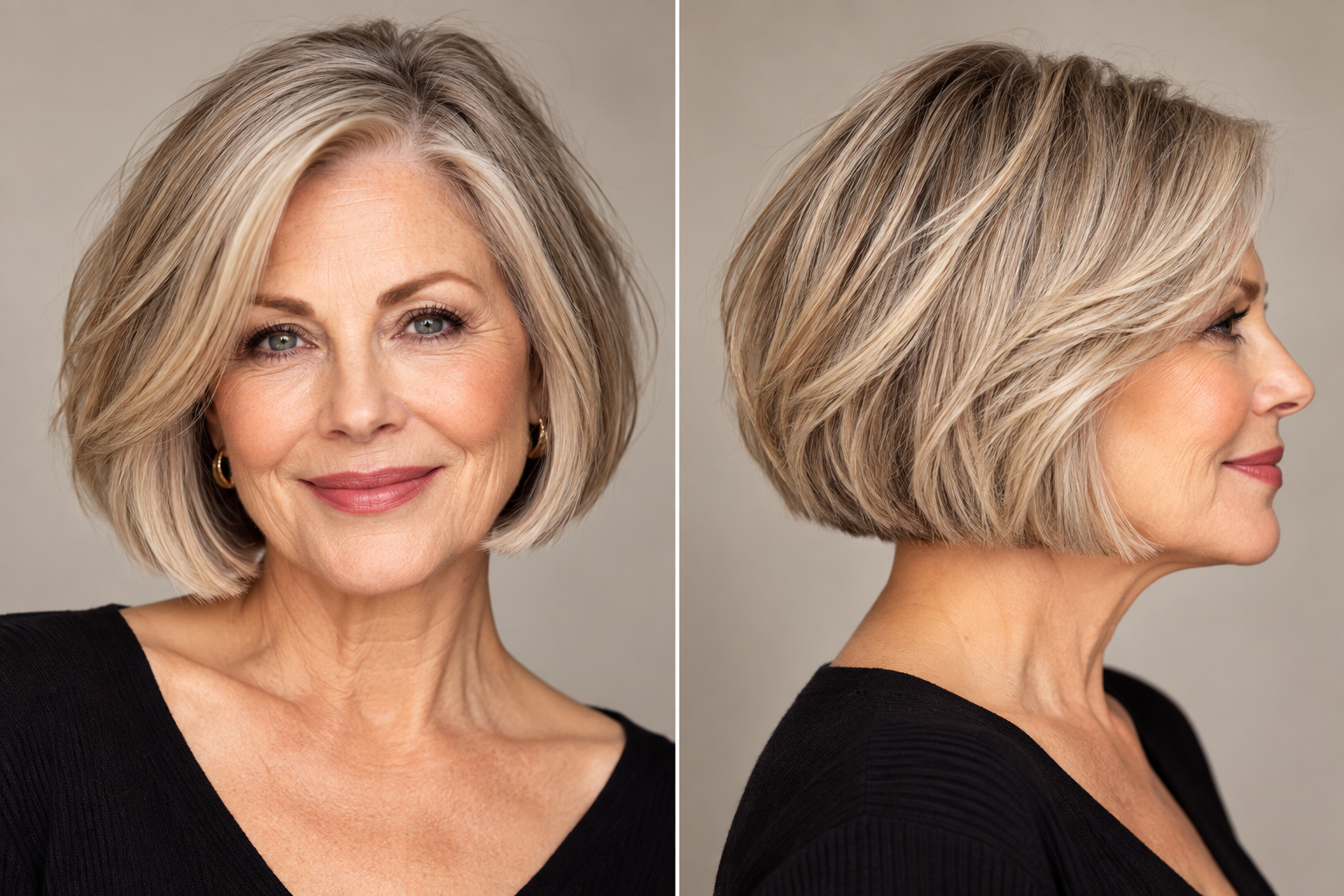
What it is: A bob with some internal texture and movement, but with a deliberately blunt perimeter.
Why it works: This is a hybrid approach that addresses a common dilemma: you want movement, but you don't want wispy ends. Stylist Scott Ade explains that adding layers while keeping the ends blunt "allows the thinner strands to grow out with the illusion of thickness, without emphasizing any sparse areas or stringy ends." Internal layering removes weight and adds dimension while encouraging lift from the roots.
Best for: Fine hair that needs both movement and a strong baseline.
11. The Blunt Bob with Face-Framing Layers
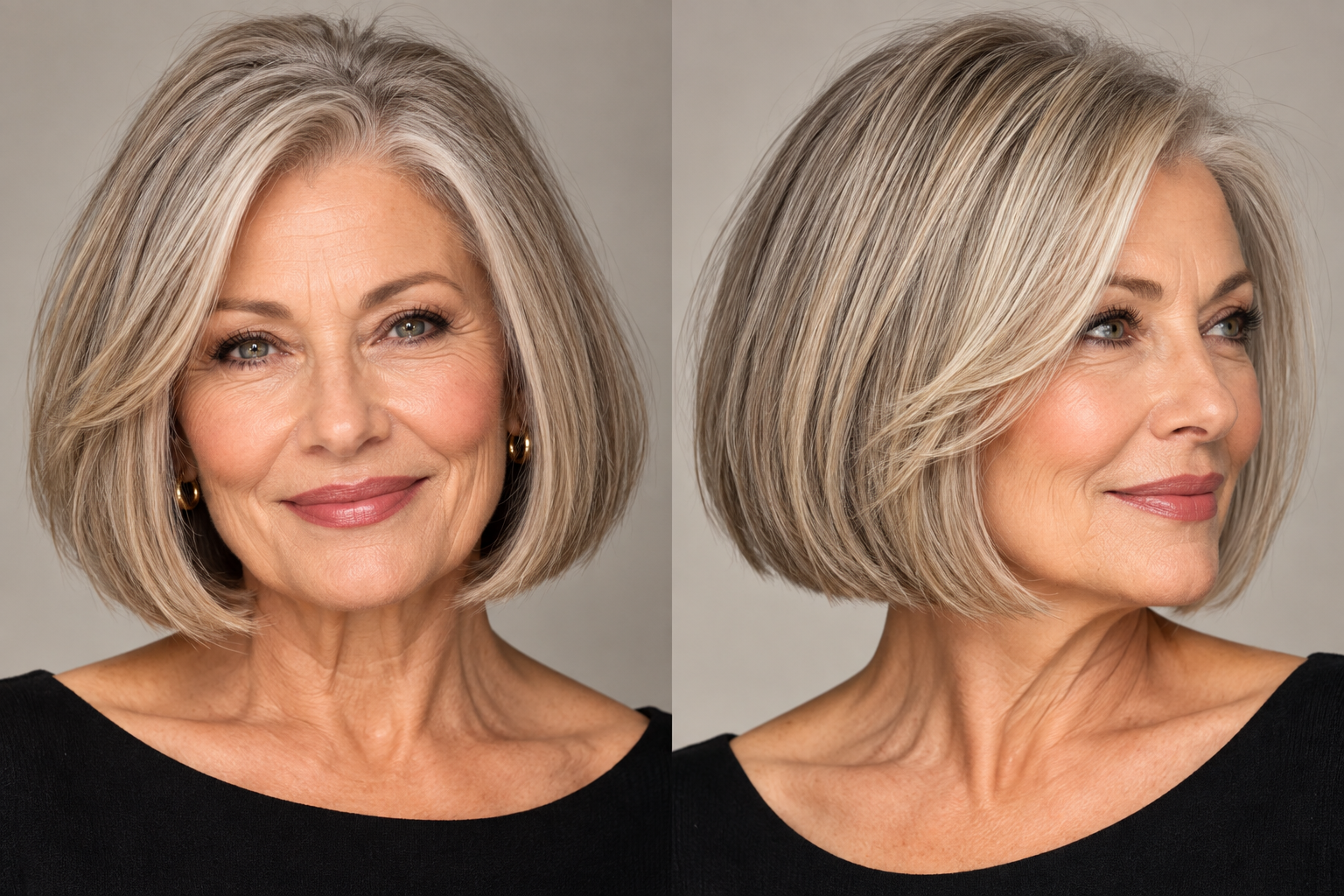
What it is: A blunt bob with a few strategic, soft layers only around the face—not throughout the entire cut.
Why it works: Celebrity stylist Dimitris Giannetos explains that "blunt bobs and lobs are ideal for creating the illusion of thicker hair, while soft, face-framing layers add movement without sacrificing density." The key is keeping layering minimal and strategic: face-framing pieces create lift, movement, and interest around the cheekbones without taking weight away from the bulk of the hair. Quintero agrees, advising just face-framing layers rather than layering the whole head.
Best for: Women who want a blunt cut but fear it will look too severe.
12. The Soft Wavy Bob
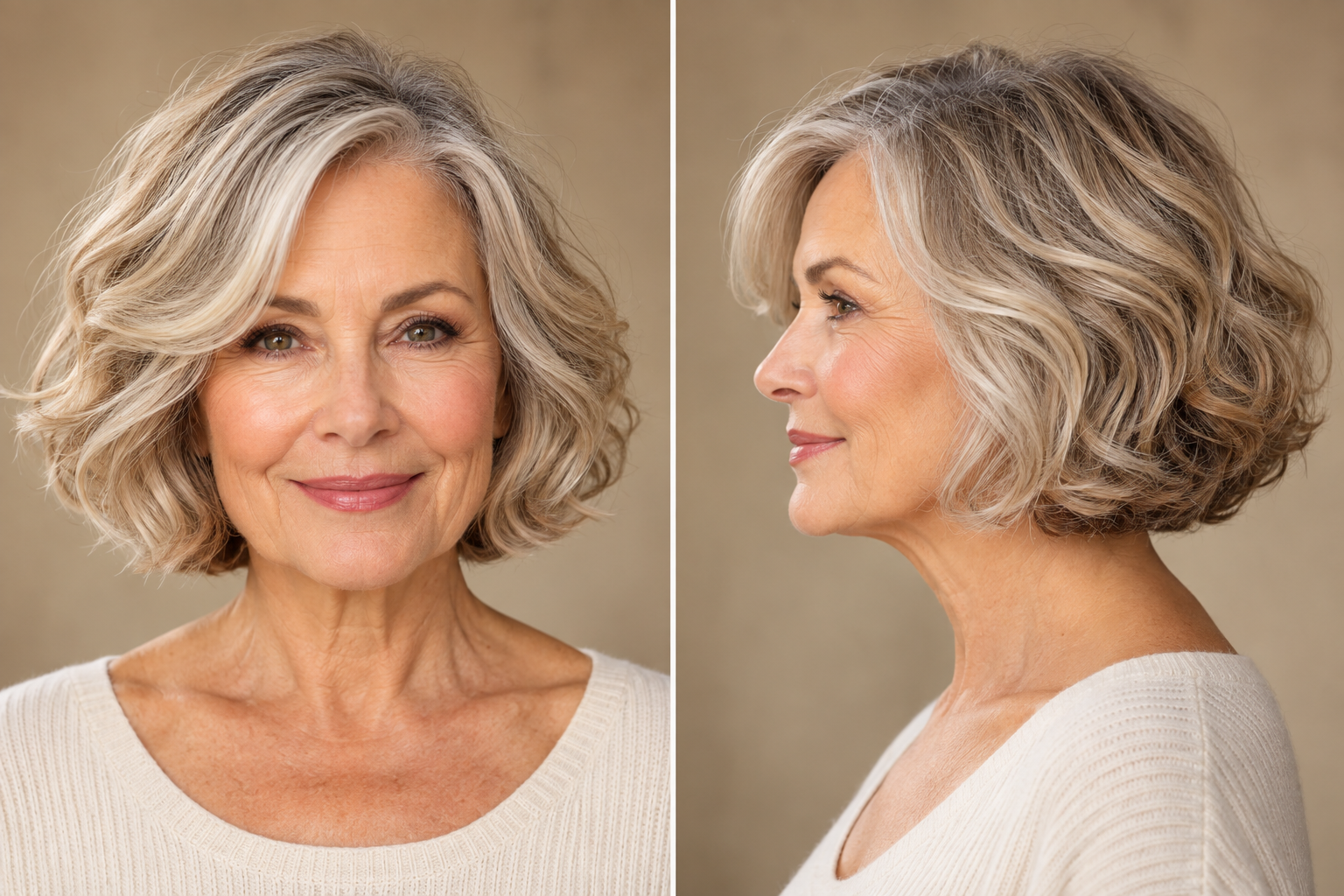
What it is: A bob cut to enhance natural wave or styled with soft bends, creating a rounded, voluminous shape.
Why it works: Texture naturally adds volume and dimension. Stylist Izzy Warren notes that for curly or textured fine hair, "a slightly softer bob that still maintains a weighty base works best"—the texture adds fullness while the heavier baseline keeps it looking thick rather than fluffy. For straight hair, adding soft bends with a curling iron creates "movement, not polished curls," which makes hair appear fuller.
Best for: Wavy, curly, or texturized fine hair; women who want an effortless, lived-in look.
13. The Shaggy Bob
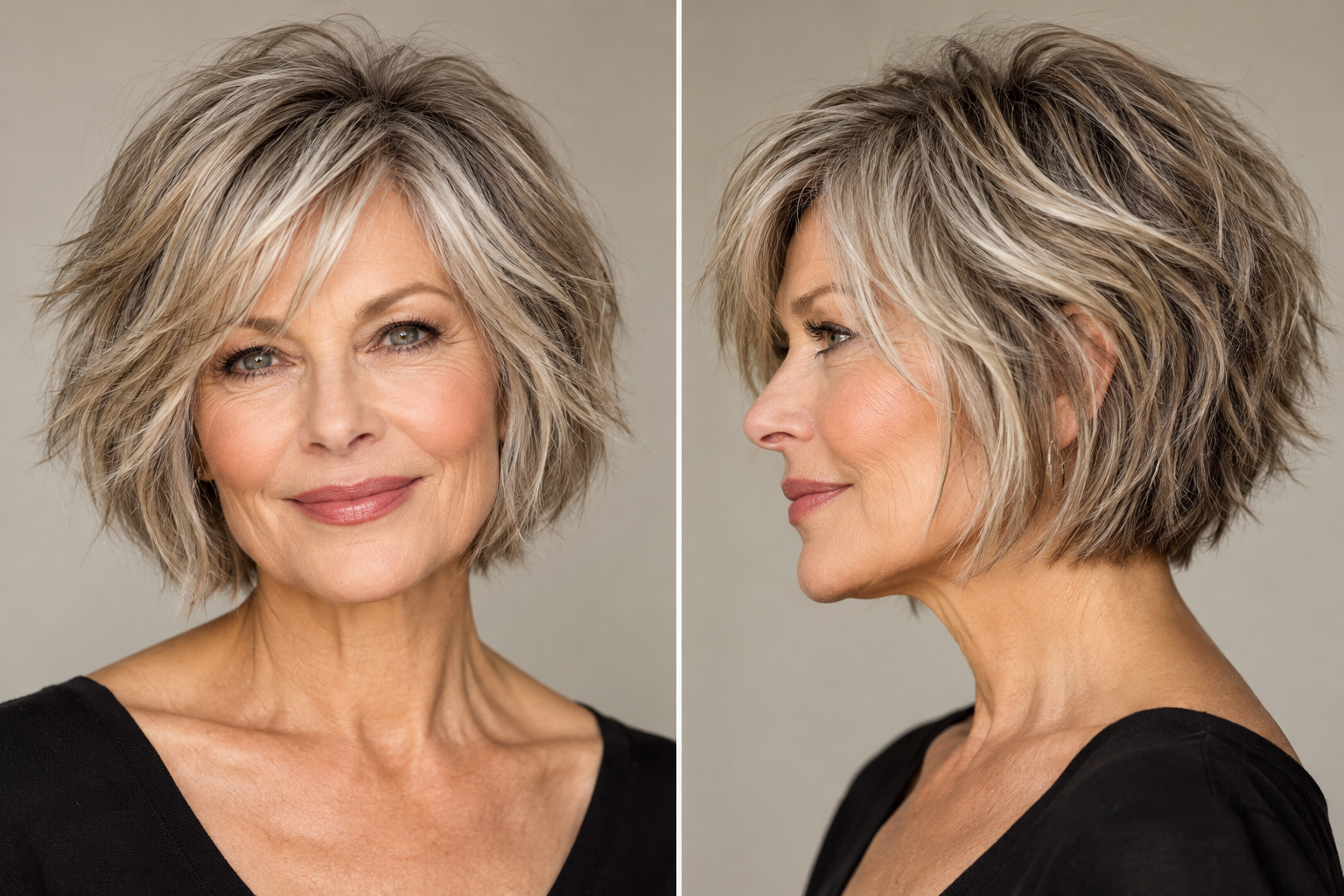
What it is: A bob with choppy, textured layers throughout, inspired by 1970s shag cuts but adapted for shorter length.
Why it works: Stylist Scott Ade says shorter, well-placed layers around the front "help the hair appear thicker, while adding width and texture," and recommends variations on seventies shag cuts for thin hair. The choppy texture adds width and gives "the impression of added fullness and movement." However, stylists caution against over-texturizing—too much can remove weight and make hair look sparser.
Best for: Women who want an edgier, more textured look; wavy or straight fine hair.
14. The Lob with Invisible (Ghost) Layers
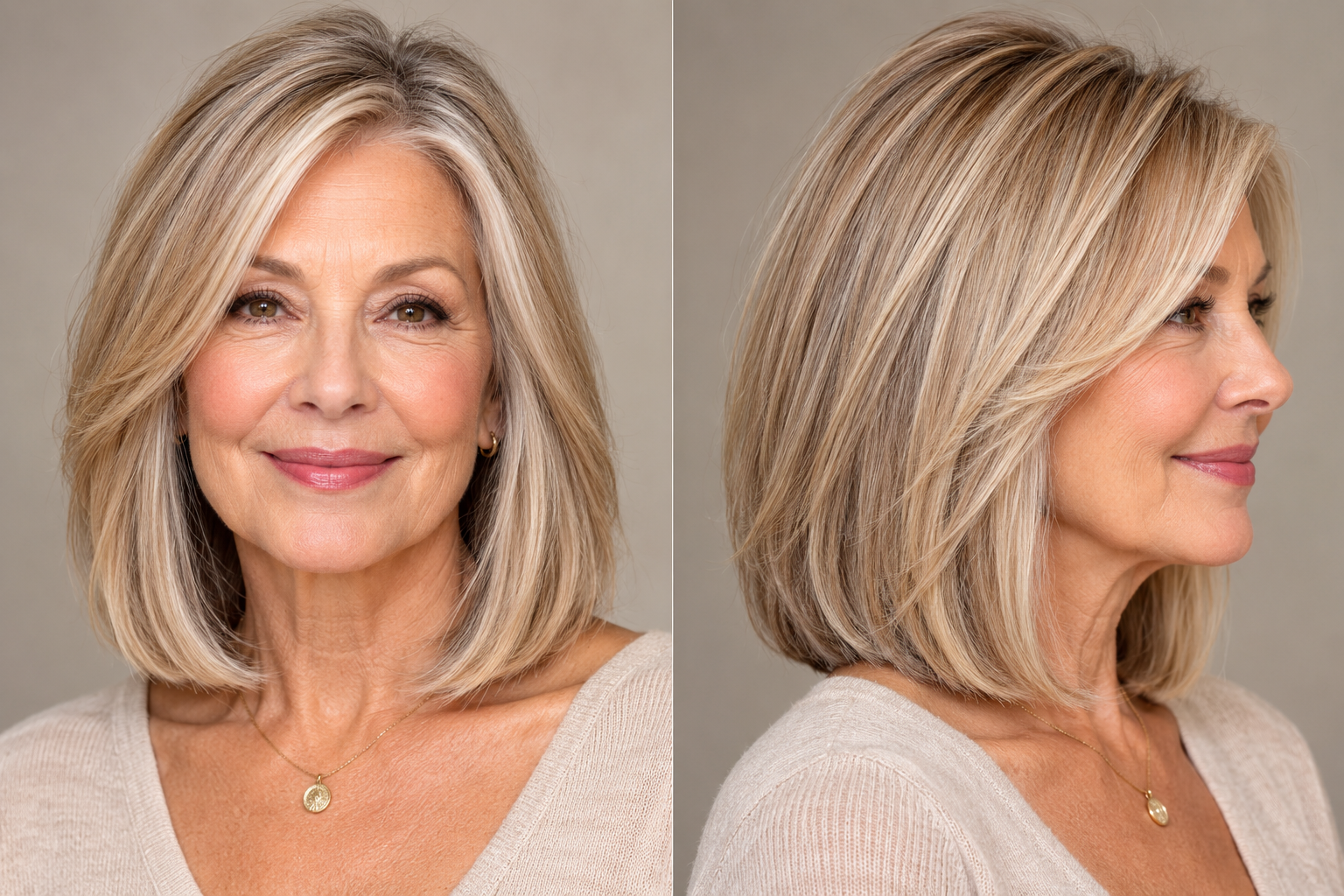
What it is: A long bob with "invisible" layers—layers cut underneath the surface of the hair rather than on top.
Why it works: Unlike traditional layering, ghost layers "sit under the surface to boost volume and give the appearance of density throughout the length of the hair." This technique removes weight and encourages lift from the roots without creating visible choppiness or exposing sparse ends. Stylist Zoë Irwin recommends "seamless layers"—very finely cut top sections that are super blended and can be easily lifted and styled.
Best for: Women who want to keep length but need root lift and internal volume.
Key Principles for Choosing Any Bob With Thin Hair
Before booking your appointment, keep these expert guidelines in mind:
Keep more weight, not less. Over-layering is the most common mistake with thinning hair. Stylists consistently advise keeping a strong perimeter and avoiding excessive texturizing.
Shorter is often fuller. Bob lengths from the middle of the neck to the jawline work best; longer lobs can fall flat and feel limp on very fine hair.
Softness over severity. Hard lines, heavy graduation, and tight necklines can feel dated and harsh on mature hair. The most flattering bobs have a lived-in, effortless quality.
Root volume is everything. Regardless of which bob you choose, styling should focus on volume at the roots, soft bends through the hair, and movement around the face—flat, overly straightened hair makes thinning more noticeable.
A good consultation matters more than the photo. The difference between a good bob and a bad one "usually comes down to personalization"—your texture, density, face shape, and lifestyle should all shape the final cut.
How to Style a Bob on Thin Hair
The right cut is only half the equation. Styling plays a massive role in making a bob look full and healthy on fine hair. Here are the expert-recommended techniques:
Start at the roots. Apply a volumizing mousse or root-lift spray directly to damp roots before blow-drying. This is where the illusion of density begins. Flip your head upside down while drying the roots to maximize lift.
Use a round brush for lift. Blow-dry with a small-to-medium round brush, lifting the hair at the crown and directing air upward. This creates lasting root volume that flat-ironing will never achieve.
Avoid heavy products. Thick creams, oils, and pomades weigh fine hair down. Stick to lightweight formulas—volumizing mousse, dry shampoo, and texturizing spray are your best friends.
Embrace texture, not sleekness. Pin-straight, perfectly smooth styling exposes every sparse patch. Soft bends, a bit of wave, and a slightly undone finish make hair appear thicker.
Refresh with dry shampoo. Dry shampoo isn't just for greasy hair—it adds grit and texture at the roots, instantly boosting volume between washes. Spray it at the roots, let it sit for a minute, then massage in.
Consider a root-lift clip or velcro roller. For quick touch-ups, a velcro roller at the crown while you do your makeup can add noticeable lift with minimal effort.
Get regular trims. Every 6–8 weeks, have your stylist refresh the perimeter. Split, straggly ends make thin hair look thinner; clean, blunt ends make it look fuller.
Common Mistakes to Avoid
Over-layering. Too many layers removes weight and exposes sparse ends. Keep the perimeter strong.
Going too long. A lob is fine, but hair past the collarbone on very fine hair tends to fall flat and stringy.
Cutting it too short. A pixie can work, but a bob that's too short can expose the scalp and emphasize thinning at the crown. The jaw-to-chin range is the sweet spot.
Skipping the consultation. Bringing a photo is helpful, but a good stylist will adapt the cut to your specific texture, density, and growth patterns. What works on one woman may not work on another.
Using the wrong shampoo. Heavy, moisturizing shampoos can weigh down fine hair. Choose lightweight, volumizing formulas designed for fine or thinning hair.
Neglecting scalp health. A healthy scalp supports healthier hair growth. Gentle massage, proper cleansing, and—if thinning is a concern—a conversation with a dermatologist about options like minoxidil or supplements can make a real difference.
Conclusion
A bob is one of the most powerful tools a woman over 60 with thin hair can wield—but only when it's cut with intention. The difference between a bob that makes hair look fuller and one that makes it look sparser comes down to a few non-negotiables: keeping weight in the perimeter, avoiding over-layering, choosing a length that lifts rather than drags, and styling for root volume and soft movement.
The 14 styles above prove that there is no single "right" bob. Whether you prefer the clean precision of a blunt chin-length cut, the soft romance of a feathered or Italian bob, the modern edge of a shaggy or bell-bottom shape, or the clever engineering of ghost layers, the goal is the same: a cut that works with your hair's natural texture and density rather than against it.
Perhaps the most important takeaway is this—thinning hair is not a limitation, it's simply a different set of parameters. Fine, mature hair can be elegant, modern, and effortlessly chic. The right bob, personalized to your face shape, lifestyle, and texture, will not only make your hair look thicker—it will make you feel more confident every time you catch your reflection.
Book the consultation. Bring your inspiration photos. And trust a stylist who understands that with thin hair, less is often more, weight is your friend, and softness always wins over severity.
Frequently Asked Questions
Q: What is the best bob length for thin hair over 60?
A: The jaw-to-chin range is generally the most flattering. This length lifts the hair, creates fullness, and frames the face without dragging it down. A lob can work if it's cut blunt and styled with volume, but anything past the collarbone risks looking limp on very fine hair.
Q: Should I get layers with a bob if my hair is thin?
A: Only strategic, minimal layers. Face-framing pieces and internal (invisible) layers can add movement and lift, but heavy layering throughout the cut removes weight and exposes sparse ends. Keep the perimeter blunt and strong.
Q: Can I wear a bob if my hair is curly and thinning?
A: Yes—a soft, wavy bob with a weighty baseline works beautifully. The natural texture adds fullness while the heavier base keeps the shape from becoming fluffy or shapeless. Avoid cutting it too short or texturizing it too aggressively.
Q: How often should I trim a bob with thin hair?
A: Every 6–8 weeks. Regular trims keep the ends blunt and clean, which maintains the illusion of density. Straggly, split ends make thin hair look even thinner.
Q: What products work best for styling a bob on fine hair?
A: Lightweight volumizing mousse, root-lift spray, dry shampoo, and texturizing spray. Avoid heavy creams, oils, and pomades that weigh hair down.
Q: Is a bob better than a pixie for thinning hair?
A: It depends on your face shape and where the thinning is most noticeable. A bob offers more versatility and coverage, especially around the hairline and crown. A pixie can work if you have strong features and good density at the crown, but it can expose the scalp if thinning is significant. A graduated bob is often the safest, most flattering middle ground.
Q: Can I pull off a bob with a round face?
A: Absolutely. A chin-length blunt bob, a graduated bob, or an A-line bob all work well for round faces because they create angles and elongation. Avoid voluminous, rounded shapes that add width at the cheeks.