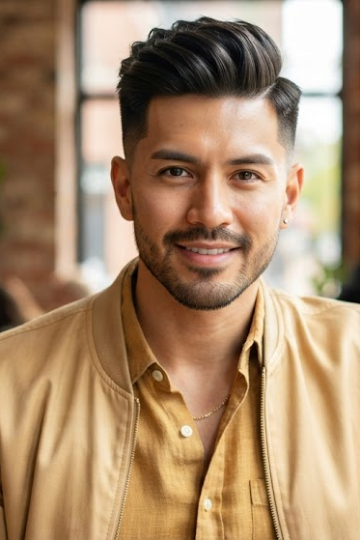
Gone are the days of a single “K-pop bowl cut” ruling the streets of Seoul. In 2026, Korean men’s hairstyles are defined by soft texture, natural movement, and individuality—moving away from rigid styling toward effortless, “lived-in” looks that blend East Asian hair science with global streetwear vibes. Whether you prefer a bold two-block or a relaxed mid-length perm, this year’s trends prioritize volume, airy lightness, and low-fuss maintenance.
10 Korean Men’s Hairstyles for 2026
1. The Airy Two-Block Cut
The crown stays longer and textured, while the nape and sides are kept short but not shaved—creating a soft, floating silhouette that works for both straight and wavy hair.
2. The See-Through Curtain Perm
A relaxed, S-wave perm that parts naturally in the middle, with ends that gently curl away from the forehead, giving a dreamy, “just rolled out of bed” look.
3. The Cropped Cloud Crop
Very short on the sides and back, but with a round, sponge-like texture on top—no hard lines or fades, just a pillowy, matte finish.
4. The Tidal Wave Mullet
A 2026 update on the mullet: shorter sides, longer nape, and a voluminous, wavy top that sweeps back, often paired with bleached tips.
5. The Dry Textured Comma
Instead of the classic wet-look comma hair, this version uses dry paste to create broken, piece-y strands that bend slightly inward toward the brow.
6. The Low-Tension Loose Bun
For chin-length or longer hair, the danchu (man bun) sits at the nape with soft tendrils left loose around the ears and forehead—effortlessly elegant.
7. The Razored Fringe with Ear Tuck
A choppy, uneven fringe that hits just above the brows, with the hair behind one ear tucked cleanly to reveal a fade or undercut detail.
8. The Glass Hair 2.0
Ultra-sleek, high-shine straight hair, but now with a subtle hidden underlayer of color (muted lavender or ash blue) that flashes when moving.
9. The Shaggy Wolf Cut
Layers upon layers starting from the crown, with wispy ends and a slightly messy nape—borrowing from 90s grunge but softened for East Asian face shapes.
10. The Buzz with a Pattern Line
A clean micro-buzz all over, but one or two razor-sharp curved lines are etched into the sides or back, creating a futuristic, discreet graphic detail.
Key Styling Products for 2026
To achieve these looks, Korean men in 2026 are reaching for three essential product types:
Airy Texturizing Spray: Used instead of heavy waxes, this creates the “cloud-like” volume seen in the Two-Block and Cloud Crop.
Low-Shine Paste with Kaolin Clay: Provides the dry, broken texture for the Dry Textured Comma and Shaggy Wolf Cut without weighing hair down.
Heatless Perm Rods (Overnight): Many of the wavy styles (See-Through Curtain Perm, Tidal Wave Mullet) are now achieved with soft silicone rods worn while sleeping, avoiding heat damage.
Who These Hairstyles Suit Best (Face Shape Guide)
Hairstyle
Best for face shape
Airy Two-Block
Oval, heart
See-Through Curtain Perm
Long, rectangular
Cropped Cloud Crop
Round, square
Tidal Wave Mullet
Diamond, oval
Dry Textured Comma
Square, triangle
Low-Tension Loose Bun
Oval, long
Razored Fringe with Ear Tuck
Heart, round
Glass Hair 2.0
Oval, rectangular
Shaggy Wolf Cut
All face shapes
Buzz with Pattern Line
Strong jawline (square, oval)
How to Maintain These Looks (2026 Routine)
Wash 2–3 times per week with a sulfate-free, cooling-scalp shampoo to preserve texture and perm shape.
Towel dry gently (no rubbing), then apply a pea-sized amount of lightweight essence to damp hair.
Blow-dry with a diffuser on low heat for permed styles, or air-dry for straight, glass-like finishes.
Refresh the next morning with a spritz of sea salt or texturizing water — never re-wash.
Conclusion
Korean men’s hairstyles in 2026 have moved far beyond uniform idol looks. The trends now celebrate individual texture, face shape harmony, and low-maintenance effortlessness — from the airy Two-Block to the daring Buzz with a Pattern Line. Whether you have straight, wavy, or coiled hair, these ten styles offer a roadmap to looking modern without trying too hard. The key takeaway? Less product, more movement, and a cut that works with your natural hair, not against it.
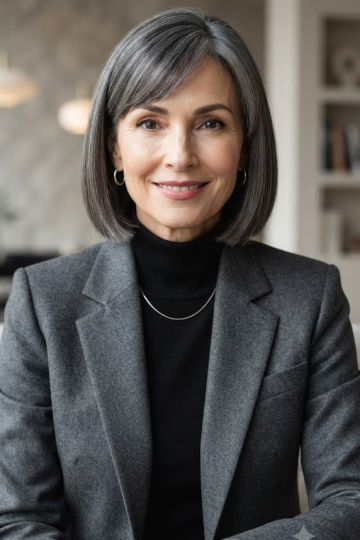
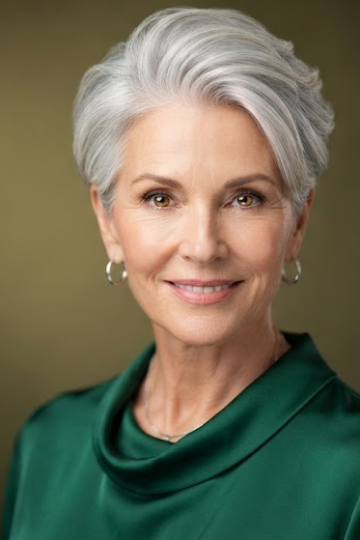
Deciding between a pixie and a bob after 50 isn’t just about following trends—it’s about finding a cut that enhances your bone structure, works with your hair’s natural texture, and simplifies your daily routine. Both styles offer elegance and ease, but the “best” choice depends on your face shape, hair type, and lifestyle.
Face Shape Guide: Which Cut Flatters You Most?
Oval face: Both pixie and bob work beautifully. You can choose based on mood.
Round face: A layered pixie with height at the crown or an angled bob that falls below the chin elongates the face.
Square face: A soft, wispy pixie or a rounded bob with waves softens strong jaw angles.
Heart-shaped face: A side-swept pixie or a chin-length bob with volume at the bottom balances a wider forehead.
Long/oblong face: A fuller pixie with side fringe or a blunt bob at chin level shortens the appearance of length.
Here are 10 well-structured ideas to help you pick your perfect power cut.
10 Ideas: Pixie vs. Bob for Women Over 50
1. Choose a pixie to highlight strong cheekbones and eyes.
A cropped pixie draws immediate attention upward, framing your eyes and accentuating cheekbones for a lifted, youthful look.
2. Choose a bob to soften a square or heart-shaped face.
A chin-length bob with gentle waves rounds out angular jawlines, offering a softer, more balanced silhouette.
3. Choose a pixie if you have fine or thinning hair.
Short pixie layers create natural volume and density, making fine hair appear fuller and more textured.
4. Choose a bob for versatility in styling.
Unlike a pixie, a bob can be curled, straightened, half-pinned, or accessorized, giving you more options for different occasions.
5. Choose a pixie for ultra-low maintenance mornings.
With a pixie, you can wash, towel-dry, and go—no blow-dryer or hot tools required, which is a game-changer for busy women.
6. Choose a bob to transition gracefully from longer hair.
If you’re not ready to go extremely short, a bob offers a chic compromise that still feels feminine and modern.
7. Choose an asymmetrical pixie for an edgy, modern vibe.
A longer top with a buzzed nape adds contemporary flair and can even elongate the neck—a common concern after 50.
8. Choose a stacked bob to add lift at the crown.
Layers stacked at the back of a bob naturally boost volume behind the head, correcting flatness that often comes with age.
9. Choose a pixie if you wear glasses or bold earrings.
A cropped cut keeps accessories like statement frames or chandelier earrings from competing with your hair, letting them shine.
10. Choose a bob if you prefer to hide neck or jaw imperfections.
The gentle length of a bob can camouflage sagging under the chin or a less-defined jawline, acting like a soft filter for your features.
Hair Texture & Density Considerations
Fine hair: Pixies create instant volume. Bobs need light layers and dry shampoo for lift.
Thick hair: Pixies require texturizing to remove bulk. Bobs benefit from internal layers to prevent a triangular shape.
Curly hair: A longer pixie (often called a “curly pixie”) or a lob-length bob prevents shrinkage and maintains definition.
Gray/transitioning hair: Pixies make the grow-out of gray roots almost invisible. Bobs show the line of demarcation more clearly unless styled in waves.
Maintenance & Salon Visit Schedule
Pixie: Needs trimming every 3–4 weeks to keep shape. At-home maintenance is minimal—just a quick rinse and air-dry.
Bob: Needs trimming every 6–8 weeks. Requires blow-drying or curling depending on natural texture. Investment in a good round brush and heat protectant is recommended.
Common Mistakes to Avoid When Choosing a Short Cut After 50
Going too short too fast – Try a longer pixie or a lob first if you’ve had long hair for decades.
Ignoring your hair’s natural texture – Fighting curls or extreme straightness daily leads to frustration.
Forgetting about your crown – Flat crowns look older; always ask for lift or stacking at the back.
Choosing a cut based on a celebrity 20 years younger – Your face shape and density are unique to you.
Skipping the consultation photo – Always bring 2–3 reference images to your stylist.
Styling Product Recommendations by Cut
For pixies:
Texture paste or matte clay (for definition)
Lightweight volumizing spray (for crown lift)
Tinted dry shampoo (for gray roots between washes)
For bobs:
Round brush blow-dry cream (for smoothness)
Heat protectant spray (essential for daily styling)
Light-hold hairspray (to keep shape without stiffness)
Conclusion
So, which is the best short cut for women over 50—pixie or bob? The honest answer is the one that makes you feel confident the moment you look in the mirror. A pixie wins for low-maintenance mornings, bold bone structure, and embracing natural gray or silver hair with attitude. A bob wins for styling versatility, softening facial features, and offering a gentler step away from longer lengths.
Neither is universally “better.” The right choice honors your face shape, respects your hair’s natural behavior, and fits the time you’re genuinely willing to spend on styling. The women who look most radiant after 50 aren’t the ones wearing a specific cut—they’re the ones wearing a cut that feels like them. Whether you chop it all off into a sassy pixie or swing into a polished bob, own it with the confidence that only comes with age and self-knowledge.
A larger forehead is often a sign of maturity, intelligence, and strong facial structure—think of celebrities like Ty Burrell, Jude Law, or Riz Ahmed. The key is not to hide your forehead completely, but to choose a haircut that balances your proportions, draws the eye to your best features, and gives you a confident, modern look.
How to Choose the Right Cut for Your Face Shape
Not every cut on this list will suit every face shape. Use this quick guide before heading to your barber.
Face Shape
Recommended Style from Above
Oval
Almost anything works, especially the Textured Fringe or Side-Swept Pompadour
Round
Go for height and asymmetry: Side-Swept Pompadour or Deep Side Part with a Low Swoop
Square
Softening styles like the Messy Caesar Cut or Curly Top Drop work best
Oblong / Rectangle
Styles that add width and cover part of the forehead: Modern French Crop or Brushed-Forward Quiff
Diamond
The Tapered Brush-Up or Low Fade with a Heavy Top add balance to a narrow chin
Below are 10 well-structured ideas designed to work with your forehead, not against it.
1. The Textured Fringe (Cropped Bangs)
A textured fringe lands right at the brow line, breaking up the vertical expanse of the forehead while keeping the look casual and youthful.
2. The Modern French Crop
Similar to the fringe but with shorter sides, this cut uses a blunt, horizontal line of hair to create an optical illusion that reduces perceived forehead length.
3. The Side-Swept Pompadour
By directing volume upward and diagonally across the forehead, this classic cut shifts focus away from the hairline and toward the upper corners of your face.
4. The Low Fade with a Heavy Top
Keeping significant length on top while fading the sides low creates a top-heavy balance that visually narrows and shortens the forehead area.
5. The Brushed-Forward Quiff
Instead of pushing the quiff straight up, brush it forward and slightly to the side so it falls softly over the hairline to mask the forehead’s starting point.
6. The Slicked-Back Undercut (With a Twist)
Avoid a tight slick-back; instead, leave a few centimeters of length at the front hairline to fall naturally forward before slicking the rest back, creating a soft “break.”
7. The Messy Caesar Cut
A short, horizontally layered fringe that is slightly choppy and uneven—this cut is excellent for adding texture and distraction right at the center of the forehead.
8. The Curly Top Drop
If you have curly or wavy hair, let the curls grow longer on top and “drop” over the forehead, as the natural volume and irregular shape will break up the flat line of the hairline.
9. The Deep Side Part with a Low Swoop
A dramatic side part (far to the left or right) combined with hair swept low across the brow creates an asymmetrical line that divides and diminishes the forehead’s width.
10. The Tapered Brush-Up
A shorter, cleaner option where the hair is brushed up but kept compact—not high—so the forehead is visible but framed by strong, defined sidewalls that add width to the lower face.
What to Avoid If You Have a Big Forehead
Before diving into the best cuts, it helps to know which styles typically work against a larger forehead. Avoiding these will save you from unflattering proportions.
Very short, uniform crops (e.g., a tight buzz cut): These remove all length on top, leaving your forehead as the most prominent feature.
Slicked-back styles with no forward break: A tight, gel-slicked look that pulls every hair away from the hairline exposes the full forehead without any softening element.
High-volume pompadours with no fringe: Piling all the height straight up can elongate your face further rather than balancing it.
Severe middle parts: A middle part often frames both sides of the forehead equally, which can widen its appearance rather than narrowing it.
Frequently Asked Questions
Does a big forehead mean I’m balding?
Not necessarily. Many men simply have a naturally high hairline or a larger forehead due to genetics. If your hairline has gradually receded over years, that may be maturing. If it’s rapid or patchy, consult a dermatologist.
Can I still buzz my hair if I have a big forehead?
Yes, but avoid a uniform short buzz. Instead, try a “burr” cut where the front is left slightly longer (just a few millimeters) to create a faint shadow line that breaks up the forehead.
Which haircut is best for thinning hair on top with a big forehead?
The Modern French Crop or Messy Caesar Cut. Both keep hair short enough to look dense but long enough to cover the hairline. Avoid high-volume styles that expose thin areas.
How long does my hair need to be for a fringe style?
Typically 3–4 inches (7–10 cm) on top. Your barber can cut the fringe while keeping the crown slightly longer for volume.
Conclusion
A larger forehead is not a flaw to hide—it’s a feature to work with. The right haircut can shift proportions, draw attention to your eyes and jawline, and give you a signature look that feels intentional rather than compensatory. Whether you choose a soft textured fringe, a bold side-swept pompadour, or a low-maintenance French crop, the goal is balance, not coverage.
Remember to communicate clearly with your barber, use the right products at home, and embrace your unique facial structure. With the 10 cuts above—and the practical tips on styling, maintenance, and face shapes—you’re now equipped to walk into any barbershop with confidence. Your best haircut is waiting for you just a few inches of length away.
If you have a larger forehead, you already know that the right haircut can be a total game-changer. Beyond just hiding, the goal is to create balance, draw attention to your best features, and boost your confidence.
What Causes a Large Forehead (and Why It’s Not a Flaw)
First, let’s normalize the conversation. A larger forehead—medically often called a “high hairline” or “broad frontal bone”—can be completely natural. Genetics play the biggest role: some ethnicities and families simply have higher hairlines. Other factors include natural aging (hairline recession), traction alopecia from tight hairstyles, or simply your unique bone structure. Regardless of the cause, a larger forehead is not a defect. It has been considered a sign of beauty, intelligence, and nobility in many cultures throughout history—from the Elizabethan era to modern day supermodels like Tyra Banks and Rihanna.
Whether you prefer short, long, curly, or sleek styles, these 10 hairstyles are designed to minimize width and height while keeping you looking chic and modern.
1. Side-Swept Bangs
Sweeping long bangs diagonally across your forehead creates an instant optical illusion, breaking up the expanse and adding softness to your face.
2. Curtain Bangs
These parted-in-the-middle bangs frame both sides of your forehead, subtly covering the corners while leaving the center open for a trendy, low-commitment look.
3. Textured Pixie Cut
A choppy pixie with longer pieces brushed forward over the hairline reduces forehead height and adds edgy volume on top to balance proportions.
4. Layered Shag with Fringe
The shag’s signature choppy layers and micro-fringe blur the forehead line, while the overall texture distracts from length and adds rock-and-roll movement.
5. Deep Side Part with Voluminous Waves
Parting your hair deeply to one side and adding soft waves allows the longer side to drape across your forehead naturally, masking its size.
6. Face-Framing Layers (Long Hair)
Starting layers at cheekbone level and letting them fall forward creates vertical lines that visually shrink both forehead width and height.
7. Blunt Bob with a Full Fringe
A chin-length blunt bob paired with thick, straight-across bangs completely covers the forehead, instantly shortening its appearance for a doll-like effect.
8. High Ponytail with Loose Forehead Strands
Pulling hair up high elongates the lower face while you deliberately leave out two thin, face-framing strands to fall softly over the forehead corners.
9. Curly or Coily Afro with a Rounded Shape
Keeping your curls rounded and lifted at the sides instead of flat on top draws the eye outward, reducing focus on the forehead’s length.
10. Low Bun with a Swooped Baby Hair Edge
Slicking hair into a low bun while laying down swooped, gel-styled baby hairs along the hairline creates a vintage, artistic cover-up for extra skin.
How to Choose the Right Style for Your Face Shape
Not every forehead-friendly hairstyle works for every face. Use this quick guide:
Face Shape
Best Forehead Style to Pair
Round
Side-swept bangs or high volume on top (adds length)
Oval
Curtain bangs or almost anything (oval is versatile)
Square
Soft, wispy fringe or rounded layers (softens jaw angles)
Heart
Deep side part or curtain bangs (balances narrow chin)
Long
Blunt full fringe or textured pixie (shortens overall length)
Pro tip: Avoid center parts with no bangs if you have a very tall forehead—this creates a straight vertical line that emphasizes height.
Common Mistakes to Avoid
Slicked-back, high ponytails with no hair left out – This pulls every inch of forehead into full view.
Very short, flat micro-bangs – These sit high on the forehead and actually highlight the space below them.
Center parts with pin-straight hair – The clean line draws the eye straight up, lengthening the forehead visually.
Overly tight braids or cornrows – These can traction alopecia over time, worsening a high hairline.
Avoiding bangs out of fear – Many women assume bangs won’t suit them, but almost everyone can wear some type of fringe when properly cut for their face shape.
Maintenance Tips for Forehead-Framing Styles
Hairstyle
Maintenance Level
Touch-Up Frequency
Side-swept bangs
Low
Every 4-6 weeks
Curtain bangs
Medium
Every 3-4 weeks
Full blunt fringe
High
Every 2-3 weeks
Textured pixie
High
Every 3-4 weeks
Layered shag
Low
Every 6-8 weeks
Daily care: Use dry shampoo on bangs to prevent oiliness (bangs touch your forehead skin). Blow-dry bangs with a round brush immediately after washing to set their direction. Avoid touching your forehead throughout the day—hand oils transfer to hair and create separation between strands.
Frequently Asked Questions
Q: Will bangs make my forehead look bigger? A: No—if cut correctly. The only exception is very short, blunt micro-bangs that sit an inch above your brows. Those can backfire. Stick with brow-grazing or side-swept bangs.
Q: Can I wear my hair up without exposing my forehead? A: Yes. Use the high ponytail trick (loose strands left out) or the low bun with swooped baby hairs. You can also wear a wide cloth headband placed low on your forehead.
Q: I have thin hair. Which styles work best? A: Curtain bangs, side-swept bangs, and face-framing layers. Avoid blunt full fringe—it requires thickness to look good. A textured pixie also works well on fine hair.
Q: How long does it take for bangs to grow out if I hate them? A: About 3-4 months to reach chin length. In the meantime, pin them back with bobby pins or twist them into small braids along your hairline as a styling fix.
Q: Are there any celebrities with large foreheads I can look to for inspiration? A: Yes. Tyra Banks, Rihanna, Angelina Jolie, Christina Ricci, and Grace Jones all have naturally higher foreheads and have worn nearly every style on this list beautifully.
Conclusion
A larger forehead is not something to “fix”—it is a feature to style with intention. The right haircut works with your bone structure, not against it, creating harmony while letting your personality shine through. Whether you choose the low-maintenance ease of curtain bangs, the bold confidence of a textured pixie, or the vintage charm of swooped baby hairs, there is a look here for every woman, every hair type, and every lifestyle.
Remember: the most attractive quality is always how you wear a style, not the style itself. Experiment, take photos to your stylist, and don’t be afraid to try bangs at least once—you might just discover your new signature look. Your forehead is not a flaw. It’s a canvas. Now go style it with pride.
Summer is here, and it’s time to protect your strands while making a bold statement. From chic protective styles to heatless curls that combat humidity, these 12 trending hairstyles will keep you cool, confident, and camera-ready all season long.
Why These Styles Work for Summer
Summer brings heat, humidity, pool days, and sweat, which can be tough on Black hair. The styles listed below are chosen because they:
Protect your ends from sun damage and friction
Keep hair off the neck for instant cooling relief
Minimize heat usage to prevent humidity-induced frizz
Allow easy access for scalp cleansing despite protective styling
Transition seamlessly from beach days to evening events
12 Trending Summer Hairstyles
1. Boho Knotless Braids
This variation of knotless braids incorporates wavy, human-hair strands for a soft, effortless finish that mimics a stylish “lived-in” look.
2. The Bantu Knot-Out
Unraveling overnight Bantu knots creates a bouncy, frizz-free curly afro that celebrates natural texture without applying heat in the summer humidity.
3. Stitch Braids
Also known as cornrows with a twist, these braids feature precise, parted “stitches” across the scalp, offering a sleek and athletic look perfect for sweaty summer workouts.
4. Fulani Goddess Braids
Combining medium-sized cornrows with a central braid and side beads, this style keeps hair off the neck and incorporates curly extensions for a romantic, airy feel.
5. The Pineapple Updo
A summer lifesaver for natural curls, this high, loose ponytail in the front protects your ends while keeping your hair lifted off your shoulders to beat the heat.
6. Citrus-Tipped Locs
Add a burst of summer color by dyeing just the last two inches of your locs in vibrant orange, lemon yellow, or lime green for a playful, low-commitment pop.
7. Crochet Passion Twists
Using springy, pre-curled synthetic hair, this protective style installs quickly via crochet needle, giving you voluminous, bohemian twists without hours in the salon chair.
8. The Slicked Low Bun
Using strong-hold gel to smooth edges and nape hairs, this minimalist bun is a cooling, elegant choice for formal summer events or humid office commutes.
9. Half-Up, Half-Down Fro
Gather the top section of your wash-and-go afro into a puff while leaving the bottom half free, maximizing airflow to your scalp while showing off your length.
10. Cornrows with Beaded Ends
Classic straight-back cornrows get a summer upgrade by threading colorful wooden or shell beads onto the ends, creating a playful sway and sound as you walk.
11. The Wash-and-Go (Short Cut)
For tapered cuts or teeny weeny afros (TWAs), simply apply a leave-in conditioner and let your natural curl pattern air dry for a low-maintenance, fresh-from-the-pool vibe.
12. Scarf-Accented Space Buns
Part your hair down the middle, twist each side into a high bun, and tie a silk scarf around the base of each to protect edges from UV rays while adding vintage glamour.
ro Tips for Summer Hair Maintenance
Hydrate from within – Drink plenty of water to keep your scalp and hair moisturized.
Use a silk or satin scarf at night to preserve your style and reduce friction-related breakage.
Apply a UV protectant spray designed for Black hair to prevent color fading and dryness.
Clarify your scalp weekly with diluted apple cider vinegar or a gentle clarifying shampoo, especially after swimming.
Avoid heavy oils and butters in extreme heat – opt for lightweight leave-in conditioners and water-based moisturizers instead.
Re-tighten or re-braid edges promptly to prevent tension alopecia.
Wear a wide-brim hat or silk-lined cap during peak sun hours for extra protection.
Conclusion
Summer doesn’t have to mean sacrificing style for the sake of hair health. Whether you prefer the low-tension elegance of knotless braids, the bold playfulness of citrus-tipped locs, or the effortless chic of a wash-and-go afro, there is a trending look for every Black woman this season. The key is choosing a style that works with your lifestyle, protects your natural texture, and keeps you feeling cool and confident under the sun. Experiment with one—or several—of these 12 ideas, and step into summer with hair that turns heads and handles the heat.
The messy French crop has become the go-to haircut for men who want structure without stiffness—think textured fringe, cropped back and sides, and just enough disorder to look coolly indifferent. Unlike its polished cousin, the classic French crop, this version thrives on imperfection, making it ideal for anyone seeking a low-maintenance yet undeniably stylish edge.
Who the Messy French Crop Suits Best
Face shapes – Almost everyone. Oval and oblong faces benefit from the fringe shortening the appearance. Round faces gain vertical definition from the cropped sides. Square faces soften their angles with the textured fringe.
Hair types – All textures, but especially wavy and curly hair, which hold messy shapes effortlessly. Very fine straight hair may need extra product and a shorter fringe to avoid looking limp.
Lifestyle – Perfect for men who want a stylish cut without daily blow-drying or precision combing. Ideal for creative professionals, students, and anyone who prefers “effortless cool” over “airtight polish.”
Age range – Works from teens through 50s. For older men, keep the fringe slightly shorter and less exaggerated to maintain a sophisticated edge.
Below are nine distinct ways to wear the messy French crop, each with its own personality.
1. The Bedhead Crop
Embrace second-day texture by finger-combing a matte paste through the fringe for that just-rolled-out-of-bed look.
2. The Curly Chaos Crop
Let natural curls spring forward over the forehead, then break them up with a lightweight sea-salt spray for controlled volume.
3. The Disconnected Fringe
Keep the sides tightly cropped (even faded) while leaving the top longer and thoroughly tousled for sharp contrast.
4. The Wind-Swept Crop
Blow-dry the fringe slightly to one side and lock in movement with a flexible hairspray, mimicking a breezy afternoon.
5. The Textured French Fade
Pair a low, skin-faded back and sides with a choppy, uneven fringe that lands just above the eyebrows.
6. The Extra-Length Flop
Grow the top past the nose, then push it forward messily so it flops over the forehead in soft, broken waves.
7. The Messy Cropped Mullet
Leave the nape slightly longer and textured, while keeping the fringe and crown deliberately undone—a subtle nod to punk.
8. The Salt-Spray Surf Crop
Spray damp hair generously with sea-salt spray, scrunch, and air-dry for a gritty, beachy finish with zero brushing.
9. The Razor-Cut Shag Crop
Ask your barber for razor-cutting through the fringe and crown to create wispy, piece-y ends that fall into natural disorder.
Styling Tips for the Messy French Crop
Use the right products – Matte clays, sea-salt sprays, and texture powders work best. Avoid gels or pomades with high shine, as they ruin the “messy” effect.
Don’t over-wash – Shampooing daily strips natural oils that help create that lived-in texture. Aim for 2–3 times a week, using dry shampoo in between.
Air-dry whenever possible – Heat styling can make the crop look too deliberate. Towel-dry gently, apply product, scrunch, and let it air-dry for the most natural disorder.
Get frequent maintenance trims – Even a messy cut needs shape. Visit your barber every 4–6 weeks to keep the fringe from growing past the eyes and the sides from losing their crop.
Work with your natural hair type – Straight, wavy, curly, or coily—each texture gives the messy French crop a unique personality. Don’t fight your pattern; enhance it.
Common Mistakes to Avoid
Going too neat – If your barber’s version looks perfect and symmetrical, ask for more texture and choppiness. A messy crop that isn’t messy defeats the purpose.
Using the wrong fringe length – Too short, and you lose the “flop.” Too long, and you’re constantly pushing hair out of your eyes. Aim for eyebrow to mid-forehead.
Skipping product entirely – “Messy” doesn’t mean unwashed and shapeless. A small amount of matte paste or texture powder gives definition without looking styled.
Over-scrunching curly hair – For curly and coily textures, over-scrunching creates frizz, not controlled mess. Use a leave-in conditioner first, then scrunch gently once.
Ignoring the back and sides – Even with a messy top, the cropped back and sides need clean lines. A messy crown with a shaggy nape just looks untidy, not intentional.
Barbershop Communication Guide
Key terms to use – Ask for a “French crop with textured, choppy fringe,” “cropped back and sides with a messy finish,” or “disconnected fringe, keep the top longer and broken up.”
Show, don’t just tell – Bring 2–3 reference photos of the exact messy level you want. Say: “This texture, but the fringe slightly shorter” or “This shape, but messier on top.”
Clarify the back and sides – Specify “low fade,” “mid crop,” or “clipper size 2–3 on the sides.” For a true messy crop, the sides should be visibly shorter than the top but not skin-bald unless you want contrast.
Discuss maintenance – Ask your barber: “How often should I come back?” and “What product works best for my hair type with this cut?” A good barber will tailor the messy crop to your lifestyle.
Conclusion
The messy French crop proves that men’s hair doesn’t need to be perfect to look polished. By embracing texture, movement, and a little controlled chaos, this cut delivers on the promise of effortless style—whether you have tight curls, loose waves, or pin-straight hair. The nine variations above offer a starting point, but the real beauty of the messy French crop is its adaptability. Show your barber a reference, choose your fringe length, and walk out with a look that says you tried without looking like you tried at all. For any man tired of rigid side parts and helmet-like fades, this is your next haircut.
Introduction: As we move into 2026, short hair is no longer just a bold statement—it’s the ultimate expression of effortless confidence and modern versatility. This year, trends move away from rigid precision and embrace lived-in texture, soft curves, and architectural shapes that frame the face naturally.
What to Consider Before Going Short in 2026
Before booking that salon appointment, keep these three key factors in mind to ensure your new cut works with your lifestyle and natural features.
Face Shape Compatibility While 2026 trends emphasize versatility, certain cuts naturally complement specific face shapes. Round faces shine with height and angular lines (try the Disconnected Undercut or Soft Mohawk Fade). Oval faces can wear almost anything, from the Bixie to the Rounded Bob. Square faces benefit from softness and texture (Curly Micro-Shag or Italian Crop), while heart-shaped faces look stunning with volume at the nape (Angled A-Line Wedge).
Hair Texture Honesty The most successful short hairstyles work with your natural texture, not against it. Fine hair thrives in the Wet-Look Pixie or Brushed-Up Buzz, which create the illusion of density. Thick hair handles sculpted shapes like the Bubble Bob or Sculpted Finger Wave Crop beautifully. Curly and coily textures come alive in the Curly Micro-Shag and Cropped Mullet with Curtain Bangs—cuts that remove weight while preserving bounce.
Maintenance Commitment Short hair is not necessarily low-maintenance. Precision cuts like the No-Part Rounded Bob require trims every 3–4 weeks. Textured styles (Bixie, Lounging Lob) can stretch to 6–8 weeks. Buzz cuts need touch-ups every 2 weeks to keep the length uniform. Be honest about your time and budget before committing.
Whether you crave a wash-and-go pixie or a chin-skimming bob with movement, these 15 styles are predicted to take over salons and social feeds alike.
15 Trending Short Hairstyles for 2026
1. The Wet-Look Pixie
Sleek, glossy, and combed flat to the head, this style offers a futuristic edge that transitions seamlessly from the office to an evening out.
2. The “Bubble” Bob
Featuring super-soft, rounded ends that curl slightly under (not sharply), this shape creates a gentle, pillowy silhouette that flatters all face shapes.
3. Disconnected Undercut
Longer, choppy layers on top contrast with a shaved or closely cropped nape, delivering high-impact drama with an airy, lightweight finish.
4. The Italian Crop
A short, textured fringe meets slightly longer sides in this Mediterranean-inspired cut, which emphasizes the eyes and cheekbones with a relaxed, sexy feel.
5. Curly Micro-Shag
Tight curls and coils are cut into a miniature shag shape with wispy, uneven edges, giving natural volume a cool, rebellious structure.
6. The “Ear-Tuck” Bob
A blunt, jaw-length bob designed to be tucked behind one ear while the other side falls forward, creating asymmetrical intrigue without a permanent cut.
7. Textured Bowl Cut (2026 Update)
Gone is the harsh helmet; this version features soft, point-cut ends and slight dishevelment, turning a retro shape into a modern, artistic piece.
8. The Bixie (Bob + Pixie Hybrid)
Longer than a classic pixie but shorter than a bob, this versatile cut has wispy layers at the nape and piece-y length around the ears for the best of both worlds.
9. Sculpted Finger Wave Crop
A close-to-the-head cut where short sides are carved with subtle, gel-set S-waves, offering a vintage jazz-age feel updated for 2026’s love of craftsmanship.
10. The Lounging Lob
A long bob (lob) cut just above the shoulders with zero stacking—just a simple, blunt line that swings freely and looks incredible in a low ponytail or loose.
11. Cropped Mullet with Curtain Bangs
Short at the top and sides, slightly longer at the back, and framed by soft curtain bangs; this is the “working girl’s mullet”—edgy but office-appropriate.
12. The Brushed-Up Buzz
A #3 or #4 buzz cut where the front quarter-inch is brushed upward with a dab of pomade, adding texture and direction to an otherwise uniform length.
13. Angled A-Line Wedge
Sharp, stacked layers at the back angle down to a longer, pointy front piece, creating a dynamic, speed-line effect that looks fantastic from every angle.
14. Soft Mohawk Fade
Instead of a dramatic spike, the center strip is kept soft and finger-combed forward over a faded side, offering punk attitude with a polished, daily-wear finish.
15. The “No-Part” Rounded Bob
A chin-length bob with no defined part—the hair is simply brushed forward into a smooth, curved dome—giving a minimalist, futuristic silhouette unlike anything from previous years.
Styling & Product Guide for 2026 Short Hair
Achieving these trending looks requires the right tools and products. Here is what you will need for each category of style.
For Wet-Look & Sleek Styles (Wet-Look Pixie, Sculpted Finger Waves)
Product: High-gloss gel or wet-look serum (e.g., Bumble and Bumble Bb. Gel, Oribe Wet Look)
Tool: Fine-tooth comb, boar bristle brush
Technique: Apply to soaking wet hair, comb into place, and do not touch until dry.
Product: Sea salt spray, texture powder, or lightweight paste
Tool: Fingers only or a wide-tooth comb
Technique: Scrunch into damp hair and air-dry or diffuse for piece-y, lived-in separation.
For Voluminous & Rounded Shapes (Bubble Bob, No-Part Rounded Bob)
Product: Mousse or volumizing foam, round brush spray
Tool: Round brush (small to medium barrel), blow-dryer with nozzle
Technique: Roll ends under while blow-drying, finish with a flexible hold hairspray.
For Buzz & Ultra-Short Crops (Brushed-Up Buzz, Soft Mohawk Fade)
Product: Matte pomade or wax stick
Tool: Your fingers or a small grooming brush
Technique: Warm product between palms, then brush upward or forward as desired.
For Natural Curls & Coils (Curly Micro-Shag, Cropped Mullet with Curtain Bangs)
Product: Leave-in conditioner, curl cream, or lightweight gel
Tool: Denman brush or wide-tooth comb, diffuser attachment
Technique: Apply products to very wet hair, define curls in sections, then diffuse or air-dry.
Maintenance Schedule by Style Type
Hairstyle Category
Trim Frequency
Daily Time Commitment
Precision bobs (Bubble, No-Part, Ear-Tuck)
Every 3–4 weeks
5–10 minutes
Textured cuts (Bixie, Shag, Italian Crop)
Every 6–8 weeks
2–5 minutes
Pixies & crops (Wet-Look, Sculpted Waves)
Every 4–5 weeks
3–7 minutes
Buzz cuts & fades (Brushed-Up Buzz, Mohawk Fade)
Every 2–3 weeks
1–2 minutes
Curly short cuts (Micro-Shag, Curly Mullet)
Every 8–10 weeks
5–15 minutes (washing + styling)
Who These Trends Suit Best (And Who Should Skip)
Most Flattering For:
Women seeking a confident, modern refresh after years of long hair
Professionals who want a polished look with minimal daily effort
Anyone with fine or thinning hair looking for volume tricks
Curly and coily textures wanting shape without bulk
May Not Be Ideal For:
Those unwilling to commit to regular trims (every 3–8 weeks)
People who rely on ponytails or buns for 90% of their styling
Very active swimmers who expose hair to chlorine daily (short hair offers less protection)
Anyone still growing out a previous short cut they disliked—wait until you feel excited, not rushed
How to Transition from Long to Short Without Regret
Making a dramatic chop can feel intimidating. Follow these steps to ensure you love your new look.
Start with inspiration images. Use the AI prompts above to generate photos of your chosen cut on women with your exact face shape and hair texture. Save at least five images.
Try a “test drive” with styling first. Pin or tuck long hair into a faux bob or use a wig cap to wear a short wig for a day. Live in the look before cutting.
Consult with a stylist who specializes in short hair. Not every stylist excels at pixies or undercuts. Read reviews and ask for portfolio photos specifically of short cuts.
Go longer than you think. Ask for your chosen style at its longest possible interpretation. You can always go shorter at a follow-up appointment in two weeks.
Donate or save your length. If your hair is healthy and long enough, consider donating to organizations like Wigs for Kids. Or keep your ponytail as a memento.
Conclusion
Short hair in 2026 is no longer a singular statement of “being brave”—it is a practical, expressive, and deeply personal choice backed by an incredible range of options. From the glassy sophistication of the Wet-Look Pixie to the rebellious charm of the Cropped Mullet, there is a short style for every face, texture, and personality.
The real shift this year is permission. Permission to stop hiding behind length. Permission to celebrate your natural texture instead of fighting it. Permission to walk into a salon and say, “Give me the No-Part Rounded Bob,” or “Take the sides short and leave the curls loose.”
As the trends above prove, short hair can be soft or sharp, curly or straight, polished or messy. It can honor vintage craftsmanship (Sculpted Finger Waves) or lean fully into futuristic minimalism (Brushed-Up Buzz). And thanks to the AI image prompts provided, you can now visualize exactly how each cut translates across all races, ensuring your inspiration is truly representative of you.
The only question left is: which of these 15 styles will you book your appointment for? Because in 2026, the most trending short hairstyle is the one that makes you feel completely, unapologetically yourself.
Prom night is your time to shine, and while the dress sets the stage, your hair delivers the finale. Whether you’re aiming for timeless elegance, modern volume, or romantic softness, the right hairstyle completes your entire look.
Best Hairstyle for Each Dress Style
Choosing your prom hairstyle becomes easier when you consider your dress’s neckline and silhouette. Use this quick guide to match your look perfectly.
Dress Style
Recommended Hairstyle
Why It Works
Off-the-shoulder
Messy Low Bun with Tendrils
Exposes the collarbone and shoulders while soft tendrils frame the face.
High neck / Turtleneck
Sleek High Ponytail or Sleek Glass Hair
Keeps the focus on the dress’s neckline without visual clutter.
Deep V-neck
Old Hollywood Deep Side Waves or Asymmetrical Side Swept Curls
Adds drama and balances the exposed décolletage.
Backless dress
Sleek High Ponytail or Braided Crown
Shows off bare back while keeping hair completely up or off to one side.
Strapless
Hollywood Voluminous Blowout or Half-Up Half-Down
Fills the open space above the dress with soft volume and movement.
A-line / Ball gown
Loose Textured Updo or Braided Crown
Creates an elegant, princess-like contrast to the full skirt.
Slip dress / Minimalist
Accessorized Slicked-Back Bun or Sleek Glass Hair
Matches the clean lines and modern simplicity of the dress.
Sparkly / Beaded dress
Bubble Ponytail or High Ponytail with Deep Wave Extensions
Lets the dress shine without competing; hair becomes a secondary statement.
Below, we break down 13 of the hottest prom hairstyles—each with a one-to-two-sentence explanation to help you find your perfect match.
1. Old Hollywood Deep Side Waves
This glamorous, polished style features a deep side part and soft, finger-wave curls that scream vintage sophistication. It works beautifully on medium to long hair and pairs perfectly with a bold red lip.
2. Sleek High Ponytail
Wrap a strand of hair around the base to elevate this sharp, chin-hugging ponytail from basic to red-carpet ready. It’s a go-to for showing off dramatic earrings and a toned back.
3. Bubble Ponytail
Create a series of “bubbles” by adding small elastic bands down the length of a high or low ponytail, then gently tugging each section. This playful, modern style adds instant volume and texture to straight or wavy hair.
4. Loose, Textured Updo
Think a relaxed bun or twist with face-framing pieces left out for an effortlessly chic vibe. It’s ideal for dancers who want their hair up without looking too stiff or formal.
5. Half-Up Half-Down with a Twist
Take two small sections from the front, twist them back, and pin them at the crown, leaving the rest of your hair flowing. This universally flattering style combines the romance of loose waves with the practicality of keeping hair off your face.
6. Hollywood Voluminous Blowout
Massive, bouncy volume with ends flipped under or softly curled gives you that supermodel-worthy mane. This look screams confidence and is a top choice for women with finer hair seeking body and movement.
7. Braided Crown
A Dutch or French braid that wraps around your head like a halo creates a fairytale, bohemian effect. It keeps every strand secure while looking intricate and delicate—no pins falling out midway through the night.
8. Messy Low Bun with Tendrils
Pull hair into a low, undone bun at the nape of your neck and deliberately pull out a few soft tendrils near your ears and temples. This style is the perfect balance of relaxed and romantic, especially for off-the-shoulder dresses.
9. High Ponytail with Deep Wave Extensions
Clip in or blend wavy extensions to create a super-long, voluminous high ponytail that sways with every step. It’s a dramatic, high-impact look that guarantees you’ll stand out on the dance floor.
10. Accessorized Slicked-Back Bun
Comb hair tightly back into a sleek, low or mid bun, then add a pearl pin, crystal barrette, or metallic chain. The accessory becomes the star, making a simple style feel luxe and photo-ready.
11. Waterfall Braid into Loose Curls
A single waterfall braid starts at the temple and cascades across the crown, merging into long, loose curls. This intricate yet wearable style adds a “wow” factor without requiring an all-day setup.
12. Asymmetrical Side Swept Curls
Pile all your curls heavily onto one shoulder, securing them with hidden pins behind the opposite ear. It mimics a faux bob effect and is incredibly seductive, especially with a deep side part.
13. Sleek, Glass Hair
Straightened to a mirror-like shine with zero flyaways, this minimalist style is fierce and futuristic. It’s the ultimate choice for the woman who wants to let a bold makeup look or statement necklace do the talking.
Pro Styling Tips for Prom Night (Do’s & Don’ts)
Follow these professional tips to ensure your hairstyle lasts from pre-prom photos until the last dance.
Do’s
Do a trial run at least one week before prom. Wear the hairstyle for a full day to test its hold and comfort.
Do wash your hair the night before (not the day of). Second-day hair holds curls and updos far better than freshly washed hair.
Do use a heat protectant before any curling iron, flat iron, or blow-dryer to prevent damage.
Do pack a mini emergency kit with bobby pins, hairspray, and a small brush in your clutch.
Do match your hair accessory to your jewelry (gold with gold, silver with silver) for a cohesive look.
Don’ts
Don’t overuse hairspray right before stepping out. It can turn white in flash photography and make hair look crunchy.
Don’t choose a style that gives you a headache (tight slicked buns or heavy extensions). You will be wearing it for 6+ hours.
Don’t forget to secure flyaways with a tiny amount of hair wax or a smoothing spray, not more hairspray.
Don’t curl hair that is 100% dry after heat protectant. Leave it 90% dry for better curl memory.
Don’t touch your hair constantly during prom. Oils from your fingers can break down the hold of products.
Heatless Overnight Prep for Prom Morning
Want to wake up with perfect waves or curls without damaging heat? Try these overnight methods before prom day.
If You Want…
Overnight Method
Time Needed
Loose, beachy waves
Braid damp hair into 2-4 loose braids. Sleep. Undo in the morning.
6-8 hours
Bouncy, curly volume
Twist small sections of damp hair into pin curls against your scalp. Sleep with a silk scarf.
6-8 hours
Soft, Old Hollywood waves
Wrap damp hair around a soft robe belt or long sock (the “robe belt method”). Sleep. Unwrap gently.
6-8 hours
Straight, sleek glass hair without heat
Wrap damp hair tightly around your head (velcro roller style) using a silk wrap. Sleep. Unwrap to smoothness.
6-8 hours
Defined, frizz-free texture
Apply a lightweight mousse to damp hair, then twist into a high loose bun on top of your head. Sleep.
6-8 hours
Pro tip: Always sleep on a silk or satin pillowcase to prevent friction frizz and breakage, regardless of which overnight method you choose.
Conclusion
Your prom hairstyle should make you feel confident, beautiful, and completely yourself. Whether you fall in love with the vintage charm of Old Hollywood waves, the fierce minimalism of sleek glass hair, or the romantic softness of a messy low bun with tendrils, the right style is the one that lets you forget about your hair and focus on dancing, laughing, and making memories.
Remember to consider your dress neckline, do a trial run, and prep overnight if you want heatless results. With these 13 options and pro tips, you are ready to walk into prom with a head-turning look that lasts all night long.
As we age, our hair naturally becomes drier, thinner, and more fragile due to hormonal shifts like menopause. Using the wrong products can worsen breakage, scalp irritation, and dullness, so avoiding harsh chemicals is just as critical as choosing nourishing oils and proteins.
Why Hair Changes After 50 (And Why Ingredients Matter)
After menopause, estrogen levels drop significantly, which directly affects the hair growth cycle. This leads to slower growth, increased shedding, and a drier scalp that produces less sebum. Additionally, each hair strand becomes finer and has a thinner cuticle layer, making it more vulnerable to damage from harsh chemicals. Understanding this biological shift helps explain why ingredients you tolerated in your 30s or 40s can now cause irritation, breakage, and even hair loss.
Below are 10 ingredients you should keep out of your hair care routine to maintain volume, moisture, and a healthy scalp after 50:
These harsh detergents strip the scalp of its natural protective oils, leaving aging, already-dry hair even more brittle and prone to breakage.
2. Parabens (Methylparaben, Propylparaben)
Parabens are preservatives that can mimic estrogen in the body, potentially disrupting hormonal balance—a particular concern for women over 50 navigating menopause.
3. Silicones (Dimethicone, Amodimethicone)
While they create temporary shine, silicones build up on fine, thinning hair over time, weighing it down and preventing moisturizing ingredients from penetrating the shaft.
4. Alcohols (SD Alcohol, Denatured Alcohol)
Short-chain alcohols act as drying agents that remove moisture from the hair fiber, worsening the natural lack of hydration that comes with age.
These chemicals slowly release formaldehyde to prevent bacteria growth, but they can trigger scalp inflammation, itching, and even exacerbate hair shedding in sensitive women.
6. Synthetic Fragrances (Parfum)
“Fragrance” is often a cocktail of undisclosed phthalates and irritants, which can cause allergic contact dermatitis on a mature, more reactive scalp.
7. Polyethylene Glycols (PEGs)
PEGs are often contaminated with ethylene oxide (a known carcinogen) and can strip the hair’s protein barrier, accelerating the look of fragility and split ends.
8. Isopropyl Alcohol
This inexpensive solvent is extremely drying and disruptive to the hair’s cuticle layer, leading to increased frizz and static—common struggles for women over 50.
9. Retinyl Palmitate (A form of Vitamin A)
Though popular in skincare, this ingredient applied to the scalp may increase sun sensitivity and has been linked to hair thinning in postmenopausal women when overused.
10. Coal Tar (often in anti-dandruff shampoos)
Listed as a possible human carcinogen, coal tar can make aging hair more porous and damaged, while also irritating a delicate scalp prone to dryness.
Safe Ingredients to Look For Instead
Instead of This…
Look for This…
Why It Helps
Sulfates
Sodium Coco-Sulfate (mild) or Coco-Glucoside
Cleanses gently without stripping natural oils
Parabens
Phenoxyethanol or Potassium Sorbate
Preserve the product safely without hormonal effects
Silicones
Argan Oil, Jojoba Oil, or Shea Butter
Provide real moisture and shine that absorbs, not coats
Drying Alcohols
Cetyl Alcohol or Cetearyl Alcohol (fatty alcohols)
Actually condition and soften the hair shaft
Synthetic Fragrance
Essential oils (like lavender or rosemary) or “fragrance-free”
Reduce risk of scalp allergies and irritation
How to Read a Hair Product Label (Quick Guide)
Ignore front-label marketing – Words like “natural,” “clean,” or “for aging hair” are not regulated.
Flip to the ingredient list – Ingredients are listed from highest to lowest concentration.
Scan the first five ingredients – These make up the bulk of the product. If a harmful ingredient appears here, avoid it.
Look for the word “parfum” or “fragrance” – If listed without specifics, assume it contains phthalates.
Use apps like Think Dirty or EWG’s Skin Deep – Scan barcodes to quickly identify harmful chemicals.
Frequently Asked Questions
Q: Can I ever use products with silicones or sulfates occasionally? A: A clarifying shampoo with sulfates once a month to remove buildup is acceptable for some, but women with very dry or chemically treated hair should avoid sulfates entirely.
Q: Are all alcohols bad? A: No. Fatty alcohols (cetyl, stearyl, cetearyl) are beneficial emollients that soften hair. Only avoid short-chain alcohols like SD alcohol, denatured alcohol, and isopropyl alcohol.
Q: How long after switching products will I see a difference? A: Most women notice less dryness and breakage within 2–3 weeks. Healthier regrowth and reduced shedding may take 2–3 months as the scalp recovers.
Q: What if my favorite anti-dandruff shampoo contains coal tar? A: Seek alternatives with pyrithione zinc, selenium sulfide, or salicylic acid, which are effective without the carcinogen risk.
Conclusion
Navigating hair care after 50 doesn’t have to be overwhelming. By learning to identify and avoid just these 10 toxic ingredients—sulfates, parabens, silicones, drying alcohols, formaldehyde-releasers, synthetic fragrances, PEGs, isopropyl alcohol, retinyl palmitate, and coal tar—you can protect your scalp health, preserve your hair’s natural moisture, and reduce unnecessary breakage and shedding.
Your hair has already carried you through decades of life. Treat it with the same wisdom and care you’ve gained along the way. Start by checking the labels on your current shampoo, conditioner, and styling products. Swap out one harsh product at a time for a gentler, cleaner alternative. Within a few months, you’ll likely notice stronger, shinier, and more resilient hair—proof that the right ingredients make all the difference.
Remember: Aging hair isn’t a problem to fix. It’s a texture to understand and honor with the right chemistry.
Curly hair is taking center stage in 2026, moving away from heavy manipulation and toward cuts that celebrate natural texture, volume, and individuality. This year, the trends focus on playful shapes, face-framing layers, and effortless maintenance—perfect for girls who want their curls to look modern, healthy, and uniquely their own.
How to Choose the Right Curly Haircut for Your Face Shape
Face Shape
Recommended Cut from the List
Round
The Face-Framing Curly Crescent (#5) or The Curly Mullet (#7)
Oval
The Bouncy Botticelli Bob (#1) or The Waterfall Wisp (#6)
Square
The High-Volume Halo Cut (#2) or The Off-Center Deep Side-Sweep (#9)
Heart
The Curly Shag with Micro-Bangs (#3) or The Peekaboo Under-Layer Crop (#4)
Long/Oblong
The Rounded Afro-Puff Shape (#8) or The No-Trim Tapered Tumble (#10)
10 Trending Curly Haircuts for Girls in 2026
1. The Bouncy Botticelli Bob
A chin-length bob with soft, rounded layers that mimics the volume of a Renaissance painting—ideal for fine to medium curls.
2. The High-Volume Halo Cut
Layers are cut short at the crown and gradually lengthened around the face to create a circular, halo-like silhouette that boosts big, springy curls.
3. The Curly Shag with Micro-Bangs
A choppy, textured shag cut paired with short, wispy bangs that sit just above the eyebrows, giving a cool, rock-and-roll edge to thick curly hair.
4. The Peekaboo Under-Layer Crop
The top curls are kept longer while the underside is cropped close to the nape, reducing bulk and adding a hidden surprise of lightness and movement.
5. The Face-Framing Curly Crescent
Soft, curved layers that start at the cheekbones and sweep outward like a crescent moon, opening up the face without losing length anywhere else.
6. The Waterfall Wisp (Long Layers)
Ultra-long, cascading layers that are cut only at the very ends, allowing tight curls to stack naturally like a waterfall—perfect for girls who want to keep length.
7. The Curly Mullet (Modern Mini Version)
A shorter, school-appropriate mullet with volume at the crown, shorter sides, and playful, curly tails at the nape—edgy but easy to style.
8. The Rounded Afro-Puff Shape
A uniform, globe-like cut that keeps curls evenly rounded all around the head, celebrated for its bold geometry and no-part-required simplicity.
9. The Off-Center Deep Side-Sweep
Longer curls are cut with a dramatic off-center part and a deep side-sweep that falls over one eye, creating instant drama and asymmetry.
10. The No-Trim Tapered Tumble
A low-maintenance cut that is slightly shorter at the back and longer at the front, allowing curls to “tumble” forward naturally without needing frequent trims.
aily Styling & Maintenance Tips for School
Sleep on satin. Use a satin pillowcase or bonnet to prevent frizz and breakage overnight.
Refresh with water and leave-in. Spritz curls with water mixed with a little leave-in conditioner each morning before school.
Avoid brushing dry curls. Use a wide-tooth comb or your fingers only when hair is wet and conditioned.
Protective styles for gym days. Pineapple ponytail (high, loose ponytail on top) or a silk scrunchie braid keeps curls safe during sports.
Trim every 8–12 weeks. Curly cuts need regular trims to maintain shape and prevent split ends.
Best Curly Hair Products for School Girls (2026)
Product Type
Recommended Feature
Drugstore Example
Shampoo
Sulfate-free, moisturizing
SheaMoisture Coconut & Hibiscus
Conditioner
Slip-rich for detangling
Aunt Jackie’s Quench Moisture
Leave-In Conditioner
Lightweight, non-greasy
Cantu Shea Butter Leave-In
Curl Cream
Defines without crunch
Miss Jessie’s Pillow Soft Curls
Gel or Mousse
Humidity-resistant for school day
Eco Style Olive Oil Gel
Refresh Spray
Water-based with aloe
Carol’s Daughter Black Vanilla
Glossary of Curly Hair Terms
Term
Meaning
Curl pattern
The shape of your curl (loose waves, tight coils, spirals, etc.)
Layers
Cutting hair at different lengths to add volume and movement
Nape
The back of the neck where hair ends
Crown
The top area of the head, near the forehead
Shag cut
A layered cut with lots of texture and often bangs
Micro-bangs
Short bangs that sit above the eyebrows
Pineapple
A high, loose ponytail on top of the head to protect curls at night
Frizz
Curls that have escaped their natural clump and become wispy or puffy
Leave-in conditioner
A product applied after washing that stays in hair to provide moisture
Texture
The thickness or diameter of individual hair strands (fine, medium, coarse)
Frequently Asked Questions (FAQ)
Q: Will these haircuts work for my school’s dress code? A: Yes! All 10 cuts are designed to be school-appropriate. The Curly Mullet (#7) is a mini version that stays neat, and the Peekaboo Crop (#4) hides the shorter under-layer completely when hair is down.
Q: How do I know my curl type? A: Type 3 curls are loose to tight spirals (like corkscrews). Type 4 curls are very tight coils or zigzags. All 10 cuts work for both—just ask your stylist to adjust the layer length.
Q: Can I get these cuts if my hair is short or growing out? A: Absolutely. The Rounded Afro-Puff (#8) and No-Trim Tapered Tumble (#10) are great for shorter or transitioning hair.
Q: How much do these cuts cost? A: A curly haircut at a salon typically costs 40–100 depending on your area. Many schools have cosmetology programs that offer discounted cuts.
Q: Will my curls bounce back after being straightened? A: Yes, but heat damage can change curl pattern. If you straighten often, do a deep conditioning treatment weekly and consider a “curly reset cut” to remove damaged ends.
Conclusion
Curly hair is not a trend to fight—it’s a texture to celebrate. The 10 haircuts for 2026 prove that curls can be bold, soft, edgy, or elegant while still being practical for school life. Whether you choose the dramatic Off-Center Deep Side-Sweep, the playful Curly Mullet, or the low-maintenance No-Trim Tapered Tumble, the most important thing is finding a cut that makes you feel confident and comfortable. Talk to your stylist, bring photos (or your AI-generated images), and remember: the best curly haircut is one that lets your natural texture shine without hours of daily work. Here’s to a year of bouncy, healthy, and totally you curls!