
Deciding between a pixie and a bob after 50 isn’t just about following trends—it’s about finding a cut that enhances your bone structure, works with your hair’s natural texture, and simplifies your daily routine. Both styles offer elegance and ease, but the “best” choice depends on your face shape, hair type, and lifestyle.
Face Shape Guide: Which Cut Flatters You Most?
- Oval face: Both pixie and bob work beautifully. You can choose based on mood.
- Round face: A layered pixie with height at the crown or an angled bob that falls below the chin elongates the face.
- Square face: A soft, wispy pixie or a rounded bob with waves softens strong jaw angles.
- Heart-shaped face: A side-swept pixie or a chin-length bob with volume at the bottom balances a wider forehead.
- Long/oblong face: A fuller pixie with side fringe or a blunt bob at chin level shortens the appearance of length.
Here are 10 well-structured ideas to help you pick your perfect power cut.
10 Ideas: Pixie vs. Bob for Women Over 50
1. Choose a pixie to highlight strong cheekbones and eyes.
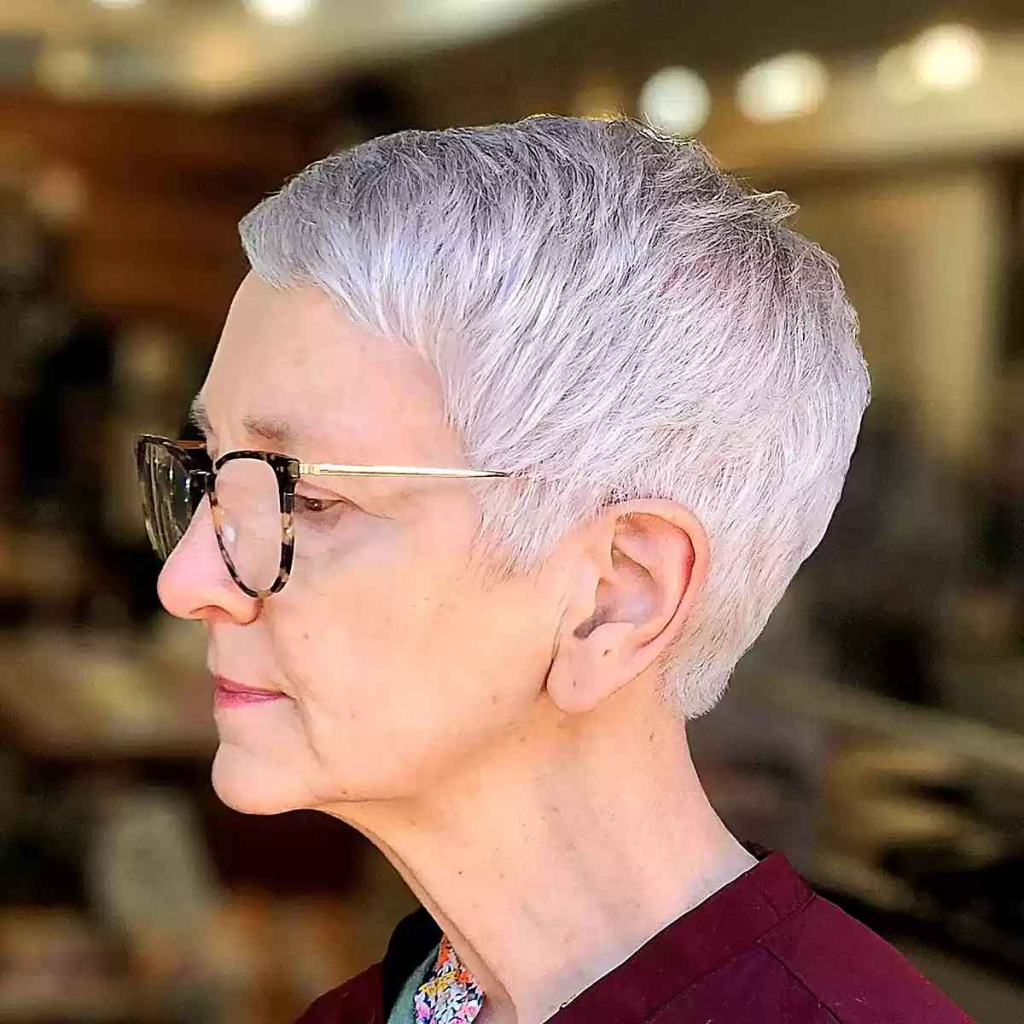
A cropped pixie draws immediate attention upward, framing your eyes and accentuating cheekbones for a lifted, youthful look.
2. Choose a bob to soften a square or heart-shaped face.
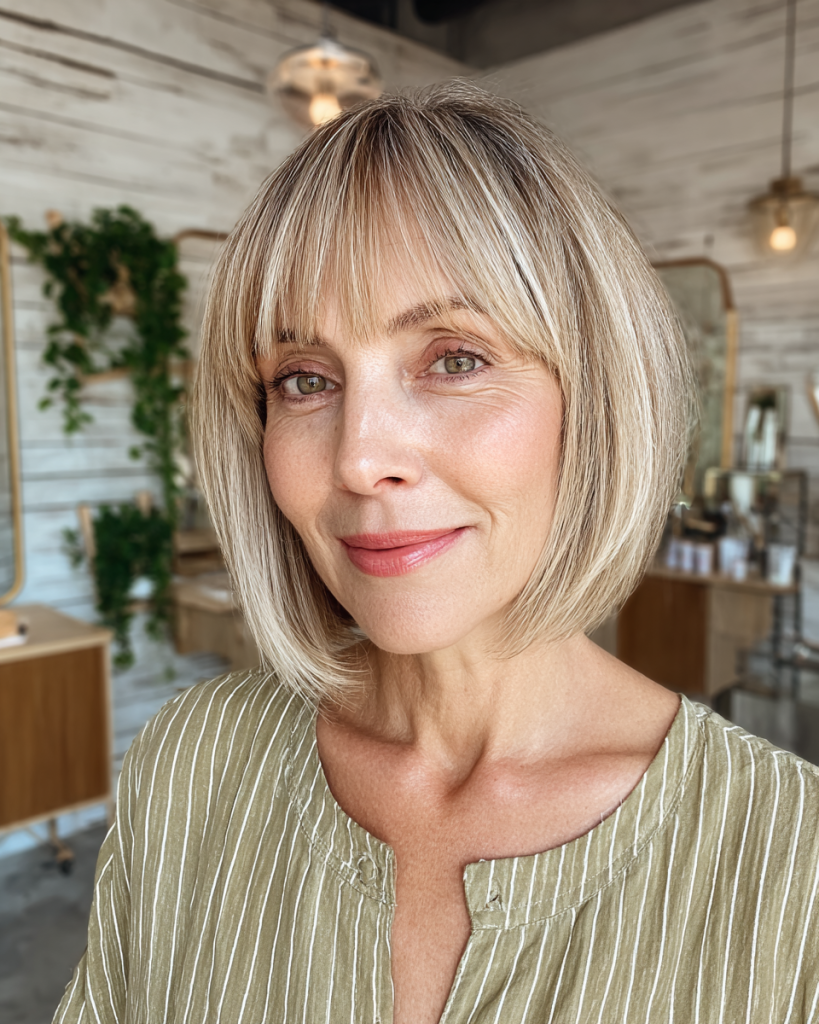
A chin-length bob with gentle waves rounds out angular jawlines, offering a softer, more balanced silhouette.
3. Choose a pixie if you have fine or thinning hair.
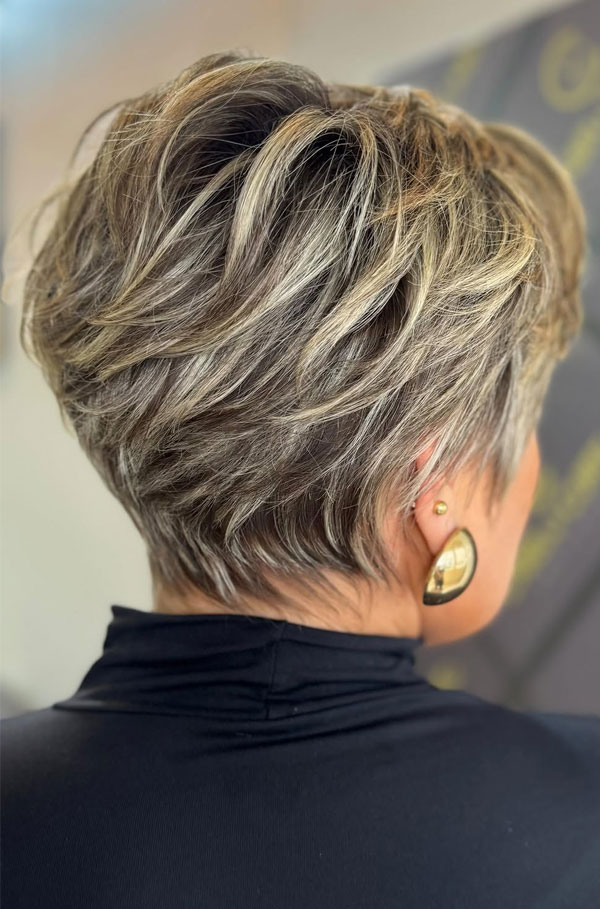
Short pixie layers create natural volume and density, making fine hair appear fuller and more textured.
4. Choose a bob for versatility in styling.
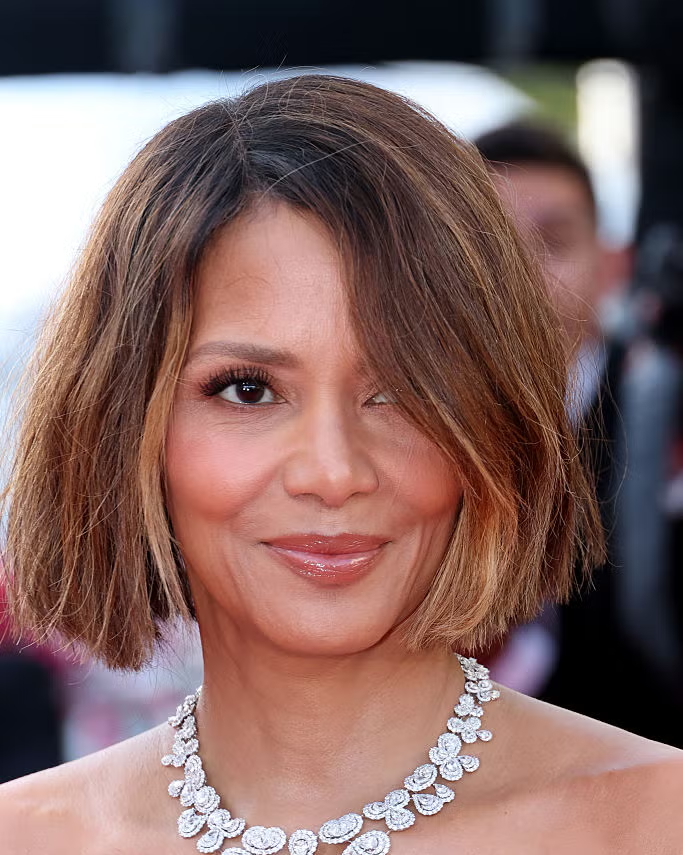
Unlike a pixie, a bob can be curled, straightened, half-pinned, or accessorized, giving you more options for different occasions.
5. Choose a pixie for ultra-low maintenance mornings.
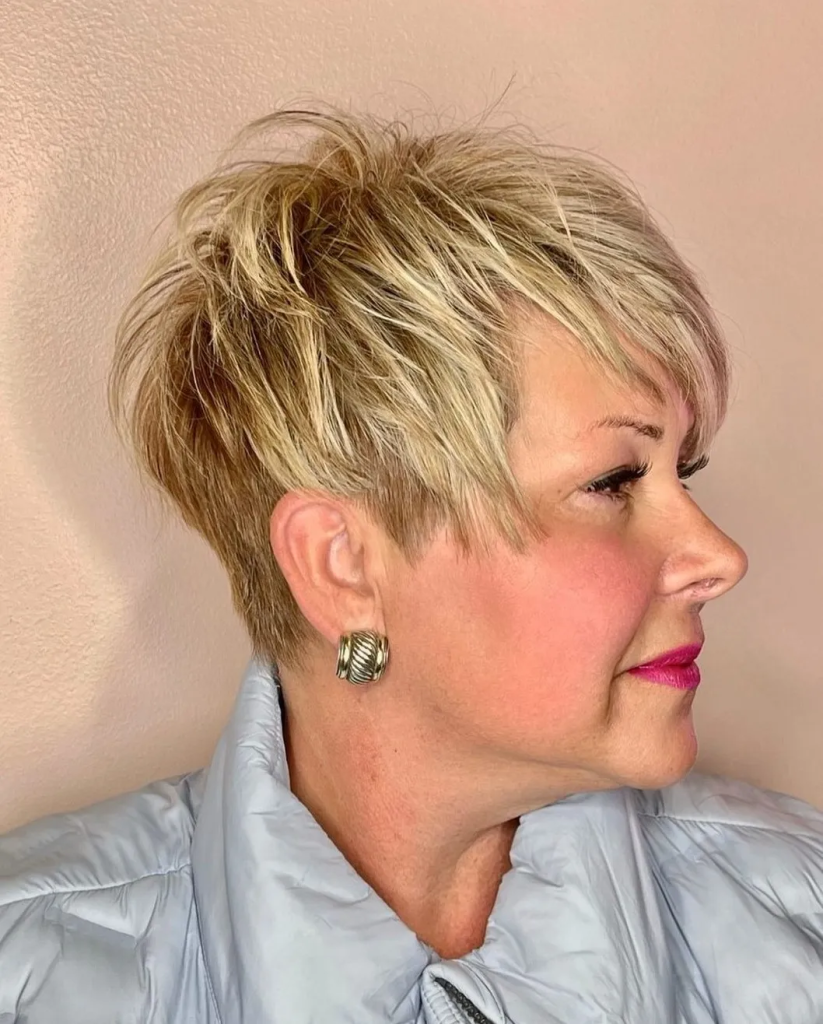
With a pixie, you can wash, towel-dry, and go—no blow-dryer or hot tools required, which is a game-changer for busy women.
6. Choose a bob to transition gracefully from longer hair.
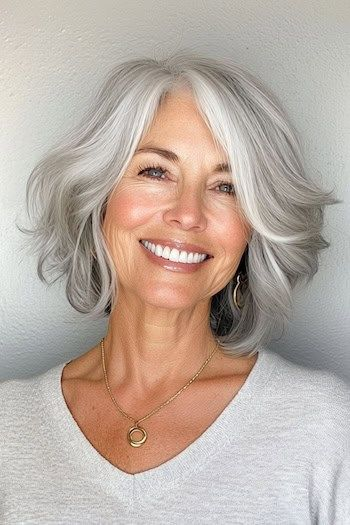
If you’re not ready to go extremely short, a bob offers a chic compromise that still feels feminine and modern.
7. Choose an asymmetrical pixie for an edgy, modern vibe.
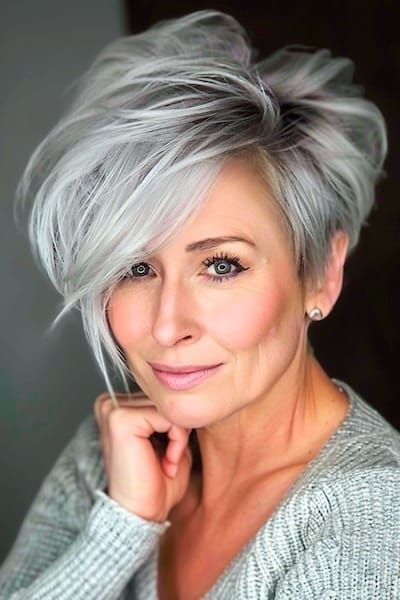
A longer top with a buzzed nape adds contemporary flair and can even elongate the neck—a common concern after 50.
8. Choose a stacked bob to add lift at the crown.
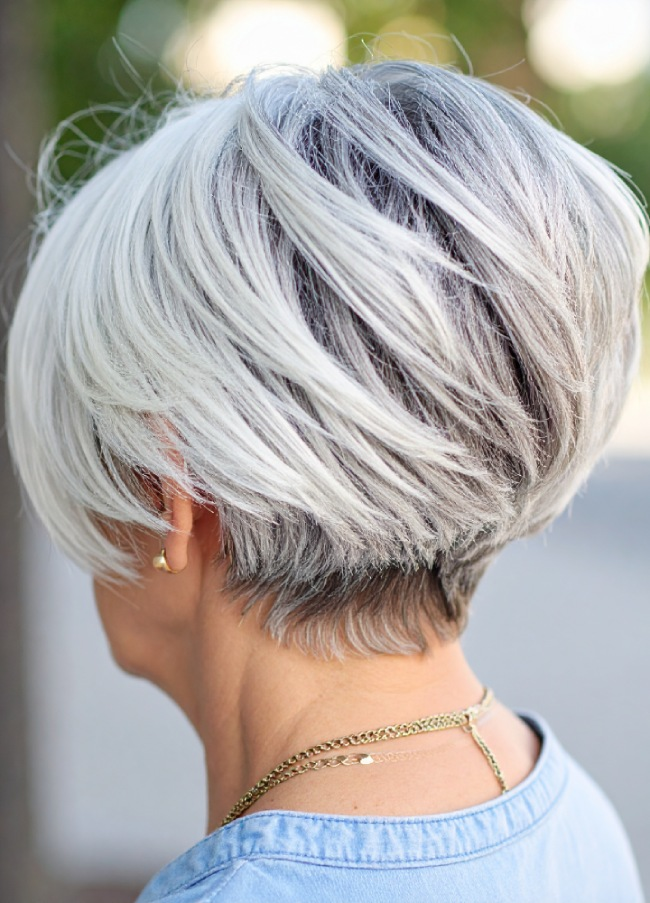
Layers stacked at the back of a bob naturally boost volume behind the head, correcting flatness that often comes with age.
9. Choose a pixie if you wear glasses or bold earrings.
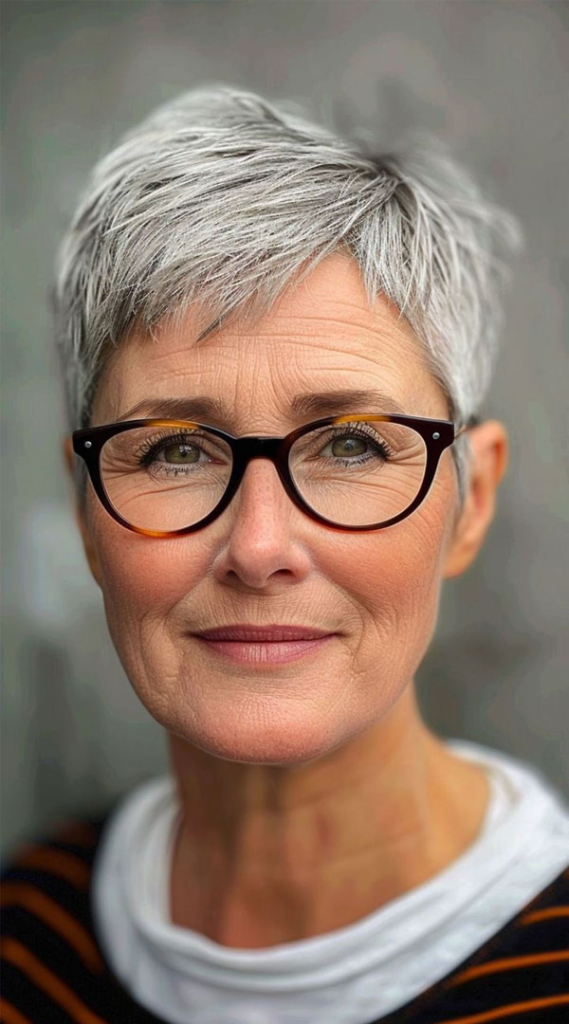
A cropped cut keeps accessories like statement frames or chandelier earrings from competing with your hair, letting them shine.
10. Choose a bob if you prefer to hide neck or jaw imperfections.
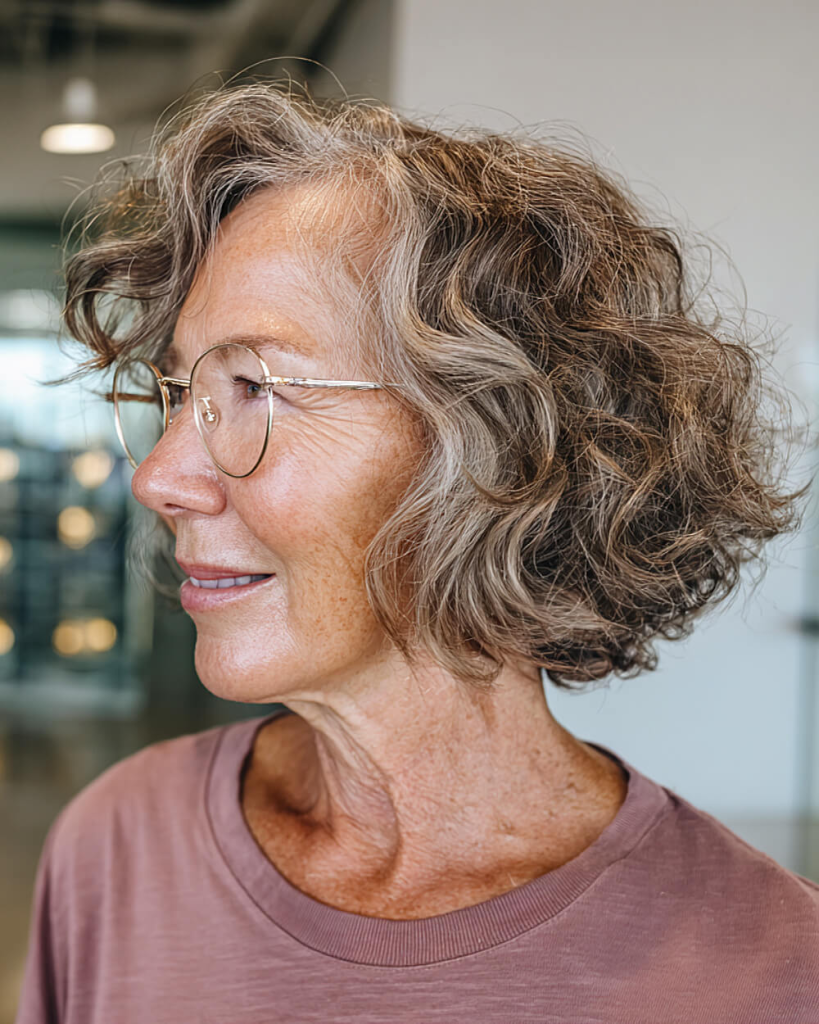
The gentle length of a bob can camouflage sagging under the chin or a less-defined jawline, acting like a soft filter for your features.
Hair Texture & Density Considerations
- Fine hair: Pixies create instant volume. Bobs need light layers and dry shampoo for lift.
- Thick hair: Pixies require texturizing to remove bulk. Bobs benefit from internal layers to prevent a triangular shape.
- Curly hair: A longer pixie (often called a "curly pixie") or a lob-length bob prevents shrinkage and maintains definition.
- Gray/transitioning hair: Pixies make the grow-out of gray roots almost invisible. Bobs show the line of demarcation more clearly unless styled in waves.
Maintenance & Salon Visit Schedule
- Pixie: Needs trimming every 3–4 weeks to keep shape. At-home maintenance is minimal—just a quick rinse and air-dry.
- Bob: Needs trimming every 6–8 weeks. Requires blow-drying or curling depending on natural texture. Investment in a good round brush and heat protectant is recommended.
Common Mistakes to Avoid When Choosing a Short Cut After 50
- Going too short too fast – Try a longer pixie or a lob first if you’ve had long hair for decades.
- Ignoring your hair’s natural texture – Fighting curls or extreme straightness daily leads to frustration.
- Forgetting about your crown – Flat crowns look older; always ask for lift or stacking at the back.
- Choosing a cut based on a celebrity 20 years younger – Your face shape and density are unique to you.
- Skipping the consultation photo – Always bring 2–3 reference images to your stylist.
Styling Product Recommendations by Cut
For pixies:
- Texture paste or matte clay (for definition)
- Lightweight volumizing spray (for crown lift)
- Tinted dry shampoo (for gray roots between washes)
For bobs:
- Round brush blow-dry cream (for smoothness)
- Heat protectant spray (essential for daily styling)
- Light-hold hairspray (to keep shape without stiffness)
Conclusion
So, which is the best short cut for women over 50—pixie or bob? The honest answer is the one that makes you feel confident the moment you look in the mirror. A pixie wins for low-maintenance mornings, bold bone structure, and embracing natural gray or silver hair with attitude. A bob wins for styling versatility, softening facial features, and offering a gentler step away from longer lengths.
Neither is universally “better.” The right choice honors your face shape, respects your hair’s natural behavior, and fits the time you’re genuinely willing to spend on styling. The women who look most radiant after 50 aren’t the ones wearing a specific cut—they’re the ones wearing a cut that feels like them. Whether you chop it all off into a sassy pixie or swing into a polished bob, own it with the confidence that only comes with age and self-knowledge.

Leave a Reply