
As we age, our hair naturally becomes drier, thinner, and more fragile due to hormonal shifts like menopause. Using the wrong products can worsen breakage, scalp irritation, and dullness, so avoiding harsh chemicals is just as critical as choosing nourishing oils and proteins.
Why Hair Changes After 50 (And Why Ingredients Matter)
After menopause, estrogen levels drop significantly, which directly affects the hair growth cycle. This leads to slower growth, increased shedding, and a drier scalp that produces less sebum. Additionally, each hair strand becomes finer and has a thinner cuticle layer, making it more vulnerable to damage from harsh chemicals. Understanding this biological shift helps explain why ingredients you tolerated in your 30s or 40s can now cause irritation, breakage, and even hair loss.
Below are 10 ingredients you should keep out of your hair care routine to maintain volume, moisture, and a healthy scalp after 50:
1. Sulfates (Sodium Lauryl Sulfate & Sodium Laureth Sulfate)
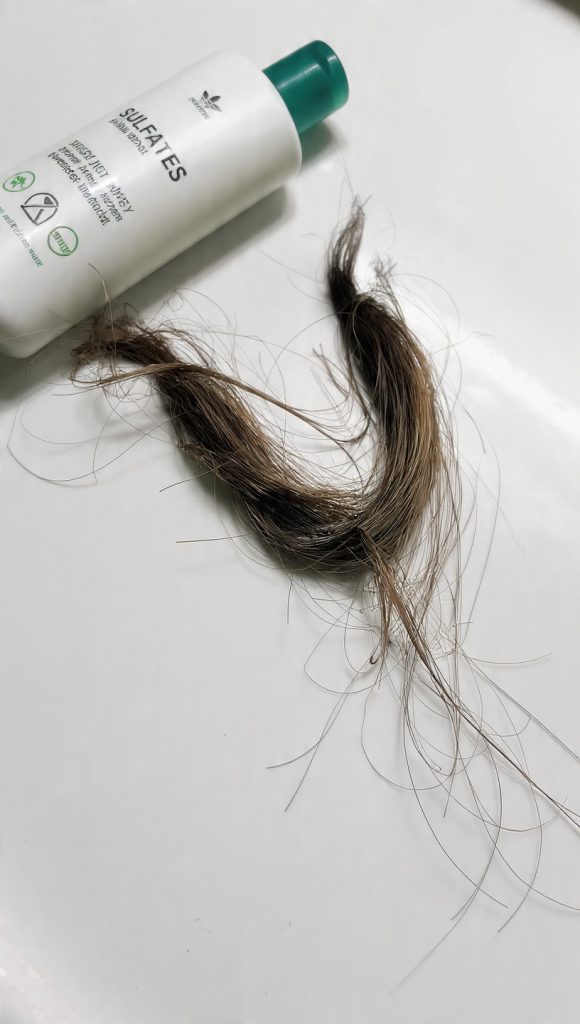
These harsh detergents strip the scalp of its natural protective oils, leaving aging, already-dry hair even more brittle and prone to breakage.
2. Parabens (Methylparaben, Propylparaben)
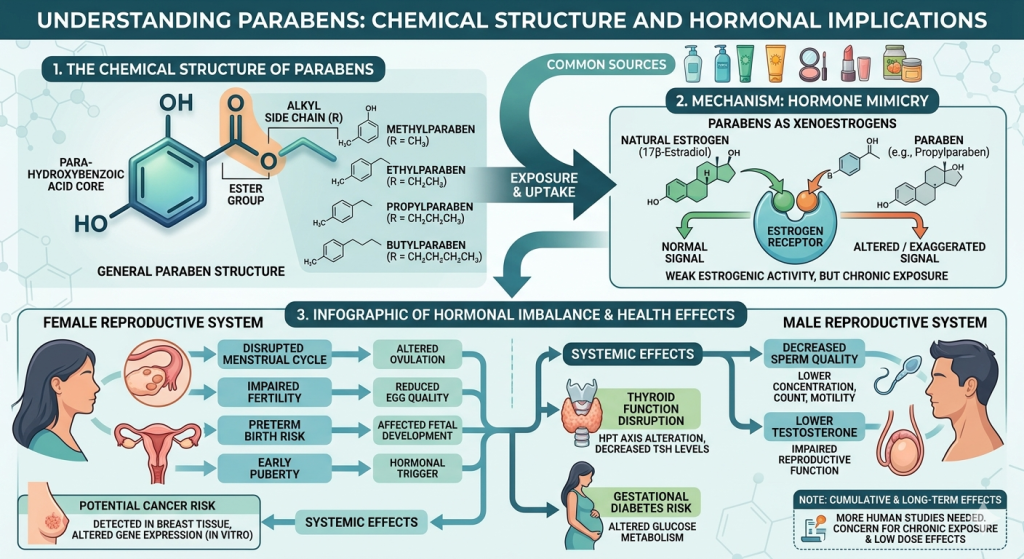
Parabens are preservatives that can mimic estrogen in the body, potentially disrupting hormonal balance—a particular concern for women over 50 navigating menopause.
3. Silicones (Dimethicone, Amodimethicone)
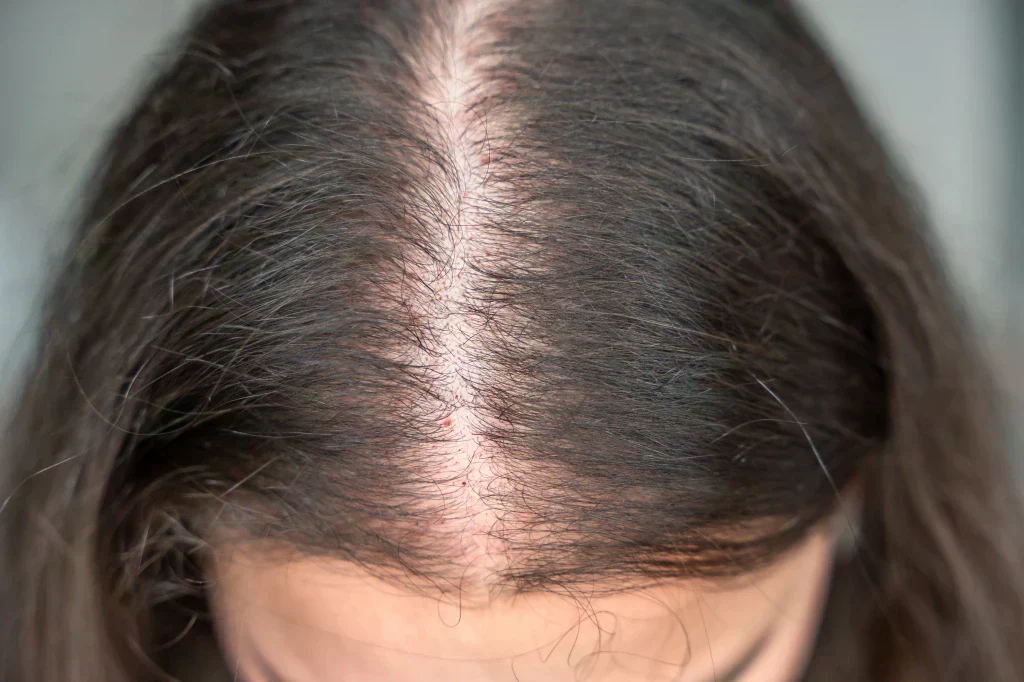
While they create temporary shine, silicones build up on fine, thinning hair over time, weighing it down and preventing moisturizing ingredients from penetrating the shaft.
4. Alcohols (SD Alcohol, Denatured Alcohol)
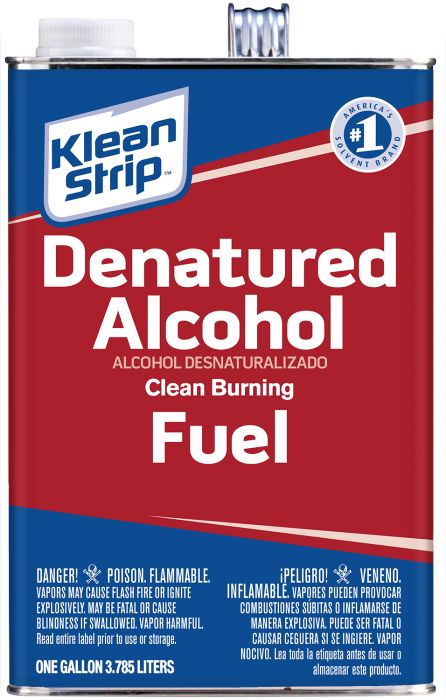
Short-chain alcohols act as drying agents that remove moisture from the hair fiber, worsening the natural lack of hydration that comes with age.
5. Formaldehyde-Releasing Preservatives (DMDM Hydantoin, Quaternium-15)
These chemicals slowly release formaldehyde to prevent bacteria growth, but they can trigger scalp inflammation, itching, and even exacerbate hair shedding in sensitive women.
6. Synthetic Fragrances (Parfum)
“Fragrance” is often a cocktail of undisclosed phthalates and irritants, which can cause allergic contact dermatitis on a mature, more reactive scalp.
7. Polyethylene Glycols (PEGs)
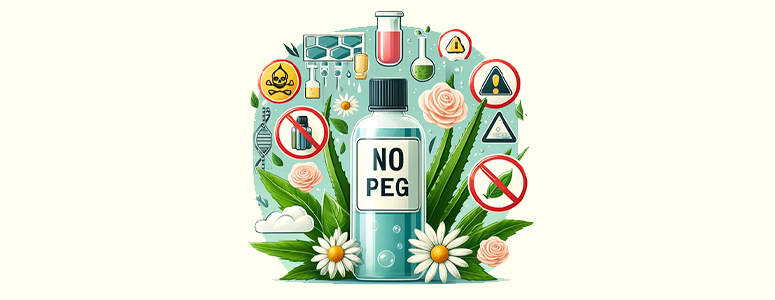
PEGs are often contaminated with ethylene oxide (a known carcinogen) and can strip the hair’s protein barrier, accelerating the look of fragility and split ends.
8. Isopropyl Alcohol
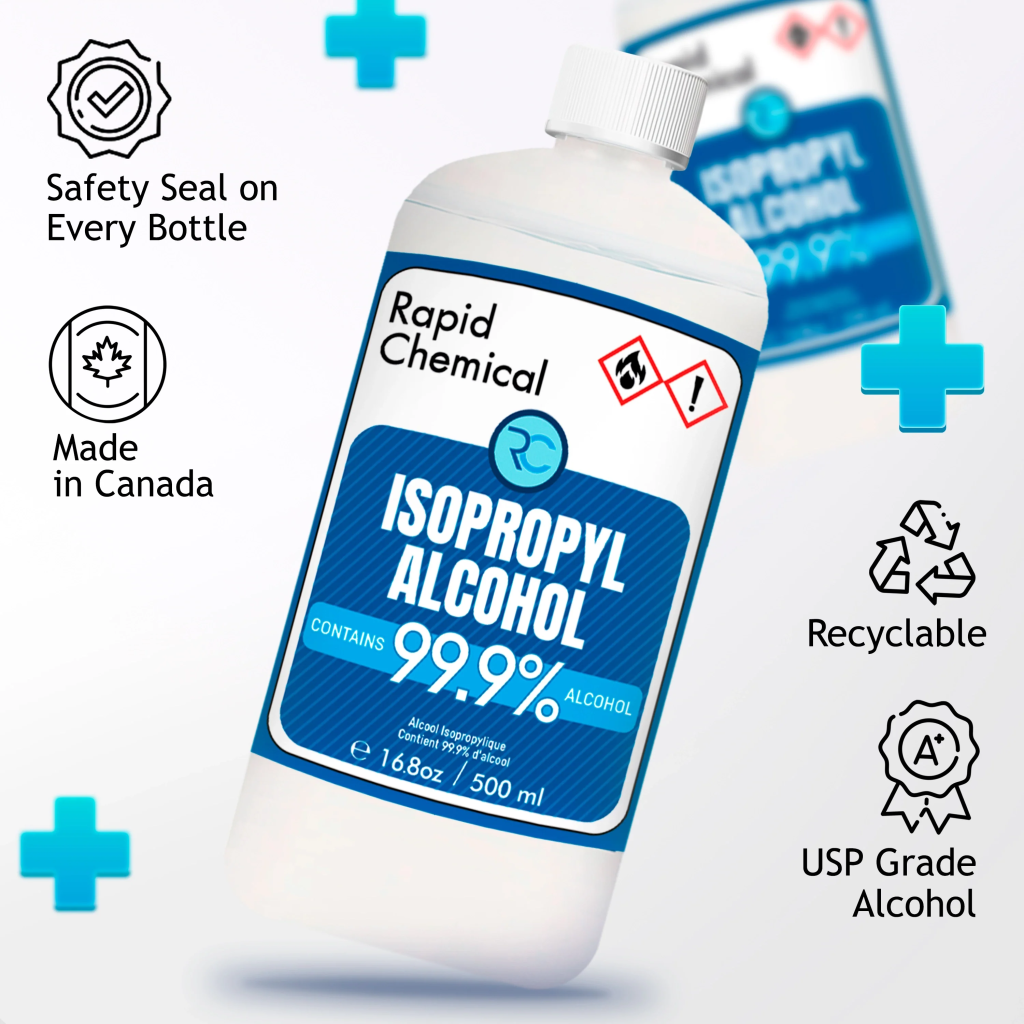
This inexpensive solvent is extremely drying and disruptive to the hair’s cuticle layer, leading to increased frizz and static—common struggles for women over 50.
9. Retinyl Palmitate (A form of Vitamin A)
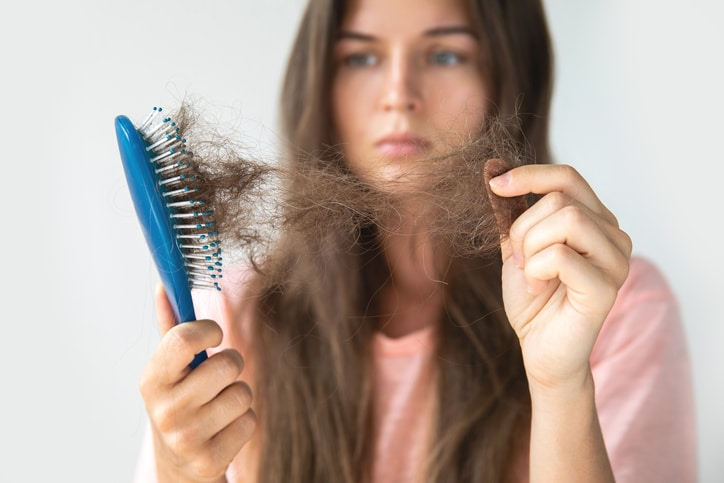
Though popular in skincare, this ingredient applied to the scalp may increase sun sensitivity and has been linked to hair thinning in postmenopausal women when overused.
10. Coal Tar (often in anti-dandruff shampoos)
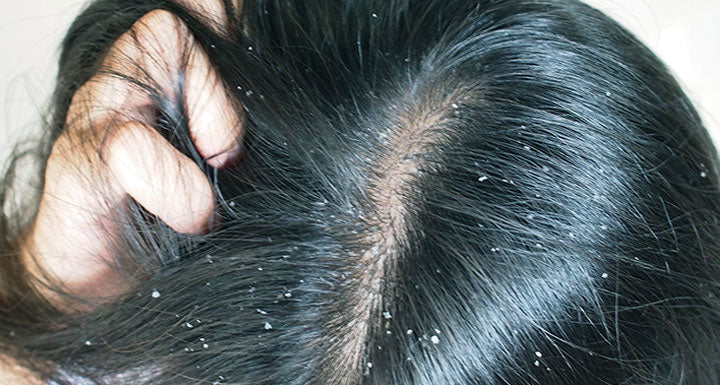
Listed as a possible human carcinogen, coal tar can make aging hair more porous and damaged, while also irritating a delicate scalp prone to dryness.
Safe Ingredients to Look For Instead
| Instead of This... | Look for This... | Why It Helps |
|---|---|---|
| Sulfates | Sodium Coco-Sulfate (mild) or Coco-Glucoside | Cleanses gently without stripping natural oils |
| Parabens | Phenoxyethanol or Potassium Sorbate | Preserve the product safely without hormonal effects |
| Silicones | Argan Oil, Jojoba Oil, or Shea Butter | Provide real moisture and shine that absorbs, not coats |
| Drying Alcohols | Cetyl Alcohol or Cetearyl Alcohol (fatty alcohols) | Actually condition and soften the hair shaft |
| Synthetic Fragrance | Essential oils (like lavender or rosemary) or "fragrance-free" | Reduce risk of scalp allergies and irritation |
How to Read a Hair Product Label (Quick Guide)
- Ignore front-label marketing – Words like "natural," "clean," or "for aging hair" are not regulated.
- Flip to the ingredient list – Ingredients are listed from highest to lowest concentration.
- Scan the first five ingredients – These make up the bulk of the product. If a harmful ingredient appears here, avoid it.
- Look for the word "parfum" or "fragrance" – If listed without specifics, assume it contains phthalates.
- Use apps like Think Dirty or EWG's Skin Deep – Scan barcodes to quickly identify harmful chemicals.
Frequently Asked Questions
Q: Can I ever use products with silicones or sulfates occasionally?
A: A clarifying shampoo with sulfates once a month to remove buildup is acceptable for some, but women with very dry or chemically treated hair should avoid sulfates entirely.
Q: Are all alcohols bad?
A: No. Fatty alcohols (cetyl, stearyl, cetearyl) are beneficial emollients that soften hair. Only avoid short-chain alcohols like SD alcohol, denatured alcohol, and isopropyl alcohol.
Q: How long after switching products will I see a difference?
A: Most women notice less dryness and breakage within 2–3 weeks. Healthier regrowth and reduced shedding may take 2–3 months as the scalp recovers.
Q: What if my favorite anti-dandruff shampoo contains coal tar?
A: Seek alternatives with pyrithione zinc, selenium sulfide, or salicylic acid, which are effective without the carcinogen risk.
Conclusion
Navigating hair care after 50 doesn't have to be overwhelming. By learning to identify and avoid just these 10 toxic ingredients—sulfates, parabens, silicones, drying alcohols, formaldehyde-releasers, synthetic fragrances, PEGs, isopropyl alcohol, retinyl palmitate, and coal tar—you can protect your scalp health, preserve your hair's natural moisture, and reduce unnecessary breakage and shedding.
Your hair has already carried you through decades of life. Treat it with the same wisdom and care you've gained along the way. Start by checking the labels on your current shampoo, conditioner, and styling products. Swap out one harsh product at a time for a gentler, cleaner alternative. Within a few months, you'll likely notice stronger, shinier, and more resilient hair—proof that the right ingredients make all the difference.
Remember: Aging hair isn't a problem to fix. It's a texture to understand and honor with the right chemistry.

Leave a Reply