
As we age, our hair changes in texture, thickness, and color—yet many over 60 continue using the same box dyes they relied on in their 40s and 50s. While convenient and cheap, box dyes can pose unique problems for mature hair and scalp health, making it time to explore better alternatives.
3 Reasons to Stop Using Box Dye After 60
1. Increased risk of scalp irritation and allergies
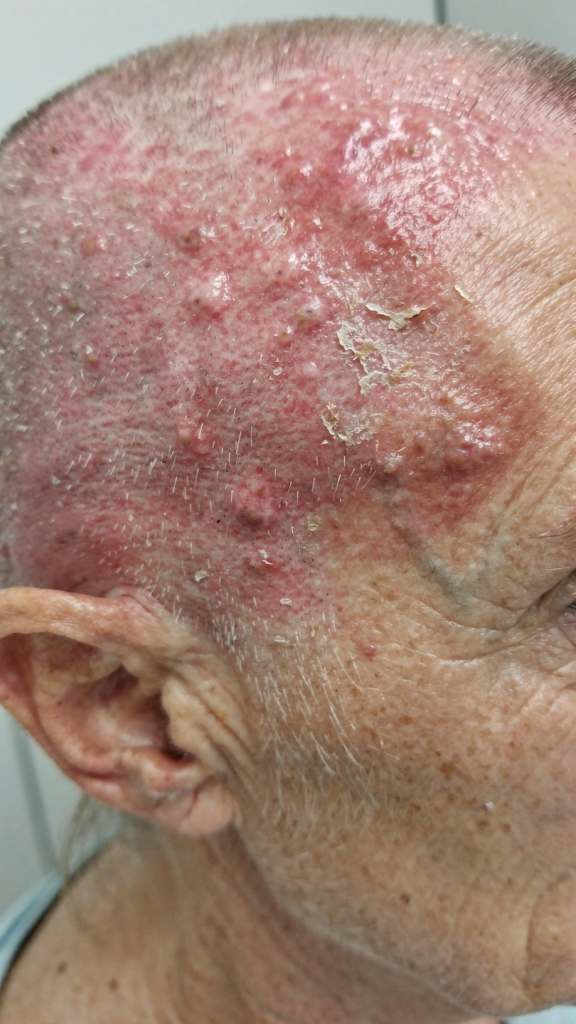
With age, skin becomes thinner and more sensitive, making harsh chemicals in box dyes—such as PPD and ammonia—more likely to cause burning, itching, or long-term allergic reactions.
2. Unflattering, one-tone color that looks unnatural
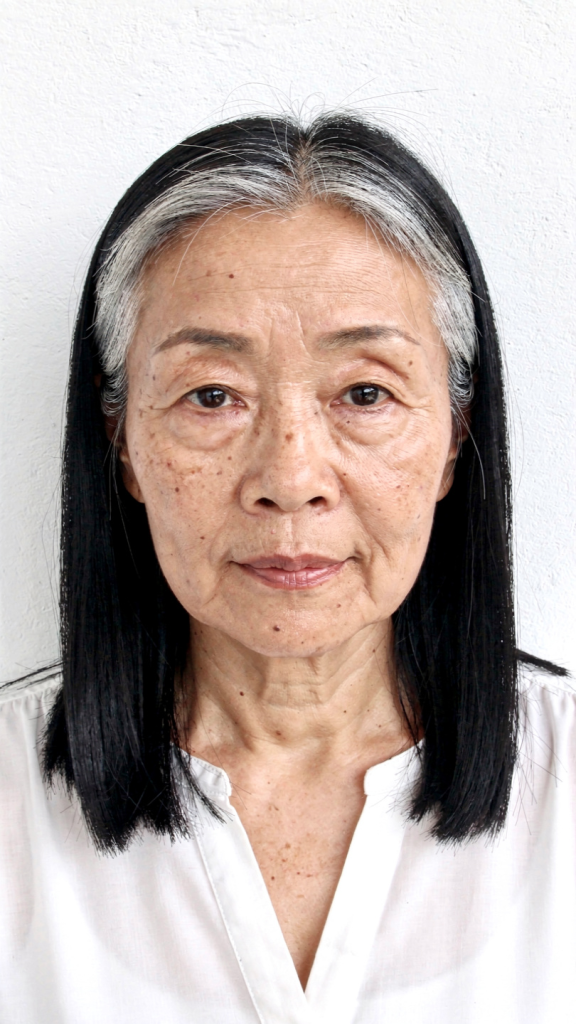
Grey roots and lighter aging hair react differently to box dyes, often resulting in flat, opaque color that lacks natural highlights and lowlights, exaggerating rather than softening signs of age.
3. Higher chance of hair breakage and dryness
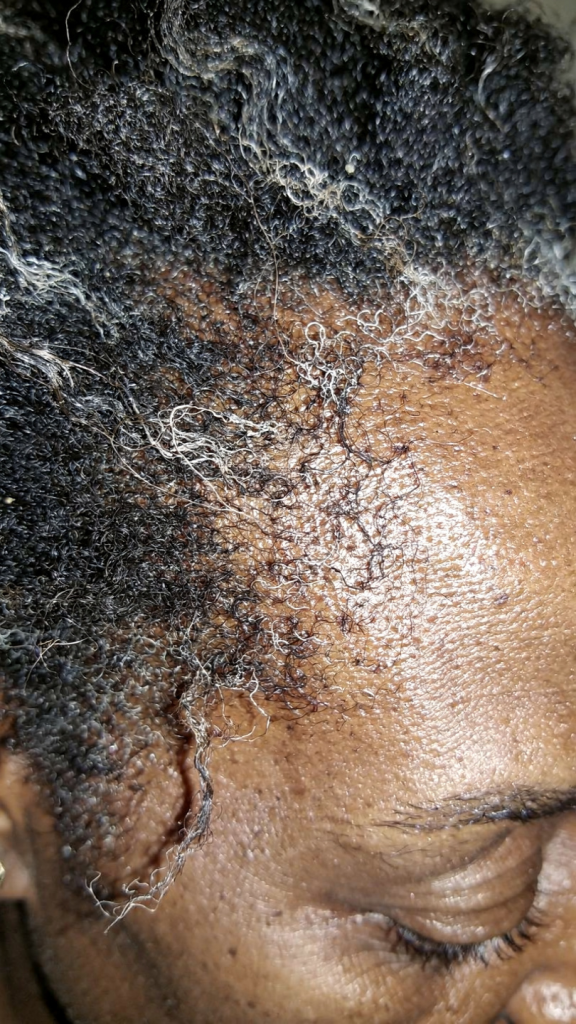
Mature hair retains less moisture and natural oils, so strong peroxide-based dyes can strip the cuticle, leaving hair brittle, wiry, and prone to split ends instead of soft and manageable.
Who Is Most at Risk?
Box dye affects women differently based on hair type and health history. Women over 60 with existing scalp conditions (eczema, psoriasis, dermatitis) face the highest irritation risk. Those who have been dyeing continuously for 30+ years may also develop sudden new allergies due to cumulative chemical exposure. Additionally, women taking blood thinners or thyroid medications should consult a doctor before using box dye, as chemical absorption through the scalp can interact with certain drugs.
The False Economy of Box Dye After 60
While a box dye costs 10–15versus60–150 for a salon visit, the hidden costs add up quickly. Treating chemical burns, buying restorative serums for breakage, or seeing a dermatologist for allergic reactions often exceeds salon prices. Furthermore, failed box dye results (orange tones, patchy grey coverage, or too-dark color) frequently require a costly salon correction that doubles the original professional price. In the long run, cheaper dye rarely means cheaper care.
How to Talk to Your Stylist About Alternatives
If you are nervous about switching from box dye, use this simple script when booking a consultation:
*"I'm over 60 and have been using box dye for years. I want to protect my scalp health and hair texture. Can you recommend a gentle, low-ammonia option or help me transition to working with my natural grey?"*
A good stylist will perform a strand test, assess your scalp sensitivity, and show you color swatches before applying anything. Do not hesitate to ask for a patch test 48 hours in advance, even in a salon.
Quick Reference: Box Dye vs. Better Options After 60
| Feature | Box Dye | Salon Semi-Permanent | Natural Gray Blending |
|---|---|---|---|
| Scalp irritation risk | High | Low | None |
| Grey coverage | Harsh, opaque | Soft, natural | Embraces grey |
| Damage to mature hair | High | Minimal | Zero |
| Cost per application | $10–15 | $50–80 | One-time styling |
| Maintenance frequency | Every 3–4 weeks | Every 6–8 weeks | Every 10–12 weeks |
Final Reminder: The 48-Hour Patch Test
Even if you have used the same box dye brand for decades, always perform a patch test before each application after age 60. Aging can suddenly trigger allergies to ingredients that never bothered you before. Apply a small amount behind your ear or on your inner elbow, wait 48 hours, and check for redness, swelling, or itching. If any appears, discard the box immediately.
Conclusion
Reaching your 60s is a milestone worth celebrating with hair that looks healthy, feels soft, and truly suits you. Box dye may have been a practical solution in younger years, but mature hair deserves a gentler, more thoughtful approach. By switching to safer alternatives, working with your natural grey, and listening to your scalp's changing needs, you can achieve vibrant, age-appropriate color without the hidden risks. Your hair has carried your story for six decades—it's time to treat it with the care it has earned.

Leave a Reply