
For decades, the sleek, tight bun has been a go-to hairstyle for older women, prized for its elegance and practicality. What many don’t realize, however, is that this seemingly harmless style can cause lasting damage to both hair and scalp health.
Who Is Most at Risk?
While any woman who frequently wears tight buns is at risk, older women face unique vulnerabilities. Age-related hormonal changes (especially during and after menopause) naturally thin hair density and reduce sebum production. Combined with decades of repetitive tension from the same hairstyle, this creates a "perfect storm" for irreversible hair loss. Women with fine or fragile hair textures, as well as those using chemical relaxers or dyes, face even greater risks.
Signs You've Already Done Damage
Recognizing early warning signs can prevent permanent hair loss. Look for these red flags:
- Forehead expansion: A noticeably higher hairline than five years ago
- "Fringe sign": Short, broken baby hairs along the forehead that never grow long
- Scalp soreness: Tenderness that lasts hours after removing a bun
- Visible gaps: Small bald patches around the temples or crown
- Itching or burning: Persistent scalp irritation where tension is highest
If you experience two or more of these signs, it's time to change your hairstyle immediately.
Below are 7 compelling reasons to retire the tight bun and embrace gentler alternatives:
1. Traction Alopecia (Receding Hairline)
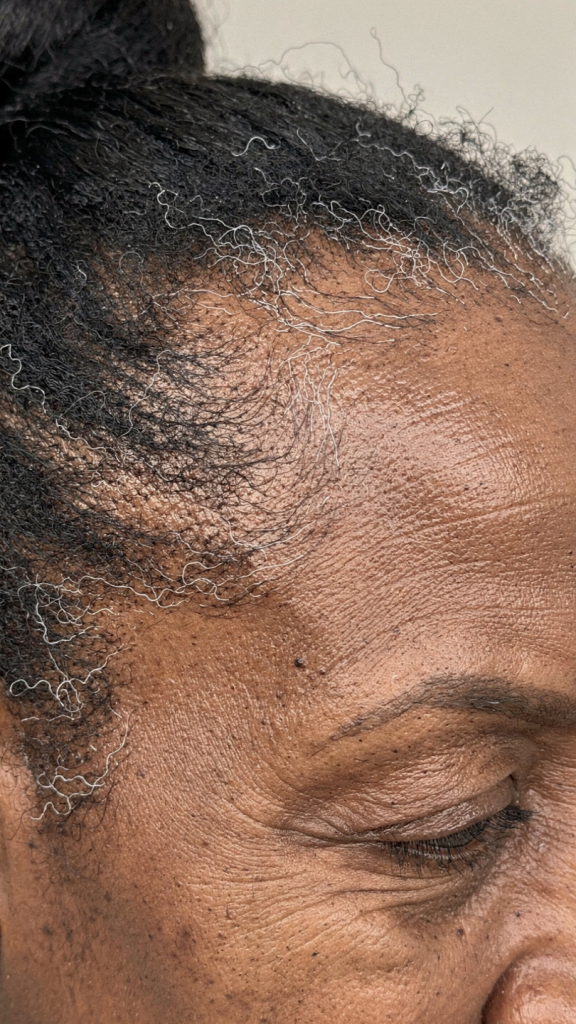
Constant tension pulls hair follicles away from the scalp, leading to permanent hair loss along the hairline and temples.
2. Increased Scalp Pain & Headaches

Prolonged tension on the hair roots can trigger sensitive nerve endings, resulting in chronic scalp tenderness and tension headaches.
3. Weakened, Brittle Hair Shafts
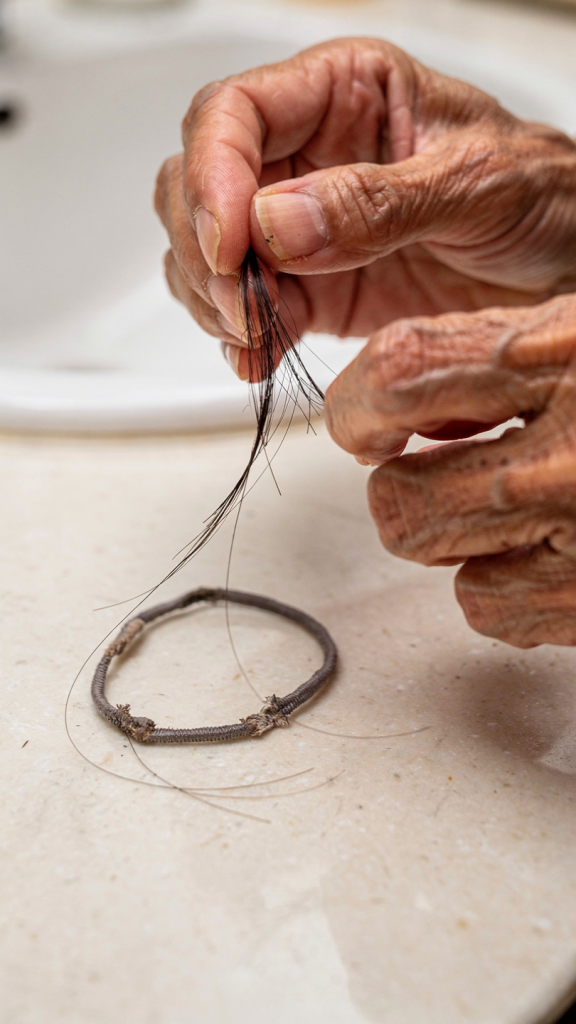
The repetitive stress and friction from elastic bands weaken the hair cuticle, causing mid-shaft breakage and split ends.
4. Reduced Natural Oil Distribution
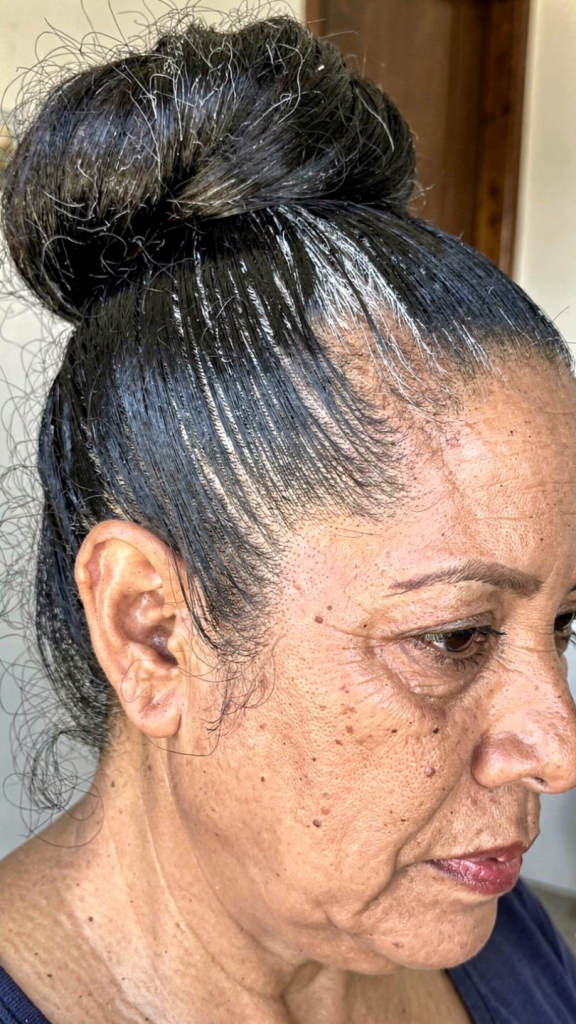
A tight bun restricts sebum (scalp oil) from traveling down the hair strand, leaving the ends dry, frizzy, and prone to snapping.
5. Exacerbation of Age-Related Thinning
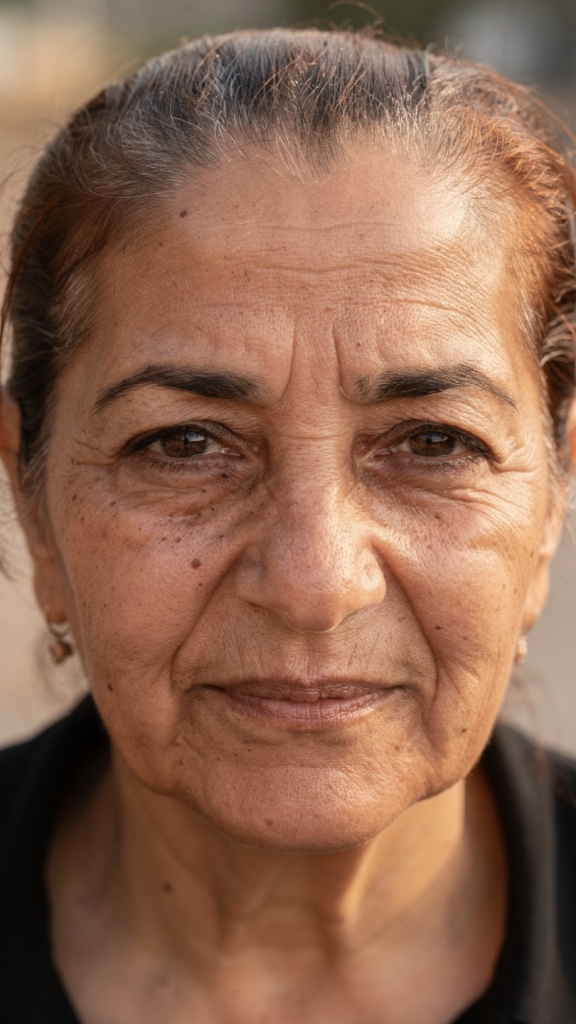
As hair naturally becomes finer and sparser with age, tight buns expose more scalp and make thinning areas dramatically worse.
6. Poor Circulation to Hair Follicles
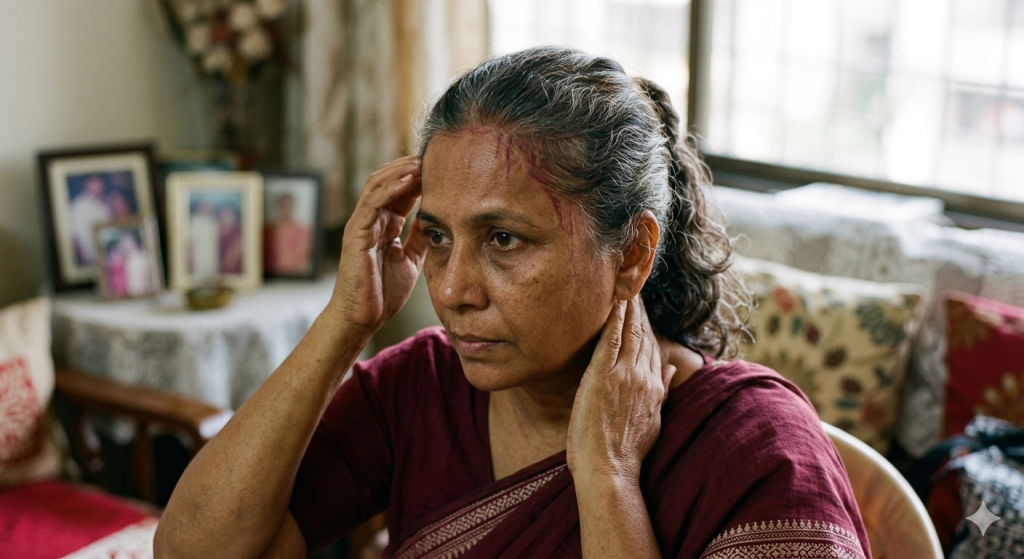
Constant tension compresses blood vessels in the scalp, reducing oxygen and nutrient flow to follicles needed for healthy growth.
7. Forehead Wrinkles from Skin Pulling
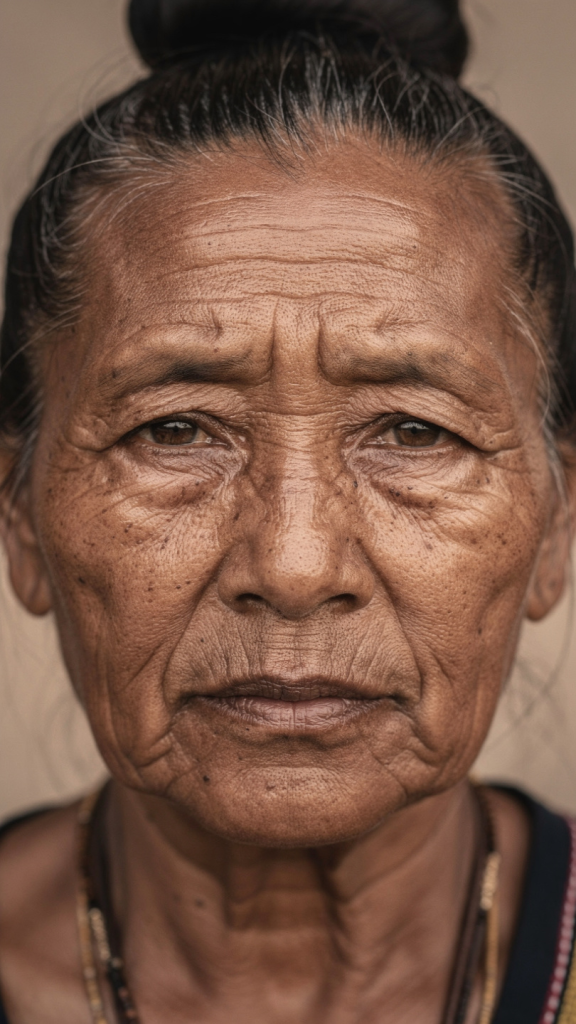
The backward pull of a severe bun can accentuate forehead furrows and temple hollows, subtly accelerating facial aging signs.
Gentle Alternatives to Tight Buns
You don't have to abandon buns entirely—just modify them. Try these hair-friendly options:
| Style | How to Do It | Benefit |
|---|---|---|
| Loose, low bun | Secure at the nape with a soft scrunchie, leaving 1-2 inches of slack | No tension on crown or hairline |
| Silk/satin scrunchie | Replace elastic bands with fabric-covered scrunchies | Reduces friction and breakage |
| Braided low ponytail | Weave a loose side braid instead of twisting into a bun | Evenly distributes weight |
| Claw clip twist | Twist hair loosely and secure with a large claw clip | Zero tension, easy removal |
| Silk scarf wrap | Wrap hair in a silk scarf and tie loosely at the nape | Protects hair while sleeping or during the day |
Crucial rule: Never wear the same style two days in a row. Rotate between loose styles to give pressure points time to recover.
How to Reverse Damage Already Done
The good news: Early to moderate damage can be reversed. Follow this three-month recovery plan:
Month 1: Stop all tension. Switch entirely to loose, heat-free styles. Massage your scalp daily for 5 minutes using circular motions to boost blood flow.
Month 2: Rebuild hair strength. Use a biotin or peptide serum on thinning areas. Eat protein-rich foods (eggs, fish, legumes) to support new growth.
Month 3: Stimulate regrowth. Apply rosemary oil diluted with jojoba oil to the hairline three times weekly. Consider minoxidil (Rogaine) after consulting a dermatologist.
When to see a doctor: If no baby hairs appear after four months, or if bald spots are completely smooth and shiny (indicating scarred follicles), seek a dermatologist. Steroid injections or platelet-rich plasma (PRP) therapy may help.
A Note on Cultural and Personal Identity
For many older women, the tight bun is more than a habit—it's tradition. From ballerinas to nurses, from grandmothers to corporate executives, the bun represents discipline, professionalism, and heritage. This article isn't about shaming those choices. Instead, it's about informed adaptation. You can honor your cultural or personal style by simply loosening the bun by one inch, switching to softer materials, and varying your placement. Tradition and health can coexist.
Conclusion: Loosen Up for Lasting Hair Health
Your hair tells the story of your life—don't let a tight bun write a tragic ending. The elegance of a bun comes not from its severity, but from its intention. By loosening your grip just slightly, rotating styles, and listening to your scalp's signals, you can preserve your hair for decades to come. Remember: every ponytail holder is a choice between temporary sleekness and long-term health. Choose wisely, age gracefully, and let your hair—and your hairline—breathe.
Final call to action: Today, take a photo of your hairline. Switch to a loose style for one month. Take another photo. The difference will surprise you. Your future self will thank you.


Leave a Reply