
Fine hair after 50 often becomes thinner and more delicate, but that doesn’t mean you need to sacrifice style for hours of upkeep. The key is choosing cuts that create volume, disguise sparseness, and work with your natural texture—so you can look polished in minutes, not hours.
Why Low Maintenance Matters for Fine Hair Over 50
As we age, hair naturally becomes finer and more fragile due to hormonal changes, particularly during and after menopause. The hair shaft thins, growth slows, and scalp visibility may increase. High-maintenance styles that require daily heat styling, heavy products, or complex routines can lead to breakage, further thinning, and frustration. Low-maintenance cuts work with your hair's natural limitations—not against them—preserving density while saving you time and stress.
11 Low-Maintenance Hairstyles
1. The Classic Pixie Cut

This timeless short cut removes weight so fine hair appears fuller, and it air-dries in under five minutes with just a dab of texture paste.
2. The Textured Bob

A chin-length bob with soft, uneven layers adds movement and body, requiring only a quick finger-comb and sea salt spray to refresh.
3. The Long Pixie with Side-Swept Bangs

Keeping length on top allows you to sweep fine hair across the forehead, creating instant density while hiding thinning at the hairline.
4. The Blunt Bob at the Jawline

A straight, one-length bob makes fine hair look thicker by eliminating layers that can make ends wispy, and it stays neat for days between washes.
5. The French Crop

With short sides and a slightly longer, textured top, this wash-and-go style needs no blow-drying—just rough it up with your fingers.
6. The Stacked Bob

Shorter layers in the back naturally lift the crown, adding height without teasing or product, and it easily grows out without looking messy.
7. The Soft Shag with Wispy Ends

Light, feathery layers throughout remove bulk while creating gentle movement, and a quick mid-day head shake revives the shape.
8. The Asymmetrical Cut

A slightly longer front on one side draws the eye diagonally, breaking up the scalp's appearance and requiring just a smoothing cream to hold.
9. The Curly-Textured Crop

If you have natural wave, cropping it to 2–3 inches lets curls spring up for instant volume, and you simply spritz water to reset.
10. The Micro Bob (Earlobe Length)

Ending just below the ears, this cut removes all dead weight so fine hair stands up at the roots, and it needs only a weekly trim to stay sharp.
11. The Undercut Pixie
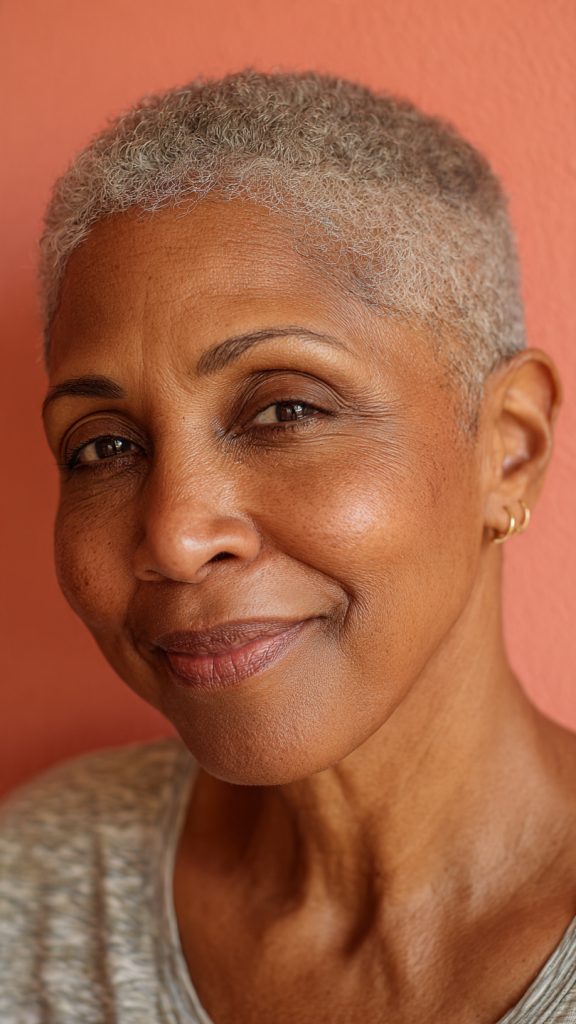
Shaving the nape removes bulk that flattens fine hair, leaving a light, airy top that falls perfectly into place with zero blow-drying.
What to Ask Your Stylist
Bringing a photo is helpful, but using the right terminology ensures you leave the salon happy. Here's what to say for fine-hair success:
- "Keep weight in the ends" – This prevents the wispy, see-through look that plagues fine hair.
- "Point-cut, don't blunt-cut the layers" – Point-cutting softens edges so layers blend without losing density.
- "Leave interior length while texturing the perimeter" – This creates movement without sacrificing overall fullness.
- "No heavy razoring" – Razors can fray fine hair shafts, causing frizz and split ends.
- "Show me how to style it with my fingers" – A good stylist will teach you a 60-second morning routine.
Products That Won't Weigh Fine Hair Down
Skip heavy oils and butters. Instead, reach for these lightweight essentials:
| Product Type | What to Look For | What to Avoid |
|---|---|---|
| Shampoo | Volumizing, sulfate-free, "for fine hair" | "Moisturizing" or "repair" formulas (too heavy) |
| Conditioner | Apply only to ends, rinse thoroughly | Leave-in creams or heavy butters |
| Styling product | Texture spray, sea salt spray, dry texture paste | Gels, pomades, or oils |
| Finisher | Lightweight dry shampoo (adds grip and volume) | Shine serums or smoothing lotions |
Pro tip: Wash every other day or every two days. Fine hair gets limp faster than thick hair, but overwashing strips natural support.
Quick Morning Routines (Under 3 Minutes)
No time? No problem. Pick one routine based on your cut:
- For pixies and crops: Spritz with water, rough-dry with a hand towel, rub a pea-sized amount of texture paste between palms, then scrunch through dry hair.
- For bobs and lobs: Flip head upside down, spray dry shampoo at roots, massage scalp for 15 seconds, flip back and finger-comb.
- For curly or wavy fine hair: Mist with water in a spray bottle, scrunch upward with a microfiber towel, air-dry while you get dressed.
How Often to Trim Based on Your Cut
Regular trims are non-negotiable for fine hair. Split ends travel up the shaft quickly, making thin hair look even thinner.
| Hairstyle | Trim Schedule |
|---|---|
| Pixie cut | Every 4–6 weeks |
| French crop | Every 5–7 weeks |
| Stacked bob | Every 6–8 weeks |
| Blunt bob | Every 8–10 weeks |
| Soft shag | Every 8–12 weeks |
| Micro bob | Every 6–8 weeks |
| Undercut pixie | Every 4–5 weeks (undercut needs more frequent touch-ups) |
Common Mistakes to Avoid with Fine Hair
- Over-layering – Too many layers remove the weight that fine hair needs to look substantial.
- Growing hair too long – Length pulls fine hair flat, exposing the scalp. Shorter is almost always fuller.
- Skipping heat protectant – If you must use heat, protect every time. Fine hair burns faster.
- Using wide-tooth combs – They separate strands too much; use a soft bristle brush or your fingers instead.
- Parting the same way daily – Change your part to train volume and prevent a visible scalp line.
Conclusion
Fine hair after 50 doesn't have to mean bad hair days. The right low-maintenance cut works with your texture, hides thinning, and gets you out the door in minutes—not hours. Whether you choose a classic pixie, a textured bob, or a soft shag, the goal is the same: effortless volume that celebrates your natural beauty. Book that trim, toss the heavy products, and let your hair breathe. Simpler really is better.


Leave a Reply