
If you have thick hair, you know the struggle is real. While others chase volume, you’re often battling bulk, unwanted triangle shapes, and morning frizz. The good news? Medium length is your hair’s best friend. Long enough to pull back, but short enough to lighten the load, shoulder-grazing cuts work with your density, not against it. Strategic layers, texturizing techniques, and specific shapes can transform heavy manes into lightweight, movement-filled styles.
Below are 18 expertly curated ideas to help you embrace—not fight—your natural thickness.
1. The Textured Lob (Long Bob)
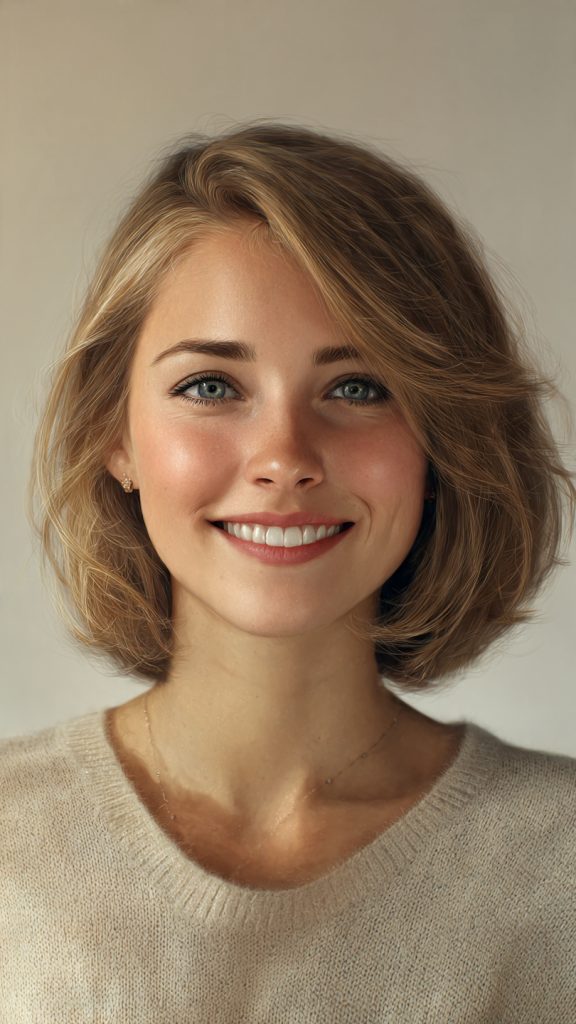
Cut just above the shoulders, the lob removes significant weight while keeping styling easy. Ask for internal point-cutting to break up density. The result: a bouncy, airy shape that dries faster and holds curls beautifully.
2. Layered Shag with Curtain Bangs
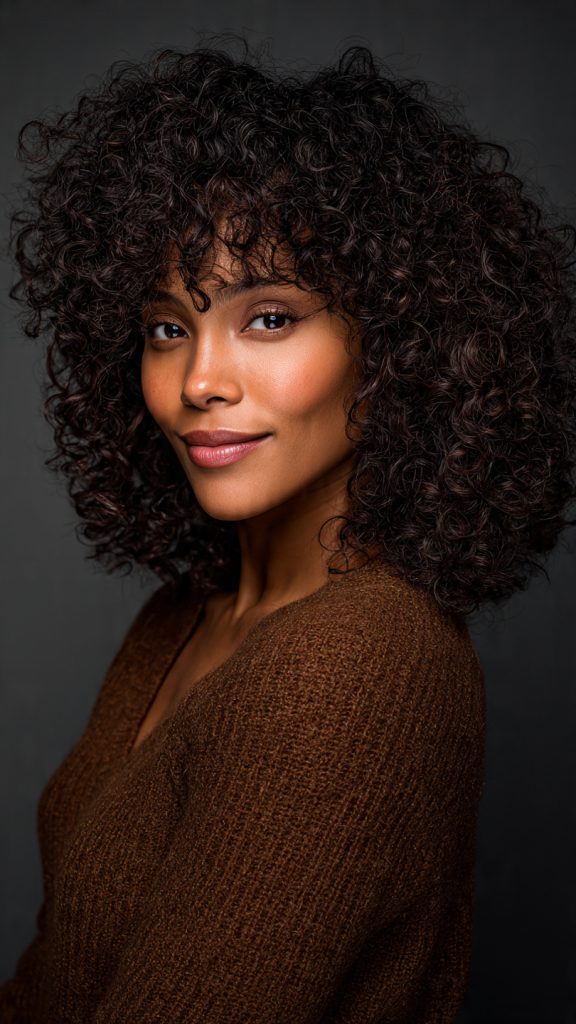
A shag is thick hair’s dream. Choppy layers through the crown and ends eliminate bulk, while wispy curtain bangs soften the face. The “messy” nature of this cut means less precision styling—perfect for natural waves.
3. Blunt Cut with Undercut Layer
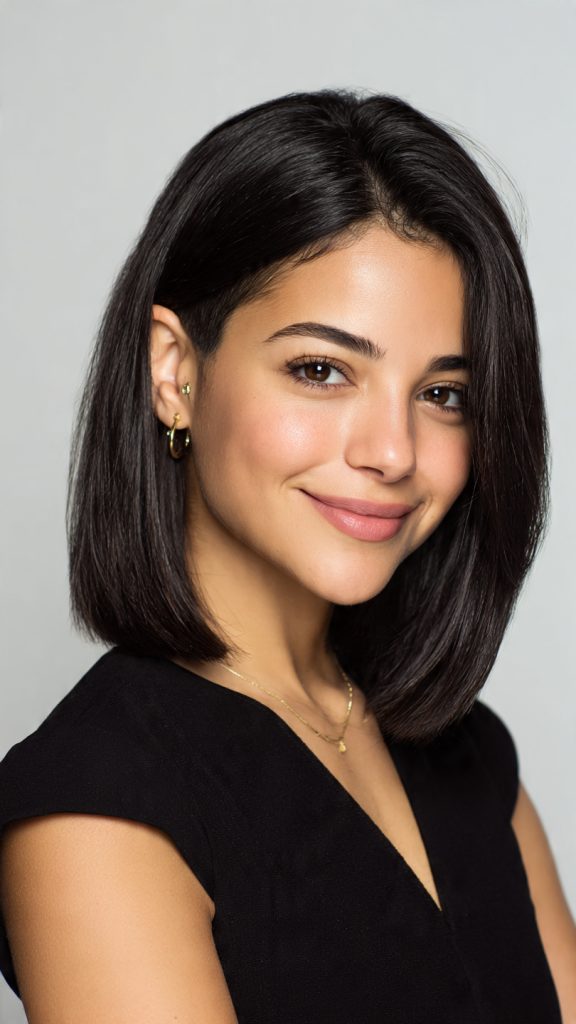
Keep the exterior blunt for a strong perimeter, but request a hidden undercut layer (just at the nape). This secretly removes 30-40% of bulk, reduces overheating, and makes ponytails feel weightless—all without changing the visible shape.
4. Beveled A-Line Bob
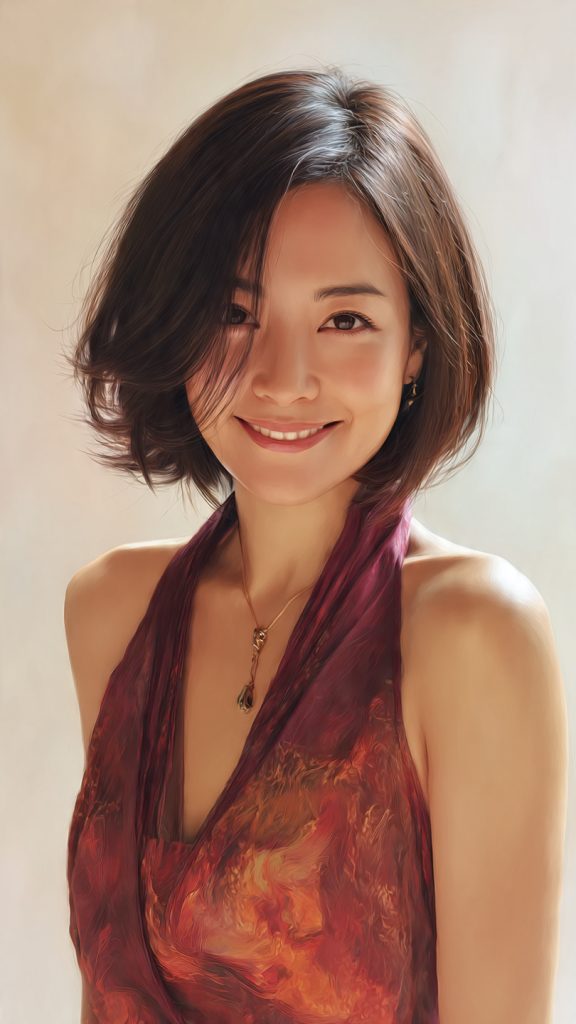
Longer in the front, shorter in the back, this angled bob prevents the dreaded pyramid effect. The beveled (curved-under) finish encourages the ends to tuck inward, controlling stubborn thick strands that want to flip out.
5. Mid-Length Butterfly Cut
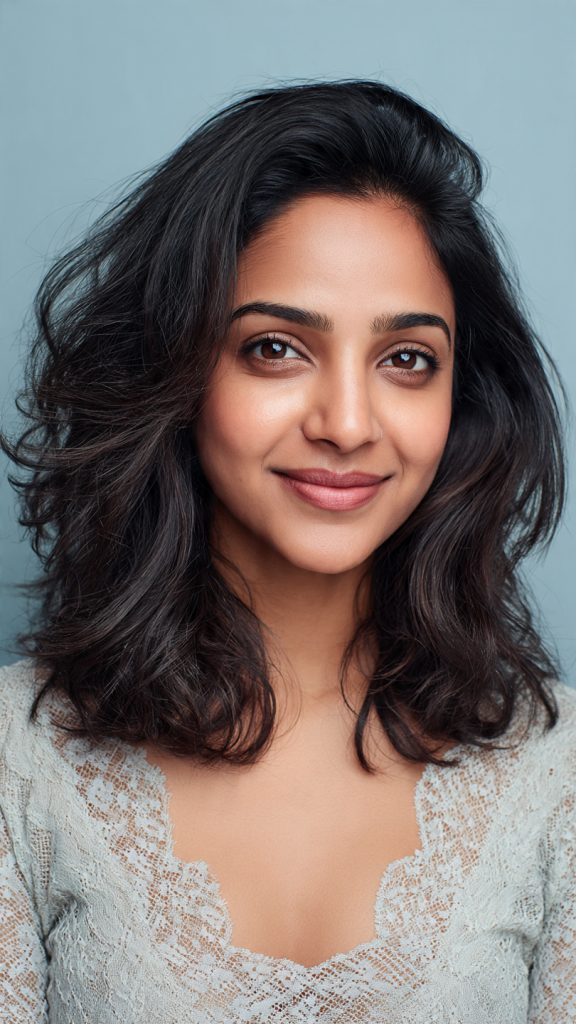
Inspired by the viral trend, this cut uses short, face-framing layers on top and longer, feathery layers underneath. It “opens” like butterfly wings, removing heaviness from the sides while preserving length and adding incredible movement.
6. Italian Bob
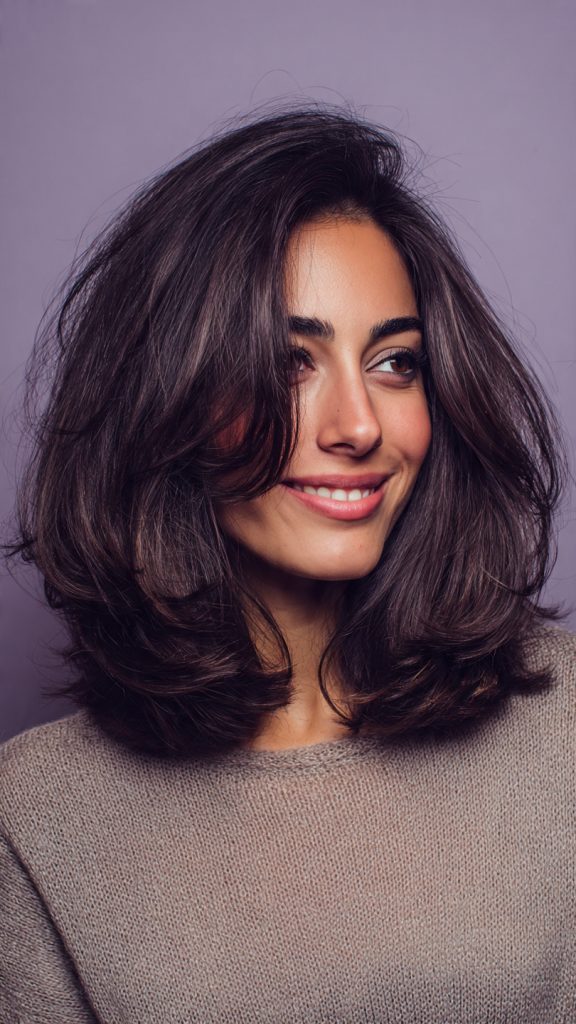
A chic, rounded bob that sits between the chin and shoulders. It features soft, uniform layers and a slight undercurve. For thick hair, the key is asking for “light slicing” through the ends—this creates that polished, vintage volume without looking boxy.
7. Medium Length with Caramel Babylights & Long Layers

Heavy hair needs dimension. Fine, caramel babylights woven through long layers create visual breaks, making the hair look softer and more textured. The layers themselves should be cut with a razor to prevent blunt, heavy ends.
8. The Curly Mid-Length DevaCut
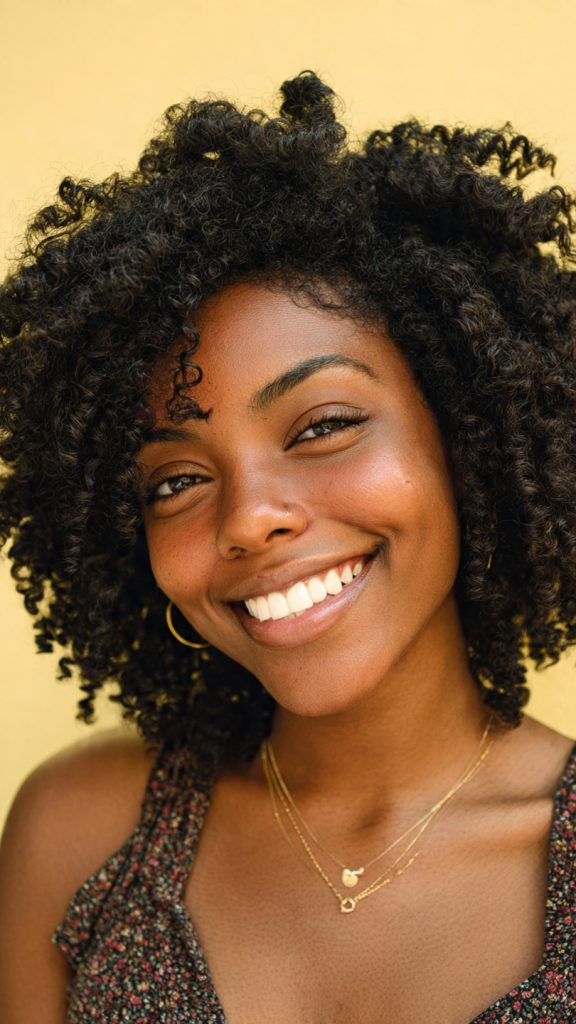
Specifically for natural curls or coils. This dry-cut technique shapes each curl individually, removing bulk from the densest areas (often the crown and sides). The result is a rounded, springy shoulder-length style that won’t weigh itself down.
9. Modern Mullet (The “Wolf Cut”)
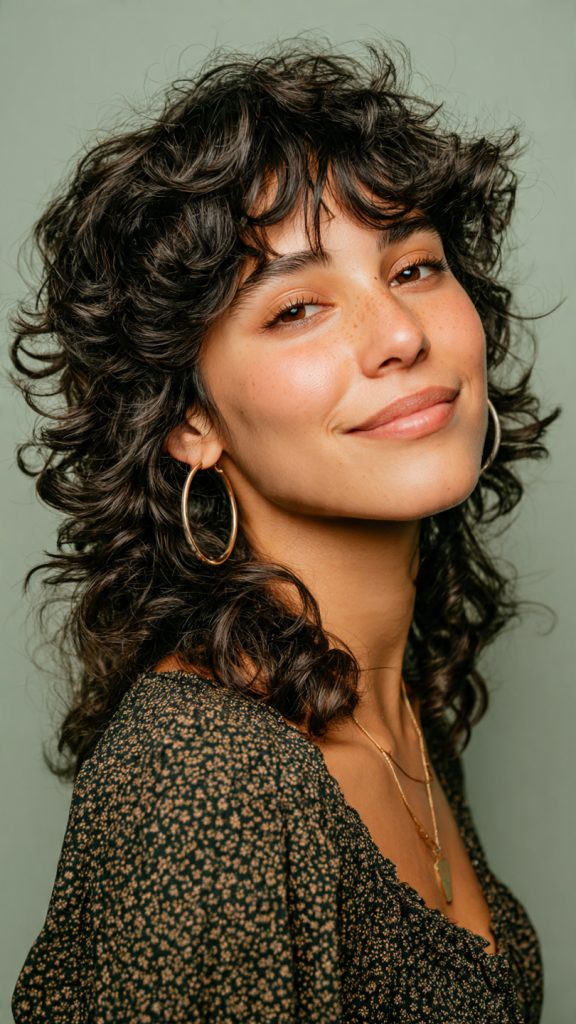
Yes, for thick hair. The wolf cut combines a shaggy top with a slightly longer, wispier back. Extreme texturizing removes weight from the sides, leaving a rock-and-roll silhouette that’s edgy and surprisingly low-maintenance.
10. Sliced Layers with Micro-Fringe

“Slicing” (cutting vertical notches into the hair) is a game-changer for thickness. Combined with a bold micro-fringe (short, blunt bangs), the overall shape feels intentional and artistic. The sliced ends prevent the “helmet head” look.
11. One-Length Collarbone Cut
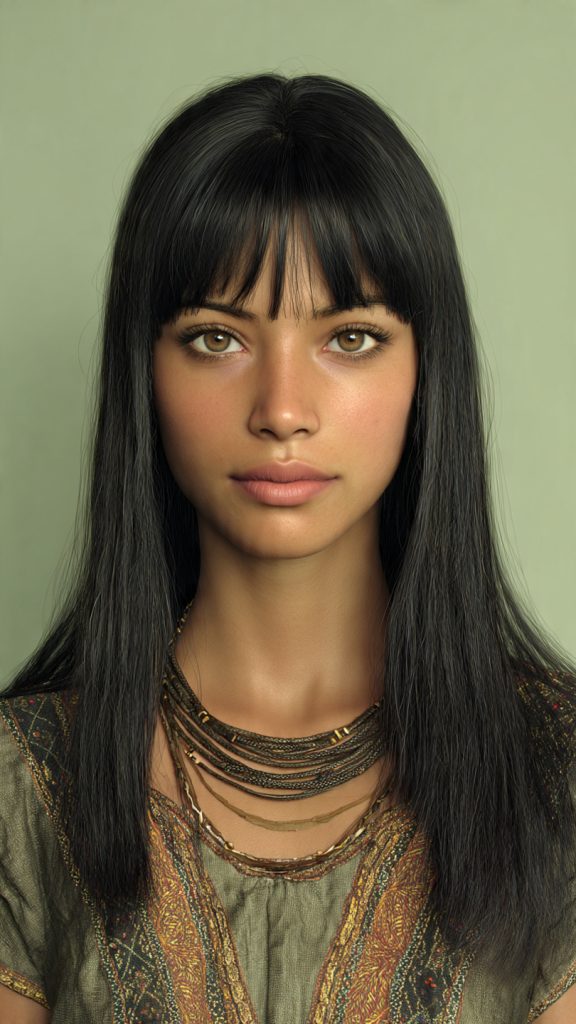
A single, uniform length can work for thick hair if it falls right at the collarbone. This placement uses gravity to naturally elongate and slim the shape. Keep ends super sharp (no layering) and style sleek with a heat protectant for a high-fashion look.
12. Inverted Bob with Disconnected Underside
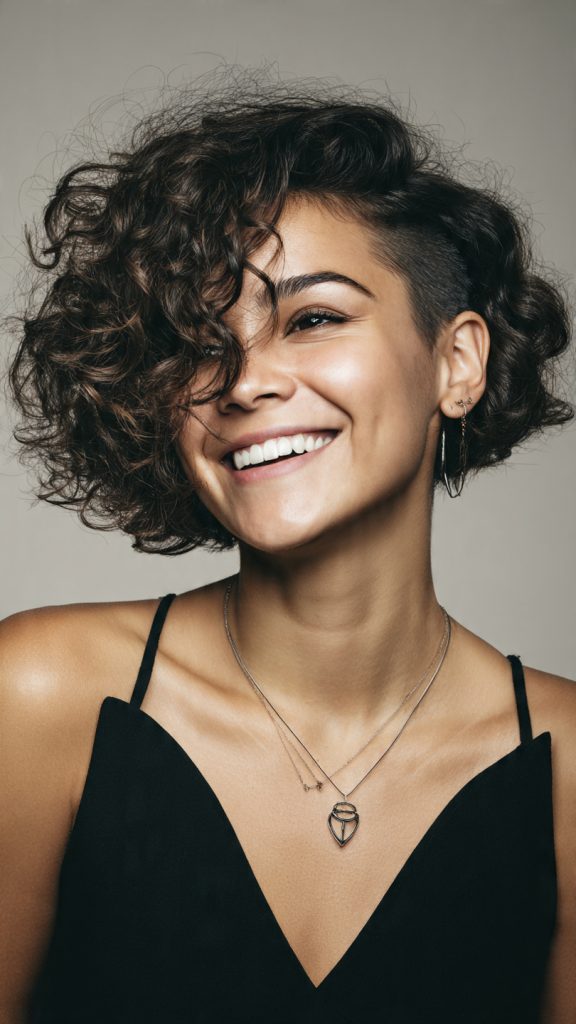
An inverted bob stacks weight in the back. For thick hair, ask your stylist to “disconnect” the underside—meaning the bottom layer is cut much shorter than the top layer. This removes bulk internally while the top remains smooth and full.
13. Shoulder-Length with Face-Framing Feathers
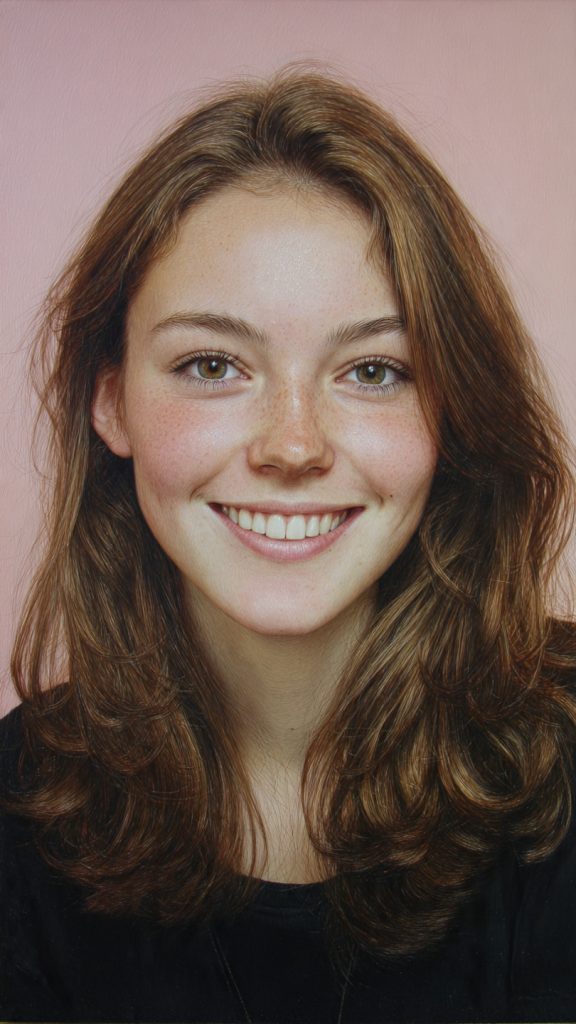
Long, feathery pieces that start at the cheekbones and blend into the length. This technique opens up the face, lightens the front heaviness, and allows thick hair to tuck behind ears easily. It’s an ideal “wash-and-go” for straight or wavy textures.
14. The Mid-Length Hime Cut
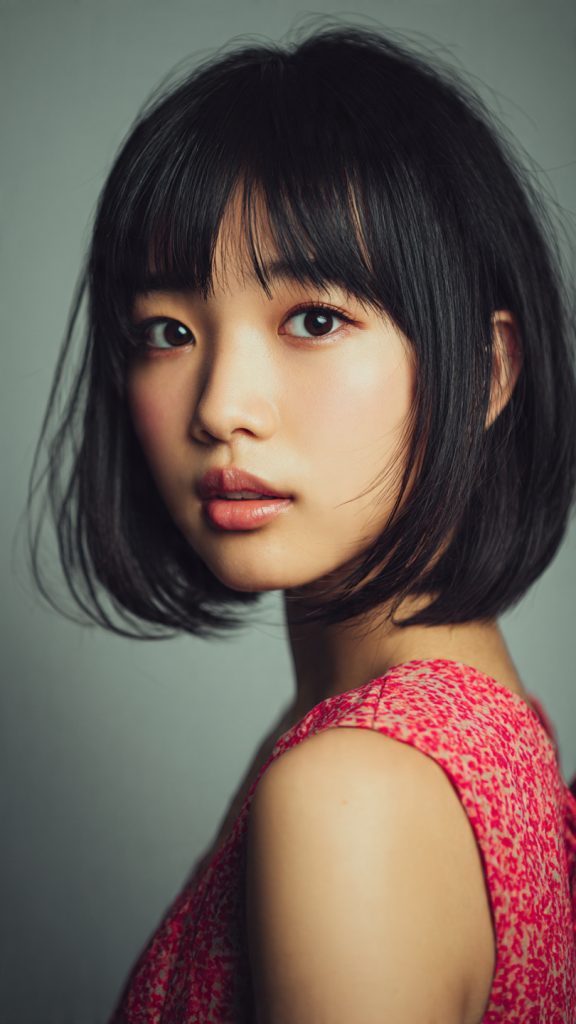
Adapted from Japanese street style. Thick hair is perfect for this blunt, geometric cut: straight-across ends, cheek-length “side slices,” and micro-bangs. The weight of thick hair holds the sharp lines perfectly, creating a striking, architectural look.
15. Rounded Layered Cut (The “Priscilla”)
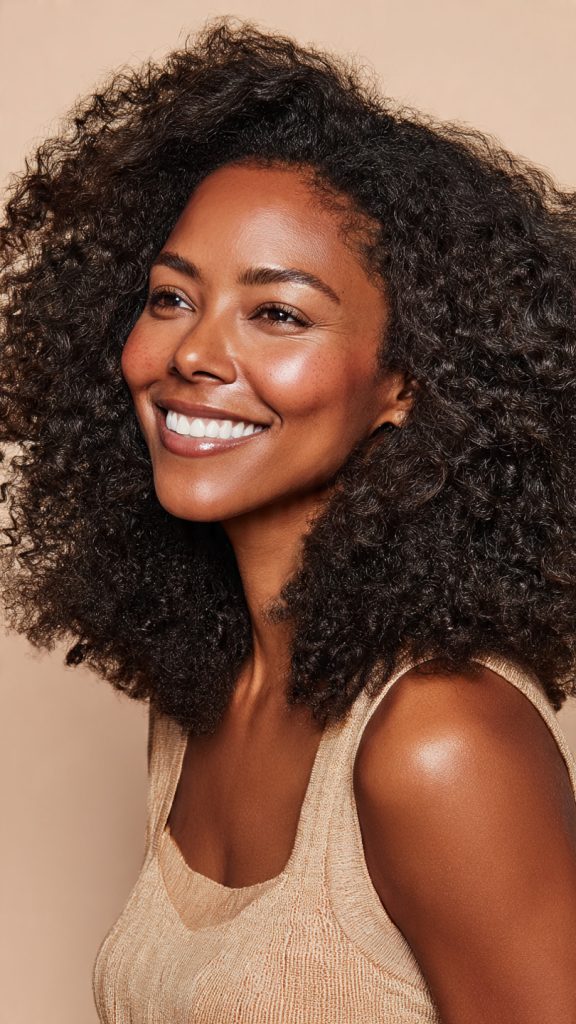
Think Priscilla Presley’s 80s volume, but modernized. A soft, rounded shape with evenly distributed layers from ear to ends. Use a round brush to blow-dry; thick hair will hold this voluminous, bouncy shape for days without falling flat.
16. Asymmetrical Textured Cut
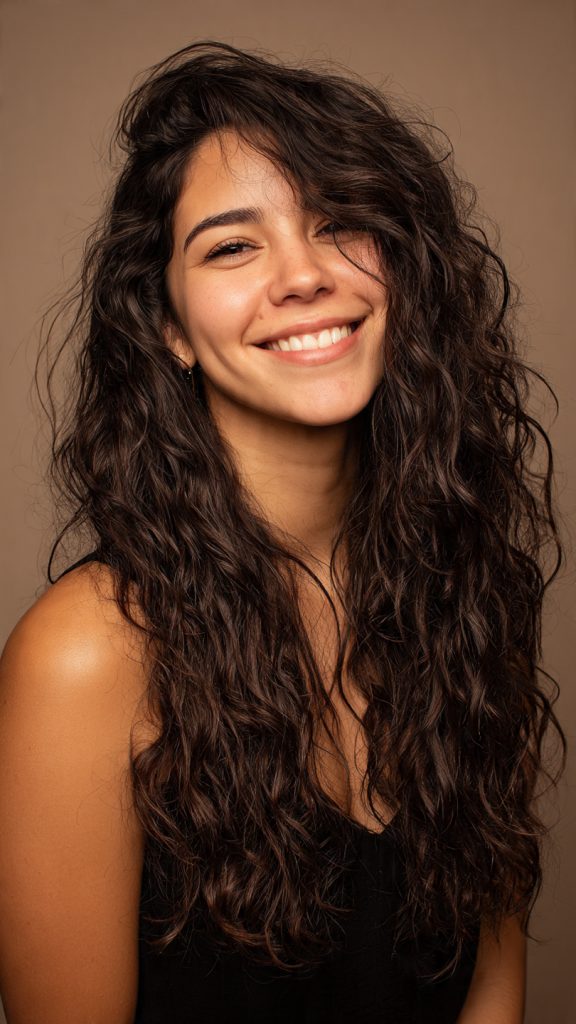
One side slightly longer (by 1-2 inches), both sides heavily textured with a razor. The asymmetry distracts from any bulkiness, and the uneven weight distribution makes the hair feel lighter. Style with a deep side part for maximum effect.
17. Mid-Length with Nape Undercut (Patterned)
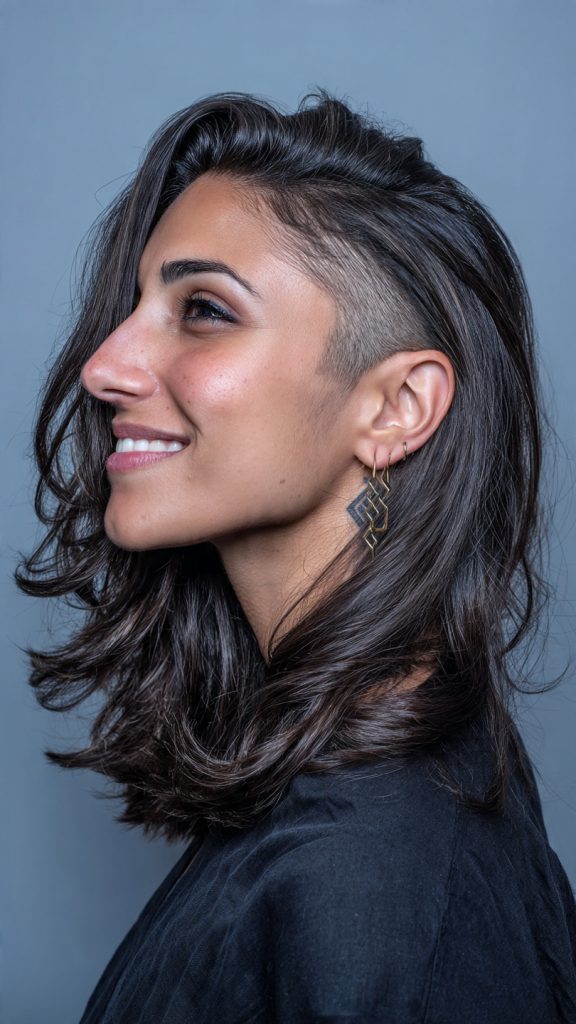
For the bold: shave a small, geometric pattern (like a zigzag or chevron) into the underlayer at the nape. This removes significant bulk where thick hair is densest. When hair is down, it’s invisible; when in an updo, it’s a hidden surprise.
18. The “Bottleneck” Cut

A cross between curtain bangs and a shag. The bangs start narrow at the hairline (like a bottleneck) and widen into face-framing layers that hit the shoulders. This cut naturally funnels thick hair away from the face, reducing weight at the front hairline.
Who This Medium-Length Cut Is For
This article is for anyone who:
- Has dense, heavy hair that feels like a helmet when worn long
- Struggles with triangle-shaped hair (wide at the ends, flat on top)
- Spends 30+ minutes blow-drying because thickness holds water
- Wants versatility – ability to wear hair down, in a ponytail, or half-up
- Desires movement and bounce without losing the feeling of length
- Has straight, wavy, curly, or coily texture (all are covered here)
If you’ve ever been told “you have too much hair for that cut,” these 18 styles prove otherwise.
Why Medium Length Wins for Thick Hair
| Problem with Long Thick Hair | Problem with Short Thick Hair | Medium Length Solution |
|---|---|---|
| Heavy, pulls at roots | Can look like a mushroom | Weight balanced across shoulders |
| Tangles easily | Limited updo options | Easy to pin up or leave down |
| Dries in 1+ hours | Requires frequent trims | Dries in 15-20 minutes |
| Loses curl quickly | Shows every cowlick | Holds style without fighting texture |
The sweet spot: Between the chin and two inches below the collarbone. This range uses your hair’s own density for volume at the crown while removing bulk where it matters most – the ends.
What to Tell Your Stylist (Exact Phrasing)
Walk into the salon with these exact phrases. Do not say “thin it out” – that creates frizz.
Say this instead:
“I want to keep my length at the collarbone, but please remove weight using internal layering and point-cutting. Do not use thinning shears near my roots. Leave the perimeter blunt or softly textured, but take out bulk from the mid-lengths and ends.”
Additional requests by technique:
- For less volume: “Carve out the underside with a razor cut.”
- For more movement: “Use slide-cutting to break up the ends.”
- For curly hair: “Cut my hair dry, curl by curl, and remove weight from the crown.”
- For straight fine-but-dense hair: “Add long, invisible layers – nothing shorter than my chin.”
What to avoid:
✗ Thinning shears (cause frizz and split ends)
✗ Over-texturizing the top (creates flyaways)
✗ A single length without any layering (creates the triangle)
Pro Stylist Tips for Managing Thick Medium Hair
1. The 70% Dry Rule
Never fully dry thick hair with a towel. Stop at 70% dry, then apply product. Thick hair absorbs product better when slightly damp, not sopping wet.
2. Section into Four Quadrants
Thick hair laughs at one-section styling. Clip hair into four sections (top left, top right, bottom left, bottom right) and work each separately. This cuts styling time in half.
3. Invest in a Wide-Tooth Comb + Boar Bristle Brush
- Wide-tooth comb: Detangle wet hair without breakage
- Boar bristle brush: Distribute natural oils from roots to ends (prevents the “dry ends, oily roots” paradox of thick hair)
4. Sleep on Satin – Not Silk
Satin is more durable for thick hair and creates less friction than silk. Use a satin pillowcase or a “pineapple” ponytail on top of your head with a satin scrunchie.
5. Ask for a “Weight Line” Check
Before your stylist finishes, have you flip your head upside down and stand up. If the hair feels heavy on one side, ask them to “check the weight line” – this balances density left to right.
Daily Routine & Product Picks for Thick Medium Hair
Morning Routine (5-10 minutes)
| Step | Action | Product Type |
|---|---|---|
| 1 | Spray damp hair with leave-in conditioner | Leave-in mist |
| 2 | Apply a pea-sized smoothing cream to ends | Anti-frizz cream |
| 3 | Blow-dry roots only (let ends air dry) | Lightweight heat protectant |
| 4 | Finish with a drop of hair oil on palms, scrunch ends | Argan or jojoba oil |
Product Formulations That Work Best
| Texture | Best Product Formula | Avoid |
|---|---|---|
| Straight thick | Lightweight serums, mousse | Heavy creams |
| Wavy thick | Curl cream + gel | Dry shampoos (cause buildup) |
| Curly/coily thick | Leave-in conditioner + oil sealant | Alcohol-based sprays |
Three Budget-Friendly Tools That Save Time
- Extra-long clip hair clips – Regular clips can’t hold thick hair. Look for 3-inch or longer.
- Ionic hair dryer – Reduces drying time by 40% compared to standard dryers.
- Wet brush for thick hair – The original Wet Brush is too flimsy. Get the “thick hair” version with firmer bristles.
How Often to Cut Thick Medium Hair
| Hair Type | Trim Frequency |
|---|---|
| Straight or wavy | Every 8-10 weeks |
| Curly (3A-3C) | Every 10-12 weeks |
| Coily (4A-4C) | Every 12-14 weeks |
| Heat-styled daily | Every 6-8 weeks |
Thick hair hides split ends well, but the weight makes them travel up the shaft faster. Don’t skip trims.
Conclusion
Thick hair is not a problem to be solved – it’s an asset to be shaped. The right medium-length cut transforms density from a daily battle into your best feature: volume that doesn’t quit, movement that turns heads, and a silhouette that looks expensive with zero effort.
The 18 styles above prove there’s no single “correct” way to wear thick hair. Whether you choose a blunt collarbone cut, a textured shag, or a curly DevaCut, the principle is the same: work with your density, not against it. Use internal layering to remove bulk, keep the perimeter intentional, and never let anyone talk you into thinning shears.
Your perfect cut is somewhere between your chin and collarbone. Book the appointment, bring a photo from this article, and walk out wondering why you waited so long to go medium.
Final thought: The most beautiful thing about thick hair isn’t the amount – it’s the shape. Give it the right architecture, and it will do the rest.

Leave a Reply