Blog

  • The Side Part — Why It’s Back and How to Wear It Now

    The Side Part — Why It’s Back and How to Wear It Now

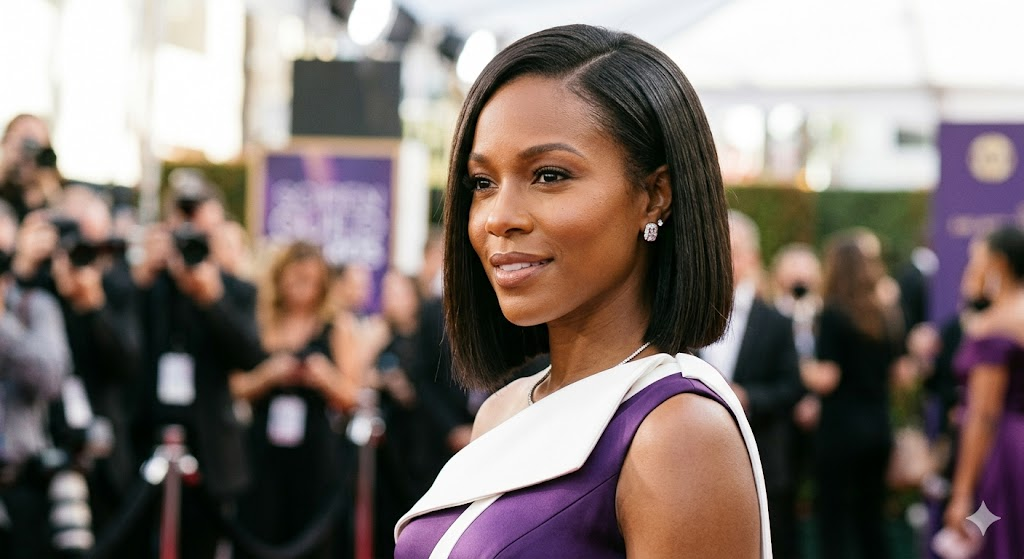
    The middle part had its moment. The side part is taking it back.

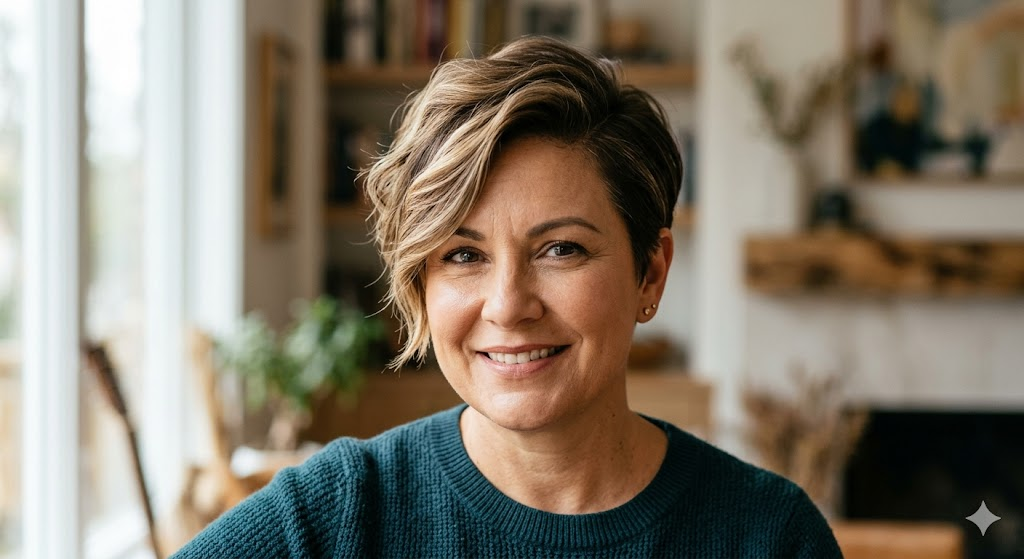
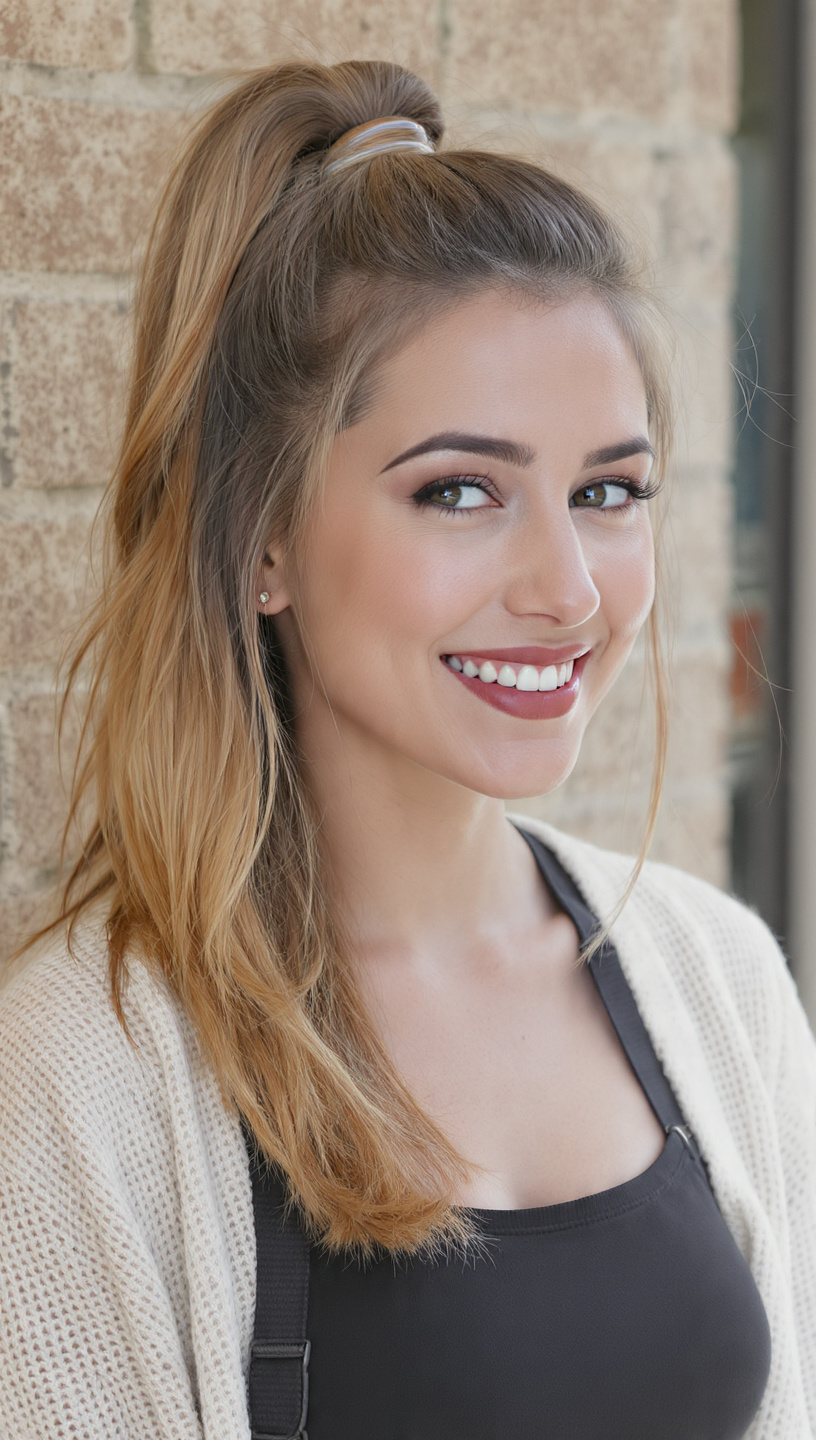
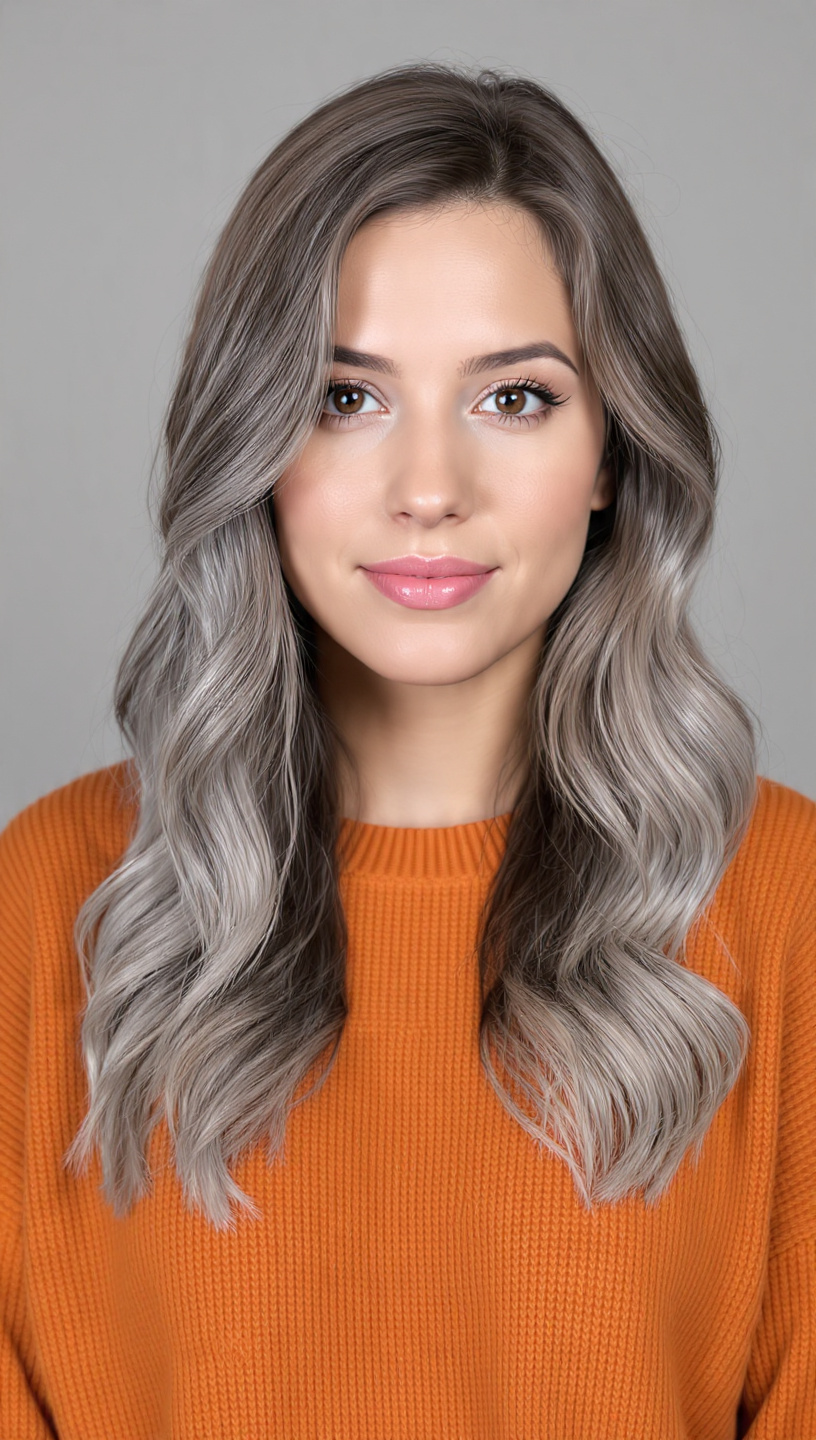
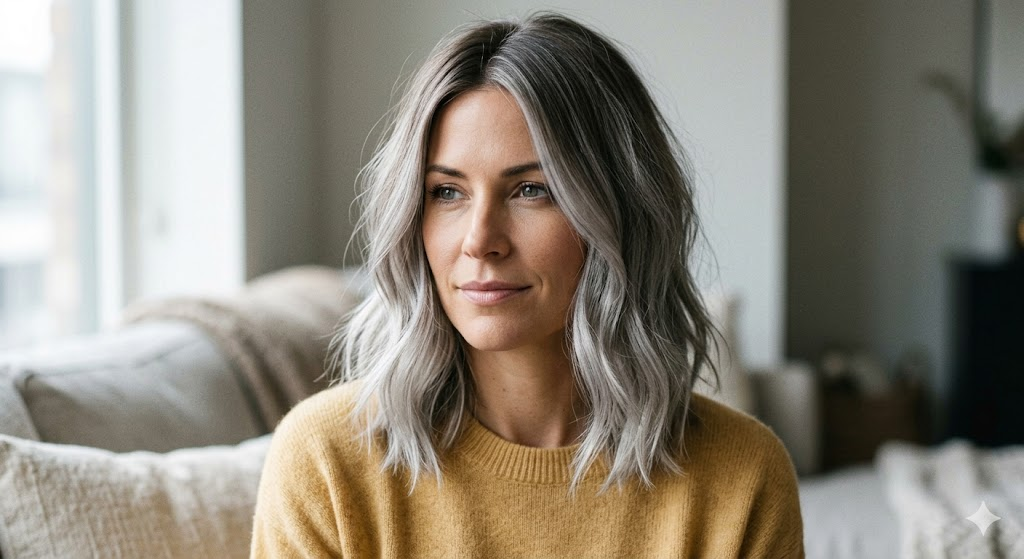
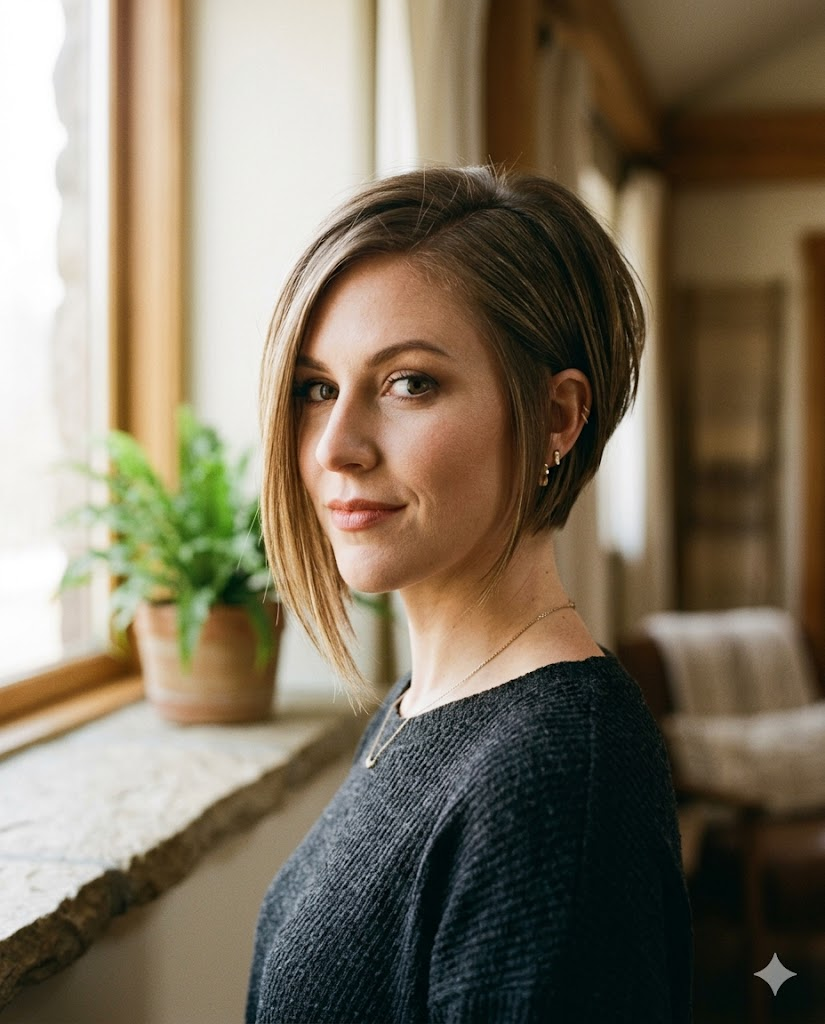
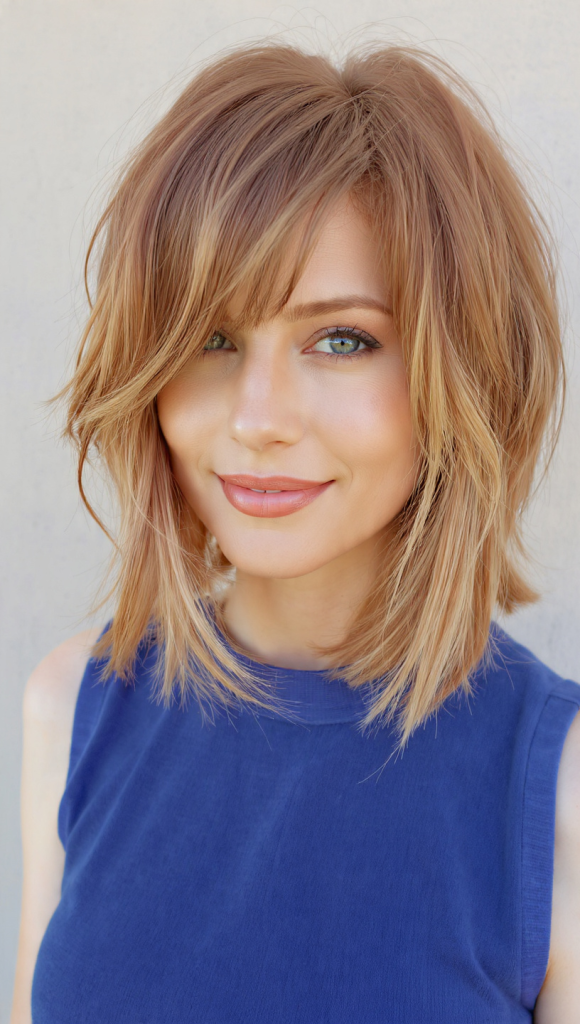
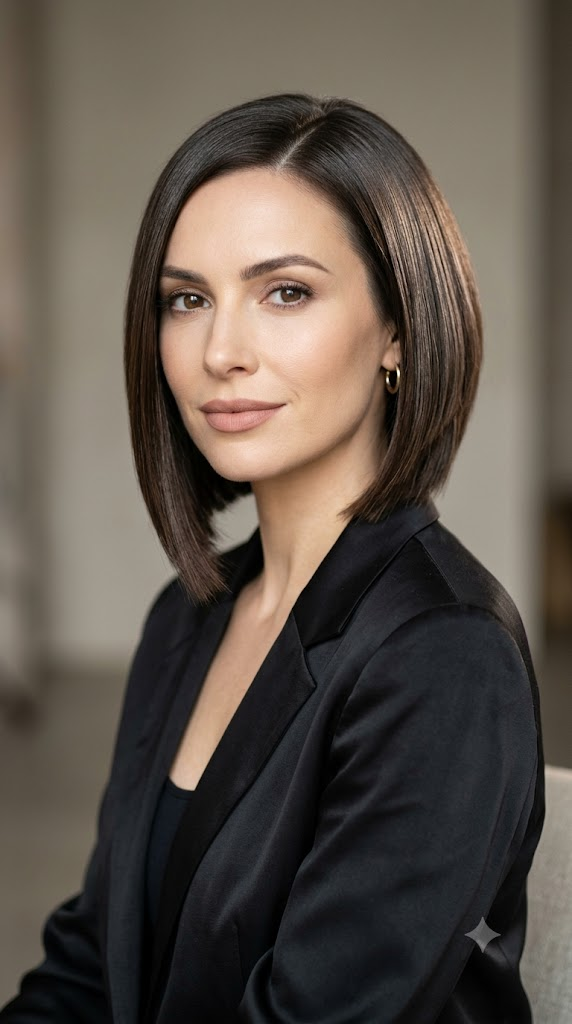
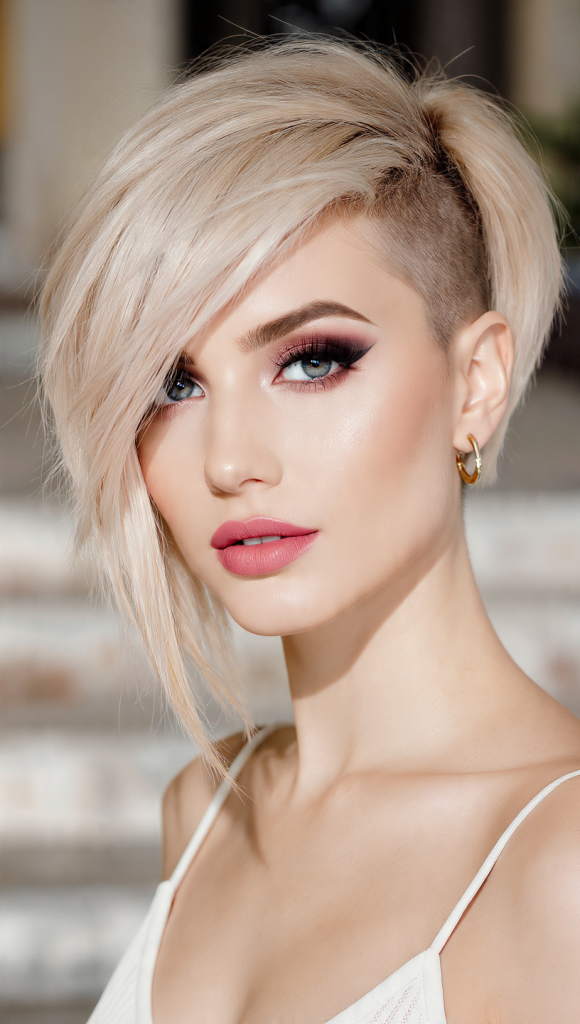
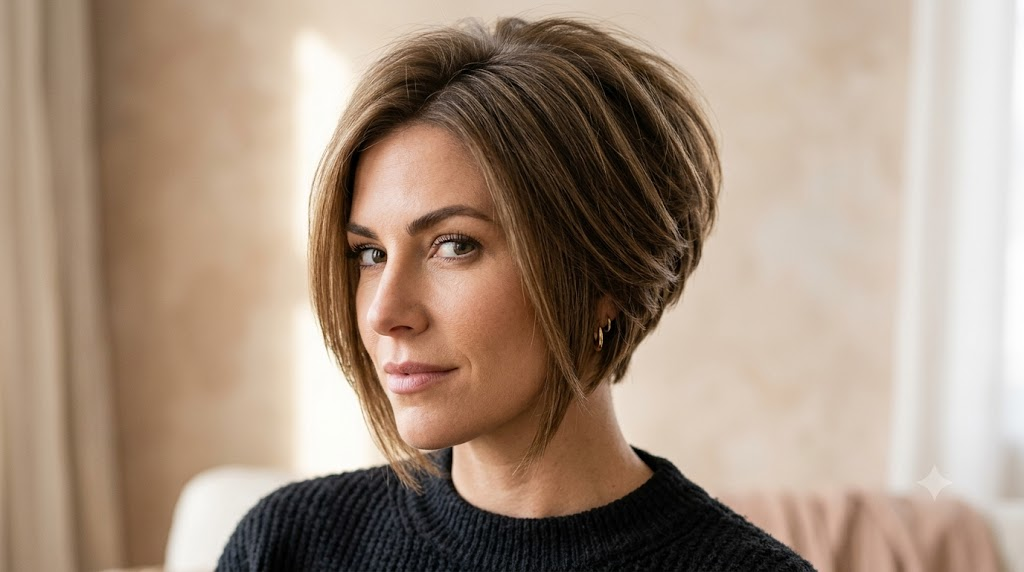
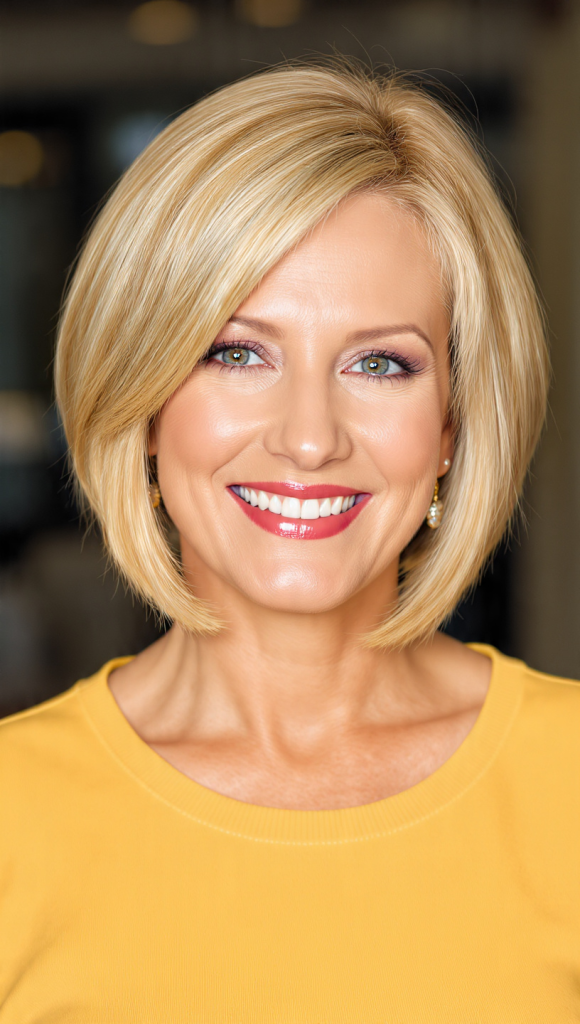
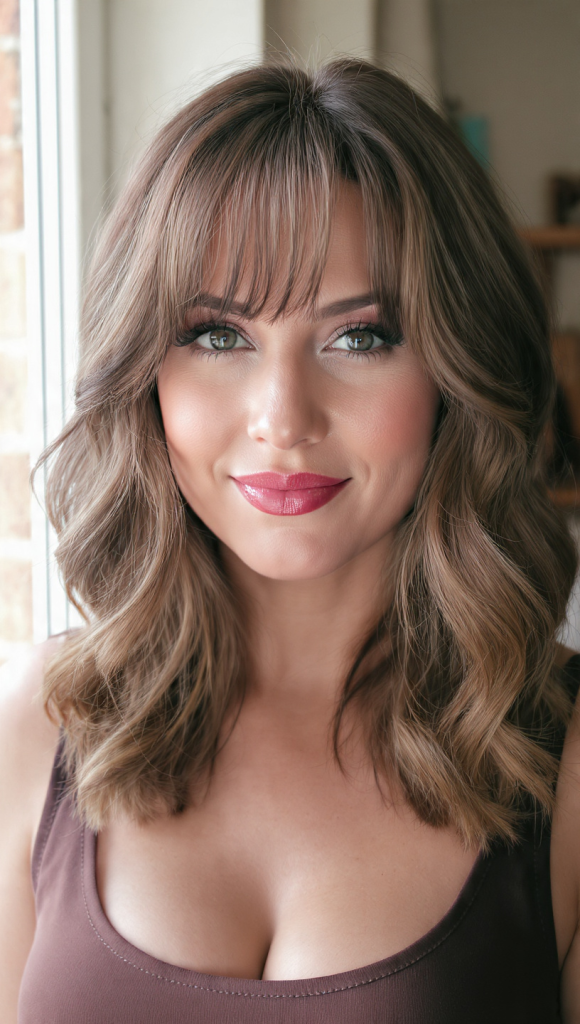
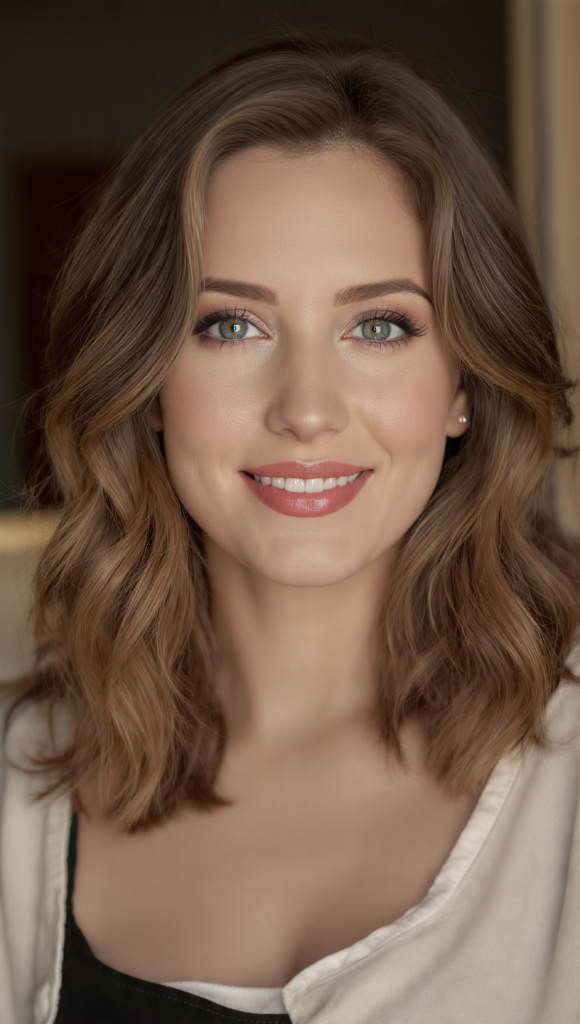
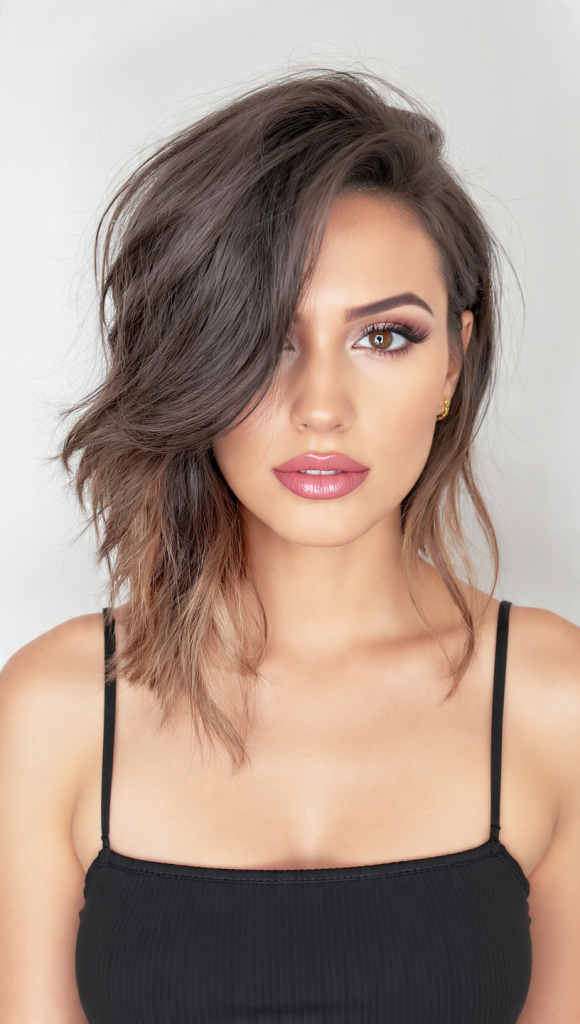
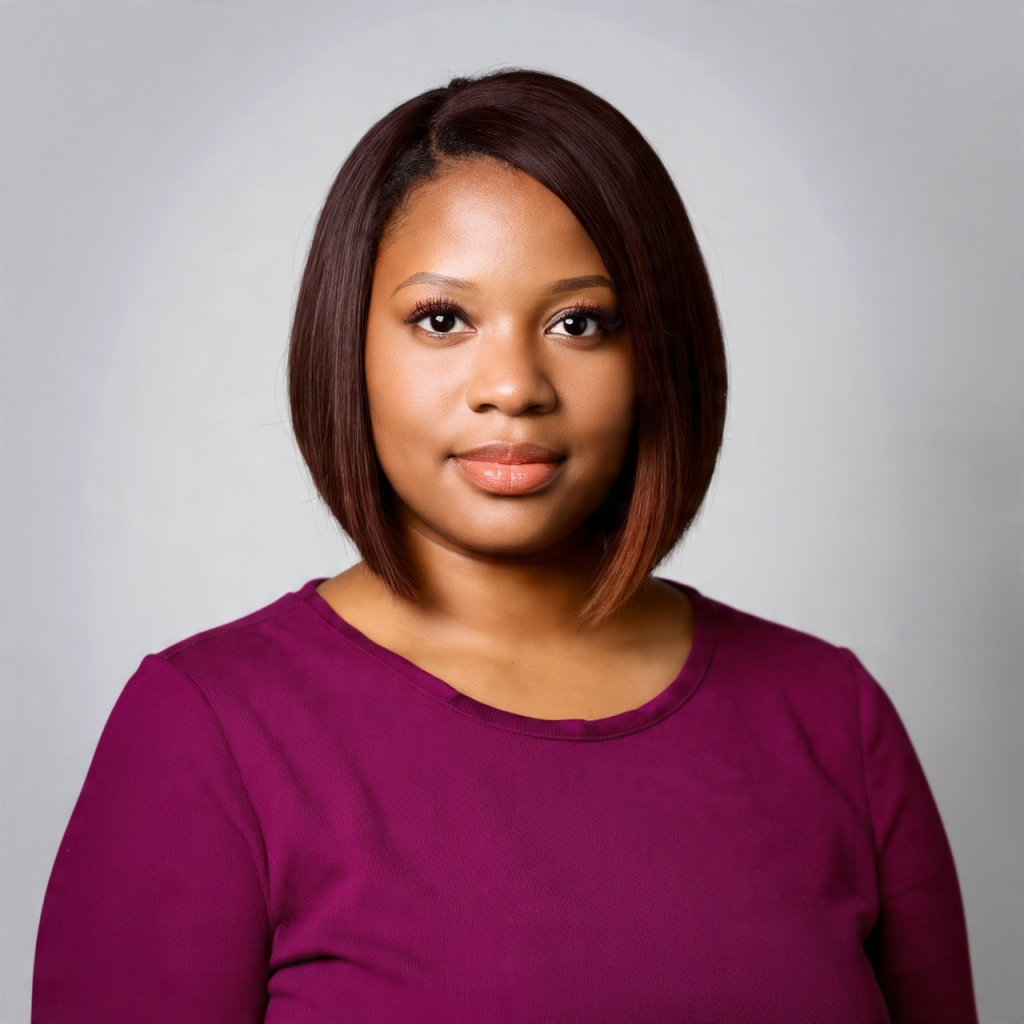
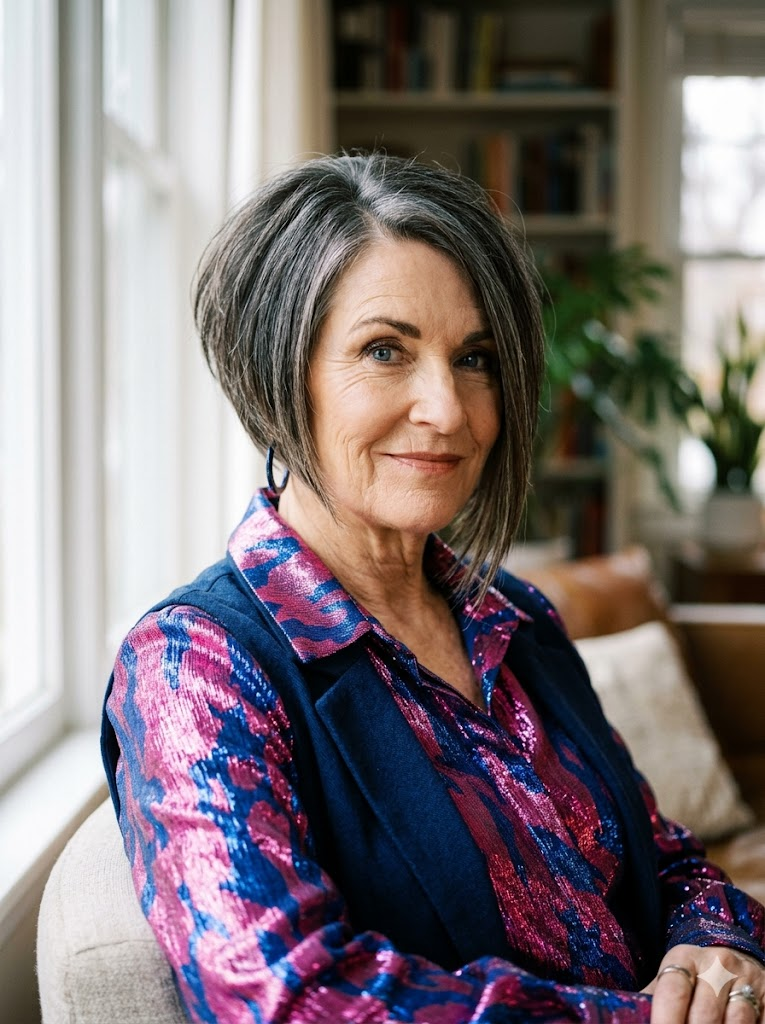
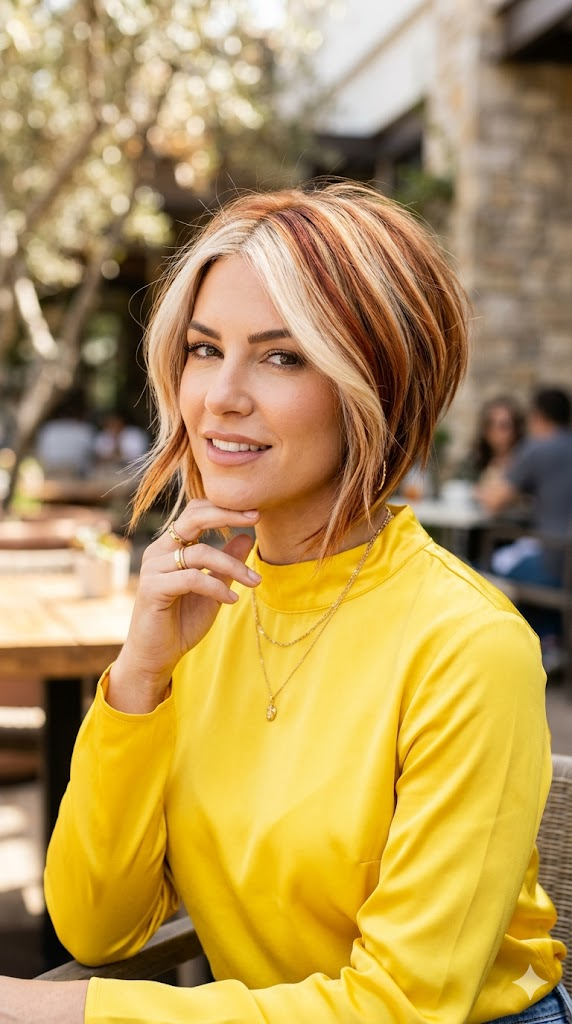
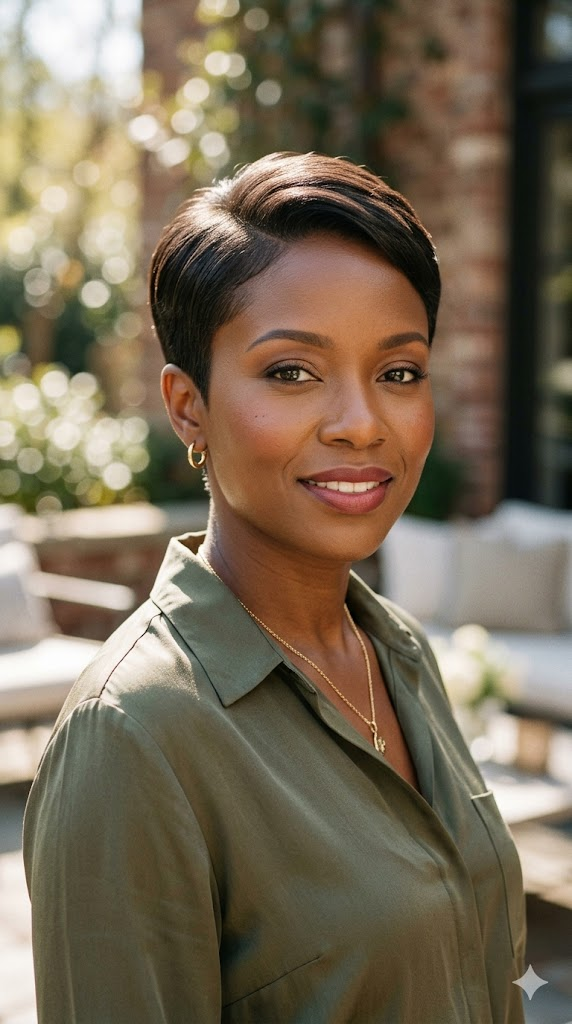
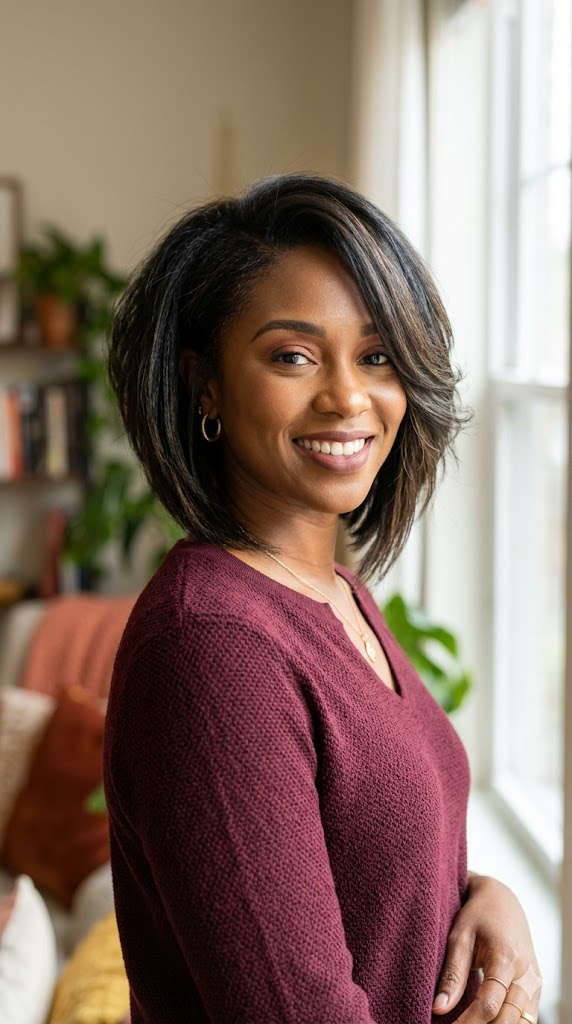
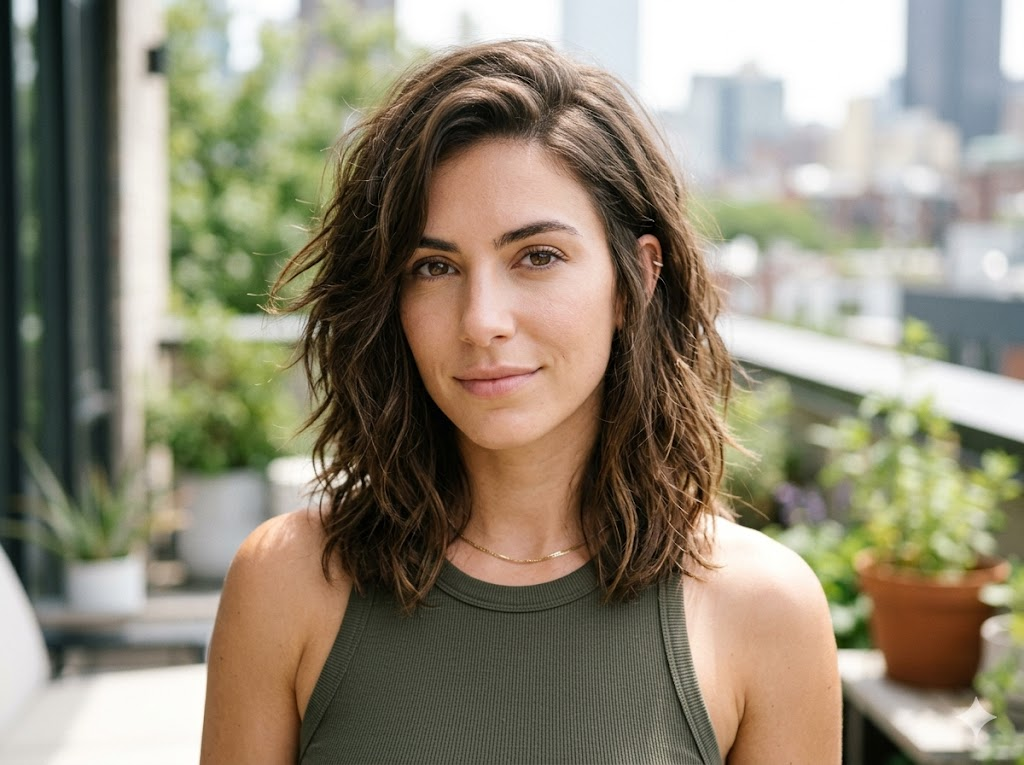
    The side part in 2026 — textured, lived-in, and entirely intentional

    After years of being declared dated, the side part has officially reclaimed its place in 2026’s trend reports. Multiple celebrity hairstylists and major fashion publications have confirmed it: the deep side part is back, and it’s back in a way that looks more intentional and modern than it did the last time around.

    But the 2026 side part isn’t the same as the flat-ironed, one-length side part of the early 2010s. The modern version is paired with texture, with movement, with cuts that have layers and life in them. It works with curtain bangs that have been brushed gently to one side. It works with the butterfly cut’s face-framing layers. It works with loose waves and a diffused, undone finish. This guide explains the styling difference between a dated side part and a current one, which cuts it pairs with best, and how to use it to add volume to the crown — the most flattering result it produces.

    Why the Side Part Is Back — and What Changed

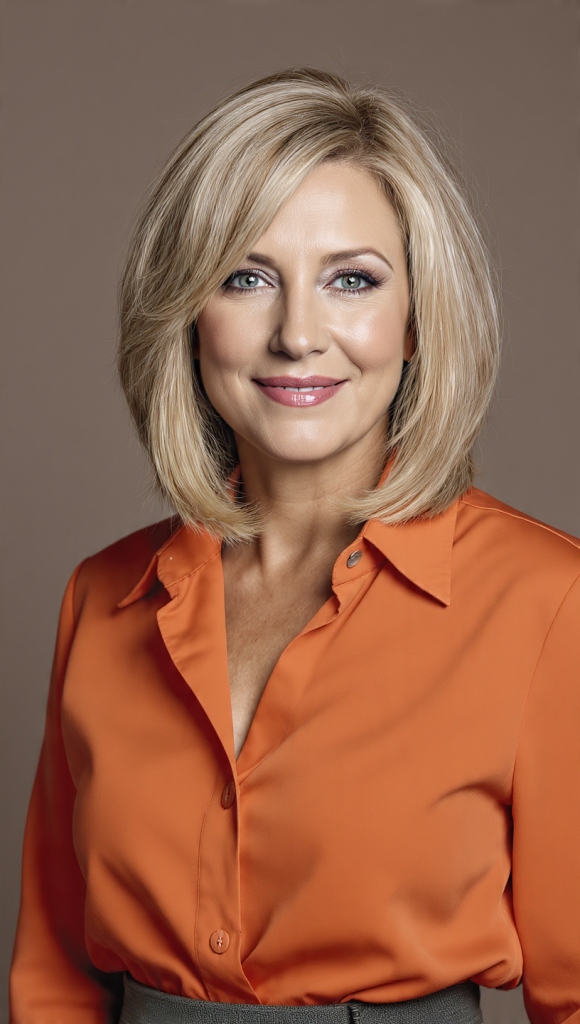
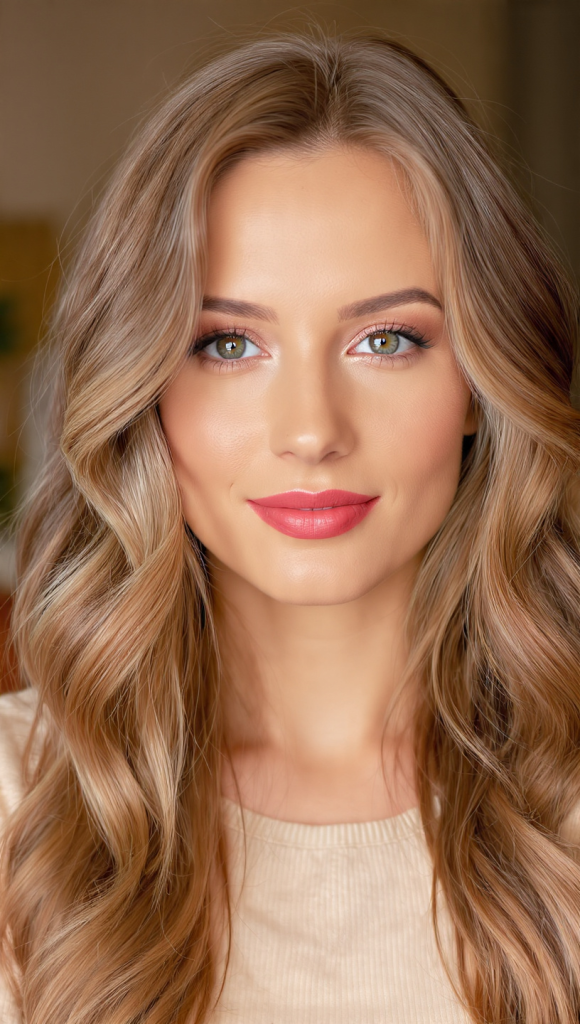
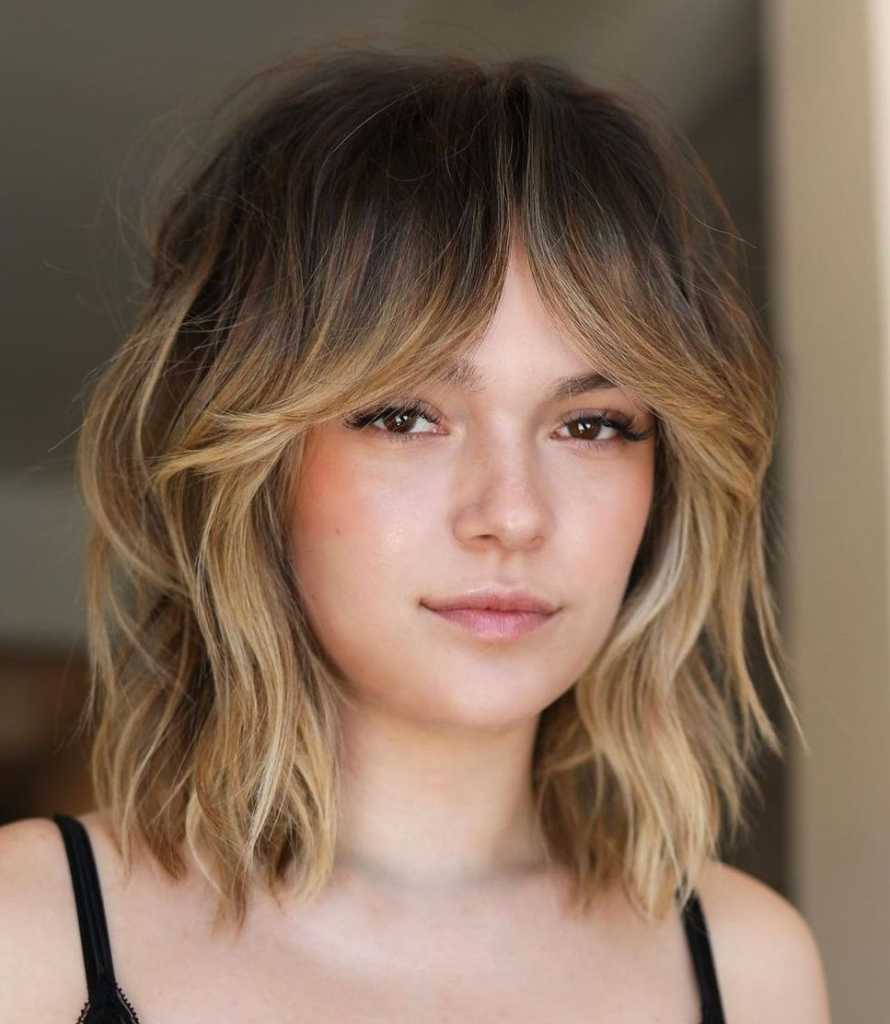
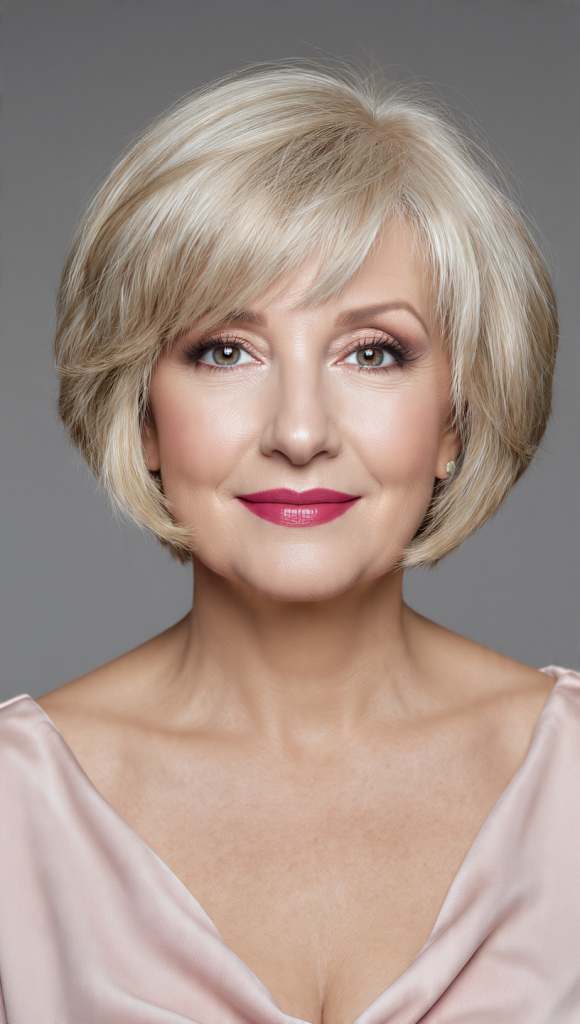
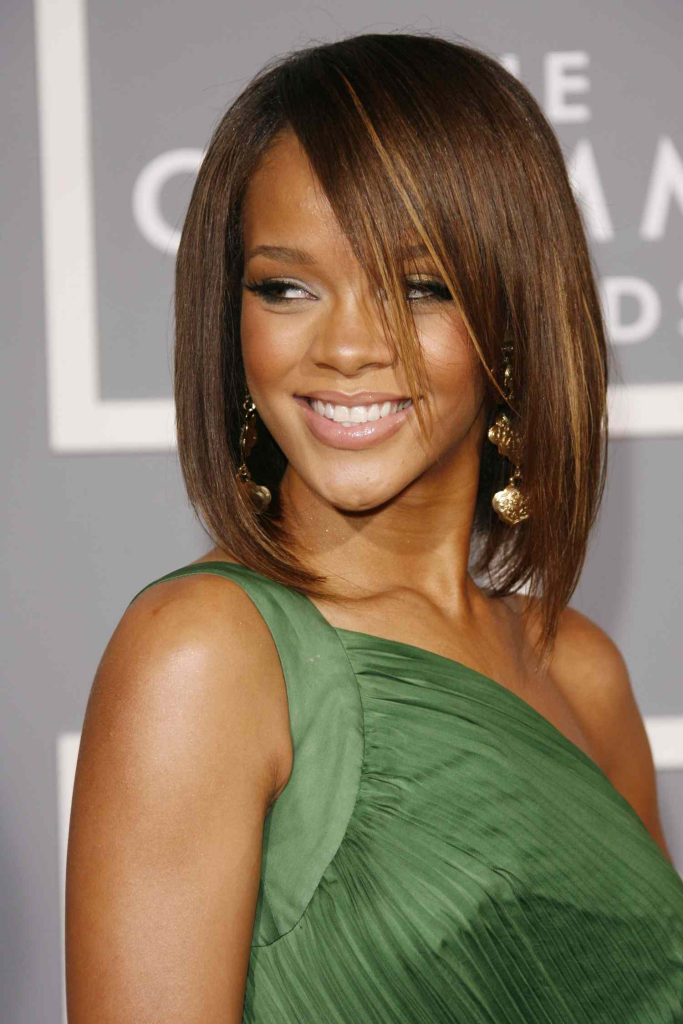
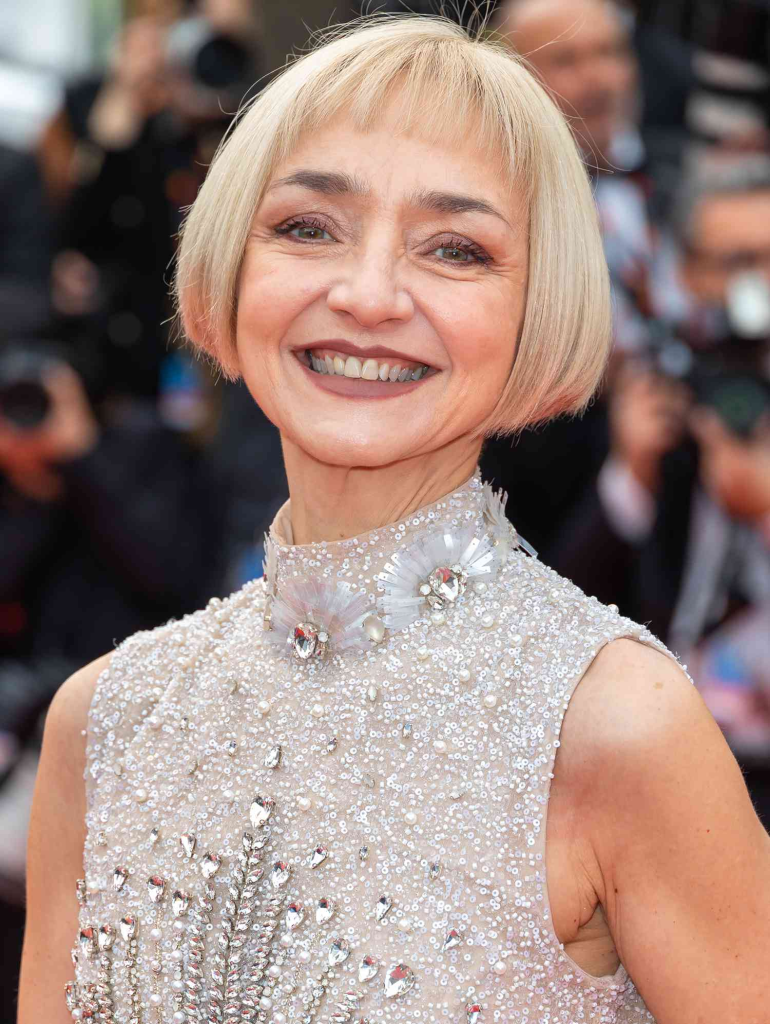
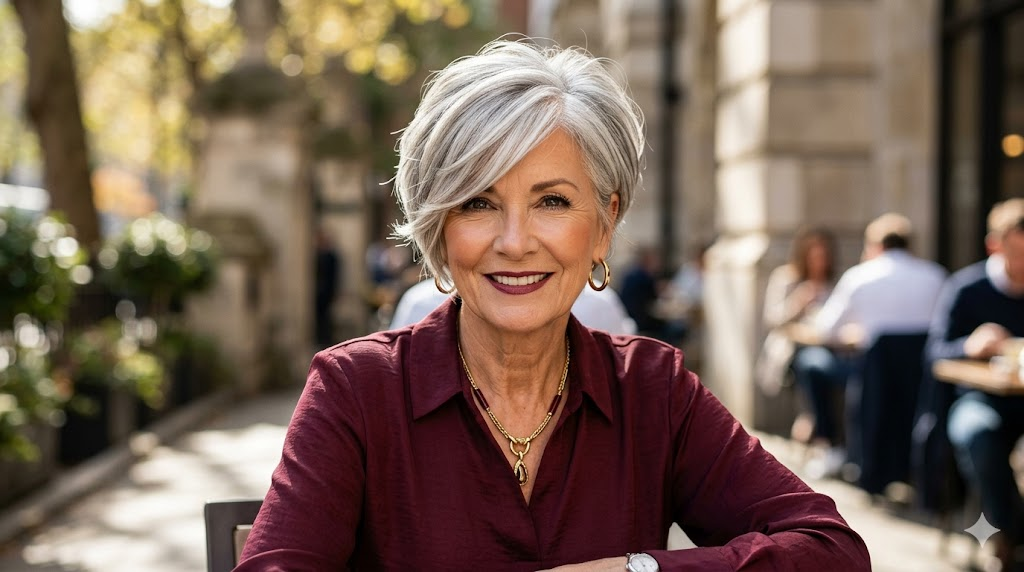
    Same cut, same day. The side part adds height and asymmetry in a way the centre part simply can’t.

    The centre part had a long run. For most of the 2010s and into the 2020s, it was the default — the clean, symmetrical, no-decision parting that went with everything from beachy waves to sleek blowouts. But there’s a ceiling to what a centre part can do. It lies flat. It creates even weight on both sides. It doesn’t add height at the crown. And for the majority of face shapes, symmetry isn’t actually the most flattering thing.

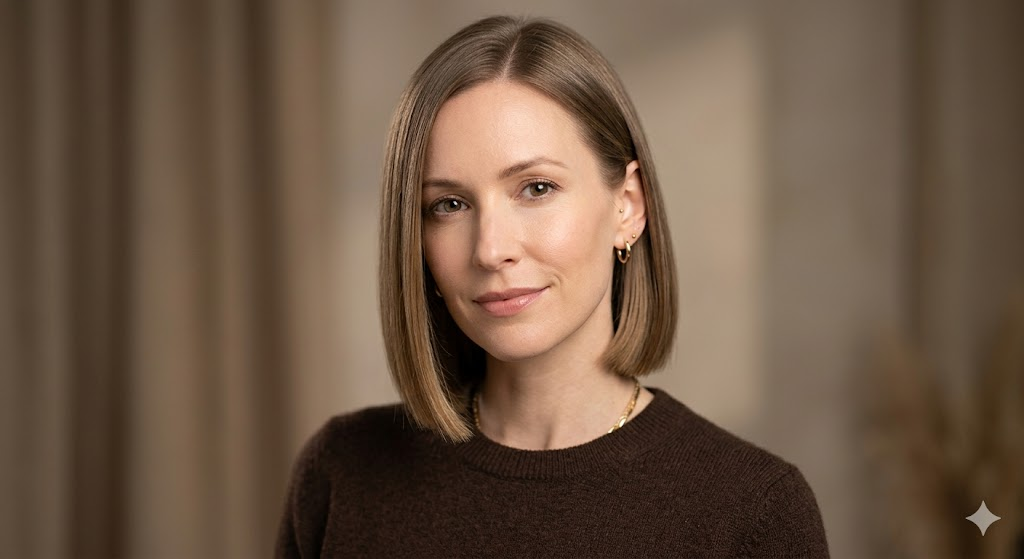
    The side part solves several things at once. It creates asymmetry, which makes the face look more dimensional. It adds lift and volume at the crown on the parted side, where hair is naturally trained to fall flat. It works with the face’s existing bone structure rather than ignoring it — drawing the eye toward the cheekbone on the longer side and creating a natural diagonal that most faces find very flattering.

    The 2026 version works specifically because it’s been stripped of the styling context that made it feel dated. The old side part was associated with very straight, very smooth, heavily heat-styled hair — a rigid, polished look that sat on top of trends rather than inside them. The 2026 side part lives inside texture. It appears mid-wave, mid-air-dry, mid-blowout-brush, as a directional choice rather than a structural mandate. That’s the difference.

    Tool for crown lift: Teasing brush or velcro rollers  (https://www.amazon.com/s?k=teasing+brush+hair+volume+root+lift&tag=5minutesready-20)

    How the Side Part Flatters Different Face Shapes

    The side part is genuinely one of the most universally flattering styling choices a woman can make — not because it suits every face shape equally, but because it can be adjusted to address what each face shape actually needs.

    Round face

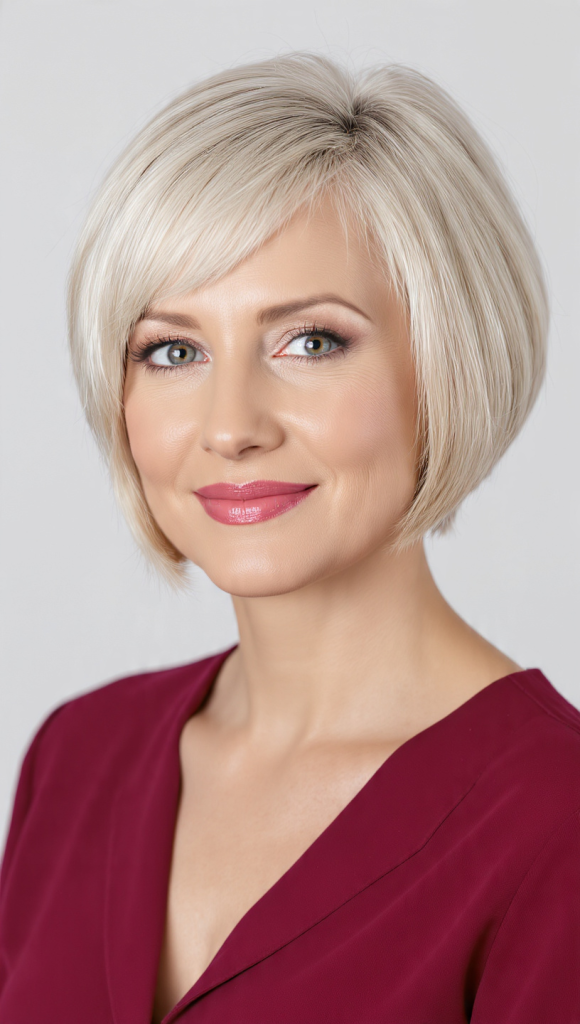
    The side part creates a diagonal line across the forehead that visually lengthens a round face shape.

    For round faces, the side part is genuinely transformative. The diagonal line created across the forehead breaks the horizontal symmetry that makes round faces appear wider, and the lift at the crown adds vertical height that the face shape needs. Pair a deep side part with long layers or curtain bangs swept gently to one side and the difference is immediate. The face looks longer, the cheekbones more prominent, the whole silhouette more balanced.

    Oval face

    Oval faces have the most flexibility — a deep side part, a soft side part, or a centre part all work well. If anything, the side part on an oval face allows you to play with asymmetry purely for aesthetic interest rather than corrective purpose. A deep part with face-framing layers or a butterfly cut creates a striking, editorial look that a centre part simply doesn’t.

    Square face

    The side part on a square face softens the jaw by creating a diagonal that pulls focus upward and away from the strong horizontal line of the jawline. A soft side part (1.5–2 inches from centre) works particularly well here — deep enough to create movement and asymmetry, not so dramatic that it draws attention to the straight side of the forehead.

    Heart face

    Heart faces — wider at the forehead, narrower at the chin — benefit from a soft side part that reduces the visual width of the forehead without covering it entirely. A side part that sits close to the hairline on the wider side gently balances the proportions. Pair with curtain bangs or wispy fringe swept to one side for maximum effect.

    Styling tip:  Don’t part when the hair is soaking wet. Part when the hair is about 50% dry — the natural direction will hold better and the part will look less rigid and more lived-in. If you’re blow-drying, direct the heat along the part line while the hair is still damp.

    The Deep Side Part vs The Soft Side Part

    These are not the same thing — and choosing between them makes a significant difference to the result.

    The deep side part — 1 inch from centre

    The deep side part sits approximately one inch from the centre of the hairline, creating a pronounced diagonal that gives the style its dramatic, asymmetric quality. This is the version with the most visual impact — it sweeps significantly more hair to one side, creates maximum lift at the crown, and produces the kind of old-Hollywood glamour that photographs particularly well. It works best with waves, textured blowouts, and cuts that have movement through them — the butterfly cut, the lob, long layers.

    The deep side part is also the version associated with the 2026 resurgence. When trend reports refer to the side part being back, this is what they mean: the committed, directional, unapologetically off-centre part that creates a sweep of hair across the forehead rather than a modest shift from the midline.

    The deep side part with curtain bangs is 2026’s most-saved side part combination on Pinterest.

    The soft side part — 1.5 to 2 inches from centre

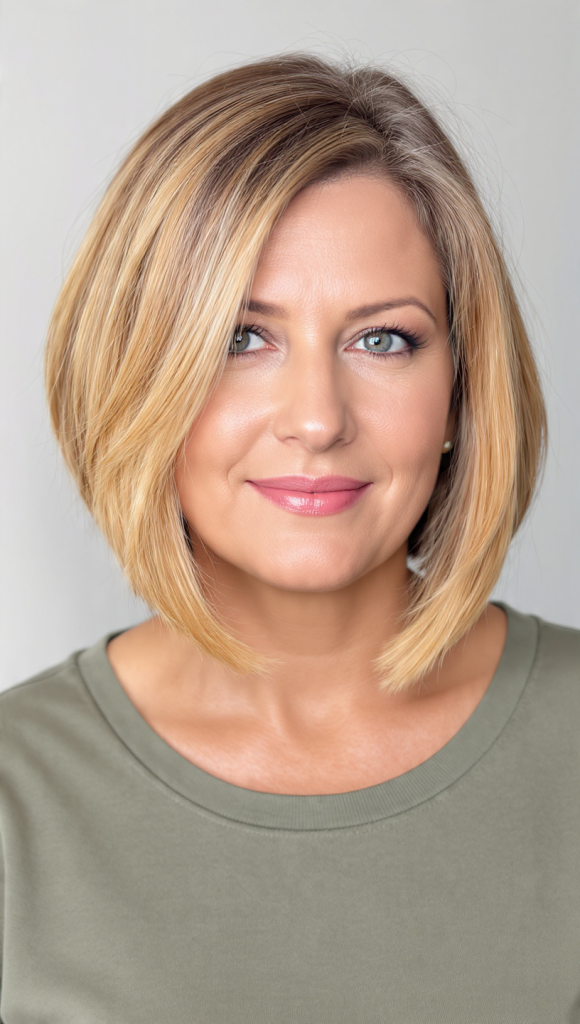
    Two inches from centre: enough to add lift and asymmetry without the drama of a deep part.

    The soft side part is the everyday, lower-commitment version. Sitting about 1.5 to 2 inches from the centre of the hairline, it adds asymmetry and crown lift without the strong directional pull of the deep part. This is the version that works well on almost every face shape, with almost every haircut, without requiring the hair to behave in a specific way. It’s particularly flattering on fine hair because it creates natural-looking root lift at the crown without the density needed to carry a deep sweep.

    → Styling tip: To find your natural side part: push all your hair forward over your face when it’s damp, then shake your head gently. Where the hair naturally separates is usually where a side part will fall most comfortably for your hair growth pattern.

    The Side Part on Fine Hair — Why It Works Particularly Well

    Fine hair benefits enormously from a side part — the parting itself creates lift that products alone struggle to achieve.

    Fine hair and the side part have a specific relationship worth understanding. For fine hair, root volume is the constant challenge — hair trained to part at the centre lies flat and close to the scalp, with the part line itself becoming a visible dividing line that emphasises how little density the hair has.

    A side part changes this in two ways. First, it lifts the hair on the parted side away from the scalp at the crown, creating the appearance of volume at the root without any product assistance. Second, the directional fall of the hair — sweeping across the forehead — creates a visual layer of depth that flat, centred hair simply doesn’t have. The side part on fine hair is essentially free volume. It’s the one styling choice that does more work than anything in the bottle.

    → Styling tip: For fine hair: apply a volumising root spray at the crown section before blow-drying, then dry the hair in the direction of the part with a paddle brush, lifting at the root as you go. The combination of product and directional heat locks in the lift better than either alone.

    For root lift: Volumising root spray or teasing brush  (https://www.amazon.com/s?k=teasing+brush+hair+volume+root+lift&tag=5minutesready-20)

    Which Cuts the Side Part Pairs with Best in 2026

    The lob and the side part are 2026’s most natural pairing — the collarbone-length cut carries the asymmetric sweep beautifully.

    The side part doesn’t exist in isolation — it’s a directional choice that interacts with the haircut underneath it. Some cuts carry it better than others, and knowing which combinations work best saves a lot of morning frustration.

    The lob and side part

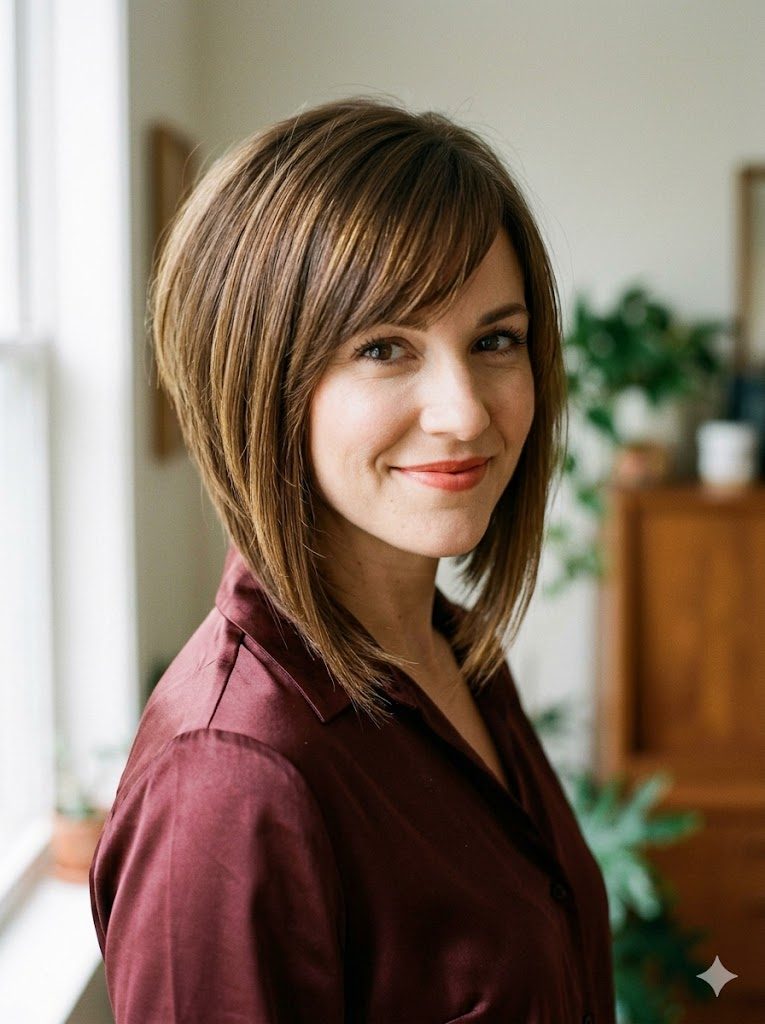
    The lob is the ideal side part haircut for 2026. The collarbone-grazing length gives the swept hair enough weight and movement to fall naturally to one side without the awkwardness of a shorter cut, and the side part adds asymmetry to what can otherwise be a very symmetrical, straight-forward shape. The combination photographs beautifully and requires almost no daily decision-making — the lob with a side part simply works, every morning, without fuss.

    The butterfly cut and side part

    The butterfly cut’s layered structure makes it the most dramatic side part canvas. The crown layers lift at the parted side, the face-framing layers sweep naturally forward and to one side, and the longer underneath layers add volume to the sweep. The result is one of the most visually interesting combinations currently trending — textured, dimensional, and deeply flattering on almost every face shape.

    The side part with curtain bangs

    Curtain bangs swept gently to one side rather than parted symmetrically is the side part’s most elegant companion in 2026. The fringe creates a soft, sweeping diagonal from the parting line across the forehead, adding the face-framing effect of a fringe while avoiding the perfectly centred look. This is the combination that’s appearing most consistently across 2026 hair content.

    Long layers and side part

    For women with long hair, the side part adds the structure and intention that long layers alone sometimes lack. Long layers create movement, but without a directional part to anchor the style, they can look merely grown-out. A deep side part gives the layers a direction — everything sweeps one way, the face-framing pieces follow the diagonal, and the result looks like a considered hairstyle rather than hair that simply happens to be long.

    Styling the Side Part for Volume and Longevity

    The most common complaint about the side part is that it collapses. By mid-morning the hair has migrated back toward the centre, the crown is flat again, and the whole effect is lost. This happens because the part was set too late in the drying process, or because the hair was trained to part in a different direction for years and reverts instinctively. Both are solvable.

    Setting the part at the right stage of drying

    Directional blow-drying along the part line while the hair is still damp is what makes the side part hold all day.

    The part needs to be established when the hair is approximately 50% dry — not soaking wet (which means the hair will move too easily and dry without any set), and not almost dry (which means the shape has already been determined by gravity and you’re fighting it). At 50% dry, the hair is still malleable enough to accept a new direction, but has enough moisture for the heat to set it in place.

    Use a wide-tooth comb or your fingers to establish the part line first, then follow the direction of the part with the hairdryer, directing the heat along the part from root to mid-length on the lighter side (the side with less hair). This lifts the root at the crown and trains the hair in the direction of the side part. Two minutes of focused drying at the part line does more work than ten minutes of general drying.

    The blow-dry for crown lift

    The crown lift on the parted side is the most valuable result of the side part — and it requires specific technique to achieve it. After establishing the part, focus the dryer at the root of the parted section, lifting the hair away from the scalp while directing hot air underneath it. A round brush pulled upward at the crown creates the most dramatic lift; a paddle brush gives a softer, more natural result. Finish with a cool shot — the cold air sets the lifted root in place and is the step most people skip, then wonder why the volume disappears.

    The velcro roller method for maximum hold

    A large velcro roller placed at the crown for 5 minutes while the rest of the style dries sets the side part lift without any additional heat.

    For maximum crown lift that holds all day, the velcro roller is the most underused tool in most women’s styling kit. After blow-drying the crown section on the parted side, roll that section upward onto a large velcro roller while the hair is still slightly warm, and pin it in place. Leave it while you finish the rest of your hair and do your makeup. When you remove the roller, the lifted shape has fully set. It sounds old-fashioned. The results are genuinely better than any product.

    → Styling tip: Velcro rollers work best when the hair is just finishing its warm stage — not hot and not fully cool. Place the roller and leave it for 8–10 minutes for a shape that holds all day without hairspray.

    For the velcro roller set: Velcro rollers (medium size)  (https://www.amazon.com/s?k=velcro+hair+rollers+medium+size+volume&tag=5minutesready-20)

    Making it hold on day 2 and beyond

    Dry shampoo applied directly at the root of the parted section refreshes the volume and re-trains the direction on day 2.

    Day 2 of a side part is where most women give up and default back to the centre part or a ponytail. But the day 2 refresh is actually simple. Apply dry shampoo directly to the root of the parted section — not all over the head, but specifically at the crown on the lighter side where the volume needs refreshing. The dry shampoo adds grip and texture that makes the hair want to stay in the parted direction. Tilt your head to the opposite side briefly to encourage the natural fall, then set with a light-hold spray if needed.

    For day 2 refresh: Dry shampoo for volume  (https://www.amazon.com/s?k=dry+shampoo+volume+fine+hair&tag=5minutesready-20)

  • The Bixie Era: The Effortless Hybrid for When You’re Ready to Go Short (But Not Too Short)

    The Bixie Era: The Effortless Hybrid for When You’re Ready to Go Short (But Not Too Short)

    There is a specific kind of “hair-anxiety” that happens in the salon chair—the desire for the liberating edge of a pixie, fought by the comforting safety of a bob. If you’ve ever wanted to clear your shoulders but feared the “point of no return,” you aren’t looking for a compromise; you’re looking for the Bixie.

    This isn’t just a transitional cut; it’s a deliberate style statement for 2026. Combining the shaggy, tapered nape of a pixie with the face-framing length of a bob, the Bixie offers a silhouette that is both rebellious and remarkably soft. It’s the “quiet luxury” of haircuts—low-effort in appearance, yet technically precise in execution.

    Is the Bixie Right for You? The Lifestyle Checklist

    Choosing a shorter cut is rarely just about the aesthetic; it’s about how that hair functions in your daily life. The Bixie has surged in popularity because it solves the “all-or-nothing” dilemma of short hair. If you are currently standing on the edge of a major chop, here is how to know if the Bixie is your perfect match.

    The “Safety Net” for Long-Hair Lovers

    If you’ve spent years with a long bob or mid-length waves, the jump to a pixie can feel visually jarring. The Bixie acts as a stylish safety net. Because it maintains those crucial face-framing pieces and a bit of weight around the ears, you don’t lose the “frame” of your face. It offers the cooling, lightweight sensation of a short cut without the exposed feeling of a traditional crop.

    The “Low-Maintenance” High-Fashion Girl

    Do you value a “get up and go” routine but refuse to look unpolished? The Bixie is designed for movement. Unlike a blunt bob that requires a perfectly straight finish to look intentional, the Bixie thrives on a bit of messiness. It’s the ideal cut for the woman who travels, hits the gym, or simply prefers air-drying with a touch of texture cream over a 30-minute blowout.

    The Volume Seeker

    If your hair tends to fall flat once it hits shoulder length, the Bixie is a functional miracle. By removing the weight from the perimeter and adding internal layers, your hair gains natural “shaggy” lift at the crown. It’s a strategic choice for fine-haired women who want to look like they have twice as much hair as they actually do.

    The Style Chameleon

    Perhaps the most compelling reason to choose the Bixie is its versatility. One day you can style it forward and piece-y for a rebellious, edgy vibe; the next, you can tuck it behind the ears for a sleek, “quiet luxury” aesthetic that fits perfectly in a boardroom or at a formal gala. If you hate feeling “stuck” in one look, this hybrid cut provides the most atmospheric range of any short style on the market today.

    20 Curated Bixie Inspirations for the Modern Woman in 2026

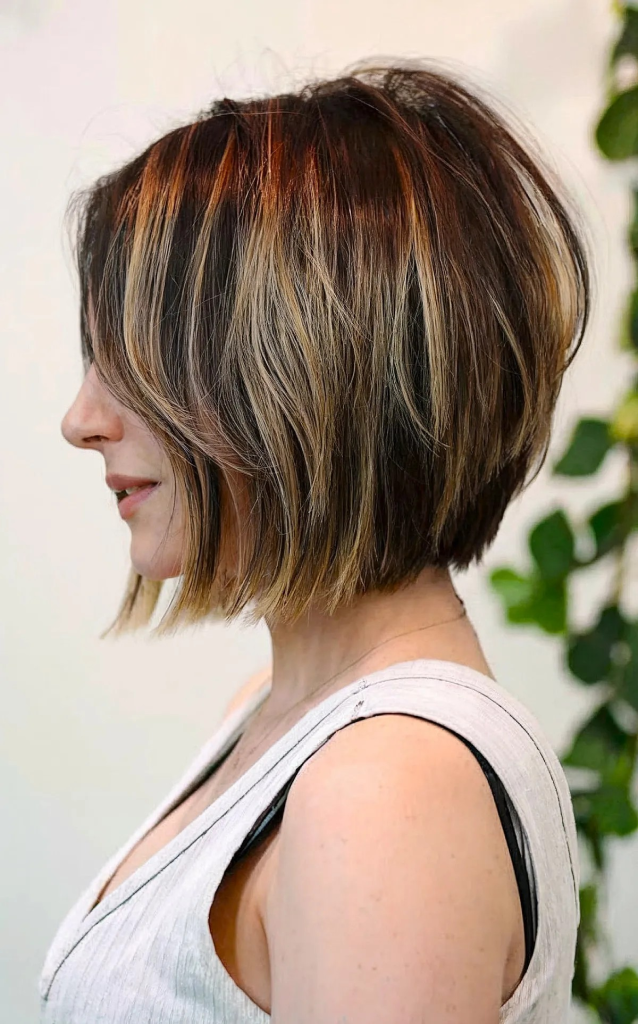
    1. Bixie cut side view — showing the tapered back and longer front

      A profile shot illustrating the technical structure of a bixie cut in a rich mahogany tone. The back is closely tapered to the nape of the neck, while the longer layers toward the front create a soft, face-curving silhouette. The inclusion of a light, brow-grazing fringe adds a classic touch to the modern hybrid shape.

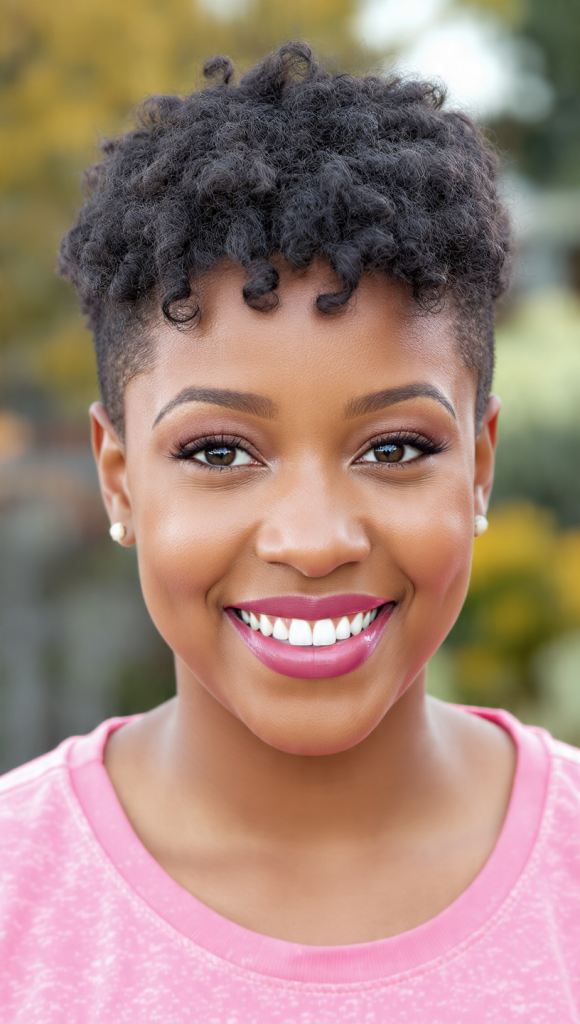
      2. Bixie on curly hair — showing shrinkage consideration

      A bright, front-facing portrait showcasing a bixie cut on naturally curly hair. The layers are expertly cut to manage volume and shrinkage, resulting in a balanced, rounded shape that frames the face. The tight curls provide a playful texture and a full, voluminous crown that feels both youthful and sophisticated.

      3. Sleek bixie — the polished, defined version

      A highly polished and editorial version of the bixie cut on a deep auburn base. The hair is styled with a sharp side part and a high-shine finish, with the sides tucked neatly behind the ears to accentuate the facial structure. This sleek, wave-accentuated look offers a high-value aesthetic perfect for formal or professional settings.

      4. Bixie with fringe — wispy bang addition

      A modern take on the bixie featuring a full, slightly arched fringe that blends into flicked-out side pieces. The jet-black hair is styled with subtle movement at the ends, giving the cut a shaggy, 90s-revival feel. This look emphasizes the eyes and creates a soft, approachable frame for the face with a touch of rebel spirit.

      5. Bixie cut front view — jaw-skimming with longer front pieces

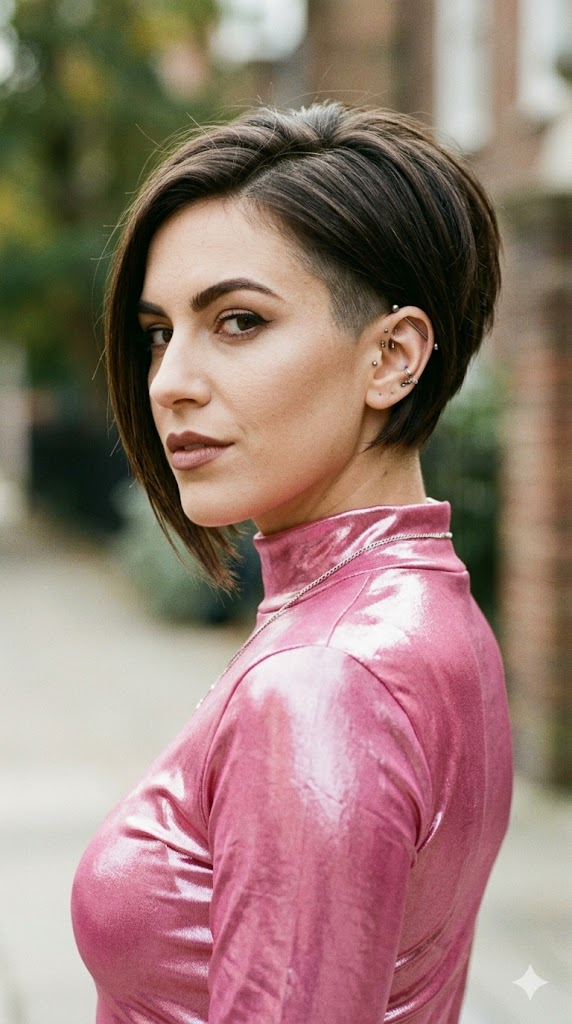
      A profile portrait featuring a soft bixie cut in a vibrant rose-pink tone. The front pieces gently frame the face, slightly longer than the back layers which feature a textured, wispy finish. The delicate fringe adds a relaxed, modern edge to the style, blending effortlessly with the feathered crown.

      6. Textured bixie — piece-y, effortless version

      A charming three-quarter angle showcasing a golden blonde bixie with a natural, “undone” texture. The side pieces are subtly tucked, revealing a playful ear cuff and a bohemian dangle earring. The piece-y, shaggy crown adds natural volume and dimension, highlighting the cut’s versatile, lived-in feel.

      7. Bixie cut side view — showing the tapered back and longer front

      A sharp profile highlighting the structural tapered effect of the bixie in a deep cherry-red. The layers closely follow the curve of the nape before transitioning into a cascading, voluminous crown and long sideburns that wrap elegantly around the face. The strong profile perfectly demonstrates the balance between structure and soft framing.

      8. Bixie on round face — specific length and taper for elongation

      A stunning close-up portrait featuring a dense, wavy black bixie with warm, integrated honey highlights. The style features significant height at the roots, utilizing a subtle over-direction to create an elongating effect for the rounder facial structure. The curls are soft and defined, adding sophistication and softness to the overall look.

      9. Textured bixie — piece-y, effortless version

      A profile view of a platinum blonde bixie with a soft, lived-in texture. The cut features shorter layers at the crown for natural lift, while the front is left slightly longer to graze the cheekbones. The ends are delicately feathered to create a wispy finish that balances the bold, cool-toned color with a romantic, feminine silhouette.

      10. Bixie on wavy hair — natural texture version

      A front-facing portrait of a chestnut brown bixie styled to showcase natural waves and curls. The short, piece-y fringe adds a retro, shaggy feel, while the side layers are cut to emphasize the hair’s organic movement. This look highlights the “shullet” influence on the bixie, offering a cool, effortless aesthetic that requires minimal daily styling.

      11. Bixie on oval face — the most flattering combination

      A striking portrait of a jet-black bixie featuring a classic “curtain bang” fringe. The hair is styled with internal volume and a subtle tuck behind the ears, perfectly framing the symmetrical features of an oval face. The high-shine finish and sharp, face-framing points showcase the cut’s ability to look both editorial and incredibly soft.

      12. Bixie growing out at 8 weeks — showing the graceful transition

      A three-quarter profile of a multi-tonal bixie featuring silver and lilac accents. The cut shows how the shaggy layers of a bixie mature into a textured, short bob over time. The micro-fringe and flicked-out side pieces maintain a deliberate, high-fashion edge, proving that the grow-out phase can be just as intentional as the initial chop.

      13. Bixie on curly hair — showing shrinkage consideration

      A striking profile of a dark, curly bixie that emphasizes volume at the crown. The cut is strategically layered to account for the natural bounce of the curls, ensuring the silhouette remains balanced and rounded. The tapered back keeps the neckline clean, while the curls add a soft, romantic texture that perfectly frames the face.

      14. Bixie with fringe — wispy bang addition

      A bold, emerald green bixie featuring a sharp, micro-fringe that opens up the forehead. The side layers are textured and piece-y, transitioning into a slightly longer, shaggy back. This vibrant take on the bixie showcases how a short bang can add an edgy, editorial feel to the hybrid cut.

      15. Sleek bixie — the polished, defined version

      A profile shot of a muted blue bixie styled with precision and a smooth finish. The short, choppy bangs and sharp sideburns create a defined, geometric frame around the face. This look illustrates the more structured side of the bixie, offering a clean and intentional aesthetic for those who prefer a more defined silhouette.

      16. Bixie cut side view — showing the tapered back and longer front

      A soft, three-quarter profile of a deep brunette bixie with a 90s-inspired “curtain” fringe. The hair is styled with a subtle flick at the ends, highlighting the tapered back and the longer, face-framing pieces. The overall look is effortless and airy, proving why the bixie is the go-to choice for a versatile, feminine short cut.

      17. Bixie vs pixie — same face, two cuts showing the difference

      A profile view of a mature charcoal-grey bixie that demonstrates the graceful transition between a short pixie and a bob. The back is neatly stacked to provide a lifted silhouette, while the sides are left long enough to tuck behind the ears. This image highlights how the bixie provides extra coverage and volume, offering a sophisticated and manageable look for thinning or fine hair.

      18. Textured bixie — piece-y, effortless version

      A sharp profile of a deep forest-green bixie featuring a heavy, shaggy texture. The cut is heavily layered throughout the crown to create height, transitioning into sharp, face-framing points. The piece-y finish gives the style a rebellious, modern edge that celebrates movement and a lived-in aesthetic, perfect for those who want an effortless, non-conforming look.

      19. Bixie on wavy hair — natural texture version

      A vibrant teal bixie that leans into the “shullet” trend with long, wavy layers at the nape. The micro-fringe is cut straight across to contrast with the wild, organic texture of the crown and back. This look showcases the bixie’s adaptability to bold, unconventional colors and demonstrates how natural waves can add a playful, high-energy dimension to the cut.

      20. Sleek bixie — the polished, defined version

      A stunning, high-glamour portrait of a jet-black bixie styled to a mirror-like shine. The hair features a deep side part with a voluminous, sweeping fringe that elegantly frames the eyes. With its sharp, jaw-skimming perimeter and smooth, tucked sides, this version of the bixie epitomizes “quiet luxury” and sophisticated editorial styling.


      Anatomy of the Bixie: What It Is Precisely

      The magic of the Bixie lies in its internal architecture. Unlike a traditional bob, which relies on a blunt perimeter, the Bixie uses internal layering to remove weight while keeping the jaw-skimming length. This creates a “shaggy” but structured finish that moves with you. The longer front pieces are the secret to maintaining a feminine, adaptable look that doesn’t feel overly exposed.

      [Bixie cut side view — showing the tapered back and longer front]


      Texture Profiles: Piece-y vs. Polished

      How you finish a Bixie defines its personality. For a lived-in, “woke up like this” vibe, focus on a textured variation. Using sea salt sprays or lightweight pomades helps define individual layers and creates that intentional messiness that defines the modern aesthetic.

      [Textured bixie — piece-y, effortless version]

      Conversely, the sleek variation is the ultimate “Power Bixie.” By using a flat iron and a high-shine serum, the cut transforms into a sharp, editorial look. Tucking the sides behind the ears emphasizes the cheekbones and makes it sophisticated enough for any formal setting.

      [Sleek bixie — the polished, defined version]


      Fringe Benefits: Softening the Frame

      Adding a wispy bang to a Bixie is the easiest way to personalize the cut. A French-inspired fringe softens the forehead and draws immediate attention to the eyes. It breaks up the weight of the hair and ensures the transition from the short back to the longer front feels seamless and romantic.

      [Bixie with fringe — wispy bang addition]


      Embracing Your Natural Canvas

      The Bixie is remarkably inclusive of different hair types. For those with wavy hair, the cut uses natural movement to create organic volume. It’s the perfect “air-dry” style for anyone who wants to step away from heat tools without losing their shape.

      [Bixie on wavy hair — natural texture version]

      For curly hair, the focus is on managing “shrinkage.” Stylists often use a dry-cut technique to ensure the layers don’t jump too high, maintaining a balanced silhouette that celebrates the curl pattern rather than fighting it.

      [Bixie on curly hair — showing shrinkage consideration]


      The Geometry of Flattery: Face Shapes

      The versatility of the Bixie means it can be tailored to almost anyone. An oval face is the most flexible canvas, allowing for extreme tapers and very short internal layers without losing balance.

      [Bixie on oval face — the most flattering combination]

      For a round face, the strategy shifts toward elongation. By keeping the front pieces slightly longer and adding height at the crown, the cut creates vertical lines that slim the face and draw the eye downward, proving that short hair is far from off-limits.

      [Bixie on round face — specific length and taper for elongation]


      The Styling Toolkit: Volume and Lift

      Achieving the signature 90s-revival bounce requires the right foundation. Using a root lift spray on damp hair before blow-drying provides the necessary “grit” to keep the hair from falling flat. Over-directing the hair with a small round brush during the drying process ensures a high-value, salon-quality finish every time.

      [Bixie styled with root lift spray — the volume result]


      The Great Debate: Bixie vs. Pixie

      If you’re comparing these two, consider the maintenance schedule. A traditional pixie typically requires a trim every four weeks to keep its shape. The Bixie, however, is much more forgiving, offering a six-to-eight-week window where the growth looks entirely intentional. It provides the “edginess” of a short cut with much less upkeep.

      [Bixie vs pixie — same face, two cuts showing the difference]


      The Graceful Transition: The Grow-Out Phase

      One of the Bixie’s strongest selling points is how beautifully it matures. Because it already incorporates the length of a bob, it doesn’t go through an “awkward phase.” By the eight-week mark, it simply evolves into a chic, shaggy bob that looks like a brand-new, deliberate style.

    1. The French Fringe: The ‘Quiet Luxury’ Haircut of 2026

      The French Fringe: The ‘Quiet Luxury’ Haircut of 2026

      There is a specific, enviable polished look that doesn’t scream for attention, yet commands the entire room. It’s the aesthetic of “Quiet Luxury”—an intentional, high-value style that looks effortlessly expensive. At the center of this movement is the French Fringe.

      Unlike the harsh, straight-across blunt cuts of the past, the French Fringe is defined by its heavy, brow-grazing volume and a soft, natural curve that frames the eyes with architectural precision. It is the hair equivalent of a bespoke trench coat: timeless, perfectly tailored, and undeniably chic. Whether you are looking to shorten a high forehead or simply add a layer of Parisian sophistication to your daily look, this is the investment cut that pays off in pure style capital.

      Why the French Fringe?

      In the landscape of 2026 hair trends, the French Fringe has emerged as the definitive “status symbol” of effortless beauty. But why has this specific cut become the gold standard for women seeking an expensive aesthetic?

      The Psychology of ‘Undone’ Luxury

      There is a profound psychological shift happening in fashion: we are moving away from “over-styled” perfection and toward “intentional ease.” The French Fringe embodies this perfectly. It is a haircut that suggests you have a high-end stylist on speed dial, yet you simply woke up looking this chic. It is the “no-makeup makeup” of the hair world—a highly technical cut designed to look like a happy accident.

      An Instant Structural Upgrade

      Why choose this over a standard trim? Because the French Fringe acts as a non-invasive architectural lift for the face.

      • The Eye-Centric Focus: By creating a heavy, horizontal frame exactly at the brow line, the cut forces the viewer’s attention to the eyes. It adds a layer of “editorial mystery” that a forehead-baring style simply cannot achieve.
      • The Volume Illusion: For many, the “Why” is purely functional. Because this fringe is deep-set (starting further back on the crown), it creates an immediate illusion of thicker, more voluminous hair. It transforms a simple haircut into a dense, high-value mane.

      15 French Fringe Styles to Request in 2026:

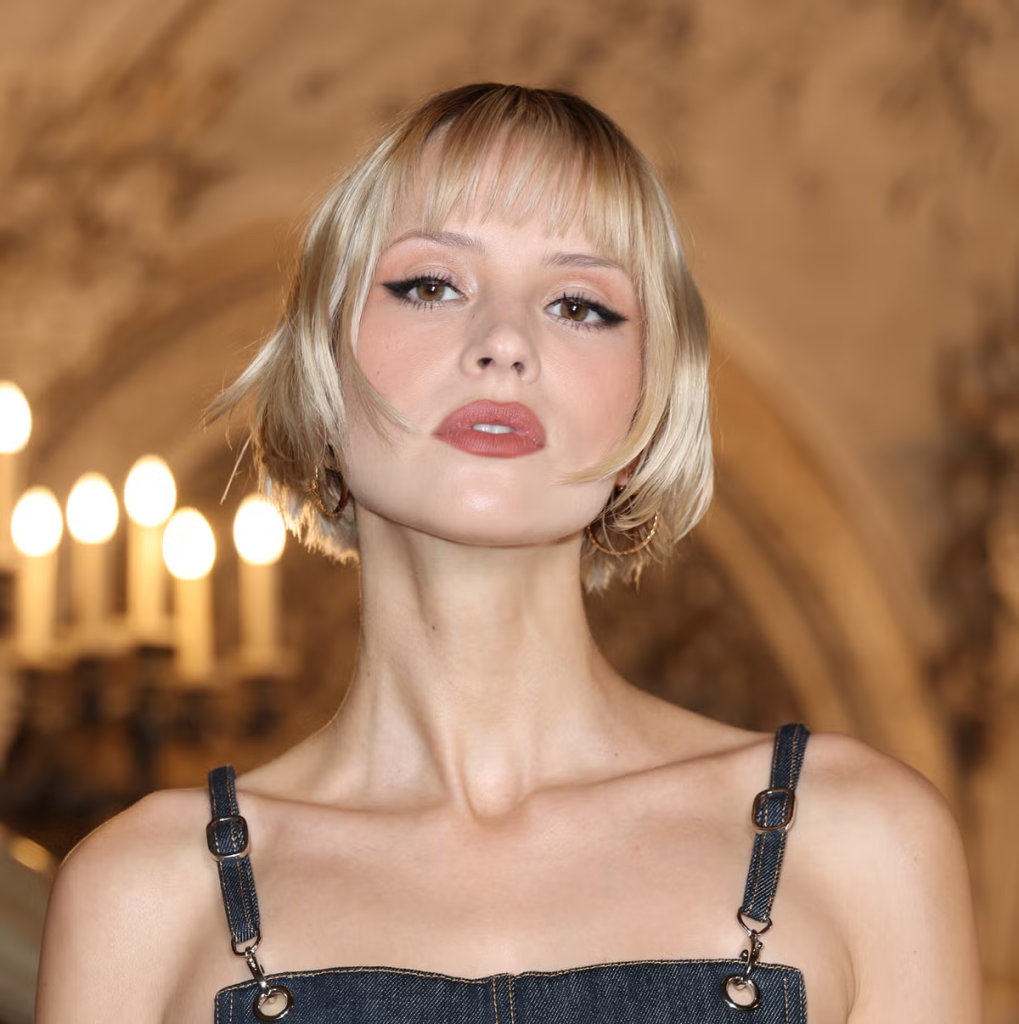
      1. The Parisian Profile

      A profile view that perfectly captures the “C” curve of a classic French fringe. On this deep brunette bob, the bangs start with significant weight from the crown, arching gracefully over the brow to meet the side-lengths. It’s an effortless look that emphasizes the cheekbones and adds a layer of sophisticated mystery to a simple, dark-toned cut.

      2. Sun-Kissed Dimensionality

      This visual demonstrates how the French fringe adapts to lighter, honey-toned hair. The soft highlights within the fringe give the heavy cut a sense of movement and airiness without losing its opaque structure. By skimming the eyebrows and gently parting at the center, it creates a relaxed, “lived-in” luxury vibe that feels both modern and timeless.

      3. The Polished Glass Finish

      The ultimate example of a high-shine, “expensive” French fringe on sleek, jet-black hair. This image highlights the technical precision of the cut—perfectly uniform and grazing the lashes. The extreme smoothness of the hair reflects light like glass, turning a heavy fringe into a bold, high-fashion statement that anchors a straight, mid-length style.

      4. The Textured Bob Pairing

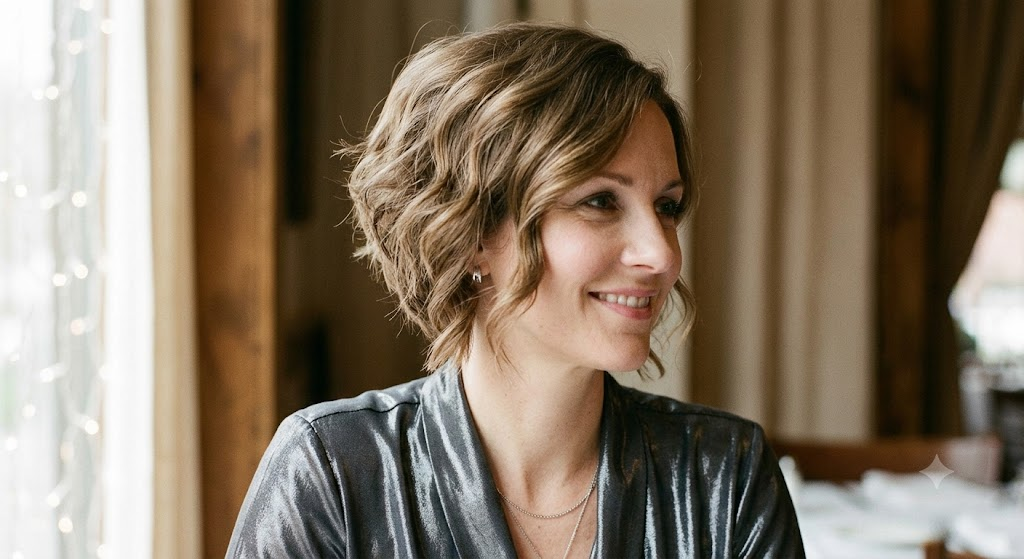
      A softer, more approachable take on the aesthetic, showing the French fringe paired with a wavy, chin-length bob. The piecey texture at the tips of the bangs prevents the look from feeling too heavy, while the brow-skimming length maintains that signature Parisian edge. It’s the ideal inspiration for those wanting a look that feels intentional yet natural.

      5. The Curly French Silhouette

      This image showcases how a French fringe adds a sophisticated frame to natural curls. By maintaining a heavy weight at the brow line, the fringe anchors the volume of the hair, preventing the curls from overwhelming the face. The slight separation in the curls allows for a soft, textured finish that embodies the effortless Parisian spirit.

      6. Golden Honey Precision

      A flawless example of how a French fringe elevates a sleek, mid-length cut. On this warm, honey-toned base, the fringe is cut with high-density precision to create a bold, opaque line across the forehead. The uniform length highlights the eyes and cheekbones, offering a polished, high-value look that feels both structured and expensive.

      7. The Architectural Grow-Out

      A beautiful visual of the French fringe transitioning into a longer, face-framing style. This mid-length fringe splits slightly at the center, curving outward to blend into a classic chin-length bob. It illustrates the versatility of the cut, showing how it maintains its chic, intentional silhouette even as it moves toward curtain bang territory.

      8. The French Micro-Fringe

      A shorter, more editorial take on the French fringe aesthetic. This “micro” version sits just above the brow, providing a sharp, avant-garde frame for the face. Paired with a textured, messy bob, it offers a high-fashion edge that feels incredibly modern and curated, perfect for those wanting a bolder style statement.

      9. Lived-In Blonde Texture

      This visual highlights the French fringe on a bright, cool blonde palette. The fringe is styled with piecey, lived-in texture that softens the brow-grazing length. By incorporating subtle layering at the ends, the cut achieves a breezy, effortless look that still retains the signature volume and “expensive” feel of the French aesthetic.

      10. Sun-Drenched Honey Texture

      This image perfectly captures the intersection of warm color and precise cut. On a light brunette base with golden, sun-drenched highlights, the French fringe provides a thick, heavy curtain that rests just at eye level. The weight of the fringe anchors the long, wavy texture, illustrating that ‘expensive’ hair doesn’t require high-maintenance styling. It’s the visual definition of beachside sophisticated chic.

      11. Brunette Curtain Sophistication

      A clear visualization of the intentionality behind the French aesthetic. Here, the French fringe demonstrates its ‘tailored’ nature, using volume at the crown to create deep, substantial coverage across the forehead. The slight curvature away from the face reveals how the cut seamlessly integrates into long, soft waves. The uniform, cool-toned brunette creates a clean, sophisticated, and universally appealing frame that looks bespoke to the wearer’s face structure.

      12. High-Contrast Profile

      This visual isolates the sleek, structural aspect of the French fringe on very dark hair. The density of the fringe is highlighted in profile against a brighter background, showing the crisp, clean edge that makes a statement without shouting. When the majority of the hair is pulled into a neat ponytail, the fringe becomes the intentional, architectural accessory that defines the look. The extreme smoothness suggests professional-level hair health and shine.

      13. Blonde, Light, and Luxurious

      A demonstration of the delicate side of quiet luxury on light blonde hair. This variation proves that the French fringe doesn’t always need to be dark to be substantial. On a very light, ash-blonde palette, the fringe maintains its signature heavy, opaque texture, skimming the eyebrows without disappearing. By avoiding wispy textures, this cut ensures the light color remains premium and dimensional, especially when paired with a clean black turtleneck.

      14. The Midnight Cobalt Curve

      This visual demonstrates that the French fringe can be a powerful anchor for unconventional colors. On a striking, deep sapphire-blue base, the fringe is parted slightly in the center to create a curtain-inspired silhouette while maintaining its characteristic weight. The density of the cut allows the bold color to appear saturated and luxurious, framing the face with a dramatic, high-fashion contrast that bridges the gap between alternative style and editorial polish.

      15. Effortless Ash-Blonde Waves

      A masterclass in textured elegance on a cool-toned ash blonde. This French fringe is cut with soft, piecey ends that rest perfectly at the brow line, blending into long, undone waves. The heavy volume at the crown provides that signature “expensive” look, while the lived-in texture ensures the style doesn’t feel overly formal. It’s the ultimate inspiration for a low-maintenance yet highly intentional aesthetic that thrives on natural movement.


      The Anatomy of the Expensive Bang

      To understand why this fringe looks “expensive,” you have to look at the geometry. It isn’t just a haircut; it’s a frame.

      • The Signature Curve: Unlike a flat fringe, the French style has a slight “C” shape. It’s shorter in the center and subtly tapers toward the cheekbones.
      • The Weight: It is a “heavy” fringe, meaning it starts further back on the crown to provide full coverage without looking thin or wispy.
      • The Brow-Graze: The sweet spot for this cut is exactly at the eyebrow line. This creates a mysterious, high-fashion shadow over the eyes.

      French vs. Blunt: Why the Difference Matters

      If a blunt fringe is a statement, the French fringe is a conversation. A blunt cut can often look “boxy” or harsh, requiring perfect symmetry to work. The French fringe, however, thrives on a bit of natural movement. By incorporating a curved edge, it avoids the “helmet” effect and looks like a natural extension of your hair’s volume rather than an afterthought.

      Face Shape Strategy: From Oval to Oblong

      The brilliance of this cut lies in its ability to manipulate proportions:

      • For Oval Faces: This is the unrestricted playground. The fringe adds a focal point to the eyes without disrupting the face’s natural balance.
      • For Oblong Faces: This is where the French Fringe performs magic. By covering the forehead and creating a horizontal line at the brows, it visually “shortens” the face, creating a more balanced, harmonious silhouette.

      Color and Contrast: Brunettes and Blondes

      The “expensive” look manifests differently depending on your palette. On darker brunettes, the heavy fringe creates a solid, glossy block of color that highlights hair health and shine. On blondes, the fringe adds a needed shadow and depth, providing a high-contrast look that makes features pop against lighter tones.

      The Styling Ritual: Mastering the Curve

      You don’t need a team of stylists to keep this looking salon-fresh. The secret is the flat iron flick. By using a flat iron to gently turn the ends toward the face at the very last second, you achieve that “expensive” curve that air-drying alone can’t provide. Paired with a Lob (Long Bob), it becomes the ultimate power-haircut of the season.

      Maintenance: The Grow-Out Grace

      One of the best features of the French Fringe is its longevity. At four weeks, it begins to graze the tops of the lashes, offering a “rock-and-roll” editorial vibe. As it grows further, it naturally transitions into curtain bangs, blending seamlessly into the side layers. It’s the rare haircut that looks just as good three months later as it did on day one.

      The Parisian Legacy

      From the streets of the Marais to the runways of 2026, the French Fringe remains the gold standard. It is a nod to the original icons of Paris street style—women who understood that the most expensive thing you can wear is a look that seems like you didn’t try at all.

    2. The Wispy Bang: The Effortless Fringe That Works for Everyone

      The Wispy Bang: The Effortless Fringe That Works for Everyone

      The beauty of the “Wispy Bang” lies in its intentional imperfection. Unlike the heavy, blunt fringe of the past, this soft, feathered style offers a “barely there” aesthetic that provides all the face-framing benefits of a haircut without the high-maintenance commitment. Often referred to as the “see-through” bang, it’s the ultimate solution for those who want to refresh their look with a touch of French-girl chic and ethereal softness. Whether you are sporting a sleek bob or flowing long layers, the wispy bang is the most versatile accessory you can wear in 2026.

      Is It For You? — The Texture & Lifestyle Check

      Before diving into the visual inspiration, it’s important to understand that the “wispy” effect isn’t a specific hair type—it’s a precision cutting technique. Whether you have thick, cascading waves or fine, sleek strands, this fringe is designed to adapt to your natural canvas.

      Density vs. Illusion

      A common misconception is that wispy bangs are only for those with fine hair. In reality, this style is a secret weapon for those with thick hair who want to remove bulk. By using a deep point-cutting method, a stylist can thin out the center of the fringe to create that coveted “see-through” window, making the hair feel lighter and more manageable. For those with fine hair, these bangs add the illusion of intentional volume and structure without requiring a large section of hair to be cut away from the lengths.

      The Low-Maintenance Reality

      In an era of “quiet luxury,” beauty should look effortless, and the wispy bang delivers. Unlike blunt bangs that require a perfectly straight blow-dry every morning, the wispy fringe thrives on a bit of movement.

      • The 2-Minute Morning: Most days, all you need is one medium-sized velcro roller while you do your makeup, or a quick pass with a mini flat iron to give the ends a slight inward curve.
      • The “Soft Launch” into Change: If you’re hesitant about a total hair transformation, this is your “soft launch.” Because the density is so light, these bangs are incredibly easy to pin back or blend into face-framing layers if you decide to grow them out later.

      10 Wispy Bang Variations to Elevate Your Look:

      1. Wispy Bangs with Scarf Style

      This photograph captures a close-up portrait of a woman looking directly at the camera with a self-assured expression. Her dark, sleek hair is styled with a prominent, wispy fringe that is cut straight across, landing just at her eyebrow line. The bangs are intentionally sparse and textured, allowing her forehead to show through for that classic “see-through” effect. To complete the look, she wears a vibrant, patterned silk scarf as a headband, which pushes her hair back while keeping the bangs framed. She is wearing a simple white ribbed tank top and minimal, soft glam makeup.

      2. Wispy Bangs on Long Blonde Layers

      This three-quarter profile portrait shows a woman in a bright, modern interior. She is looking off-camera with a confident smirk. Her medium-long, ash-blonde hair is styled with soft, voluminous waves and integrated into a long, textured wispy bang. The fringe has feathered ends that blend seamlessly into face-framing layers, creating an ethereal, light feel. Her blonde hair shows subtle variations in color, adding depth to the texture of the fringe. She is wearing a grey marled crewneck sweatshirt.

      3. Wispy Bangs for Mature Elegance

      This genuine, warm portrait features an older woman smiling, looking slightly down and to the side. Her shoulder-length hair is a cool, natural-looking blonde with soft texture. Her fringe is a delicate, airy interpretation of the wispy bang. It is sparse and finely point-cut, offering soft framing around her eyes without adding unnecessary bulk. The style is classic, low-maintenance, and flattering, demonstrating the universal appeal of the fringe. She is wearing a black knit turtleneck and a thin silver necklace.

      4. The Shadow-Stroked Wispy Fringe

      This look showcases the classic “French-girl” wispy bang, where the hair is cut just long enough to kiss the eyelashes. The fringe is characterized by its high-contrast “piecey-ness,” achieved through strategic thinning that creates distinct gaps between the hair clusters. This allows the dark, rich tones of the hair to create a soft shadow effect across the brow, offering an effortless, high-fashion aesthetic that feels intentional yet relaxe

      5. Copper Curtain Wispy Bangs

      This look features a longer, parted interpretation of the wispy fringe in a vibrant copper hue. The bangs are cut with feathered, point-cut ends that sweep outward, blending seamlessly into heavy face-framing layers. The center is thinned out to maintain a light, airy feel that prevents the warm color from appearing too heavy against the face.

      6. Ash Blonde Textured Fringe

      This style showcases a fuller-density wispy bang with significant point-cut texture. While it covers more of the forehead than a traditional “see-through” bang, the jagged, uneven ends give it a soft, “undone” aesthetic. The ash-blonde tones emphasize the separation between the hair strands, creating a cool-toned, edgy look that transitions smoothly into shaggy, shoulder-length layers.

      7. Pink Jellyfish Wispy Bangs

      In this bold, avant-garde style, the wispy fringe is extremely fine and separated, creating a delicate veil over the forehead. The pastel pink strands are point-cut at varying lengths to enhance the “piecey” texture, mimicking the light, ethereal movement of a jellyfish cut. The low density of the bangs allows the dark roots and forehead to remain visible, providing a high-contrast, modern finish.

      8. Honey Blonde “See-Through” Bangs

      This classic wispy bang is the epitome of the “barely-there” fringe. Cut in a warm honey blonde, the bangs are sparse and light, landing just at the eyebrow line with plenty of space between the strands. The soft, rounded ends are styled to curve slightly inward, framing the eyes while maintaining a weightless, polished appearance that complements the voluminous, bouncy layers of the rest of the hair.

      9. Soft Ebony Wispy Fringe

      This look features a high-density wispy bang in a deep, natural black. While the fringe covers most of the forehead, the ends are delicately point-cut to create a jagged, feathered texture that prevents it from looking heavy or blunt. The strands are styled with a slight inward curve, grazing the eyebrows and highlighting the eyes, while the outermost pieces taper longer to blend effortlessly into the sleek, straight lengths of the hair.

      10.Burgundy “See-Through” Bangs

      This style showcases a classic “barely-there” fringe paired with voluminous, layered waves in a rich wine-red hue. The bangs are exceptionally light and sparse, allowing the forehead to remain clearly visible beneath the fine, vertical strands. This airy texture provides a soft contrast to the heavy, face-framing layers of the blow-dry, offering a sophisticated and modern aesthetic that feels weightless and intentional.


      Article Structure

      1. What Exactly Makes a Bang “Wispy”?

      • The Anatomy of the Cut: Explain the difference between blunt cuts and point-cutting.
      • Texture & Density: Why the “see-through” element is essential for that airy feel.
      • Visual Reference: Close-up of point-cut texture to show the feathered ends.

      2. The Universal Appeal: Finding Your Face Shape

      • The Round Face: Techniques for elongation and using length to create angles.
      • The Square Face: How soft, feathered edges counteract a strong jawline for a balanced silhouette.
      • The Heart & Oval: Why this cut is a natural fit for these proportions.

      3. The Wispy Bang Across Lengths and Colors

      • The Classic Brunette Lob: The “Hero” look that defines the trend.
      • The Bob Transition: How a soft fringe adds movement to shorter, structured cuts.
      • Blonde & Sun-Kissed: How light-colored hair enhances the “airy” and “weightless” appearance of the fringe.

      4. The Styling Masterclass

      • The Volume Secret: Using velcro rollers for that perfect 90s-inspired lift.
      • The Sleek Approach: How to use a mini flat iron for a modern, polished finish.
      • The Low-Maintenance Path: Tips for air-drying while maintaining shape and avoiding “flat” fringe.

      5. Real-World Endurance: Weather and Maintenance

      • Humidity Shielding: A look at essential products (like anti-humidity sprays) to keep the fringe from frizzing.
      • The 6-Week Transition: A guide to the grow-out phase and how wispy bangs effortlessly turn into face-framing layers.

      6. The Transformation (Conclusion)

      • Before & After: Summarizing the “lift” a wispy fringe gives to the cheekbones and eyes.
      • Final thoughts on why this trend remains a staple for its adaptability and “quiet luxury” appeal.
    3. Face-Framing Layers: The Single Change That Transforms Your Entire Haircut

      Face-Framing Layers: The Single Change That Transforms Your Entire Haircut

      “A good haircut frames your face. A great haircut is built around it.”

      The difference between a haircut that feels “fine” and one that feels transformative often comes down to just a few inches of hair right at the front. Face-framing layers are the architectural secret of the hair world; they are the intentional, shorter pieces designed to highlight your best features, soften your jawline, or elongate your neck. Unlike global layers that add volume throughout the head, face-framing sections are surgical—they are placed with precision to act as a permanent “contour” for your face shape. Whether you are rocking a blunt bob or a cascading butterfly cut, these layers are the connective tissue that turns a standard style into a custom-tailored look.

      The 2026 Shift: Why Intentional Framing is the “It” Detail of the Season

      In the world of high-value hair, we are witnessing a definitive departure from the heavy, one-length “curtain” styles of previous years. The 2026 aesthetic is defined by intentionality and movement. We’ve moved past the era of the “standard trim” and entered a space where luxury is found in the custom-tailored details. Face-framing layers are the definitive tool for this transition; they represent a move toward hair that doesn’t just hang, but actually interacts with your bone structure.

      This shift is rooted in the “Quiet Luxury” movement—the idea that the most expensive-looking style isn’t the loudest, but the one that fits you most perfectly. By adding a bespoke frame, you aren’t just losing an inch of hair; you are adding a permanent visual contour to your cheekbones and jawline. It is the architectural secret that makes a haircut look like it was designed specifically for your face shape, providing that effortless, “model-off-duty” energy that dominates modern storytelling and aesthetic-driven content.

      15 Face-Framing Trends Defining the 2026 Aesthetic:

      1. The Money Piece Frame on Blonde Hair

      This image showcases long, honey-blonde hair featuring “money piece” highlights that accentuate the face-framing layers. The shortest sections begin just below the cheekbones, curving inward to hug the jawline before blending into cascading, soft layers. This graduated approach adds brightness and dimension, creating a high-contrast look that feels both intentional and sophisticated.

      2. Voluminous Deep Brunette Face-Framing

      A stunning example of how face-framing layers can add dramatic volume to dark hair. These layers are styled with a significant outward flip, starting near the eye level to create a “C-shape” that opens up the face. The thick, healthy texture of the hair is highlighted by the way the front sections effortlessly sweep back, providing a luxurious and polished finish that mirrors the “old money” aesthetic.

      3. Face-Framing with Full-Bodied Curtain Bangs

      This look demonstrates the seamless integration of face-framing layers with elegant curtain bangs on rich, espresso-toned hair. The bangs sweep across the forehead and melt directly into shorter, tapered layers that graze the collarbone. This style is particularly effective for adding soft structure to the face, creating a sultry and romantic silhouette that emphasizes the eyes and lips.

      4. Mahogany Layers with Soft Interior Framing

      Featuring a warm mahogany hue, this style focuses on soft, wispy face-framing pieces that begin at the cheekbone. These layers are curled away from the face to create movement and prevent the hair from feeling heavy or flat. The transition from the shorter front pieces to the voluminous, bouncy ends is gradual and smooth, offering a versatile look that works perfectly for both casual and formal settings.

      5. Platinum Sculpted Face-Framing

      This image displays an icy platinum blonde style where the face-framing sections are the focal point of the silhouette. The layers are expertly sculpted to sweep away from the face at chin level, creating a clean, architectural curve that adds structure to the long, straight length. This “blown-out” finish provides a sophisticated, high-fashion look that emphasizes the clarity and tone of the hair.

      6. Side-Parted Voluminous Bob Framing

      A perfect example of how face-framing layers transform a mid-length cut on deep brunette hair. The side-parted styling allows the shorter front pieces to cascade elegantly over one side, creating a “peek-a-boo” effect that softens the forehead and cheekbones. The bouncy, rounded ends give the layers a classic, Hollywood-glamour feel that adds immense body and life to the hair.

      7. Sleek Interior Framing on Straight Hair

      This look highlights precision-cut face-framing layers on dark, straight hair. Starting just below the chin, these layers are designed to curve subtly inward, mirroring the face shape and preventing a flat appearance. The result is a sleek, minimalist aesthetic where the layers serve as a delicate “contour” that keeps the long hair from overwhelming the wearer’s features.

      8. Warm Burgundy Tapered Framing

      Featuring a rich burgundy-red hue, this style uses soft, tapered layers to create a romantic and airy frame. The shortest pieces hit right at the cheekbones and transition smoothly into longer, curled sections. This specific placement is excellent for adding width and balance, providing a soft, lived-in texture that feels effortlessly chic and modern.

      9. Glamour Curls with Defined Front Layers

      This image showcases deep raven hair styled in voluminous, structured curls. The face-framing layers are integrated into a deep side part, lifting from the root to create height before spiraling into a series of soft, face-defining waves. This approach is ideal for formal events, offering a high-glamour finish that focuses attention on the eyes and a bold lip.

      10. Minimalist Grey Tapered Frame

      This look features a sleek, straight lob on grey-toned hair, demonstrating how minimalist face-framing layers can add subtle structure. The front sections are cut just below the chin, curving slightly inward to soften the face without the need for heavy styling. It is a clean, sophisticated approach that proves face-framing is effective across all hair textures and age groups.

      11. Copper Long-Length Interior Layers

      On this vibrant copper-red hair, the face-framing layers act as the bridge between the crown and the lengthy ends. The layers start at the jawline and cascade downward, creating a “step” effect that adds movement to the long silhouette. By keeping the framing pieces light and blended, the hair retains its impressive length while gaining a customized, intentional shape around the face.

      12. Asymmetrical Side-Swept Bob Framing

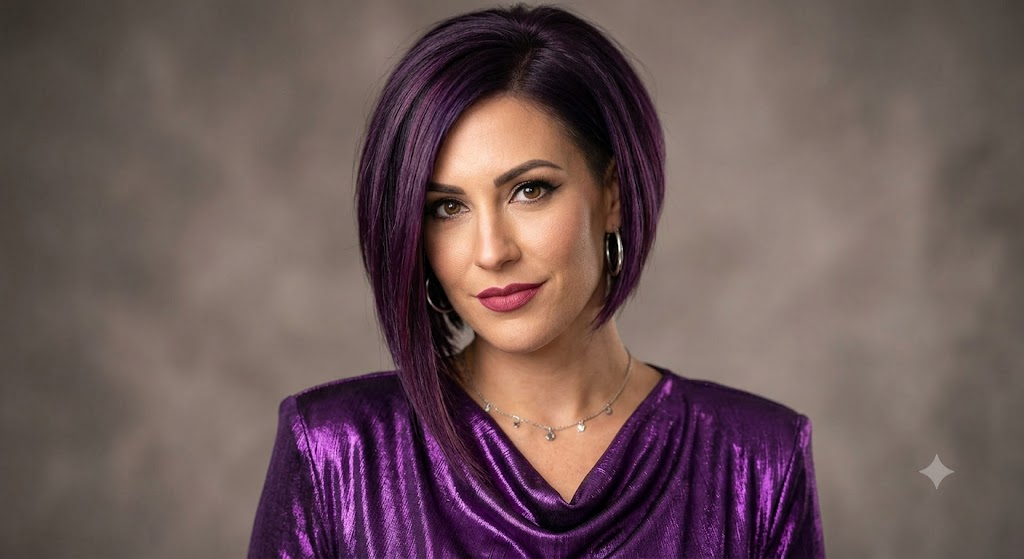
      This image showcases a deep brunette bob where the face-framing is achieved through a heavy side part and sweeping fringe. The shorter front section covers one eye, creating an asymmetrical, high-fashion look that focuses all the attention on the jawline and cheekbones. The ends are tucked slightly under, providing a polished and structural finish to this modern cut.

      13. Deep Plum Butterfly Framing with Bangs

      A bold example of high-volume face-framing on deep plum-colored hair. This style combines a full fringe with dramatic, flared-out layers that start at the cheekbones—a signature of the “butterfly cut.” These layers are styled to flip outward, creating a wide, voluminous frame that adds a playful and romantic energy to the overall aesthetic.

      14. Deep Brunette Side-Swept Volume

      This image features a mid-length, deep brunette style that utilizes a dramatic side part to create instant height and face-framing volume. The layers are styled with a soft, rounded bend that lifts away from the forehead and sweeps across the cheekbone, highlighting the eyes and bone structure. The thick, healthy texture is emphasized by the way these framing sections melt into the rest of the voluminous waves.

      15. Radiant Copper Shag Framing

      A vibrant example of how face-framing layers can define a textured, shaggy aesthetic. On this bright copper hair, the layers are cut shorter and more aggressively at the front to create a curtain-like effect that opens up the face. These pieces are tousled and air-dried for a natural, “lived-in” finish that adds playful movement and effortless dimension to the overall look.


      Article Structure: The Blueprint for the Perfect Frame

      I. What Face-Framing Layers Actually Are

      • Defining the Detail: Explain that these are specific, shorter pieces at the front, distinct from “all-over” layering.
      • The Comparison: A breakdown of how face-framing layers differ from curtain bangs (which have more weight), wispy bangs (which cover the forehead), and long layers (which usually start below the chin).
      • The Modern Utility: Why they are the “must-have” addition to every trending 2026 cut.
      • Product Spotlight: [Inline Link #1: TYMO CurlPro rotating iron for effortless styling]

      II. Face-Framing Layers by Face Shape: The Custom Contour

      • Oval: Exploring the “endless options” and how to play with different lengths.
      • Round: Focus on placement that starts below the chin to create an elongating effect.
      • Square: Techniques for softening a strong jawline with rounded, wispy ends.
      • Heart: Strategic layering to draw the eye downward and balance a wider forehead.
      • Diamond: How to add width at the chin or forehead to balance prominent cheekbones.
      • The Universal Rule: [Callout Box] “Always ask for blended, soft edges. Sharp transitions can look dated; movement is the goal.”

      III. The Interaction: How Framing Complements Your Cut

      • The Bob: Adding movement to shorter lengths without losing the “edge.”
      • The Lob: Creating a bridge between the length and the face.
      • The Butterfly & Wolf Cuts: How the “shaggy” front sections define these specific high-trend styles.
      • The Bang Connection: Seamlessly blending curtain bangs into the rest of the hair.

      IV. The Art of Styling: Bringing the Layers to Life

      • Directional Styling: The visual difference between curling outward (opening the face) vs. curling inward (slimming the face).
      • The Natural Approach: Tips for air-drying face-framing pieces so they don’t go “flat.”
      • Heat Safety: [Inline Link #2: Essential heat protectants for delicate front sections]

      V. The Salon Brief & Closing

      • The Stylist Script: Exactly what to say to ensure you get “blended and soft” rather than “choppy and blunt.”
      • The Toolkit: Final recommendations for the TYMO CurlPro, a 1-inch iron, and finishing sprays.
      • Closing: A warm sign-off encouraging the reader to embrace their most flattering look yet.

      VI. Related Content

      • Long Layers: The Volume Guide
      • The Butterfly Cut: 2026’s Biggest Trend
      • Quiz: What Haircut Actually Suits Your Face Shape?

    4. Long Layers: How to Get Hair That Actually Moves

      Long Layers: How to Get Hair That Actually Moves

      Long hair without layers is just weight. Long hair with the right layers is something else entirely. It’s the difference between a heavy velvet curtain and a silk slip dress—one just hangs there, while the other breathes, swings, and responds to every turn of your head.

      In the world of “quiet luxury” and intentional styling, long layers are the ultimate hair investment. They provide the architectural foundation for volume without sacrificing the length you’ve spent years growing. Whether you’re looking to breathe life into fine strands or remove the “triangle” effect from thick hair, understanding the anatomy of a layer is the key to a high-value aesthetic.

      Why Long Layers Are the Ultimate Hair Investment

      If you have spent years growing your hair out, the idea of a “haircut” can feel like a step backward. However, long hair without layers is often a structural trap. Here is why the most intentional, aesthetic-focused women choose long layers over a blunt cut.

      1. It Breaks the “Curtain” Effect

      One-length hair acts like a heavy velvet curtain—it just hangs. Because the weight is distributed equally at the bottom, there is no air or light between the strands. Long layers act as a “release valve,” allowing the hair to separate, swing, and catch the light as you move.

      2. Architectural Volume (Not Just “Poof”)

      Volume isn’t just about hairspray; it’s about physics. When hair is all one length, the weight of the ends pulls the roots flat against the scalp. By adding long layers, you remove the “drag.” This allows your roots to lift naturally, providing that sought-after 90s supermodel height without the need for excessive product.

      3. The “Non-Haircut” Transformation

      The beauty of long layers is that they are a silhouette shift, not a length sacrifice. You can keep every single inch of your overall length while completely changing how your hair frames your face and body. It is the ultimate “quiet luxury” move: a high-impact change that looks effortless and expensive.

      4. Custom Contouring for Your Features

      A blunt cut is a box; long layers are a sculpture. By choosing where your layers start—whether it’s the cheekbone to highlight your eyes or the jawline to sharpen your profile—you are essentially contouring your face with hair. It turns your length into a personalized frame rather than just a background.

      10 Long Layered Styles for Effortless Volume:

      1. Long Layers on Blonde Hair — Face Framing

      Smooth, long layers with face-framing pieces starting at the chin. This cut removes bulk from the front while maintaining length and a sleek finish.

      2. Seamless Long Layers on Dark Hair — Movement and Swing

      Deep brunette hair featuring connected layers that create effortless fluidity. The internal weight removal ensures a bouncy, high-shine aesthetic.

      3. Volume Blowout on Long Layers — Maximum Height

      A glamorous, bouncy blowout demonstrating how long layers starting at the chin can create incredible volume and a luxurious, multi-dimensional look.

      4. Long Layers with Curtain Bangs — Polished Movement

      A sophisticated brunette style featuring curtain bangs blended into long layers. The internal shaping adds body and swing to the ends.

      5. Maximalist Long Layers — Butterfly Style Volume

      Dramatic, cascading layers on dark hair that create a high-volume, dimensional look. This style emphasizes structural movement and body.

      6. Seamless Long Layers — Subtle Face Framing

      A minimalist approach to long layers with gentle face-framing. This cut provides a natural, fluid aesthetic while maintaining a high-value shine.

      7. 90s Inspired Long Layers — The Ultimate Blowout

      Layered brunette hair styled for maximum bounce. This look shows how shorter crown layers create the architecture for a high-impact, airy finish.

      8. Long Layers with Side-Swept Volume — Jet Black Hair

      A stunning, high-shine jet black style with layers that sweep away from the face. This cut adds structural depth and a sophisticated, bouncy finish.

      9. Long Layers with Full Bangs — Red Copper Tones

      Vibrant copper hair featuring full fringe paired with textured long layers. The internal shaping adds soft movement and body to the mid-lengths.

      10. Cascading Long Layers — Caramel Balayage

      Beautifully blended caramel highlights on long hair with cascading layers. The cut focuses on movement at the ends, creating a fluid, expensive look.


      1. The Anatomy of a Layer: What They Are (and What They Aren’t)

      Before sitting in the stylist’s chair, it is essential to distinguish between “shaping” and “layering.” Layers are varying lengths of hair cut into the main body of the style to create movement.

      The Three Starting Points

      The “vibe” of your haircut is determined entirely by where the shortest layer begins:

      • The Crown: Layers starting here create maximum volume and height. This is the foundation of the 90s supermodel blowout.
      • The Chin: This is the “sweet spot” for face-framing. It bridges the gap between your features and your length, creating a sculpted, intentional look.
      • The Shoulder: Layers beginning here focus purely on fluidity at the ends. This is the “cool girl” approach—minimalist, lived-in, and effortless.

      Pro Tip: Specify your starting point. Layers at the crown create volume; layers at the chin create framing; layers at the shoulder create movement at the ends.


      2. Solving the “Weight” Problem: Layers by Hair Type

      H3: Fine Hair — Building the Illusion of Density

      For fine hair, layers are a strategic tool to fight flatness. By removing a small amount of weight from the top sections, the hair becomes light enough to lift, creating a “fuller” silhouette that doesn’t look thin at the bottom.

      H3: Thick Hair — Removing Bulk, Keeping Length

      Thick hair often suffers from “shelfing” or a heavy, triangular shape. Long layers act as internal weight removal, allowing the hair to lay flat against the head while adding a swing that makes heavy hair feel weightless.

      H3: Wavy & Curly — Enhancing the Natural Ribbon

      Without layers, curls tend to stack on top of each other. Strategic layering allows each curl or wave to have its own “space” to bounce, amplifying your natural texture rather than suppressing it.


      3. The Great Debate: Long Layers vs. The Butterfly Cut

      While they are often confused, these two styles serve different aesthetic masters.

      • Long Layers: The minimalist original. They are seamless, blended, and designed to look like your hair naturally grows in a beautiful, fluid gradient.
      • The Butterfly Cut: The maximalist cousin. This involves short, bouncy layers on top (the “wings”) contrasted with long layers on the bottom. It is high-drama and requires more styling maintenance.

      4. Styling for Maximum Fluidity

      A great cut is only half the battle; the styling is what makes the layers “come alive.”

      H3: The Volume Blowout

      To achieve that salon-quality swing, the L’Ange Le Volume 75mm is a game-changer. Use directional brushing—pulling the hair up and away from the root—and always finish with a “cool shot” to lock the shape of the layer in place.

      H3: The Effortless Air-Dry

      For a natural finish, placement is everything. Apply a lightweight mousse to damp hair and “plop” the hair into a microfiber towel. This encourages the layers to air-dry with their own distinct personality.

      H3: The Finishing Touch

      To define the ends of each layer and add a high-gloss “expensive” finish, a drop of Olaplex No.7 Bonding Oil is the final step. It bonds the cuticle, ensuring the movement looks sleek rather than frizzy.


      5. The Salon Brief: A Script for Your Stylist

      Don’t just ask for “layers.” Use this specific script to ensure you get the movement you want:

      The Script: “I want long, seamless layers that start at my [Crown/Chin/Shoulder]. I want to keep my current length but remove internal weight to encourage movement. Please ensure the layers are connected to the face-framing pieces so there are no harsh steps.”


      The Essentials Gallery

      • The Tool: L’Ange Le Volume 75mm (for the 90s blowout look)
      • The Treatment: Olaplex No.7 Bonding Oil (for heat protection and shine)
      • The Prep: Volumizing Mousse (for root lift)
      • The Care: Microfiber Hair Towel (to prevent frizz during air-drying)

      Ready to transform your length? Take this guide to your stylist and claim the movement your hair deserves.


      Related Articles

      • The Butterfly Cut: Is the Drama Worth It?
      • Face-Framing Layers: A Guide to Every Face Shape
      • The Best Haircuts for Fine Hair in 2026
    5. The Lob: Why the “Magic Zone” Is Still the Most Correct Cut You Can Get

      The Lob: Why the “Magic Zone” Is Still the Most Correct Cut You Can Get

      It grows out beautifully. It works with every texture. It makes almost every face shape look better. The lob is not boring—it’s just correct.

      In the world of hair, there is a specific coordinate that stylists call the “Magic Zone”—that precise millimeter where the hair grazes the collarbone. It’s not quite a bob, and it’s certainly not “long hair”; it is the lob, and in 2026, it has become the ultimate symbol of aesthetic efficiency. While the micro-bob makes a loud statement, the lob speaks in a whisper of quiet luxury. It’s the cut for the woman who demands a high-fashion silhouette but refuses to be a slave to her styling tools. By utilizing invisible layering and internal weight removal, the modern lob offers a “model-off-duty” swing that looks just as expensive air-dried as it does under a salon blowout.

      What Makes the 2026 Lob Different?

      The lob has survived every trend cycle because it occupies the “Magic Zone”—that specific area just above the collarbone. In 2026, the update is all about invisible layering. Unlike the heavily stepped layers of the 2010s, modern layering is done internally. This allows the hair to swing and breathe without disrupting the clean, blunt perimeter that makes the cut look expensive. It’s the difference between a haircut that “sits” and a haircut that “moves.”

      12 Lob Variations That Define the 2026 Aesthetic:

      1. Dimensional Wavy Lob — The ‘Rich Girl’ Aesthetic

      A classic shoulder-grazing lob rendered in dimensional brunette with soft, sun-kissed balayage. This look captures the 2026 “rich girl” aesthetic, defined by glossy, healthy-looking texture. The hair is styled with subtle, internal layering that creates sophisticated, understated movement, perfect for a modern, polished style that feels both high-end and effortless.

      2. Sleek Glass Lob — The Graphic Contour

      This ultra-polished, center-parted lob sits strictly above the collarbone and is styled for a “glass hair” finish. The precision of the cut highlights the graphic, slightly inverted line, creating a contoured frame for the face. It’s a masterclass in sleek symmetry, demonstrating the minimalist, professional potential of the lob when texture is streamlined for maximum impact.

      3. Bombshell Blonde Lob — The Voluminous Sweep

      A voluminous, glamorous take on the collarbone lob, executed in a clean, icy blonde shade with subtle dimensionality. This profile view emphasizes the rounded internal layers that allow for natural lift and dynamic swing. It bridges the gap between structured polish and “off-duty model” volume, showing the dynamic possibilities of modern invisible layering.

      4. Curtain Shag Lob — The Retro-Modern Blend

      The ultimate low-maintenance combination: a textured lob paired with soft, sweeping curtain bangs and short baby fringe. The cut sits in the magic zone just above the collarbone, featuring undone waves that look best with a simple air-dry. It masterfully blends a modern 70s-inspired vibe with the versatile silhouette of the lob.

      5. The Ash Brunette Blunt Lob

      A sharp, jaw-skimming lob that exemplifies the clean-line aesthetic. The cool ash brunette tone is perfectly uniform, highlighting the precision of the blunt ends. This variation is ideal for those seeking a highly architectural silhouette that maintains its shape with minimal daily effort.

      6. The Braided Golden Lob

      This protective style reimagines the lob through intricate braiding and a bold blonde-to-brunette ombré. Sitting right at the collarbone, the braided ends are curled to add texture and volume, proving that the lob silhouette is incredibly versatile across all hair textures and protective methods.

      7. The Sun-Drenched Textured Lob

      A masterclass in face-framing, this version uses warm, honey-toned highlights to add depth to a soft, collarbone-length cut. The invisible internal layers allow the hair to curve slightly inward, creating a voluminous, healthy look that transitions gracefully from a salon blowout to an lived-in, everyday style.

      8. The Ultra-Fine Silk Press Lob

      This variation showcases the “liquid hair” trend on natural texture, achieved through a high-shine silk press. The cut is a precise, uniform length that hits just below the collarbone, offering a sleek and elongated silhouette. It’s a perfect example of how a minimal, no-layer approach can highlight the health and reflective quality of the hair.

      9. The High-Glam Flipped Lob

      A retro-inspired take on the modern lob, featuring a deep side part and dramatically flipped-out ends. This style sits perfectly on the shoulders, creating a playful yet polished silhouette. It’s an editorial choice that proves the lob can be transformed from a daily staple into a high-glamour statement for special events.

      10. The Tousled Shaggy Lob with Fringe

      A textured, lived-in version that incorporates messy waves and a soft brow-grazing fringe. This cut uses heavy internal layering to create a “shag” effect, making it an ideal option for those with natural wave or those looking to add volume and grit to their collarbone-length hair.

      11. The Classic ‘C-Curve’ Lob

      This voluminous variation features the iconic “C-curve” where the ends are rounded inward toward the collarbone. Styled with a soft center part and gentle face-framing waves, it creates a feminine and romantic frame. This look is the gold standard for a healthy, bouncy blowout that highlights hair density and shine.

      12. The Scandi-Blonde Textured Lob

      This collarbone-length variation features a high-impact “flip-over” side part that adds immediate volume at the roots. The icy Scandi-blonde shade is paired with internal “invisible” layers that create a tousled, beachy texture without thinning out the ends. It is the gold standard for the “model-off-duty” look, offering a relaxed yet expensive aesthetic that frames the face perfectly with soft, undone waves.

      The Psychology of the “Graceful Grow-Out”

      The lob is the only haircut that looks just as intentional six weeks later as it did on day one. Because the weight is balanced at the shoulders, the transition from a lob to “mid-length” hair is seamless. It converts so well on Pinterest because it represents the ultimate safety net for those growing out a shorter bob or those too nervous to commit to a pixie.


      Lob Variations: Finding Your Version

      The Blunt Lob

      The graphic, clean-line version. This is best for those who want their hair to look as thick as possible. It features a razor-sharp edge that hits exactly at the collarbone, creating a pedestal for the face.

      The Textured Lob

      This version uses internal “carving” to create movement. It’s the “cool girl” staple—looks best with a bit of a bend and works perfectly for those who want to air-dry and go.

      The Lob with Curtain Bangs

      The most requested combination of the year. The bangs should start at the cheekbones and melt into the collarbone-length ends. This variation breaks up the length and adds a 70s-inspired softness to the structured cut.


      Face Shapes & The Length Adjustment

      Face ShapeThe Lob StrategyThe Parting
      RoundCollarbone length (elongates).Deep side part or off-center.
      OvalChin-to-collarbone (any length works).Center part for symmetry.
      SquareTexturize the ends to soften the jaw.Soft side part.
      HeartAdd face-framing layers at the chin.Center part with curtain bangs.

      The Pro Brief: Ask for invisible layering or internal movement—layers hidden underneath the perimeter that let the hair swing without disrupting the clean outside line.


      Styling the Lob: 3 Ways

      1. The 10-Minute Blowout

      Using a tool like the Revlon One-Step 1.5-inch, pull the hair upward at the root for volume, but keep the ends straight or only slightly curved. The 2026 lob shouldn’t “flip” too much; it should look polished and heavy.

      2. The Air-Dry Wave

      Apply a salt spray or light cream to damp hair, braid it loosely into two sections, and let it dry. Once undone, you have the “undone” texture that defines the modern lob aesthetic.

      3. The Slick Half-Up

      The “30-second updo.” Pull the top half of the hair back into a claw clip, leaving the face-framing pieces out. Use a drop of Bumble & Bumble Hairdresser’s Oil to smooth down flyaways for a high-shine finish.


      The Salon Brief (Your Script)

      Show this to your stylist:

      “I want a lob that sits in the ‘magic zone’—just touching my collarbones. I’d like the perimeter to look blunt and thick, but please use internal weight removal or invisible layers so it has movement. I prefer a [center/side] part and would like [curtain bangs/no fringe] that blend into the length.”

    6. The Micro Bob: 2026’s Most Intentional Identity Shift

      The Micro Bob: 2026’s Most Intentional Identity Shift

      There is a specific psychology behind the “save” button on a micro bob. Unlike a trim or a long-layered blowout, the micro bob represents a total reset—a bridge between the person you were with long hair and the version of yourself that no longer needs a safety blanket. Landing somewhere between the earlobe and the jawline, this isn’t just a haircut; it’s an architectural statement. In a world of “more is more,” the micro bob is the ultimate quiet luxury, proving that the most powerful thing you can wear is a visible jawline and a sharp, unapologetic edge.

      Why the Micro Bob is Pinterest’s Most-Revisited Haircut

      There is a specific psychology behind the “save” button on a micro bob. Unlike a trim or long layers, the micro bob represents a total identity shift. It’s the “reset” button of hairstyles. Readers revisit this look because it requires a bridge between inspiration and bravery. In 2026, the trend has moved away from the “server” aesthetic into a more curated, architectural look that signals confidence without being severe.

      13 micro bob hairstyle to try in 2026:

      1. The Architectural Bowl Micro Bob

      A high-precision variation featuring a heavy, blunt fringe that blends seamlessly into the ear-length sides. The cut is characterized by its rounded, bowl-like silhouette and perfectly straight edges, creating a bold, graphic look. It is an editorial-style cut that highlights the eyes and cheekbones, best suited for those with a minimalist and avant-garde aesthetic.

      2. The Wispy French Micro Bob

      A softer, more lived-in take on the short crop that emphasizes movement and airiness. This variation features short, textured “baby bangs” and shattered ends that sit slightly above the jaw. The styling is intentionally effortless, making it the perfect choice for hair with a natural wave or for those who prefer a “cool girl” French-inspired finish.

      3. The Vivid Gradient Micro Bob

      This image showcases how the clean lines of a micro bob serve as the perfect canvas for bold, dimensional color. Featuring a sharp, blunt perimeter and a full fringe, the cut is enhanced by a vibrant teal-to-green gradient. The precision of the cut ensures that the color transition remains the focal point, blending high-fashion hair artistry with a structured silhouette.

      4. The Textured Wavy Micro Bob

      A demonstration of the micro bob on naturally wavy or curly hair, proving that short cuts don’t have to be flat. This version features piecey, forehead-skimming layers and a softly tapered nape. The internal texture prevents the hair from appearing too heavy, resulting in a voluminous, celebratory style that feels both modern and playful.

      5. The Curly Micro Bob — Natural Volume

      A stunning example of how a micro bob can embrace natural texture. This ear-length cut allows tight curls to stack vertically, creating a “halo” effect that highlights the jawline and neck. The volume is concentrated at the sides, offering a bold yet soft silhouette that perfectly balances structured fashion with organic movement.

      6. The Sun-Kissed Blunt Micro Bob

      This version showcases a crisp, chin-skimming length with a polished, tucked-behind-the-ear finish. The subtle blonde highlights add dimension to the blunt edge, making the hair look thicker and more vibrant. It is a quintessential “summer in the city” look that feels expensive, intentional, and effortless all at once.

      7. The Professional Sleek Micro Bob

      A masterclass in precision and shine. This center-parted micro bob is styled with a glass-like finish that emphasizes the clean, horizontal line of the cut. Paired with bold eyewear, it projects an architectural and confident aesthetic, making it the ultimate power-haircut for the modern professional.

      8. The Tapered Side-Part Micro Bob

      This variation offers a softer approach by incorporating a deep side part and subtle tapering toward the ends. The hair is styled to follow the curve of the head, creating a streamlined look that is less about sharp edges and more about a custom, face-hugging fit. It is an elegant, high-value choice for those who prefer a classic, feminine silhouette.

      9. The Gamine Micro Bob with Baby Bangs

      A bold, jet-black variation that pairs ear-length sides with a short, blunt-cut fringe. This look leans into an “Amélie-esque” aesthetic but with a modern, high-contrast finish. It is a highly architectural choice that exposes the ears and neck, perfectly framing the eyes and forehead for an artistic, editorial vibe.

      10. The Golden Layered Micro Bob

      This sophisticated version features soft, internal layers that provide volume and lift at the crown. Styled with a wispy curtain fringe, it is an excellent example of how a micro bob can be adapted for a more classic, mature aesthetic. The golden blonde tones and textured finish offer a light, airy feel that moves beautifully with the wearer.

      11. The Futuristic Platinum Micro Bob

      A sharp, profile-focused cut in a striking icy platinum shade. This variation sits extremely high on the nape and features a precision-carved line that follows the jawbone. The sleek, helmet-like silhouette is paired with bold, oversized eyewear, showcasing how the micro bob can be used to create a futuristic, high-fashion persona.

      12. The Skunk-Stripe Contrast Micro Bob

      This edgy variation incorporates a bold “skunk-stripe” color block against a dark base. The cut itself is a classic, rounded micro bob with a soft fringe, but the high-contrast silver-white streak at the front adds a rebellious, contemporary twist. It demonstrates how color placement can completely redefine the silhouette of a standard short crop.

      13. The Shaggy Micro Bob

      A soft, layered variation that prioritizes texture and natural movement over sharp lines. This version features a piecey, brow-grazing fringe and subtle “flicked” ends that sit right at the ear-line. It is a perfect choice for those with natural waves, offering a lived-in, “French girl” aesthetic that feels effortless and approachable while maintaining the bold short length of a micro bob.

      The Anatomy of the Cut

      The micro bob lives in the tension between the earlobe and the jawline.

      • The Length: Strictly above the chin.
      • The Nape: Often slightly tapered or undercut to allow the hair to lay flat, preventing the “triangular” shape.
      • The Edge: Can range from a glass-like blunt finish to a “ripped” vertical texture.

      The 2026 Variations

      The Classic Blunt Micro Bob

      The “power” version. This is a single-length cut that follows the line of the jaw. It works best for those who want a high-contrast, editorial look. It’s the ultimate “quiet luxury” accessory—minimalist and intentional.

      The Varsity Bob

      Think “off-duty athlete.” This version is choppy, chin-skimming, and almost always styled with a center part. It’s less about precision and more about movement. It’s the “cool girl” evolution of the French bob, minus the heavy fringe.

      The Ripped Bob

      This is all about the ends. Instead of cutting horizontally, the stylist cuts vertically into the last inch of hair. This creates “shattered” edges that look lived-in from day one. It’s perfect for those who fear the “helmet” look.


      Face Shapes: Finding Your Angle

      Face ShapeThe AdjustmentWhy it Works
      RoundAngle it slightly longer in the front.Elongates the face while maintaining the short crop.
      OvalClassic ear-to-jaw blunt cut.Accentuates symmetry and highlights the cheekbones.
      SquareIncorporate “ripped” ends or curtain bangs.Softens the jawline and adds movement.
      HeartFocus on volume at the chin level.Balances a wider forehead and narrower chin.

      Consultation Tip: Ask for a consultation before the cut, not during it. The angle, nape length, and bluntness need to be discussed before the scissors touch your hair.


      The Styling Reality: Daily Maintenance

      The 3-Minute Blowout

      1. Prep: Apply a heat protectant to damp hair.
      2. Direction: Use a 1-inch round brush. Instead of curling under, pull the hair straight down to maintain the modern, flat silhouette.
      3. Finish: Run the GHD Glide Smoothing Brush through the top layer for that reflective, glass-like shine.

      Products for the Perfect Hold

      To keep the shape without the “crunch,” focus on texture over hairspray.

      • GHD Glide Brush: For morning-after resets.
      • Oribe Dry Texturizing Spray: Adds “grip” to the Varsity and Ripped variations.
      • Color Wow Style on Steroids: The secret for volume that doesn’t feel heavy on fine hair.

      The Salon Brief (Your Script)

      Copy and paste this for your stylist:

      “I want a micro bob sitting between my [earlobe/jawline]. I’d like a [blunt/textured] finish with the weight removed from the back so it sits flat against my nape. For the front, let’s do [no fringe/curtain bangs] that hit right at the cheekbone. Please dry-cut the final shape to ensure the movement is right.”

    7. The Shag Cut — Why It’s Back and Why It Looks Better Now

      The shag never really left. It just had to wait for us to stop doing it wrong.

      The shag cut’s reputation has always been slightly contradictory. It’s the haircut that looks like you didn’t try, but only works if a skilled stylist has tried very hard. Get it right and it’s the most effortless, personality-filled haircut imaginable. Get it wrong and it just looks grown-out.

      In 2026, the shag is having its most wearable moment yet. Stylists have moved away from the heavy, choppy, razor-heavy version that dominated a few years ago toward something softer — feathered layers that build volume and create easy movement, a cut that still looks intentional even as it grows out. This is the guide to that version: what makes it different, who it suits, and how to style it so it looks deliberate rather than accidental.

      → The 2026 shag is specifically about feathering, not chopping. If your stylist reaches for a razor immediately, ask them to work with scissors and point-cutting instead — the result will be softer and more flattering.

      14 Shag Cut Hairstyle To Try In 2026:

      1. The 2026 Soft Blonde Shag

      This image showcases the modern evolution of the shag, featuring a creamy blonde palette with seamless, sun-kissed highlights. The cut focuses on softly feathered curtain bangs that sweep away from the face, blending perfectly into the voluminous layers. Unlike previous years, the ends are polished and rounded rather than thin, creating an airy, expensive-looking silhouette that feels both retro and fresh.

      2. The Brunette Face-Framing Shag

      A sophisticated take on long hair, this brunette shag utilizes delicate face-framing layers to highlight the cheekbones and jawline. The soft, caramel-toned balayage adds dimension to the gentle waves, proving that a shag doesn’t have to be “messy” to be effective. It is an ideal example of how internal layering can create movement and body in long hair without sacrificing the overall length.

      3. The 2022-Era Pink Razor Shag

      This vibrant bubblegum pink style is a perfect representation of the heavy razor shag trend from a few years ago. It features high-contrast, choppy layers and a thick, shaggy fringe that sits low over the eyes. The texture is deliberately “shredded” and edgy, offering a rebellious, punk-inspired aesthetic that prioritizes sharp, visible layers over soft transitions.

      4. The Deep Raven Shag with Full Fringe

      A striking example of a classic 70s-inspired shag on dark, dense hair. This look centers around a thick, full fringe that meets cascading, voluminous layers. The cut is designed to distribute weight evenly, allowing the hair to bounce naturally while maintaining a thick, healthy appearance from root to tip. It’s the ultimate inspiration for those wanting a bold, high-drama silhouette.

      5. The Mature Salt-and-Pepper Shag with Baby Bangs

      A perfect example of how the shag can be adapted to flatter any age group. This shoulder-length, dark gray style combines internal layering to create body with an ultra-short, textured baby fringe. The overall look is edgy yet refined, utilizing softer, point-cut layers rather than a heavy razor finish. This placement is ideal for the “Fine Hair” section, showing how to create texture without aggressive thinning.

      6. The Two-Tone Curly Shag with Magenta Peek-a-Boos

      This image provides a dramatic look at how the shag cut can interact with bold color placement. The base is a deep, dark raven with dense, natural curl patterns. Interspersed throughout the layers and the choppy fringe are vibrant magenta-purple streaks. This style uses the internal layers of the shag to reveal hidden pops of color as the curls move, showcasing the cut’s multi-dimensionality on very wavy or curly hair types.

      7. The Short Shag Bob (Shob) on Coarse Texture

      This image is your definitive reference for the shag-bob hybrid length, or “shob.” This chin-length cut on thick, jet-black hair uses dense, heavy layering to remove bulk from the perimeter while maintaining volume at the crown. The result is a choppy, structural bob that leans heavily into texture. The ends are intentionally jagged, providing the raw movement often desired in the “Point-cutting vs Razoring” technical breakdown.

      8. The Copper-Curly Shag with Curled Fringe

      A striking reference for natural wave and curl patterns. This radiant copper-auburn style proves that a shag can perfectly handle tight curls when cut correctly. The structure relies on stacked layers that allow the copper curls to “pop” and define themselves. The unique element here is the curled fringe, showing that you can maintain a bang without having to blow it out straight, supporting the “Wavy Hair is Pure Magic” section.

      9. The Contrast-Curly Shag with Caramel Panels

      This image is a masterclass in using color to emphasize cut. We see deep, raven-black natural curls cut into a classic shag silhouette with a thick, curly fringe. The technical detail that makes this look “2026” is the intentional placement of wide caramel-blonde panels framing the face. This color placement showcases how internal layers can break up a solid mass of color, creating dimension and depth. It’s an ideal visual for the “Wavy Hair” section.

      10. The High-Octane Ginger Mullet-Shag Hybrid

      Here we see a beautiful fusion of the shag and a modern mullet on natural, tight copper coils. The structure is heavily stacked at the crown and in the fringe, while the length in the back is kept long and wispy. This technical approach maximizes the texture and volume inherent in coiled hair (Types 3 and 4), proving the shag works for all tight textures. This is a crucial reference point for the “Face Shapes” section, showing how to elongate a look on very curly hair.

      11. The Cropped Raven Pixie-Shag

      This image provides the perfect look at a very short shag-bob hybrid length, leaning almost into a pixie cut. It’s a fantastic example of the “no-tool result” described in your outline. The cut features sharp, jagged layers that utilize the model’s naturally coarse and dark hair texture to build movement and texture without heavy styling products. It beautifully supports the “Shag Variations” section by defining the shortest edge of the trend.

      12. The Long, Auburn air-dried Shag

      This final reference captures the “cool-girl” aesthetic of the long, layered shag on naturally wavy hair. This auburn look features a softer, point-cut fringe and cascading, seamless layers that enhance the hair’s natural bend. Critically, this look appears intentionally unpolished and air-dried, highlighting the cut’s built-in shape and movement. It supports the “Styling: Air-Dry Option” section, emphasizing the shag’s low-maintenance appeal on natural waves.

      13. The Messy Jet-Black Shag with Deep Waves

      This image highlights how the shag cut embraces rich, natural texture. A dense, deep wave pattern on jet-black hair is cut into short, stacked internal layers around the crown. These layers are point-cut to build maximum volume and volume, while a heavy, choppy fringe frames the eyes. This is a classic example of a high-grit, air-dried shag, showing that messy is very much a functional and desirable styling result.

      14. The Polished Espresso Shag with Soft Curtain Bangs

      In a dramatic stylistic shift, this image shows the shag on a fine-to-medium hair texture, finished with high-end polished waves. This deep espresso look utilizes soft, subtle layering—rather than aggressive shredding—to build a versatile shoulder-length cut. The focal point is the precise soft curtain bang that seamlessly opens the face, blending into the lengths. This is your go-to reference for a clean-girl interpretation that relies on structural integrity, making it ideal for the “Fine Hair” section.

      2. The Shag Cut — Why It’s Back and Why It Looks Better Now

      Hook: “The shag never really left. It just had to wait for us to stop doing it wrong.”

      What Makes the 2026 Shag Different from the 2022 Version

      The resurgence of the shag in 2022 was defined by its rebellion—it was the “Wolf Cut” era, characterized by aggressive, razor-heavy layers and a high-contrast, almost punk-rock silhouette. It was a statement, but it was often high-maintenance and harsh.

      In 2026, the aesthetic has shifted toward feathered intentionality. We’ve moved away from the jagged, disconnected layers of the past and toward a seamless, internal structure. The “New Shag” is softer, focusing on air-light movement rather than blunt shock value. While 2022 was about the “shred,” 2026 is about the “sway.” The transition from the fringe to the face-framing layers is now fluid, removing the “shelf” effect that made previous versions difficult to style as they grew out.

      The Anatomy of a Shag Cut — What Your Stylist is Actually Doing

      Internal Layers vs. Surface Layers A common misconception is that a shag is just “lots of layers.” In reality, the magic happens in the hidden architecture. Modern stylists use internal layering to remove bulk from the mid-lengths without sacrificing the perimeter’s integrity. This creates that coveted “airy” quality. Surface layers are then added sparingly to define the silhouette and catch the light, ensuring the hair moves as one cohesive unit rather than separate tiers.

      The Curtain Bang Variation vs. Full Fringe The fringe is the soul of the shag. A full, blunt fringe offers a high-fashion, vintage 1970s appeal, but it requires more frequent trims. The curtain bang, however, is the 2026 favorite. It allows for a soft, tapered opening that highlights the cheekbones and blends effortlessly into the side layers, offering a more versatile “cool-girl” aesthetic that works even on day-three hair.

      Point-Cutting vs. Razoring — The Finish Difference The tool defines the texture. While a razor creates a wispy, lived-in look, it can often lead to frizz on certain hair types. Point-cutting with scissors is the gold standard for the modern feathered shag. By cutting into the ends at an angle, the stylist creates soft, blurred edges that look intentional and expensive, providing a “finished” look even before you apply product.


      Which Hair Types the Shag Works Hardest For

      Thick Hair: The Ultimate Weight-Removal Tool For those with heavy, dense manes, the shag is a functional necessity. It utilizes “negative space” to take the weight out of the back and sides, preventing the “triangle” shape that often plagues blunt cuts. It gives thick hair a sense of levity and bounce that is otherwise impossible to achieve.

      Wavy Hair: When the Shag is Pure Magic If you have a natural wave, the shag is your best friend. The tiered layers encourage the hair’s natural bend, allowing waves to “stack” on top of each other. This creates a built-in style that requires almost zero heat intervention.

      Fine Hair: What to Ask for and What to Avoid Fine hair requires a delicate touch. You want the illusion of a shag without actually removing too much hair. Avoid aggressive thinning; instead, ask for “visual layering” around the face to create volume and interest without making the ends look transparent.

      Pro Tip: Ask for scissors and point-cutting rather than a razor—the result is softer and more flattering on most hair types, especially if you are prone to flyaways.


      Face Shapes and the Shag

      • Oval: You have the green light for a heavy, eye-grazing fringe.
      • Round: Focus on height at the crown and longer, cheek-skimming curtain bangs to elongate the face.
      • Square: Incorporate soft, wispy layers around the jawline to diffuse any sharpness.
      • Heart: Keep the layers focused from the chin downward to add fullness where the face narrows.

      Styling the Shag — The Right Way and the Wrong Way

      The Rough-Dry Method To get that effortless volume, flip your head upside down and focus the heat at the roots. Using a tool like the TYMO Blow Dryer Brush on the mid-lengths will help polish the feathered ends without making them look too “done.”

      The Air-Dry Option For a low-intervention day, apply a light leave-in conditioner and “scrunch” the hair upward. Avoid touching it until it is 100% dry to prevent disturbing the cuticle and causing frizz.

      Products That Actually Work The 2026 shag thrives on grit and “second-day” texture. A light dusting of dry shampoo at the roots provides lift, while a hit of Kenra Volume Spray or a texturizing mist through the ends creates that signature separation.


      The Salon Brief: What to Say

      “I want a shag with feathered layers—no razor, scissors and point-cutting only. Keep the layers soft and build movement without removing too much weight at the top. I’d like the fringe to blend seamlessly into the side layers for an easy grow-out.”


      The Essentials

      • TYMO Blow Dryer Brush: For that soft, feathered finish.
      • Dry Shampoo: For volume and texture.
      • Kenra Volume Spray: To hold the movement without the crunch.
      • Wide-tooth Comb: To detangle without breaking up the natural wave pattern.

      Closing: Whether you’re reclaiming your texture or looking for a low-maintenance glow-up, the feathered shag is the most intentional choice you can make for your hair this year.

      Related Articles The Wolf Cut · The Butterfly Cut · Best Haircuts for Thick Hair

    8. The Wolf Cut — Everything You Need to Know Before You Book

      The Wolf Cut — Everything You Need to Know Before You Book

      It looks effortless. It moves like nothing you’ve had before. But before you book, there are three things your stylist needs to know.

      The wolf cut has over a billion views on TikTok and hasn’t slowed down. In salons, it’s one of the most-requested cuts of 2026 — and one of the most commonly misunderstood. Women sit down asking for ‘the wolf cut’ and walk out with something that doesn’t quite look right on their hair, because the version that went viral was cut for a specific texture and density that isn’t universal.

      This is the guide that fixes that. What the wolf cut actually is, how it differs from the butterfly cut and the shag, what it does to different hair textures, which face shapes it works hardest for, and exactly what to say at the salon to make sure you get the version that flatters you — not just the one that trends.

      → What to bring to your appointment: two or three photos of the wolf cut on hair that looks similar to yours in texture and density. The wolf cut on fine straight hair looks entirely different from the wolf cut on thick wavy hair. Show your stylist your hair type, not just the shape.

      what is the wolf cut, actually?

      Let’s kill the confusion immediately. The wolf cut is not a wolf-howl aesthetic. It’s not punk costume hair. It’s a precise cutting technique that merges two iconic shapes: the ’70s shag (internal choppy layers) with the soft, face-framing curtain bang.

      The two-zone structure:

      • Crown layers — short,密集 internal texture that creates volume at the top
      • Length layers — longer, blended ends that keep movement without losing shape

      Unlike a classic shag (which often looks very piece-y and rock-and-roll), the wolf cut is softer. Unlike the butterfly cut (which keeps length in front like wings), the wolf cut keeps more weight in the back. And unlike a lob, it’s never blunt.

      At-home styling note: If you plan to style this yourself daily, tools like the Shark FlexStyle or Revlon One-Step are genuinely helpful for lifting roots without fighting the layers.

      10 Aesthetic Wolf Cut Hairstlyles To Try:

      1. The Vivid Perimeter Wolf

      This look demonstrates how the wolf cut’s internal layers can be used as a canvas for high-contrast color. The shorter, face-framing layers are emphasized with a deep red shade that peeks out from beneath the dark base, highlighting the intentional “step” between the crown and the length. The addition of a blunt micro-fringe adds a sharp, modern edge to the otherwise shaggy silhouette. A person with a dark brunette and vivid red wolf cut, featuring a short, textured fringe and layered face-framing pieces that curl outward to showcase the red color.


      2. The Braided Copper Wolf

      This interpretation proves that the wolf cut silhouette is incredibly versatile, even for protective styles. By using micro-braids that transition into soft, wet-look curls, the “two-zone” structure remains intact: shorter crown layers provide that essential lift and face-framing fringe, while the curled ends add volume and movement at the collarbone. It is a high-value, modern take for anyone wanting a textured, shaggy aesthetic with low-maintenance braids. A person with shoulder-length, coppery-auburn micro-braids styled into a wolf cut with voluminous curled ends and wispy, face-framing braided layers.

      3. The Natural Curly Wolf

      This image is the perfect reference for the “curly specialist” version of the cut. By utilizing a dry curl-by-curl cutting technique, the crown layers are given the freedom to spring up and create height without looking forced. The curly fringe is left slightly longer to account for shrinkage, blending effortlessly into the shaggy perimeter to maintain that signature wild but intentional shape. A front-facing photo of a person with dark, naturally curly hair in a wolf cut, featuring voluminous crown layers and a soft curly fringe that frames the forehead.

      4. The Silk-Press Volume Wolf

      This look is the ultimate demonstration of how internal texture creates soft, rounded volume on dense hair. By using a blowout technique, the signature crown layers are transformed into a polished, face-framing “halo.” It perfectly illustrates the “softly wild” structure mentioned in our comparison, proving that the wolf cut doesn’t always have to be gritty—it can be incredibly sophisticated while still removing heavy bulk from the mid-lengths. A person with dense, jet-black hair styled in a voluminous, silk-press wolf cut featuring soft, tiered layers and a gentle middle part that flows into face-framing wings.

      5. The Blonde Curtain Cascade

      The curtain bang is the gateway to the wolf cut, and this image perfectly illustrates why. These long, center-parted bangs are the required face-frame, blending seamlessly into the internal shaggy layers for a soft, lived-in texture that defines the overall shape. A person with multi-toned blonde hair, featuring long, styled curtain bangs that flow around the face, transitioning into shaggy layers.

      6. Soft-Focus Brunette Volume

      This is where the wolf cut deviates from a standard shag. While still incredibly textured and wild, this brunette version uses softer, more deliberate internal layering to build volume in front (similar to the Butterfly cut mentioned in the table), rather than the piece-y, grunge aesthetic of a true shag. A woman with long, dark brunette hair styled with voluminous curtain bangs and layered waves, casting a soft side-profile view.

      7. Platinum Precision Silhouette

      Texture is key to a successful wolf cut, and this platinum, wavy texture proves it. The intricate layers at the crown and sides remove bulk, allowing the natural waves to pop, while the curtain bangs seamlessly frame the face. This demonstrates that even in a polished, almost ‘wet-look’ style, the precise silhouette of the wolf cut endures. A woman with bright platinum blonde, wavy hair in a structured wolf cut with long curtain bangs, looking directly at the camera while taking a mirror selfie.

      8. The Smooth-Blend Silhouette

      This image showcases a key variation: the curtain fringe required for the wolf cut can blend perfectly into the side layers for a smooth, face-hugging shape. The layers in the back remain long and preserve movement, showing that the cut can achieve a softer, less wild look that maintains a lovely grow-out phase, unlike a traditional lob. A young woman with shoulder-length, warm-toned brown hair featuring a styled fringe and layered texture, smiling as she looks to the side.

      9. The High-Contrast Sculpted Wolf

      This profile view illustrates the “two-zone” structure with extreme clarity. The shorter crown layers are styled to flip outward, creating that signature volume at the top, while the length layers maintain a sleek, face-hugging flow. The use of platinum “skunk stripe” highlights against a deep burgundy base emphasizes the intentional choppiness that separates a wolf cut from a standard layered look. A side profile of a person with deep burgundy hair and bold platinum blonde streaks, featuring a highly layered wolf cut with voluminous crown texture and flicked-out ends.

      10.The Bombshell Volume Wolf

      This version proves the wolf cut can lean into high-glamour territory. By using a blowout technique (likely with a tool like the Revlon One-Step), the internal choppy layers are transformed into soft, cascading waves. The wispy, brow-skimming fringe remains the focal point, blending into the heavy, tiered volume that defines this “shag-meets-glam” aesthetic. A person with dense, jet-black hair in a voluminous wolf cut, featuring soft, wispy bangs and large, bouncy layered curls that create a dramatic, flared shape.


      Wolf cut vs butterfly cut vs shag — the plain‑English comparison

      Screenshot this table. Bring it to your consultation. This is the section that gets saved.

      FeatureWolf CutButterfly CutShag
      Layer placementCrown-heavy + length preservedFace-framing wings + long backEvenly choppy throughout
      StructureSoftly wildDeliberate volume in frontPiece-y, rock-and-roll
      Best for textureWavy, thick, curlyStraight, fine-mediumStraight to wavy
      Grow-out phaseBlends wellGrows into long layersCan look mullet-y
      FringeCurtain bangs requiredOptionalOften no fringe

      Verdict: Want volume on top but keep length? Wolf cut. Want that TikTok “winged” blowout? Butterfly. Want true grunge energy? Shag.


      Which hair textures the wolf cut works best on

      This is where most Pinterest inspo fails you. That perfect wolf cut you saved? That model has thick, wavy hair. Yours might look completely different — not bad, just different.

      Fine / straight hair — what to ask for to prevent limpness

      Fine hair risks looking stringy, not textured. Ask your stylist for:

      • Shorter crown layers (think chin-length when dry)
      • Less internal thinning — you need weight to hold shape
      • A dry cut after washing to see true movement

      Expectation: Soft, lived-in shape, not dramatic volume.
      Don’t expect: That massive shaggy mane. That requires density.

      Thick / wavy hair — where the wolf cut genuinely shines

      This is the sweet spot. Thick, wavy hair takes the wolf cut and makes it move. The layers remove bulk without losing shape. The fringe blends seamlessly. You’ll air-dry better than anyone else.

      Ask for:

      • Point-cutting, not razor cutting (razor can frizz waves)
      • Length kept at collarbone or lower for best proportion

      Curly hair — the DevaCut version

      Curly wolf cuts exist, but they require a curly specialist. The principle is the same (crown layers + length), but the technique changes completely. Curls spring up — so your “long” layers might become shoulder-length.

      What to ask for:

      • Dry curl-by-curl cutting
      • Longer fringe than you think (curls shrink)
      • No razors, no thinning shears (curl disruption)

      📌 Callout box: The wolf cut on fine straight hair looks entirely different from the wolf cut on thick wavy hair. Show your stylist your hair type, not just the shape. Bring a photo of someone with your texture.


      Face shapes: which version flatters you most

      The wolf cut isn’t one-size-fits-all. But it can be adjusted for almost any face.

      Oval — You win. Any fringe length, any layer depth. Go dramatic if you want.

      Round — Keep your fringe past the chin. Shorter face-framing layers at cheekbone level will widen rather than slim. Ask for fringe that hits below the jaw.

      Square — Soften strong jawlines with wispy, longer fringe (brow to cheekbone). Avoid blunt, heavy bangs. Layers should start lower — not at the crown, but around the ears.

      Heart — Narrow chin needs width at the jaw. Keep volume lower, not just at the crown. Your fringe should be longest at the outer edges (curtain style, not straight across).

      Pro tip: The shorter your crown layers, the more height you get. The longer your fringe, the more it pulls the eye down. Adjust accordingly.


      Wolf Cut — Products
      Products mentioned in this article
      The Wolf Cut — Tools & Products
      Editor’s top pick
      Shark FlexStyle Multi-Styler
      Creates the wolf cut’s curled ends and diffused root volume in one tool. Replaces curler, diffuser, and dryer — the closest thing to a salon result at home.
      Best value
      Revlon One-Step Volumizer
      Amazon bestseller with 5-star reviews. Achieves the wolf cut’s voluminous blowout at a fraction of the Dyson price. Oval barrel lifts roots and curls ends simultaneously.
      Amazon #1 hot air brush
      L’Ange Le Volume 2-in-1
      Titanium barrel with ionic technology. Creates root lift and smooth ends in under 10 minutes. 3,827 daily units sold on Amazon — the most trusted blow-dry brush at its price.
      Stylist recommended
      Olaplex No.6 Bond Smoother
      The wolf cut’s defining product — tames layered ends and controls frizz without weighing them down. Used by stylists as the finishing step on all textured layered cuts.
      Easy add-on
      Sea Salt Texturising Spray
      Creates the effortless, undone texture the wolf cut is famous for. Scrunch through damp or dry hair, leave it alone. The most-used daily product for this cut.

      This article contains affiliate links. If you purchase through one of these links, we may earn a small commission at no extra cost to you.

      How to style the wolf cut at home — the 5-minute version

      This cut is not wash-and-go for most people. But it is fast once you know the sequence.

      Step 1 — The rough-dry (don’t touch it yet)

      Towel-dry gently. Apply a heat protectant. Blow-dry on medium heat, shaking your roots with fingers only — no brush, no comb. You want the layers to fall where they want.

      Step 2 — Diffuse or blow-dry with fingers for root volume

      Flip your head over. Diffuse on low heat, scrunching as you go. Or use a concentrator nozzle to lift roots section by section (the Revlon One-Step brush works well here for speed).

      Pro move: Use Olaplex No.6 Bond Smoother on damp ends before drying — it smooths without weighing down layers.

      Step 3 — Sea salt spray + scrunch for texture

      Once 80% dry, spray sea salt spray into palms, then scrunch and twist sections. Let air-dry the rest of the way or finish with a cool shot from your dryer.

      Final touch: Flip your head over, shake out roots, and adjust your fringe so it falls across, not straight down.


      The salon brief — exactly what to say

      Print this. Screenshot this. Do not walk into that salon without it.

      Script:

      “I want a wolf cut. That means: crown layers starting about two inches below my crown, curtain bangs that blend into the sides, and length kept at [your desired length]. Please point-cut the ends — no blunt lines. Do not use thinning shears near my crown. Can we do a dry check halfway through?”

      What to avoid saying:
      ❌ “Just give me the TikTok cut” — too vague
      ❌ “I want it really choppy” — can turn into a mullet fast
      ❌ “Make it look effortless” — effortless requires precision first

      Where to find good reference photos:
      Search Pinterest for “wolf cut [your hair length] [your texture]” — e.g., “wolf cut fine hair shoulder length.” Save 2–3 photos of the same cut on similar hair.


      Article closing structure

      You now know more about the wolf cut than 90% of people who book it. You know your face shape, your texture, your fringe length, and exactly what to say in the chair.

      Salon brief — word‑for‑word script (save this):

      “Crown layers, curtain fringe, point-cut ends. No thinning shears. Dry check at halfway. Here are my photos.”

      Say that. Show your photos. Then let them work.


      🛍️ 5 products that make the wolf cut work

      ProductWhen to use
      Shark FlexStyleDaily styling — roots + ends without damage
      Revlon One-StepFast rough-dry and root lift
      L’Ange Le VolumeFinishing texture without crunch
      Olaplex No.6Smooths ends, defines layers
      Sea Salt SprayThe non-negotiable for that lived-in texture