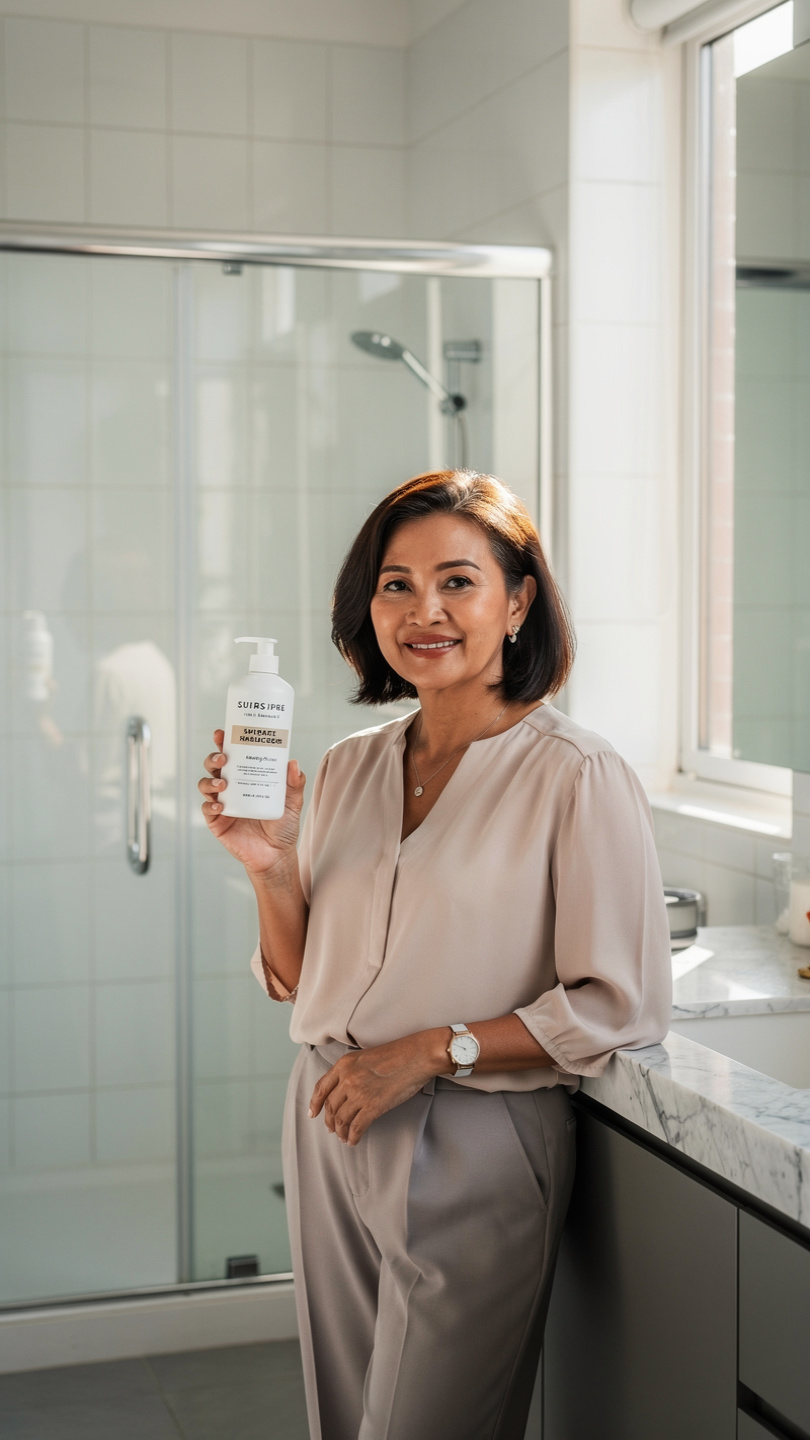
If you’re a woman over 50 dealing with frizz, humidity-induced puffiness, or thinning hair that has lost its youthful bounce, you’ve likely heard about keratin treatments. But what exactly is this smoothing process, and more importantly, is it safe for aging hair that may be more fragile, drier, or even color-treated? In a nutshell, a keratin treatment is a semi-permanent straightening or smoothing service that infuses liquid keratin into the hair cuticle. When done correctly with the right formulation, it is not only safe for women over 50 but can also be transformative—making hair shinier, easier to manage, and visually fuller.
Who Should Avoid Keratin Treatments Over 50
Women with very advanced hair loss or bald patches should skip it.
Keratin treatments can irritate exposed scalps and won’t revive dead follicles; consult a trichologist first.
Those with scalp psoriasis or eczema need medical clearance.
The heat and chemicals can trigger flare-ups; a dermatologist should approve any smoothing treatment.
If you’re undergoing chemotherapy or have recently finished, avoid keratin.
Scalps are hypersensitive and hair is in a regrowth phase; wait at least six months post-treatment.
Below are 10 essential ideas to guide you through the decision.
10 Ideas: Keratin Treatments for Women Over 50 – Safety & Practicalities
1. Keratin treatments rebuild lost protein.
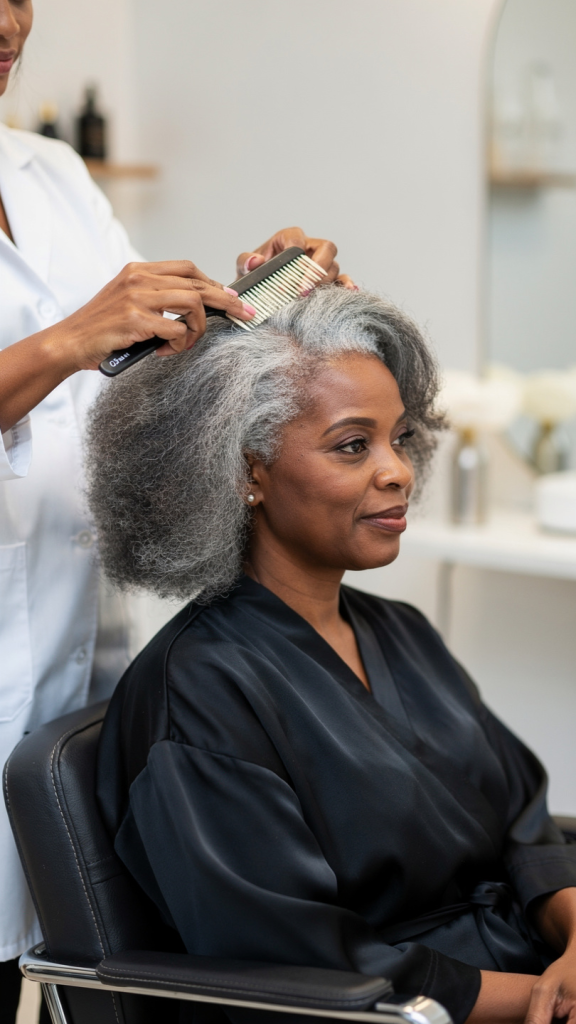
After 50, natural keratin production slows, leaving hair porous and weak; a treatment replenishes this protein, temporarily restoring strength and elasticity.
2. Not all keratin treatments contain harsh chemicals.
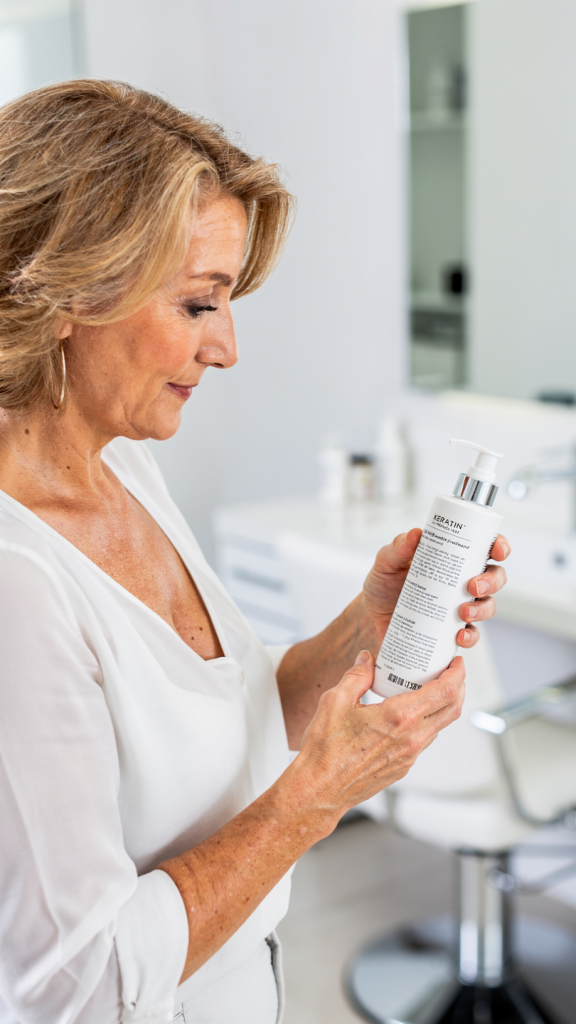
Avoid older formulas with high levels of formaldehyde or methylene glycol—instead, look for “formaldehyde-free” or “glyoxylic acid–based” treatments designed for sensitive or mature hair.
3. The treatment can make thinning hair look fuller.
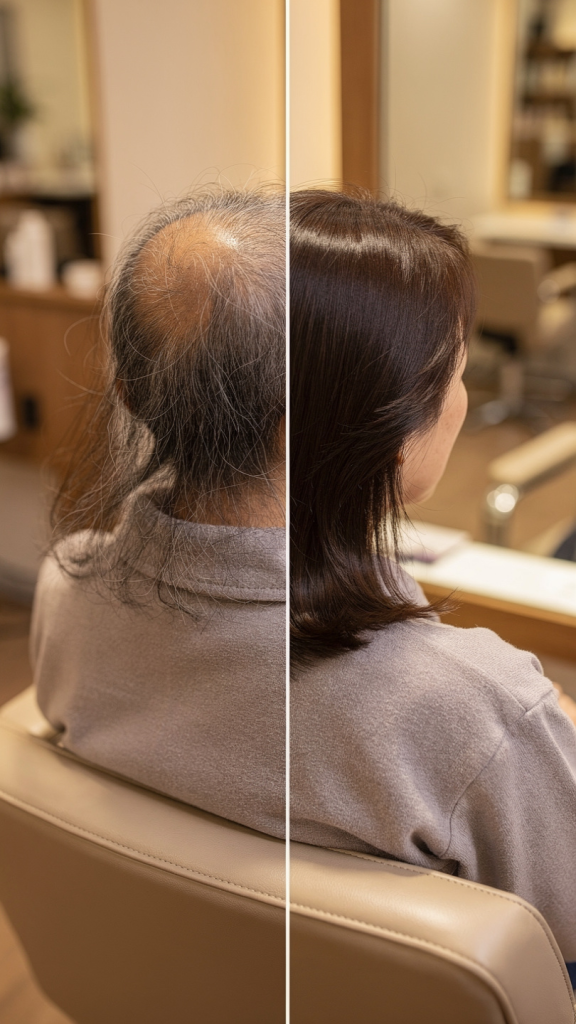
By smoothing the cuticle and eliminating frizz, individual strands lie closer together, creating the optical illusion of denser, healthier hair.
4. It is safe for colored or highlighted hair if done correctly.
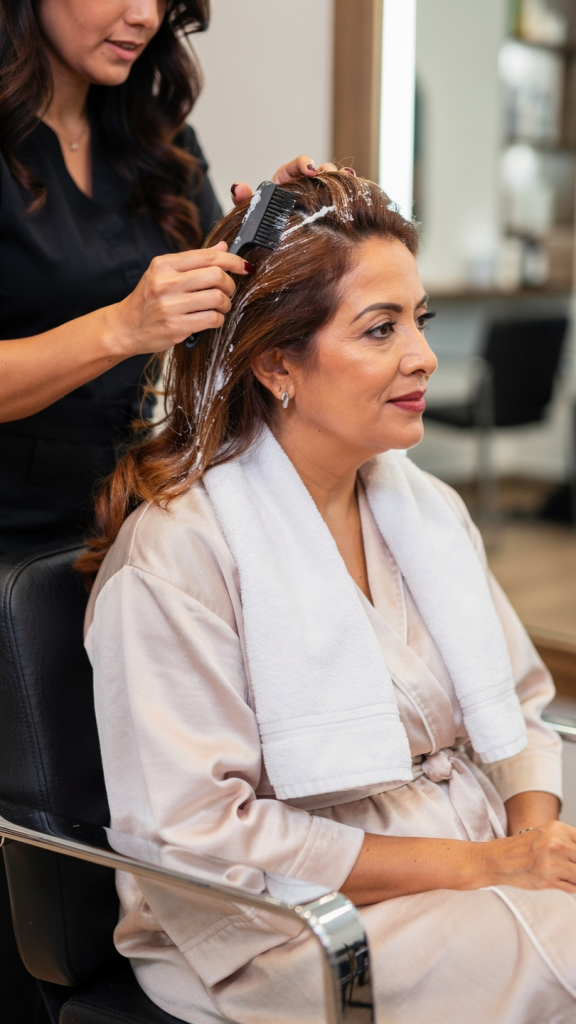
Many sodium-free keratin treatments are formulated to lock in color rather than strip it, but always wait at least two weeks after a fresh dye job.
5. Over-50 scalps are often more sensitive—so patch-test first.
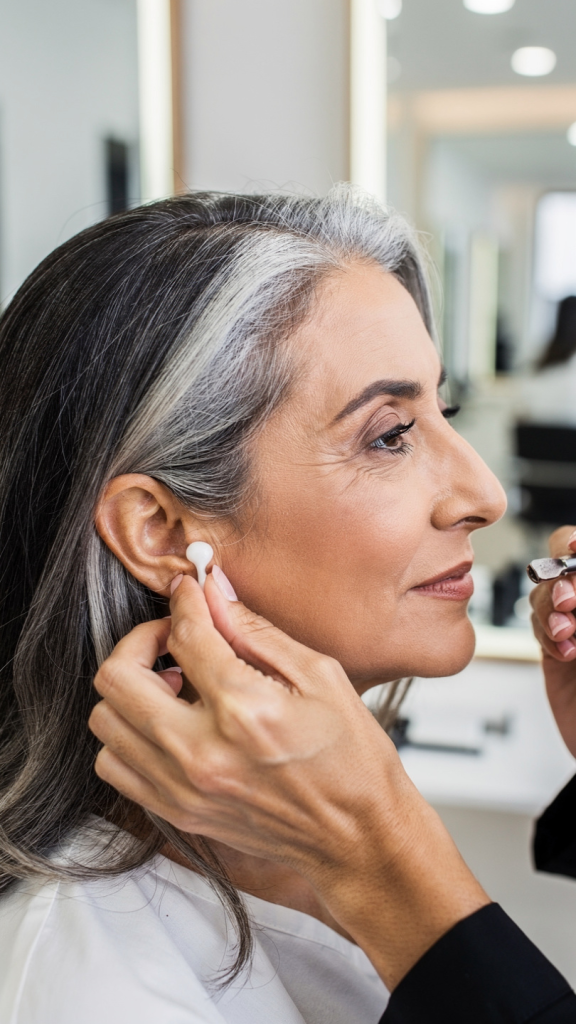
Thinner skin and potential hormonal dryness make patch-testing crucial; apply a small amount behind your ear 48 hours before the full treatment.
6. Heat setting must be lowered for fragile grey or silver hair.
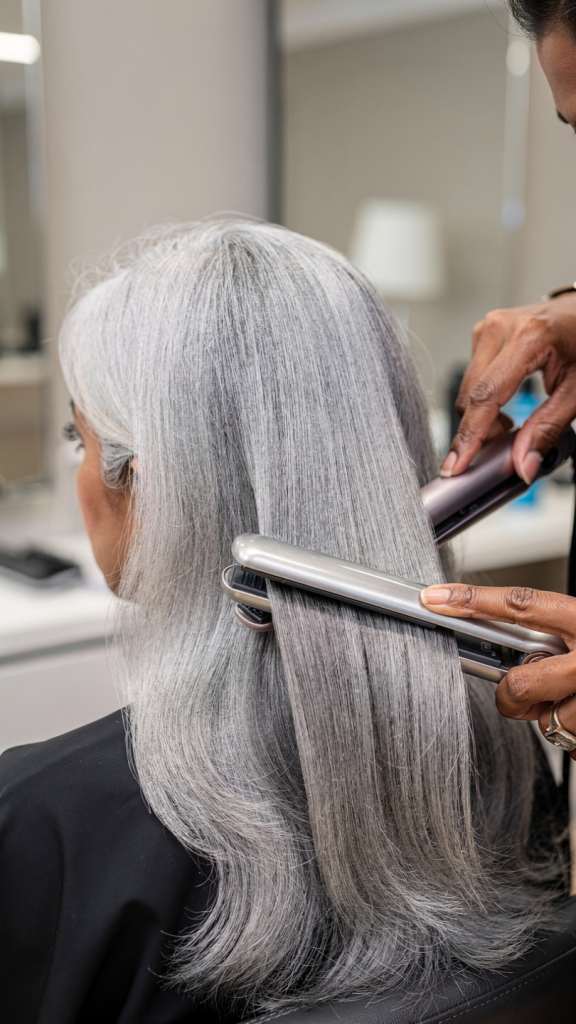
Grey hair tends to be more wiry and brittle; a skilled stylist should use a flat iron at 350–400°F (not the typical 450°F) to prevent breakage.
7. You will lose some volume at the roots—consider a layered cut.
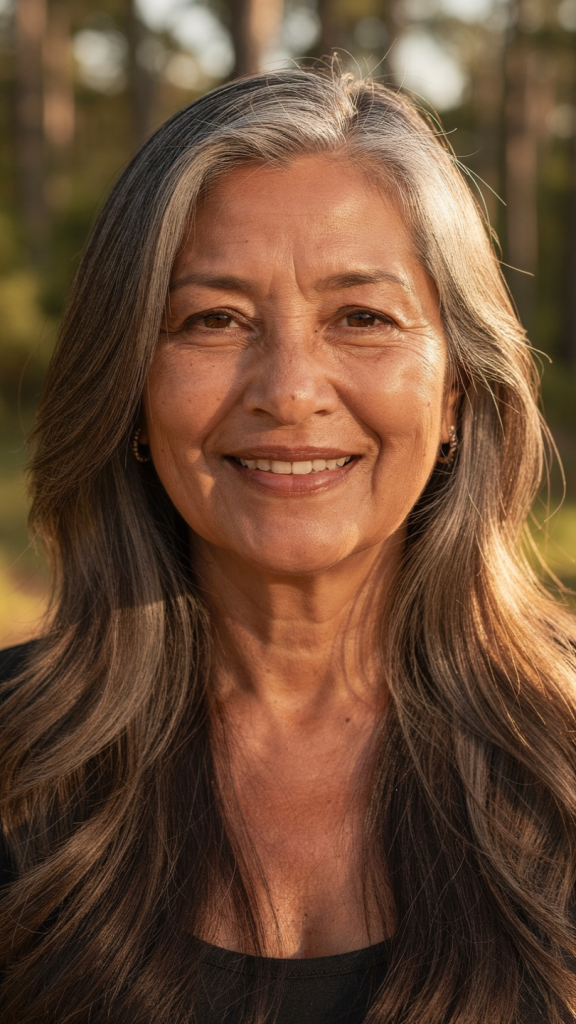
Keratin weighs hair down, which is great for frizz but can flatten crown volume; ask for long layers to keep lift where women over 50 want it most.
8. Aftercare requires sulfate-free and sodium chloride–free products.
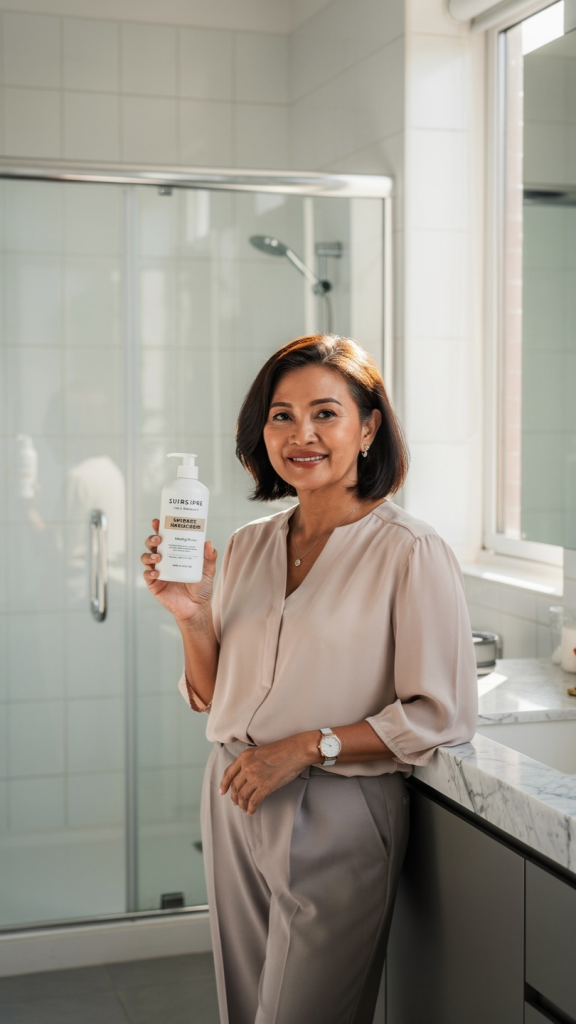
Harsh shampoos strip the keratin, causing rapid re-frizzing; using gentle, moisturizing shampoo and conditioner makes the treatment last 3–5 months.
9. The “no-wash waiting period” (48–72 hours) is non-negotiable.
Washing, tucking hair behind ears, or using clips too soon will create dents and reduce longevity—pin hair up loosely and avoid humidity during this window.
10. Consult a stylist who specializes in mature hair before booking.
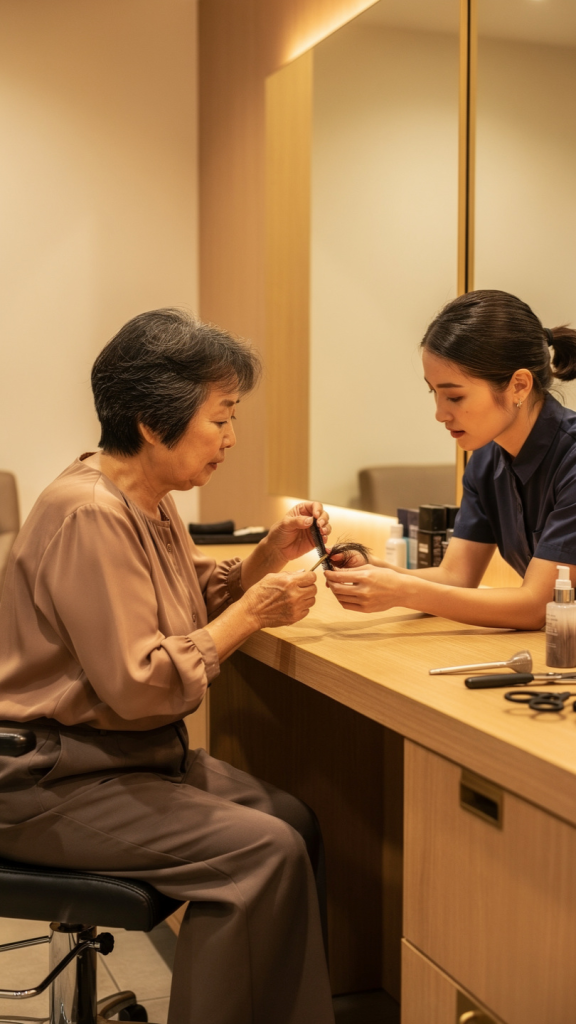
A specialist will assess your hair’s porosity, breakage patterns, and scalp health to choose the lowest-risk keratin formula and heat settings for your age group.
How to Choose the Right Salon and Stylist Over 50
Ask for a patch test and a strand test before booking the full service.
A reputable salon will happily test a small hidden section to check for breakage or allergic reaction.
Read online reviews specifically mentioning “mature hair” or “grey hair.”
Other women over 50 will reveal whether the stylist is gentle, knowledgeable, and uses safe formulas.
Avoid salons that push “extra strong” or “permanent straightening.”
Those terms often hide harsh relaxers or high-formaldehyde formulas unsafe for aging hair.
Alternatives to Keratin Treatments for Women Over 50
Try a keratin-infused deep conditioner mask once a week.
It offers temporary smoothing without heat or chemicals, ideal for very sensitive scalps.
Use a ceramic or tourmaline blow-dry brush for at-home frizz control.
These tools seal the cuticle naturally without chemical straighteners, reducing damage over time.
Apply a few drops of argan or marula oil to damp hair daily.
Natural oils mimic keratin’s smoothing effect by coating the cuticle, with zero risk of chemical irritation.
Consider a “keratin express” or “blowout” treatment instead of full straightening.
These lighter versions last 4–6 weeks, use lower heat, and are gentler on fragile over-50 hair.
Before-and-After Expectations – What Real Women Over 50 Report
Before the treatment: hair feels dry, frizzy, and unmanageable in humidity.
Many women say they spend 30+ minutes daily just trying to tame flyaways.
After the treatment: hair dries 50–70% faster and needs little to no styling.
Most users report cutting their morning routine in half and feeling more confident.
Results fade gradually over 3–5 months, not abruptly.
You won’t wake up one day with full frizz; the smoothness slowly softens, which feels natural.
Second and third treatments often last longer than the first.
As protein builds up in the hair shaft, many women over 50 report 5–6 months of results.
Cost and Maintenance Realities for Women Over 50
Expect to pay 150–150–500 depending on hair length and formula.
Long or very thick hair costs more; formaldehyde-free versions are usually pricier but safer.
Budget for sulfate-free shampoo, conditioner, and a silk pillowcase.
These aftercare items add 50–100 upfront but double the treatment’s lifespan.
Avoid swimming in chlorine or saltwater for at least two weeks post-treatment.
Both strip keratin rapidly; wear a swim cap if you must swim, and rinse immediately after.
Re-touch only the regrowth (roots) after 3–4 months, not the whole head.
This saves money and prevents over-processing the already-treated lengths.
Conclusion
Keratin treatments can be a safe, confidence-boosting option for women over 50—provided you choose the right formula, stylist, and aftercare routine. Aging hair is often drier, more fragile, and more sensitive than younger hair, but that doesn’t mean you have to live with frizz or daily styling battles. By opting for formaldehyde-free treatments, lowering heat settings, patch-testing first, and committing to sulfate-free maintenance, you can enjoy smoother, shinier, and more manageable hair for months at a time. However, if you have significant hair loss, scalp conditions, or recent chemotherapy, alternatives like keratin masks, natural oils, or express blowouts may be wiser first steps. Ultimately, listen to your hair and consult a stylist who respects mature hair’s unique needs. With the right precautions, a keratin treatment can help you look and feel like the vibrant, polished woman you are—at 50, 60, 70, and beyond.
Leave a Reply