
As we age, hormonal changes (especially during and after menopause) can make hair drier, finer, and more prone to frizz. But frizz isn’t something you have to live with—by adjusting your hair care routine to focus on moisture, gentle handling, and the right products, you can restore smoothness, shine, and manageability at any age.
Best Product Ingredients to Look For
AI image search prompt: "Flat lay of hair care products for frizzy hair including argan oil, shea butter, and silk pillowcase"
| Ingredient | Benefit for Women Over 50 |
|---|---|
| Argan oil | Seals moisture, adds shine without heaviness |
| Shea butter | Deeply hydrates coarse, dry strands |
| Keratin | Repairs protein loss, smooths cuticle |
| Glycerin | Attracts moisture from air (good for low humidity) |
| Coconut oil | Penetrates hair shaft to reduce protein loss |
| Aloe vera | Soothes scalp and adds lightweight hydration |
Avoid: Sulfates, alcohol (Denat., SD alcohol), silicones (if not water-soluble), and synthetic fragrances.
10 Ideas to Get Rid of Frizzy Hair for Women Over 50
1. Switch to a sulfate-free, moisturizing shampoo.
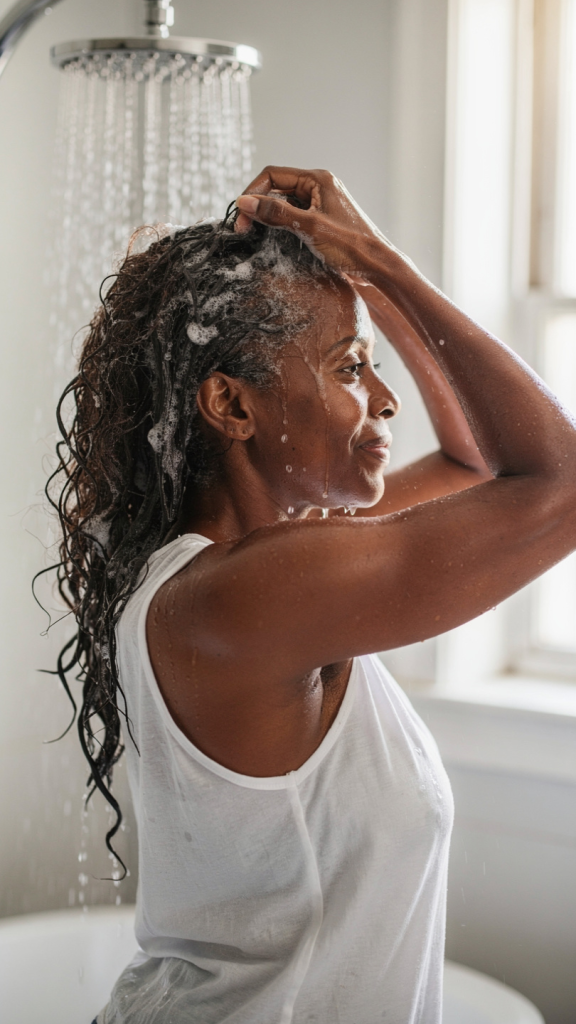
Sulfates strip natural oils, worsening dryness and frizz; a gentle, hydrating shampoo preserves your hair’s protective barrier.
2. Always use a nourishing conditioner, focusing on mid-lengths to ends.
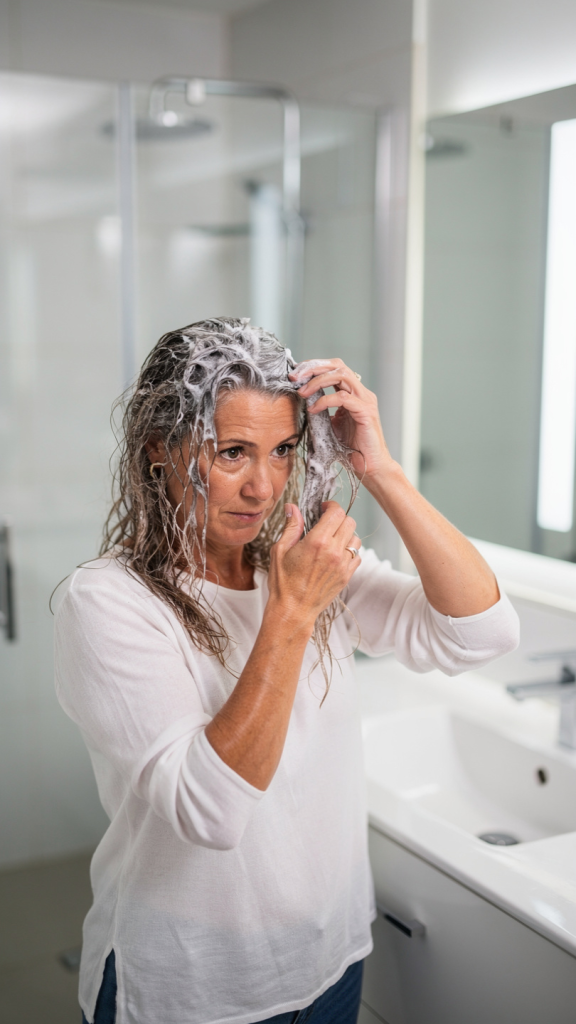
Conditioner seals the cuticle and adds essential moisture—older hair needs this step more than ever to prevent flyaways.
3. Apply a leave-in conditioner or frizz serum on damp hair.
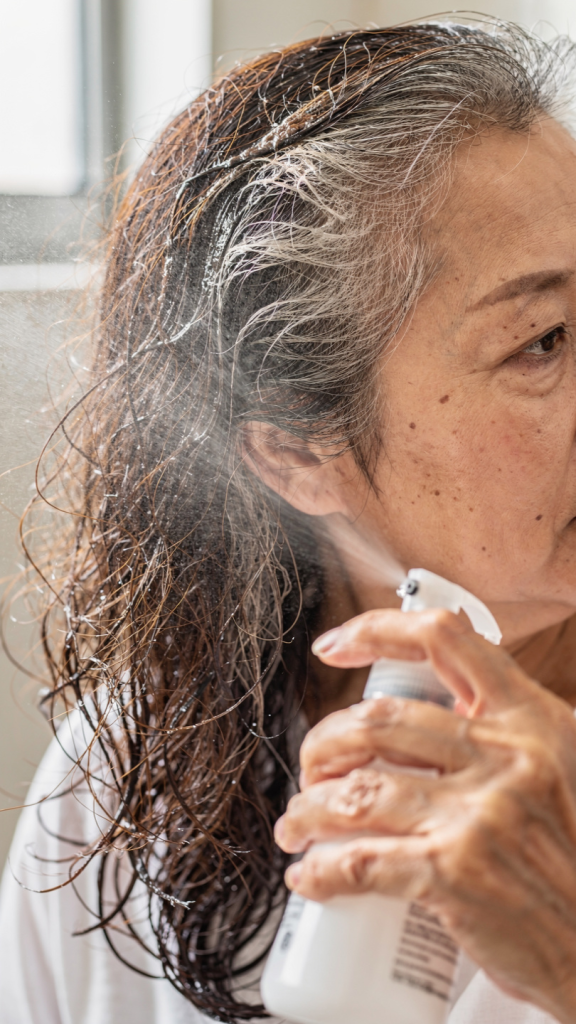
These products create a weightless shield against humidity and lock in hydration without weighing down fine, mature hair.
4. Replace regular towels with a microfiber towel or soft T-shirt.
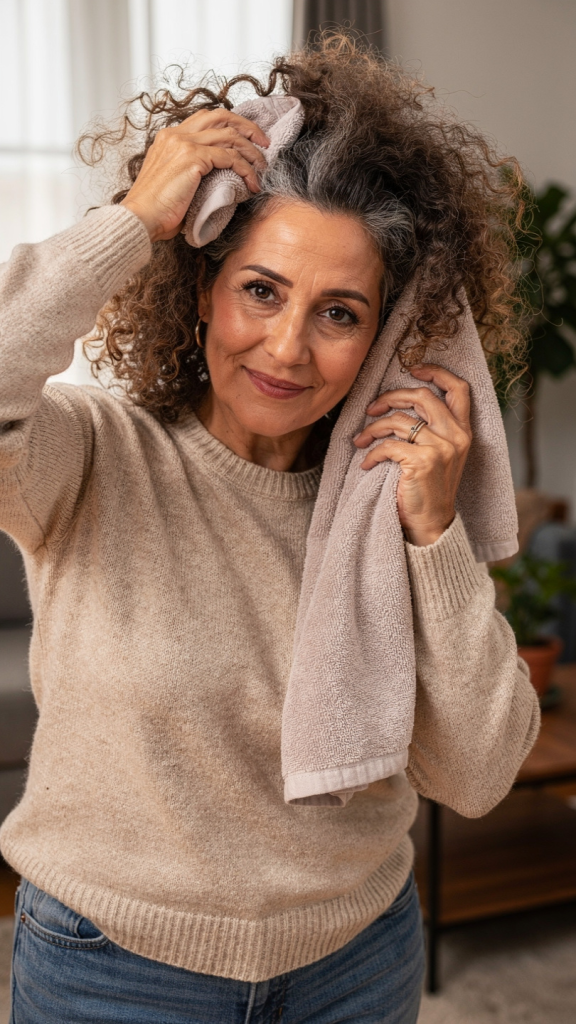
Rough terry cloth fibers lift the cuticle and cause friction; microfiber gently absorbs water without creating static or breakage.
5. Limit heat styling and always use a heat protectant.
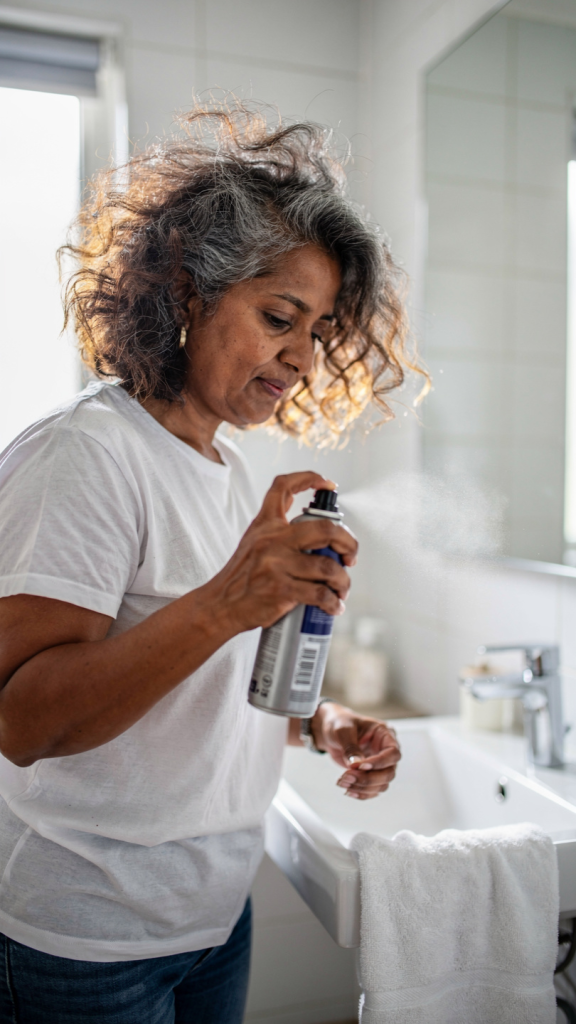
Heat accelerates moisture loss and brittleness; a protectant spray or cream buffers hair from damage while smoothing the shaft.
6. Sleep on a silk or satin pillowcase.
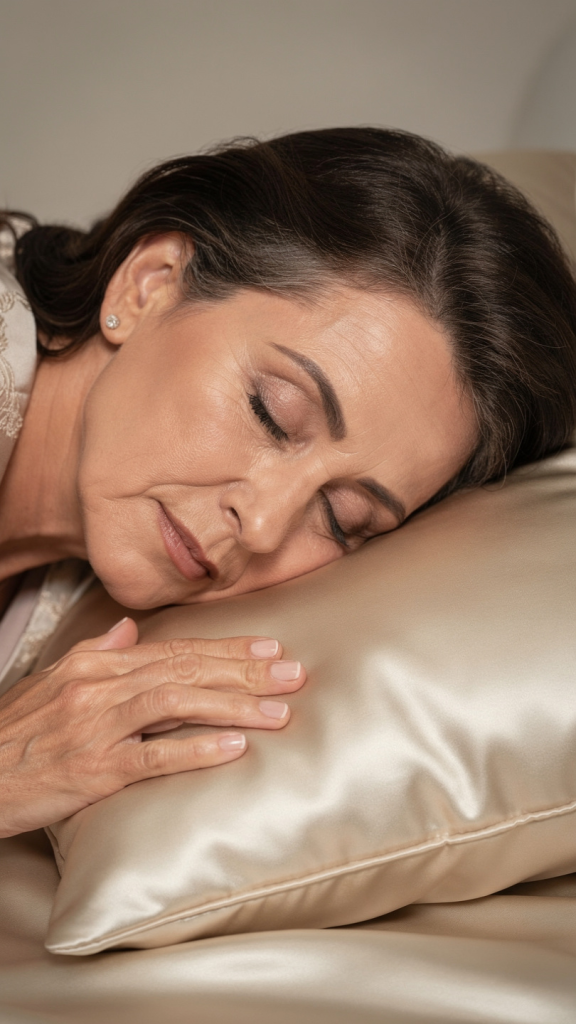
Cotton creates friction overnight, leading to bedhead frizz—silk reduces tugging, preserves hairstyles, and keeps hair sleek.
7. Deep condition weekly with a hydration mask.
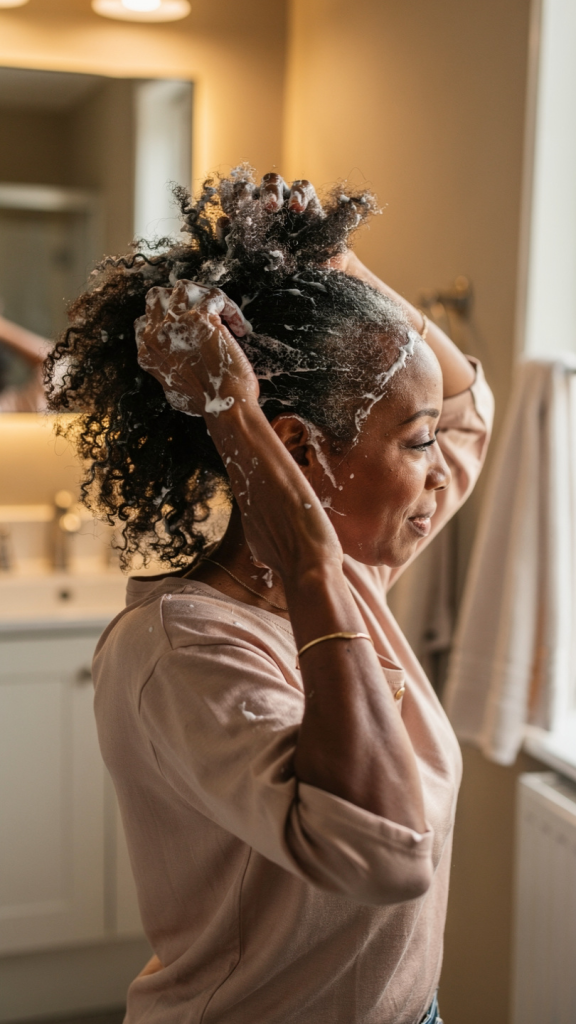
A weekly mask replenishes lipids and proteins that naturally decline after 50, repairing dryness at the source.
8. Get regular trims every 6–8 weeks.
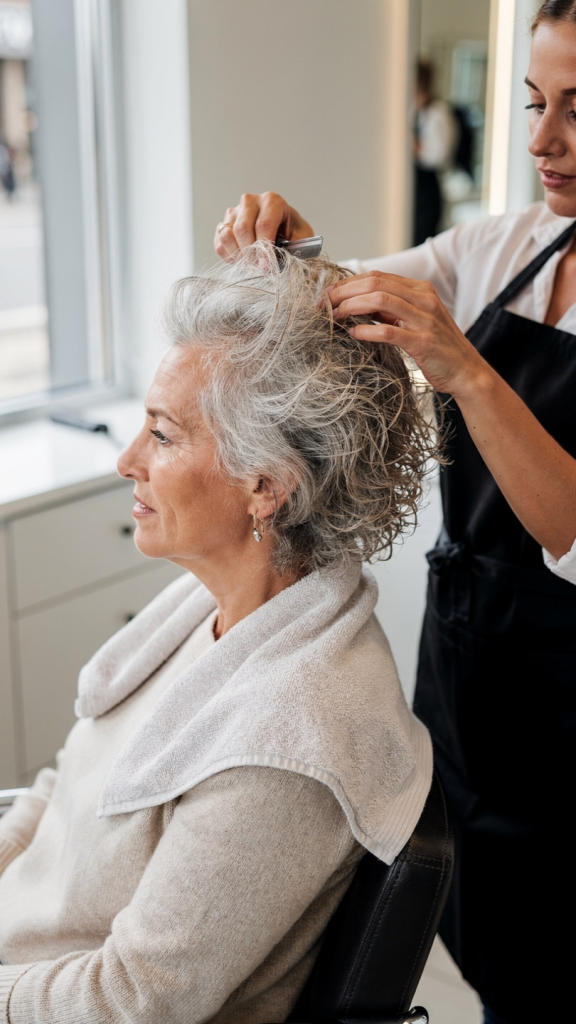
Split ends travel up the hair shaft, making frizz look worse; frequent trims keep ends blunt, healthy, and smooth.
9. Rinse with cool (not cold) water after conditioning.
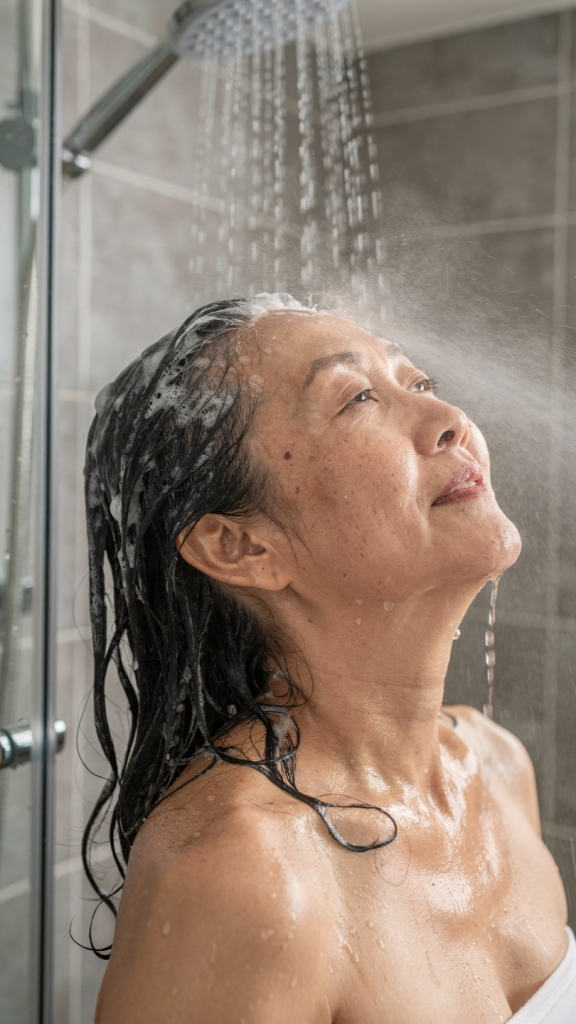
Cool water flattens the hair cuticle, trapping moisture inside and boosting shine without shocking the scalp.
10. Try a lightweight, non-greasy oil (like argan or jojoba) on dry ends.
A drop or two of oil seals split ends instantly, adds softness, and controls flyaways without flattening volume.
Lifestyle & Diet Tips for Frizz Control
AI image search prompt: "Woman over 50 drinking water and eating salmon and walnuts at kitchen table, healthy lifestyle"
- Stay hydrated: Drink 8+ glasses of water daily to keep hair hydrated from within.
- Boost omega-3s: Salmon, walnuts, and flaxseeds nourish hair follicles and reduce dryness.
- Take biotin or collagen supplements: Supports hair strength and elasticity (consult your doctor first).
- Use a humidifier at home: Adds moisture to dry indoor air, preventing static frizz.
- Avoid over-brushing: Brush only when necessary using a boar-bristle brush to distribute natural oils.
Quick Morning Frizz Fix (Under 5 Minutes)
AI image search prompt: "Woman over 50 spraying water bottle on frizzy hair and smoothing with hands, morning routine"
- Lightly mist hair with water or a mix of water + leave-in conditioner.
- Smooth a pea-sized amount of anti-frizz serum or argan oil over the surface.
- Gently finger-comb or use a wide-tooth comb.
- If needed, use a cool shot from a hairdryer (with nozzle attachment) to seal cuticles.
Conclusion
Frizzy hair after 50 isn't a sign of aging poorly—it's simply a sign that your hair needs a different kind of care. By switching to moisturizing, sulfate-free products, adopting gentle drying and sleeping habits, and incorporating weekly deep conditioning, you can dramatically reduce frizz and restore softness, shine, and manageability. Remember that consistency matters more than any single product. Start with two or three changes from this list, then build from there. Your hair at 50+ can be just as smooth, vibrant, and beautiful as it was in your younger years—sometimes even more so, because now you know exactly what it needs.


Leave a Reply