
If you’re a woman over 50 with thin, fine hair, you’ve likely heard the old myth that “layering will make your hair look even thinner.” The truth? Strategic layering is one of the best things you can do. The key is not how many layers you add, but where and how they are cut.
When fine hair is left all one length, it often falls flat, clinging to the scalp. The right layers remove excess weight, allowing the hair to lift at the roots and move with natural body. They create the illusion of density, texture, and bounce—without sacrificing the integrity of your ends.
Below are 19 expertly crafted layered hairstyles, from wash-and-wear short cuts to soft, face-framing longer styles. Each idea focuses on volume, easy maintenance, and modern sophistication.
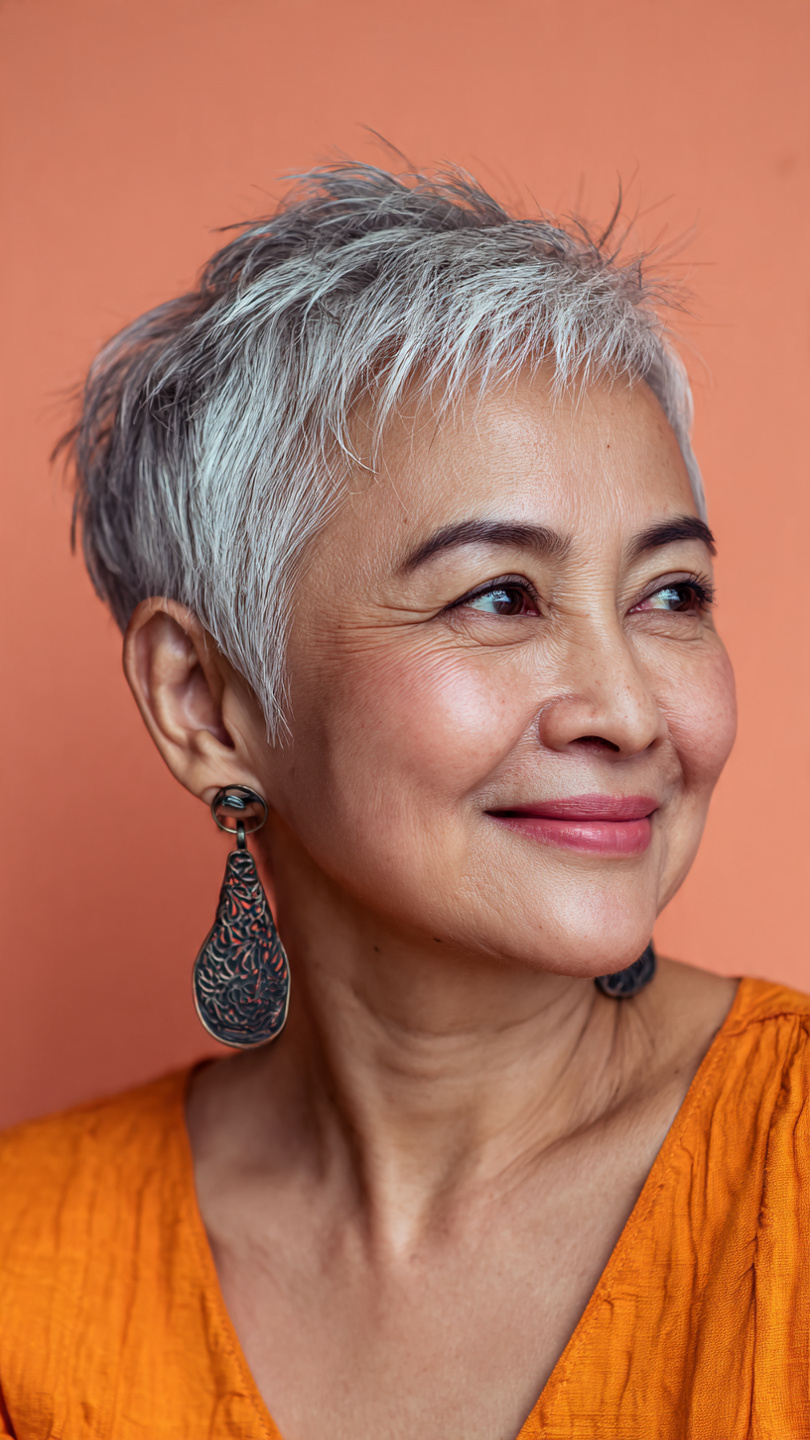
1. The Short, Layered Pixie with Fringe
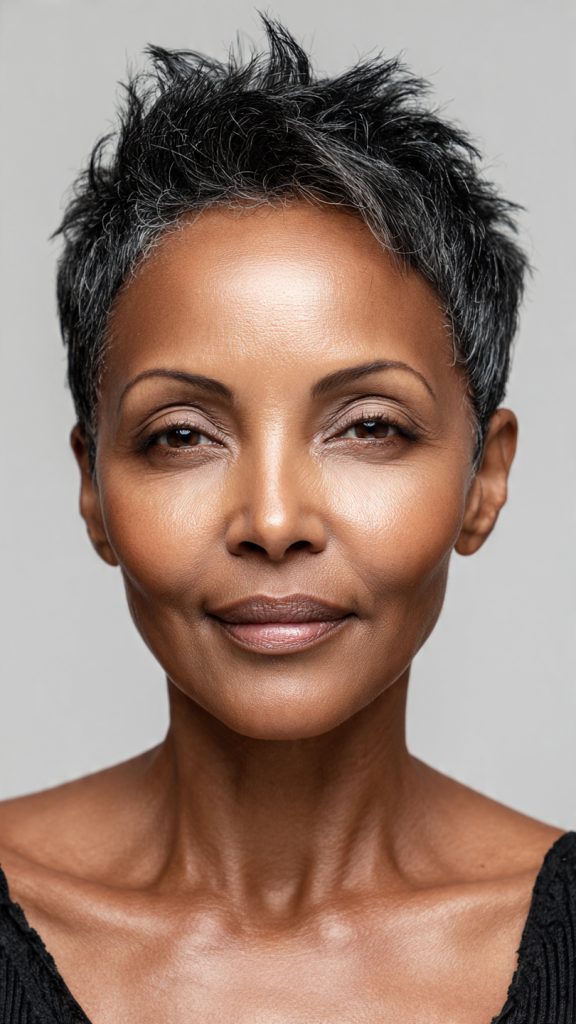
- Why it works: Short layers remove maximum weight, lifting fine hair instantly. A textured fringe (bangs) conceals a thinning hairline and adds density around the forehead.
- Styling tip: Rub a pea-sized amount of volumizing mousse into damp roots. Blow-dry forward with a small round brush.
2. The Classic Layered Bob (Chin-Length)
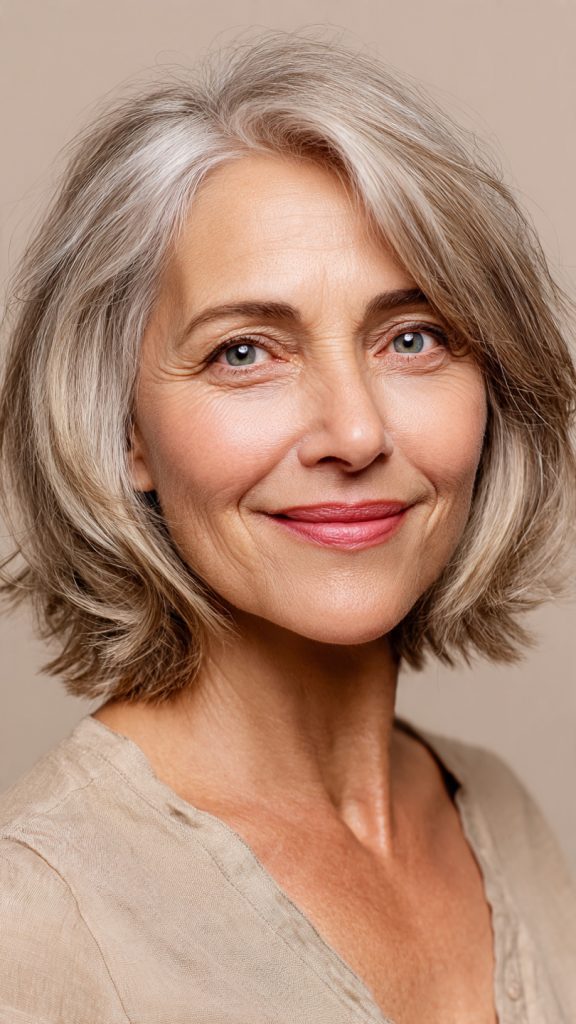
- Why it works: A chin-length bob with subtle internal layers prevents the “triangle head” effect. The layers are stacked slightly at the back for nape lift.
- Styling tip: Use a vent brush while blow-drying to keep roots upright. Finish with a light dry texture spray.
3. The “Piecy” Crop with Disconnected Layers
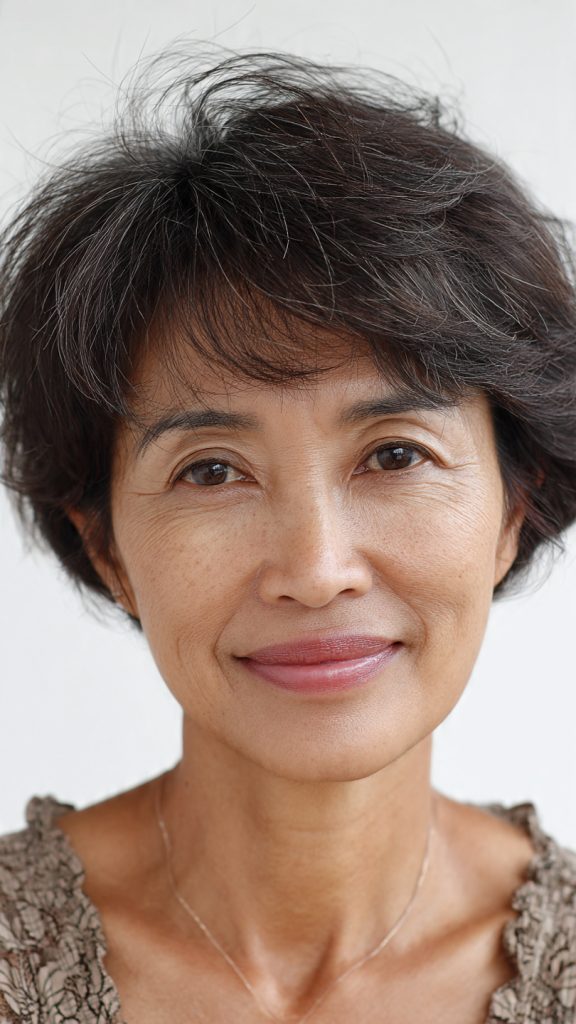
- Why it works: Disconnected (choppy) layers create deliberate separation, making fine hair look edgy and full rather than sparse.
- Styling tip: Work a tiny amount of pliable paste between fingertips and pinch ends into pieces.
4. The Long-Layered Lob (Long Bob)
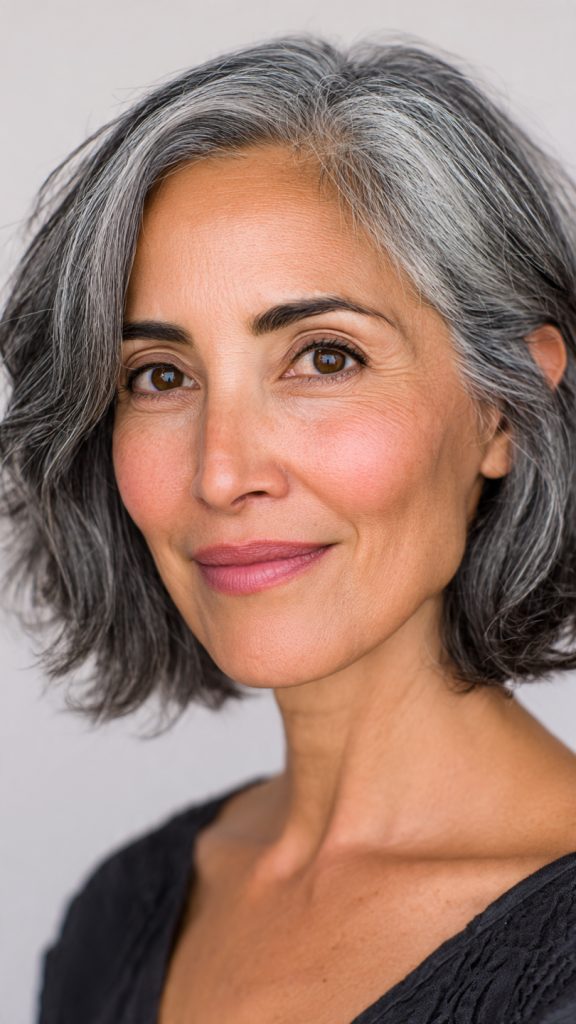
- Why it works: A lob that falls just above the shoulders uses long, gentle layers. This keeps the perimeter weighty while adding movement through the mid-lengths.
- Styling tip: Add velcro rollers at the crown for 10 minutes after blow-drying for lasting lift.
5. The Asymmetrical Layered Cut
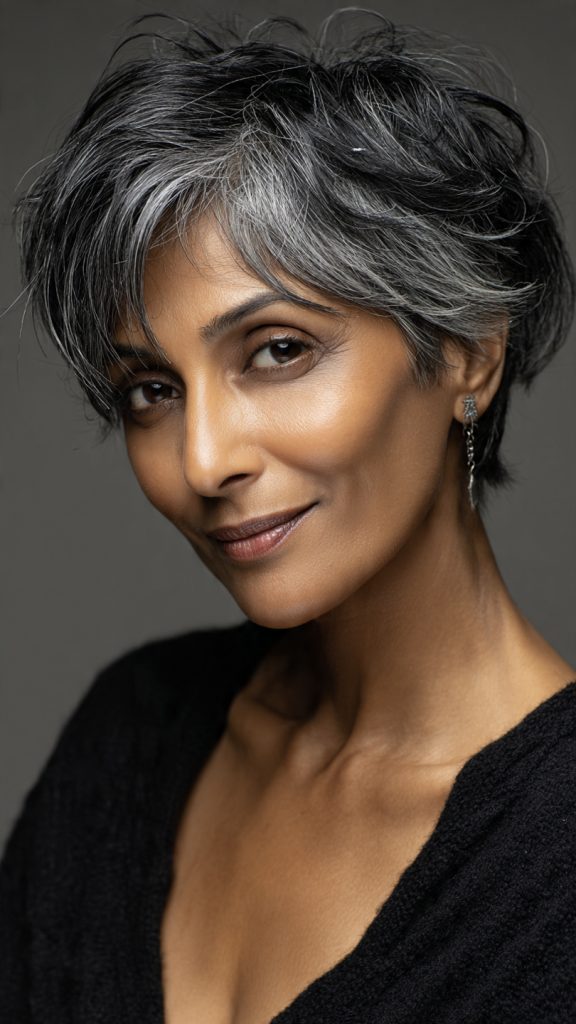
- Why it works: One side slightly longer than the other tricks the eye into seeing more volume. Asymmetry also distracts from any uneven density.
- Styling tip: Tuck the shorter side behind one ear to highlight the angle.
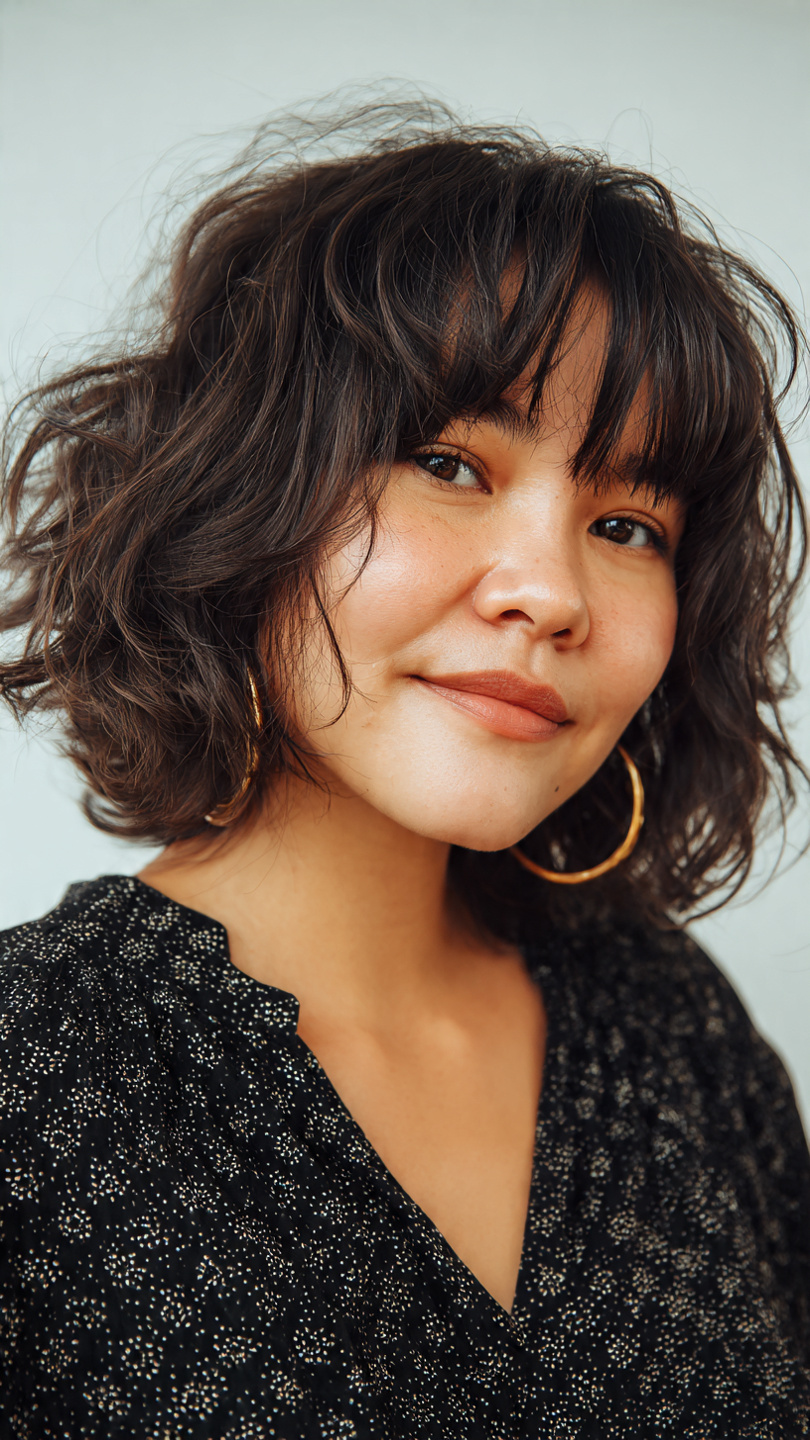
6. The Feathered Shag
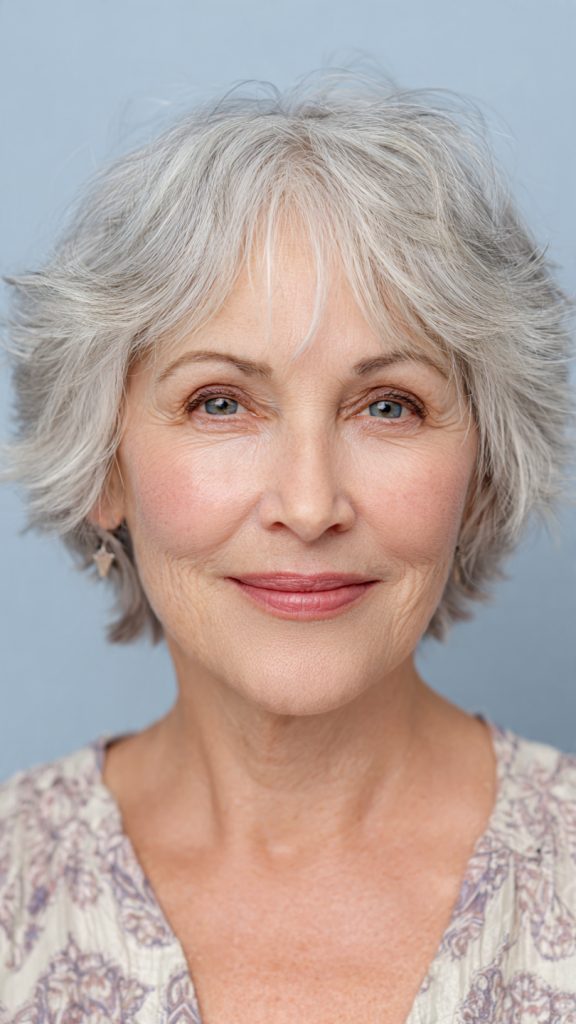
- Why it works: A modern shag uses wispy, feathery layers throughout. The abundance of texture gives fine hair a “bedhead” fullness that doesn’t look thin.
- Styling tip: Scrunch in a salt-free wave spray and air-dry for effortless volume.
7. The Layered French Bob (Ear-Length)
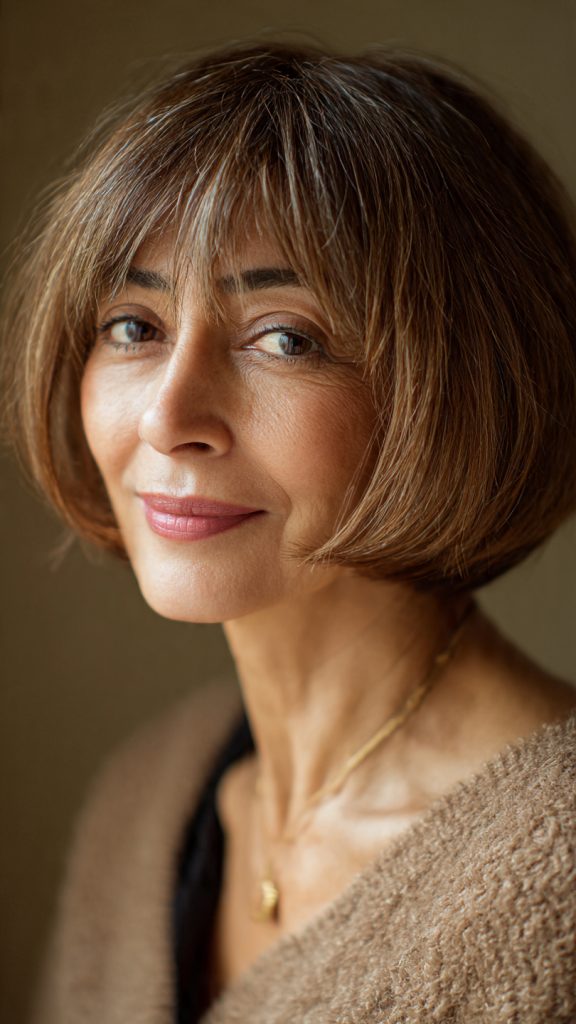
- Why it works: This blunt-but-layered bob ends at the earlobe. Micro-layers underneath prevent the cut from looking heavy, while the blunt edge creates the illusion of thicker ends.
- Styling tip: Keep the fringe soft and piecey. A flat iron is too harsh—use a round brush only.
8. The Graduated Stacked Bob
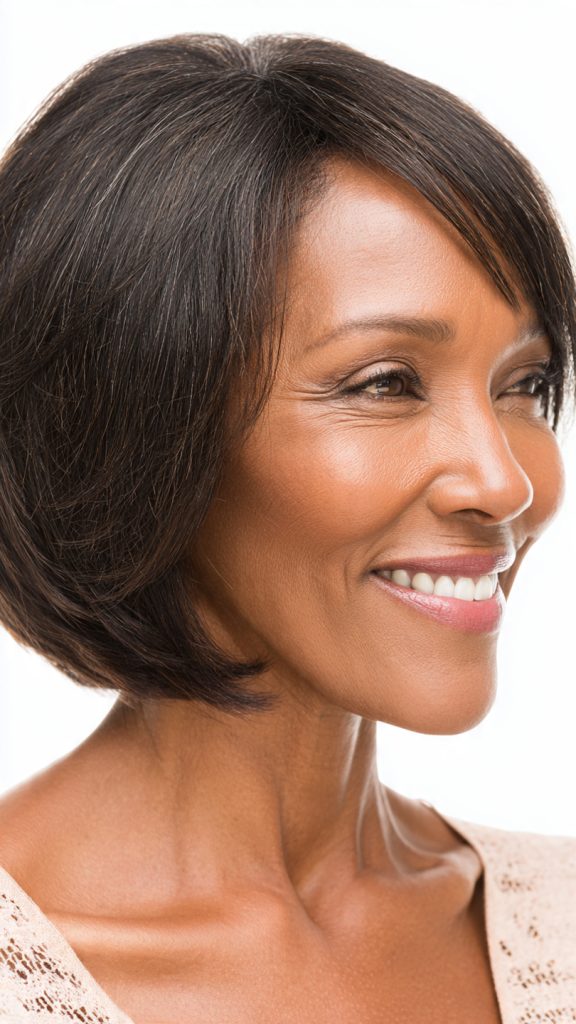
- Why it works: Stacked layers in the back create a shelf of volume at the crown. The front remains slightly longer for softness around the face.
- Styling tip: Blow-dry the stacked area with a small brush, rolling under slightly at the nape.
9. The Wispy Layered Cut with Side-Swept Bangs
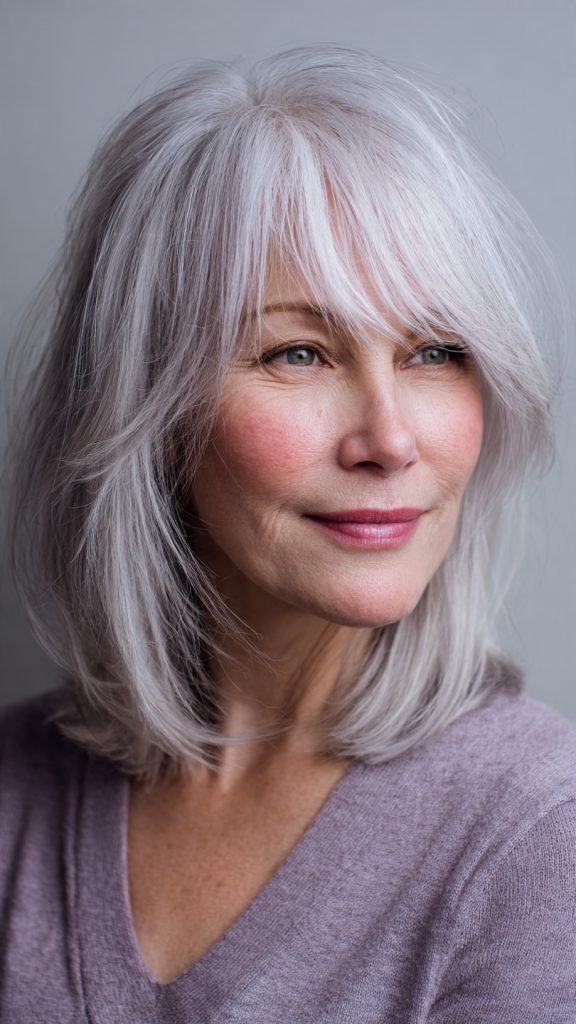
- Why it works: Fine, wispy layers throughout the top and sides reduce bulk while side-swept bangs add diagonal movement, drawing eyes away from thinning areas.
- Styling tip: Blow-dry bangs to the opposite side first, then sweep back for extra lift at the root.
10. The Mini-Mullet (Modern, Subtle Version)
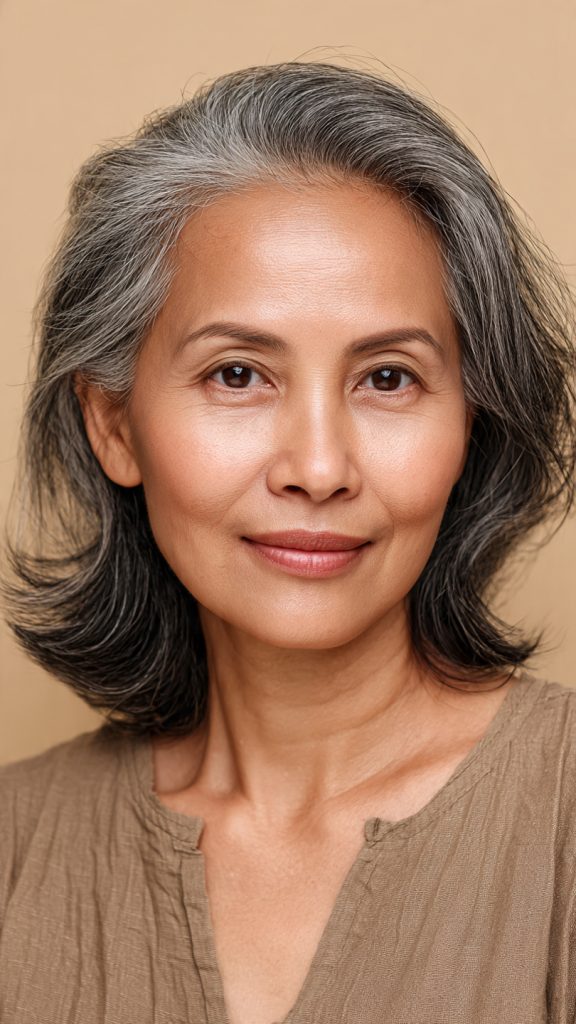
- Why it works: A soft mullet keeps short, tight layers on top and longer, thinner pieces at the nape. This preserves volume where you need it most—the crown.
- Styling tip: Use a root-lifting powder at the crown for instant grit and height.
11. The Layered Italian Bob
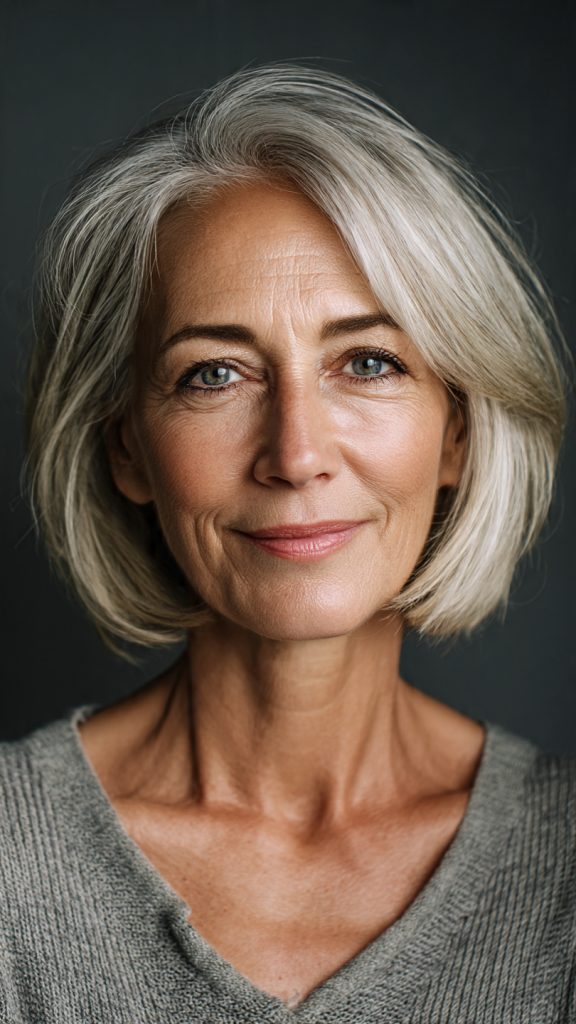
- Why it works: The Italian bob is rounded and slightly longer in front. Internal layers are cut with a razor (on fine hair, carefully) to create soft, airy movement without losing shape.
- Styling tip: Blow-dry with a mixed-bristle round brush, directing all hair slightly forward.
12. The Textured Bowl Cut (Grown-Up Version)
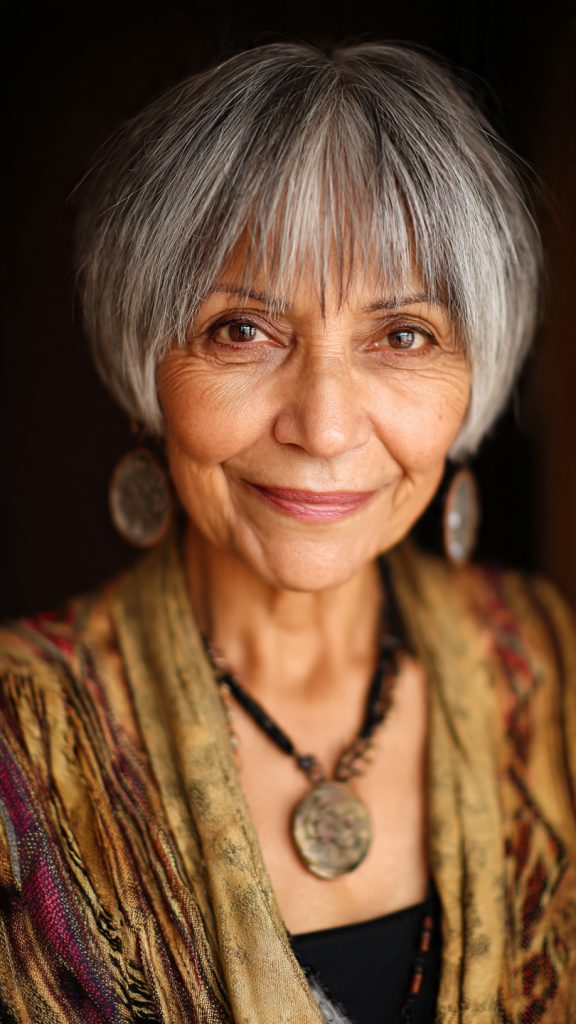
- Why it works: Yes, a bowl cut—but modernized. The key is heavy, textured layering through the crown and nape so it looks intentional and chic, not severe.
- Styling tip: This cut shines with a glossy serum on the ends and a matte texture on the roots.
13. The Soft Mohawk (Layered Fade)
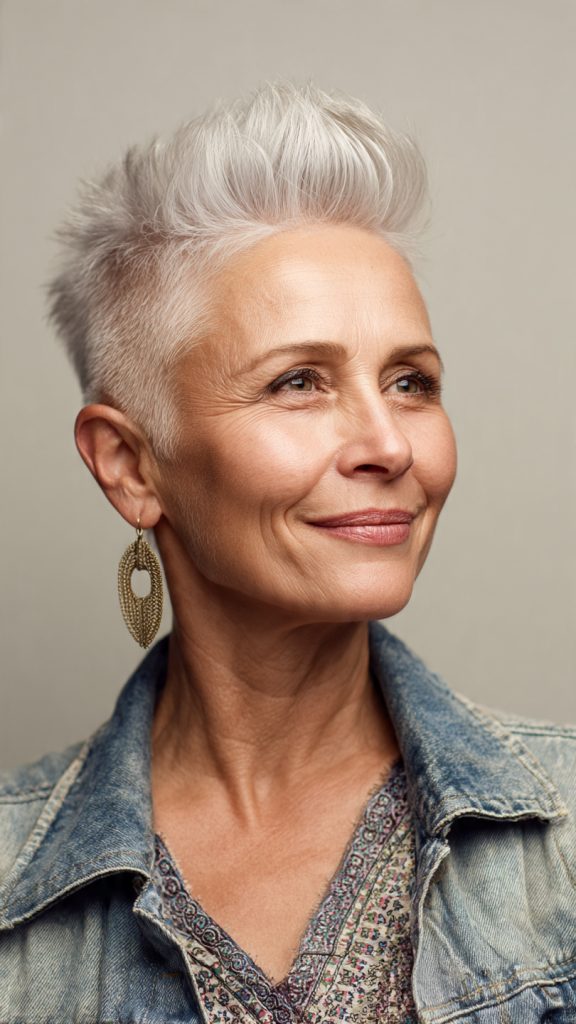
- Why it works: A strip of longer, layered hair down the center of the head, with very short or faded sides. This central volume creates dramatic fullness on fine hair.
- Styling tip: Use a tiny bit of volumizing foam only on the center strip, then blow-dry straight up.
14. The Long Layered Cut with Curtain Bangs
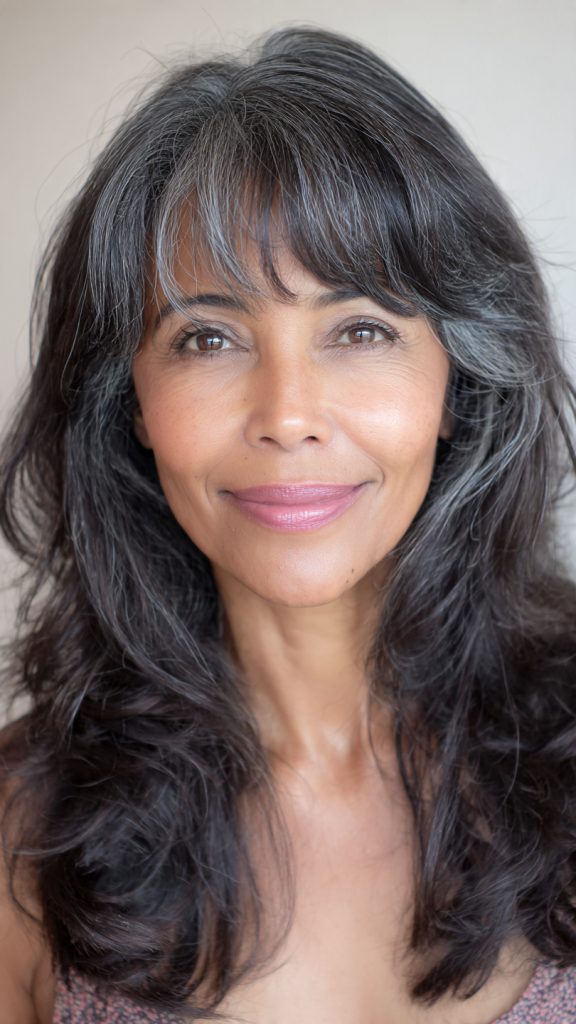
- Why it works: For women who prefer shoulder-length or longer, long layers prevent the hair from clinging to the scalp. Curtain bangs open up the face and add width at the temples.
- Styling tip: Blow-dry curtain bangs away from the face using a large round brush, rolling backward.
15. The Cropped, Layered “Boy Cut” with Texture
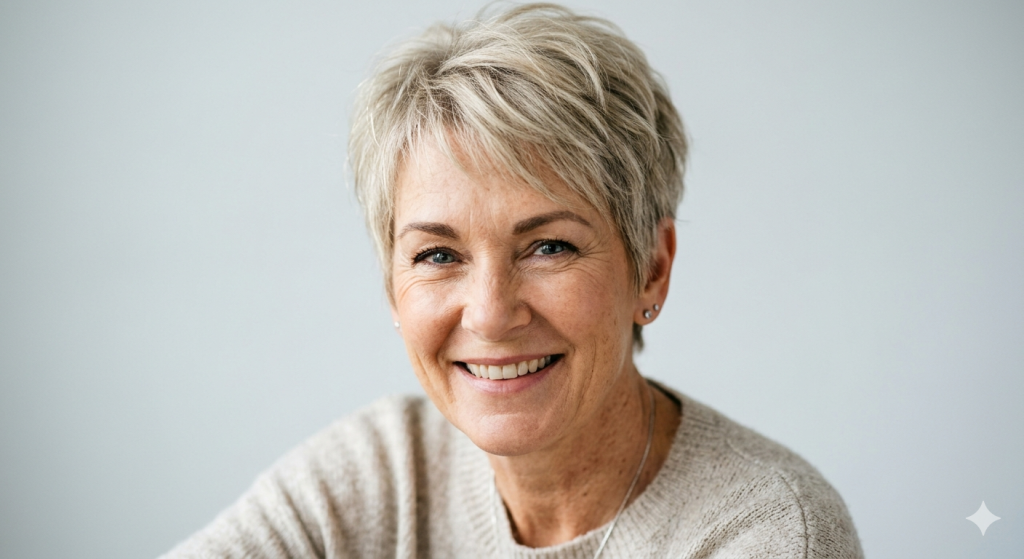
- Why it works: Extremely short on the sides and back, with finger-length layered pieces on top. This removes all weight, so fine hair stands up naturally.
- Styling tip: Rub a drop of grooming tonic between palms and rake through the top layers.
16. The Layered A-Line Bob
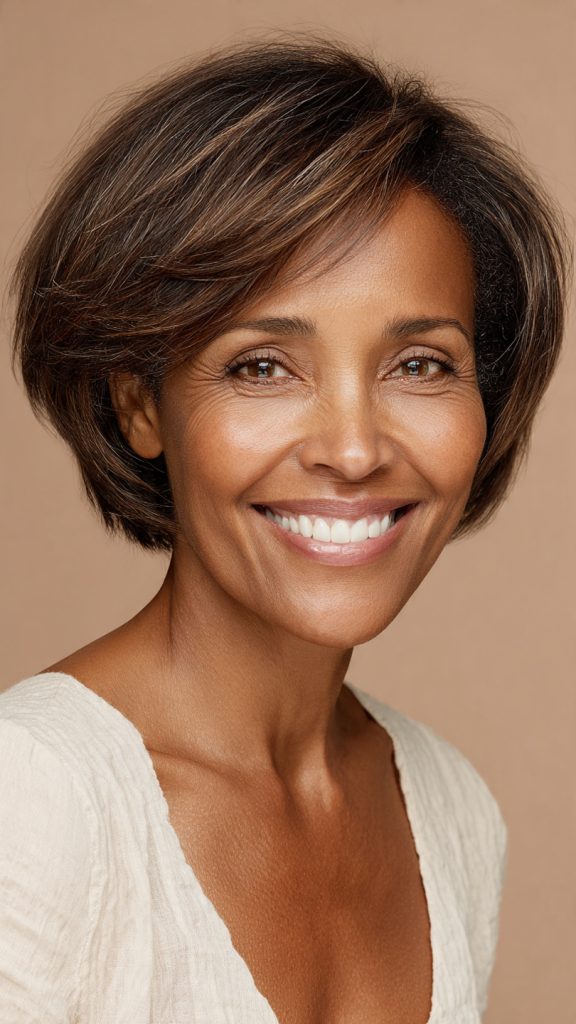
- Why it works: Shorter in the back, longer in the front. The stacked layers in the back create crown volume, while the angled front adds length and sophistication.
- Styling tip: Flat iron only the front longer pieces; leave the back naturally blown-dry for body.
17. The “Lived-In” Layered Cut (Minimalist Styling)
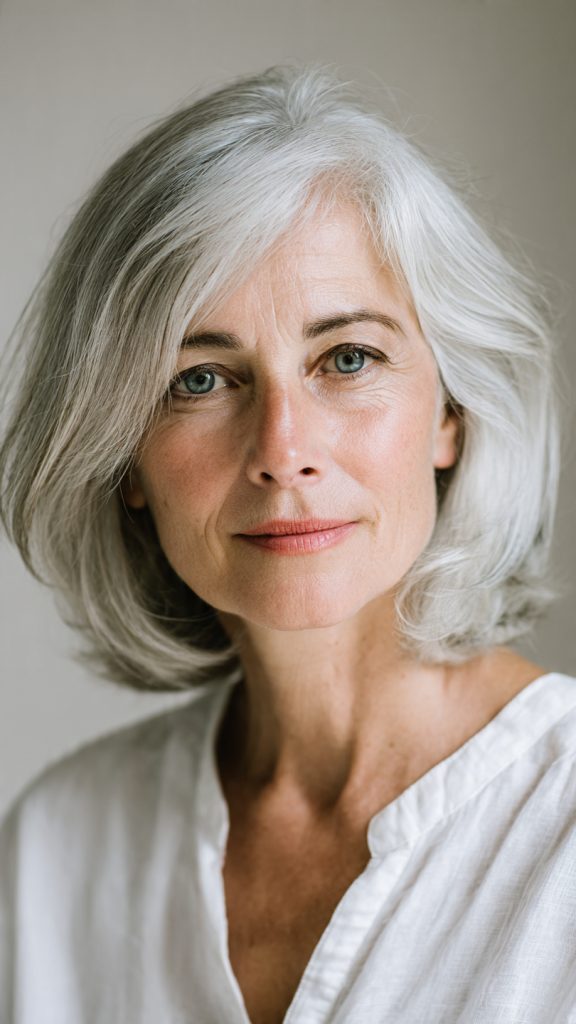
- Why it works: This cut uses soft, rounded layers that follow your natural growth patterns. No harsh lines means fine hair doesn’t look “cut thin.”
- Styling tip: Wash at night, sleep on slightly damp hair, and shake out in the morning. No heat needed.
18. The Layered Bixie (Bob + Pixie Hybrid)
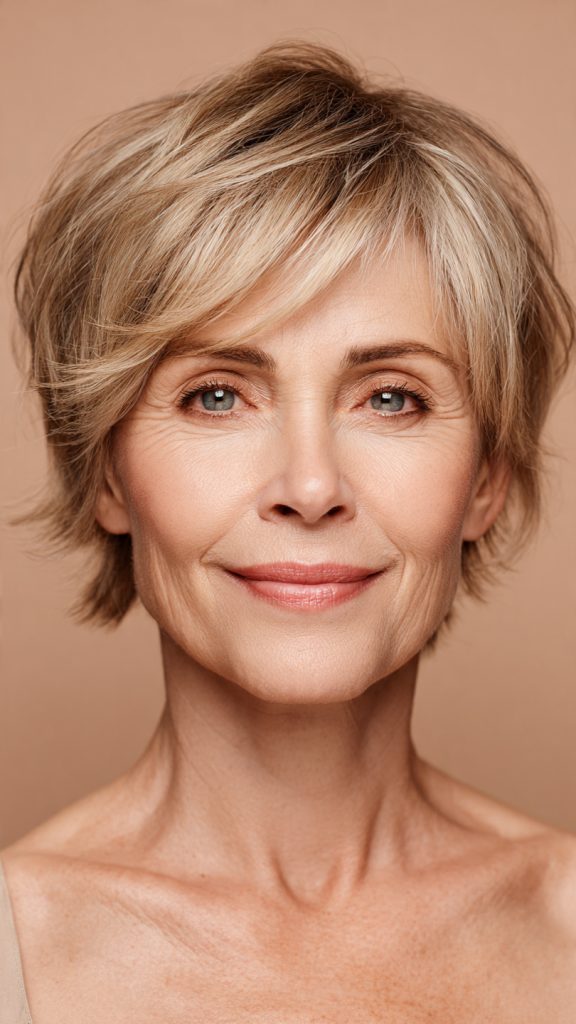
- Why it works: Longer than a pixie but shorter than a bob. Dense layering through the crown and nape provides the best of both worlds: the lift of a pixie and the softness of a bob.
- Styling tip: Use a small flat brush to lift roots while blow-drying forward, then tousle with fingers.
19. The Curly or Wavy Layered Cut (for Naturally Textured Fine Hair)
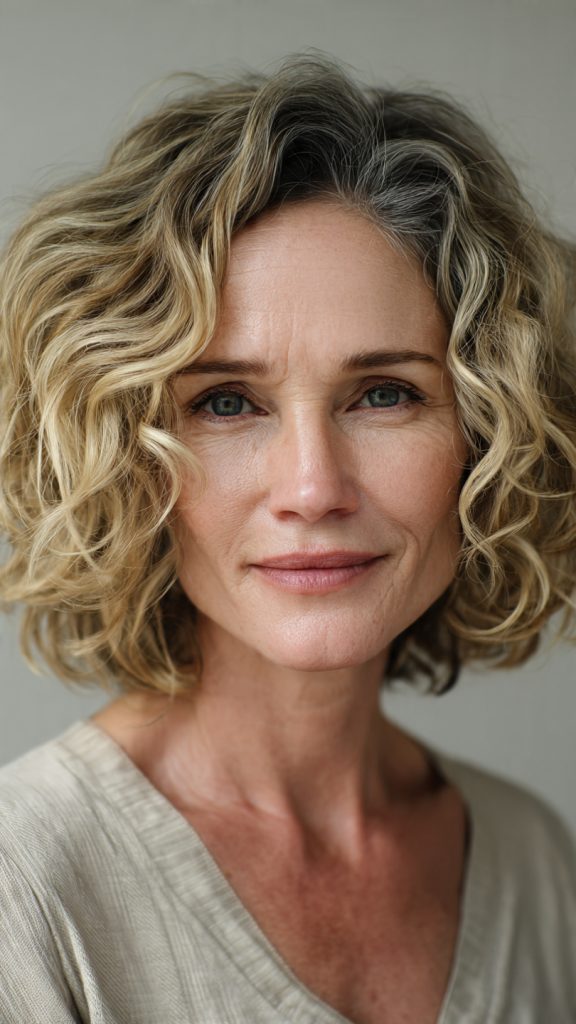
- Why it works: If your fine hair has any wave or curl, dry-cutting layers by curl pattern releases spring and volume. Layers prevent the curls from being pulled straight by their own weight.
- Styling tip: Diffuse upside down with a heat protectant, then scrunch out the crunch with a drop of lightweight oil.
What to Ask Your Stylist (The Exact Language for Thin, Fine Hair)
Bringing a photo is helpful, but knowing the words to say is powerful. Use these phrases during your consultation:
- “I want internal layers, not surface layers.” (Internal layers are hidden underneath the top layer of hair. They remove weight without making the top look choppy or thin.)
- “Please point-cut, don’t slide-cut.” (Point-cutting creates soft, textured ends that blend together. Slide-cutting on fine hair can create visible lines that look sparse.)
- “Keep the perimeter weight line strong.” (Even with layers, you want the outer shape to look dense. A stylist can layer the inside while preserving a blunt or softly rounded edge.)
- “Lift at the crown is my priority.” (Tell them exactly where you need volume. A good stylist will concentrate short, supportive layers in the crown area.)
- “No heavy texturizing shears near my scalp.” (Over-thinning the roots destroys the only volume fine hair has. Ask for shears to be used only on mid-lengths and ends.)
The 5 Golden Rules for Styling Layered Fine Hair at Home
Layers give you the potential for volume. These rules help you keep it.
1. Always Start with a Volumizing Product at the Roots
Fine hair needs grip. Apply a lightweight mousse, root-lifting spray, or volumizing foam to damp roots only. Avoid the ends—they need moisture, not lift.
2. Blow-Dry Upside Down or Side to Side
Never blow-dry your hair hanging straight down. Flip your head forward, or tilt it side to side. This trains the roots to stand up, not lie flat.
3. Use the Right Brush (Hint: Not a Paddle Brush)
A small-to-medium round brush (1.5 to 2 inches) gives fine hair bend and body. A vent brush is great for rough-drying. Avoid large paddle brushes—they pull layers flat.
4. Finish with a Dry Texture Spray, Not Hairspray
Traditional hairspray weighs fine hair down. Dry texture sprays, volumizing powders, or even a light sea salt spray (used sparingly) add grit and separation between layers, making hair look twice as thick.
5. Wash Less Often (and Use Dry Shampoo Strategically)
Fine hair gets oily fast, but over-washing strips natural support. Wash every other day or every two days. On day two, spray dry shampoo before you see oil—only at the roots—and massage in. This adds instant lift.
The Best Products for Layered, Thin, Fine Hair (Over 50)
Your hair has changed. Your products should too. Look for these keywords: volumizing, lightweight, thickening, root-lifting, texturizing.
| Product Type | What to Look For | Example Ingredients to Seek |
|---|---|---|
| Shampoo | Clear, sulfate-free, volumizing | Rice protein, biotin, panthenol |
| Conditioner | Apply only from ears down | Avoid silicones near roots |
| Root lifter / Mousse | Light foam, not heavy cream | Hydrolyzed wheat protein |
| Heat protectant | Spray, not oil-based | Polyquaternium-55 |
| Dry shampoo | Powder or aerosol, matte finish | Rice starch, tapioca |
| Texture spray | Dry finish, no stickiness | Silica, magnesium carbonate |
What to avoid: Heavy creams, butters, coconut oil, “repair” masks (use once a month maximum), and anything labeled “smoothing” or “anti-frizz”—these flatten fine layers instantly.
Common Mistakes That Ruin Layers on Fine Hair (Even Good Ones)
Even a perfect layered cut can look thin if you make these errors.
- ❌ Growing out layers too long between cuts. Fine hair needs layering refreshed every 4–6 weeks. At 8 weeks, the weight returns and volume disappears.
- ❌ Using heavy oils or serums on the roots. One drop of oil belongs only on dry ends. Roots + oil = flat.
- ❌ Parting your hair in the same place every day. This trains roots to fall in a deep crease. Switch your part weekly, or change it mid-day for instant lift.
- ❌ Skipping heat protectant because hair is thin. Fine hair burns and breaks faster than coarse hair. Always protect before any heat.
- ❌ Sleeping on cotton pillowcases. Cotton creates friction, flattening layers and causing breakage. Switch to silk or satin—it preserves your cut and volume overnight.
How to Adapt These 19 Cuts for Different Face Shapes
Your layered haircut should flatter your unique features. Here is a quick guide:
| Face Shape | Best Layered Styles from the List | Why |
|---|---|---|
| Round | #5 Asymmetrical, #11 Italian Bob, #16 A-Line Bob | Angles and asymmetry create length, breaking up the circle. |
| Oval | Almost all 19 styles work | Oval faces are the most versatile. Avoid very short, blunt fringes. |
| Square | #4 Long-Layered Lob, #9 Wispy Cut with Side-Swept Bangs, #14 Curtain Bangs | Soft, wispy layers around the jawline soften strong angles. |
| Heart | #1 Pixie with Fringe, #7 French Bob, #18 Bixie | Volume at the crown balances a narrower chin. Fringe shortens a wide forehead. |
| Long / Rectangular | #8 Graduated Stacked Bob, #12 Textured Bowl Cut, #13 Soft Mohawk | Width at the sides and fullness at the ears shorten the appearance of length. |
Frequently Asked Questions (Layered Hair for Women Over 50)
Q: Will layers make my thin hair look even thinner?
A: Only if done poorly. Bad layers (heavy, uneven, too many) can expose the scalp. Good layers (internal, point-cut, concentrated at the crown) create the illusion of density. The 19 styles above are chosen for the latter.
Q: How short should I go?
A: There is no rule. However, fine hair shorter than 2 inches often lacks enough length for layers to “sit.” The sweet spot is 2 to 6 inches overall length. That is why pixies, bobs, and lobs work so well.
Q: Can I have long hair with layers if mine is very thin?
A: Yes, but with caveats. You need long, very gentle layers and a strong blunt perimeter. Hair longer than your collarbone will still look thin at the ends. Consider clip-in extensions for special occasions if you want long, full-looking hair.
Q: Do I need to color my hair to make layers look better?
A: No, but a little dimension helps. Single-process color or subtle highlights can create the illusion of depth and texture between layers. Grey hair is beautiful, but fine grey hair can be more wiry or more slippery—ask your stylist to adjust cutting technique accordingly.
Q: How do I add volume without backcombing (teasing)?
A: Teasing damages fine hair. Instead, use a root-lifting powder or spray, then use a small round brush to roll sections forward at the crown. Pin each rolled section with a clip until cool. Remove clips—you have volume without breakage.
Conclusion
Layered hairstyles are not the enemy of thin, fine hair over 50. In fact, when chosen and cut correctly, they are your single best tool for creating the volume, movement, and youthful energy you want.
The 19 ideas above give you a roadmap—from the shortest pixie to a longer lob, from straight fine hair to naturally wavy textures. You saw specific cuts for Black women, White women, Asian women, Latinas, South Asian women, Middle Eastern women, Indigenous women, and mixed race women because beautiful layered hair is not one-size-fits-all.
Remember the three pillars of success:
- The right cut (internal layers, crown focus, point-cut ends)
- The right products (lightweight, texturizing, root-lifting)
- The right techniques (blow-dry upside down, dry shampoo before oil appears, silk pillowcase)
You do not need thick hair to have gorgeous hair. You need strategic layers, a few minutes of daily styling, and the confidence that comes from knowing what works for your hair at this stage of life.
Take these 19 ideas to your stylist. Try one of the prompts to generate an image first. And the next time someone tells you that layers will thin your fine hair, smile and show them this article.
Your best volume is ahead of you.

Leave a Reply