
If you have fine hair, you know the struggle all too well: limp strands, lackluster volume, and styles that fall flat within an hour. Enter the choppy bob—a game-changing cut that uses strategic layers, disconnected ends, and textured edges to create the illusion of thickness and movement. Unlike blunt cuts that can make fine hair look even sparser, a choppy bob removes weight without sacrificing length, allowing your hair to lift, bounce, and hold shape. Whether you prefer a sleek, edgy look or soft, beachy waves.
These 17 choppy bob variations will give your fine hair the volume boost it desperately needs:
1. The Classic Chin-Length Choppy Bob

Falling right at the chin, this cut uses subtle, jagged ends to break up the perimeter. The choppiness prevents the hair from lying too flat, while the chin-grazing length elongates the neck and draws attention to the jawline. Perfect for straight or slightly wavy fine hair.
2. Textured Lob with Face-Framing Chops
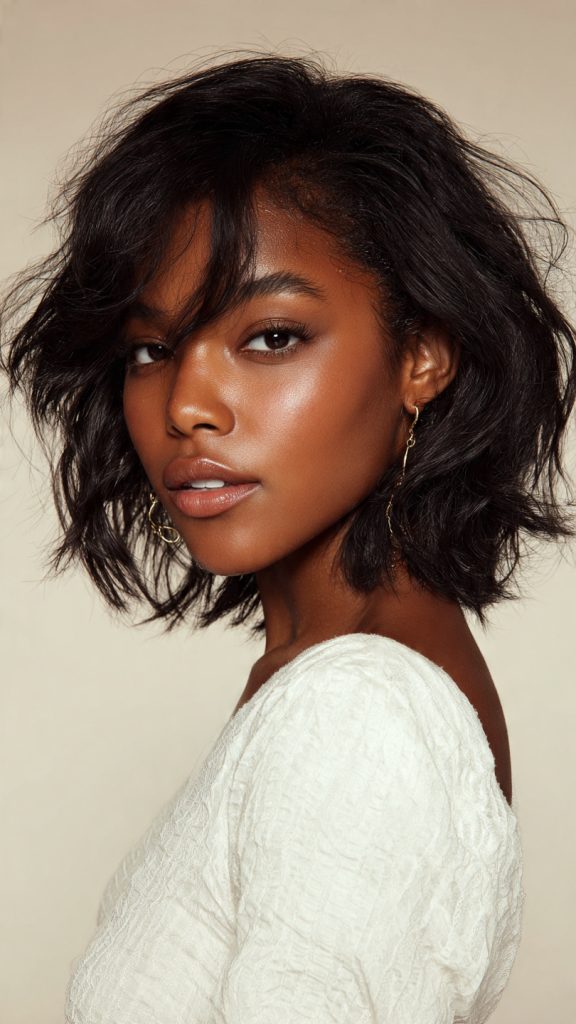
A longer bob (lob) that hits between the chin and collarbone, with choppy layers concentrated around the face. The disconnected pieces soften the features and create movement at the front, giving the illusion of denser hair without losing length.
3. Asymmetrical Choppy Bob
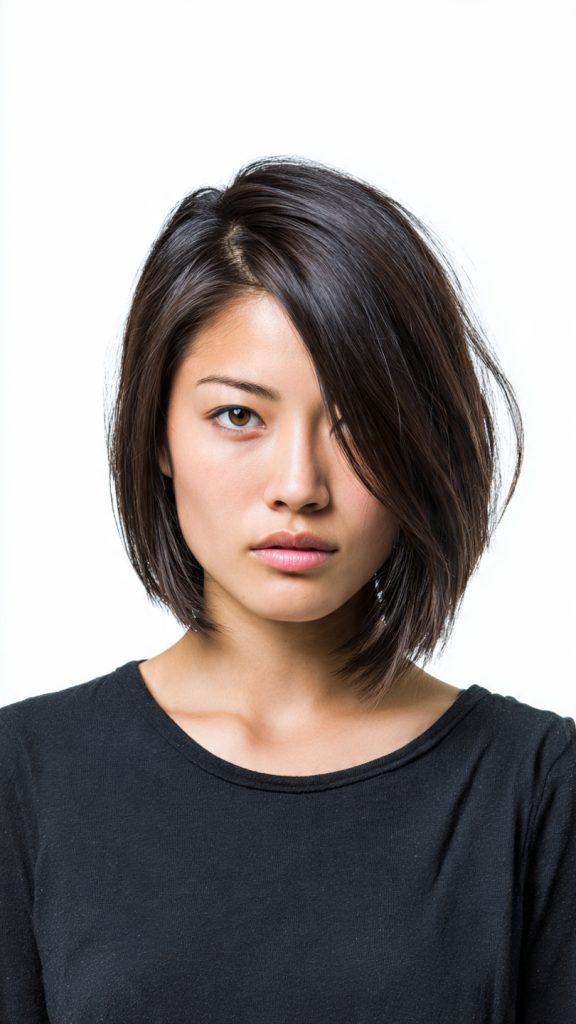
One side slightly longer than the other, both cut with razor-sharp choppy ends. The asymmetry tricks the eye into seeing more volume and dimension. Ideal for fine hair that lacks natural body, as the uneven lengths create lift on the shorter side.
4. Stacked Choppy Bob in the Back
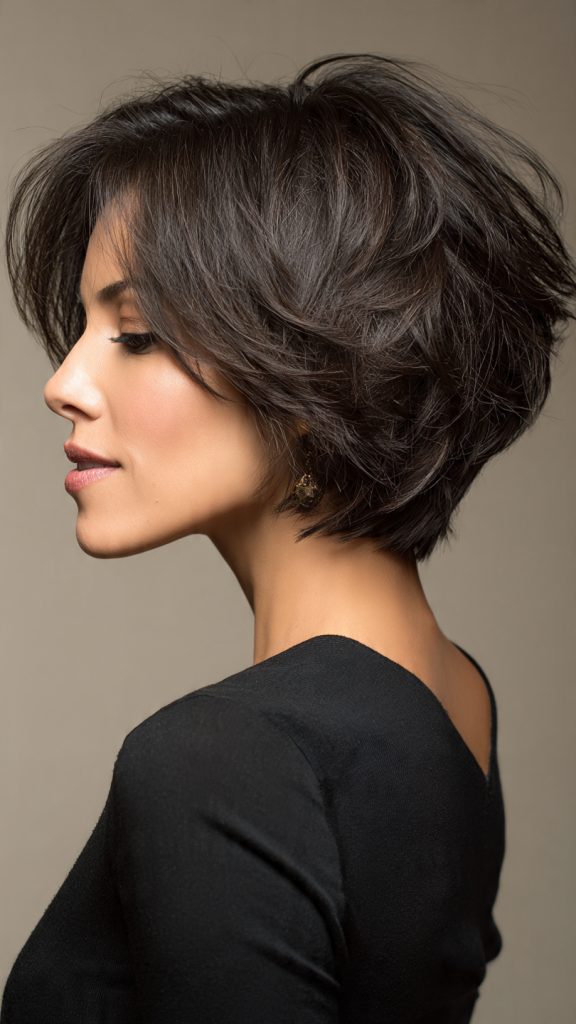
A classic stacked bob with a twist: the underlayer is cut into choppy, texturized points rather than a smooth slope. This removes bulk from the interior while keeping the stacked shape, resulting in a rounded, voluminous back that stays bouncy all day.
5. Wispy Micro-Chop Bob

For the bold, this ultra-short bob sits above the jawline (earlobe to mid-cheek). The ends are wispy and severely chopped, almost feathered. On fine hair, this extreme texturizing makes each strand stand out, creating a cloud-like, airy volume.
6. Deep Side-Parted Choppy Bob
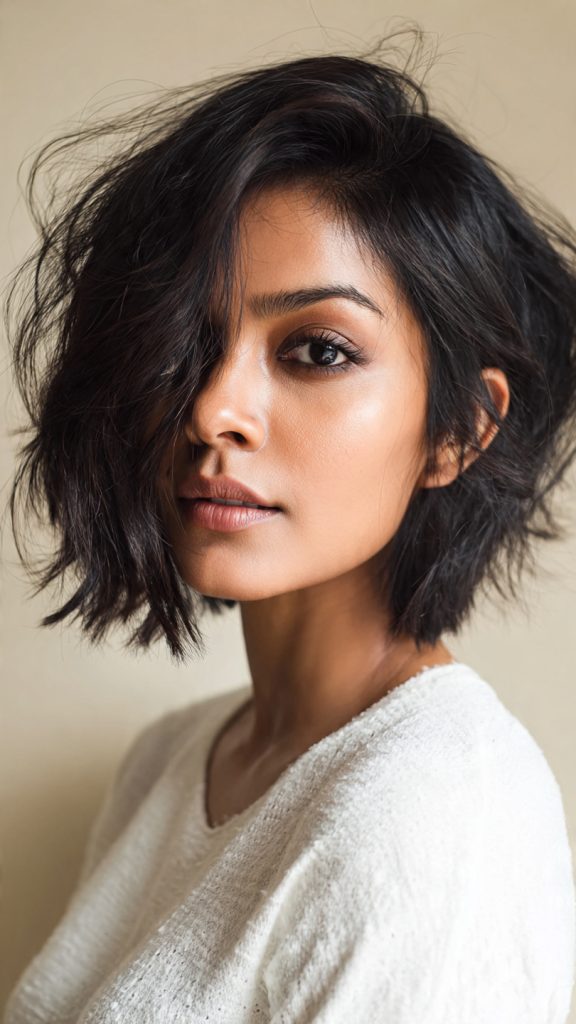
A simple cut—jaw-length with uneven ends—transformed by a deep side part. The weight shift from one side to the other instantly creates a voluminous dome on top. The choppy layers prevent the longer side from looking stringy.
7. Choppy Inverted Bob
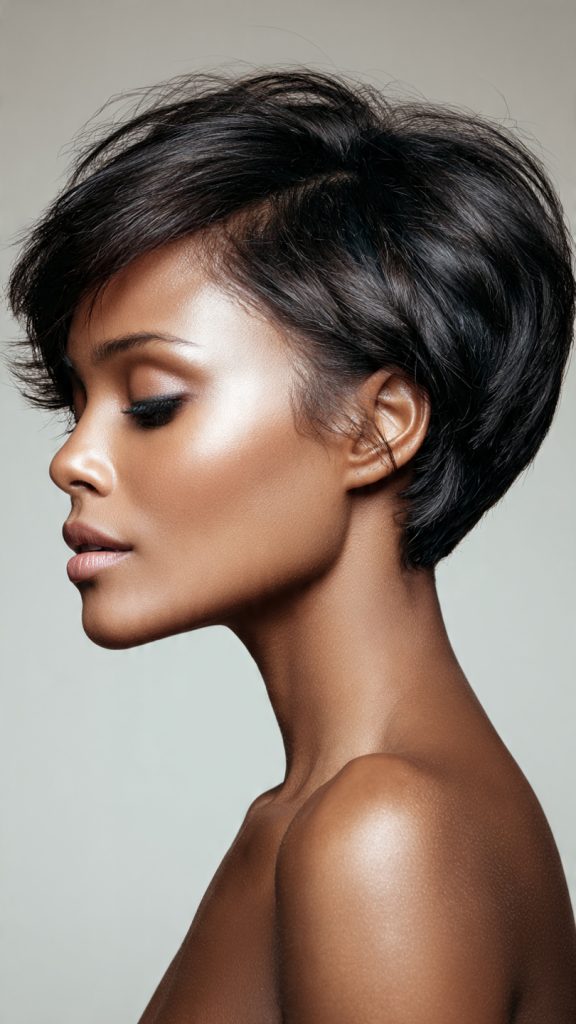
Shorter in the back, longer in the front, with the entire perimeter cut at harsh, uneven angles. The inversion naturally lifts the back of fine hair, while the choppy front pieces add texture. Use a volumizing mousse to amplify the stacked effect.
8. Messy Bedhead Bob

This style relies on deliberately uneven, razor-cut chops throughout. No two strands are the same length. On fine hair, this chaotic layering creates natural-looking texture and grip, making it easy to achieve that “just rolled out of bed” volume without teasing.
9. Curled Under Choppy Bob
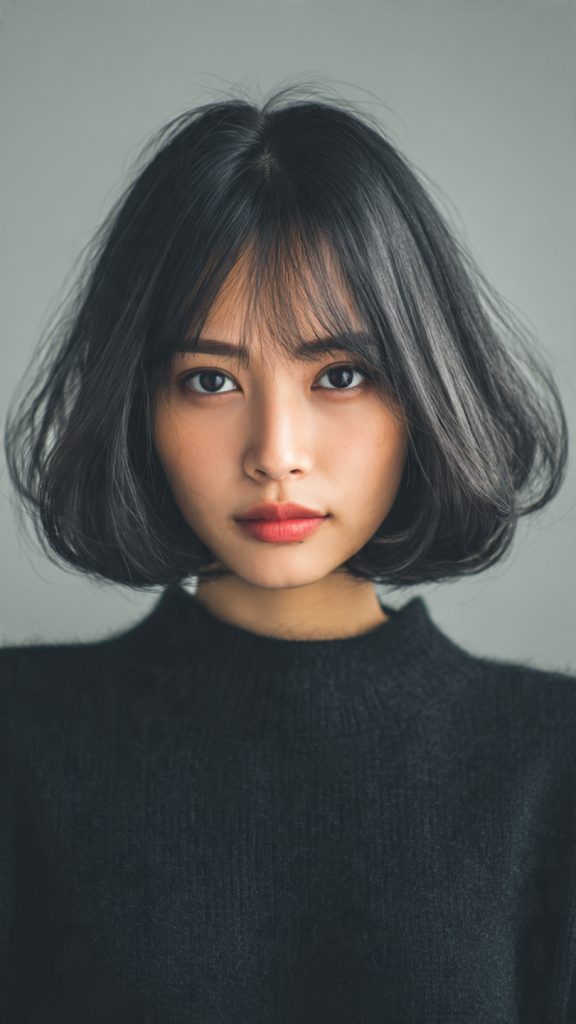
Cut with blunt-but-chunky choppy ends, then styled by curling the ends under with a round brush or flat iron. The internal choppiness provides hold, so the curled-under shape doesn’t collapse. Adds a retro, polished volume perfect for fine hair that holds curl poorly.
10. Piece-y Pixie Bob
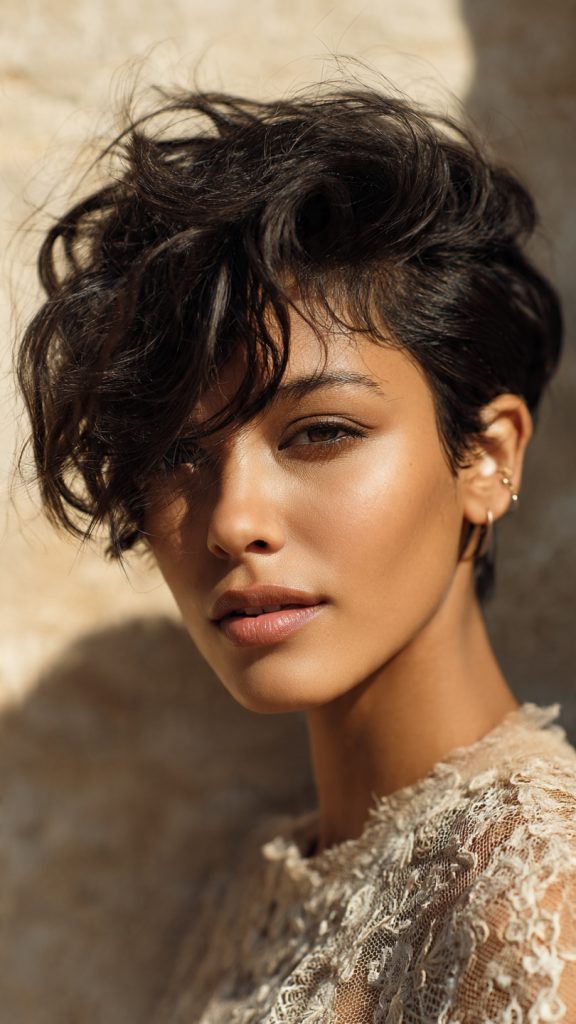
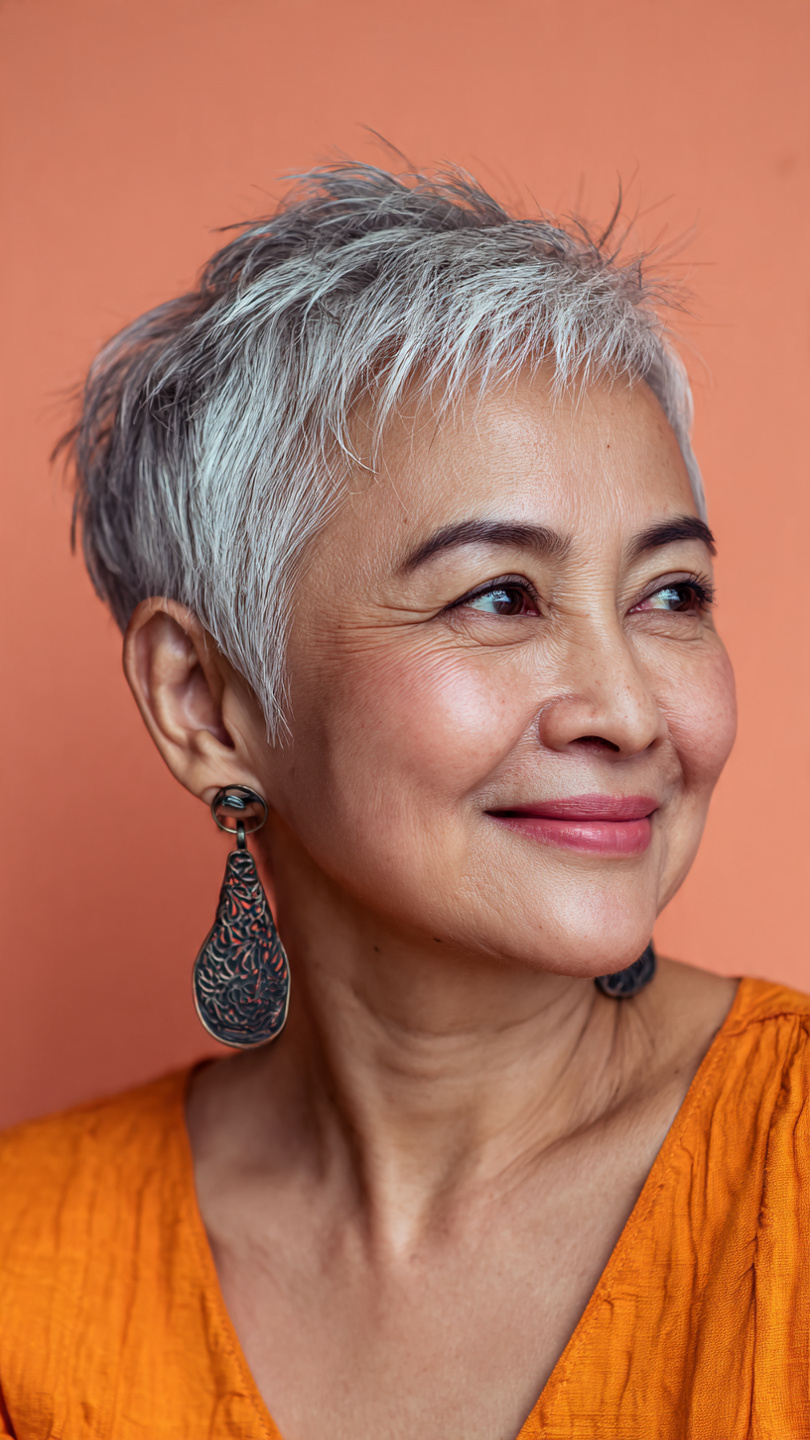
A hybrid between a pixie and a bob—shorter at the nape (like a pixie) but longer on top and around the ears. The top section is chopped into separate, piece-y strands. This gives fine hair extreme lift at the roots and a structured, edgy texture.
11. Choppy Bob with Hidden Undercut
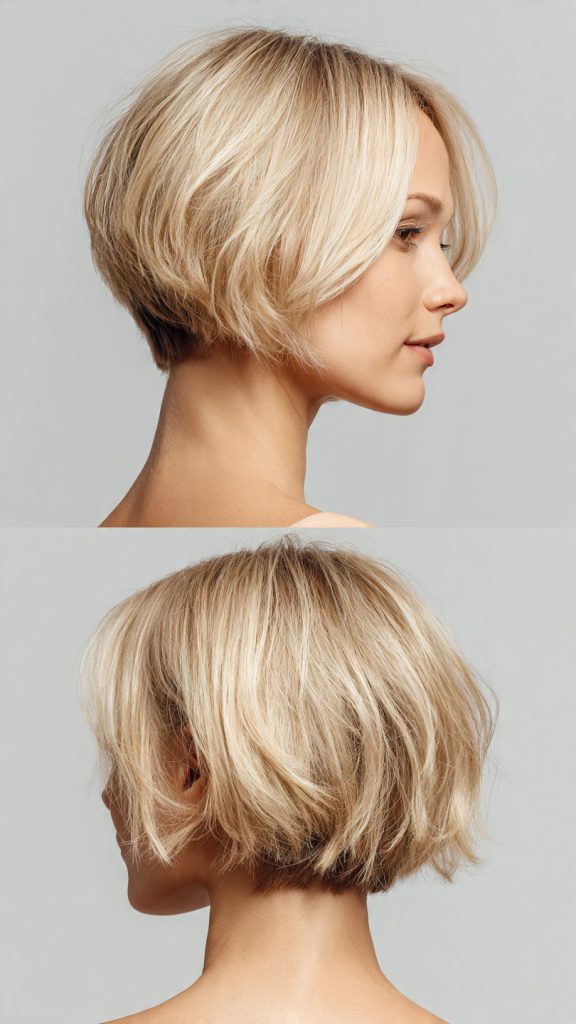
Fine hair often lacks density, so a full undercut is risky. Instead, ask for a “hidden” undercut: the bottom half-inch at the nape is shaved or closely cropped, while the top choppy layers fall over it. This removes weight from the densest area, allowing the top to float with volume.
12. Soft Rounded Choppy Bob

Unlike sharp, edgy chops, this version uses soft, rounded choppy layers on a chin-length bob. The ends are still disconnected but curved inward slightly. It creates a gentle, fluffy volume that works beautifully on very fine, straight hair that needs subtle body.
13. Angled Choppy Bob with Long Bangs
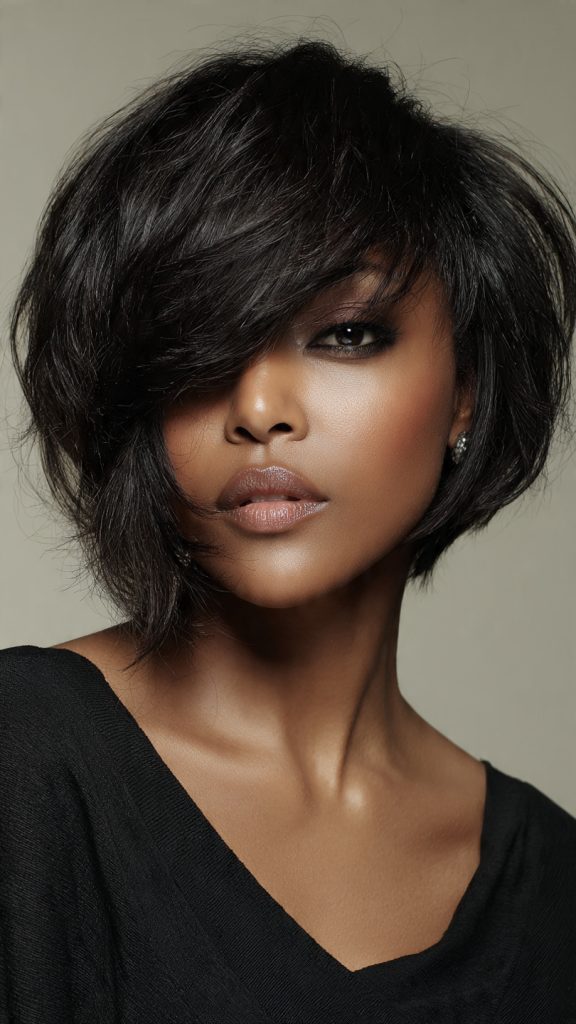
A steep angle (short back, long front) combined with choppy layers and long, texturized bangs that sweep to the side. The bangs add weight and movement at the crown, while the angled shape prevents the fine hair from clinging to the face. Blow-dry with a round brush for maximum lift.
14. Blunt Choppy Bob (The “Chunk Cut”)
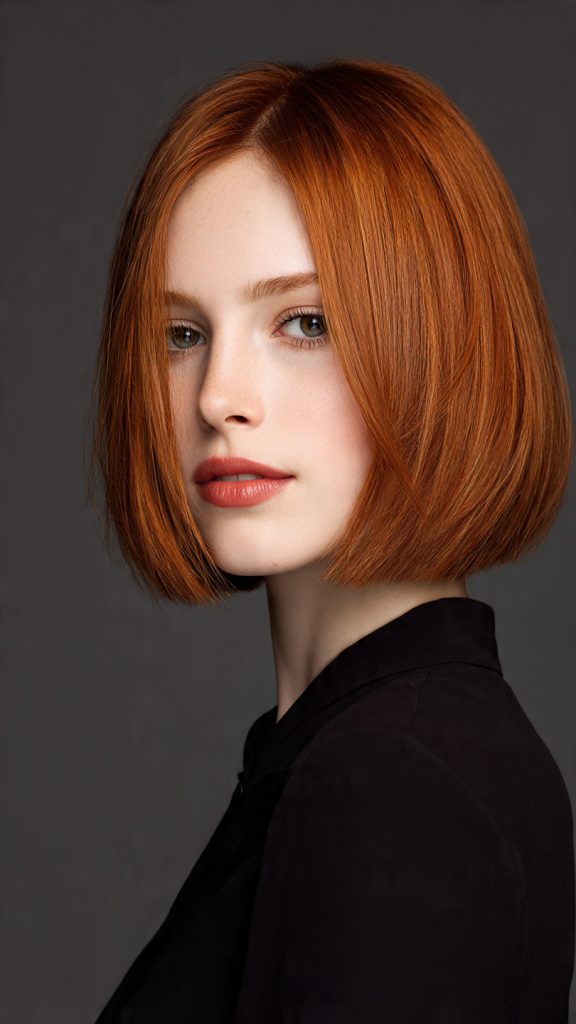
Paradoxically, a blunt perimeter with interior choppiness. The outline is clean and strong, but inside, the hair is heavily point-cut. This gives fine hair the illusion of thick ends (from the blunt line) while the interior texture provides actual lift and bounce.
15. Tousled Beach Wave Choppy Bob

The cut itself is a standard choppy bob (any length). The style is key: use a salt spray and scrunch to create disjointed, wavy texture. The choppy layers grab the waves better than a blunt cut, resulting in a fuller, messier look that doubles the visual density of fine hair.
16. Choppy Bob with Micro-Fringe

A very short, choppy bob (ear-length) paired with an eyebrow-skimming micro-fringe that is also texturized. The short length reduces weight on fine hair, while the micro-fringe adds a focal point that distracts from any thin areas. Best for those with strong facial features.
17. The One-Length Choppy Bob (Deconstructed)
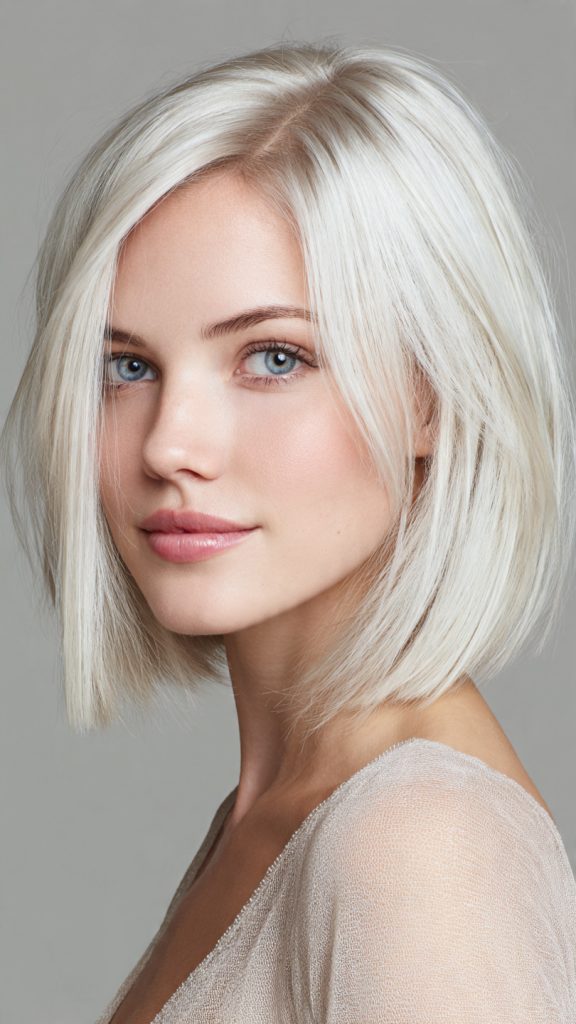
A modern take on the classic one-length bob. The bottom line is cut as one length, but then the stylist “deconstructs” it by snipping vertical chops into the ends. This keeps the heavy look of a one-length cut but removes enough weight to give fine hair swing and subtle movement.
Before You Book: What to Tell Your Stylist
Getting a choppy bob on fine hair is not the same as getting one on thick hair. If your stylist over-texturizes, you’ll end up with wispy, see-through ends. If they under-texturize, you’ll lose all volume. Use this checklist during your consultation:
- Ask for “point cutting” or “slide cutting” – not thinning shears. Thinning shears remove weight from the middle of the strand, which collapses fine hair. Point cutting creates vertical chops at the ends, preserving density while adding movement.
- Specify “internal layering” only. Layers should be cut inside the hair, not all the way to the perimeter, to keep the outline strong.
- Request a dry cut after the wash. Fine hair changes shape dramatically when dry. A final dry trim ensures the choppy ends land exactly where they should.
- Bring a reference photo. Use the prompts above to generate your ideal look. Stylists work best with visuals.
- Avoid razors on very fragile fine hair. A razor can cause frayed, split ends on delicate strands. Sharp shears are safer.
The Best Styling Products for a Choppy Bob on Fine Hair
The wrong products will flatten your choppy bob before you leave the bathroom. Focus on lightweight, texturizing formulas that build grip without grease.
| Product Type | What to Look For | What to Avoid |
|---|---|---|
| Volumizing mousse | Alcohol-free, lightweight foam. Apply to damp roots. | Heavy creams or butters. |
| Texturizing spray | Sea salt or rice protein based. Use on dry ends for separation. | Oily shine sprays. |
| Dry shampoo | Powder or aerosol with clay. Adds grip and second-day volume. | Conditioning sprays. |
| Root lift spray | Heat-activated formula. Spray directly at roots before blow-drying. | Ointment-like serums. |
| Light hold hairspray | Flexible, non-crunchy finish. Mist from 12 inches away. | Super-hold or wet-look sprays. |
Pro tip: Skip conditioner on your roots entirely. Apply it only from the mid-lengths to ends. Fine hair gets weighed down instantly.
How to Style Your Choppy Bob in Under 5 Minutes
Fine hair’s biggest enemy is time. These three methods work with your choppy cut, not against it.
Method 1: The Round Brush Blowout (for smooth volume)
- Towel-dry hair until damp, not dripping.
- Apply a dime-sized amount of mousse to roots.
- Use a small (1.5-inch) round brush. Lift each section up and forward, rolling the ends under.
- Direct heat from the roots to ends, never the reverse (that flattens cuticles).
- Finish with a cool shot and texturizing spray on the choppy ends.
Method 2: The Diffuser “Scrunch” (for messy, beachy texture)
- Scrunch in a golf-ball-sized amount of mousse on soaking wet hair.
- Flip your head upside down.
- Use a diffuser on low heat, medium speed. Cup sections of hair up toward your scalp.
- Once 80% dry, stop touching it. Let the last 20% air-dry to prevent frizz.
- Break up the cast with a drop of lightweight hair oil on your palms (rub them together first).
Method 3: The Overnight Twist (no heat)
- Dampen hair slightly at night.
- Divide into 4–6 small sections.
- Twist each section loosely and pin it flat against your head.
- Sleep on a silk pillowcase to reduce friction.
- Shake out in the morning. The choppy layers will hold the twist pattern for hours.
Maintenance Schedule: Keeping Your Choppy Bob Alive
Fine hair grows out fast because there’s less weight to hold it down. A choppy bob loses its shape quicker than a blunt cut.
| Task | Frequency |
|---|---|
| Trims to refresh choppy ends | Every 4–6 weeks |
| Clarifying shampoo (remove buildup) | Once every 2 weeks |
| Dry shampoo application | Every other day |
| Deep conditioning mask (lightweight) | Once a month (skip roots) |
| Full product strip & reset wash | Every 10–14 days |
Warning sign: When your choppy ends start looking transparent or wispy instead of textured, it’s time for a trim.
Who Should Avoid a Choppy Bob?
As good as this cut is for fine hair, it’s not for everyone. Consider a different style if:
- Your hair is chemically damaged or over-processed. Choppy layers expose the most fragile ends. Bleach-damaged fine hair will look frayed, not textured.
- You have a very round or very long face shape without bangs. The choppy bob can widen or lengthen features if not balanced with face-framing pieces or bangs.
- You refuse to use any styling products. A choppy bob on fine hair needs at least a texturizing spray or dry shampoo to hold its shape.
- You want a zero-maintenance cut. This cut is low-effort, not no-effort. Without any styling, fine hair will fall flat within hours.
The Best Variations for Specific Hair Types (Fine Hair Subcategories)
Fine hair is not all the same. Match your sub-type to the right choppy bob:
| Fine Hair Type | Best Choppy Bob Match | Why |
|---|---|---|
| Straight & silky | Wispy micro-chop bob (#5) or soft rounded choppy bob (#12) | These styles add grip to slippery strands. |
| Wavy & fine | Messy bedhead bob (#8) or tousled beach wave bob (#15) | The waves lock into choppy layers naturally. |
| Curly & fine | Choppy inverted bob (#7) or angled bob with long bangs (#13) | Inversion lifts curls at the crown; bangs prevent triangle head. |
| Thinning or age-related fine hair | Deep side-parted choppy bob (#6) or piece-y pixie bob (#10) | Deep parts and short lengths maximize existing density. |
| High-density but fine strands | Blunt choppy bob (#14) or one-length deconstructed bob (#17) | Strong perimeters contain the fine strands without collapse. |
Common Mistakes to Avoid
Even with the perfect cut, small errors ruin the look. Avoid these:
- Over-washing. Fine hair gets oily fast, but daily washing strips natural texture. Switch to every other day with dry shampoo in between.
- Using heavy oils or butters. Coconut oil, shea butter, and argan oil (pure) are too dense. If you must use oil, choose grapeseed or jojoba – one drop only.
- Blow-drying downward. Always lift roots upward and forward. Drying downward flattens fine hair against your scalp.
- Skipping heat protectant. Fine hair burns faster than coarse hair. Use a lightweight spray protectant every single time.
- Asking for “lots of layers.” That often leads to over-texturizing. Say “choppy ends, not thinned out.”
Conclusion
Fine hair does not have to mean flat hair. The choppy bob works because it accepts the nature of fine strands—lightweight, soft, and movable—and uses those qualities to create volume rather than fighting them. By removing weight strategically through disconnected, jagged ends, this cut tricks the eye into seeing thickness while giving you effortless bounce and texture.
The 17 ideas above offer a starting point, but the real magic happens when you match the right choppy bob to your specific face shape, hair type, and lifestyle. Whether you choose a chin-length classic or a deconstructed one-length lob, remember three things: protect your ends with regular trims, use lightweight texturizing products, and never underestimate the power of a deep side part.
Your fine hair can look fuller tomorrow than it does today—with the right cut, a few minutes of styling, and a choppy bob that finally works with your hair, not against it.


Leave a Reply