Turning 70 is a milestone that deserves a hairstyle as vibrant and confident as you are. Gone are the days when “short hair for older women” meant a plain, one-length helmet cut. Today, the options are stylish, low-maintenance, and designed to celebrate your natural texture, face shape, and personality.
Whether you want volume to offset thinning hair, softness to frame your features, or a bold, modern edge, the right short cut can energize your entire look.
Below are 12 flattering, easy-to-style ideas that prioritize comfort without sacrificing elegance:
1. The Classic Silver Pixie
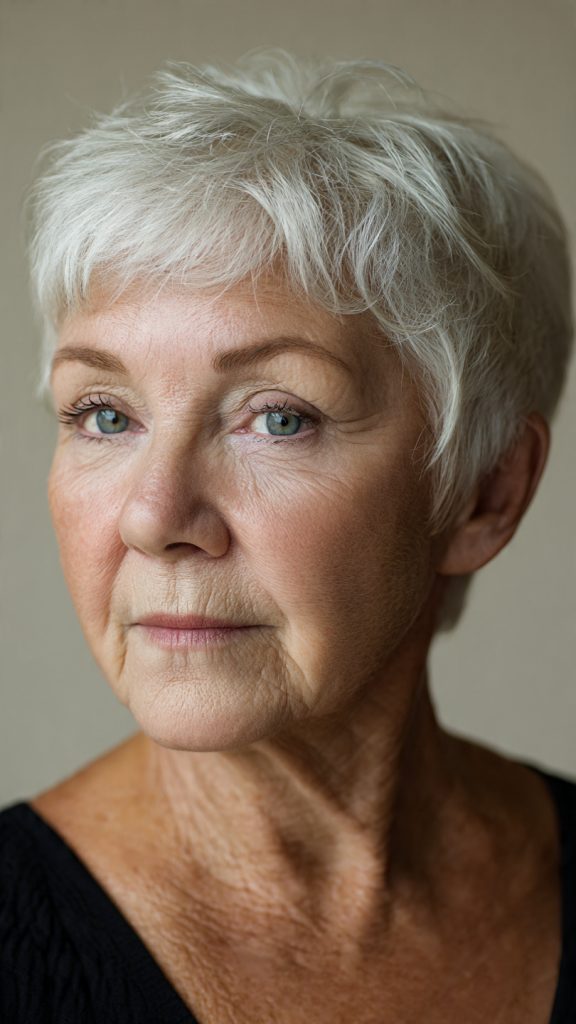
- What it is: A very short, cropped cut with slightly longer layers on top.
- Why it works: It highlights silver or white hair beautifully, reduces bulk, and requires only a fingertip of styling cream. The height on top elongates the face.
- Best for: Fine or thinning hair; oval and heart-shaped faces.
2. The Soft Curly Crop
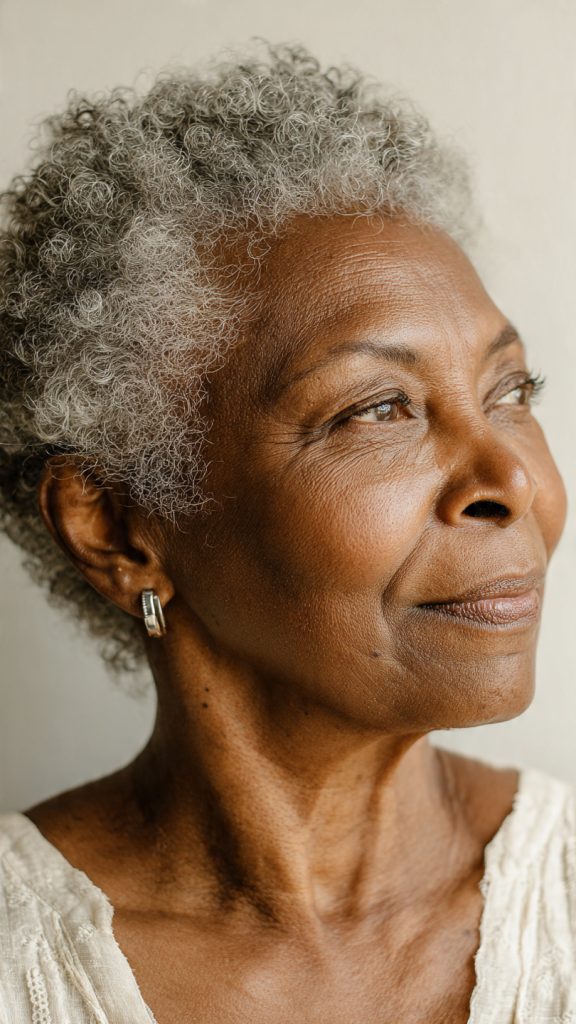
- What it is: Natural curls or permed hair cut close to the head but with rounded, soft edges.
- Why it works: Embraces natural texture without fighting it. It’s playful, adds instant volume, and hides sparse areas.
- Best for: Women with naturally curly or wavy hair; round or square faces (softens angles).
3. The Textured Bob with Wispy Bangs
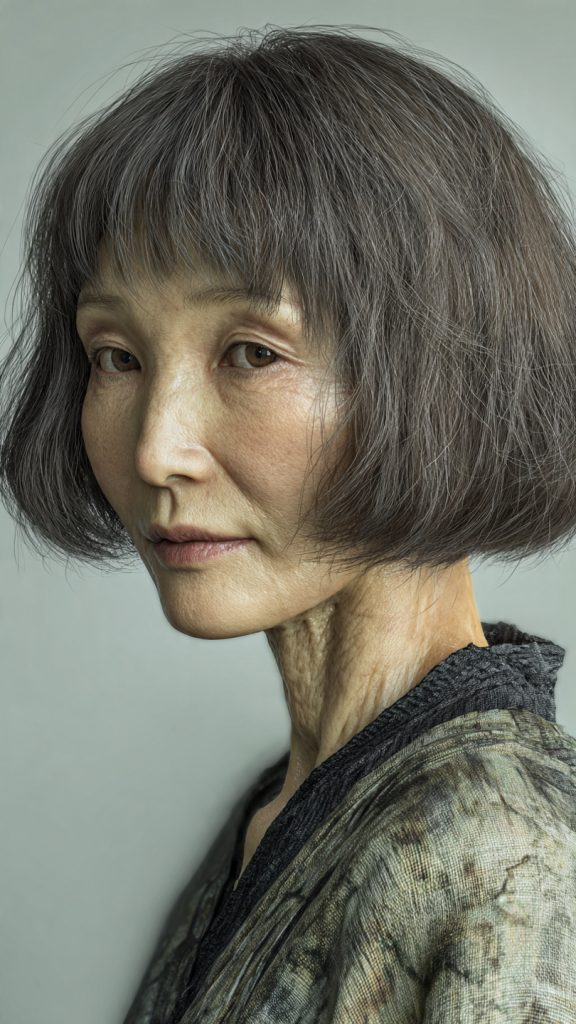
- What it is: A chin-length bob with internal layers and feather-light, uneven bangs.
- Why it works: The wispy bangs draw attention to your eyes and minimize forehead lines. The texture prevents the “helmet head” look.
- Best for: Straight or slightly wavy hair; long or rectangular faces.
4. The Tapered Nape Cut
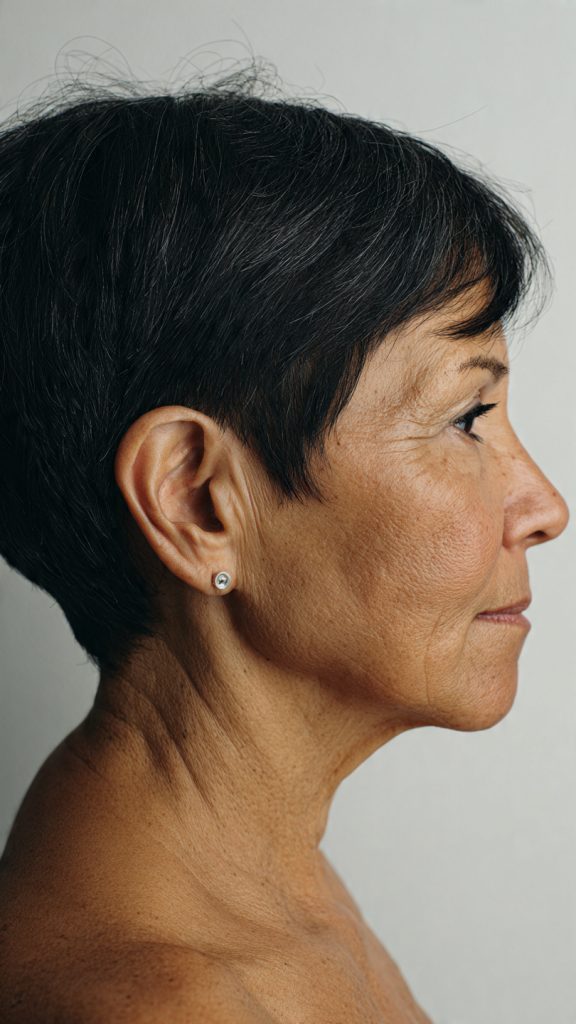
- What it is: Hair is closely tapered (shorter) at the nape of the neck, leaving more length on top and at the crown.
- Why it works: This gives a clean, lifted silhouette and keeps hair off the neck in warmer weather. It’s incredibly neat and professional-looking.
- Best for: Thick hair (to remove weight); any face shape when paired with side-swept bangs.
5. The Feathered Pixie
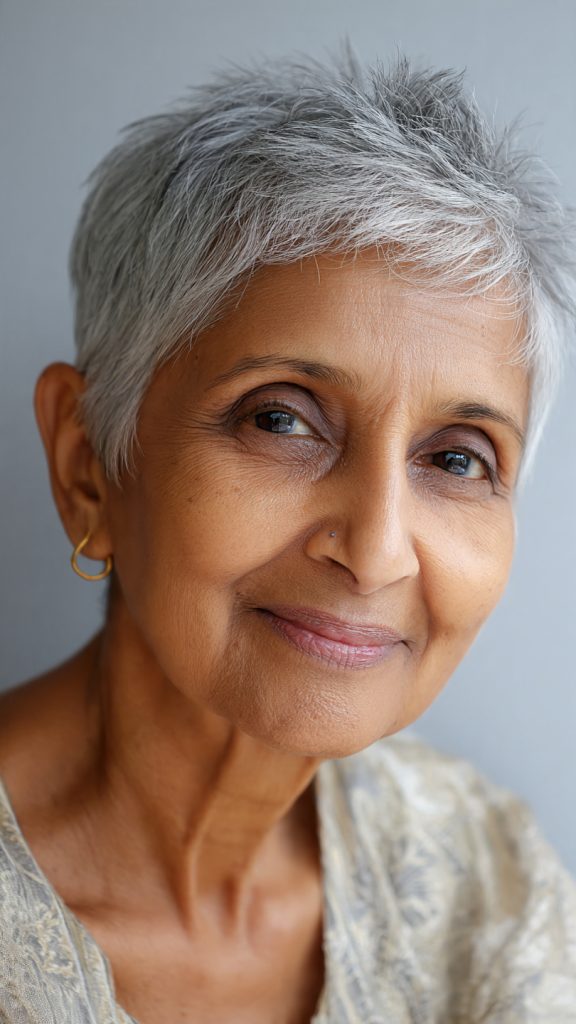
- What it is: A classic pixie with soft, feathery layers cut into the top and sides, often swept to one side.
- Why it works: The layers create movement and a gentle, airy feel. It’s very forgiving for uneven growth or cowlicks.
- Best for: Fine to medium hair; women who want a feminine, not severe, short cut.
6. The Side-Swept Shingle
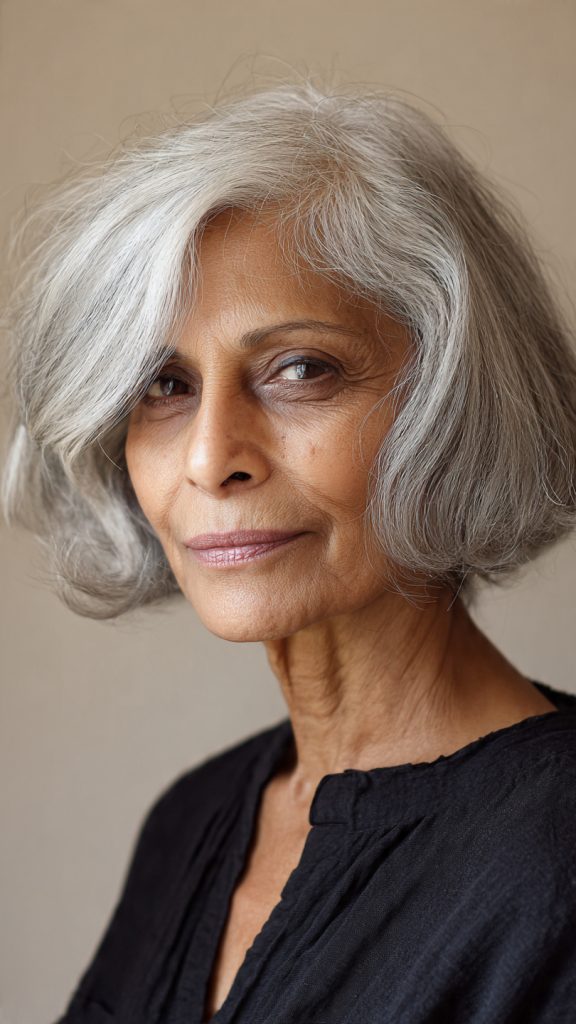
- What it is: A very short, close-to-the-head cut (like a shingle roof) with one dramatic, longer side swept across the forehead.
- Why it works: The diagonal line created by the side sweep is extremely slimming and adds drama without effort.
- Best for: Women who wear glasses (the sweep balances frames); round or full faces.
7. The Cropped Layered Bob (Stacked)
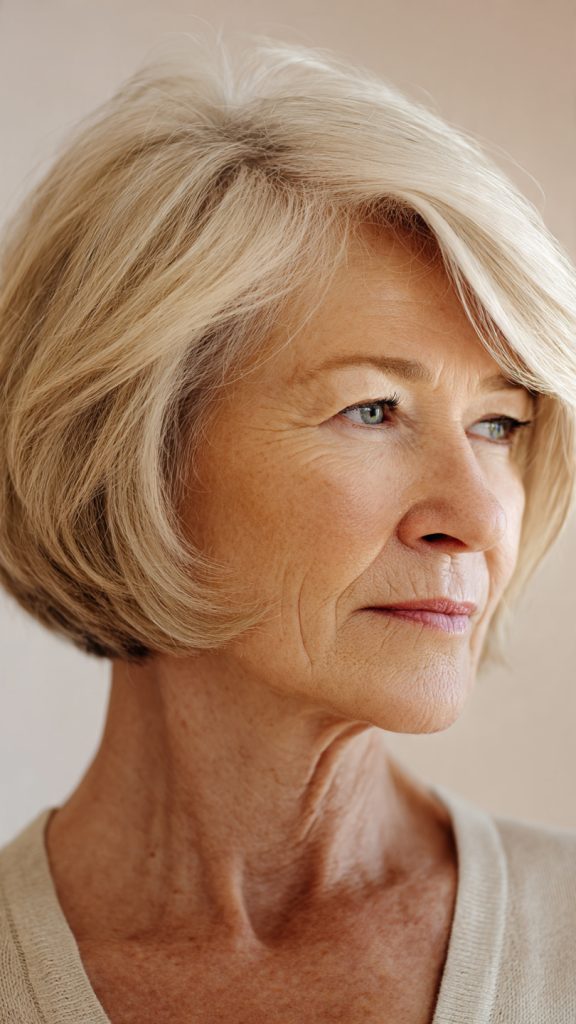
- What it is: A bob that is shorter in the back (stacked layers) and gradually longer toward the front.
- Why it works: The stacked back gives natural lift at the crown, combating flatness. The longer front pieces frame the jawline attractively.
- Best for: Straight or lightly waved hair; women who want volume without backcombing.
8. The Wash-and-Wear Curly Pixie
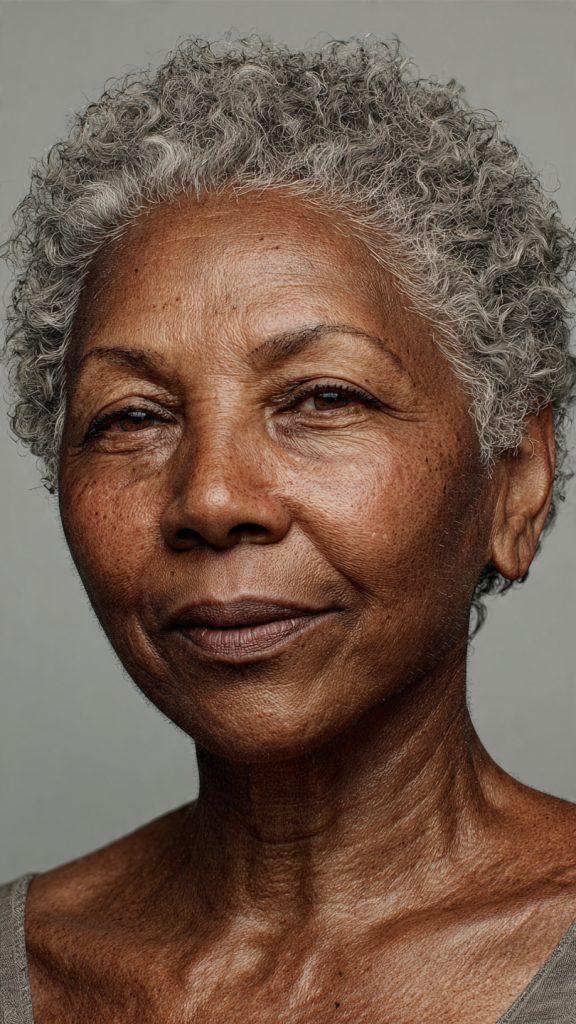
- What it is: A very short cut (1–2 inches) all over, designed specifically for natural curl or a tight perm.
- Why it works: Air-dries perfectly. No blow-dryer, no round brush—just scrunch with leave-in conditioner. Arthritis-friendly.
- Best for: Active lifestyles; women with limited hand mobility or dexterity issues.
9. The Asymmetrical Pixie
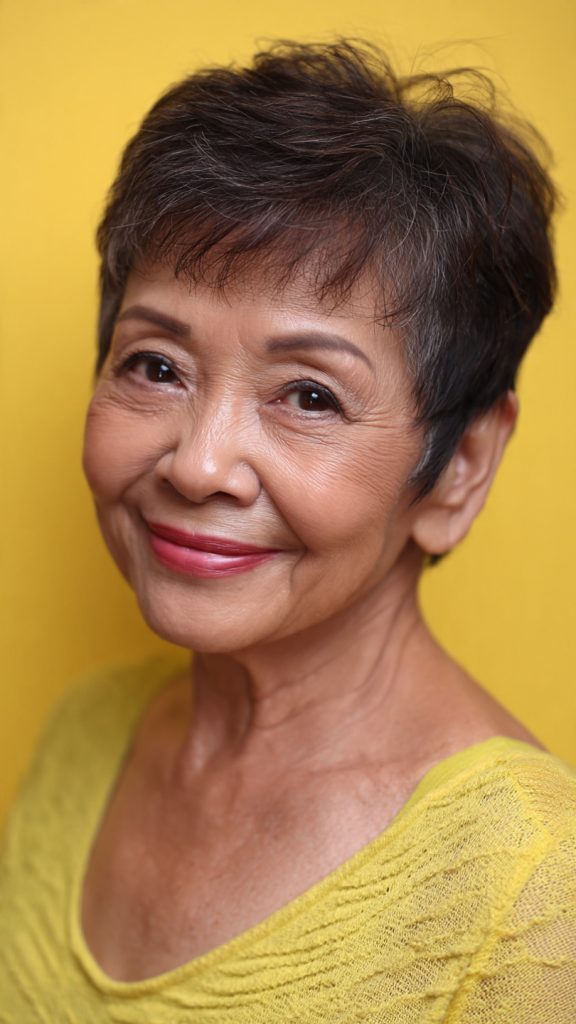
- What it is: One side is cut slightly longer or shaped differently than the other.
- Why it works: Adds modern interest and can visually correct facial asymmetry. It’s a subtle way to look fashion-forward.
- Best for: Oval or diamond-shaped faces; those wanting a trendy update without drastic length.
10. The Ultra-Short Buzz or Induction Cut
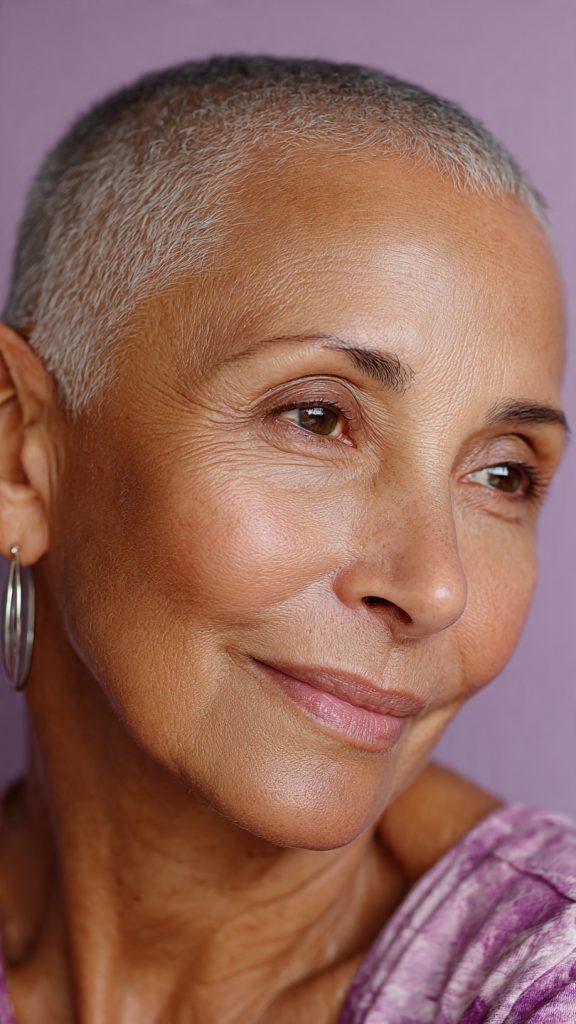
- What it is: Hair cut to a uniform ¼ to ½ inch all over using clippers.
- Why it works: Utterly liberating. Zero daily maintenance, highlights beautiful scalp shape, and can be very empowering. Easy to wear wigs or scarves over.
- Best for: Women experiencing significant thinning or medical hair loss; confident minimalists.
11. The Long Pixie with Choppy Ends
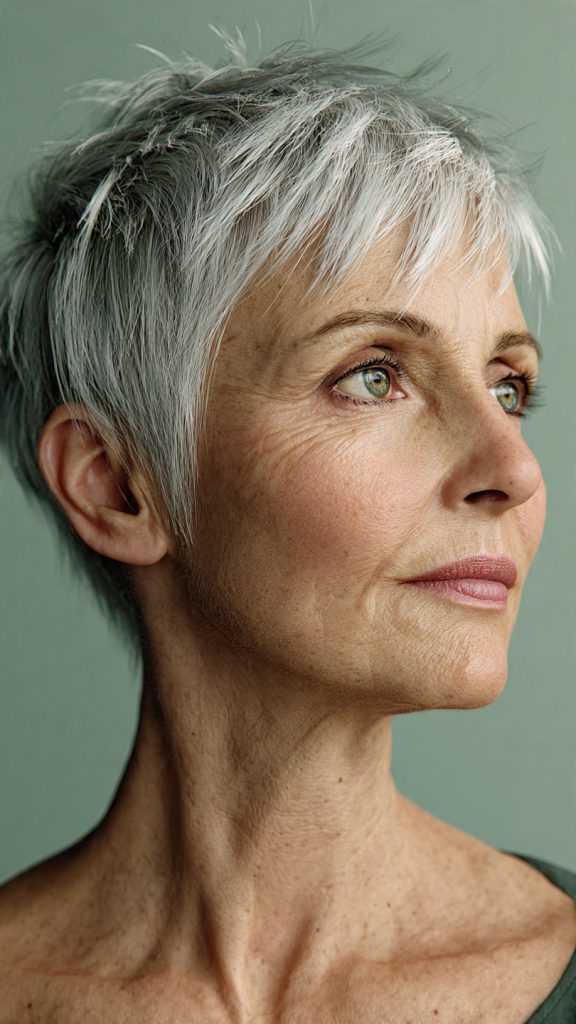
- What it is: A pixie that keeps length (1–2 inches) throughout, but with blunt, uneven, “choppy” tips.
- Why it works: The choppy ends create the illusion of thicker, denser hair. It’s edgy yet age-appropriate.
- Best for: Medium to thick hair; adding texture to straight, flat hair.
12. The Curly Top with Clean Sides
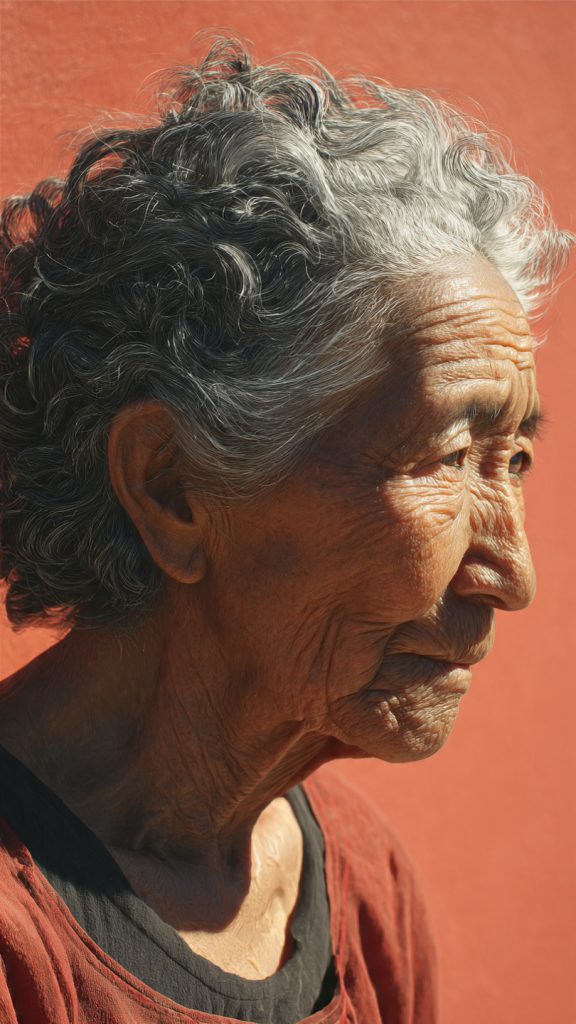
- What it is: Sides and nape are clipped very short or shaved, while the top is left in soft curls or waves.
- Why it works: High contrast and very modern. It puts all the volume and attention on top, lifting the face instantly. Easy to maintain with trims.
- Best for: Bold personalities; strong bone structure; women who want a dramatic, artistic cut.
How to Choose the Right Short Hairstyle for You
With so many options, narrowing it down can feel overwhelming. Ask yourself these three simple questions:
- How much daily styling time do you want?
- 5 minutes or less → Try the Wash-and-Wear Curly Pixie (#8) or Ultra-Short Buzz Cut (#10).
- 10–15 minutes → The Classic Silver Pixie (#1) or Feathered Pixie (#5) are ideal.
- What is your natural hair texture?
- Curly or coily → Embrace it with the Soft Curly Crop (#2) or Curly Top with Clean Sides (#12).
- Straight or fine → Add volume with the Stacked Bob (#7) or Long Pixie with Choppy Ends (#11).
- What do you want the haircut to accentuate?
- Your eyes → Wispy bangs (#3) or a side-swept style (#6).
- Your cheekbones → An asymmetrical cut (#9) or tapered nape (#4).
Essential Maintenance Tips for Short Hair Over 70
Short hair is lower maintenance, but not no maintenance. Follow these guidelines:
- Trim every 4–6 weeks. Short cuts lose their shape faster than long hair. A small trim keeps the silhouette clean.
- Use volumizing products sparingly. A pea-sized amount of mousse or lightweight cream is enough. Heavy products weigh down fine hair.
- Protect your scalp. With shorter hair, your scalp gets more sun. Apply a light SPF spray or wear a stylish hat outdoors.
- Switch to a satin pillowcase. It reduces friction, prevents breakage, and keeps your style intact overnight.
- Work with your natural growth patterns. Cowlicks and waves become more visible when hair is short. A good stylist will cut with them, not against them.
What to Tell Your Stylist (Exact Phrases to Use)
Bring this list to your appointment:
- “I want a dry cut at the end so I can see how it really falls.”
- “Keep the nape tapered, not blocked.”
- “Add texture to avoid a heavy, helmet-like look.”
- “Leave a little length around the ears for softness.”
- “Show me how to style it with just my fingers and a blow-dryer.”
Red flag phrases to avoid: “Make it easy” (too vague) or “Just take off the damage” (often leads to uneven results).
Adapting Hairstyles for Mobility or Health Issues
If you have arthritis, limited hand strength, or are undergoing medical treatment, these adjustments help:
- Use styling tools with large, padded handles. Look for “universal design” brushes and combs.
- Try a leave-in conditioner spray. No rubbing or massaging needed—just spray and go.
- Ask for a “sleeper cut.” This is a short style that looks good even after sleeping on it (the Curly Pixie #8 and Buzz Cut #10 are excellent choices).
- Consider a gentle perm. If your hair has thinned, a body wave can add volume without daily effort. Always do a patch test first.
- Wigs and toppers as options. Many women over 70 keep a very short natural cut (#10) and wear a wig or hairpiece for special occasions—this gives you two looks in one.
Common Concerns Addressed
“Won’t short hair make me look older?”
No—a badly cut short style makes anyone look older. A well-cut, textured, modern short style is actually more youthful than long, limp, stringy hair that drags the face down.
“I have a double chin. Can I still go short?”
Absolutely. Choose styles with height on top (like the Classic Pixie #1 or Stacked Bob #7) and softness around the ears. The vertical lift balances fullness below.
“My hair is very thin. What should I avoid?”
Avoid blunt, one-length cuts and heavy bangs. Instead, choose choppy ends (#11), feathered layers (#5), or a curly crop (#2) for built-in volume.
“Will I regret cutting off my long hair?”
Start with a longer short style—like a textured bob (#3) or long pixie (#11). You can always go shorter later. Many women find the freedom liberating within a week.
Conclusion
Your 70s are not a time to hide or fade away. They are a decade of experience, confidence, and self-knowledge—and your hairstyle should reflect that. The right short cut will save you time in the morning, keep you cooler in summer, and frame your face in a way that highlights your best features.
Whether you choose a bold asymmetrical pixie, a wash-and-wear curly crop, or the timeless elegance of a silver classic, the goal is the same: to feel like yourself, only easier. Short hair doesn’t mean boring hair. It means intentional hair. It means waking up and running your fingers through it—and being ready for whatever the day brings.
So save the photos, book the appointment, and take the leap. You might just wonder why you didn’t do it years ago.
Leave a Reply