
The shag has never really left us — it just keeps reinventing itself. Born in the rebellious 1970s, revived in the indie sleaze 2000s, and reintroduced to a new generation through TikTok and Gen Z style icons, the shag remains one of the most adaptable haircuts in existence. But the shag of 2026 is not your mother's shag. It is softer, smarter, and far more customizable.
Today's shag comes in dozens of variations — from the sharp and architectural to the romantic and muted. Whether you have curls, straight hair, fine strands, or thick waves, there is a shag interpretation built for you. This article breaks down 20 fresh takes on the classic shag cut, so you can walk into the salon with clarity and confidence.
What Is a Shag Cut?
Before diving into the variations, it helps to understand the foundation. A shag is a layered haircut characterized by choppy, textured ends, face-framing pieces, and a deliberately "undone" finish. Unlike a blunt cut, which relies on clean lines, the shag thrives on movement, volume, and a bit of controlled chaos.
Key features of a classic shag include:
- Heavy layering throughout the crown and lengths
- Textured, wispy ends rather than blunt cuts
- Face-framing layers or bangs that blend into the cut
- A lived-in, effortless finish that looks better on day two
The modern shag keeps these DNA markers but dials the intensity up or down depending on the wearer's hair type, lifestyle, and personal style.
20 Shag Haircut Ideas That Reinvent the Classic Cut:
1. The Modern Shag
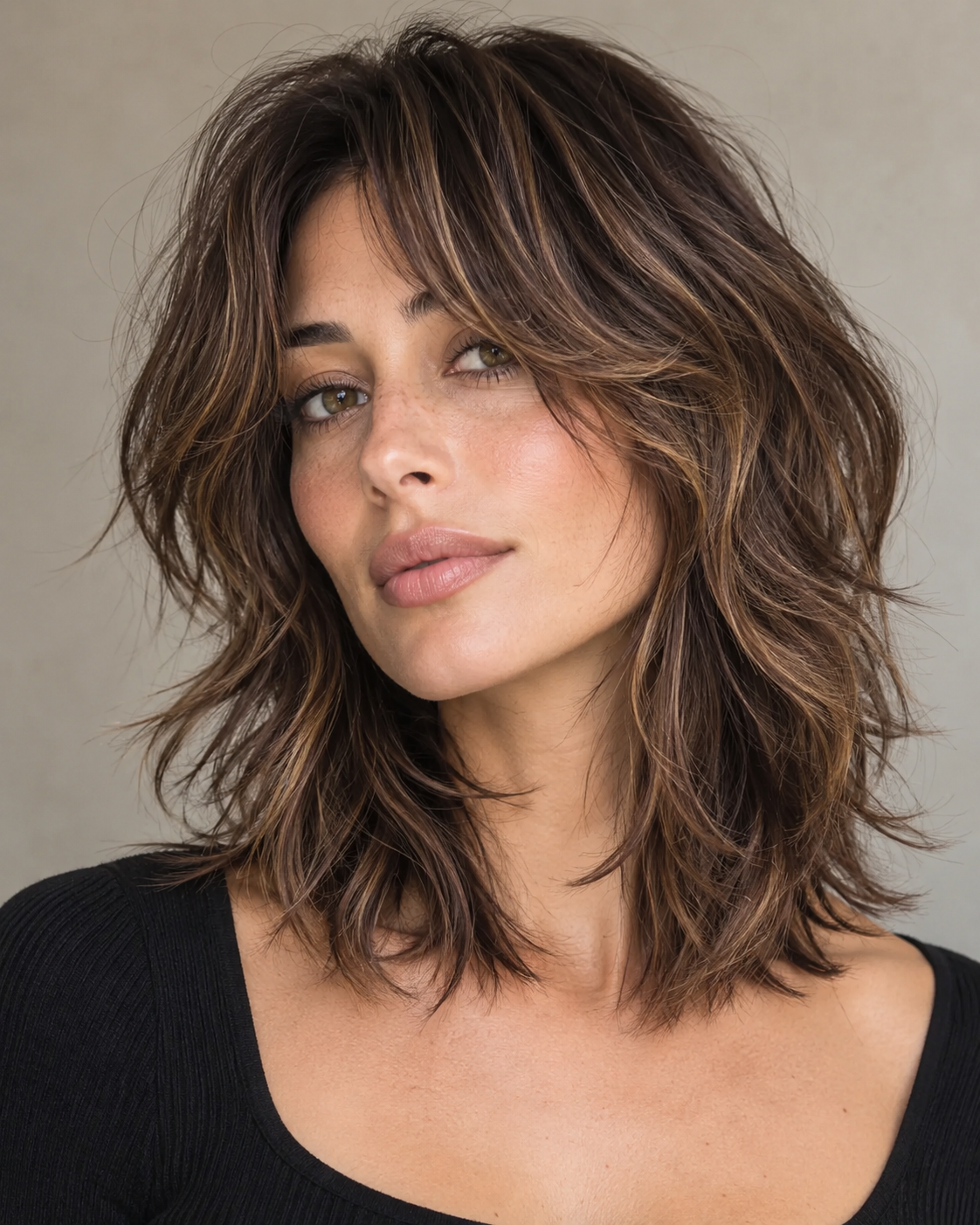
Keeps the signature movement of a classic shag but with softer, more controlled layers. Less "rock star rebellion," more "effortless cool girl energy."
2. The Bixie (Bob + Pixie + Shag)
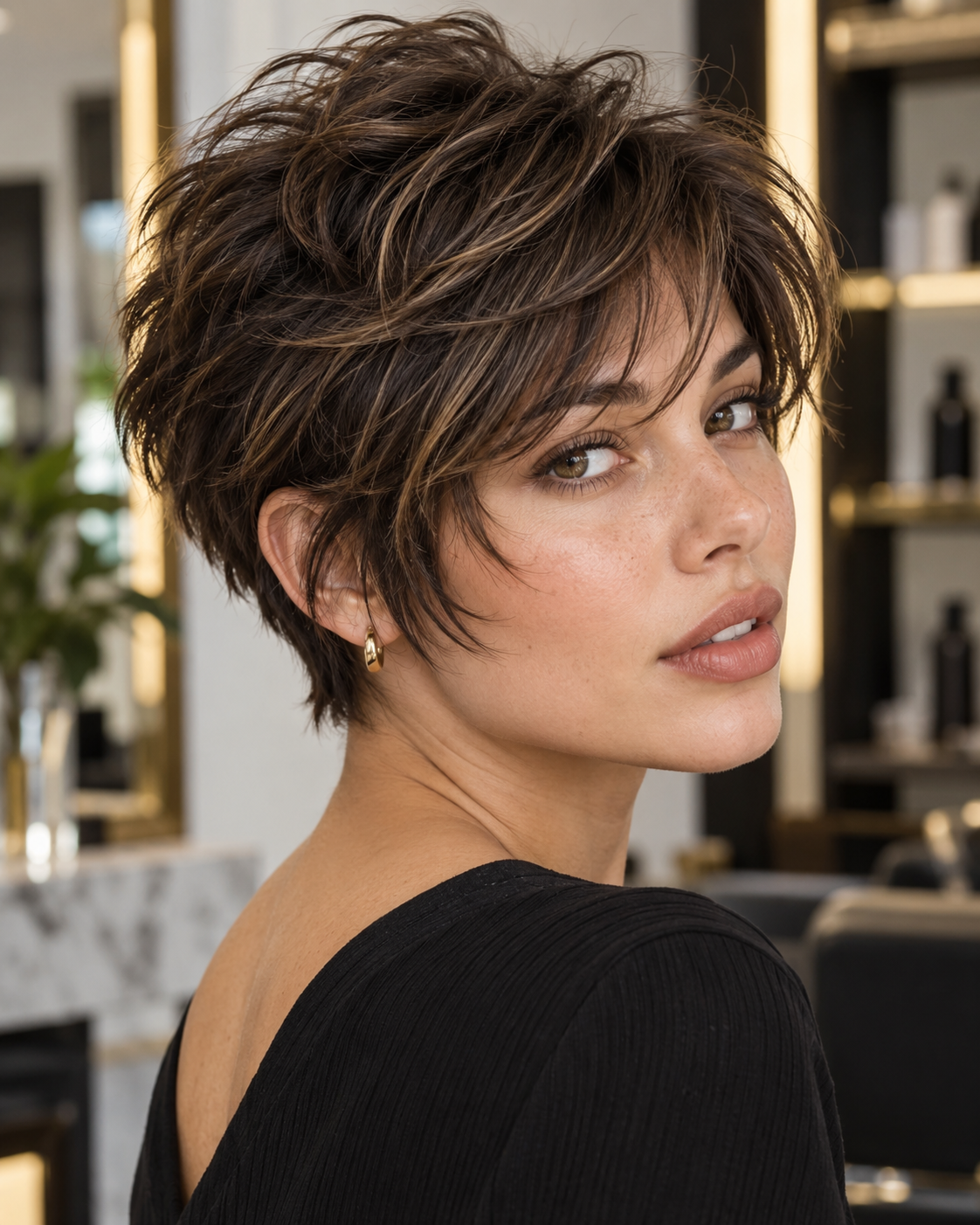
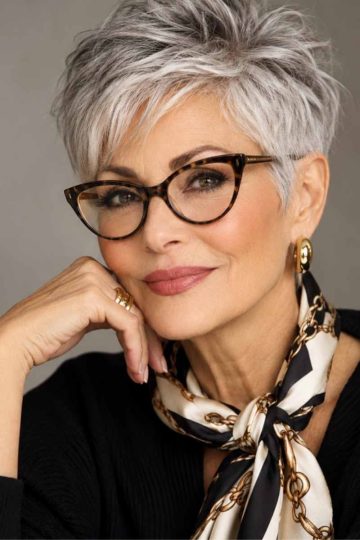
Much shorter than a traditional shag, blending the precision of a pixie with the choppy layers of a shag. Short at the back and sides, longer on top for volume. Ideal for anyone wanting a short cut without going fully extreme.
3. The Shixie
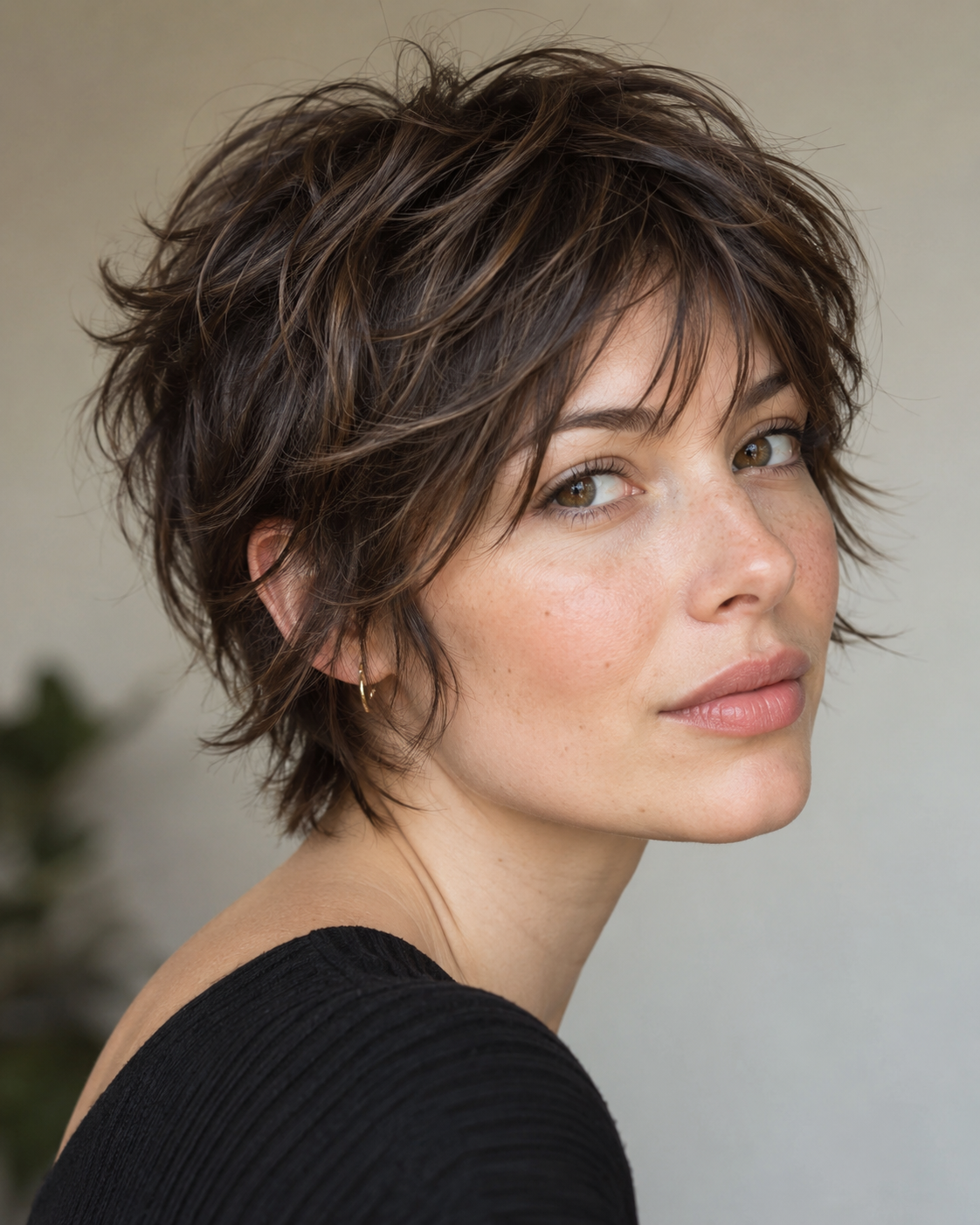
Similar to the bixie but leans harder into the "undone" shag texture rather than pixie precision. Great for fine hair because it creates serious visual volume.
4. The Shullet (Shag + Mullet)
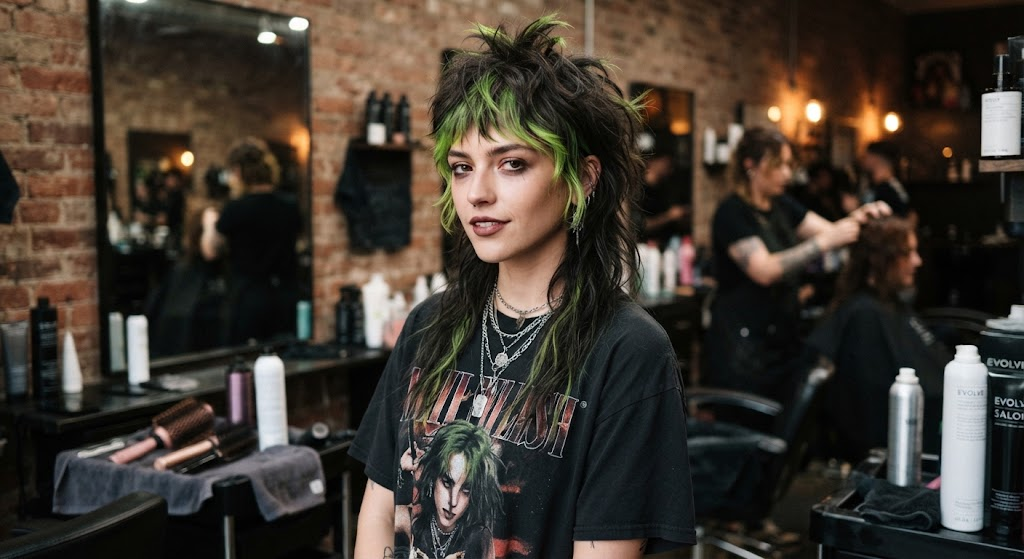
A hybrid with short front layers and a longer back, disconnected and softer than a traditional mullet. Popularized by Billie Eilish and Jenna Ortega.
5. The Muted Shag
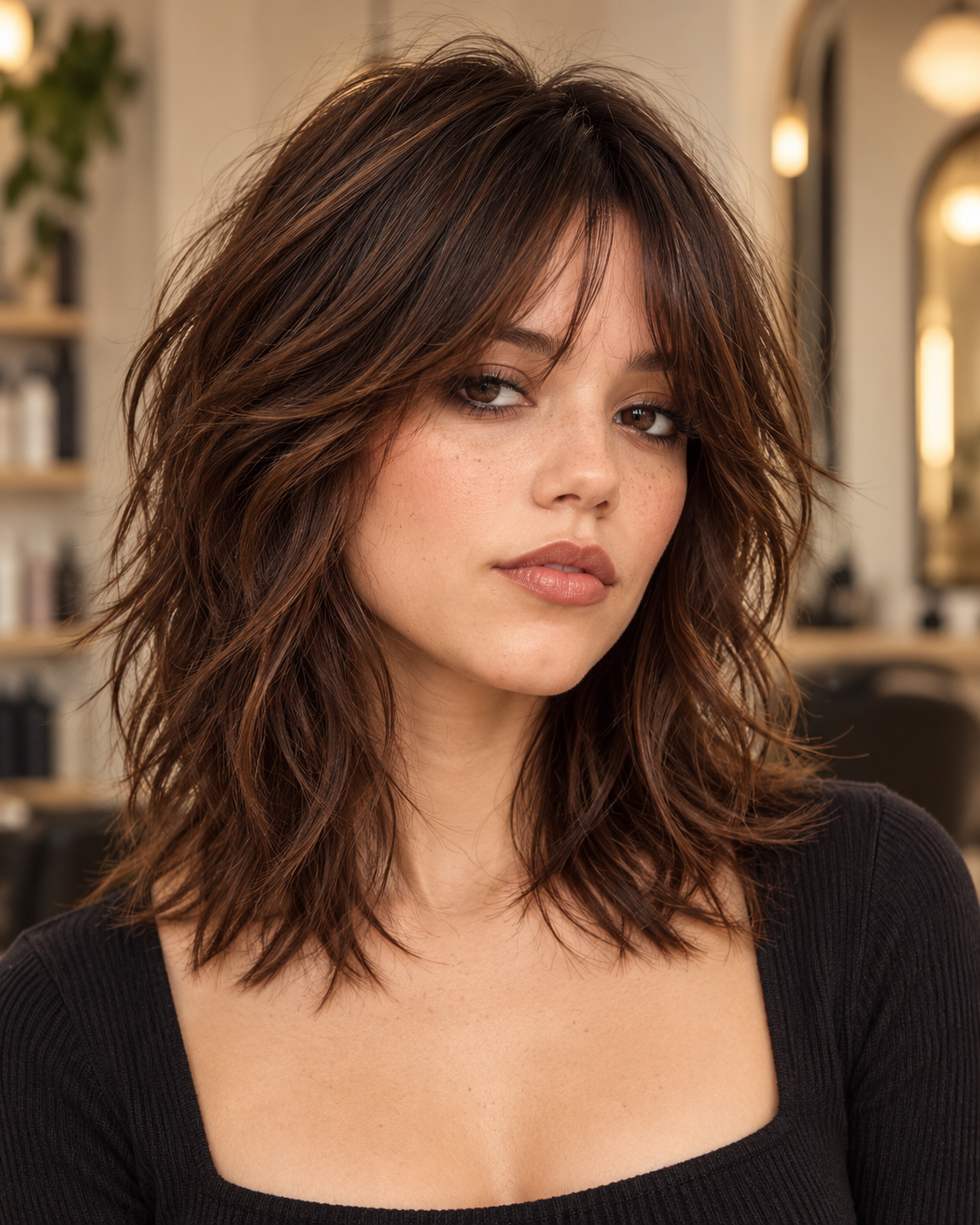
Replaces the sharp edges of a classic shag with a more romantic, lived-in texture. Structured layers that somehow look completely un-styled. Jenna Ortega is the blueprint here.
6. The Long Shag
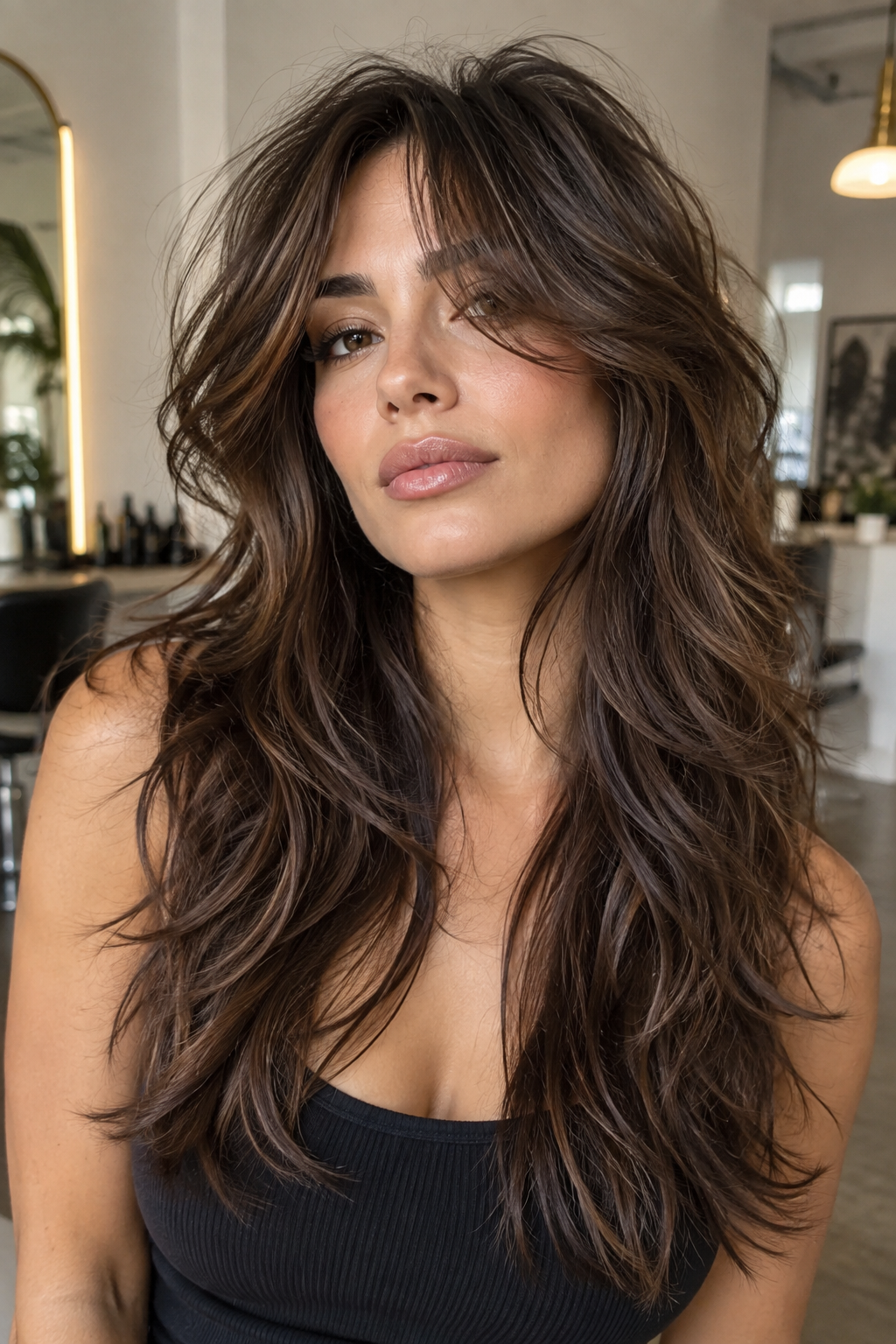
Keeps length below the shoulders while adding strategic layers around the face and crown. For anyone who wants movement and volume without sacrificing length.
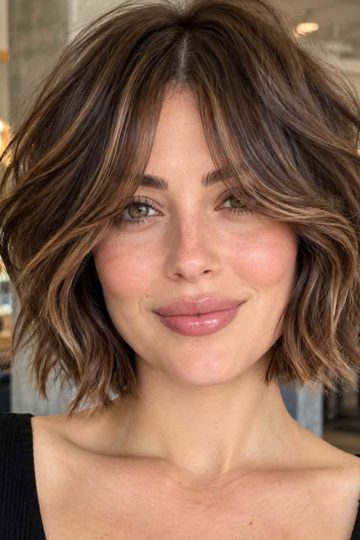
7. The Pseudo-Shag Bob
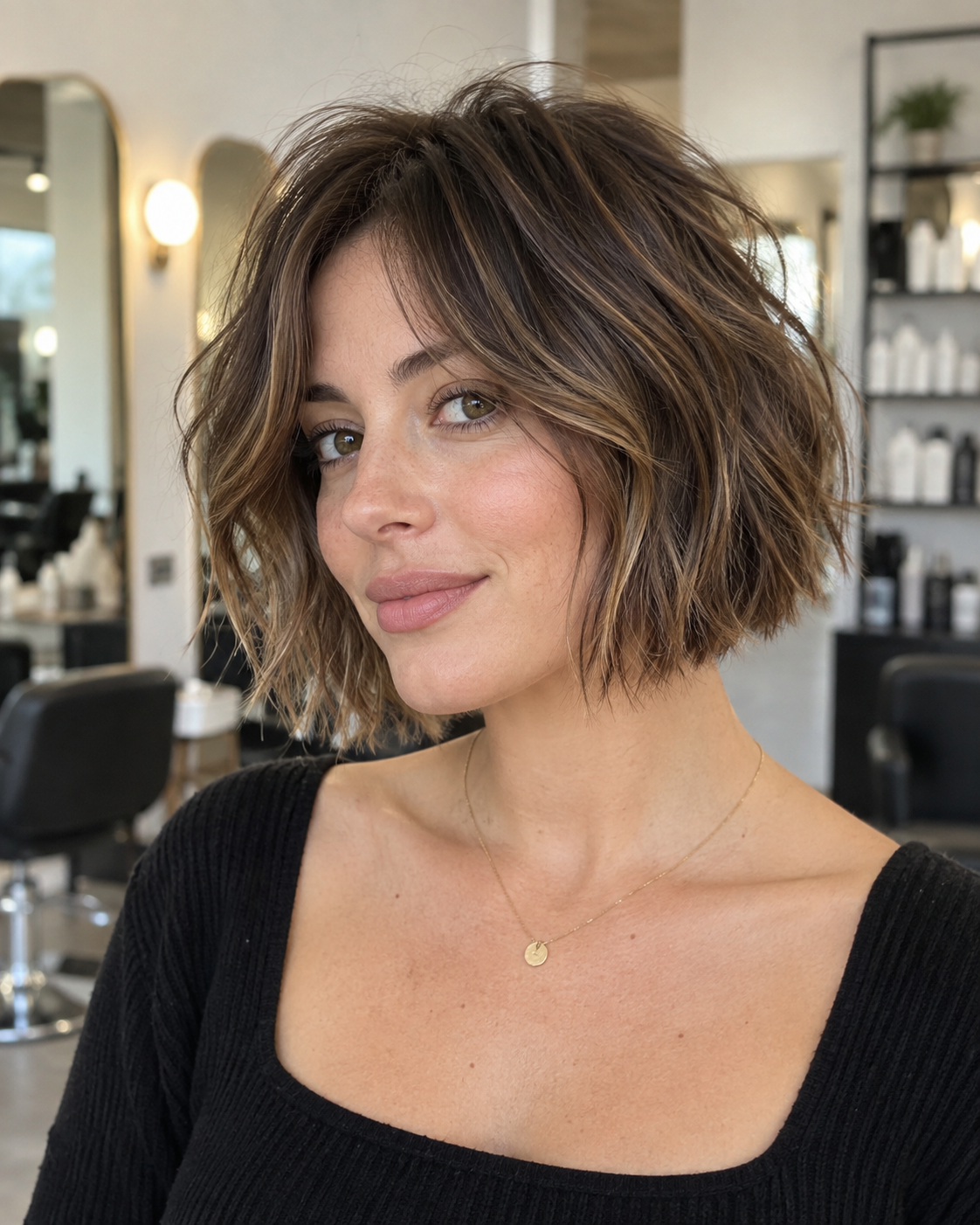
The "entry-level" shag. A bob with subtle shaggy layers and face-framing pieces. Just the right amount of mess — never over-designed.
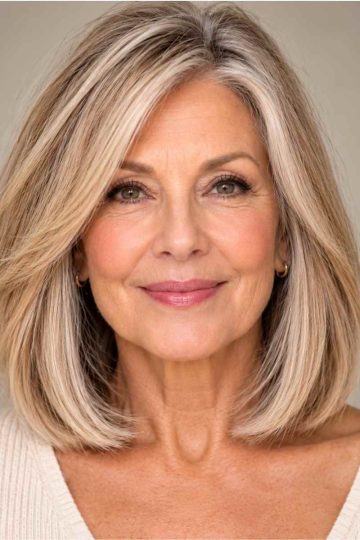
8. The Shaggy Lob
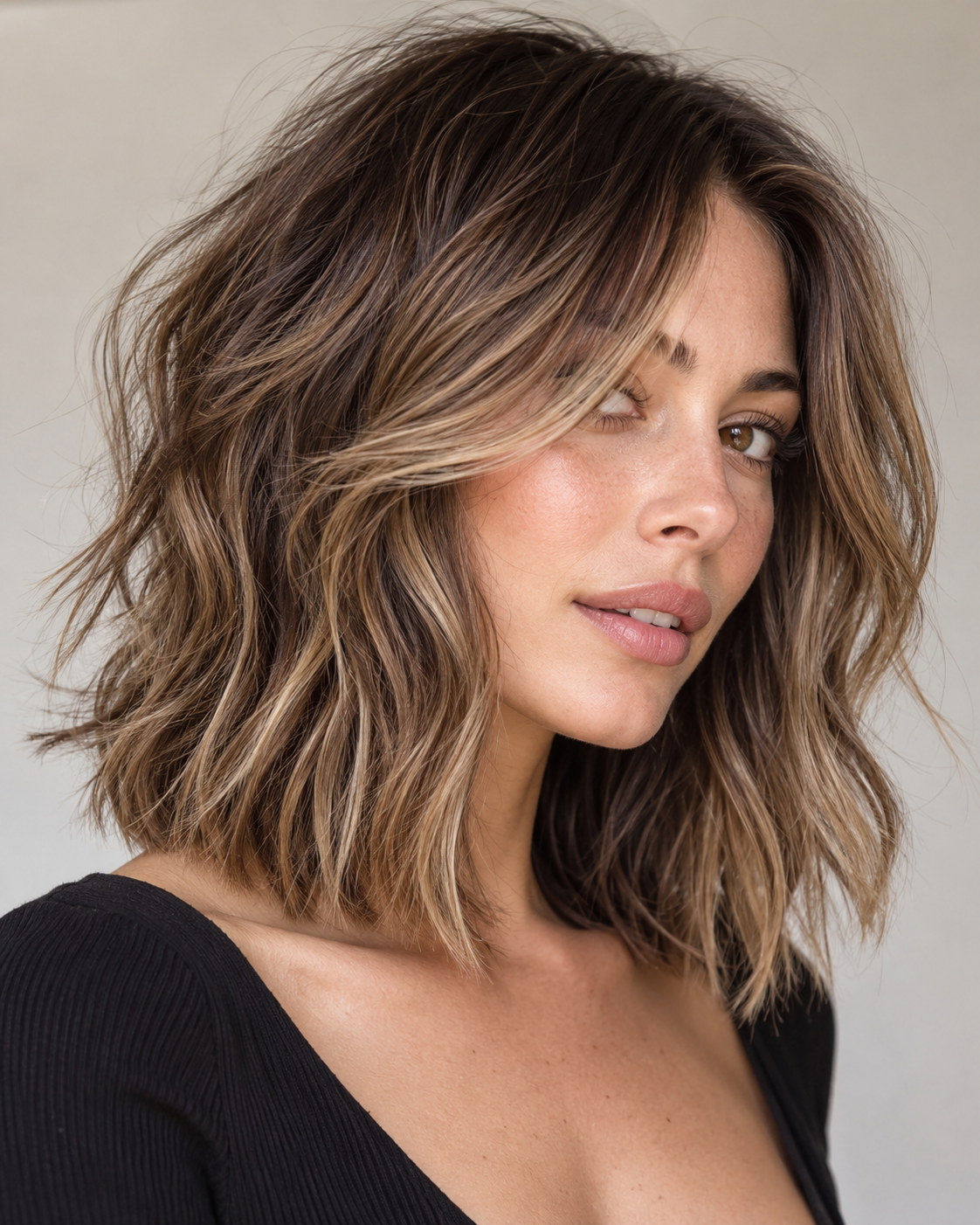
Falls between a short shag and a long shag, hitting at the collarbone or shoulders. A great transitional cut for anyone growing out a shorter style or easing into layers.
9. The Asymmetrical Shag
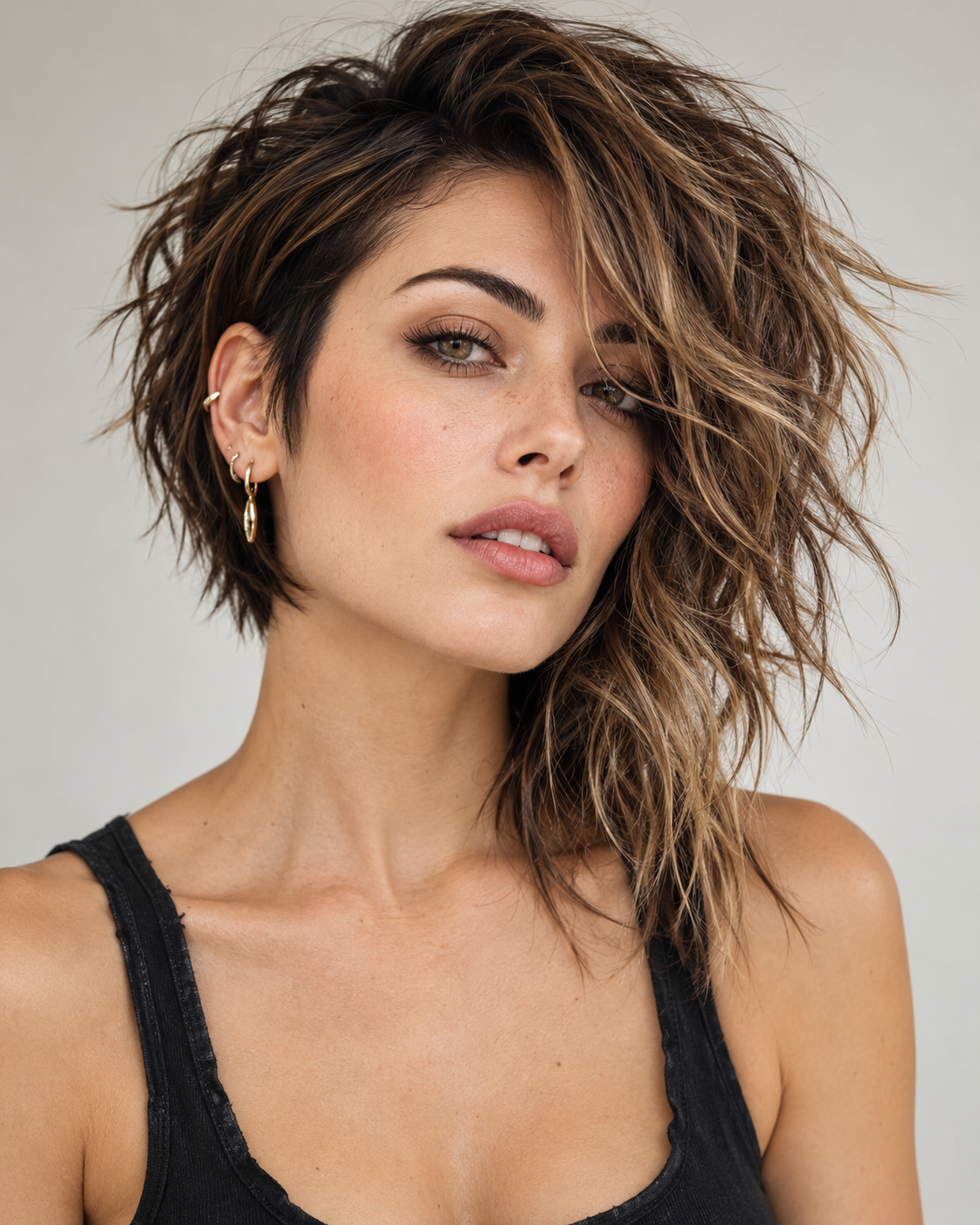
Uses uneven layer distribution for drama — short on one side, longer on the other — creating visual movement and a bold, individual edge.
10. The Graduated Shag
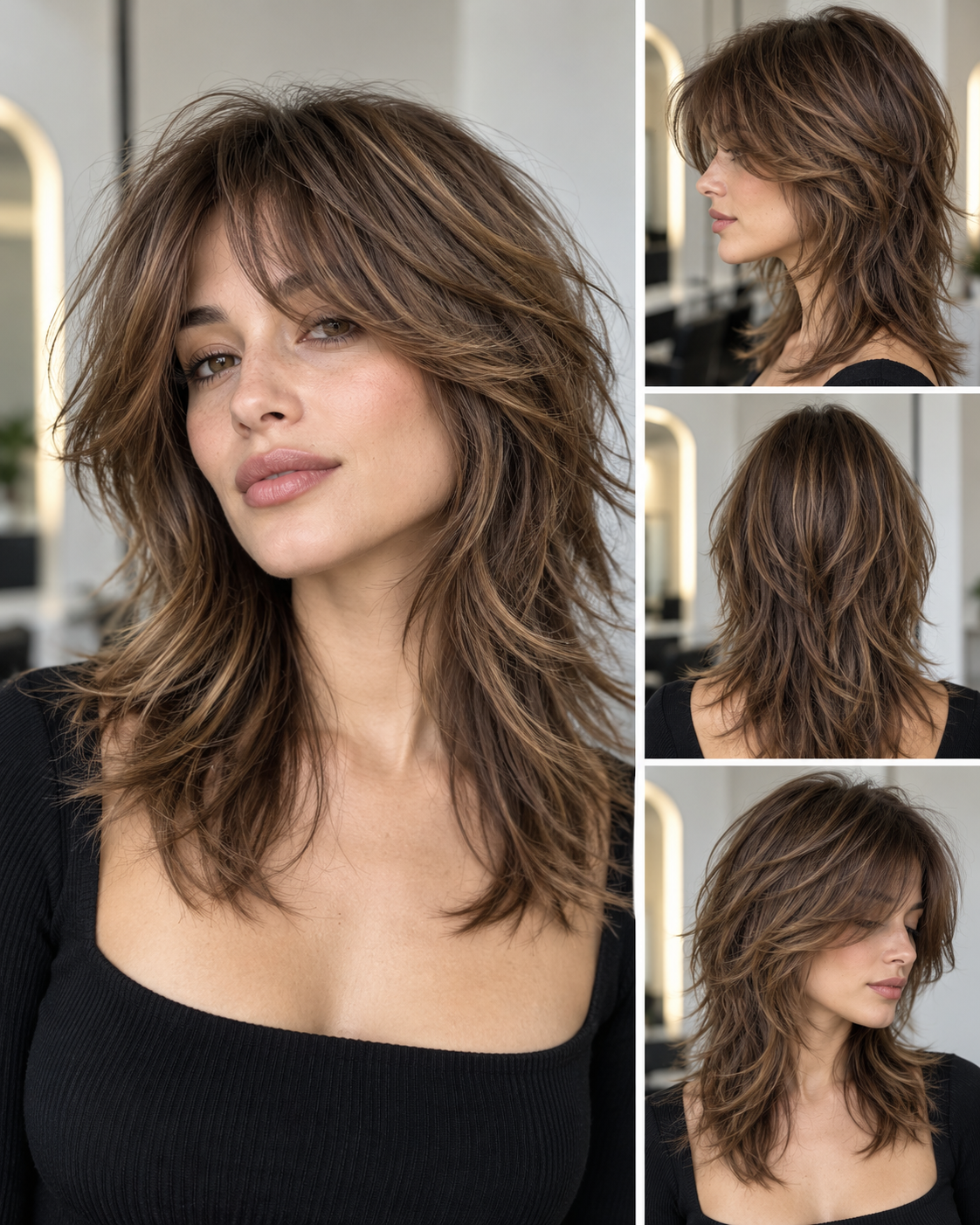
Replaces the hard layer transitions of a classic shag with graduated technique, so layers blend seamlessly from crown to ends for a smoother overall silhouette.
11. The Curtain Fringe Shag
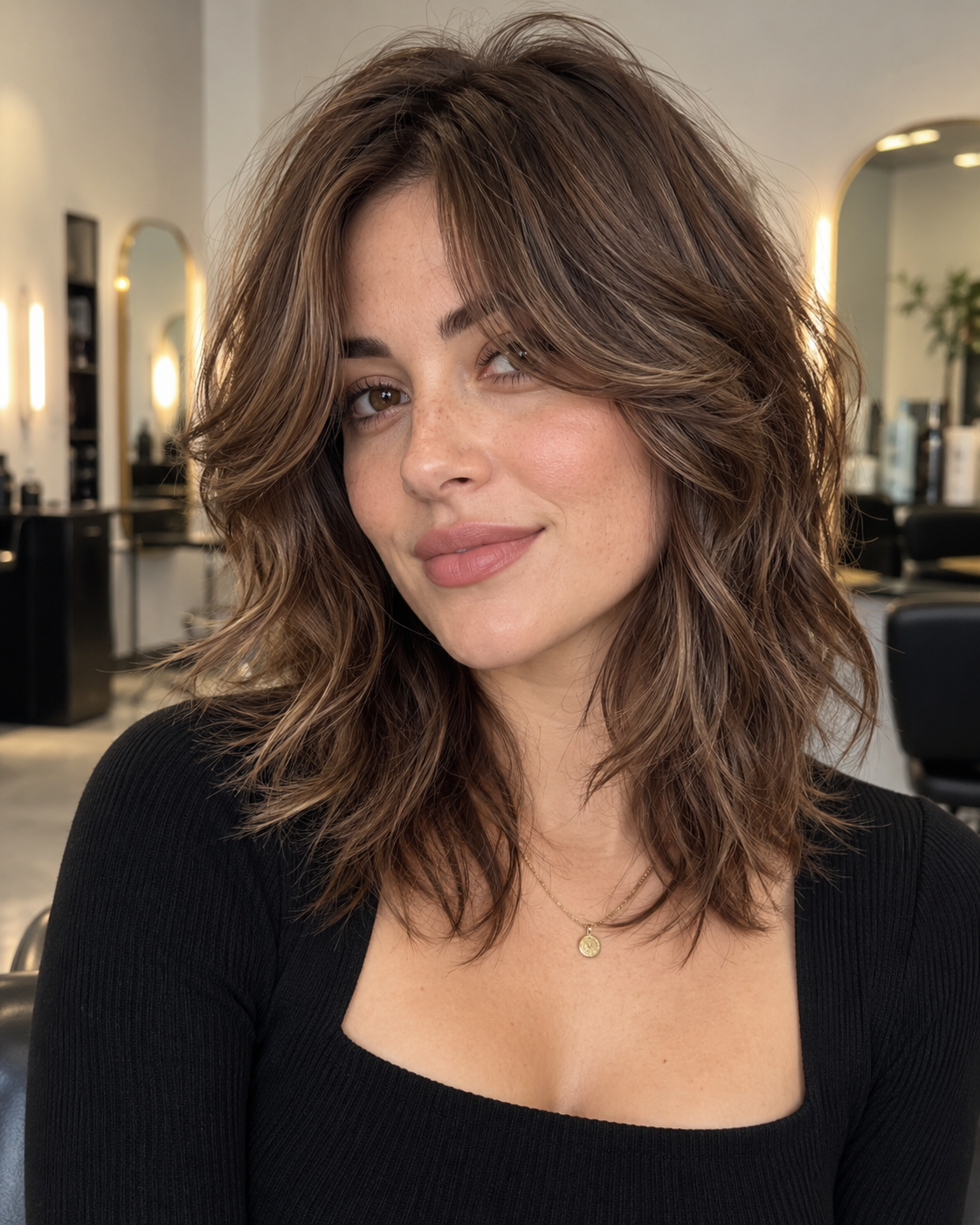
Swaps heavy choppy bangs for softer curtain bangs. The natural parting grows out gracefully, making it one of the most low-maintenance shag variations out there.
12. The Butterfly Bangs Shag
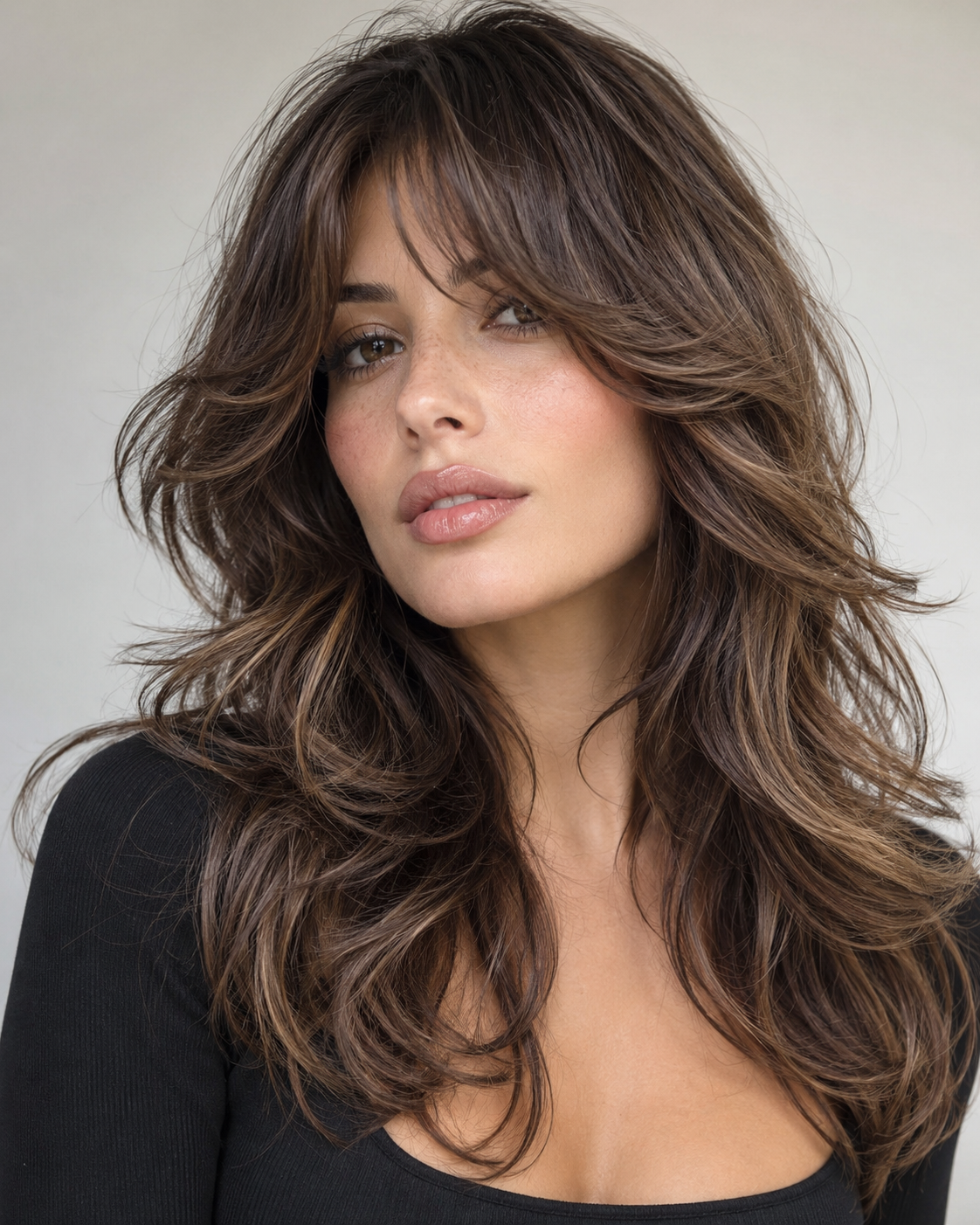
Lightweight in the center, heavier on the sides, sweeping toward the cheekbones like butterfly wings. Lighter than a blunt fringe but with more coverage than air bangs — especially flattering for cheekbones.
13. The Baby Bang Shullet
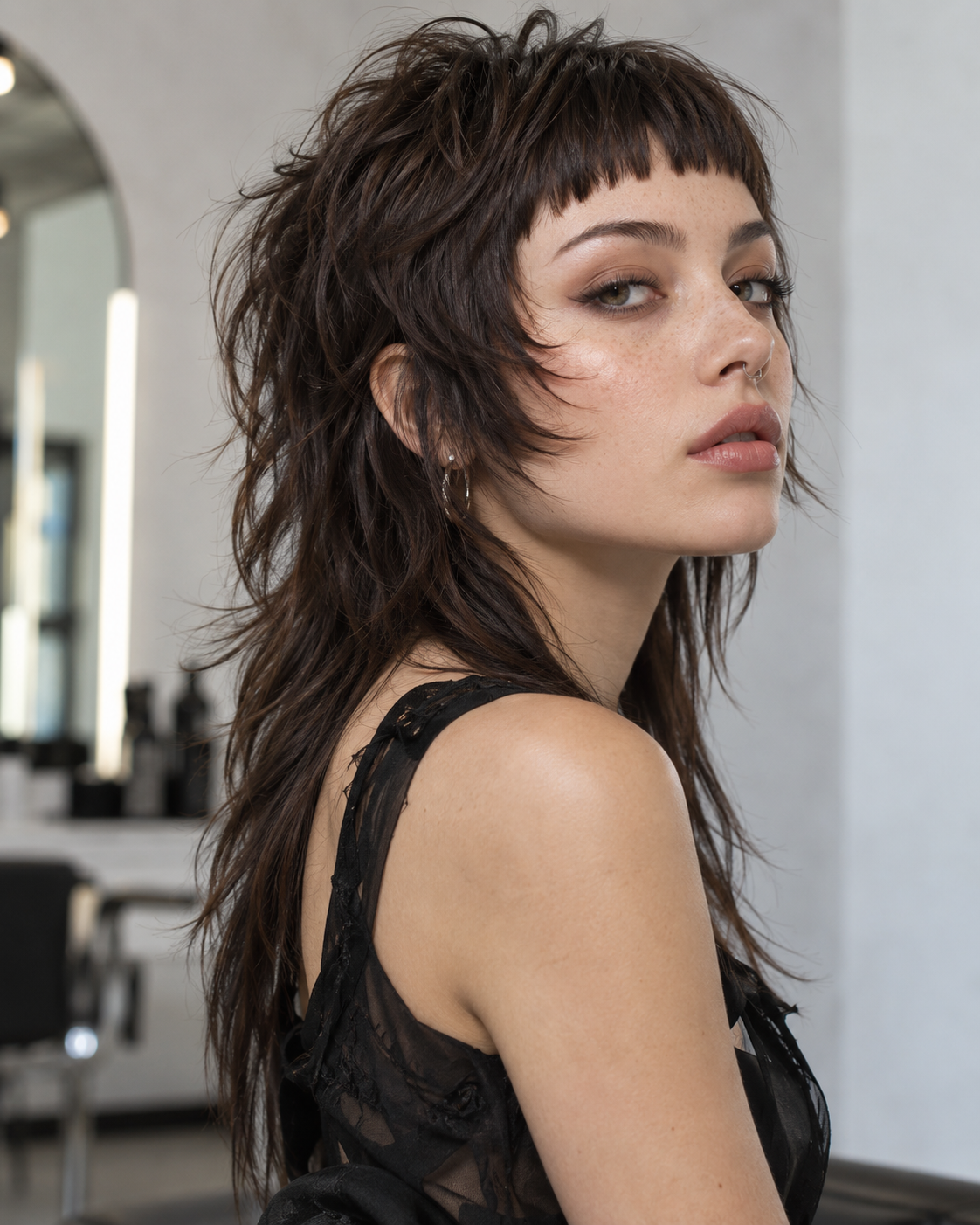
For a more avant-garde look, pair micro bangs with a shullet. Use curl cream or matte pomade to create texture that emphasizes personality over sweetness.
14. The Curly No-Fringe Shag
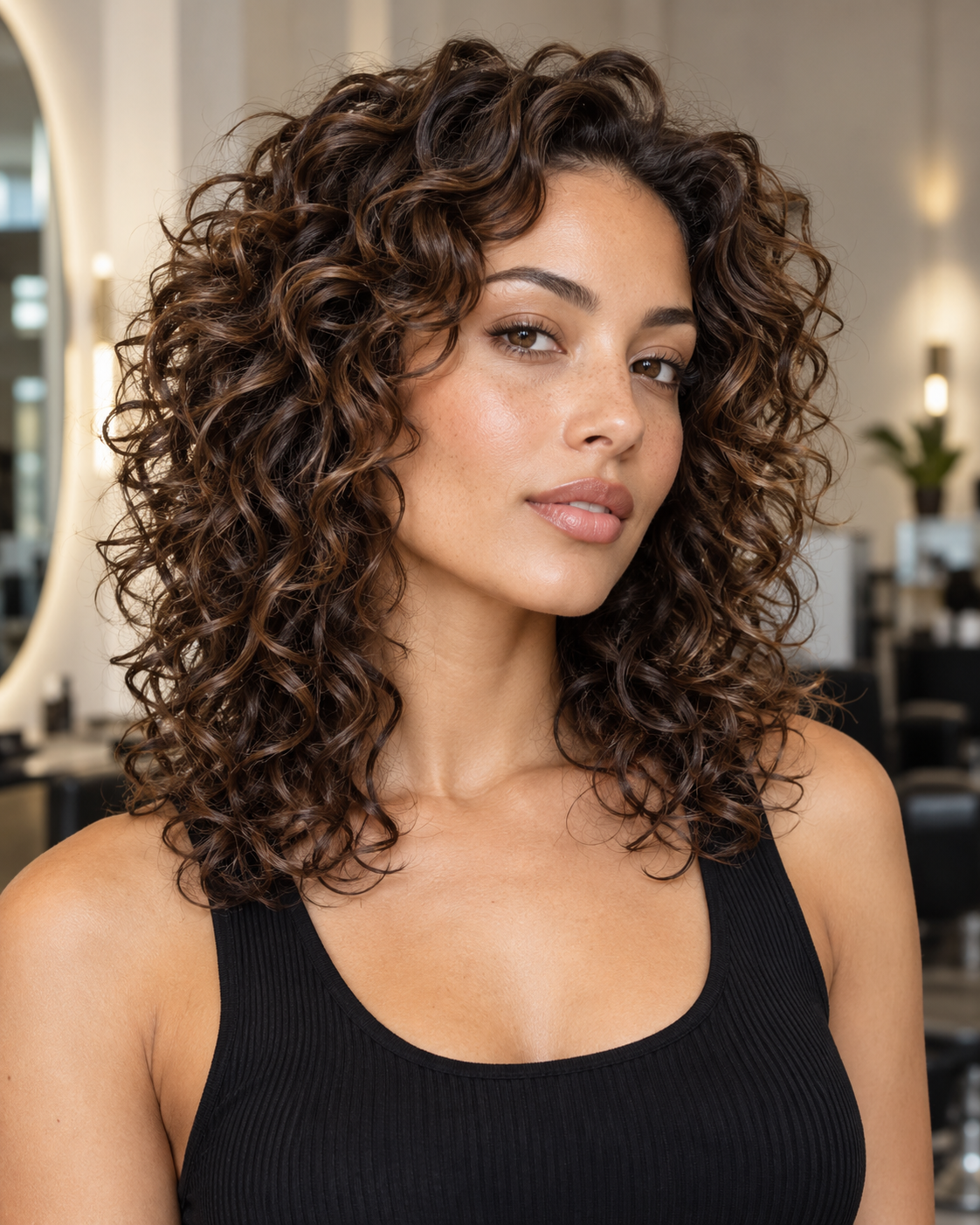
Not every shag needs bangs. Removing the fringe from a curly shag lets the natural curl pattern take center stage — a better fit for curl types that lose definition under bangs.
15. Love Layers
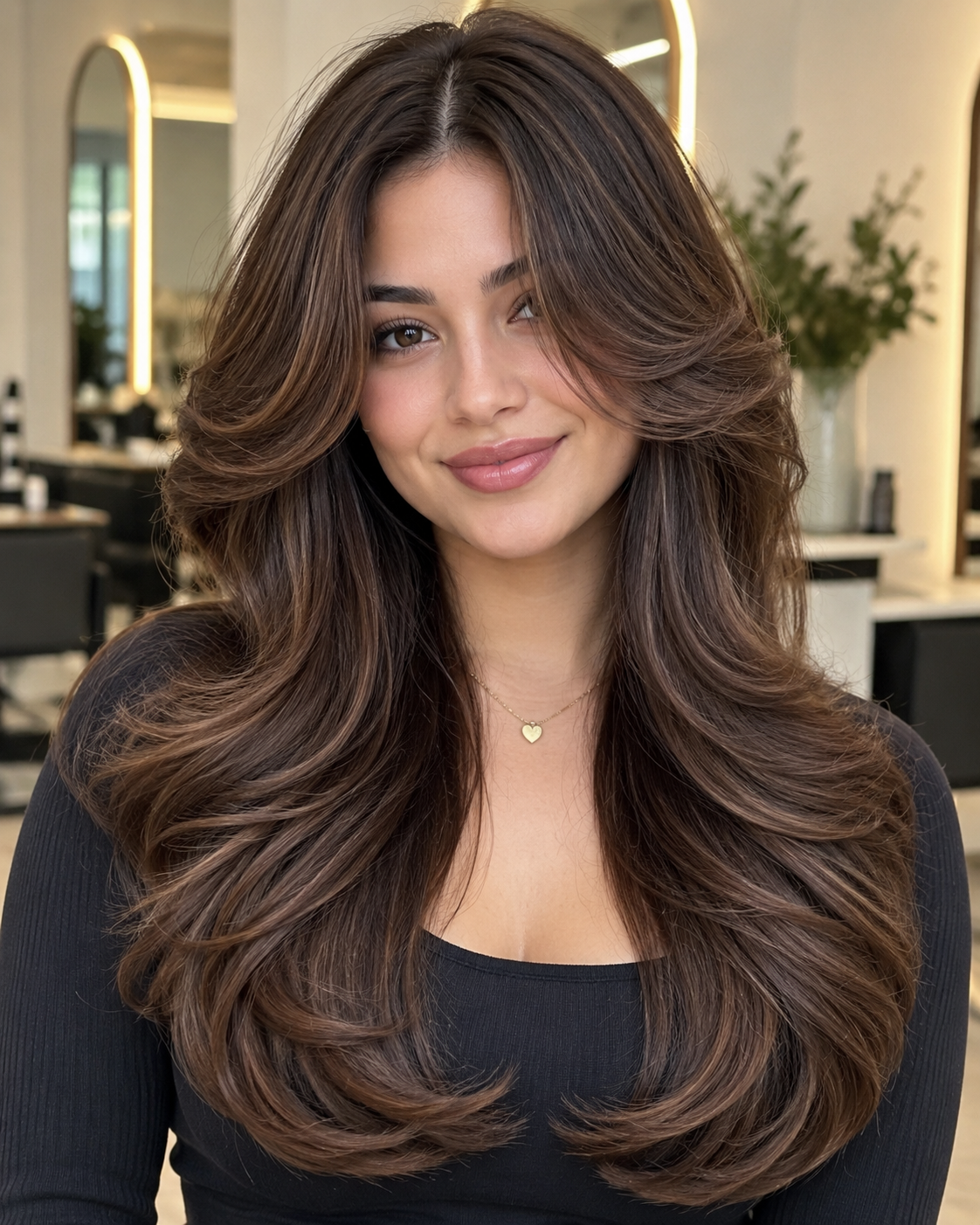
A trend that saw a 519% search spike in fall 2026. Inward-curving, arc-shaped layers that mimic the outline of a heart, paired with a center part. More romantic and feminine than a traditional shag.
16. The Curly Shag
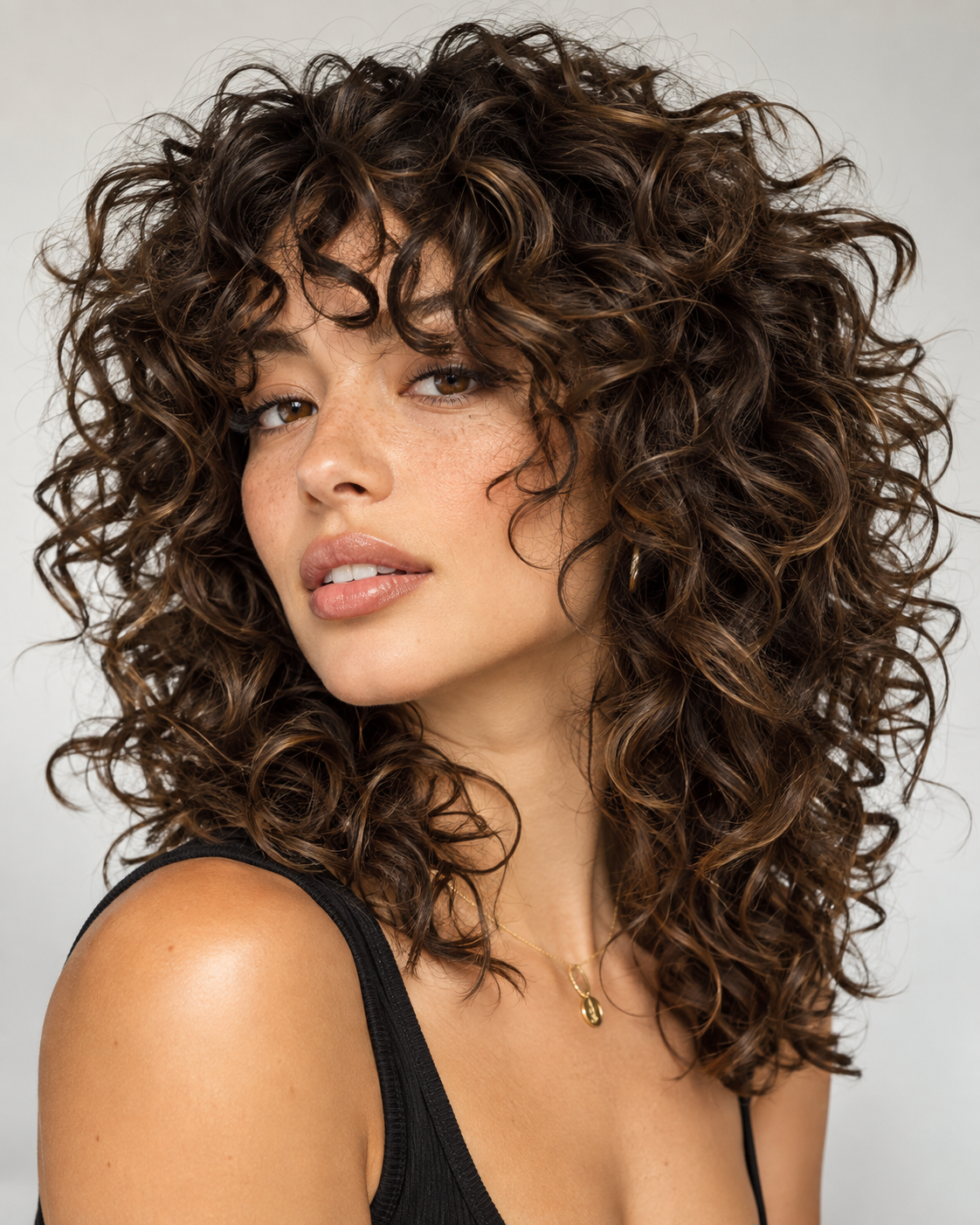
Shags naturally suit curls because layers give the texture room to "breathe" instead of clumping into one mass. The cut that lets natural curls be themselves.
17. The Straight Shag
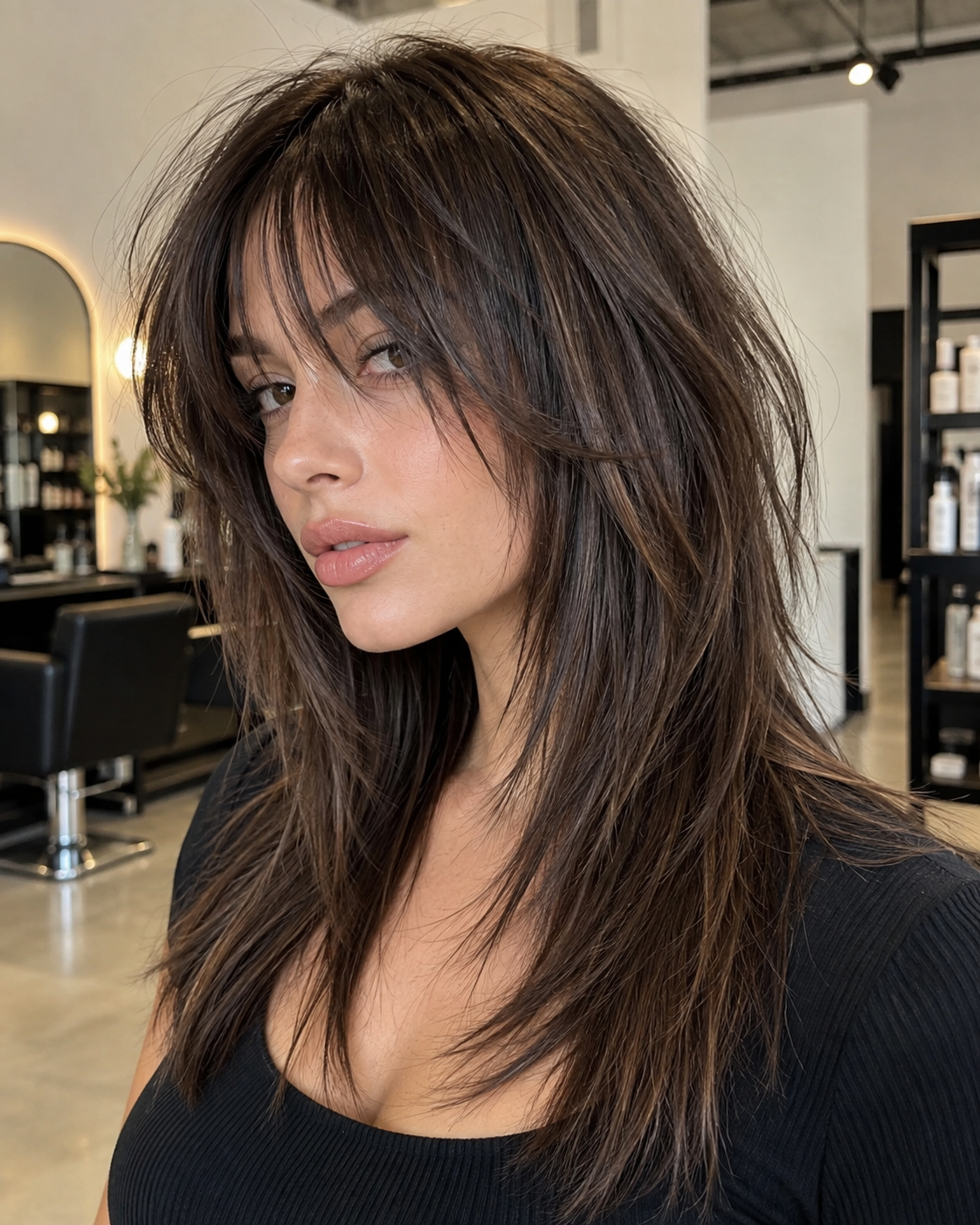
A shag solution for straight hair. Razor-cutting creates wispy ends so even pin-straight hair gets movement and dimension instead of hanging flat.
18. The Shawk (Shag + Mohawk)
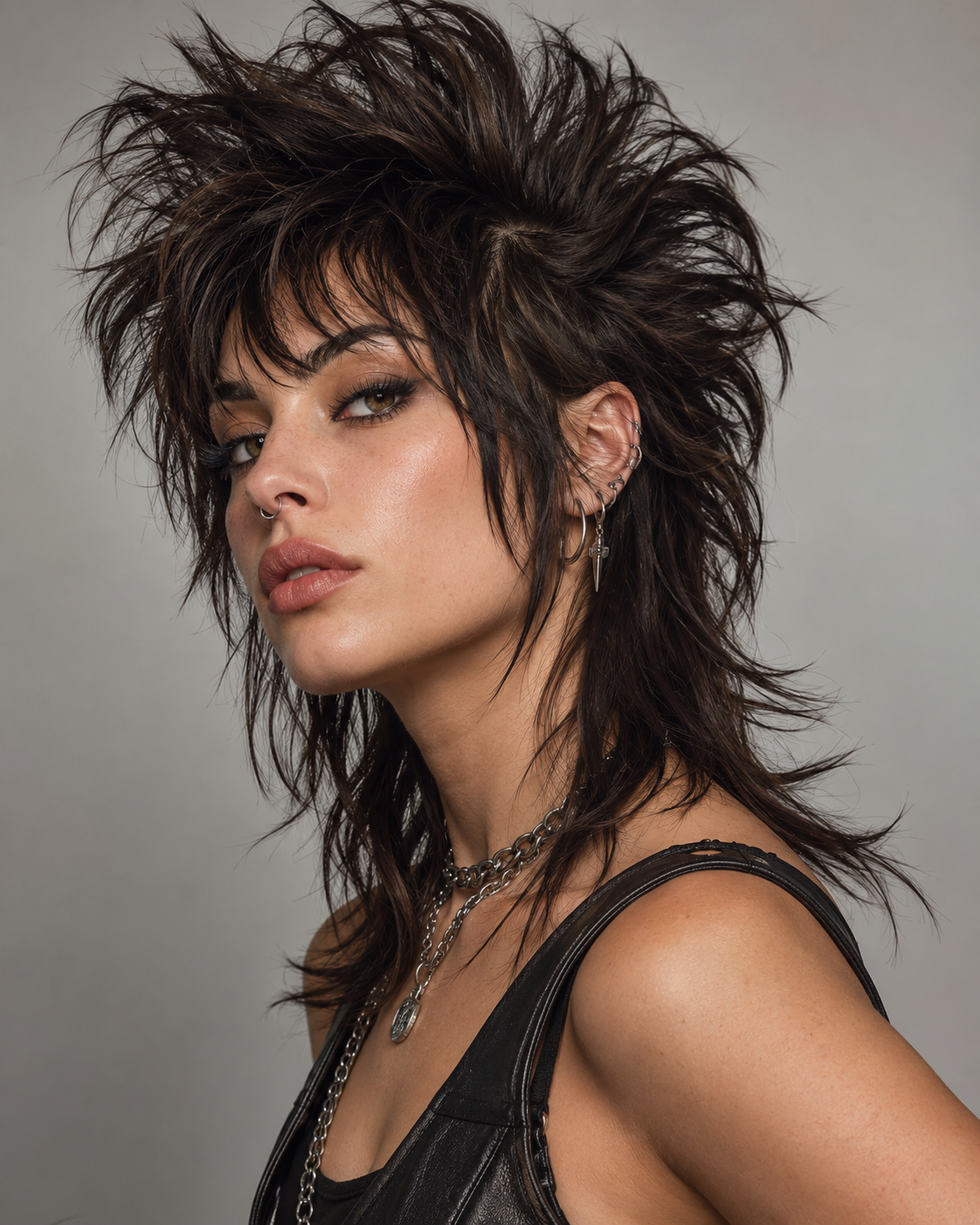
The rebellious older sister of the shag. Combines shaggy texture with mohawk height on top. The most punk-inspired shag variation of 2026, for anyone wanting a bold statement.
19. The Architectural Layer Shag
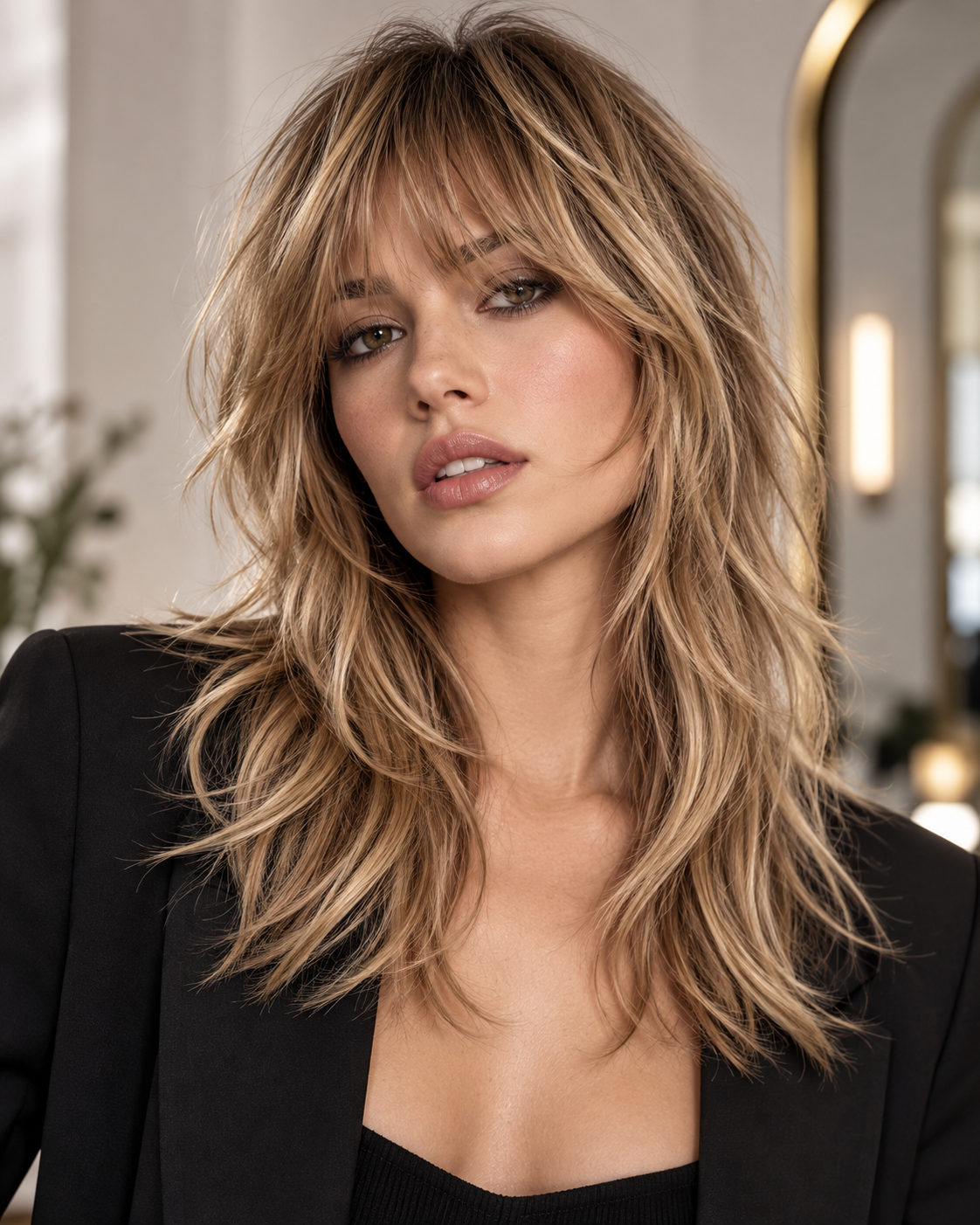
A polished outline with interior layers that create "air" and sculpted movement. Suki Waterhouse is the reference point.
20. The Wispy Shag
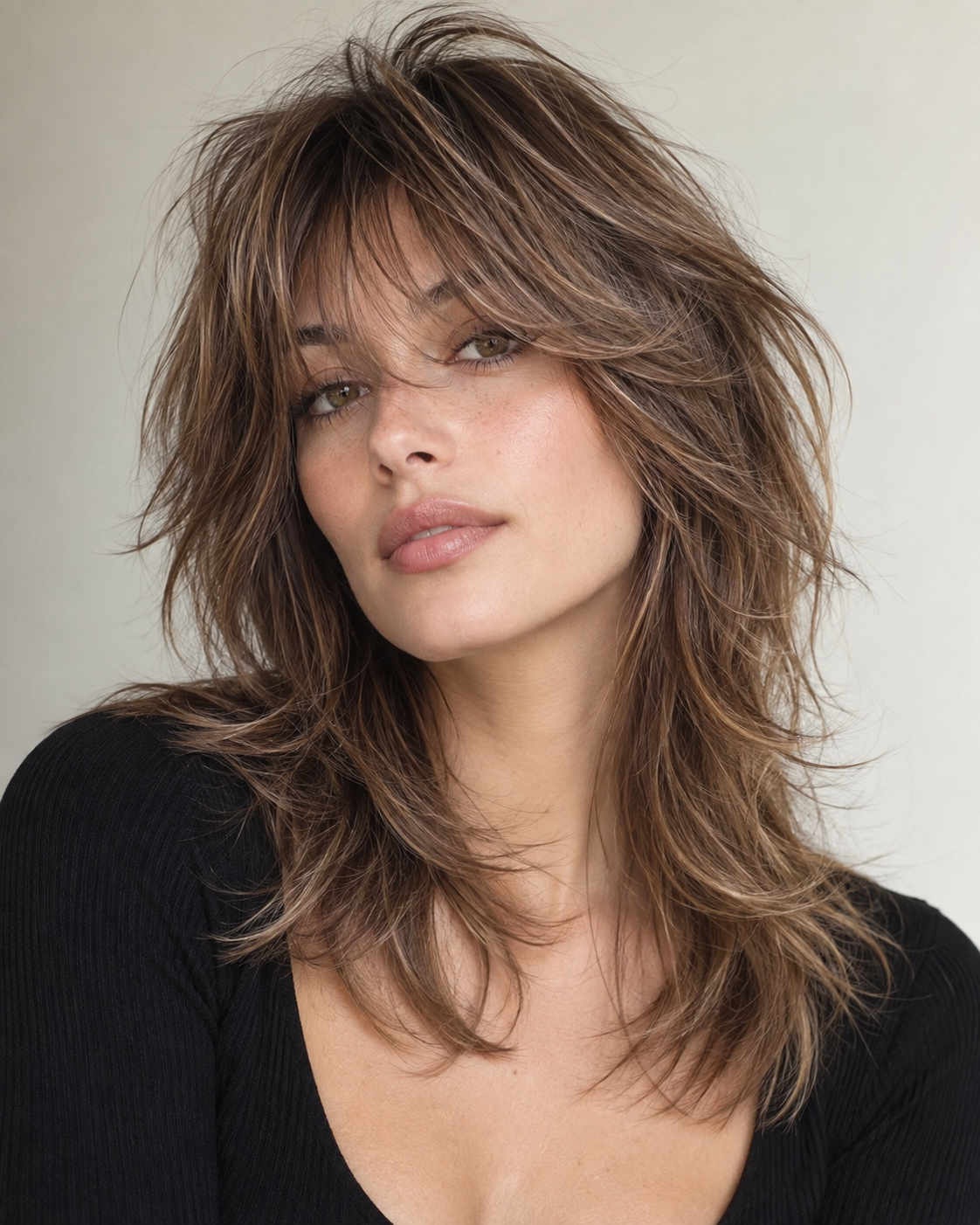
Uses thinning shears on the ends to create an ultra-light, almost translucent finish. Paired with a curling iron and blow-dryer for lift, it gives that barely-there, floaty effect.
How to Choose the Right Shag for You
Not all shags suit all hair types. Use this quick guide:
By hair texture:
- Fine hair: Bixie, Shixie, Wispy Shag (layers create volume)
- Thick hair: Graduated Shag, Architectural Layer Shag (layers reduce bulk)
- Curly hair: Curly Shag, Curly No-Fringe Shag (layers let curls breathe)
- Straight hair: Straight Shag, Long Shag (razor-cut ends add movement)
By commitment level:
- Low commitment: Pseudo-Shag Bob, Shaggy Lob, Curtain Fringe Shag
- Medium commitment: Modern Shag, Muted Shag, Long Shag
- High commitment: Bixie, Shullet, Shawk, Baby Bang Shullet
By vibe:
- Soft and romantic: Muted Shag, Love Layers, Butterfly Bangs Shag
- Edgy and bold: Shawk, Asymmetrical Shag, Baby Bang Shullet
- Effortless and cool: Modern Shag, Shullet, Wispy Shag
Styling Tips for Modern Shag Cuts
A great shag cut is only half the equation — styling is what brings it to life. Here are universal tips that apply across most shag variations:
- Embrace texture spray. Sea salt spray or texturizing mist is your best friend. It adds grit and definition without weighing hair down.
- Skip the heavy products. Shags are meant to look undone. Heavy gels, creams, or oils can flatten the layers and kill the movement.
- Use a diffuser for curls. If you have a curly shag, diffuse on low heat to preserve curl pattern while adding volume.
- Master the "shake and go." After styling, flip your head upside down and shake your roots. This instantly boosts volume and creates that effortless finish.
- Dry shampoo is a styling tool, not just a refresher. It adds grip and texture at the roots, especially on day-two hair.
- Get regular trims. Shags rely on shape. Without trims every 6–8 weeks, layers can grow out and lose their intended silhouette.
- Invest in a good round brush. For straight or wavy shags, a round brush and blow-dryer create bend and movement at the ends.
Common Mistakes to Avoid
Even the best shag can go wrong with the wrong approach. Avoid these pitfalls:
- Over-layering fine hair. Too many layers on thin hair can make it look stringy rather than voluminous.
- Cutting a shag on wet hair without checking dry. Shags shrink and shift as they dry. Always confirm the shape on dry hair.
- Ignoring face shape. A shag's face-framing layers should complement your bone structure, not fight it.
- Using the wrong tools at home. A cheap razor or dull shears at home can fray ends rather than texturize them.
- Skipping communication with your stylist. Bring photos. Be specific. A shag is not a one-size-fits-all cut.
Conclusion
The classic shag is proof that great haircuts never die — they evolve. What started as a rebellious, rock-and-roll statement has grown into one of the most versatile, inclusive, and expressive cuts in modern hair. Whether you are drawn to the soft romance of Love Layers, the bold energy of a Shawk, or the low-maintenance ease of a Curtain Fringe Shag, there is a version of this cut that fits your hair, your lifestyle, and your personality.
The best part? The shag is forgiving. It looks intentional when styled and effortless when ignored. It grows out gracefully. It works on every texture, every length, and every age. In a world of overly polished, high-maintenance hairstyles, the shag remains a celebration of imperfection — and that is exactly why it keeps coming back.
So if you have been sitting on the fence about trying one, consider this your sign. Book the appointment. Bring your inspiration photos. And get ready to embrace the beautiful, messy, endlessly cool world of the modern shag.
FAQ
How often should I get a shag cut trimmed?
Every 6 to 8 weeks to maintain the shape and prevent layers from growing out.
Can I get a shag if I have fine hair?
Yes. Opt for a Bixie, Shixie, or Wispy Shag — these create volume without weighing hair down.
Is a shag high maintenance?
The cut itself is low maintenance, but it does require regular trims and the right styling products to look its best.
What is the difference between a shag and a wolf cut?
A wolf cut is a specific variation of the shag with more dramatic, disconnected layers and a stronger mullet influence. The shag is the broader category.
Can I wear a shag with straight hair?
Absolutely. The Straight Shag uses razor-cutting to add movement and texture to pin-straight hair.
Do shags work on curly hair?
Yes — in fact, curls and shags are a natural match. The layers give curls room to define themselves instead of clumping.

Leave a Reply