
Thick hair is a blessing — until you want a bob. Suddenly that beautiful volume turns into bulk, the shape balloons outward instead of falling softly, and you're left looking like you're wearing a helmet rather than a haircut.
The shaggy bob is the answer. Unlike a blunt bob, which stacks weight at the ends and fights everything thick hair naturally does, a shaggy bob works with your density. The layers are cut to remove weight from the inside while keeping the ends full and textured, so the hair moves, breathes, and actually holds a shape.
But not every shaggy bob is right for every person. Length, bang style, curl pattern, and how much layering you're willing to commit to all change the result. A razor-cut shag looks completely different from a polished French bob, and a wolf cut is a different animal altogether.
That's why this list covers 14 variations — from the safest, most classic versions to the boldest, most layered ones. Whether you have straight thick hair, natural curls, or something in between, you'll find an option here that suits your texture, your face shape, and how much time you're actually willing to spend styling it.
Let's start with the classic.
Who Should Try a Shaggy Bob?
This cut works best for:
- Thick, straight-to-wavy hair — the classic candidate. Layers create movement that straight thick hair otherwise lacks.
- Thick curly hair — provided it's cut dry and curl by curl. The shag shape complements natural coils beautifully.
- Anyone with a round or square face — the face-framing layers and vertical movement of a shag visually elongate the face.
- People in a growing-out phase — a shaggy bob is one of the most forgiving transitional cuts, because it blends different lengths instead of fighting them.
It's less ideal for:
- Very fine hair — without enough density, the layers can look stringy rather than full.
- Anyone who wants zero maintenance — a shaggy bob is low maintenance, not no maintenance. It still needs regular trims every 6–8 weeks to keep its shape.
14 Shaggy Bob Ideas for Thick Hair That Actually Remove the Weight:
1. Classic Shaggy Bob
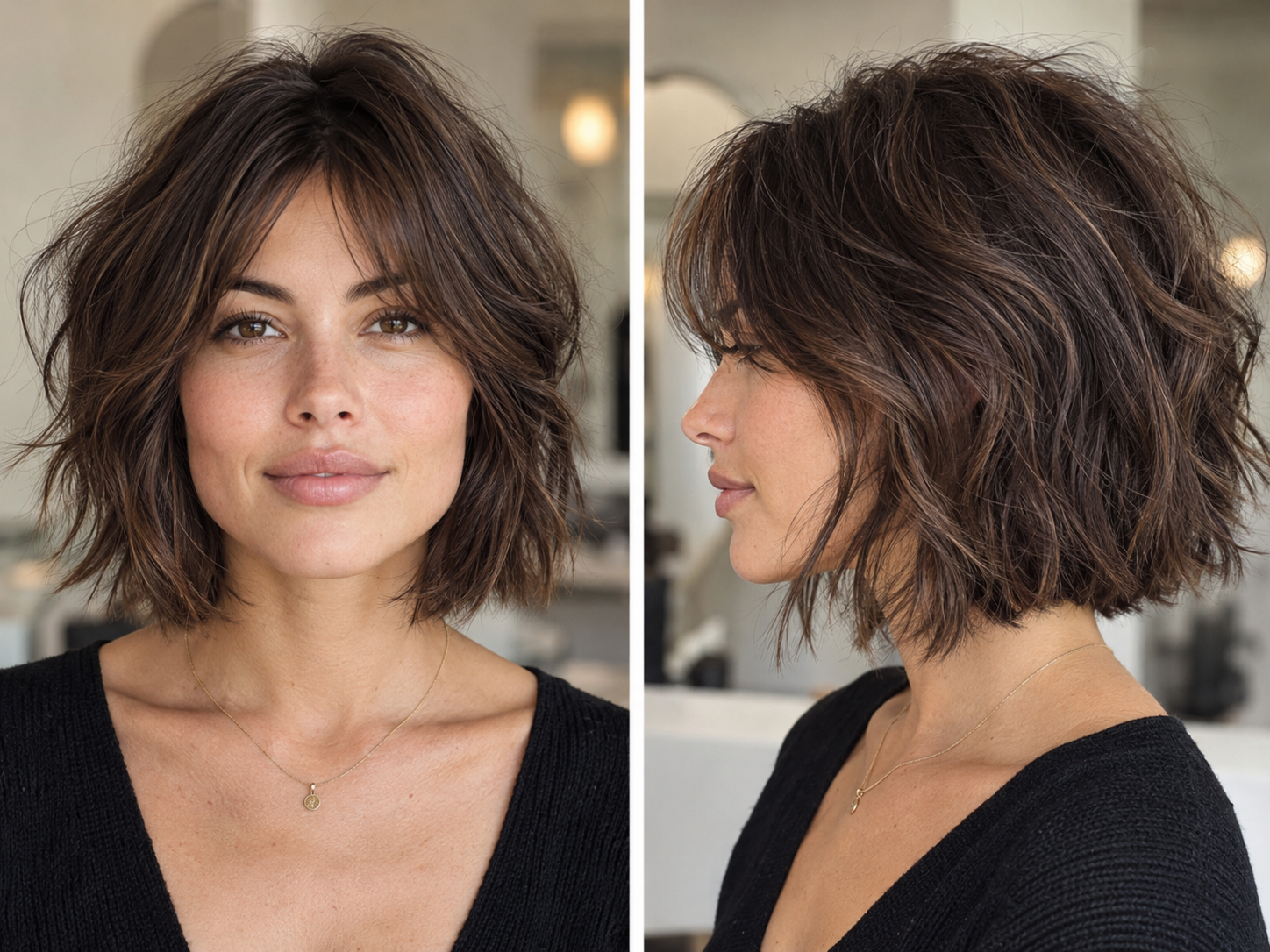
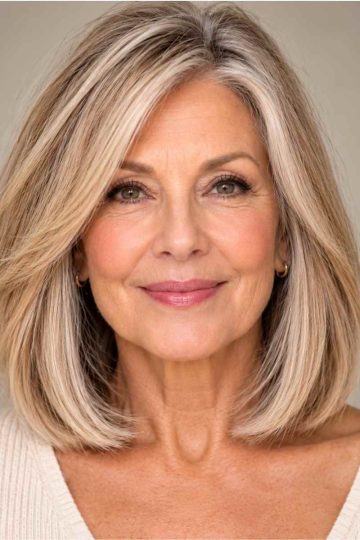
The foundation of every other idea on this list. Length sits between the chin and shoulders, with point-cutting or razor work through the interior to strip out weight. The ends stay uneven and piecey rather than blunt, so the shape relies on texture and movement instead of a clean line.
2. Shaggy French Bob
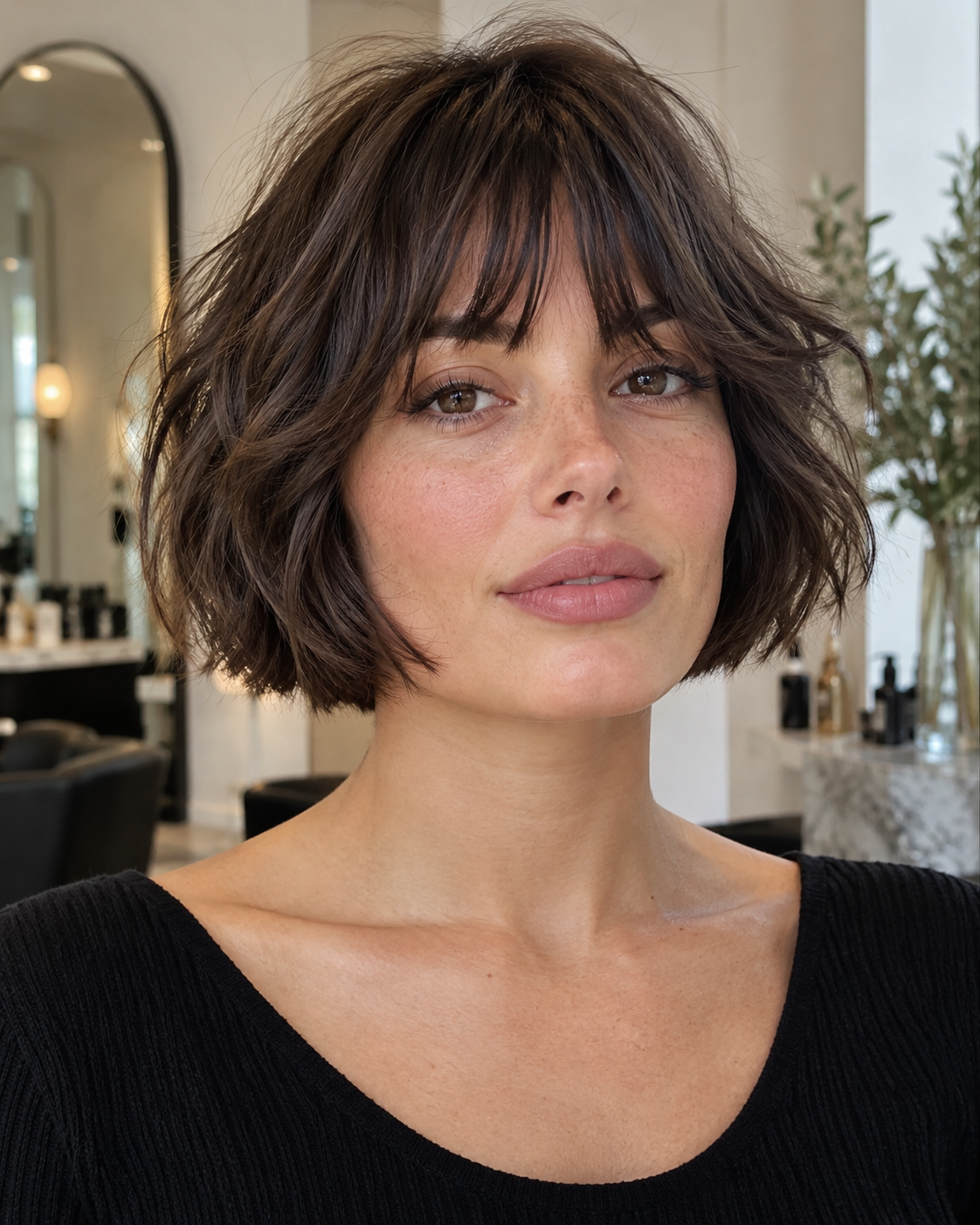
The French version sits above the jaw and feels more polished than punk. The perimeter keeps a bit of weight, but the internal layers are cut light and well-connected. Paired with wispy bangs, it reads effortless rather than edgy — ideal if you want low maintenance without the rock-and-roll vibe.
3. Razor-Cut Feathered Shaggy Bob
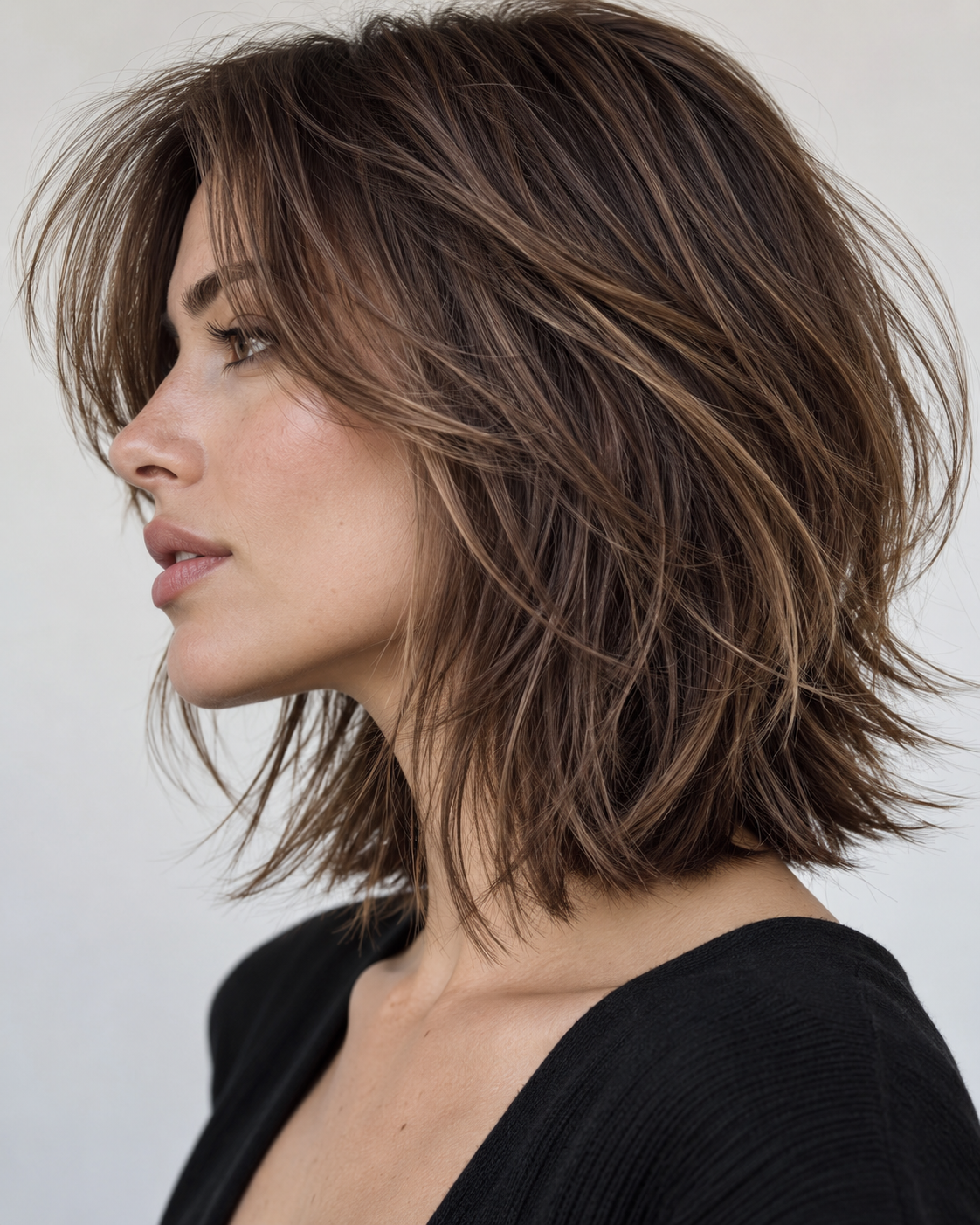
If your hair is healthy and genuinely thick, a razor can create a feathery softness that scissors simply can't. The ends look airy and windswept. The catch: you need a stylist who is truly skilled with a razor, or you'll end up with frizz and split ends instead.
4. Wolf-Cut Shaggy Bob
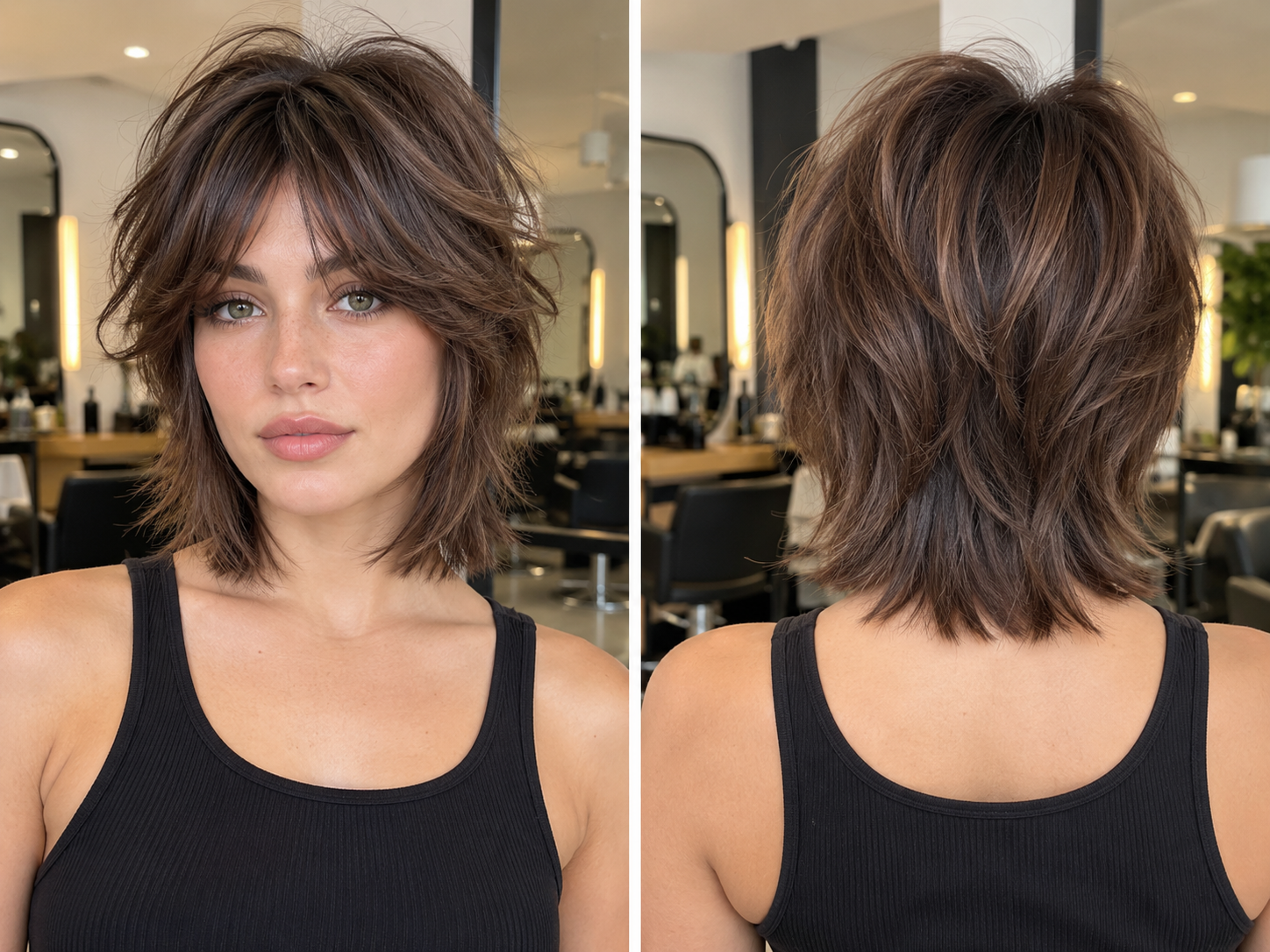
The most layered option here. It compresses the short, high layers of a wolf cut into bob length — lifted at the crown, tapered and shaggy at the ends, with a distinct '70s rebellious edge. Best for someone who wants their hair to make a statement and doesn't mind spending two minutes on texture in the morning.
5. Flipped-End Shaggy Bob
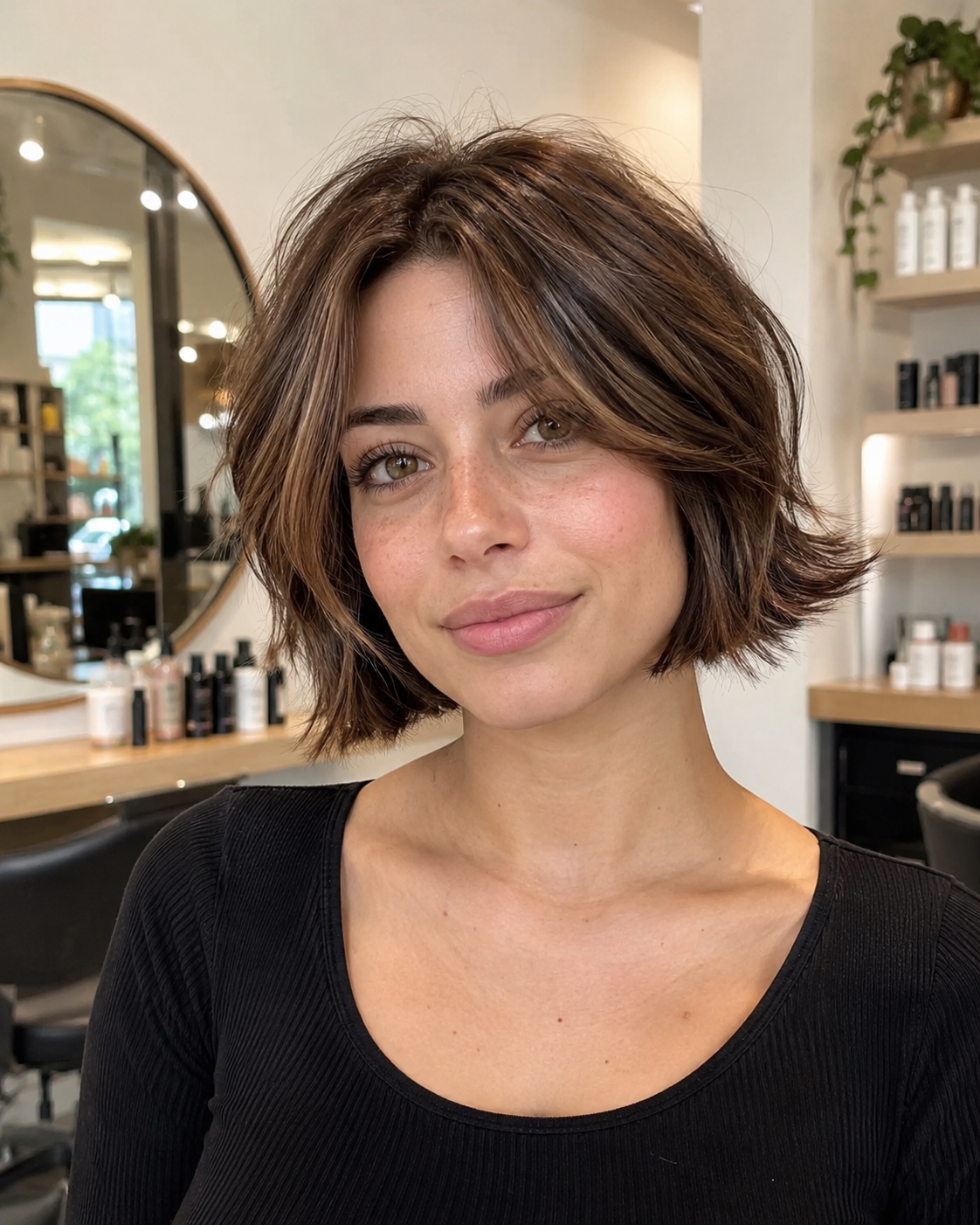
The ends flick outward instead of tucking under, which breaks the closed shape of a traditional bob and adds a playful, bouncy feel. On thick hair, this style needs internal debulking first — otherwise the outward flip makes the sides look even wider. A round brush or flat iron is enough to set the curve.
6. Airy Curtain Bangs Shaggy Bob
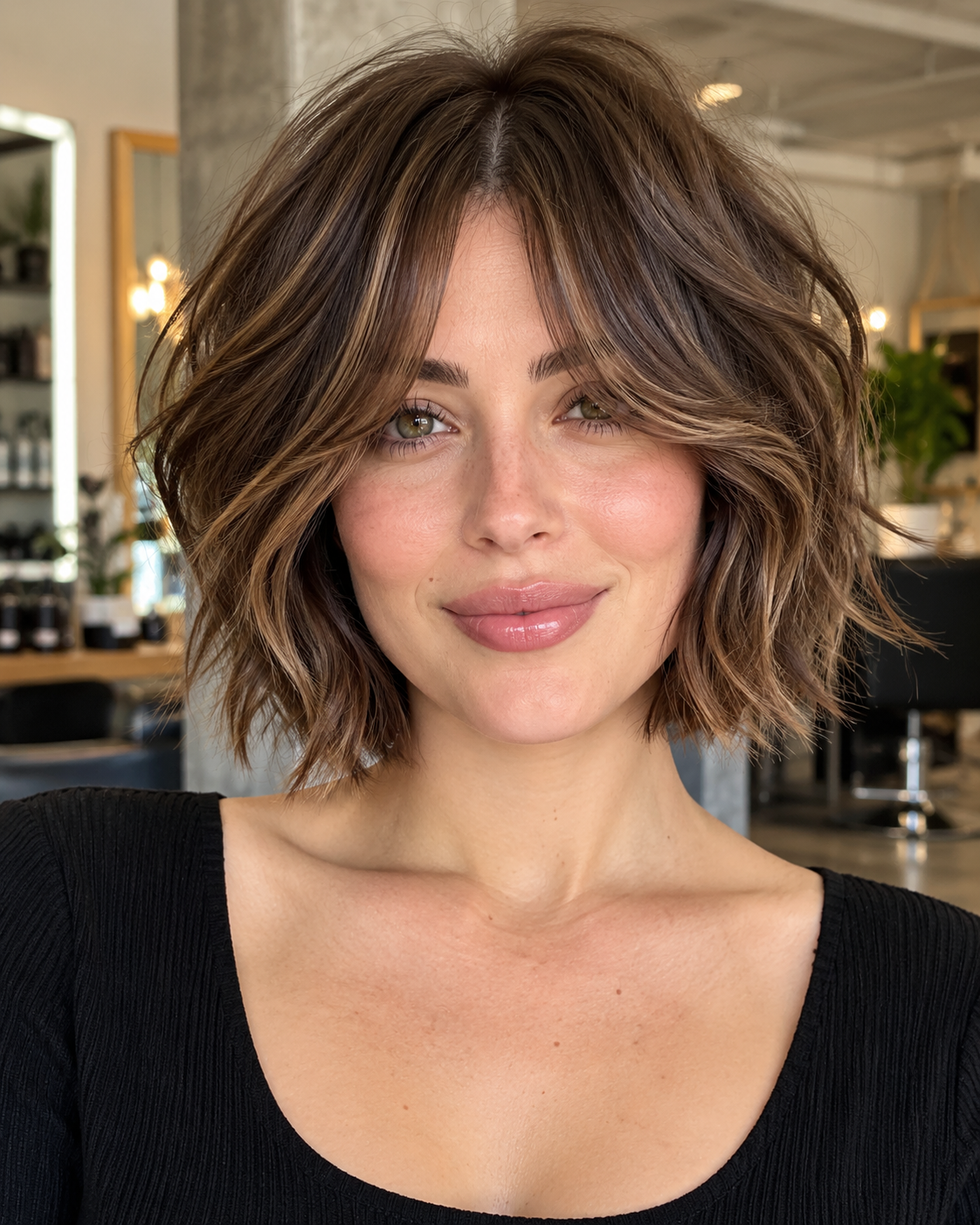
The bangs and face-framing layers are cut as one continuous shape, parting from the center and sweeping outward with a bend around the cheekbones. For thick hair, the key is keeping the bangs piecey rather than dense — too much density here flattens the forehead and kills the whole look.
7. Cheekbone-Length Curtain Shaggy Bob
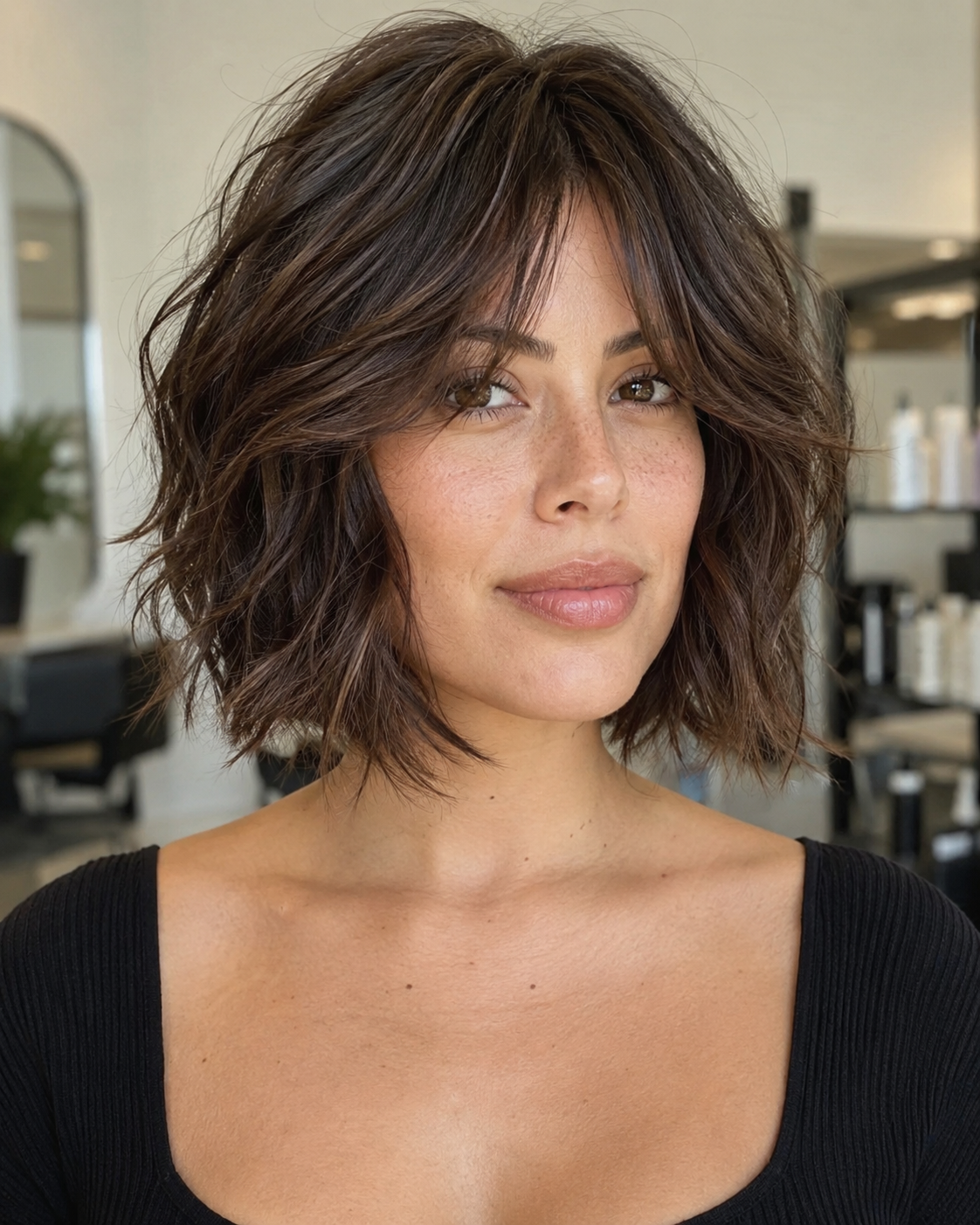
Same idea as above, but the shortest point of the curtain sits at the cheekbone, growing longer toward the sides. The overall weight line is higher, which makes it great for showing off cheekbones or softening a round face. Thick hair needs proper thinning through the bang area to keep it from looking heavy.
8. Dry-Cut Curly Shaggy Bob
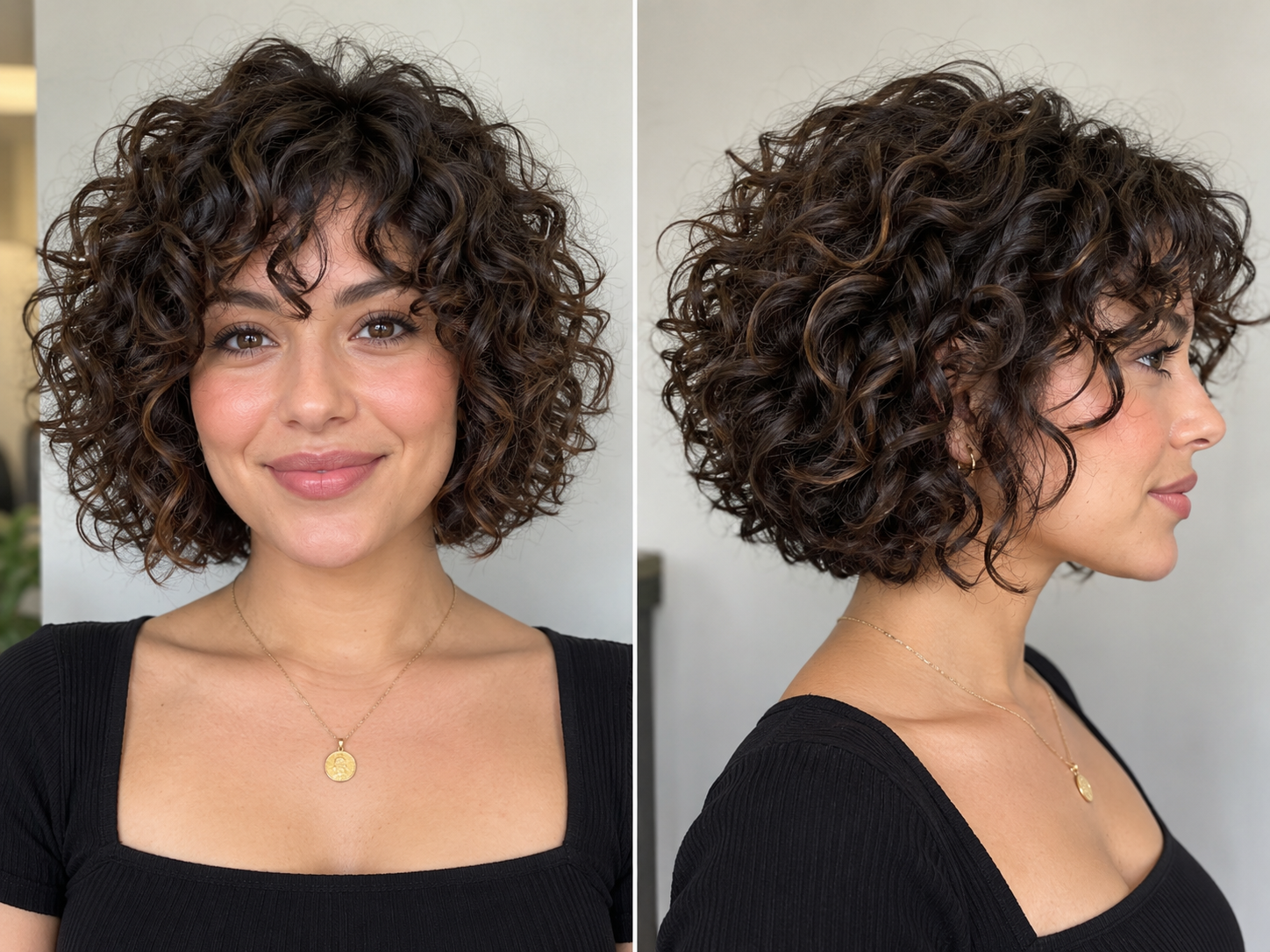
Designed specifically for natural curls and thick textured hair. Cutting wet will fool you — curls spring up shorter than they appear. Cutting dry, curl by curl, lets the layers follow each strand's natural fall. Done right, it prevents the dreaded triangle shape that thick curls so often get.
9. Razored Shaggy Bob with Highlights
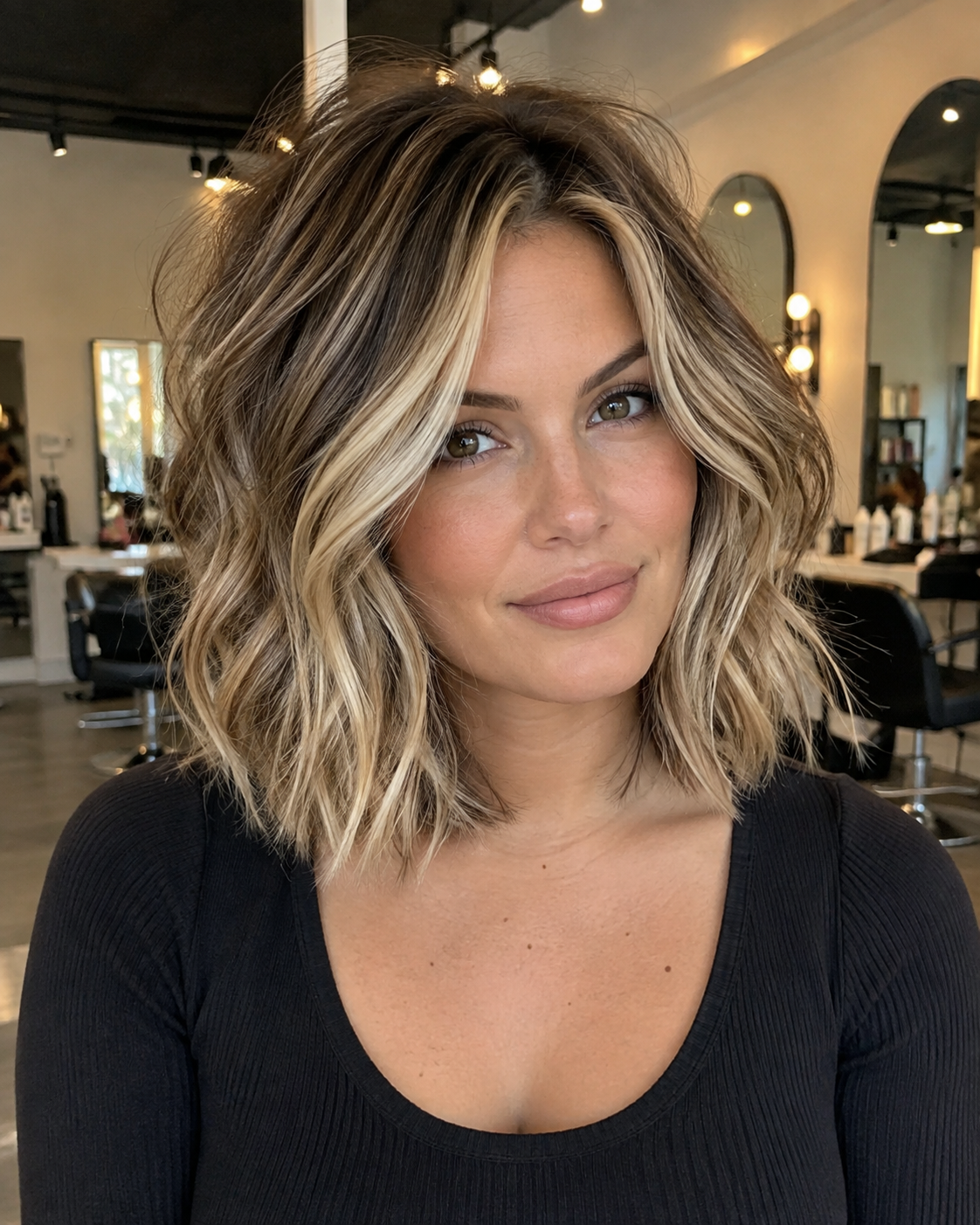
A razor-cut shag is already full of movement; adding highlights or "money pieces" around the face gives the eye somewhere to go besides the sheer density. For thick hair, keep the color low maintenance — balayage or a soft root melt — so regrowth doesn't create a harsh line.
10. Heavy Blunt Bangs Shaggy Bob
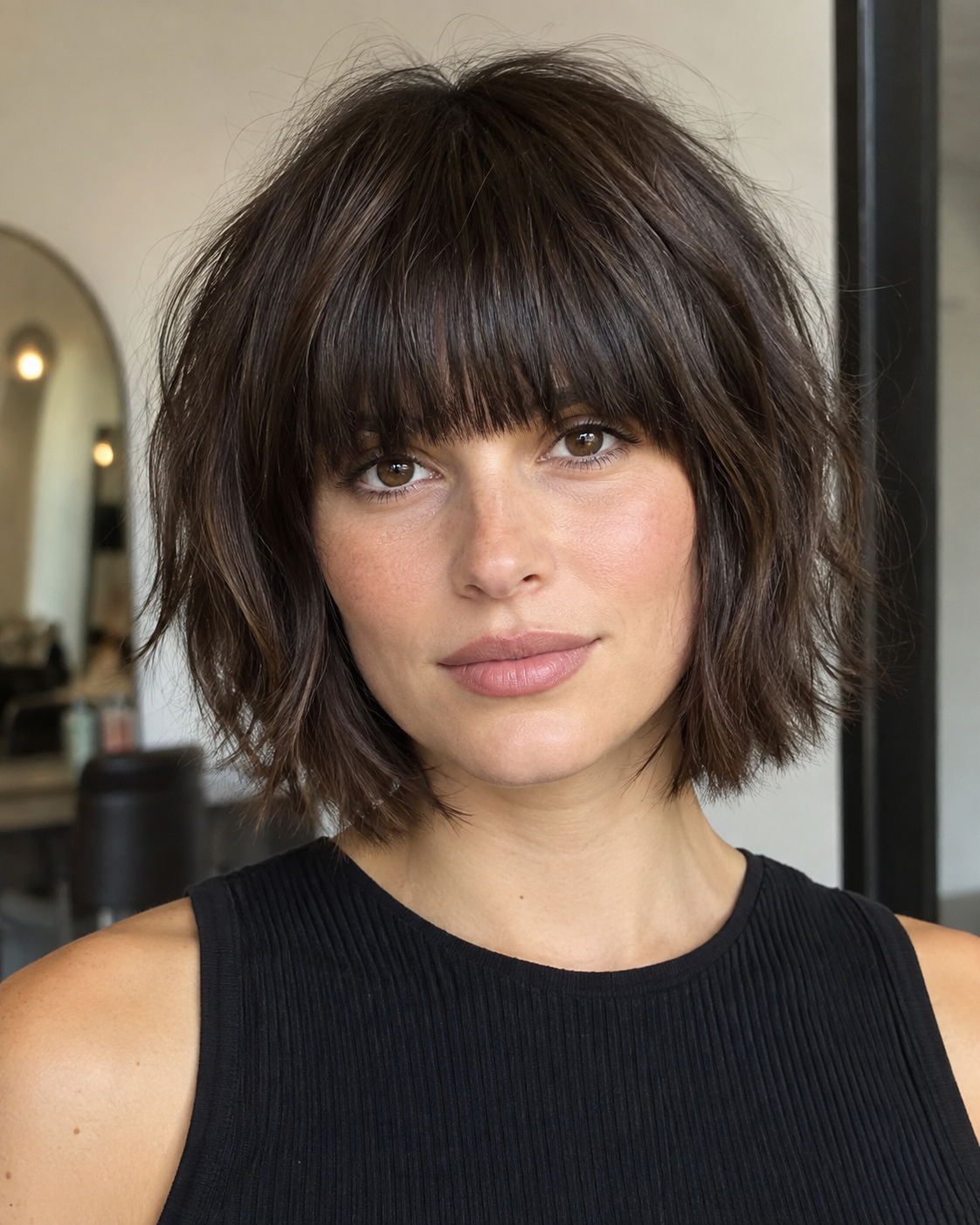
Thick bangs on thick hair can look suffocating, but if the fringe is cut full and given a slight natural bend, it actually balances the volume on the sides. The trick: the bangs should be noticeably denser than the rest of the shag, creating contrast. Otherwise the whole cut just looks thinned out.
11. Shoulder-Length Shaggy Bob
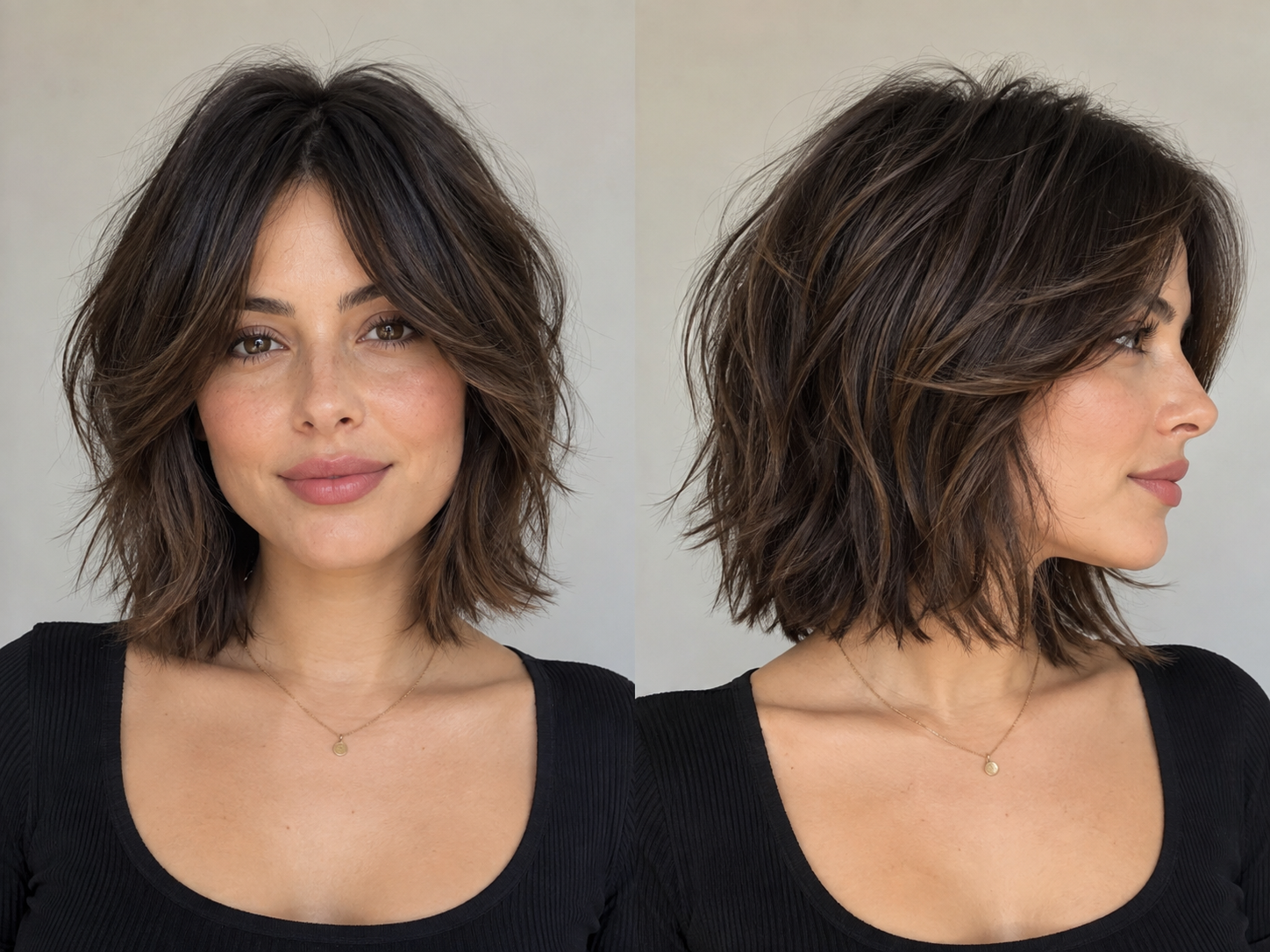
Layers start around the jaw and flow downward toward the shoulders. This is the length where thick hair is most likely to "explode" outward, so internal debulking is non-negotiable. A good choice if you want to keep some length without carrying the weight of long hair.
12. Wet-Look Shaggy Bob
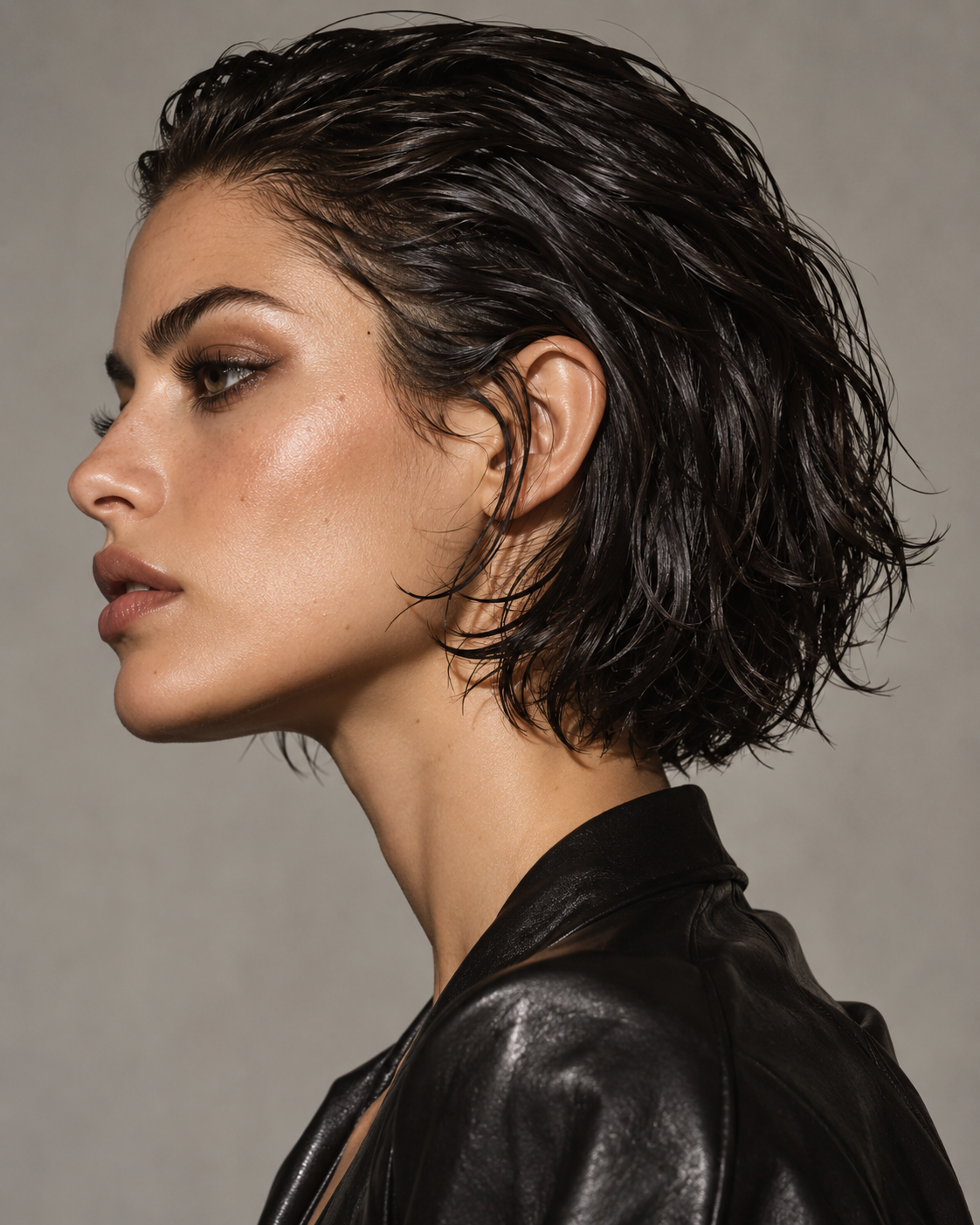
Slick the shag back with a wet-finish product and thick hair shifts instantly from fluffy to sleek and sharp. It's not an everyday style, but it's a useful switch for formal settings or when you want a completely different energy from the same cut.
13. Shaggy Bob with Micro Bangs
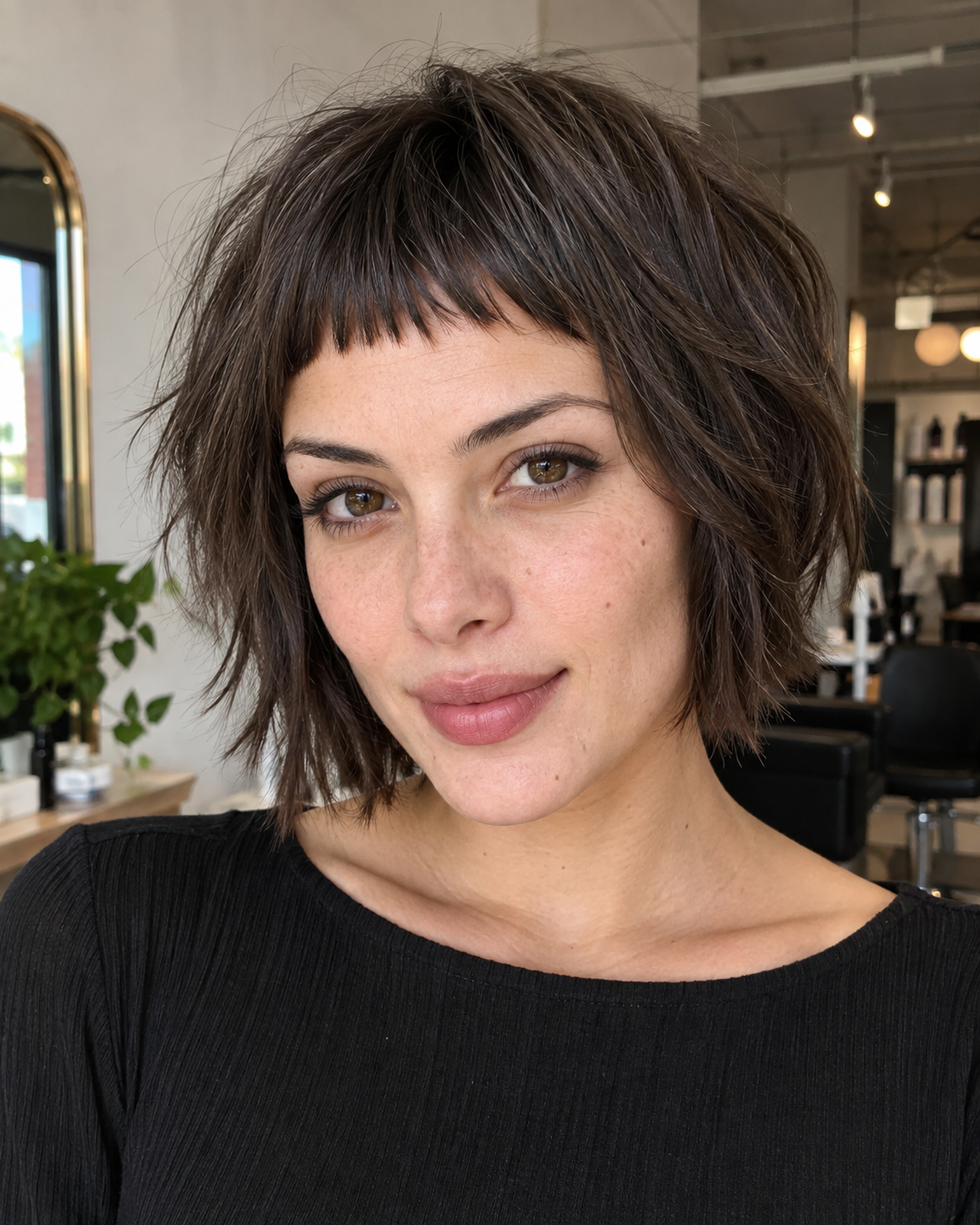
Short, piecey bangs that sit above the brows and leave the forehead exposed. On thick hair, the bang area needs enough density to hold its shape — otherwise it falls flat against the skin. A good pick if you want bangs to change your face proportions without the weight of a full fringe.
14. Center-Part Shaggy Bob
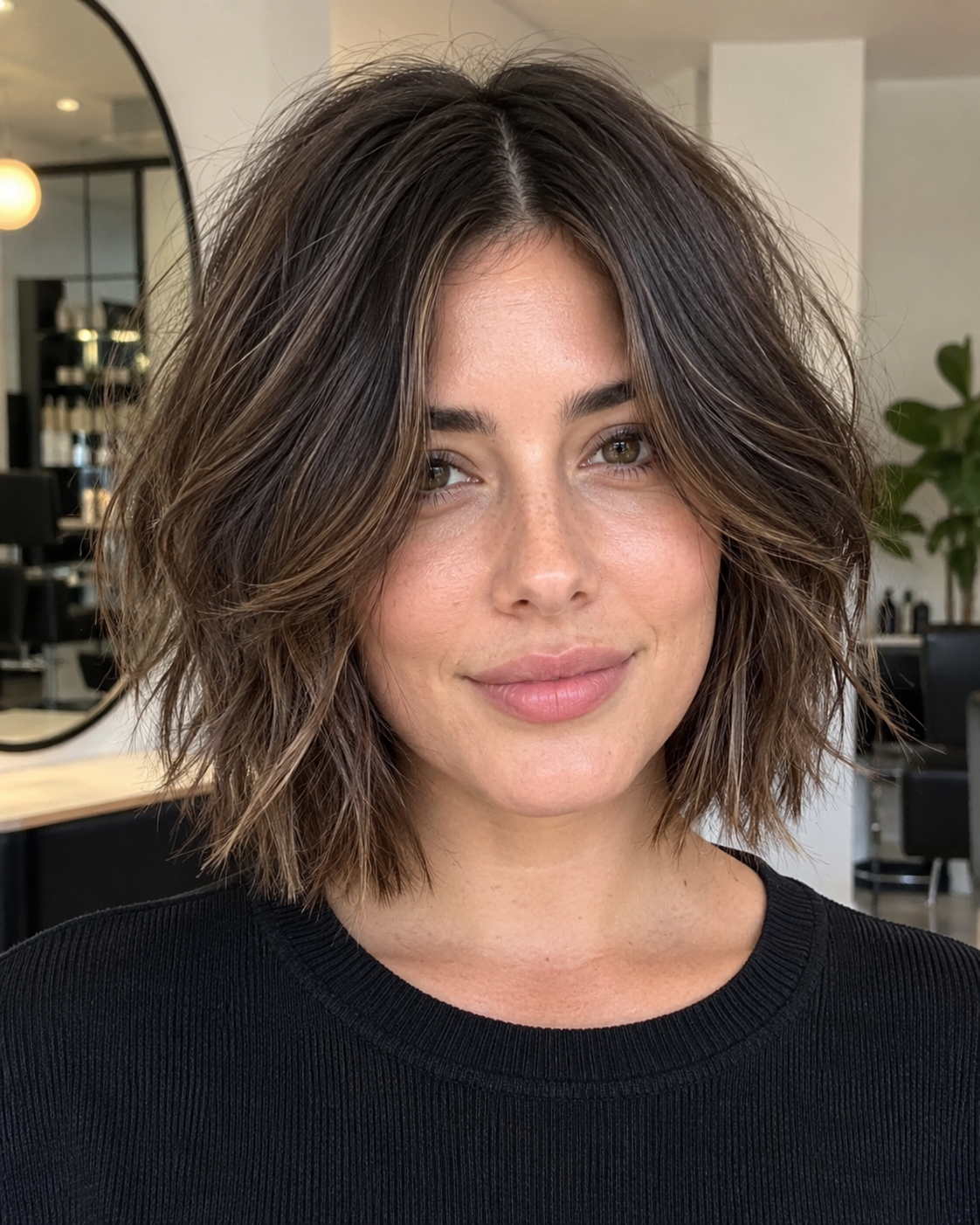
The simplest variation, and the one that exposes bad cutting the fastest. After a center part, both sides need to be symmetrical without looking forced, and the shag texture has to come from internal layers rather than surface choppiness. The upside for thick hair: almost no styling product needed — just blow-dry and finger-fluff.
What to Tell Your Stylist
Bringing the right language to your appointment can make or break the result. Here's what to say:
- Ask for internal debulking, not surface thinning. Surface thinning removes bulk from the top layer, which causes frizz and flyaways. Internal debulking removes weight from underneath, so the hair keeps its smooth surface while feeling lighter.
- Say "piecey, not choppy." Choppy implies random, uneven cutting. Piecey means the texture is intentional and controlled.
- Be specific about length. "Chin length" means different things to different stylists. Point to a spot on your face or collarbone.
- Mention your styling routine honestly. If you won't blow-dry your hair, say so. A good shaggy bob should work with air-drying if that's your reality.
- Ask how the cut will grow out. A well-cut shag should still look good four to six weeks later, not just on day one.
Styling Tips for Thick Shaggy Bobs
- Start with damp hair, not soaking wet. Thick hair holds water and can mask how much product you actually need.
- Use a lightweight texture spray or sea salt spray. Heavy creams and oils will weigh down a shag and flatten the layers you just paid for.
- Diffuse or air-dry when possible. High heat plus thick hair equals frizz. If you must blow-dry, use a concentrator nozzle and point it downward.
- Scrunch, don't brush. Brushing a shaggy bob destroys the texture. Use your fingers or a wide-tooth comb.
- Refresh with dry shampoo at the roots. Thick hair tends to get oily at the scalp while the ends stay dry. Dry shampoo adds grip and volume without adding weight.
- Embrace second-day hair. Shaggy bobs often look better on day two, once the natural oils have settled in and the texture has relaxed.
Conclusion
A shaggy bob is one of the few haircuts that actually works with thick hair instead of against it. The layers remove what you don't need — bulk, weight, that heavy helmet effect — while the choppy ends keep the volume and movement that make thick hair enviable in the first place.
The 14 ideas above range from safe and polished (the French bob, the center-part shag) to bold and rebellious (the wolf cut, the razor-cut shag). None of them require you to fight your natural texture every morning. What they do require is a stylist who understands how to debulk thick hair properly — because the difference between a great shaggy bob and a shapeless one almost always comes down to technique, not the idea itself.
If you're trying a shaggy bob for the first time, start with a shoulder-length or chin-length version and bring photos. If you already know your hair, go bolder. Either way, thick hair isn't a limitation here — it's the whole reason this cut looks as good as it does.

Leave a Reply