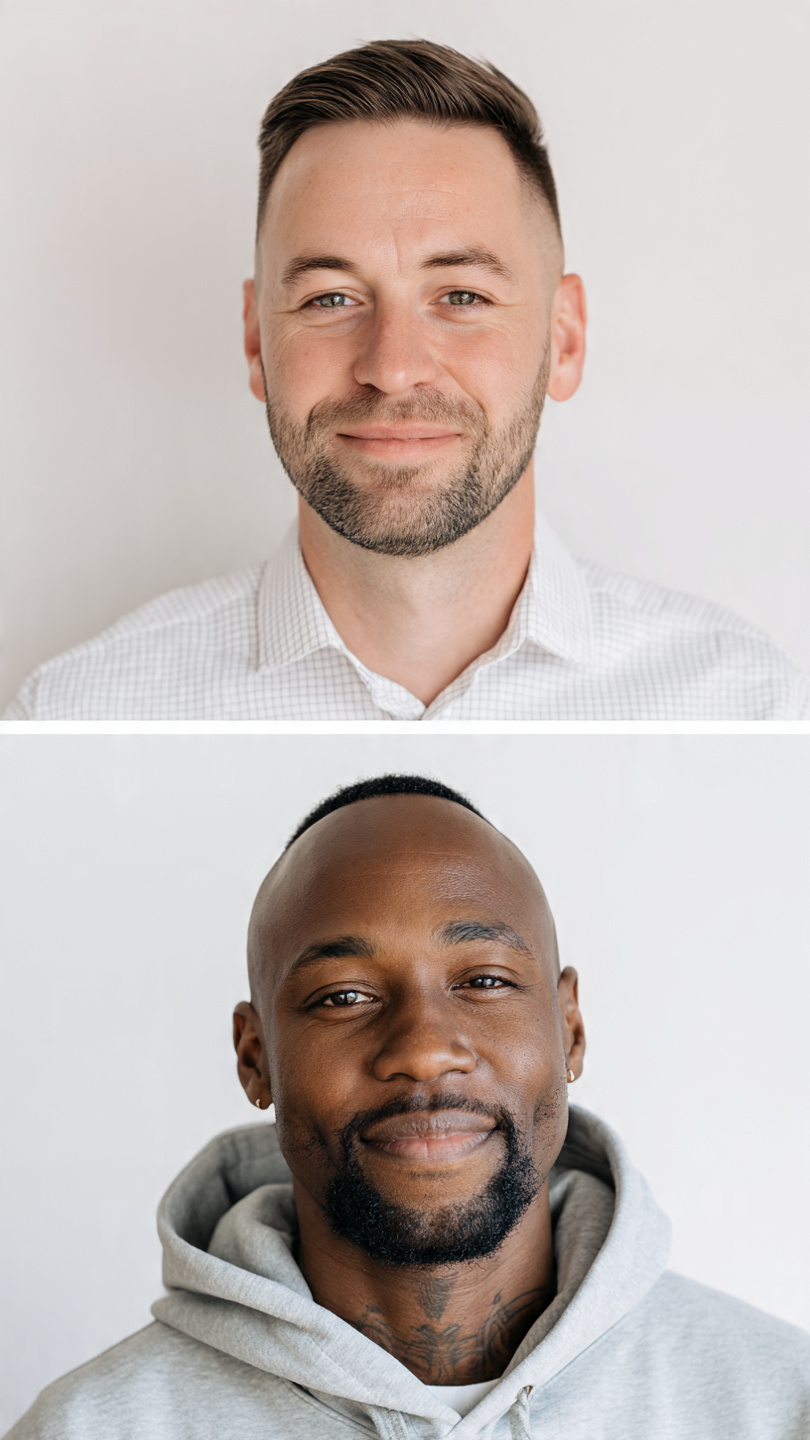
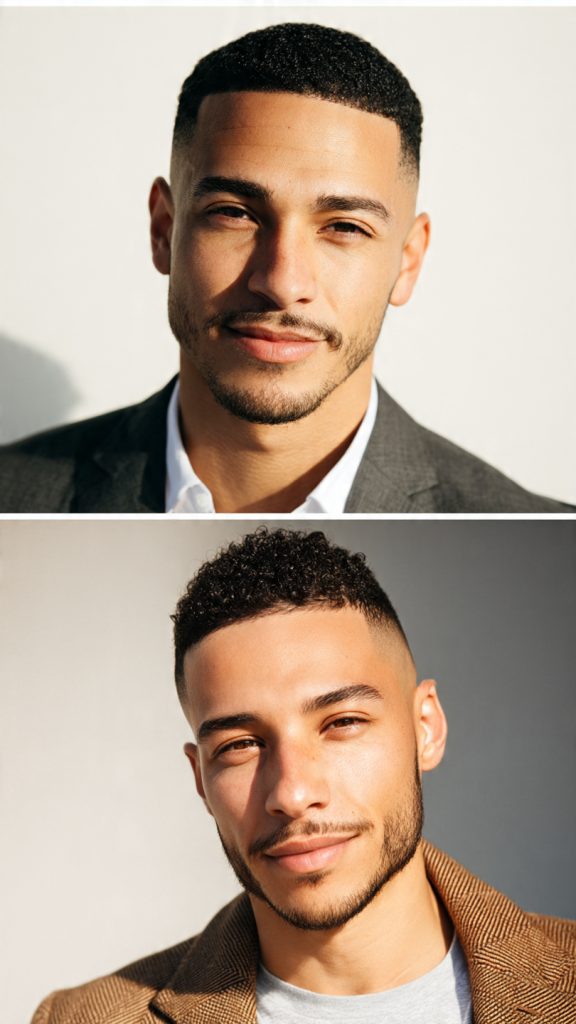
If you’ve ever sat in a barber’s chair and felt unsure whether to ask for a low taper fade or a drop fade, you’re not alone. While both are clean, modern styles, the key difference lies in where the fade begins and how the hairline shape changes around your ears and nape.
12 Key Differences & Ideas
1. Fade starting point
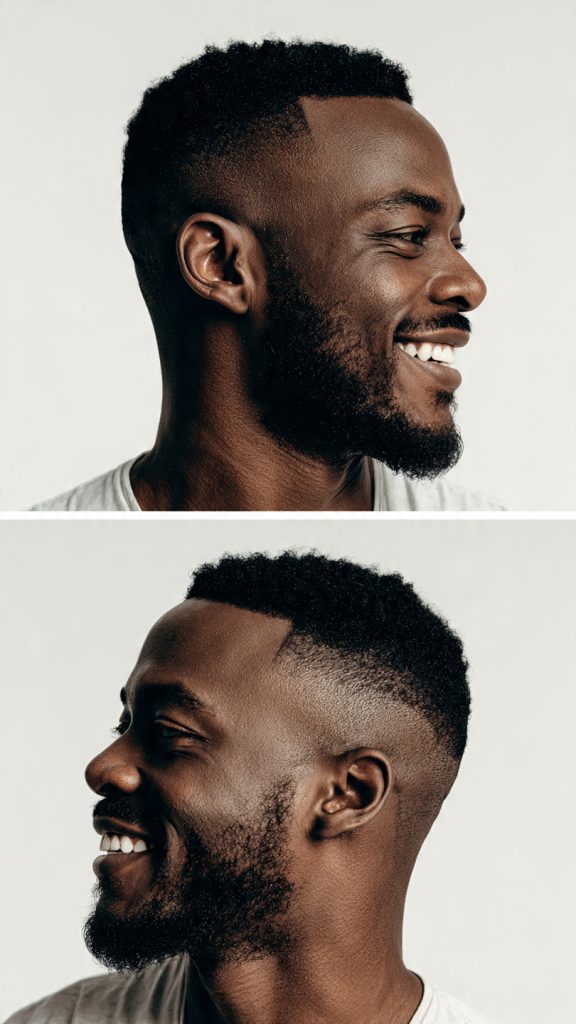
A low taper fade starts just above the natural hairline around the ears, while a drop fade begins at the same level but intentionally arcs downward behind the ear.
2. Hairline shape at the back
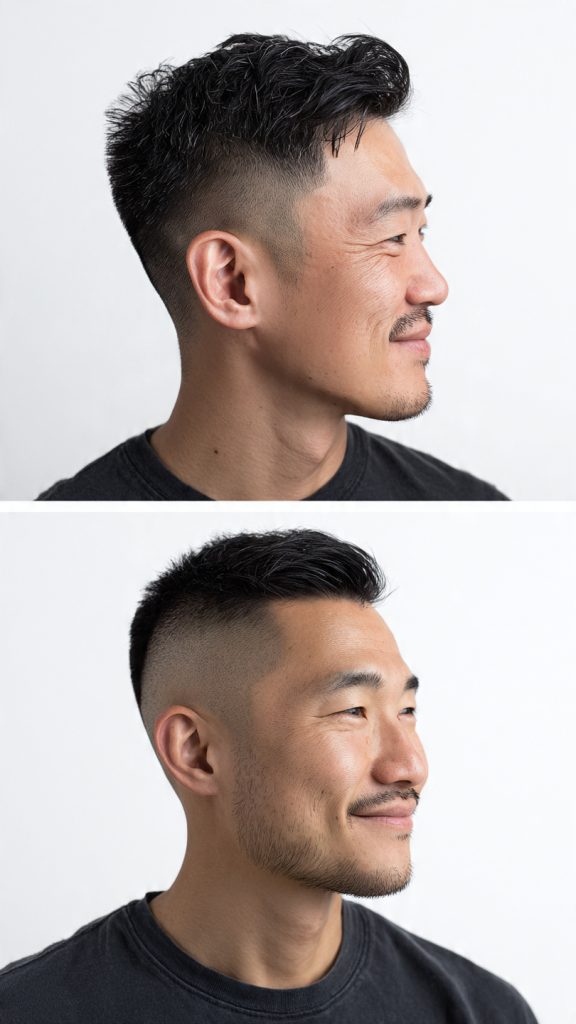
The low taper fade follows your natural rounded hairline, whereas the drop fade creates a distinct “C” or curved shape that dips lower toward the nape.
3. Visual weight distribution
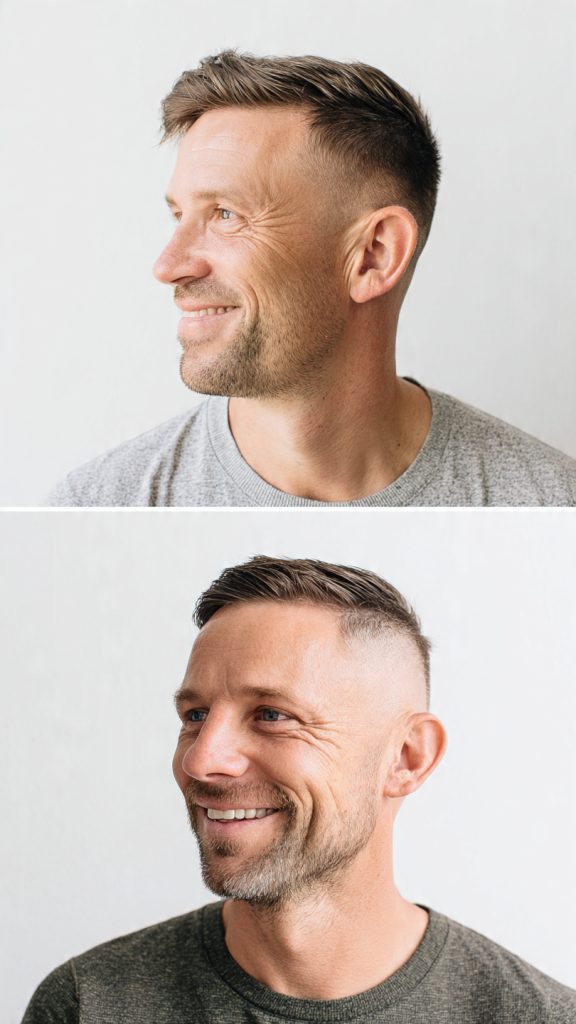
Low tapers keep more bulk on the sides for a natural, conservative look; drop fades remove more weight from the upper side and push visual weight higher.
4. Best for face shapes
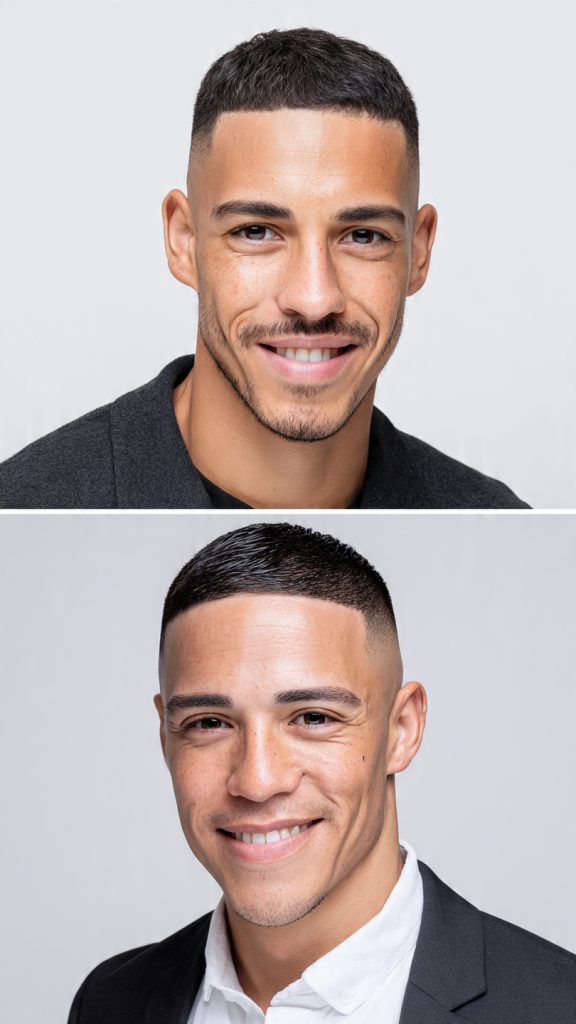
Low taper fades suit oval and round faces by adding subtle structure, while drop fades elongate square or heart-shaped faces with their downward curve.
5. Maintenance frequency
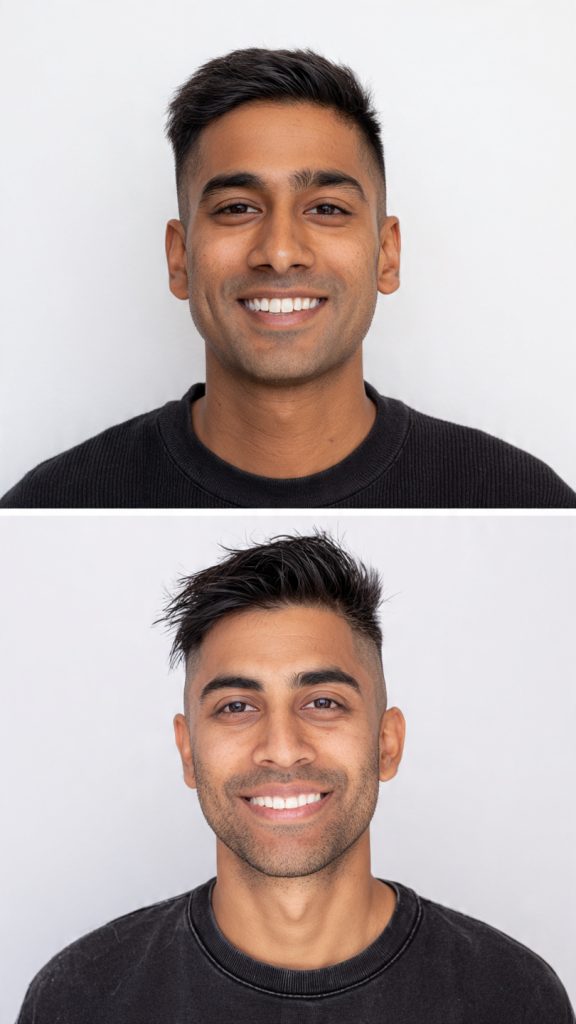
A low taper fade requires a trim every 2–3 weeks to keep the渐变 clean. A drop fade needs weekly touch-ups because the curved line grows out unevenly.
6. Versatility with hairstyles on top
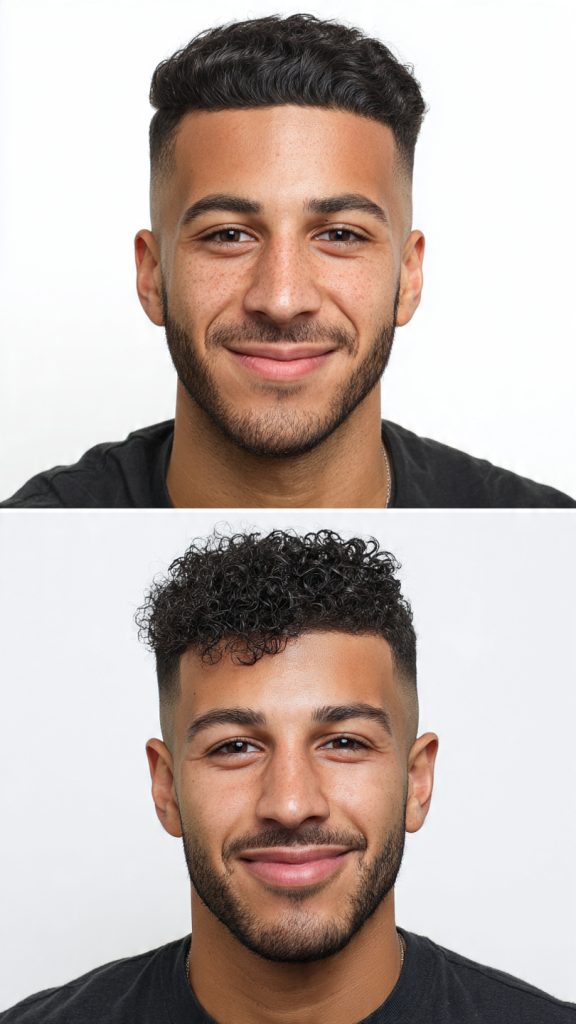
The low taper fade pairs well with almost anything (pompadour, quiff, crop). The drop fade works best with textured or voluminous styles like curls, twists, or a French crop.
7. Edge-up sharpness
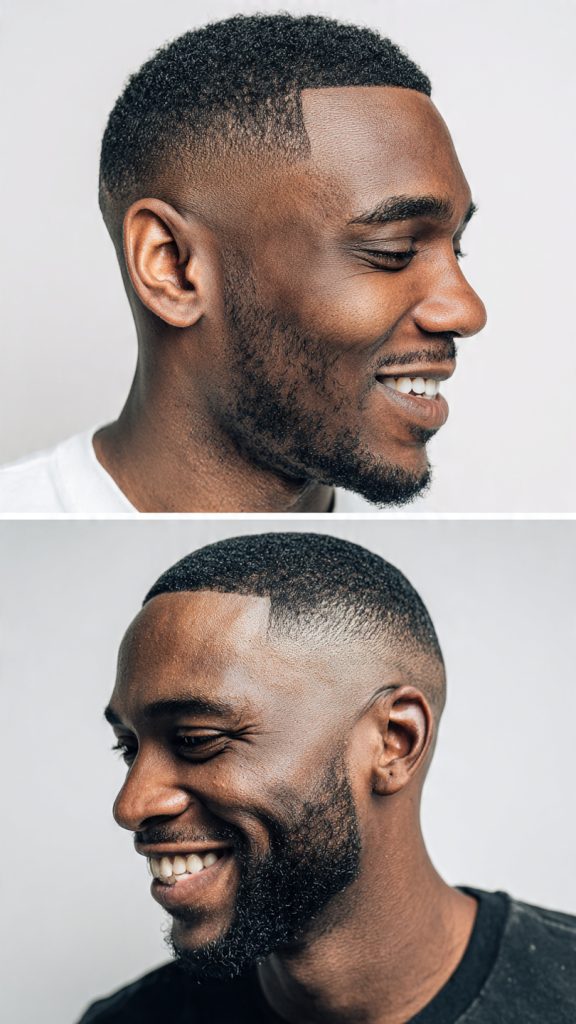
Low tapers usually have a soft, blurred edge. Drop fades almost always include a crisp, razor-sharp lineup to emphasize the curved drop behind the ear.
8. Ideal hair length on sides
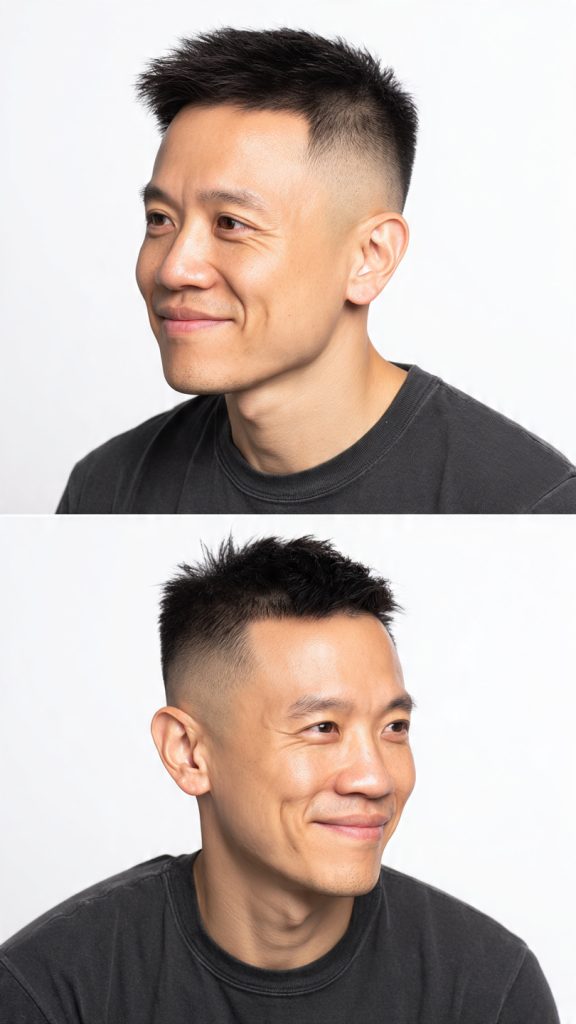
Low taper fades look great on hair as short as #1 or #2 clipper guards. Drop fades often go skin- or #0.5 to make the “drop” more dramatic.
9. Professional vs. edgy vibe
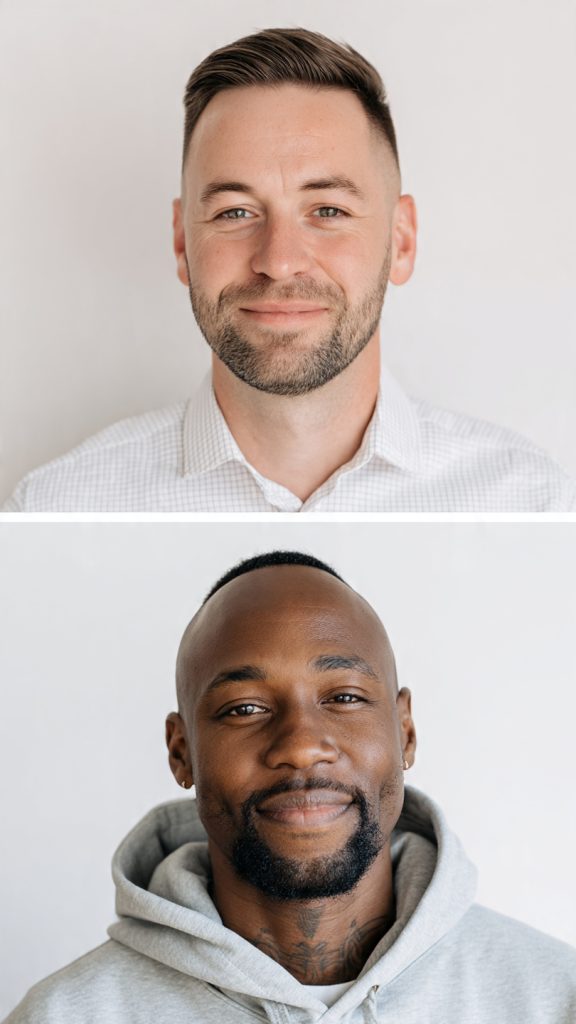
A low taper fade is office-friendly and timeless. A drop fade leans edgier, more modern, and is popular in streetwear and hip-hop culture.
10. How they age between cuts
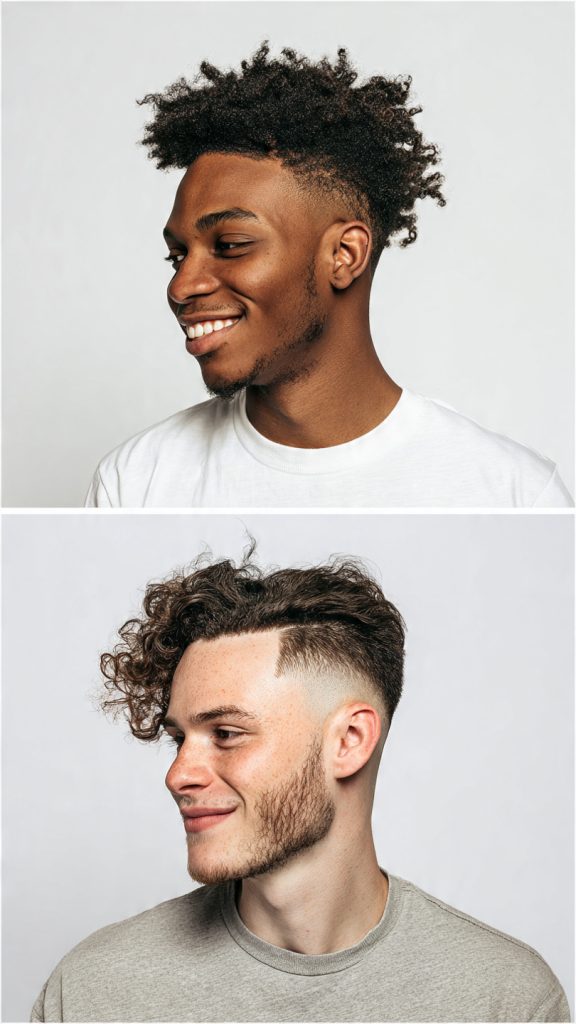
A low taper fade grows out evenly, looking intentional for longer. A drop fade looks messy faster because the lowered back section becomes obvious as hair lengthens.
11. Barber skill level required
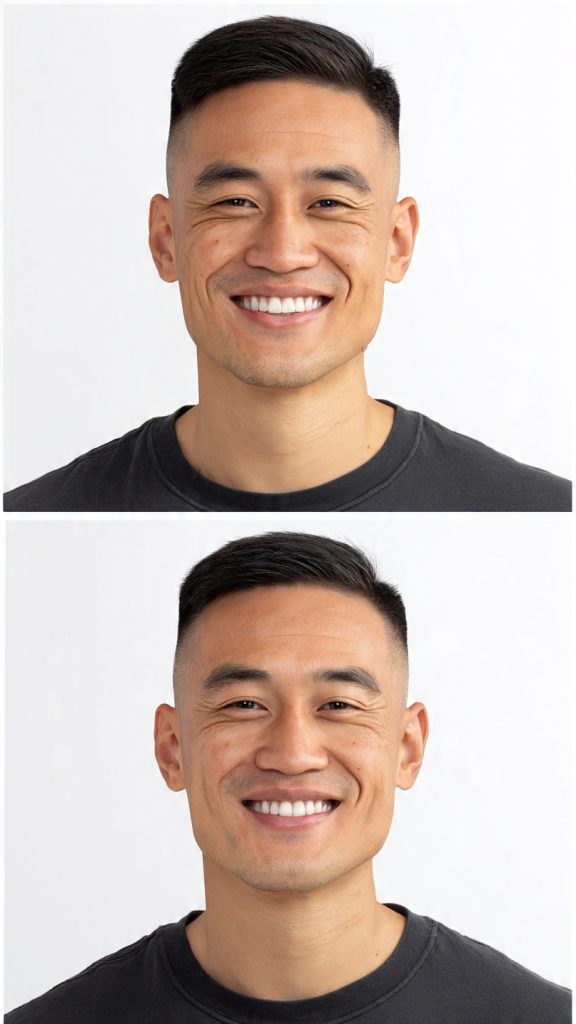
Most barbers can execute a low taper fade. A proper drop fade requires advanced blending and curve work, so you will want an experienced barber.
12. Best occasions to wear each
Choose a low taper fade for weddings, interviews, or formal events. Choose a drop fade for nights out, photoshoots, or when you want a bold, standout silhouette.
How to Describe Each Fade to Your Barber
Use these exact phrases to avoid confusion in the barber’s chair. For a low taper fade, say: “Keep the fade low, start just above my ears, and follow my natural hairline.” For a drop fade, say: “Take the fade down behind my ear in a curved C-shape and drop it lower toward my nape.” Showing a reference photo is always helpful, but these words will get you 90% of the way there.
Which Fade Costs More?
Generally, a low taper fade costs less because it is faster and requires less precision. Expect to pay $20–$40 for a quality low taper fade. A drop fade typically costs $35–$60 due to the extra blending time, curved line work, and sharper edge-up required. Some barbers charge a “design fade” fee for drop fades.
Common Mistakes to Avoid
The biggest mistake is asking for a drop fade but receiving a low taper fade because you did not specify the curved drop behind the ear. Another common error is getting a drop fade when you have very thin or receding hair on the sides, as the curved line will look patchy. Finally, do not ask for a drop fade right before a formal event where you need a clean look for more than five days — it grows out unevenly fast.
Tools Barbers Use for Each Fade
Low taper fades rely mainly on clipper guards (#2 down to #1) and blending shears for soft transitions. Drop fades require additional tools: a trimmer for the razor-sharp edge-up, a foil shaver for the skin fade portion, and often a straight razor to define the curved drop line behind the ear. If your barber does not own a foil shaver, they likely do not specialize in drop fades.
How to Maintain Each Fade at Home
For a low taper fade, use a soft boar bristle brush to keep the fade blended between cuts, and visit your barber every 2–3 weeks. For a drop fade, you will need a handheld mirror to check the curved back line daily, plus a precision trimmer for weekly touch-ups along the C-shape. Many men learn to maintain a drop fade at home for 1–2 weeks before seeing a barber again.
Which Fade Is More Popular Right Now?
Drop fades are currently trending in streetwear, hip-hop, and social media culture, especially among men under 30. Low taper fades remain more popular overall in professional settings and among men over 35. According to barber surveys from 2024–2025, the drop fade has grown 40% in demand, but the low taper fade remains the most requested fade worldwide.
Can You Combine a Low Taper Fade and a Drop Fade?
Yes, some barbers offer a “low drop fade” — this starts as a low taper fade but adds a subtle drop only at the very back of the nape. It is a compromise style that gives you the professional front and sides of a low taper with just a hint of curved drama in the back. Ask your barber for a “low drop fade, subtle curve at the nape only.”
What Hair Types Work Best for Each
Low taper fades work well on straight, wavy, curly, and coily hair types because the soft blend hides texture differences. Drop fades work best on coily, curly, or thick wavy hair — the curved line gets lost on very straight or fine hair because the lack of texture makes the drop look like a mistake. If you have thin straight hair, stick with a low taper fade.
Celebrity Examples for Reference
For a low taper fade, look at Zayn Malik, Timothée Chalamet, or Michael B. Jordan — all have worn clean low tapers on red carpets. For a drop fade, reference Drake, A$AP Rocky, or Bad Bunny — each has popularized the curved drop behind the ear in music videos and public appearances. Search these names with “low taper fade” or “drop fade” for reliable visual examples.
Final Checklist Before Choosing
Ask yourself these three questions. One: Do I want a professional or edgy look? Professional = low taper fade. Edgy = drop fade. Two: Am I willing to get weekly touch-ups? Yes = drop fade. No = low taper fade. Three: Does my barber specialize in curved fades? If unsure, default to a low taper fade to avoid a bad drop fade.
Conclusion
The difference between a low taper fade and a drop fade comes down to one simple curve behind the ear. The low taper fade follows your natural hairline, stays clean for longer, and suits professional settings. The drop fade intentionally dips downward, requires more maintenance, and delivers a bolder, more modern silhouette. Neither is better than the other — the right choice depends on your face shape, lifestyle, maintenance tolerance, and barber’s skill. Now that you know exactly how to describe each fade and what to expect, you can walk into any barbershop with confidence and walk out with the cut you actually wanted.
Leave a Reply