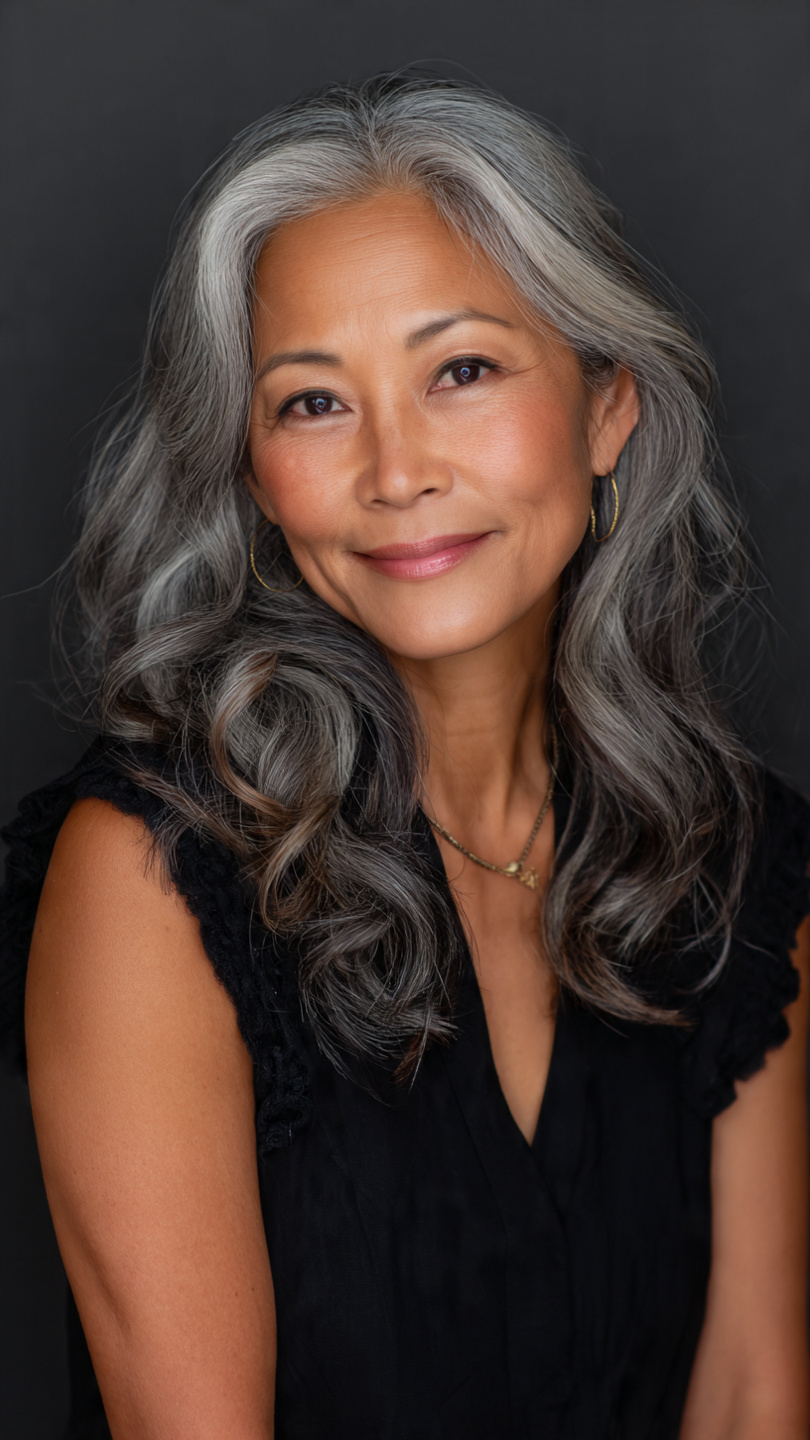
As women over 50 embrace their natural gray or want to blend it seamlessly, choosing between balayage and traditional highlights can feel overwhelming. Both techniques offer unique benefits, but the right choice depends on your maintenance preferences, hair texture, and how naturally you want the gray to grow out. Below are 10 key ideas to help you decide which option serves you best.
10 Ideas: Balayage vs. Highlights for Gray Hair Over 50
1. Balayage creates a softer, more natural gray blend.
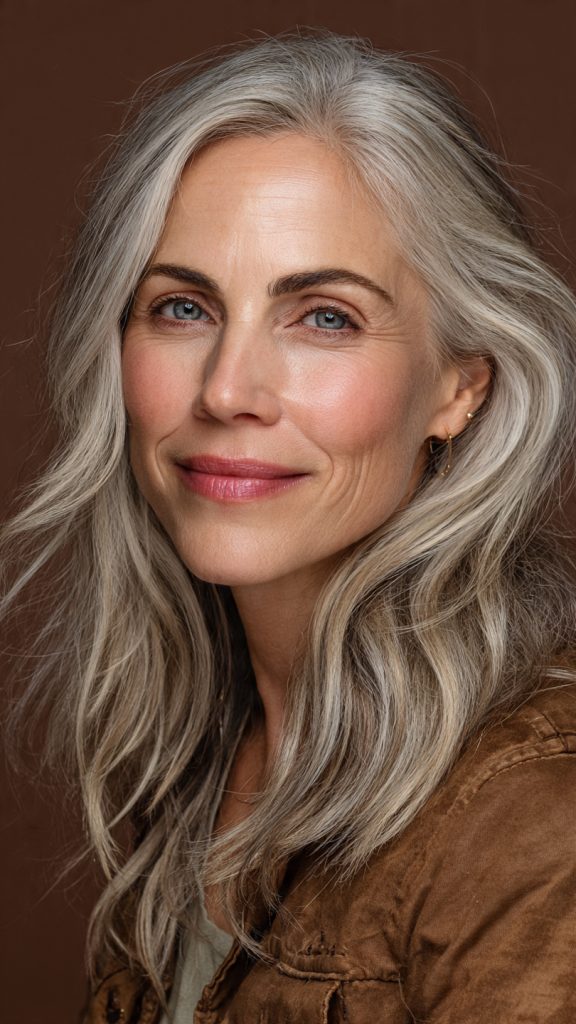
Because balayage is hand-painted onto the surface of the hair, it avoids harsh regrowth lines, making it ideal for women who want to grow out gray gracefully.
2. Traditional highlights offer more uniform gray coverage.
Foil highlights can lighten sections from root to tip, providing consistent color even on stubborn gray strands—great if you prefer a polished, all-over look.
3. Balayage requires fewer salon visits for maintenance.
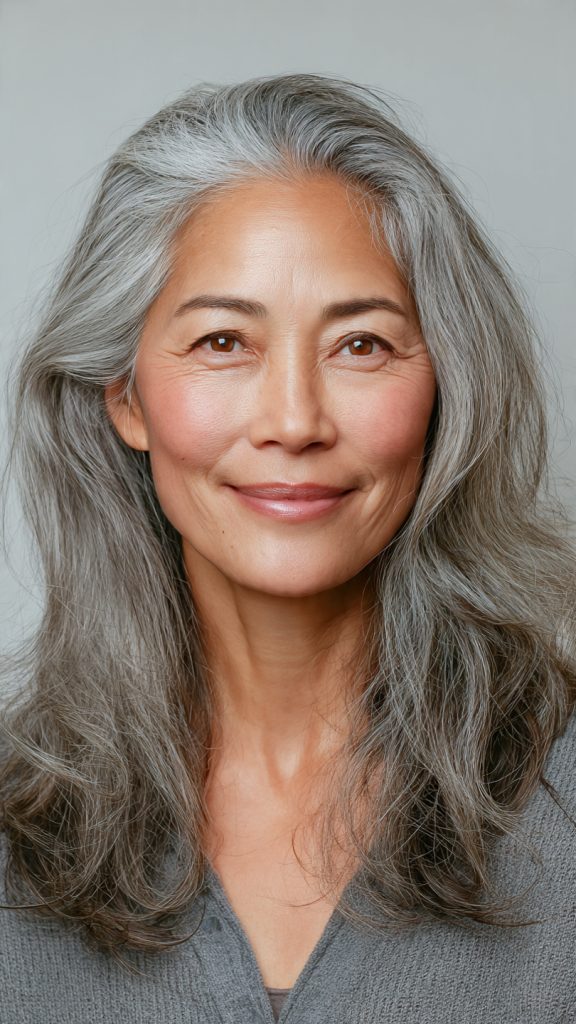
With no obvious roots, balayage can last 3–4 months or longer, saving time and money for busy women over 50.
4. Highlights are better for fully covering significant gray.
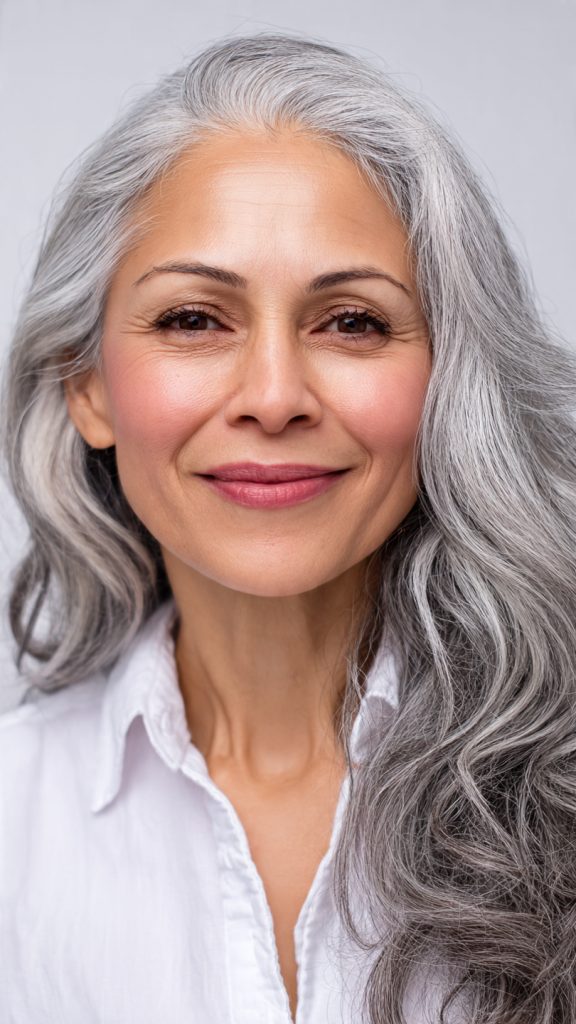
If more than 50% of your hair is gray, foil highlights can systematically lift and tone those strands for a more uniform result.
5. Balayage adds dimension without damaging fragile, aging hair.
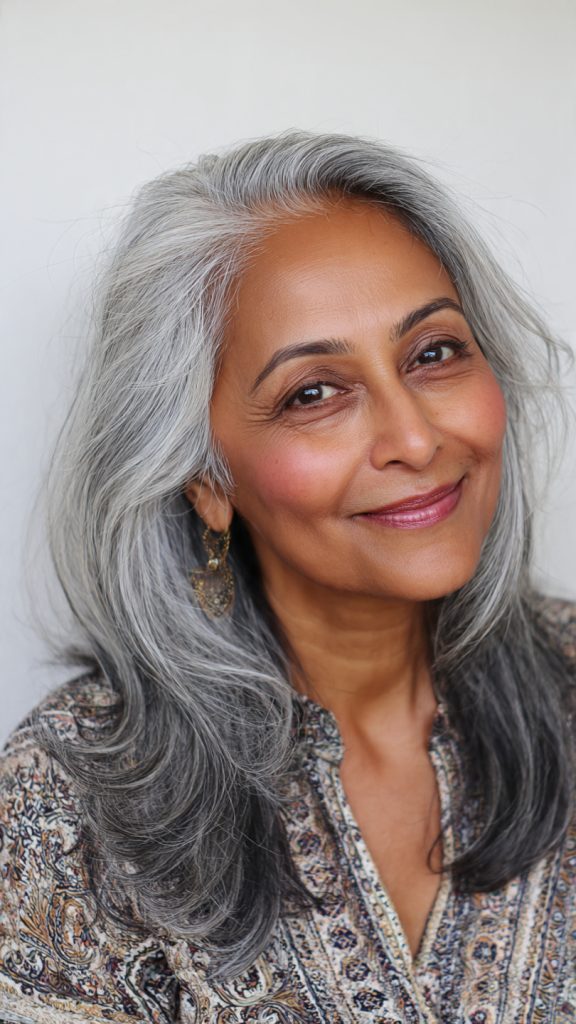
The gentle, open-air painting technique avoids repeated overlapping of bleach, reducing breakage on finer, more delicate mature hair.
6. Highlights can create a brighter, more dramatic transformation.
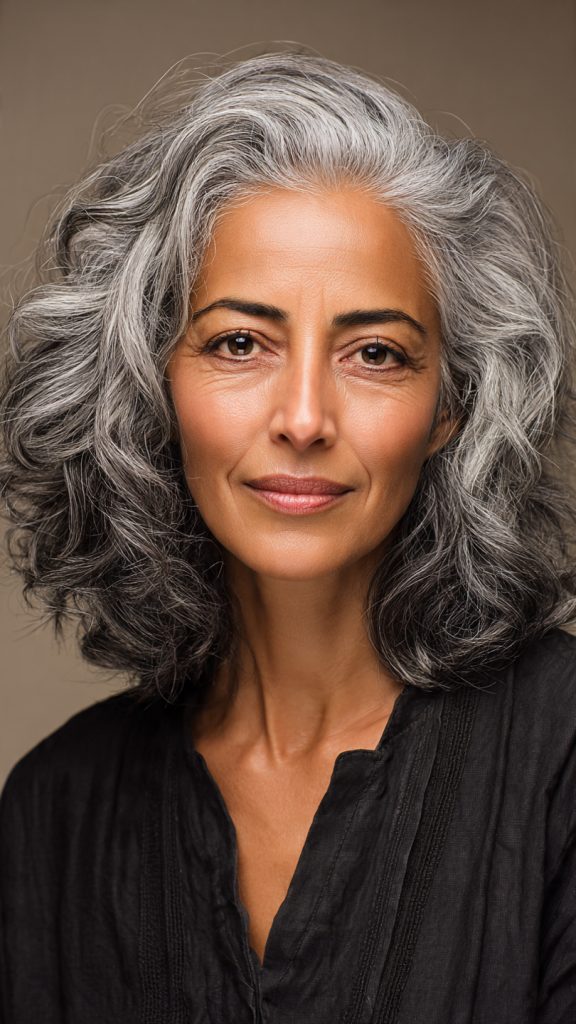
For women who want to shift from dark or mousy shades to a radiant, lighter look, foil highlights deliver more intensity and contrast.
7. Balayage allows the gray to act as a natural highlighter.
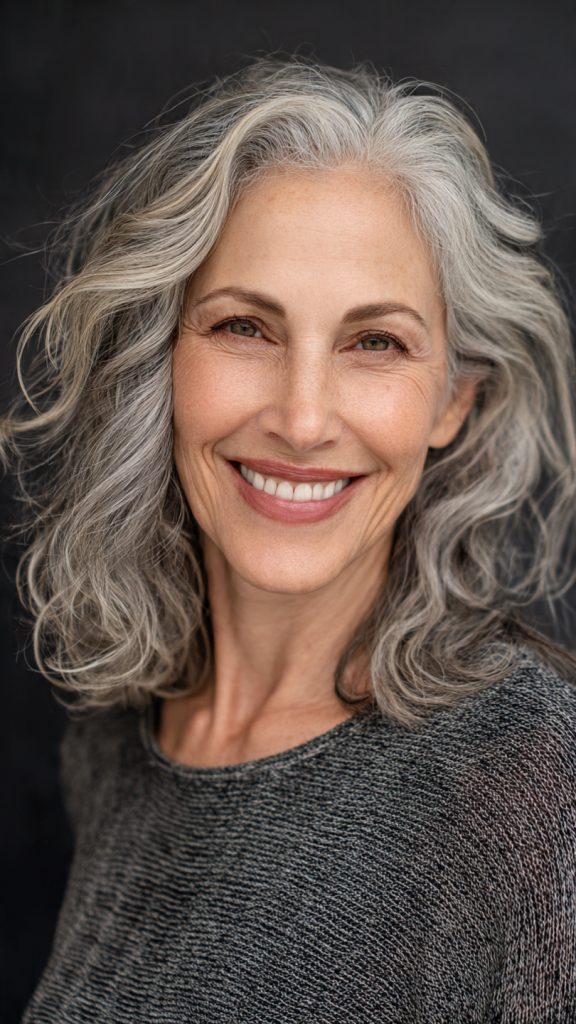
When hand-painted around existing gray hairs, balayage turns the silver into an intentional shimmer, rather than something to hide.
8. Highlights work best with a permanent gloss or toner for longevity.
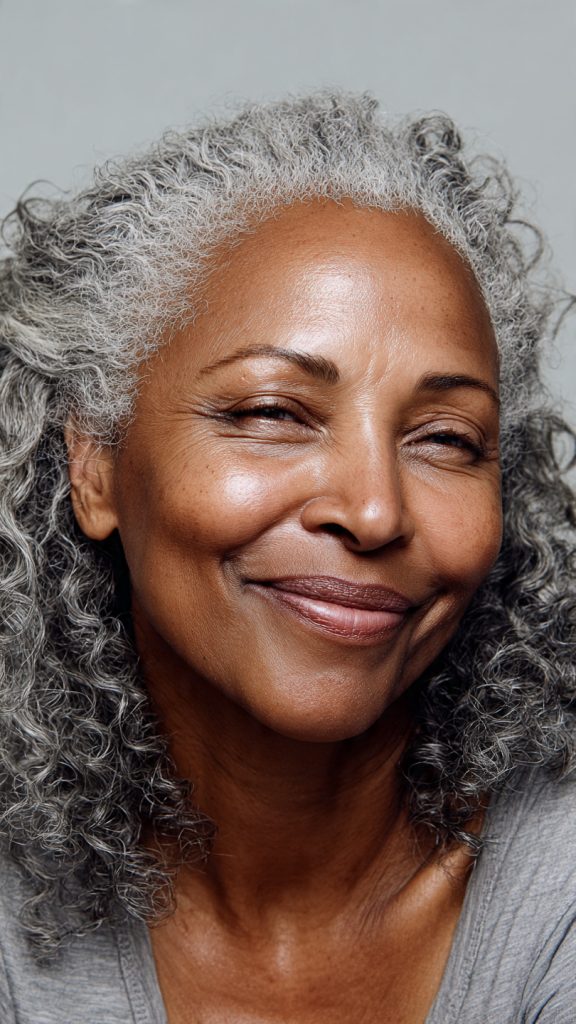
Adding a toner after foiling helps lock in warmth or coolness, preventing gray regrowth from looking ashy or yellowed between appointments.
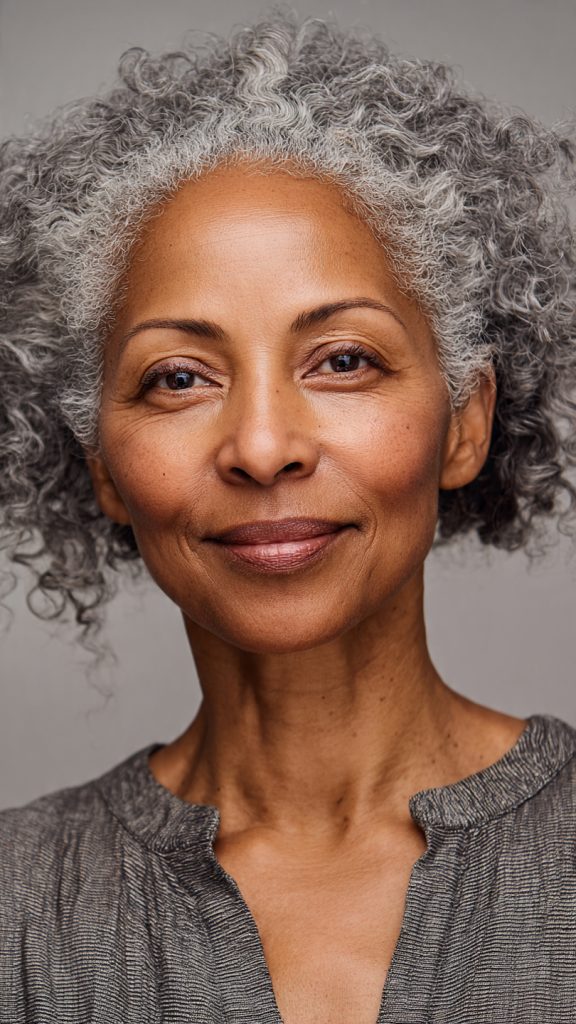
9. Balayage is more forgiving on curly or wavy gray hair.
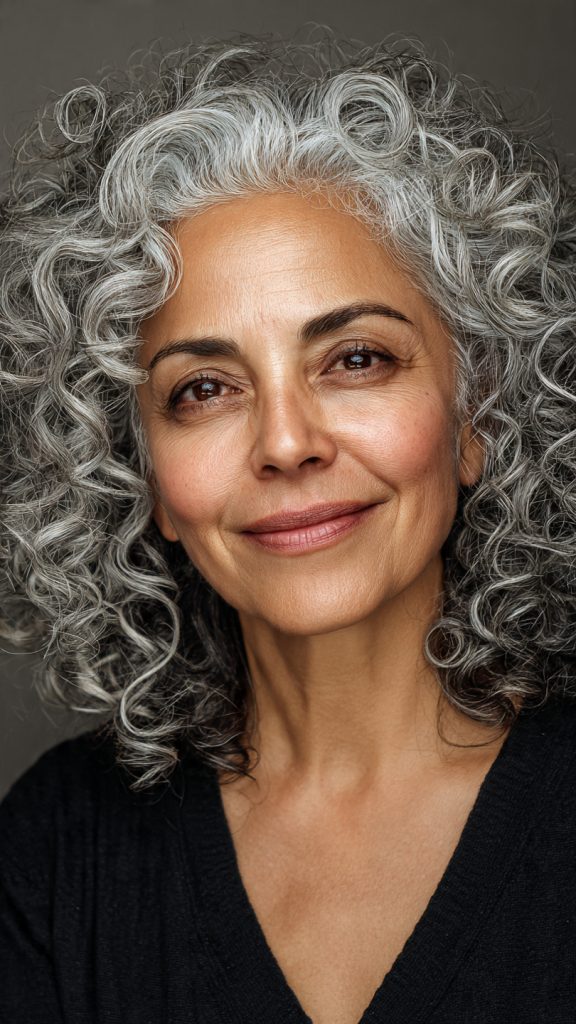
The painted effect moves with natural texture, while foil highlights can create overly uniform stripes that look stark on curls.
10. Your lifestyle decides the winner: balayage for low-maintenance, highlights for structured color.
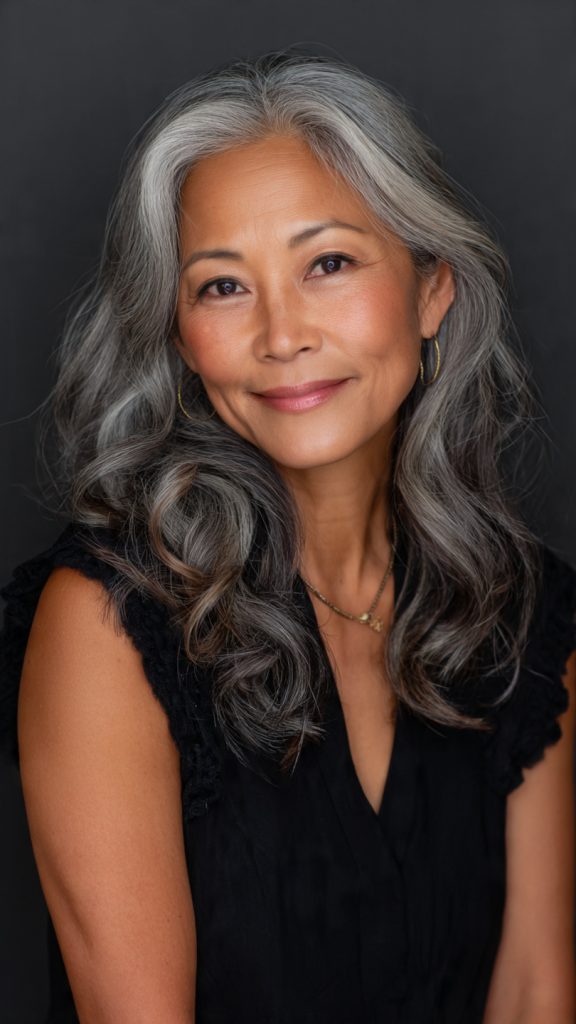
If you love “wash-and-wear” ease, choose balayage; if you enjoy regular salon appointments and a crisp finish, traditional highlights are your match.
Key Considerations Before Making Your Choice
1. Your percentage of gray hair matters significantly.
Women with less than 30% gray often prefer balayage for a sunkissed effect, while those with over 70% gray typically need foil highlights or a full color base for even results.
2. Hair texture and porosity change after 50.
Aging hair tends to be drier and more porous, so balayage’s gentle application causes less stress, whereas highlights require careful conditioning treatments to prevent brittleness.
3. Budget and salon visit frequency vary between techniques.
Balayage costs more upfront but requires fewer touch-ups (every 3–4 months), while highlights are often cheaper per session but need refreshing every 6–8 weeks.
4. Skin tone changes with age, affecting color choice.
As skin naturally loses some warmth, overly ashy gray highlights can wash you out; balayage allows for soft face-framing warmth, while foil highlights can be toned golden or caramel.
5. At-home maintenance differs greatly between the two.
Balayage grows out invisibly, requiring no root touch-up at home; highlights demand regular root concealer or in-salon appointments to avoid a harsh line of demarcation.
Expert Tips for Your Salon Consultation
1. Bring reference photos of women over 50 with your similar skin tone.
This helps your colorist understand exactly how light or dark you want the contrast between your gray and the dyed pieces.
2. Ask for a strand test before committing to any technique.
Gray hair can react unpredictably to bleach or color, so a small test reveals how your hair will lift, tone, and feel afterward.
3. Request a demi-permanent gloss every other appointment.
Regardless of balayage or highlights, a gloss seals the cuticle, adds shine, and neutralizes any yellowing in natural gray strands.
4. Discuss your ideal grow-out pattern with your stylist.
If you plan to eventually go fully gray, balayage is the superior choice because it mimics natural salt-and-pepper progression without harsh lines.
5. Invest in purple shampoo and deep conditioning masks.
Both techniques benefit from weekly purple shampoo to keep gray bright and a moisturizing mask to combat age-related dryness.
Potential Drawbacks to Consider
Balayage downsides:
It cannot lighten gray hair as dramatically as foils, and on very resistant gray strands, the painted color may fade faster than expected.
Highlight downsides:
Repeated foil processing over years can weaken hair shafts, and the defined regrowth line becomes very noticeable every 4–6 weeks.
Conclusion
For women over 50, there is no single right answer—both balayage and highlights can beautifully complement gray hair when chosen wisely. Balayage wins for low-maintenance women who want a soft, natural grow-out, less damage, and a sun-kissed dimension that lets gray shimmer rather than shout. Traditional highlights are ideal for those seeking full gray coverage, bright dramatic results, and a polished uniform look, provided you commit to regular salon visits. Consider your gray percentage, hair texture, budget, and lifestyle honestly. Then, book a consultation with a colorist who specializes in mature hair. The best technique is the one that makes you feel confident, radiant, and authentically yourself—gray and all.
Leave a Reply