
As hair naturally changes with age—becoming thinner, drier, and more fragile—the harsh chemicals in relaxers can pose greater risks than benefits. For women over 50, avoiding relaxers isn’t just about style; it’s about protecting scalp health, hair integrity, and overall well-being.
3 Reasons to Avoid Hair Relaxers After 50:
1. Increased Risk of Scalp Irritation and Burns
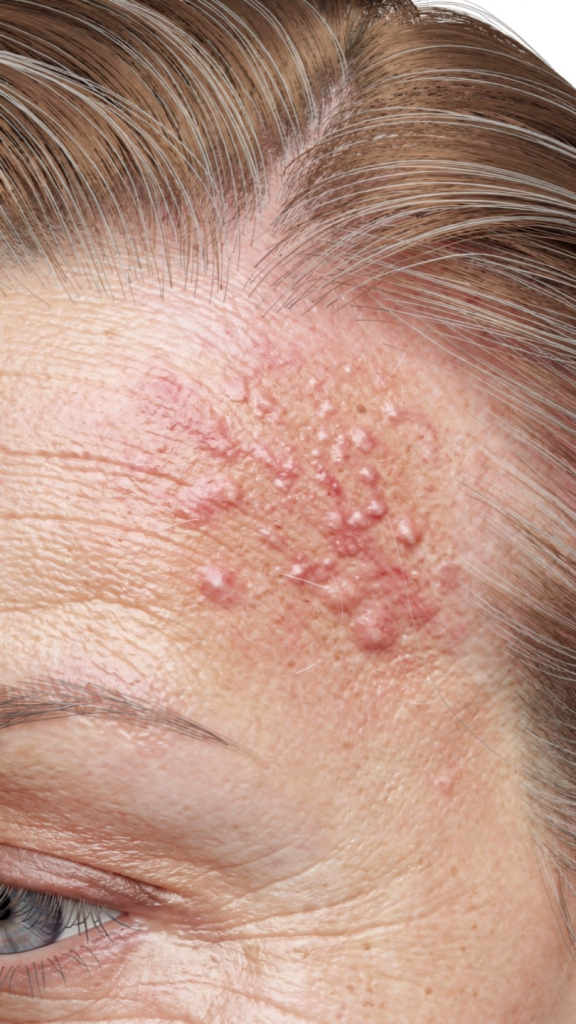
Age-related thinning of the scalp’s protective barrier makes it more susceptible to chemical burns, inflammation, and long-term sensitivity.
2. Higher Likelihood of Breakage and Thinning
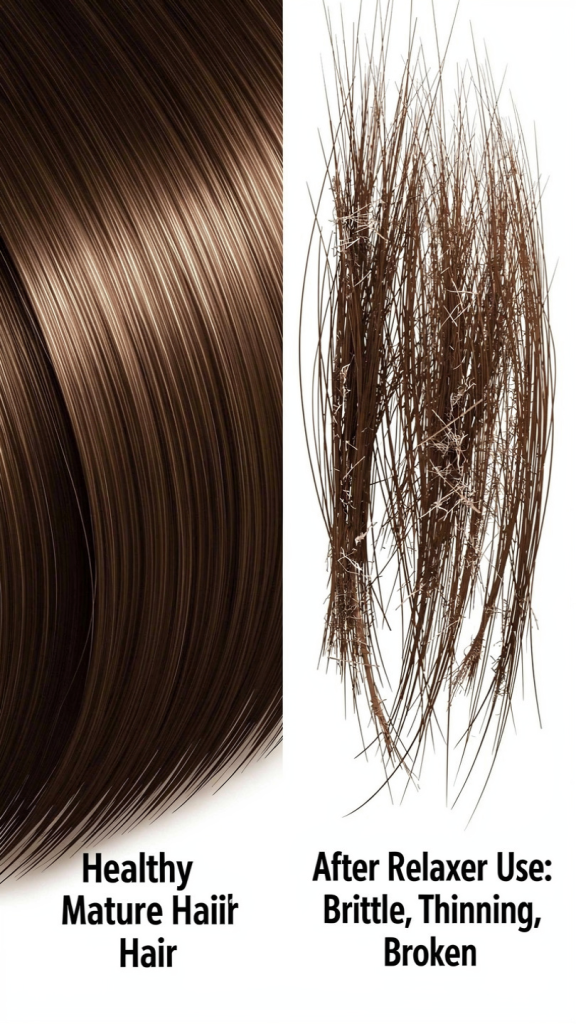
Mature hair has less natural oil and protein, so relaxers can over-process strands, leading to excessive breakage and visibly thinner hair.
3. Delayed Healing and Higher Infection Risk
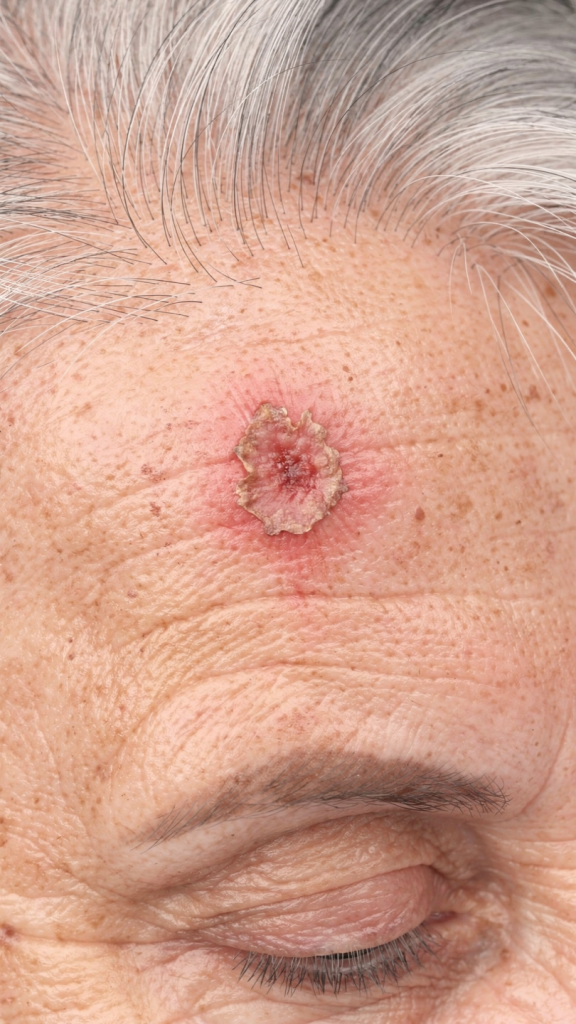
Slower cell regeneration after 50 means even minor chemical burns or sores from relaxers take longer to heal, raising the chance of scalp infections.
Safer Alternatives to Hair Relaxers
Instead of using chemical relaxers, consider these gentler options that work with your hair's natural aging process:
- Heatless styling methods – Use satin rollers, flexi-rods, or twist-outs to create smooth, defined curls without chemicals or high heat.
- Deep conditioning treatments – Weekly moisturizing masks with shea butter, argan oil, or aloe vera can soften natural texture and reduce frizz.
- Professional keratin smoothing treatments (low-formaldehyde) – Some modern options use milder ingredients; always consult a stylist experienced with mature hair.
- Embrace shorter, low-maintenance cuts – A chic pixie or softly layered bob reduces styling time and removes damaged ends.
How to Transition Away From Relaxers Safely
If you've been using relaxers for years, follow these steps to avoid breakage during the transition:
- Do not overlap new relaxer applications – Let new growth come in naturally.
- Cut off relaxed ends gradually – Trim ¼ to ½ inch every 6–8 weeks until all chemically treated hair is gone.
- Use a clarifying shampoo once – Remove relaxer residue, then switch to sulfate-free, moisturizing products.
- Protect your hair at night – Sleep on a satin pillowcase or wear a satin bonnet to reduce friction and moisture loss.
- See a curl specialist – A stylist trained in natural hair transitions can guide you through the process.
When to Consult a Dermatologist or Trichologist
Seek professional advice if you experience any of the following after age 50:
| Symptom | Possible Concern |
|---|---|
| Persistent scalp itching or burning | Chemical sensitivity or contact dermatitis |
| Circular bald patches | Alopecia areata or scarring alopecia |
| Scalp sores that don't heal within a week | Infection or slow healing requiring medical attention |
| Sudden widespread thinning | Hormonal changes or underlying health condition |
Note: A trichologist specializes in hair and scalp disorders and can offer non-chemical treatment plans tailored to mature clients.
Frequently Asked Questions (FAQs)
Can I use a "mild" or "children's" relaxer after 50?
No. Mild relaxers still contain strong alkalis (like sodium hydroxide or calcium hydroxide) that can damage thinning, mature hair and sensitive scalps.
How long should I wait between relaxers if I'm not ready to stop?
Most experts recommend at least 10–12 weeks, but after 50, many women need 14–16 weeks to allow the scalp to fully recover.
Will my natural texture change permanently after stopping relaxers?
No. New growth will return to your original texture. The previously relaxed ends will remain straight until trimmed off.
Are "natural" relaxers safer?
Many products labeled "natural" still contain chemical ingredients like glyoxylic acid or lithium hydroxide. Always read the full ingredient list.
Conclusion
Turning 50 is a milestone worth celebrating—and your hair deserves a fresh start, too. While relaxers may have served you well in younger years, the chemical risks they pose to aging scalps and fragile hair are simply not worth it. From increased irritation and breakage to slower healing and infection risks, the evidence is clear: avoiding hair relaxers after 50 is a wise, health-conscious choice.
The good news is that you have plenty of safer, gentler alternatives. Whether you choose to embrace your natural texture, try heatless styling, or consult a specialist for a smooth transition, you can absolutely have beautiful, healthy hair without harsh chemicals. Your hair at 50 and beyond should reflect your strength, wisdom, and vitality—not the damage of outdated beauty routines. Make the switch today, and let your natural beauty shine.

Leave a Reply