
In a controversial decision, the U.S. Food and Drug Administration (FDA) recently declined to ban a chemical linked to uterine, ovarian, and breast cancers—despite mounting evidence and public health pleas. The ingredient, widely used in relaxers and other hair products, continues to appear on store shelves, leaving consumers, especially women of color, disproportionately exposed to unnecessary risk.
6 Key Reasons the FDA Did Not Act (and Why It Matters):
1. Lack of Statutory Authority
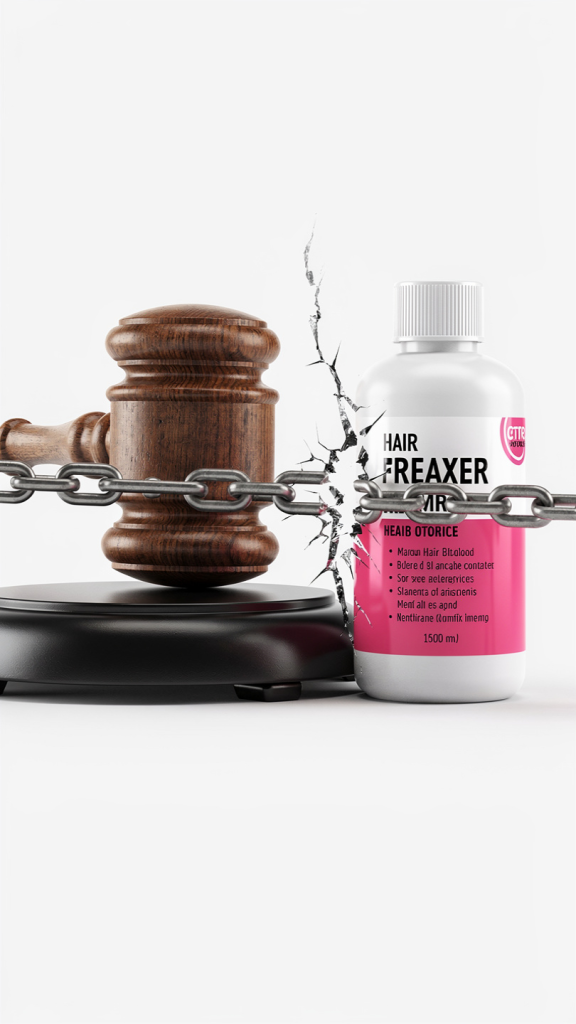
Under current law, the FDA cannot easily ban cosmetic ingredients without first proving they pose an “unreasonable risk” through a lengthy rulemaking process—a burden rarely met without new, explicit congressional authority.
2. Reliance on Voluntary Industry Cooperation

The agency’s cosmetic oversight remains largely voluntary, meaning manufacturers are not required to submit safety data before selling products, leaving the FDA to react only after harm is well-documented.
3. Pressure from Trade Groups

Lobbying by beauty and chemical industry associations helped stall the ban, with arguments that existing exposure levels are too low to warrant regulatory action—despite independent studies showing cumulative risks.
4. Weak Post-Market Surveillance
The FDA lacks a mandatory adverse-event reporting system for cosmetics, so the number of cancer cases linked to hair products is likely underreported, weakening the evidentiary basis for a ban.
5. Disproportionate Impact on Vulnerable Communities
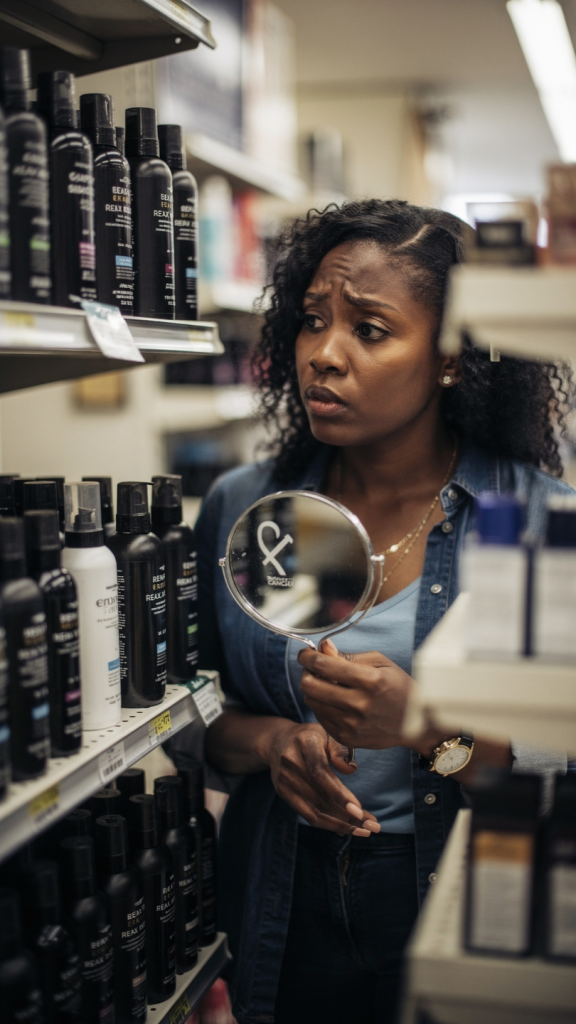
Because the chemicals are common in relaxers marketed to Black women, the agency’s failure to act further entrenches environmental health disparities—an issue the FDA is unequipped to prioritize under its current mandate.
6. Pending But Unfinished Research
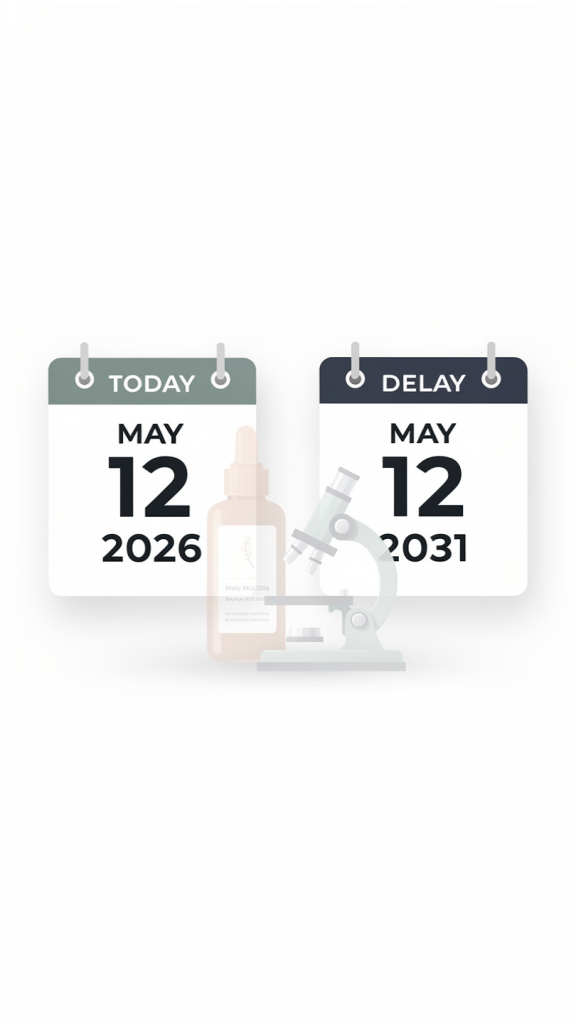
The FDA opted to wait for additional long-term studies on formaldehyde-releasing preservatives and phthalates in hair products, delaying a decision that critics say could take another five to ten years—while exposures continue daily.
What Is the Chemical in Question?
The primary chemicals of concern are formaldehyde-releasing preservatives (such as DMDM hydantoin, quaternium-15, and bronopol) as well as certain phthalates and parabens found in many hair relaxers, straighteners, and smoothing products. These substances have been classified as known or probable human carcinogens by the International Agency for Research on Cancer (IARC). When heated or applied to the scalp, they can be absorbed into the bloodstream or inhaled as vapors, increasing long-term cancer risk.
Who Is Most at Risk?
Studies published in the Journal of the National Cancer Institute have shown that women who frequently use chemical hair straighteners face more than double the risk of uterine cancer compared to non-users. The risk is highest among Black women, who use these products more often and start at younger ages due to societal and professional pressures around Eurocentric hair standards. This makes the FDA's inaction not just a regulatory failure, but a racial health justice issue.
What Could the FDA Have Done?
Under the Modernization of Cosmetics Regulation Act (MoCRA) of 2022, the FDA gained slightly more authority—including mandatory facility registration and adverse event reporting. However, the agency still lacks fast-track power to ban ingredients without years of rulemaking. The FDA could have issued a public safety warning, requested a voluntary recall, or begun a formal risk assessment, but it chose none of these steps for this particular chemical at this time.
What Can Consumers Do Now?
Until federal action is taken, consumers can:
- Check ingredient labels for formaldehyde, DMDM hydantoin, quaternium-15, bronopol, and phthalates (often listed as DEP, DBP, or DEHP).
- Switch to natural or certified clean hair products from brands that publish third-party safety testing.
- Report adverse reactions to the FDA's voluntary Cosmetic Adverse Event Reporting System (CAERS) to help build public data.
- Support advocacy groups like the Environmental Working Group (EWG) and Black Women for Health Reform who are pushing for legislative change.
Conclusion
The FDA's failure to ban a cancer-causing chemical in hair products is not a story about bureaucratic complexity alone—it is a story about whose health is prioritized and whose is left behind. While the agency cites lack of authority, unfinished research, and industry pressure, real women continue to apply these products to their scalps, their children's hair, and their futures. The science is clear enough. The harm is measurable. What remains missing is political will. Until that changes, consumers are left to protect themselves from products that should have been removed from shelves years ago. This is not just a regulatory gap. It is a preventable public health failure.





Leave a Reply