
Walk into any natural hair forum or TikTok trends feed, and you’ll see rosemary oil hailed as a near-magical remedy for thicker, longer hair. But how much of this hype is backed by clinical research, and how much is just hopeful thinking? This article cuts through the noise to examine what peer-reviewed studies actually reveal about rosemary oil’s effect on hair growth, separating proven mechanisms from popular myths.
How to Use Rosemary Oil Correctly (Based on Studies)
If you choose to try rosemary oil, follow the protocols used in clinical research rather than social media trends. Mix 3–5 drops of rosemary essential oil with one tablespoon of a carrier oil (jojoba, coconut, or grapeseed oil). Massage the blend into your scalp for 3–5 minutes, leave it on for at least 2 hours (or overnight), then rinse with a mild shampoo. Apply 2–3 times per week consistently for at least 6 months before evaluating any results.
10 Evidence-Based Ideas About Rosemary Oil for Hair Growth
1. One clinical trial found rosemary oil matched minoxidil 2% for improving hair count.
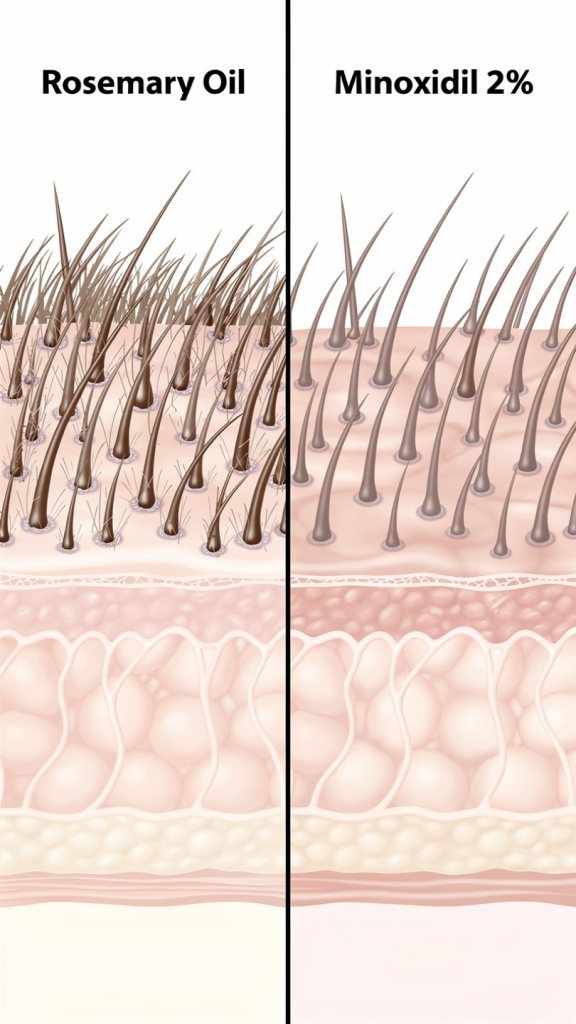
A 2015 study on androgenetic alopecia showed that after six months, rosemary oil was not statistically inferior to minoxidil, though it caused less scalp itching.
2. The active compound in rosemary (carnosic acid) has demonstrated anti-inflammatory effects on the scalp.
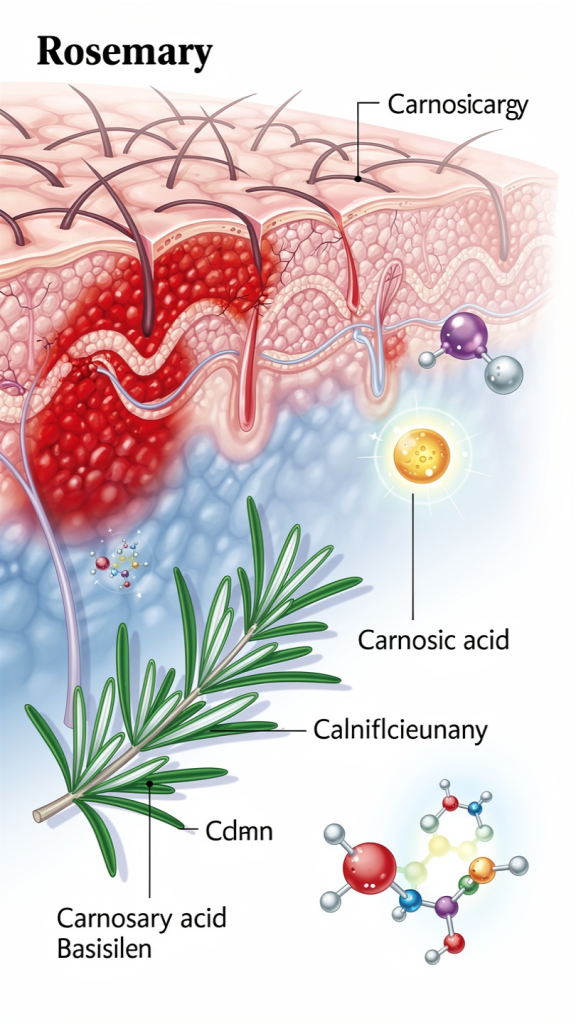
By reducing scalp inflammation, rosemary oil may help create a healthier environment for dormant hair follicles to re-enter the growth (anagen) phase.
3. Rosemary oil appears to inhibit the enzyme 5-alpha-reductase in vitro.

This enzyme converts testosterone into DHT—the hormone primarily responsible for miniaturizing hair follicles in male and female pattern baldness.
4. Most studies use rosemary oil diluted in a carrier oil (usually jojoba or grapeseed), not undiluted essential oil.
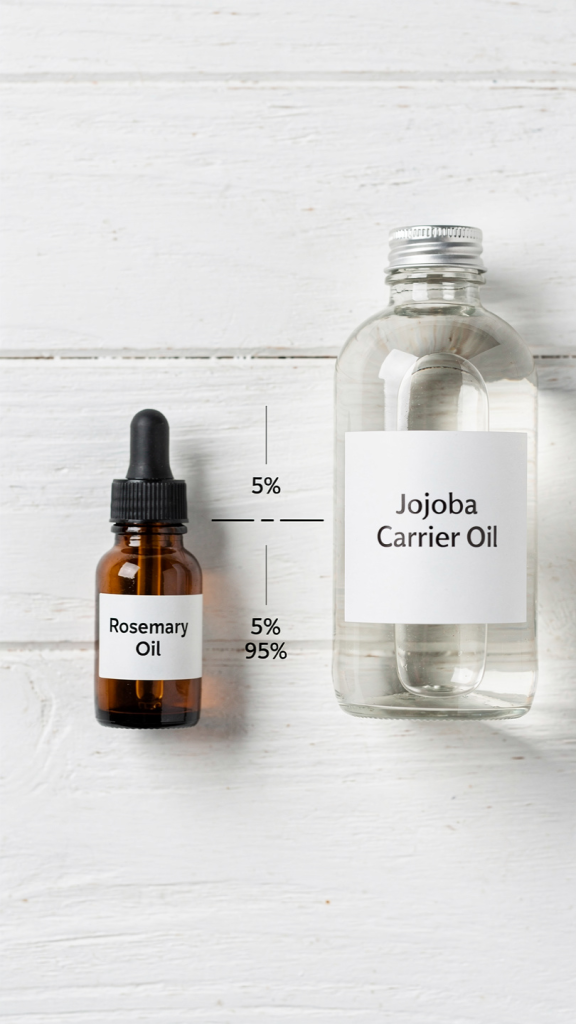
Applying pure rosemary oil directly can cause contact dermatitis; effective research protocols typically use 3–5% rosemary oil in a carrier.
5. Human studies show results only after consistent use for 3–6 months.
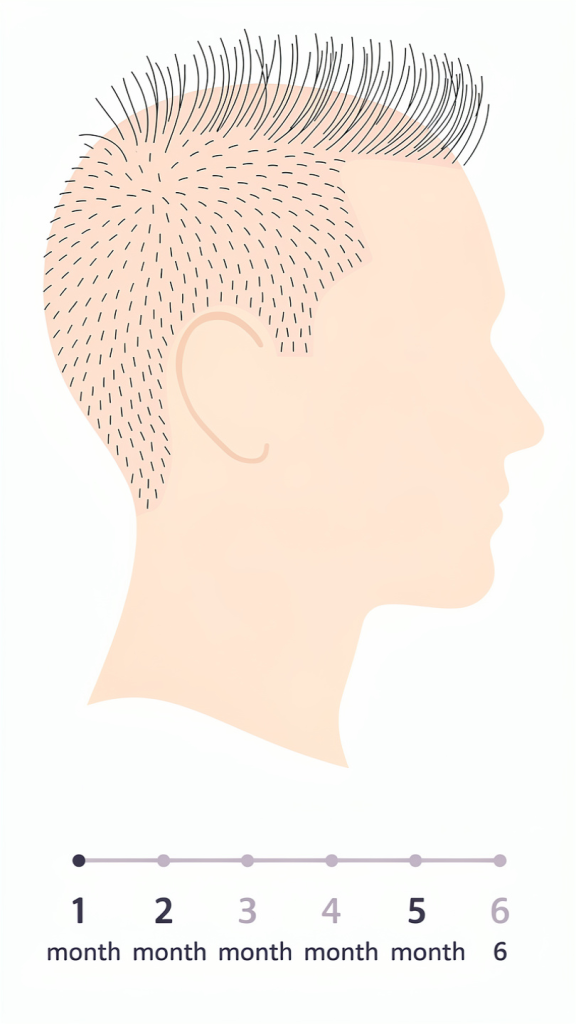
Like minoxidil, rosemary oil does not produce visible regrowth in weeks; the 2015 trial measured significant differences only at the 6‑month mark.
6. Rosemary oil has been shown to improve microcapillary circulation in the scalp.
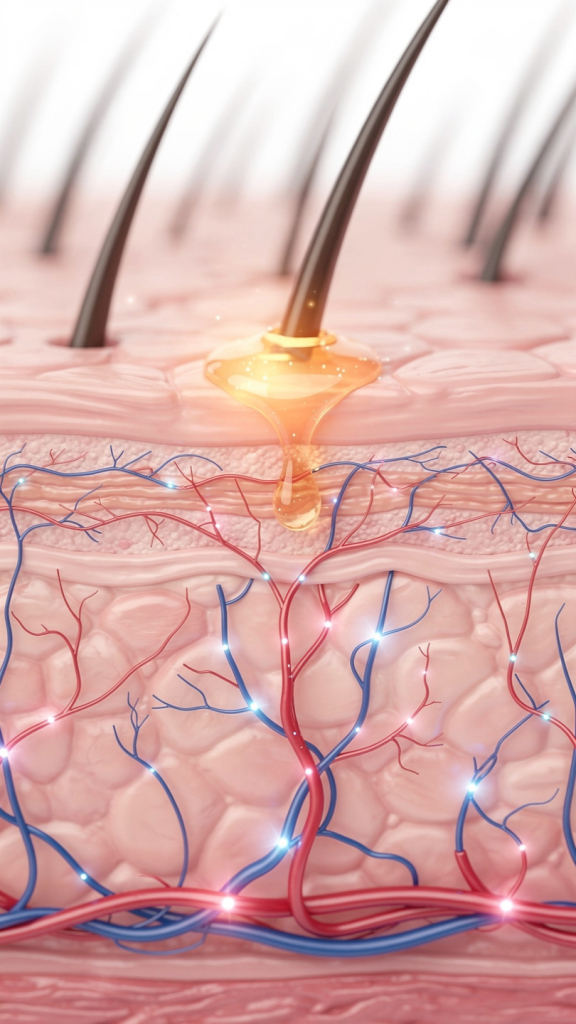
Enhanced blood flow can deliver more oxygen and nutrients to hair follicles, though it remains unclear if this alone reverses balding.
7. There is no high-quality evidence that rosemary oil works for traction alopecia or scarring alopecias.
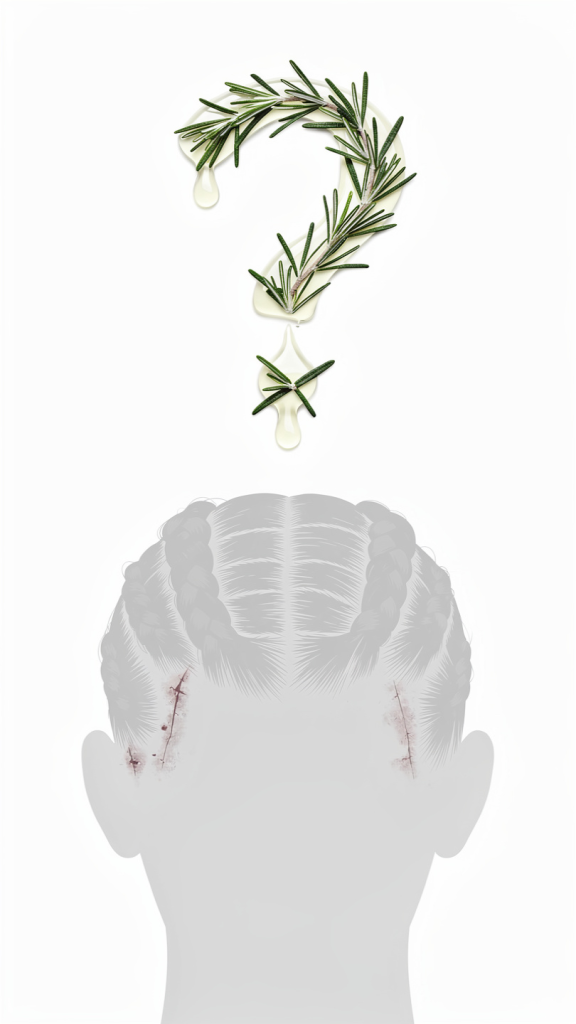
Most positive data focuses on androgenetic alopecia and telogen effluvium; other hair loss types have not been tested in controlled human trials.
8. A 2022 study suggested rosemary oil may reduce scalp sebum production in some individuals.
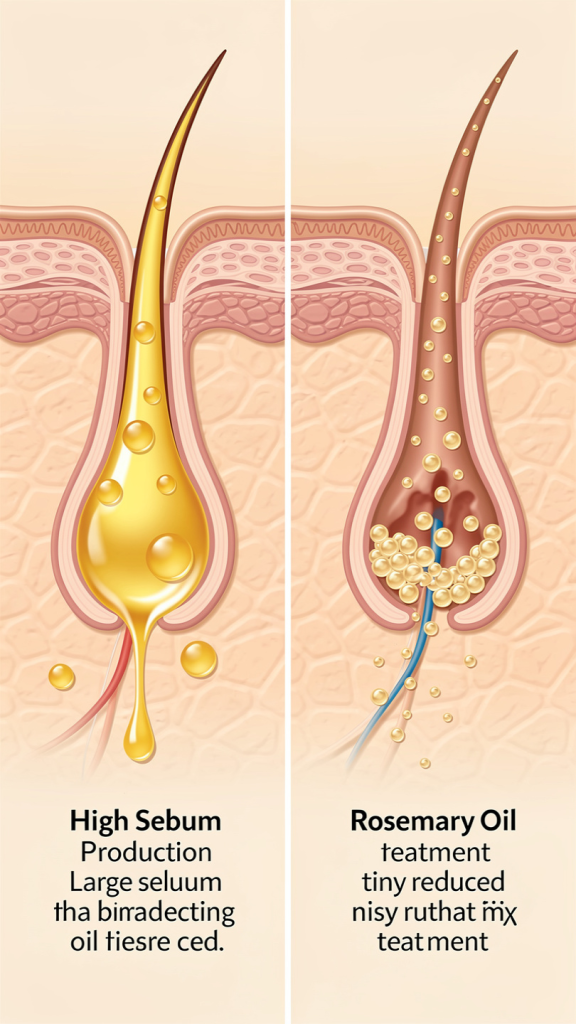
While excess sebum can trap DHT near follicles, too little sebum may dry out hair shafts—meaning the effect is neither wholly beneficial nor harmful.
9. Rosemary oil is generally safe, but allergic reactions and phototoxicity have been reported.
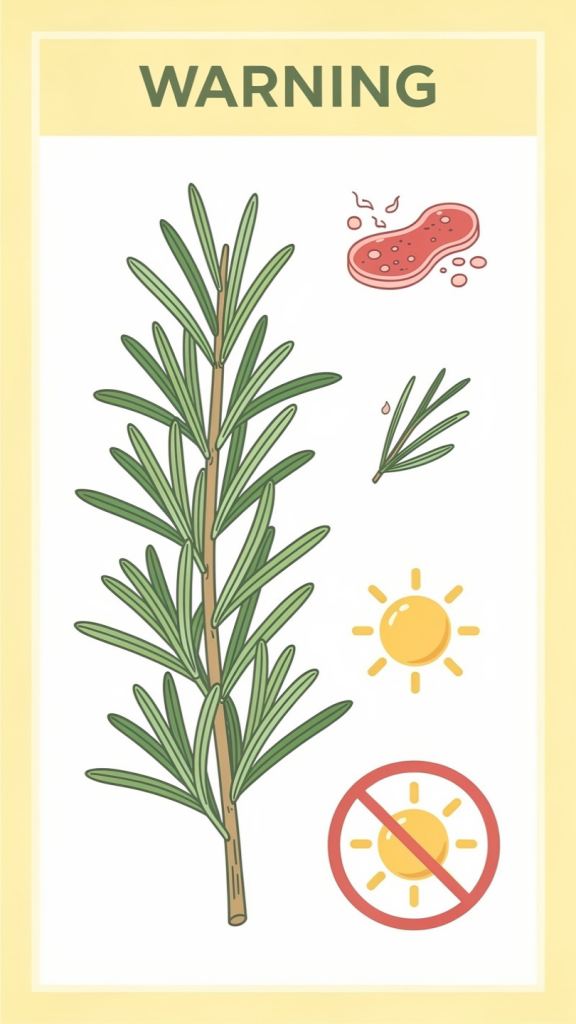
Patch testing is advised before full-scalp application, and users should avoid sun exposure immediately after applying undiluted oil.
10. Long-term safety data beyond 6 months does not exist in clinical literature.
Unlike minoxidil or finasteride, which have decades of post-marketing surveillance, rosemary oil’s extended use for hair loss remains unstudied.
Potential Side Effects and Precautions
Rosemary oil is generally safe, but side effects occur when used improperly. Common issues include scalp irritation, redness, or a burning sensation from undiluted application. Less common but possible: allergic contact dermatitis, worsened dandruff from oil buildup, and phototoxicity (increased sun sensitivity) if exposed to UV light after application. Always perform a patch test on your inner forearm 24 hours before first use. Pregnant or breastfeeding women should consult a doctor before use, as high concentrations of rosemary oil have historically been linked to uterine stimulation.
Who Should NOT Rely on Rosemary Oil
Rosemary oil is not for everyone. Avoid using it as a primary treatment if you have:
- Scarring alopecia (lichen planopilaris, frontal fibrosing alopecia) – No evidence supports efficacy.
- Traction alopecia – The root cause is mechanical tension, not follicle miniaturization.
- Complete baldness with smooth, shiny scalp – This indicates scarred follicles that cannot regrow hair.
- Known allergy to rosemary or other Lamiaceae plants (mint, lavender, basil).
If you have been losing hair for more than 2–3 years with significant visible thinning, prescription treatments or a dermatologist consultation should be your priority.
Comparison Table: Rosemary Oil vs. Standard Treatments
| Feature | Rosemary Oil | Minoxidil (Rogaine) | Finasteride (Propecia) |
|---|---|---|---|
| Evidence strength | Moderate (1 RCT) | Strong (multiple RCTs) | Strong (multiple RCTs) |
| Typical onset of results | 6 months | 4–6 months | 6–12 months |
| Mechanism | Anti-inflammatory + possible 5-AR inhibition | Vasodilation + follicle stimulation | Blocks DHT production systemically |
| Side effects | Mild (itching, rash) | Scalp irritation, unwanted facial hair | Sexual side effects, depression risk |
| Cost (monthly) | 5–15 | 10–30 | 10–60 (generic) |
| FDA-approved | No | Yes (for androgenetic alopecia) | Yes (for male pattern baldness) |
| Works for women | Possibly (limited data) | Yes (2% strength) | No (not approved for women) |
What the Studies Do NOT Say (Important Caveats)
No study has compared rosemary oil to 5% minoxidil (the standard strength for men). The 2015 trial used only 2% minoxidil, which is less potent. No long-term study (beyond 6 months) exists, so we do not know if effects plateau, reverse, or continue. No study has tested rosemary oil alongside finasteride or dutasteride. Finally, no research has examined rosemary oil for severe Norwood stage 4+ baldness – all trials included participants with mild to moderate hair thinning only.
How to Talk to Your Dermatologist About Rosemary Oil
Bring these specific questions to your appointment to avoid wasting time:
- "Based on my type of hair loss (androgenetic, telogen effluvium, or something else), is rosemary oil even relevant?"
- "Would you recommend using rosemary oil alongside my current treatment, or instead of it?"
- "Can you show me my scalp with a dermatoscope to see if miniaturization is present – and then reassess in 6 months if I try rosemary oil?"
- "Are there any interactions between rosemary oil and my current medications (especially blood thinners or diabetes drugs)?"
A good dermatologist will neither dismiss natural options outright nor endorse them without evidence – they should help you track actual follicle changes over time.
Conclusion
So, what is the truth about rosemary oil for hair growth? The studies say this: rosemary oil shows genuine, measurable promise for mild to moderate androgenetic alopecia, backed by exactly one well-designed human trial that matched low-strength minoxidil. Its anti-inflammatory and potential DHT-blocking mechanisms make biological sense, and it carries fewer side effects than pharmaceutical alternatives.
However, the truth also includes what the studies do not say. No evidence supports rosemary oil for scarring alopecias, traction alopecia, or advanced baldness. No long-term safety data exists beyond six months. And no trial has compared it head-to-head with standard 5% minoxidil or finasteride.
If you have early-stage thinning, a tight budget, or sensitive skin that reacts to minoxidil, rosemary oil diluted properly and used consistently for 6+ months is a reasonable, low-risk first step. But if you have aggressive hair loss, a family history of complete baldness, or no visible results after 8 months of honest use, do not let natural remedy optimism delay proven medical treatment.
The kindest truth of all: rosemary oil is a tool, not a miracle. Use it with realistic expectations, track your scalp with monthly photos, and see a dermatologist if things worsen. Your hair didn't thin overnight – and no oil, however promising, will reverse it overnight either.





Leave a Reply