
The toddler mullet has officially transcended its vintage roots, emerging as a definitive statement of "cool" for a new generation of parents. Far from the unrefined cuts of decades past, the modern iteration focuses on intentional texture, soft fades, and a silhouette that celebrates a child’s natural hair growth. It is a style that balances the practicality of keeping hair out of little eyes with a spirited, rebellious length at the nape. Whether styled with a natural wave or a clean taper, the toddler mullet offers an effortless longevity that grows out beautifully, making it a favorite for those seeking an aesthetic that is both timelessly bold and undeniably sweet.
11 Essential Toddler Mullet Styles for 2026:
1. The Spiky Burst Fade Mullet
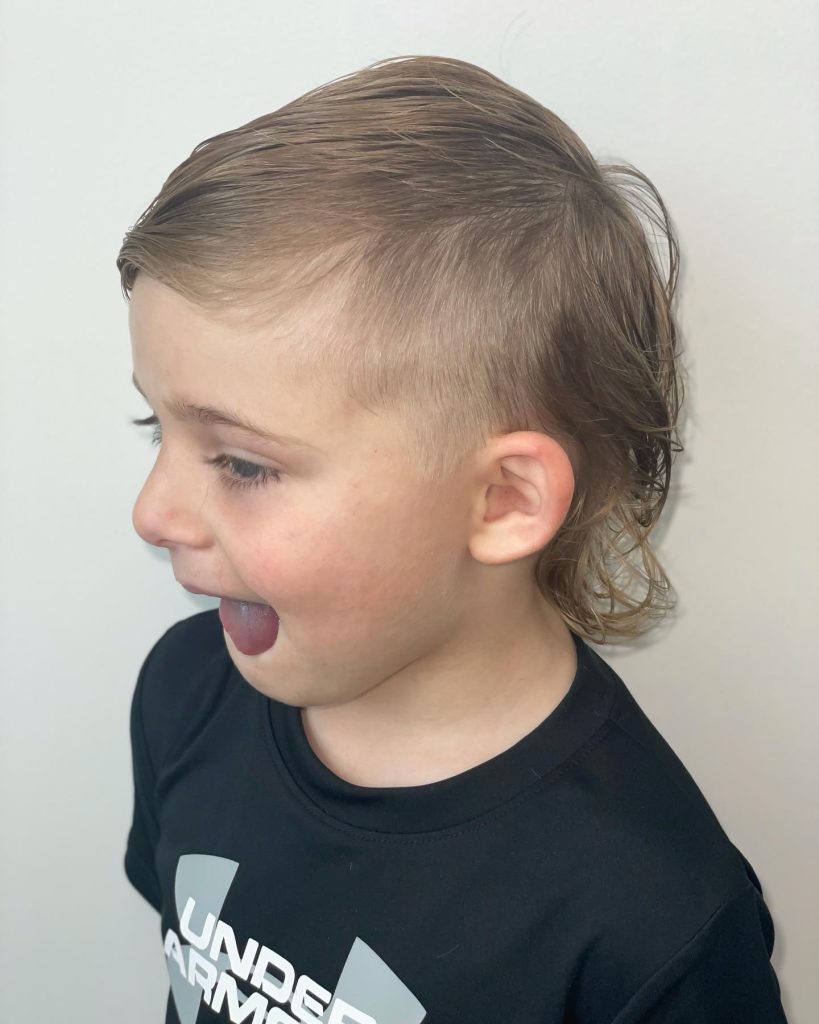
This high-energy look combines the sharp edges of a burst fade with a heavily textured, spiky crown. The contrast between the skin-tapered sides and the voluminous, jagged length through the back creates a dynamic silhouette perfect for active toddlers. It’s a modern, edgy take that brings a contemporary street-style vibe to the classic mullet shape, ensuring the hair stays manageable while making a bold statement.
2. The Clean Tapered Bowl Mullet
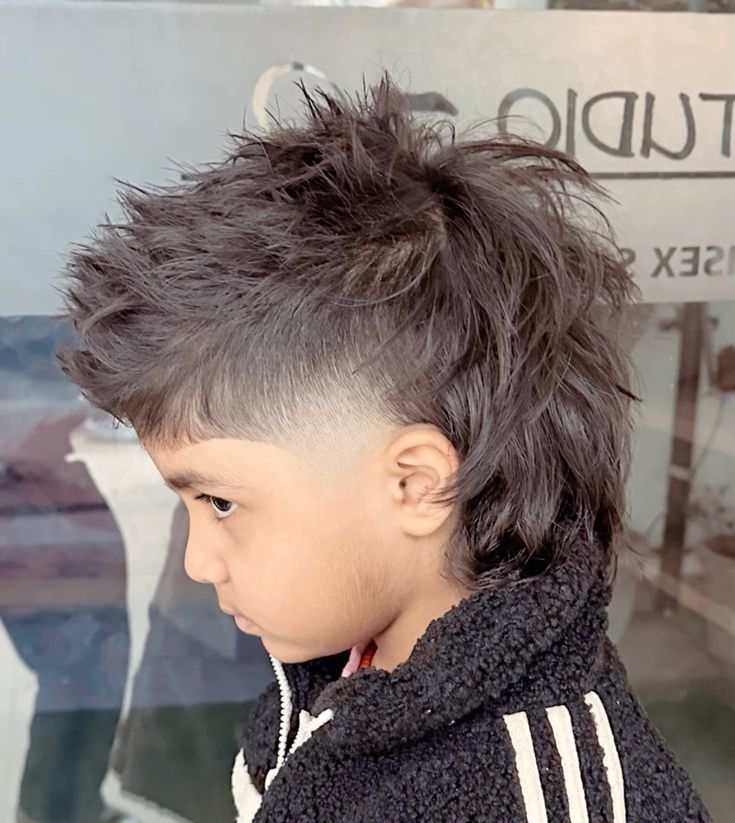
A sophisticated blend of precision and play, this style features a blunt-cut fringe that transitions into a clean taper around the ears. The top is kept smooth and uniform, flowing into a moderate length at the nape for a polished finish. This cut is ideal for straight hair textures, offering a structured look that feels intentional and high-end while maintaining the "business in the front" practicality.
3. The Undercut Mullet with Wispy Length
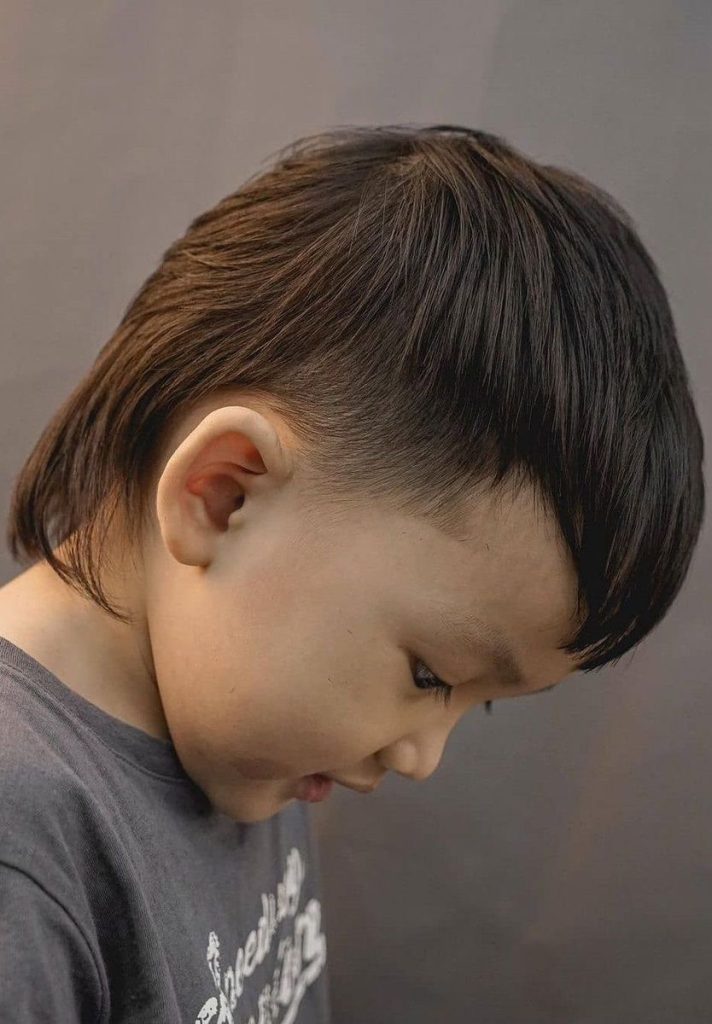
This variation utilizes a sharp undercut to eliminate bulk around the temples, highlighting the natural flow of the hair from the crown to the neck. The fringe is swept to the side for an effortless, soft appearance, while the back is left wispy and light. It’s a versatile option that works well for finer hair types, providing a cool, asymmetrical aesthetic that grows out gracefully without losing its shape.
4. The Retro-Inspired Textured Mullet
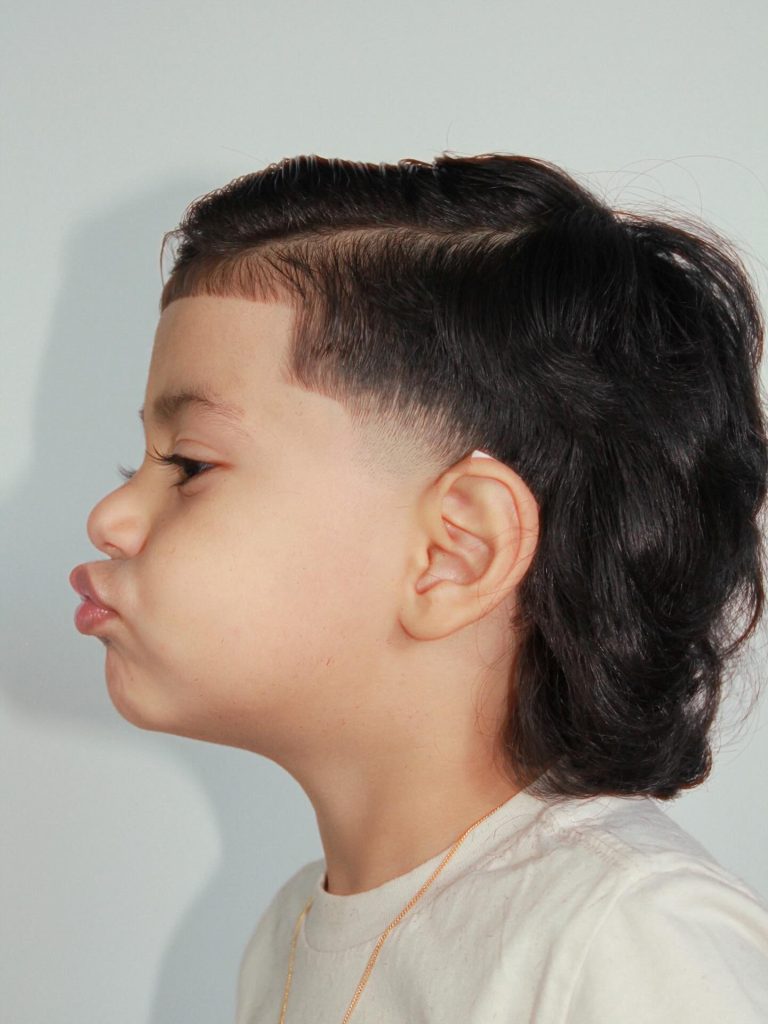
Capturing a vintage aesthetic with a modern twist, this cut focuses on a short, piecey fringe and a soft, graduated length at the back. The sides are subtly faded to keep the look clean, while the overall texture is kept natural and slightly lived-in. This style is perfect for an "effortless" vibe, offering a timeless silhouette that celebrates volume and movement for a spirited, stylish look.
5. The Blonde Tapered Mohawk-Mullet

This ultra-modern cut features a sharp, skin-tight taper around the ears that transitions into a spiked, mohawk-style crown. The back maintains a soft, wispy length that keeps the "mullet" silhouette visible but refined. It is a high-contrast look that works exceptionally well for lighter hair tones, emphasizing the texture and the intentional disconnect between the shaved sides and the voluminous top
6. The Fade with Hard-Line Detail
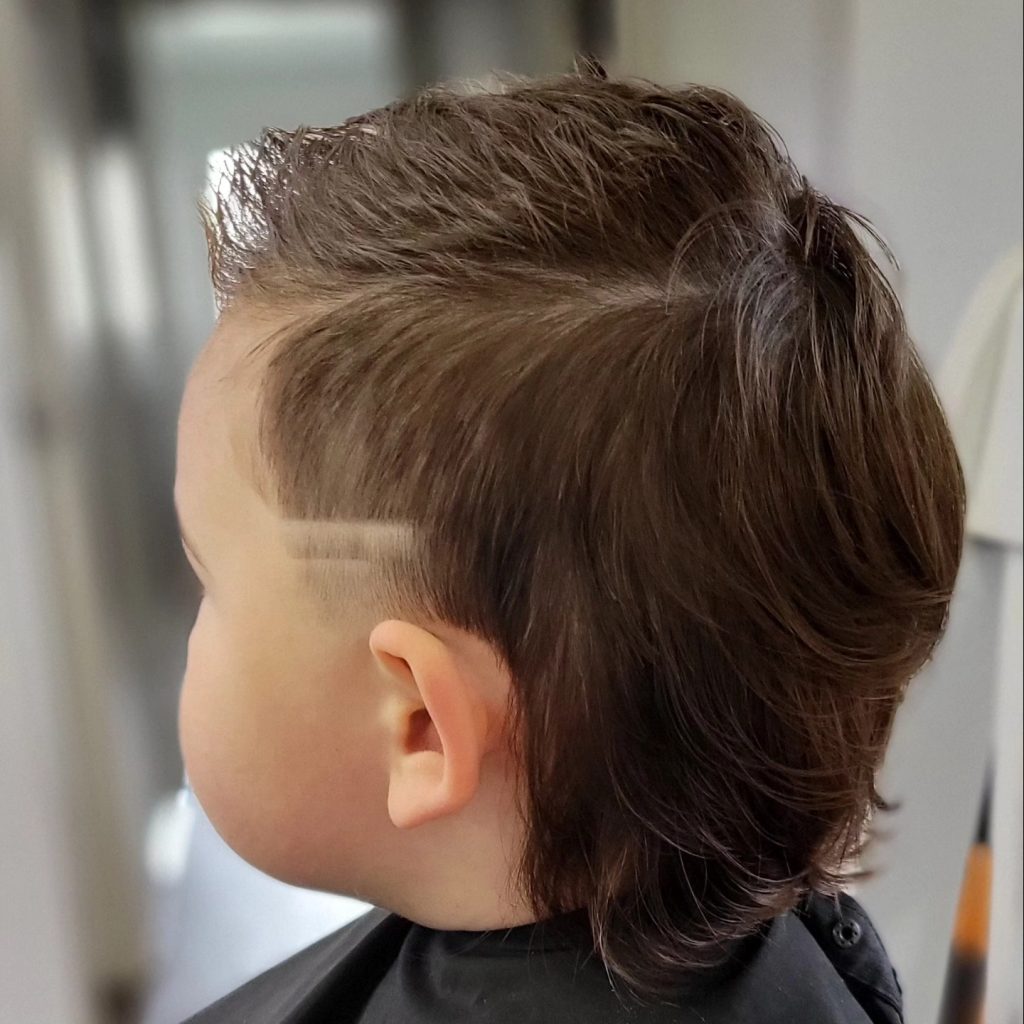
A sleek, professional-leaning variation that incorporates a clean fade and a shaved "hard line" or racing stripe for added personality. The hair is groomed smoothly across the top, flowing into a dense, healthy length at the nape. This style is perfect for parents who want a structured, salon-finished look that combines traditional barbering techniques with the edgy profile of a modern mullet.
7. The Soft-Wave Shaggy Mullet

Embracing a more relaxed and "quiet luxury" aesthetic, this style relies on natural texture and subtle layering. The hair is kept medium-length throughout, with a gentle taper around the ears to prevent the style from looking overgrown. It’s an ideal choice for toddlers with natural waves or curls, providing a soft, face-framing effect that looks effortless and stays stylish through all-day play.
8. The Full-Curl Burst Fade
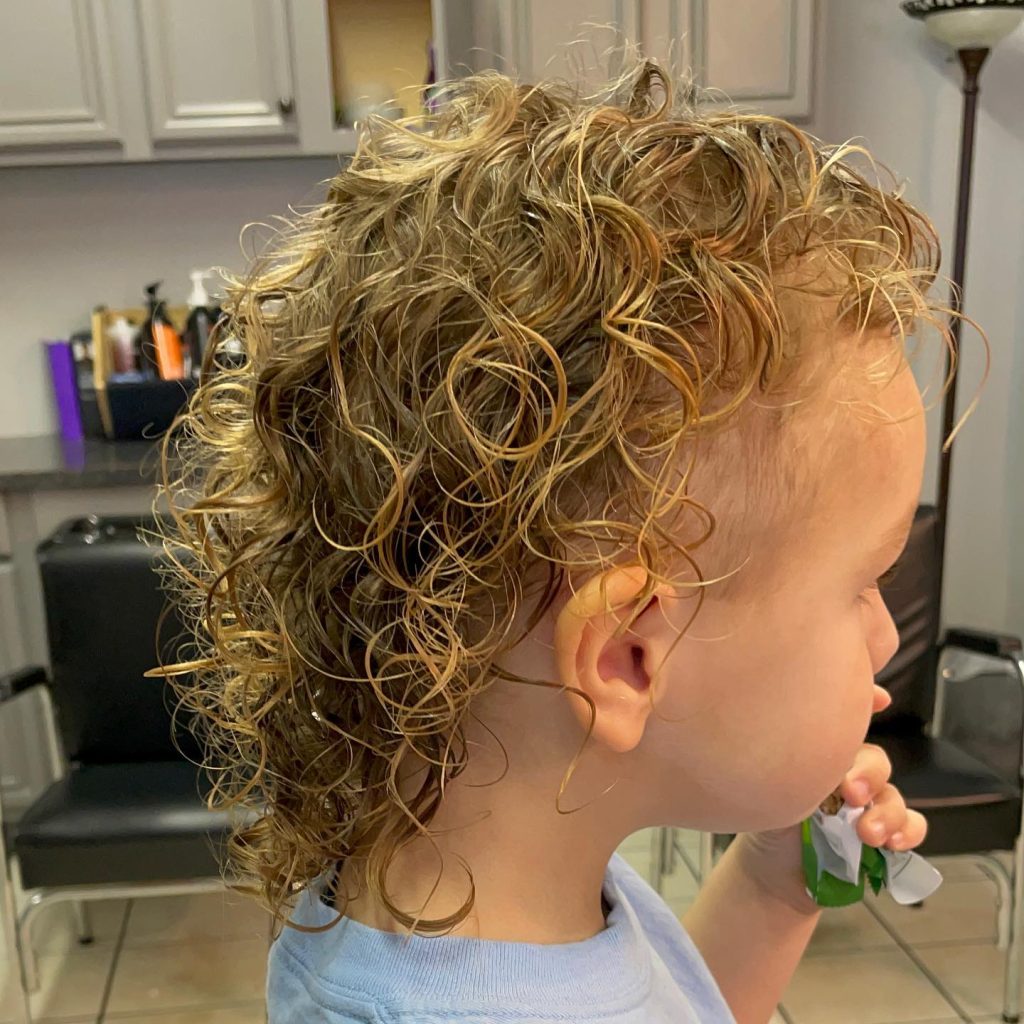
This style is a masterclass in managing natural coils with a trendy silhouette. A deep burst fade around the temples allows the curls to pop, while the back and crown are left long and voluminous to showcase the child's natural texture. The result is a balanced, breathable cut that celebrates curly hair without letting it become unmanageable, maintaining a sharp and clean profile.
9. The Spiky Micro-Mullet
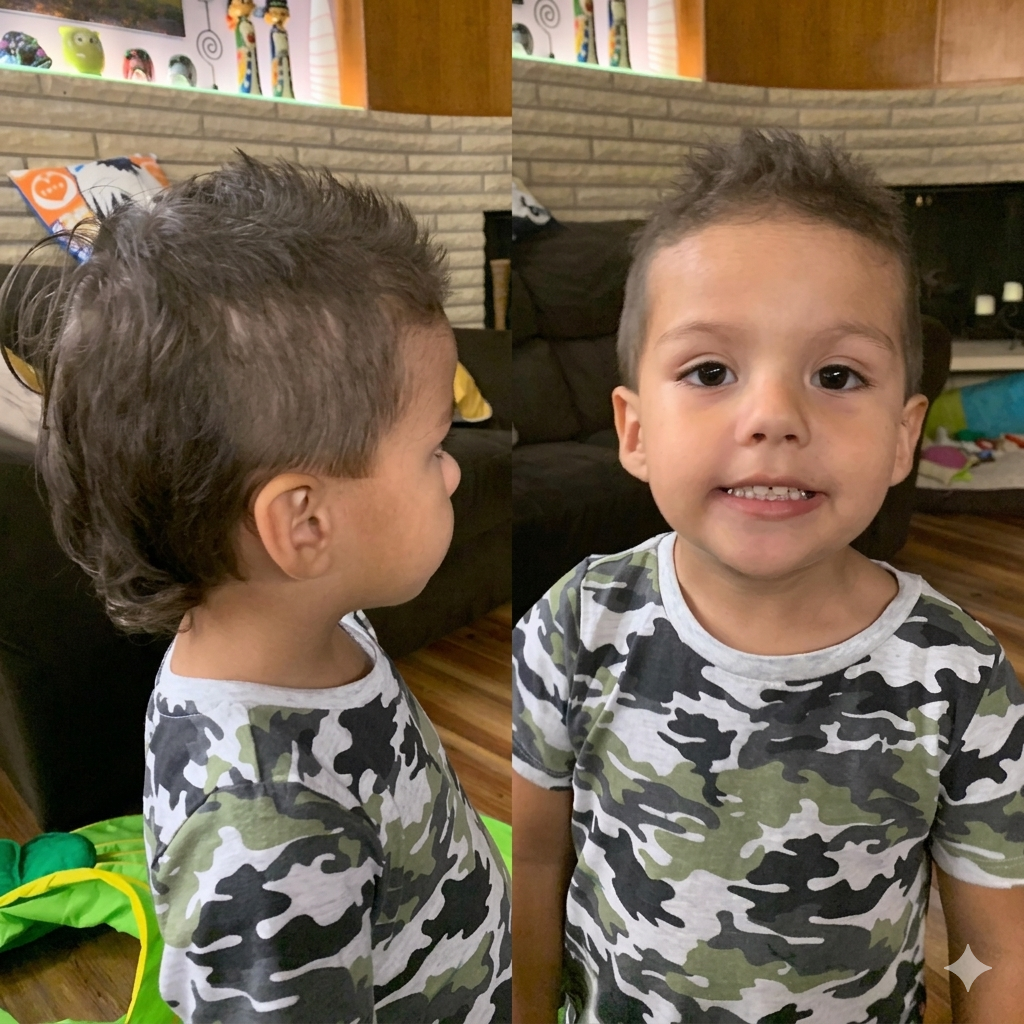
For toddlers with fine to medium hair, this short and textured version provides a spirited look. The crown is styled upward for a spiky, energetic finish, while the back is kept in a modest, tapered tail. It is a practical, low-maintenance cut that gives off a bold "big kid" energy while remaining easy to style with just a touch of light-hold product.
10. The Wavy Tapered Mullet
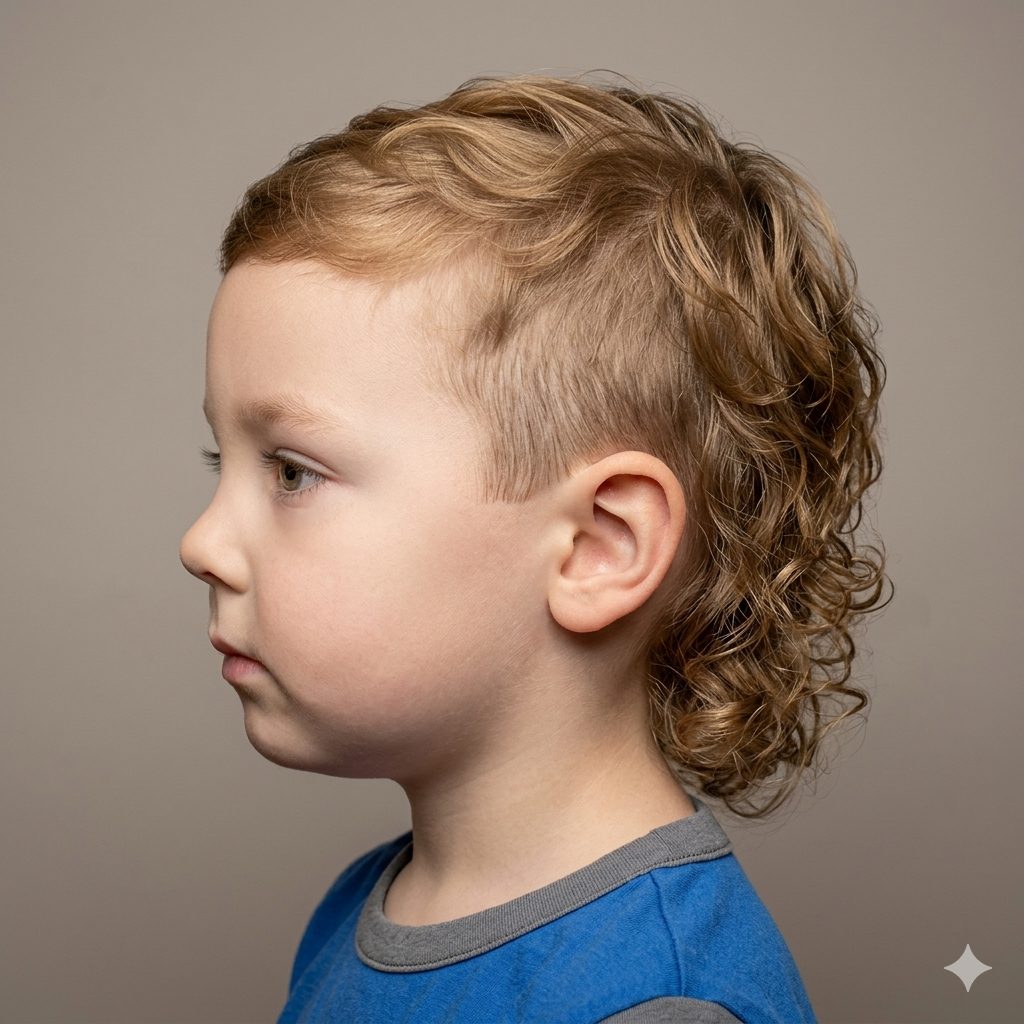
This style artfully manages thick, wavy hair by using a clean taper around the ears to reduce bulk and highlight the facial profile. The natural waves are left long and voluminous from the crown down through the nape, creating a soft, textured finish that feels both modern and manageable. It is an ideal choice for parents wanting to embrace their toddler’s natural hair pattern while maintaining a sharp, intentional silhouette.
11. The Blunt Micro-Fringe Mullet
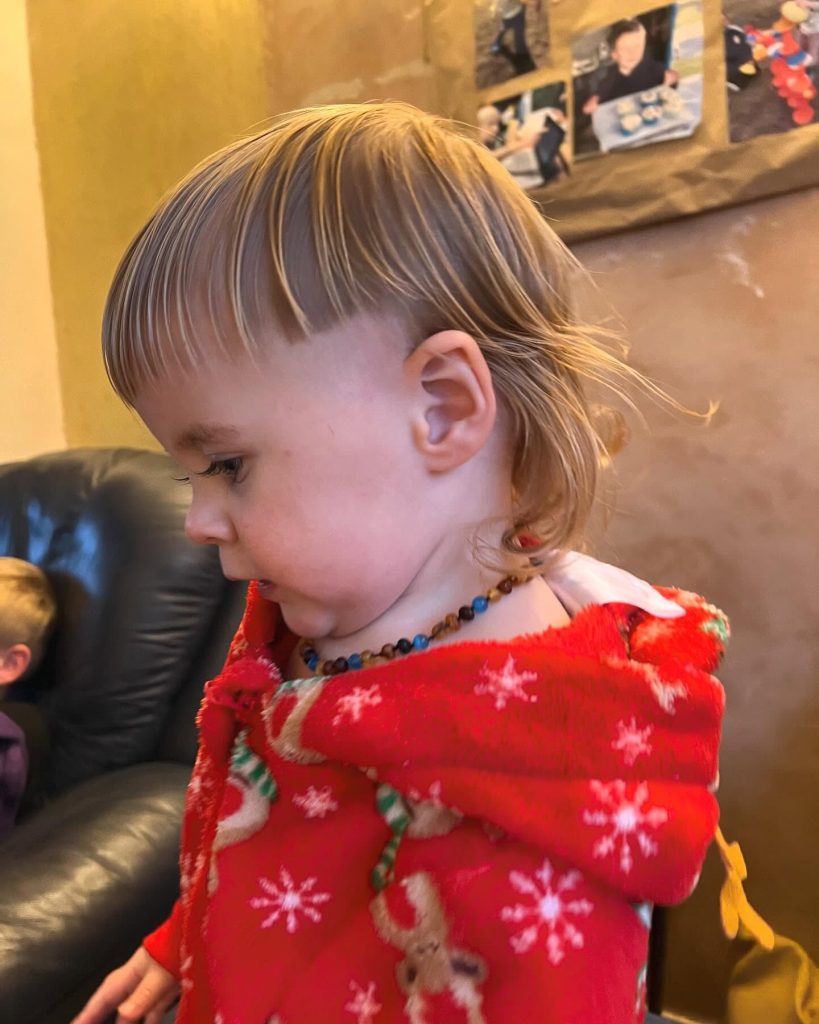
A bold, avant-garde take on the trend, this cut features a precision-cut blunt micro-fringe that sits high on the forehead. The contrast is amplified by closely cropped sides that give way to long, wispy layers at the back, offering a graphic and high-fashion aesthetic. This look is perfect for straight hair textures, providing a distinctive, editorial "cool" that stands out with effortless longevity.
Why Parents Are Saying Yes to the Mullet
- Low maintenance, high reward – Less frequent trims mean more time playing and less time in the salon chair.
- Grows out gracefully – Unlike blunt cuts that look awkward after two weeks, the mullet’s layered shape matures naturally.
- Keeps eyes clear – The shorter front and sides prevent hair from falling into a toddler’s face during meals, art projects, or playground tumbles.
- Celebrates cowlicks and curls – Rather than fighting unpredictable hair patterns, the mullet leans into them as built-in texture.
- Gender-neutral appeal – The style works beautifully on any child, making it a favorite among parents who prefer clothing and grooming choices free from rigid labels.
How to Describe the Look to Your Barber or Stylist
- "Short on top, longer in back" – This is the non-negotiable foundation of any mullet.
- "Soft fade or taper on the sides" – Avoid harsh lines; request a blended transition that keeps the look sweet, not severe.
- "Textured, not choppy" – Ask for point-cutting or slice-cutting to create movement without looking like a DIY accident.
- "Leave the nape natural" – The back should follow the child’s hair growth pattern, not be forced into a blunt line.
- "Above the ears, below the collar" – A helpful shorthand for balancing the proportions on a small head.
Styling Tips for Real Life (No Heat Required)
- Air-dry with a scrunch – For wavy or curly hair, a gentle upward scrunch while damp defines the mullet’s signature shape.
- A dab of leave-in conditioner – Keeps the longer back piece soft and tangle-free without weighing down the top.
- Morning spritz and finger-comb – Most toddler mullets reset in under 60 seconds with plain water and your hands.
- Slick sticks for fancy days – A touch of natural, kid-safe styling balm can tame the front for photos or family gatherings.
- When in doubt, let it ride – The mullet’s superpower is that it looks intentionally mussed. Over-styling defeats the point.
A Quick Checklist Before You Commit
- ✅ Your child has at least 2–3 inches of length at the nape to work with.
- ✅ You’re okay with strangers calling it “adorably rock-and-roll.”
- ✅ Your daycare or preschool has no written rule against creative cuts (most don’t).
- ✅ You’ve accepted that grandparents may have thoughts (they’ll come around).
- ✅ You want a haircut that buys you 8–12 weeks between trims instead of
Conclusion
In the end, the modern toddler mullet isn’t just a haircut—it’s a small act of creative confidence. It says that parenting style can be playful without being precious, and that “age-appropriate” doesn’t have to mean boring. As more parents in 2026 embrace the blend of softness and edge, the mullet is shedding its ironic past to become something genuinely fresh: a look that honors childhood’s wild energy while still showing up neatly for school pictures. Whether your little one wears it curly, straight, or somewhere in between, this mini-trend proves that the best fashion statements are the ones that grow—literally and figuratively—right alongside your child. So go ahead, let the back grow long and the front stay sharp. The toddler mullet isn’t going anywhere—except maybe into the playground, windblown and wonderful.


Leave a Reply