
As we age, our hair naturally becomes thinner, drier, and more fragile due to hormonal changes and reduced oil production. While a perm can add volume and curl, getting one later in life often leads to unexpected damage, poor results, and long-term scalp issues that many salons don’t warn you about.
Why Older Hair Responds Differently to Perm Chemicals
As we age, hair follicles produce less melanin and fewer natural oils (sebum). The hair shaft becomes finer, more porous, and has a weakened cortex. Perm solutions work by breaking down disulfide bonds in the hair's protein structure. In mature hair, these bonds are already compromised, so the chemical reaction becomes harder to control—leading to over-processing in minutes instead of the usual 20–30 minutes for younger hair.
10 Negative Effects of Getting a Perm at an Older Age
1. Increased breakage and hair loss
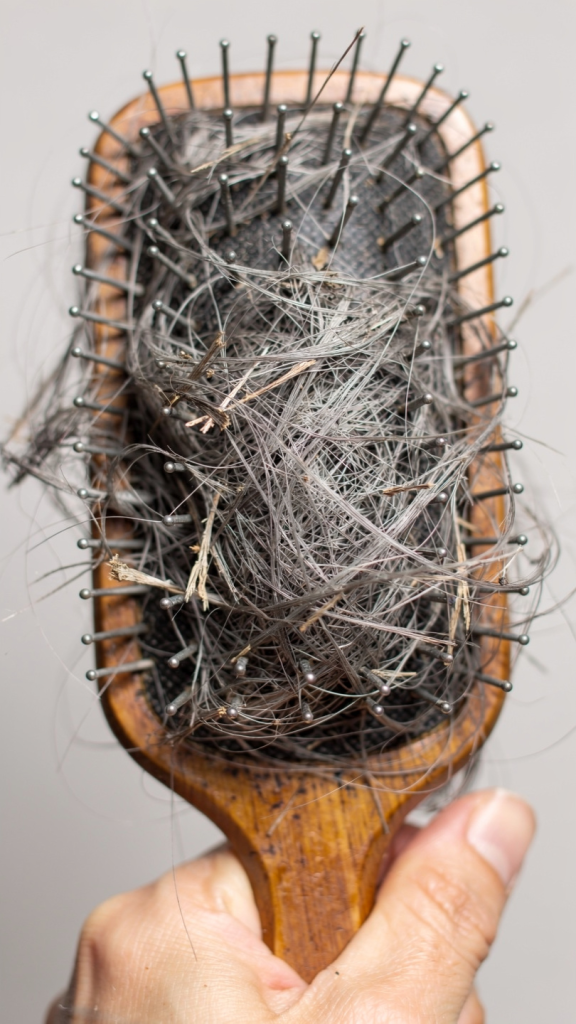
Mature hair has a weaker protein structure, making it prone to snapping off during the perming process.
2. Prolonged chemical exposure on a sensitive scalp
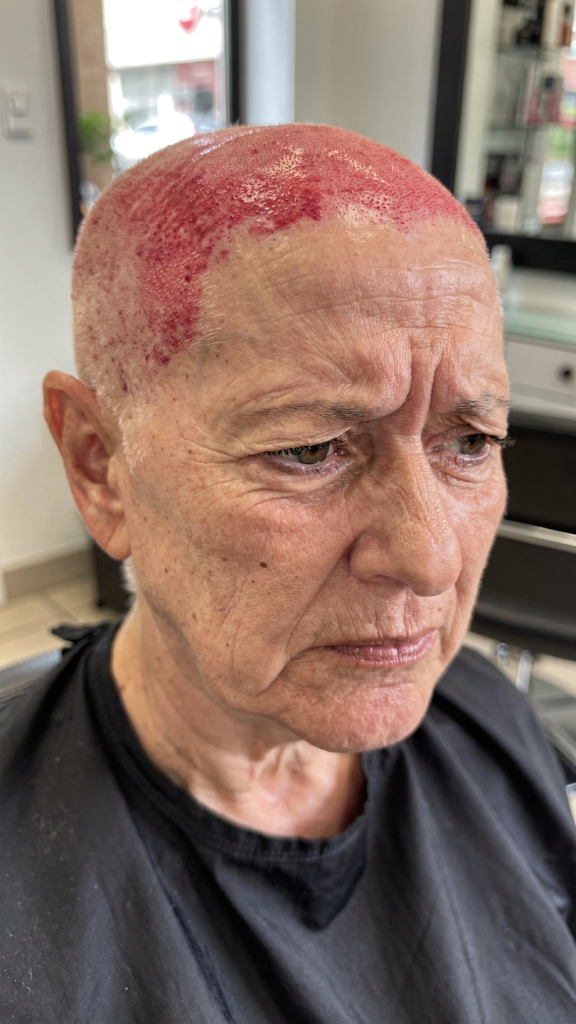
Aging scalps are often more sensitive, leading to burns, itching, or allergic reactions from perm solutions.
3. Uneven curl patterns due to gray hair
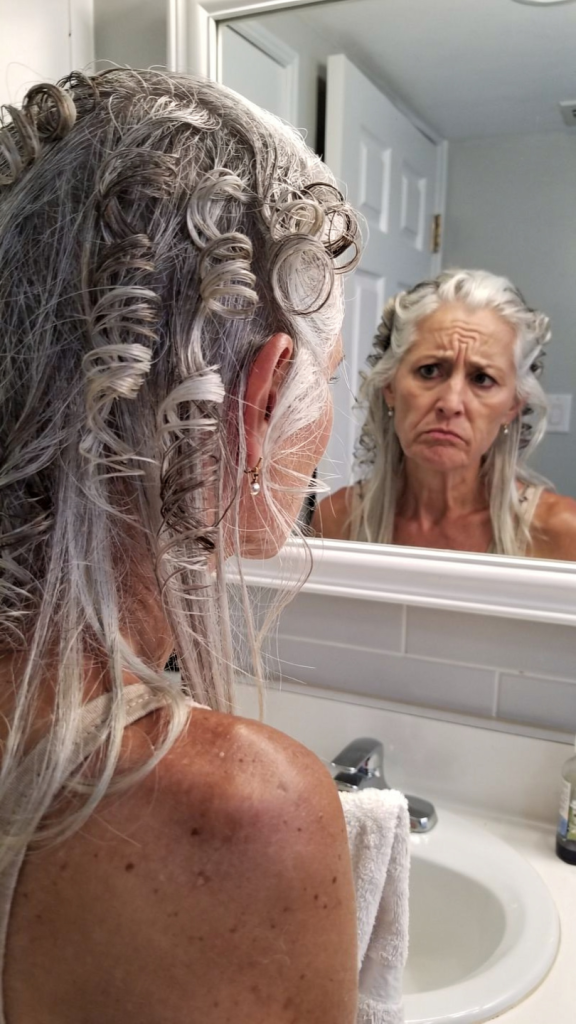
Gray and white hairs lack natural pigment and often resist or react unpredictably to perming chemicals.
4. Slower recovery from damage
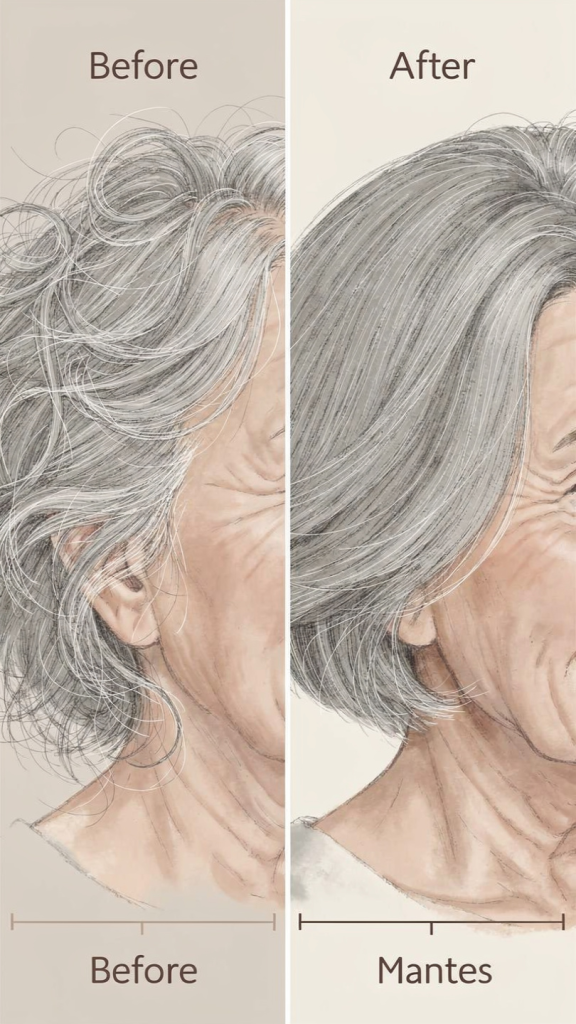
Reduced blood circulation to the scalp in older adults means damaged hair takes much longer to grow back healthy.
5. Dryness that worsens existing brittleness
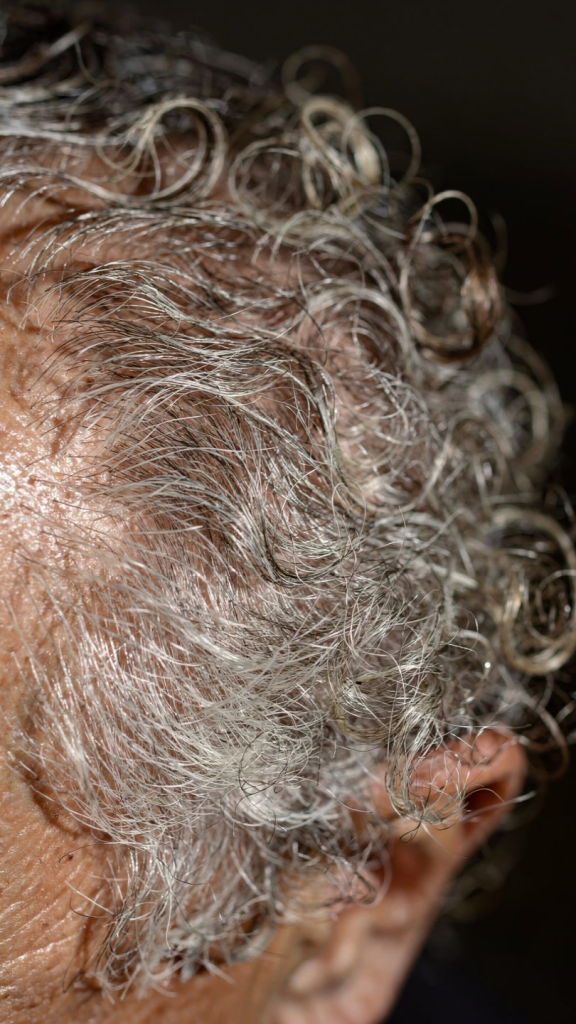
Perm solutions strip natural oils, making age-related dryness significantly worse and causing straw-like texture.
6. Difficulty maintaining curls with medication use
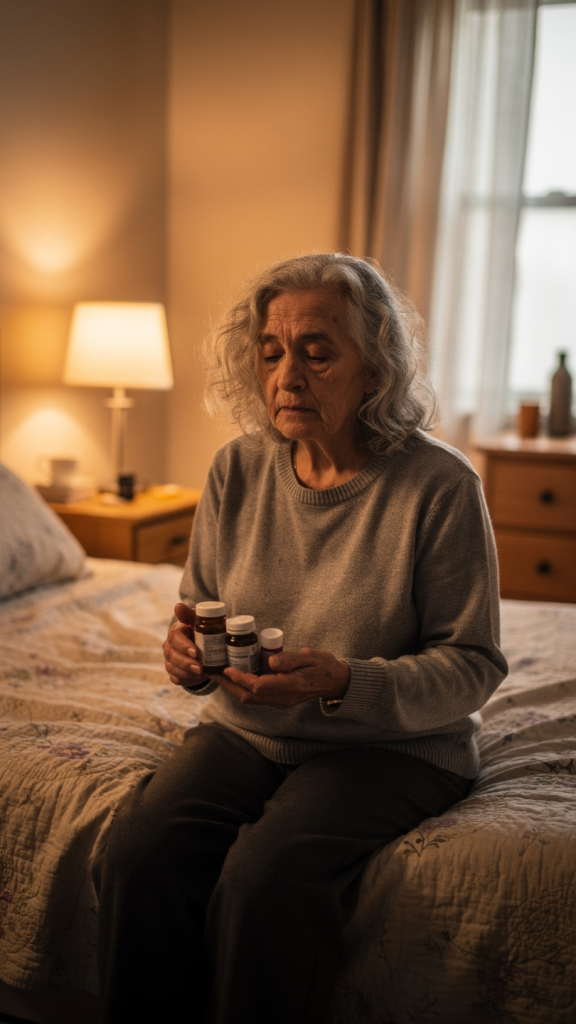
Common medications for blood pressure or arthritis can alter hair structure, causing permed curls to fall out quickly.
7. Higher risk of over-processing
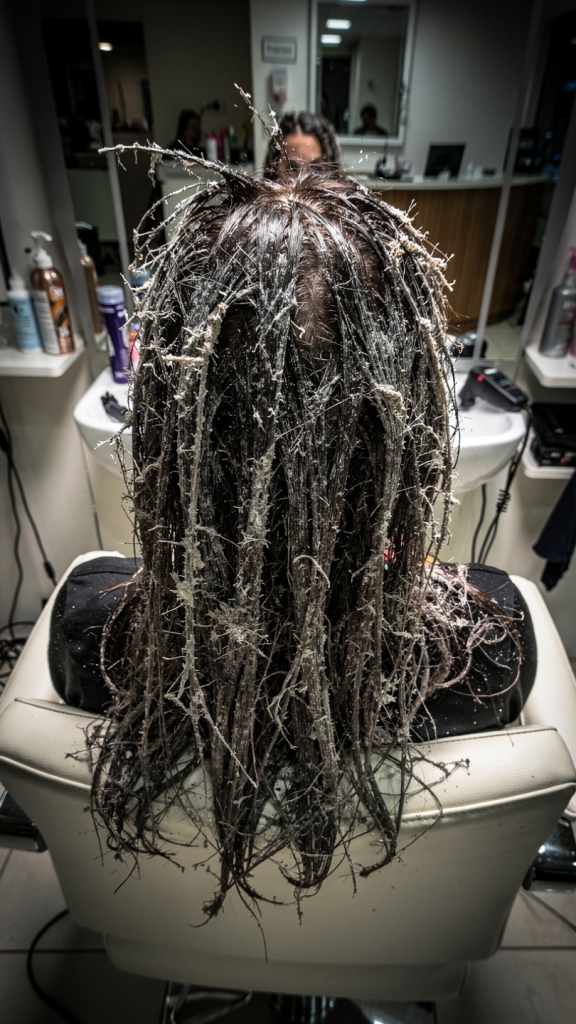
Thinner, aged hair absorbs chemicals faster, making it easy for stylists to accidentally leave solution on too long.
8. Limited styling versatility
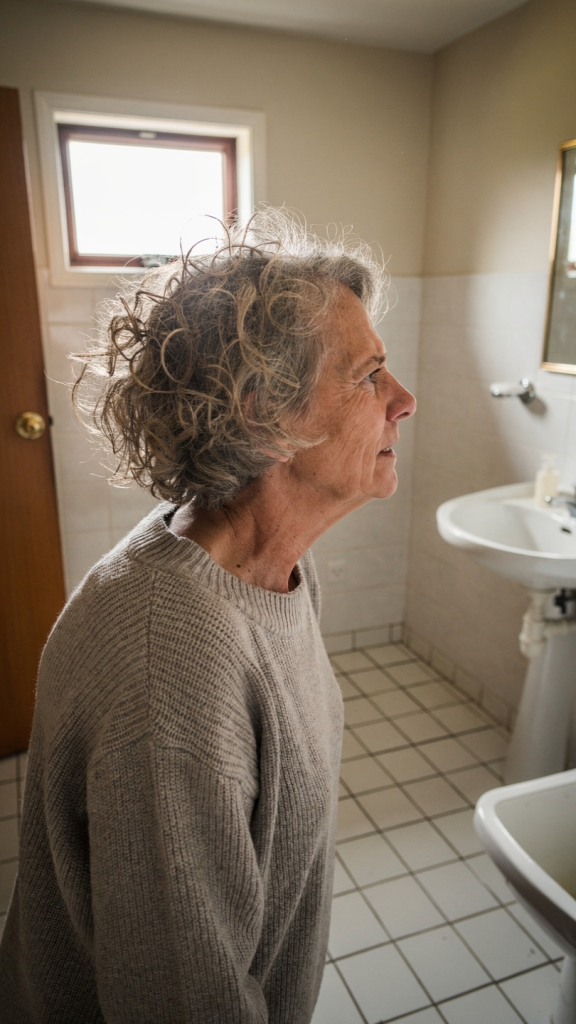
Once permed, older hair cannot withstand heat styling or frequent washing, leaving few options for daily management.
9. Emotional distress from poor results
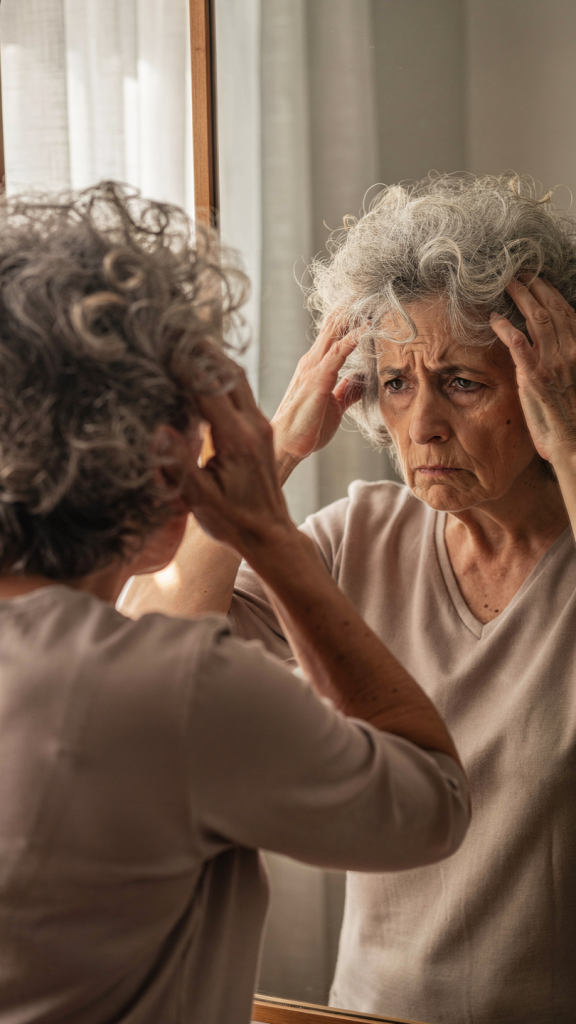
Expecting voluminous curls but ending up with frizzy, limp, or damaged hair can negatively impact self-image in older adults.
10. Costly and frequent salon repairs

Unlike younger hair, damaged permed hair in older individuals often requires expensive corrective treatments or frequent trims.
Signs You Should Avoid a Perm After 60
Not every older adult will have a bad perm experience, but certain warning signs indicate high risk:
- More than 50% gray hair – resistant to even curl formation
- Chemotherapy or radiation history – hair structure permanently altered
- Thyroid disorders or hormonal imbalances – affects hair strength
- Use of blood thinners, retinoids, or steroids – increases scalp sensitivity
- Existing scalp conditions – psoriasis, eczema, or seborrheic dermatitis
If any of these apply, consult a dermatologist before considering chemical services.
Safer Alternatives to Traditional Perms for Mature Hair
Instead of a harsh perm, older adults can achieve volume and curl through these lower-risk methods:
| Alternative | Benefits |
|---|---|
| Heatless curl sets (foam or fabric rollers) | No chemicals, temporary hold |
| Body wave with milder solution | Weaker formula, shorter processing |
| Volumizing haircut (layers, texturizing) | Adds movement without damage |
| Root lift sprays & mousses | Daily volume with blow-drying |
| Human hair wigs or toppers | Instant style, zero chemical risk |
If you still want a perm, request a patch test 48 hours in advance and ask for a "acid perm" which is gentler than alkaline perms.
What to Ask Your Stylist Before Booking
Use these questions to protect yourself:
- "How many clients over 60 have you permed successfully?"
- "Do you offer a weaker solution for fragile hair?"
- "Will you perform a strand test before full application?"
- "What is your policy for damaged results or refunds?"
- "Can you recommend a deep conditioning treatment before and after?"
A responsible stylist will answer honestly. If they rush or dismiss your concerns, walk away.
Aftercare Tips If You Already Got a Perm
If you have already permed your mature hair, follow this protocol:
- Wait 72 hours before washing – allows bonds to stabilize
- Use sulfate-free, protein-enriched shampoos – rebuilds weak spots
- Avoid heat styling completely – no flat irons, curling irons, or hot blow-drying
- Sleep on a silk pillowcase – reduces friction breakage
- Deep condition weekly – look for keratin or ceramide masks
- Trim every 6–8 weeks – removes split ends before they travel up the shaft
Conclusion
A perm may seem like a quick fix for thinning, flat hair, but for older adults, the risks often outweigh the rewards. From increased breakage and chemical burns to uneven curls and emotional distress, the negative effects can last for months—sometimes permanently. Aging hair deserves gentler care, not harsh chemical processing. Before booking that appointment, consider safer alternatives, speak honestly with a qualified stylist, and prioritize your scalp and hair health over temporary volume. Looking good at any age starts with keeping your hair strong, not just curly.

Leave a Reply