
For years, we’ve been told that ditching the blow-dryer is the ultimate act of hair self-care. But recent trichology studies and stylist insights reveal a surprising truth: leaving your hair wet for hours can be more harmful than using a controlled heat source. From swelling the hair cuticle to inviting bacterial growth, here are 10 reasons why it’s time to retire the “air-dry only” rule.
10 Reasons Air-Drying Harms Your Hair
1. Prolongs the “Swelling” Phase (Hygral Fatigue)
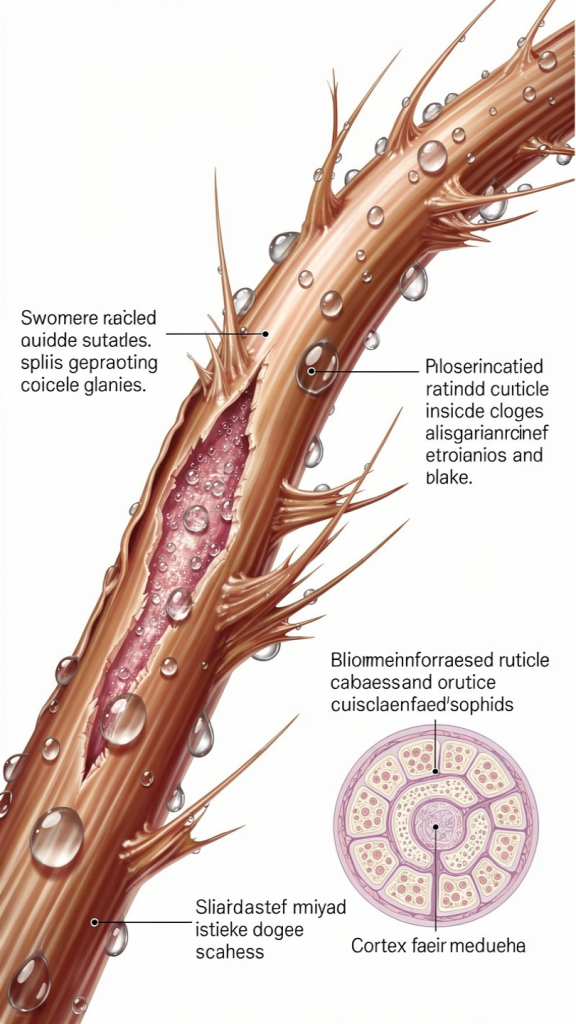
Hair is weakest when wet; air-drying keeps it in a swollen state for an hour or more, weakening the cuticle over time.
2. Increases Risk of Cuticle Rupture
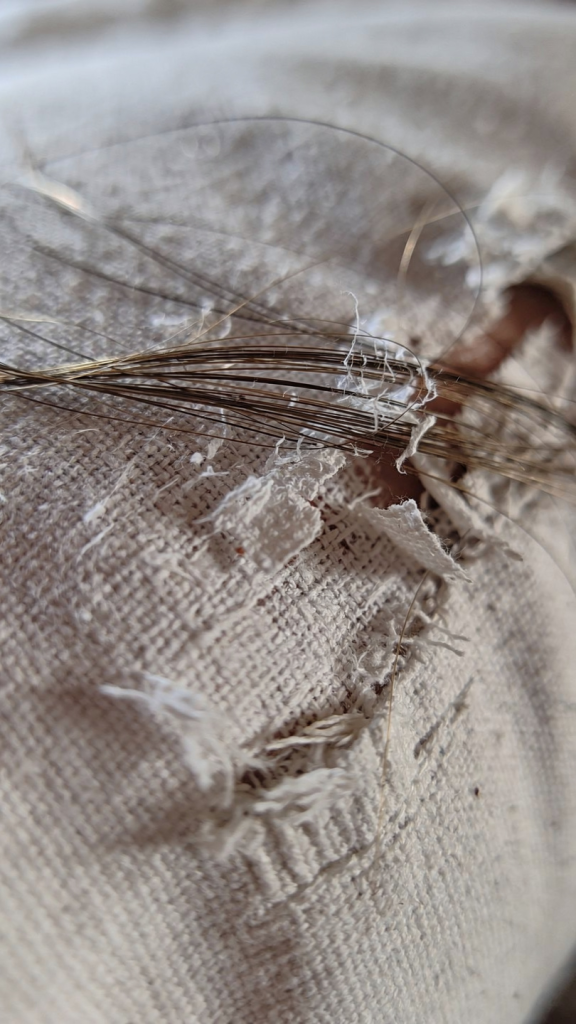
When hair sits wet, the raised cuticles rub against clothes and pillows, chipping and breaking off much like peeling paint.
3. Encourages Cradle Cap & Bacterial Growth
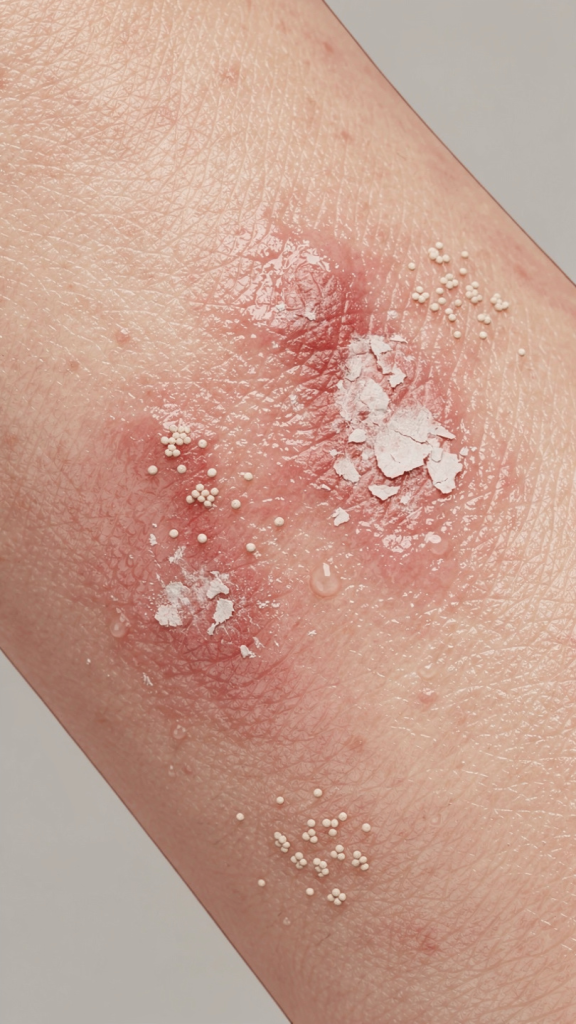
A consistently damp scalp creates a breeding ground for fungus and bacteria, leading to itchiness, dandruff, and clogged follicles.
4. Stretches the Hair’s Natural Elasticity
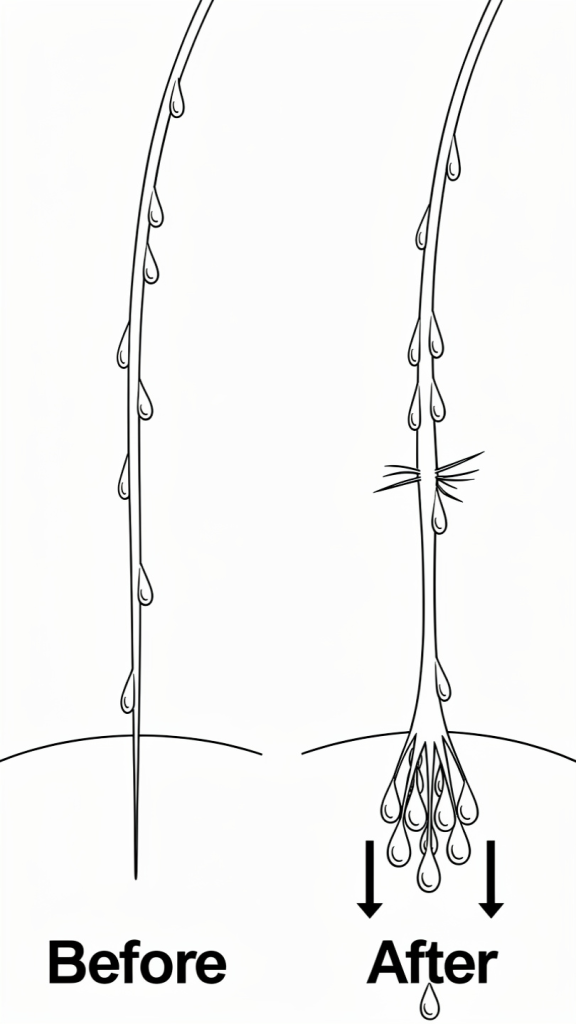
Water weight pulls down on wet strands, stretching them beyond their recovery point and causing thin spots when dried.
5. Frizz Is Actually Worse Without Heat
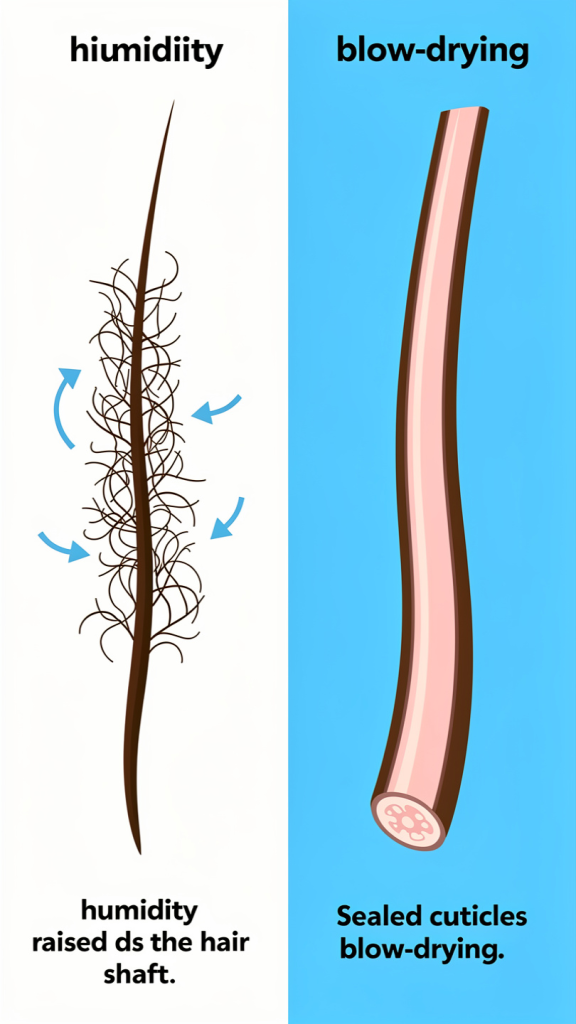
Without a seal of warm air, raised cuticles stay lifted, absorbing ambient humidity and turning your hair more frizzy than a quick blow-dry.
6. Leads to “Fish Eye” Split Ends
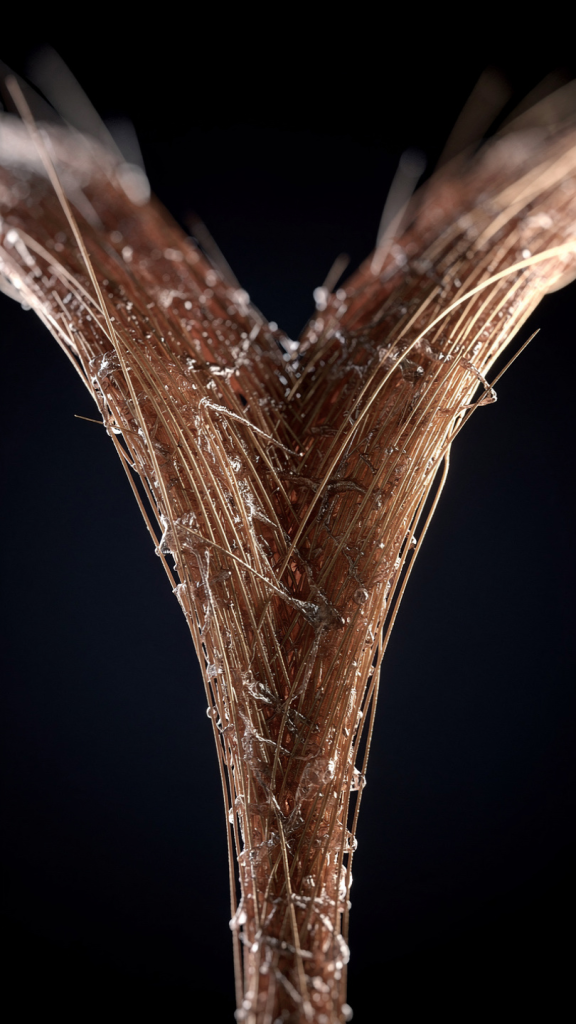
Extended air-drying allows water to slowly pry apart the hair’s protein bonds, creating deep, V-shaped splits that cannot be repaired.
7. Weights Down Fine Hair
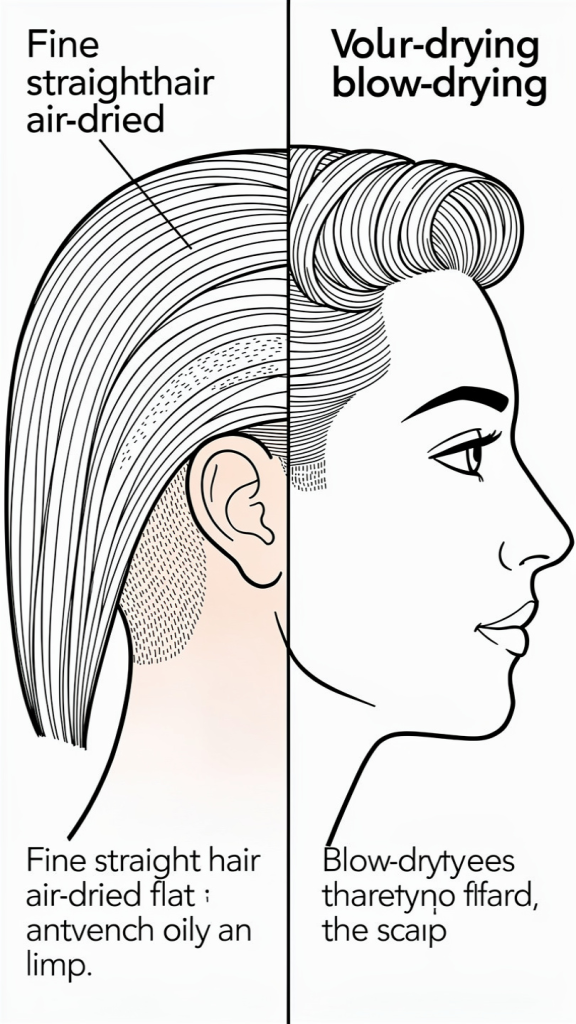
The prolonged moisture retention flattens roots permanently, making fine or straight hair look limp and greasy hours after it finally dries.
8. Triggers Breakage During Sleep
Most people air-dry at night; going to bed with damp hair creates intense friction against cotton pillowcases, snapping mid-length hairs.
9. Prevents Effective Product Absorption
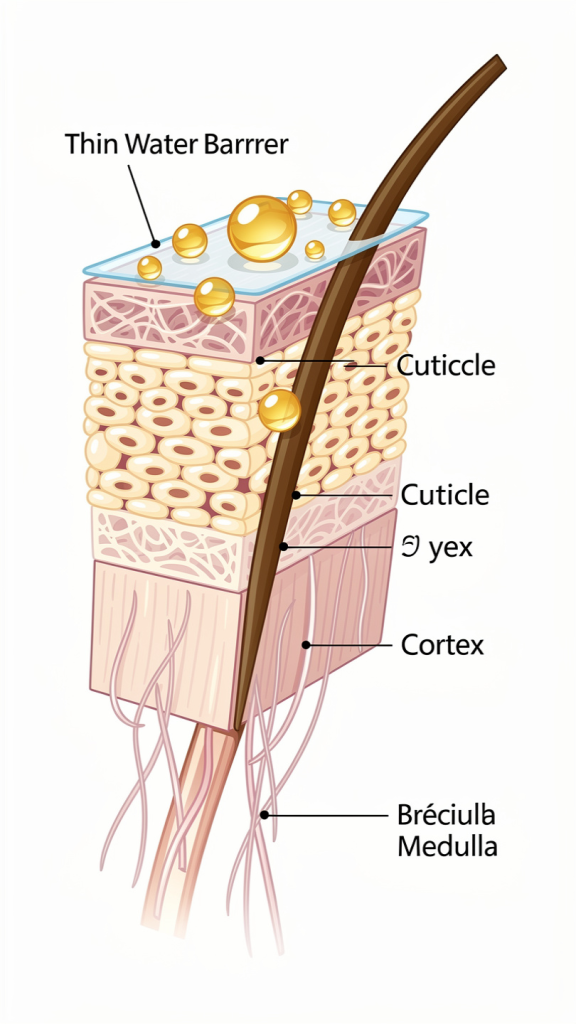
Oils and serums need a slightly warm, dry surface to penetrate; air-drying leaves a water barrier that repels these treatments.
10. Cold Weather Worsens the Damage

In winter, cold air freezes the water inside the shaft, expanding the hair like a burst pipe and creating invisible longitudinal cracks.
What You Should Do Instead (A Healthier Routine)
You don’t need to abandon drying altogether—just change how you do it. Follow these steps to protect your hair:
- Towel dry gently first – Use a microfiber towel or soft cotton T-shirt to remove excess water without rough rubbing.
- Apply heat protectant – Always spray a thermal protectant on damp hair before any heat touches it.
- Use low to medium heat – Keep your blow-dryer 6 inches away and move it constantly; high heat is the enemy, not warm air.
- Dry to 80-90% only – Leave a slight trace of dampness in the mid-lengths and ends to avoid over-drying.
- Finish with a cool shot – Seal the cuticle flat by blasting cool air for 10 seconds at the end.
Who Should Still Be Cautious with Heat
While air-drying is generally worse, certain hair types need extra care with blow-drying:
| Hair Type | Recommendation |
|---|---|
| Severely bleached or chemically damaged hair | Use the lowest heat setting and stop at 70% dry |
| Very fine or thinning hair | Medium heat, low speed to avoid tangling |
| Active scalp conditions (psoriasis, severe dandruff) | Cool or warm air only; avoid direct heat on plaques |
If your hair feels brittle or looks burnt, take a 2-week break from all heat and air-dry only until it recovers—then return to smart blow-drying.
Common Myths About Air-Drying – Busted
Myth 1: "Air-drying is always natural, so it must be safer."
Truth: Natural doesn't mean harmless. Leaving hair wet for hours is an unnatural state that weakens its structure.
Myth 2: "My stylist told me to avoid heat completely."
Truth: Many stylists now revise that advice—they mean avoid excessive, unprotected heat, not all warm air.
Myth 3: "Air-drying gives me better volume."
Truth: Air-drying actually flattens roots because water weight pulls them down. Warm air lifts roots as it dries.
Myth 4: "I have curly hair, so I must air-dry."
Truth: Curly hair is actually more prone to hygral fatigue. Use a diffuser on low heat to set curls while sealing the cuticle.
Quick Product Recommendations
To successfully switch from air-drying to smart blow-drying, consider these product types:
- Microfiber hair towel – Reduces friction and absorbs 50% more water than cotton.
- Heat protectant spray or cream – Look for formulas with silicones or amodimethicone for thermal protection up to 450°F.
- Ionic blow-dryer – Dries faster by breaking down water molecules, reducing your hair's "wet time."
- Cool shot button dryer – Non-negotiable for sealing cuticles flat.
- Leave-in conditioner – Adds slip and moisture barrier before any drying method.
When Is Air-Drying Actually OK?
Air-drying isn't always a crime. These are the only scenarios where it's acceptable:
- You have just washed your hair and will be sitting in direct, warm sunlight for at least an hour.
- Your hair is very short (pixie cut or shorter) and dries completely within 10–15 minutes.
- You are recovering from a chemical burn or severe scalp irritation (doctor's orders).
- You are on a camping trip with no electricity for 48+ hours.
Outside of these rare cases, reach for the blow-dryer—correctly used, it's the lesser evil.
Conclusion
For years, we've been misled by the belief that avoiding heat equals avoiding damage. But science and hair health experts now agree: prolonged wetness is a silent destroyer. From hygral fatigue and bacterial growth to nighttime breakage and winter cracking, air-drying attacks your hair slowly over months—whereas a responsible 10-minute blow-dry seals, protects, and finishes the job cleanly.
This doesn't mean you should blast your hair with maximum heat every day. It means you should stop fearing your blow-dryer and start using it smartly: with protectant, low to medium heat, and a cool shot to seal the deal. Your hair will feel smoother, look shinier, and—most importantly—break less.


Leave a Reply