
In the relentless pursuit of youthful, thick, and vibrant hair, many consumers turn to a growing market of anti-aging shampoos, serums, and treatments. While these products promise to restore hair density and reverse the clock, they often contain potent active ingredients that can lead to unintended and sometimes serious negative side effects, ranging from scalp damage to systemic health concerns.
How These Products Work (A Brief Overview)
Anti-aging hair products typically claim to work by stimulating blood flow to the scalp, blocking follicle-damaging hormones (like DHT), or increasing cell turnover. Common active ingredients include minoxidil, retinoids, peptides, caffeine, saw palmetto, and various essential oils. While these mechanisms sound promising, their potency is precisely what leads to the negative side effects outlined above.
Who Is Most at Risk?
Certain individuals face a higher likelihood of experiencing adverse effects from anti-aging hair products:
- People with sensitive skin or existing scalp conditions (eczema, psoriasis, seborrheic dermatitis) are more prone to irritation and allergic reactions.
- Those with cardiovascular issues (high blood pressure, heart palpitations, arrhythmias) should avoid minoxidil-based products due to systemic absorption risks.
- Pregnant or breastfeeding women may be vulnerable to hormonal disruptions caused by certain botanical ingredients.
- Individuals taking multiple medications (especially blood pressure drugs, steroids, or hormone therapies) face higher risks of dangerous interactions.
- People with a family history of early greying may paradoxically accelerate the process with aggressive peptide or retinoid formulas.
10 Negative Effects of Using Anti-Aging Hair Products
1. Scalp Irritation and Contact Dermatitis
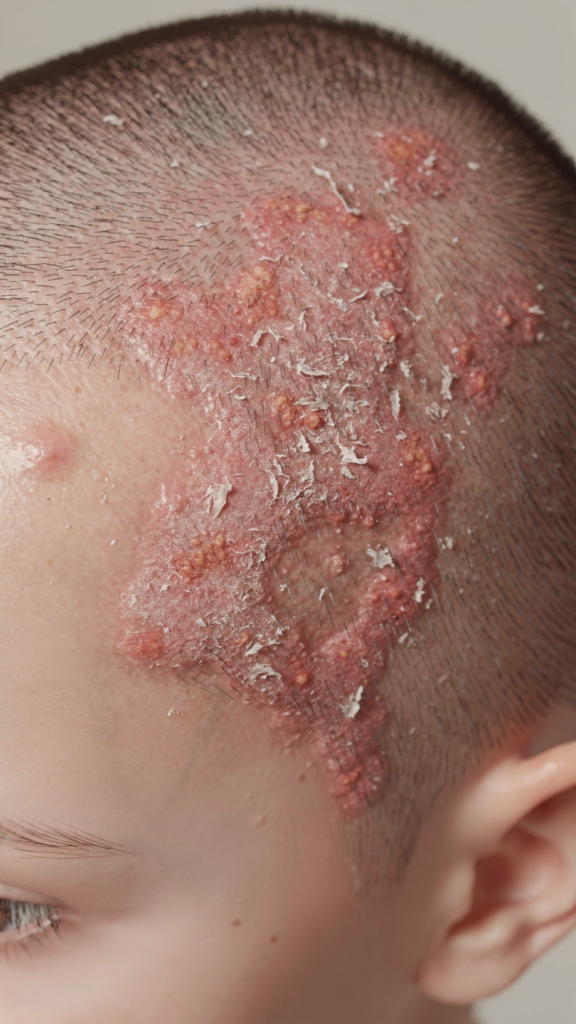
High concentrations of active ingredients like minoxidil or retinoids frequently cause redness, itching, flaking, and a painful burning sensation on the scalp.
2. Unwanted Facial Hair Growth
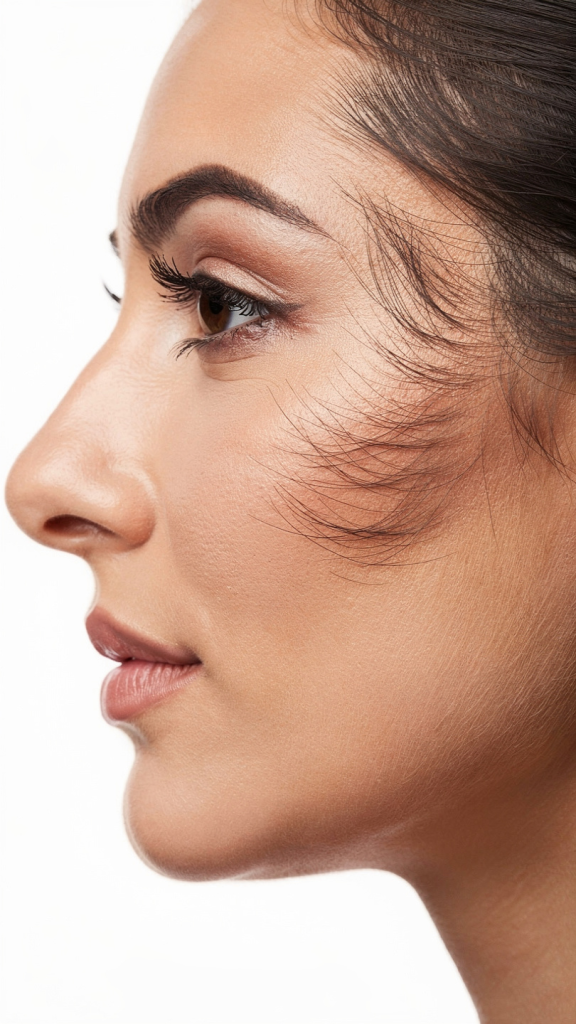
Topical minoxidil, a common anti-aging hair ingredient, can easily transfer onto pillows or towels, leading to unwanted coarse hair growth on the forehead, cheeks, and other areas.
3. Accelerated Shedding During Initial Use (The “Dread Shed”)
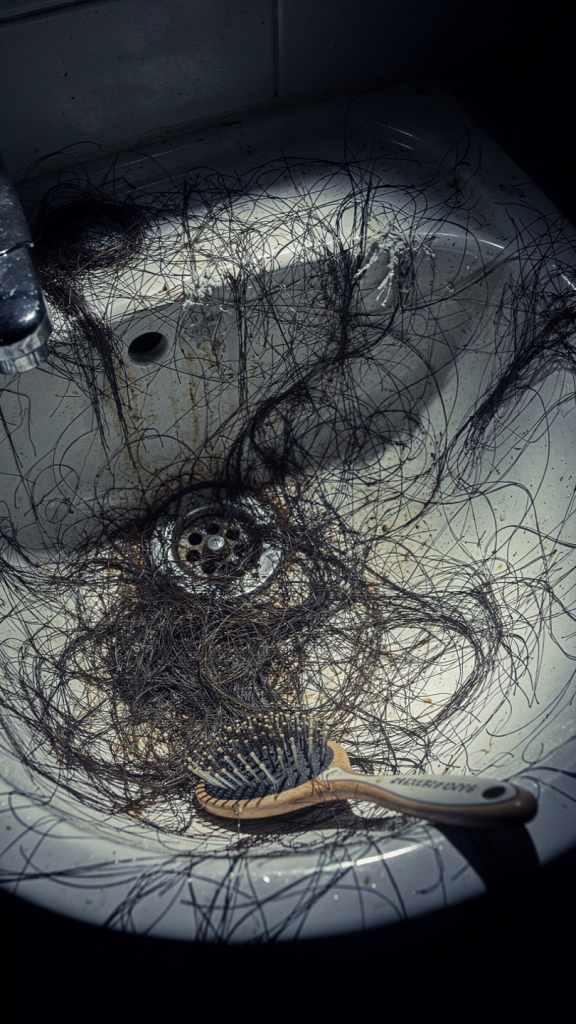
Many anti-aging treatments force resting hairs into the shedding phase too quickly, resulting in a dramatic and alarming increase in hair loss for the first two to three months.
4. Systemic Cardiovascular Side Effects
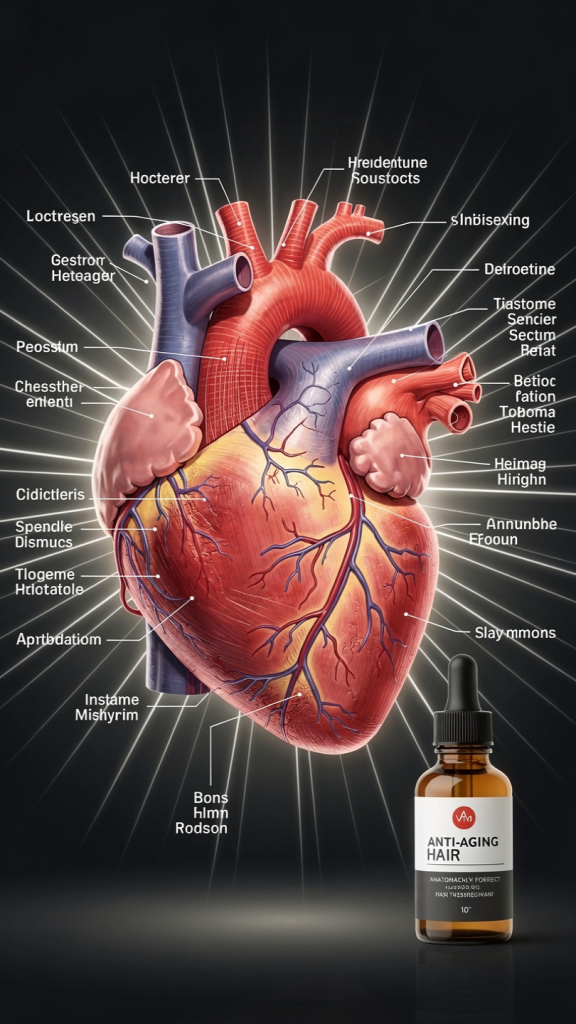
When absorbed through the scalp in sufficient amounts, minoxidil can enter the bloodstream, potentially causing palpitations, rapid heartbeat, dizziness, and fluid retention.
5. Premature Greying of New Growth
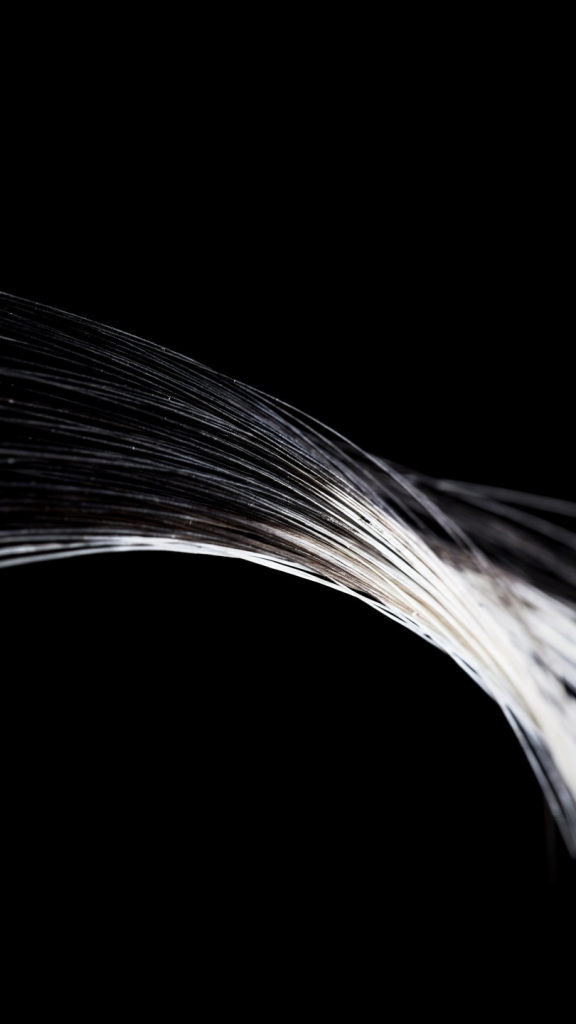
Paradoxically, certain hormonal or peptide-based anti-aging formulas have been reported to interfere with melanocyte function, causing newly stimulated hairs to grow in grey or white instead of their natural color.
6. Severe Scalp Dryness and Dandruff
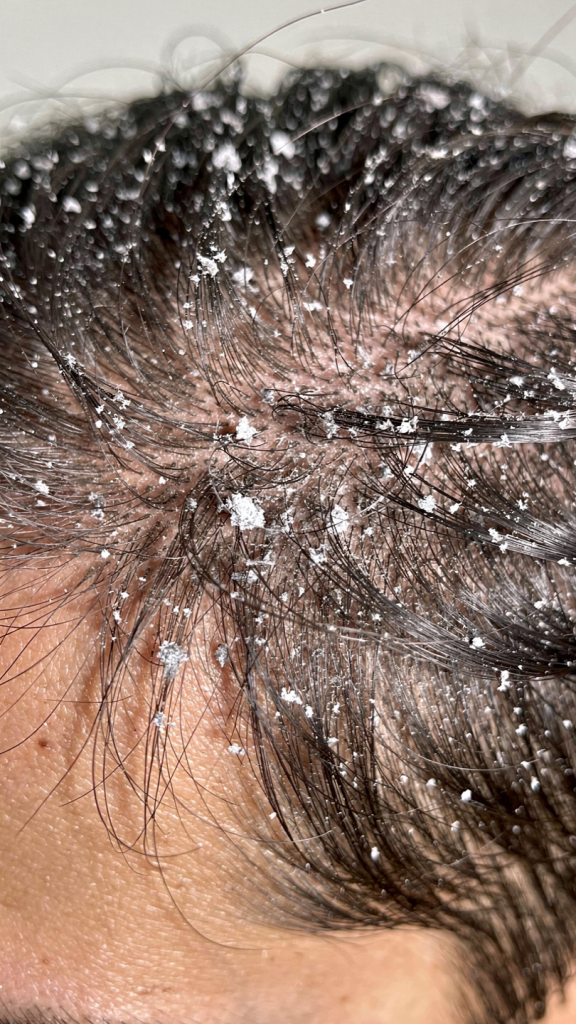
Alcohol-based delivery systems and exfoliating acids used to “rejuvenate” hair follicles strip the scalp’s natural oils, leading to chronic dryness, brittle hair shafts, and visible dandruff.
7. Allergic Reactions with Long-Term Use
Preservatives such as parabens or methylisothiazolinone in these products can trigger delayed hypersensitivity, leading to hives, scalp swelling, and even oozing lesions after months of use.
8. Hormonal Disruptions (Endocrine Effects)
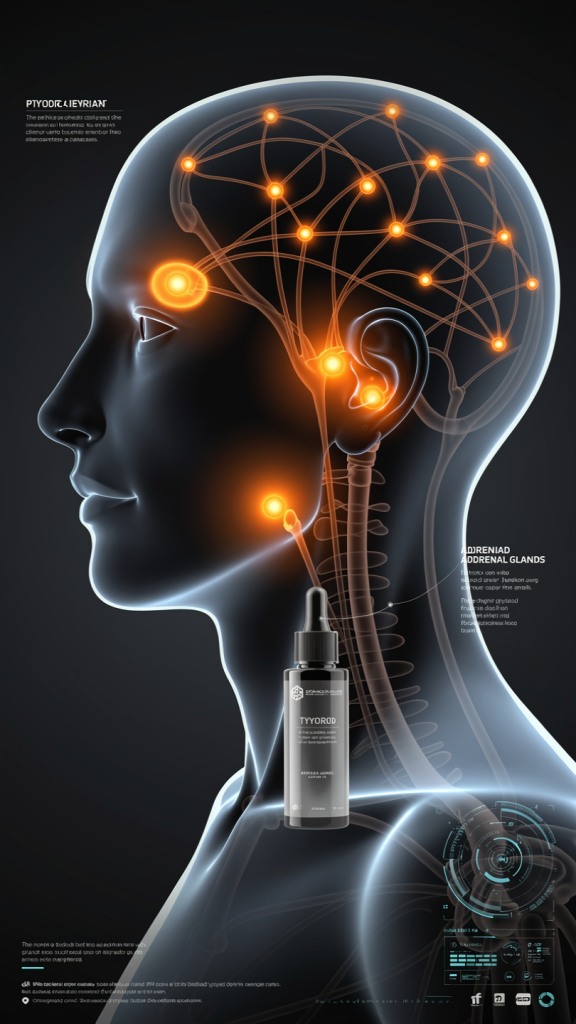
Some plant-based anti-aging ingredients (like saw palmetto or certain essential oils) act as mild hormone modulators, which in rare cases can cause breast tenderness, menstrual irregularities, or reduced libido.
9. Product Dependency and Rebound Hair Loss
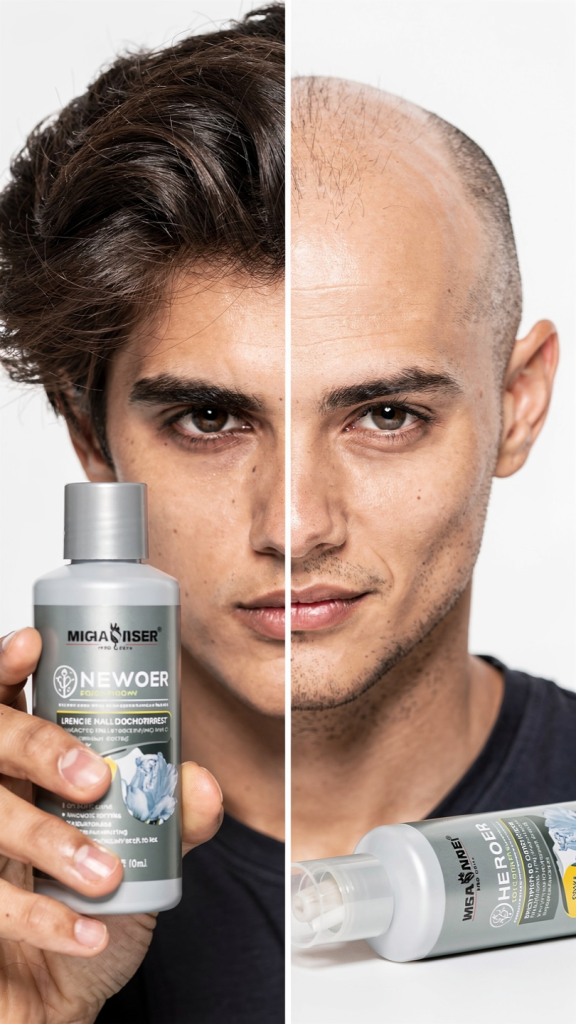
Discontinuing potent anti-aging treatments often triggers a severe rebound effect, where hair loss accelerates far beyond pre-treatment levels, leaving users dependent on the product indefinitely.
10. Interference with Other Medications
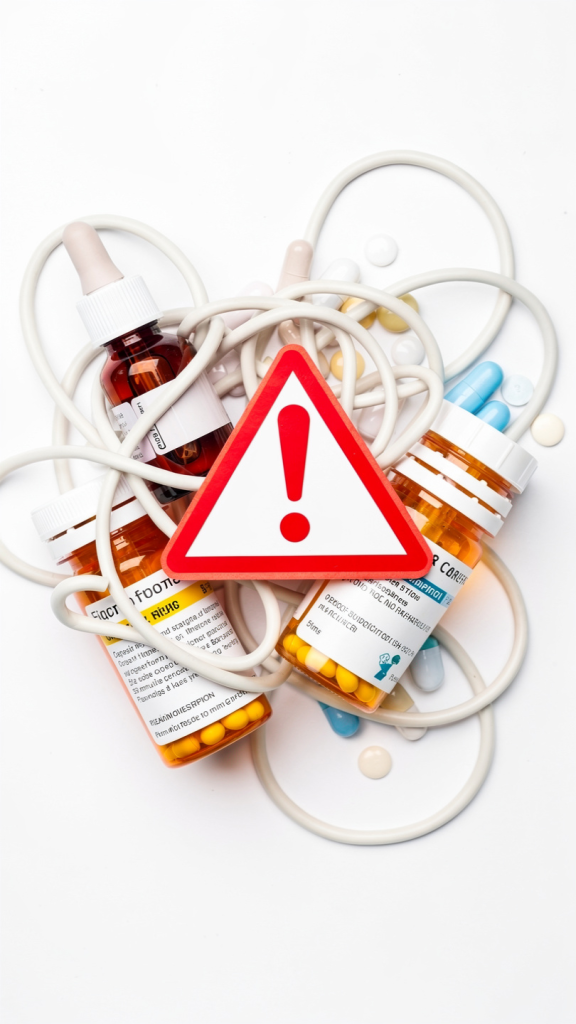
Systemic absorption of anti-aging hair ingredients can interact with blood pressure medications (e.g., beta-blockers) or topical steroids, reducing their effectiveness or increasing the risk of adverse reactions.
Safer Alternatives to Consider
If you are concerned about hair aging but want to avoid the negative effects listed above, consider these lower-risk options:
- Gentle, sulfate-free shampoos – Cleanse without stripping natural oils or irritating the scalp.
- Scalp massage with soft bristle brushes – Increases blood circulation naturally without chemicals.
- Dietary adjustments – Iron, zinc, biotin, and vitamin D from whole foods support hair health from within.
- Stress management techniques – Chronic stress is a major contributor to premature hair aging and shedding.
- Regular trims and protective styles – Prevent breakage and split ends without topical stimulants.
- Consult a dermatologist – Professional guidance ensures safe, personalized solutions instead of risky over-the-counter experiments.
When to See a Doctor
Stop using anti-aging hair products immediately and consult a healthcare professional if you experience:
- Chest pain, irregular heartbeat, or shortness of breath
- Unexplained swelling in the hands, feet, or face
- Severe scalp burning, blistering, or oozing
- Sudden, dramatic increase in hair shedding beyond the first three months
- Signs of hormonal imbalance (breast tenderness, menstrual changes, sexual dysfunction)
Early medical intervention can prevent long-term damage and identify safer treatment options.
Conclusion
The desire to maintain youthful, thick hair is entirely understandable in a society that often equates hair with vitality and confidence. However, the anti-aging hair product industry markets powerful, drug-like ingredients as casual cosmetic solutions, downplaying their real risks. From scalp irritation and unwanted facial hair to cardiovascular side effects and hormonal disruptions, these products can cause more harm than good. Worse, they can create dependency, trigger rebound hair loss upon discontinuation, and interfere with essential medications. Consumers deserve a balanced understanding: what restores hair on the surface may damage the scalp, body, or overall health underneath. Before reaching for the nearest anti-aging serum, consider safer alternatives, consult a professional, and remember that healthy hair is not about stopping the clock—it is about caring for what you have, without paying an unnecessary price.


Leave a Reply