The shag never really left. It just had to wait for us to stop doing it wrong.
The shag cut’s reputation has always been slightly contradictory. It’s the haircut that looks like you didn’t try, but only works if a skilled stylist has tried very hard. Get it right and it’s the most effortless, personality-filled haircut imaginable. Get it wrong and it just looks grown-out.
In 2026, the shag is having its most wearable moment yet. Stylists have moved away from the heavy, choppy, razor-heavy version that dominated a few years ago toward something softer — feathered layers that build volume and create easy movement, a cut that still looks intentional even as it grows out. This is the guide to that version: what makes it different, who it suits, and how to style it so it looks deliberate rather than accidental.
→ The 2026 shag is specifically about feathering, not chopping. If your stylist reaches for a razor immediately, ask them to work with scissors and point-cutting instead — the result will be softer and more flattering.
14 Shag Cut Hairstyle To Try In 2026:
1. The 2026 Soft Blonde Shag
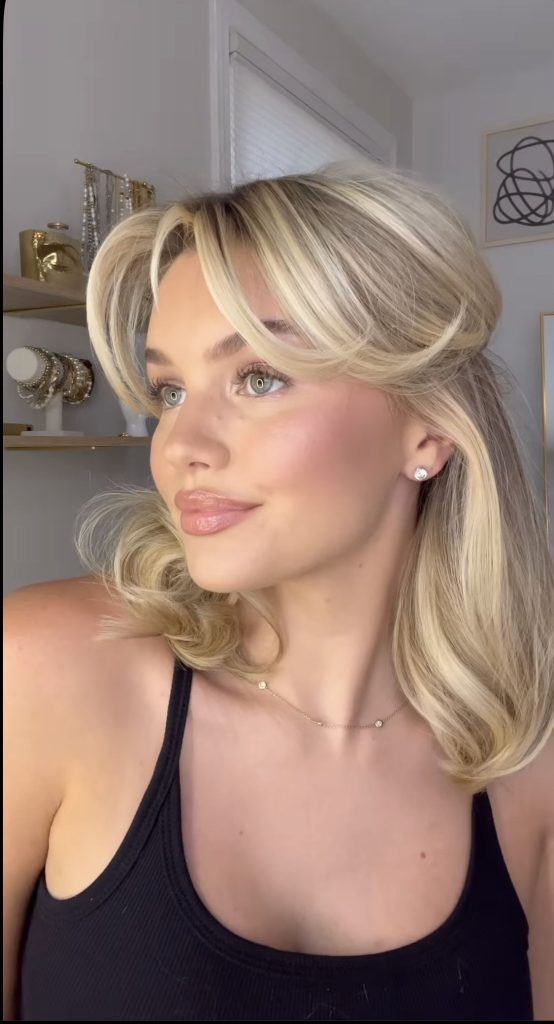
This image showcases the modern evolution of the shag, featuring a creamy blonde palette with seamless, sun-kissed highlights. The cut focuses on softly feathered curtain bangs that sweep away from the face, blending perfectly into the voluminous layers. Unlike previous years, the ends are polished and rounded rather than thin, creating an airy, expensive-looking silhouette that feels both retro and fresh.
2. The Brunette Face-Framing Shag
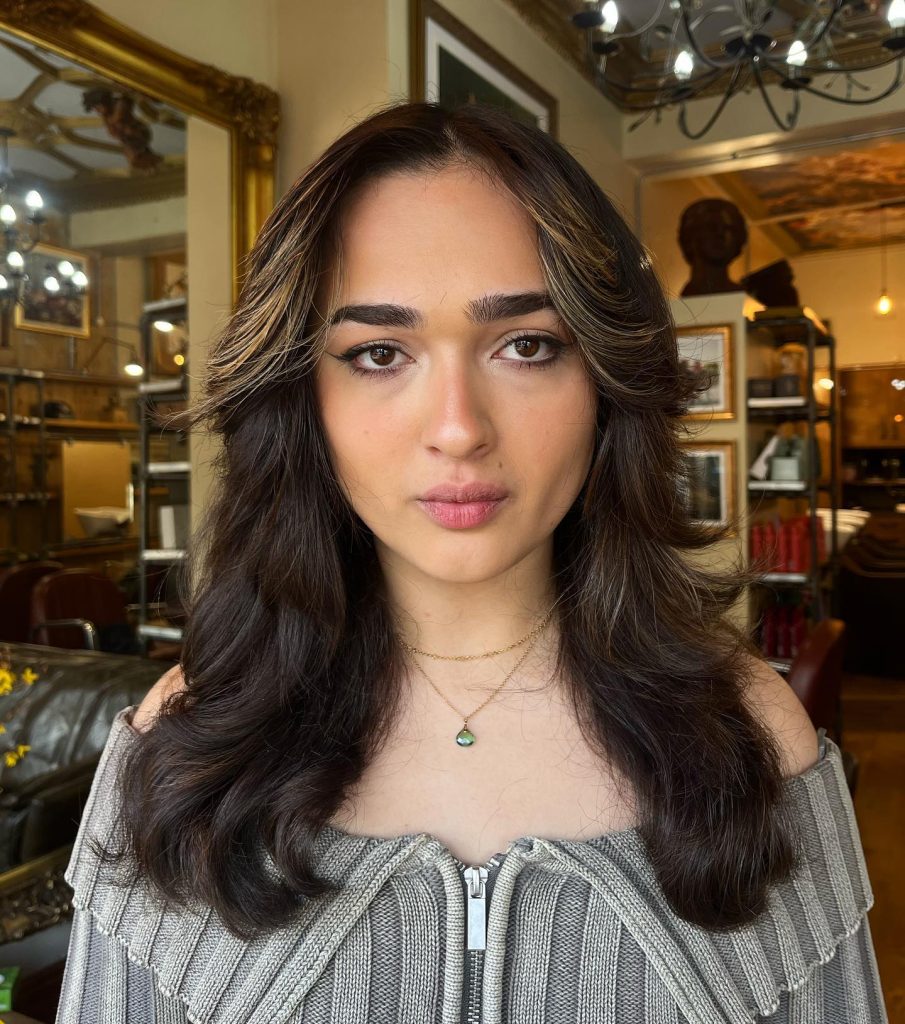
A sophisticated take on long hair, this brunette shag utilizes delicate face-framing layers to highlight the cheekbones and jawline. The soft, caramel-toned balayage adds dimension to the gentle waves, proving that a shag doesn’t have to be “messy” to be effective. It is an ideal example of how internal layering can create movement and body in long hair without sacrificing the overall length.
3. The 2022-Era Pink Razor Shag
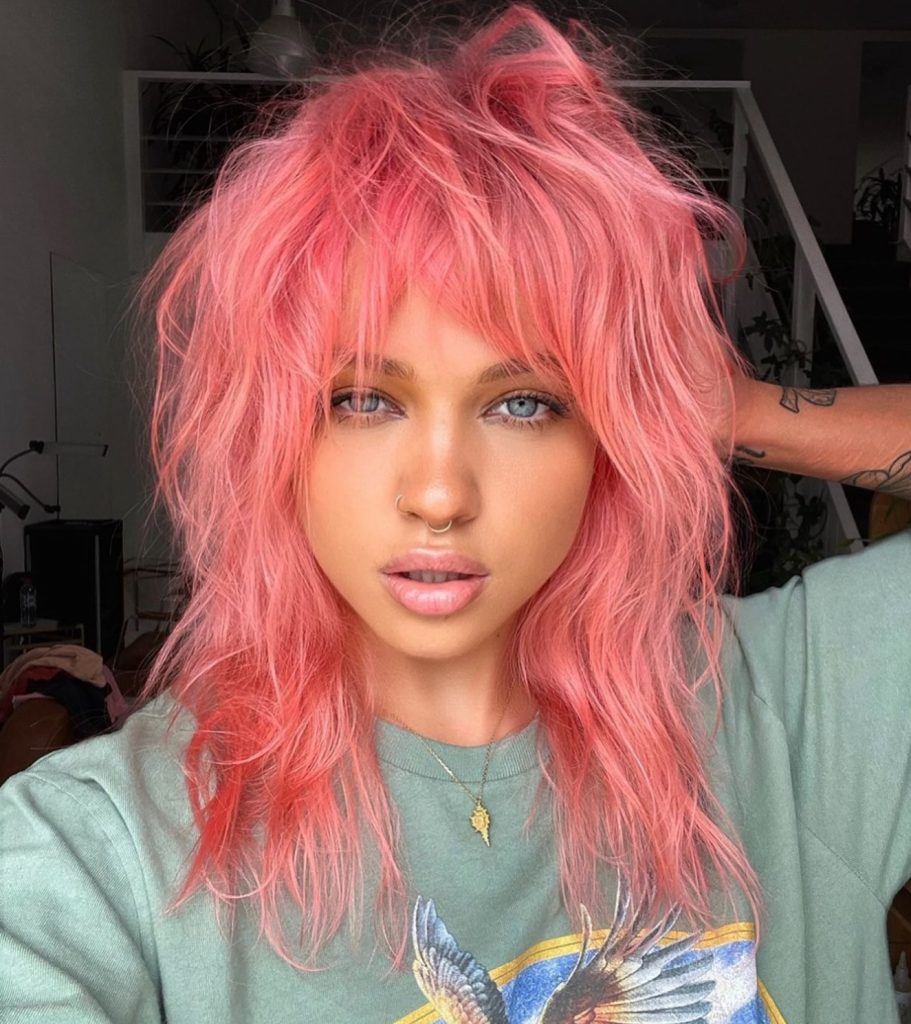
This vibrant bubblegum pink style is a perfect representation of the heavy razor shag trend from a few years ago. It features high-contrast, choppy layers and a thick, shaggy fringe that sits low over the eyes. The texture is deliberately “shredded” and edgy, offering a rebellious, punk-inspired aesthetic that prioritizes sharp, visible layers over soft transitions.
4. The Deep Raven Shag with Full Fringe
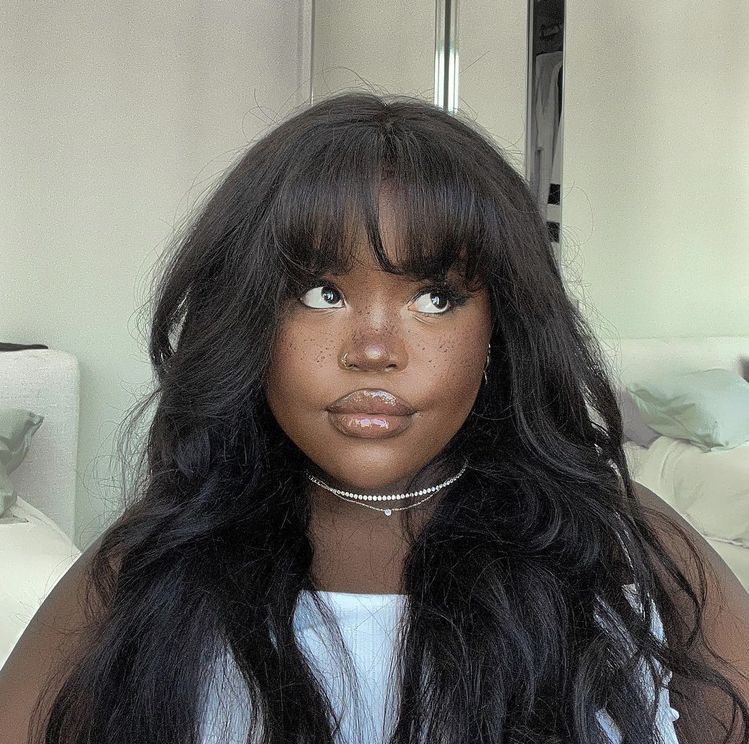
A striking example of a classic 70s-inspired shag on dark, dense hair. This look centers around a thick, full fringe that meets cascading, voluminous layers. The cut is designed to distribute weight evenly, allowing the hair to bounce naturally while maintaining a thick, healthy appearance from root to tip. It’s the ultimate inspiration for those wanting a bold, high-drama silhouette.
5. The Mature Salt-and-Pepper Shag with Baby Bangs

A perfect example of how the shag can be adapted to flatter any age group. This shoulder-length, dark gray style combines internal layering to create body with an ultra-short, textured baby fringe. The overall look is edgy yet refined, utilizing softer, point-cut layers rather than a heavy razor finish. This placement is ideal for the “Fine Hair” section, showing how to create texture without aggressive thinning.
6. The Two-Tone Curly Shag with Magenta Peek-a-Boos
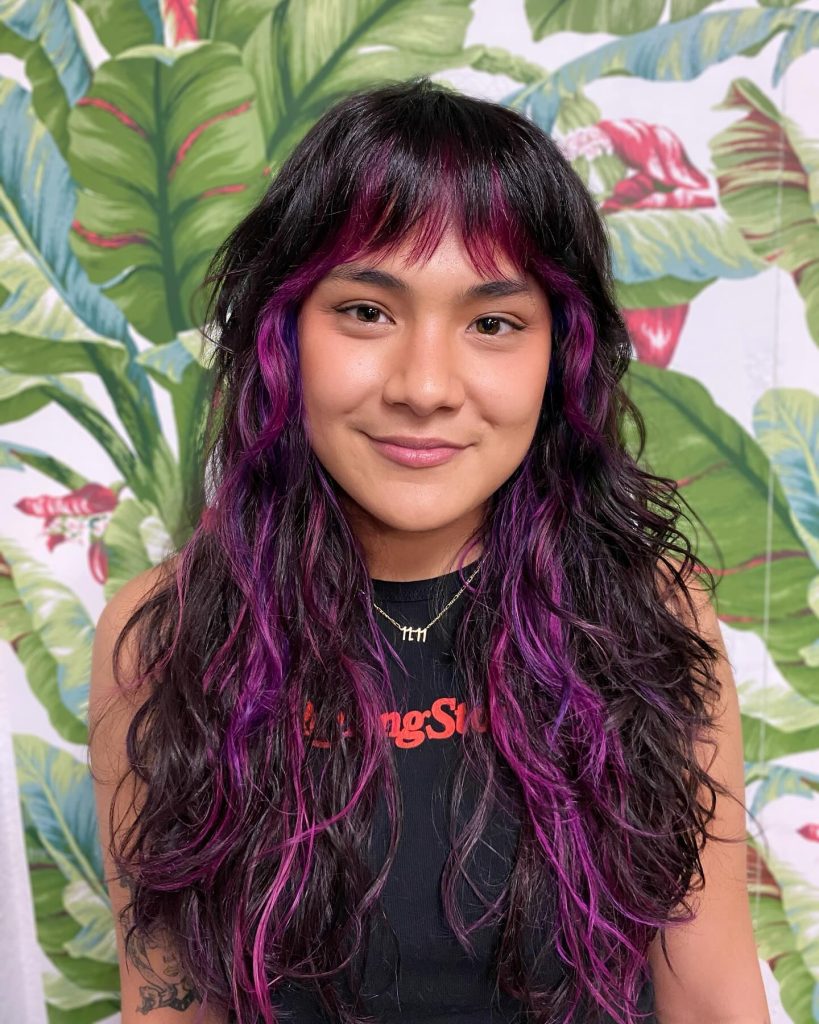
This image provides a dramatic look at how the shag cut can interact with bold color placement. The base is a deep, dark raven with dense, natural curl patterns. Interspersed throughout the layers and the choppy fringe are vibrant magenta-purple streaks. This style uses the internal layers of the shag to reveal hidden pops of color as the curls move, showcasing the cut’s multi-dimensionality on very wavy or curly hair types.
7. The Short Shag Bob (Shob) on Coarse Texture
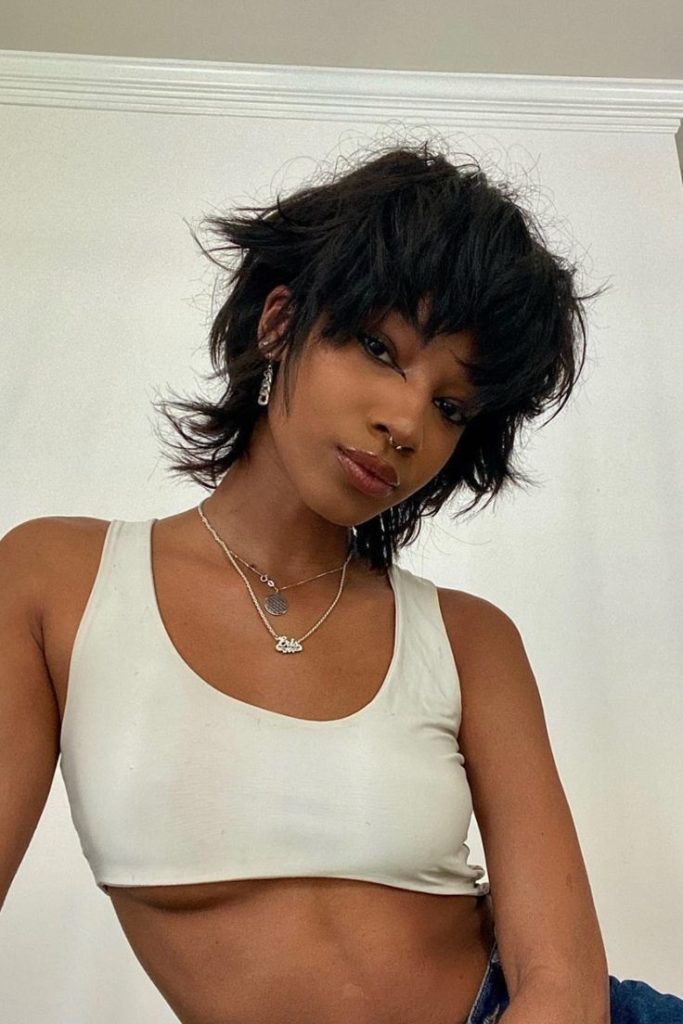
This image is your definitive reference for the shag-bob hybrid length, or “shob.” This chin-length cut on thick, jet-black hair uses dense, heavy layering to remove bulk from the perimeter while maintaining volume at the crown. The result is a choppy, structural bob that leans heavily into texture. The ends are intentionally jagged, providing the raw movement often desired in the “Point-cutting vs Razoring” technical breakdown.
8. The Copper-Curly Shag with Curled Fringe
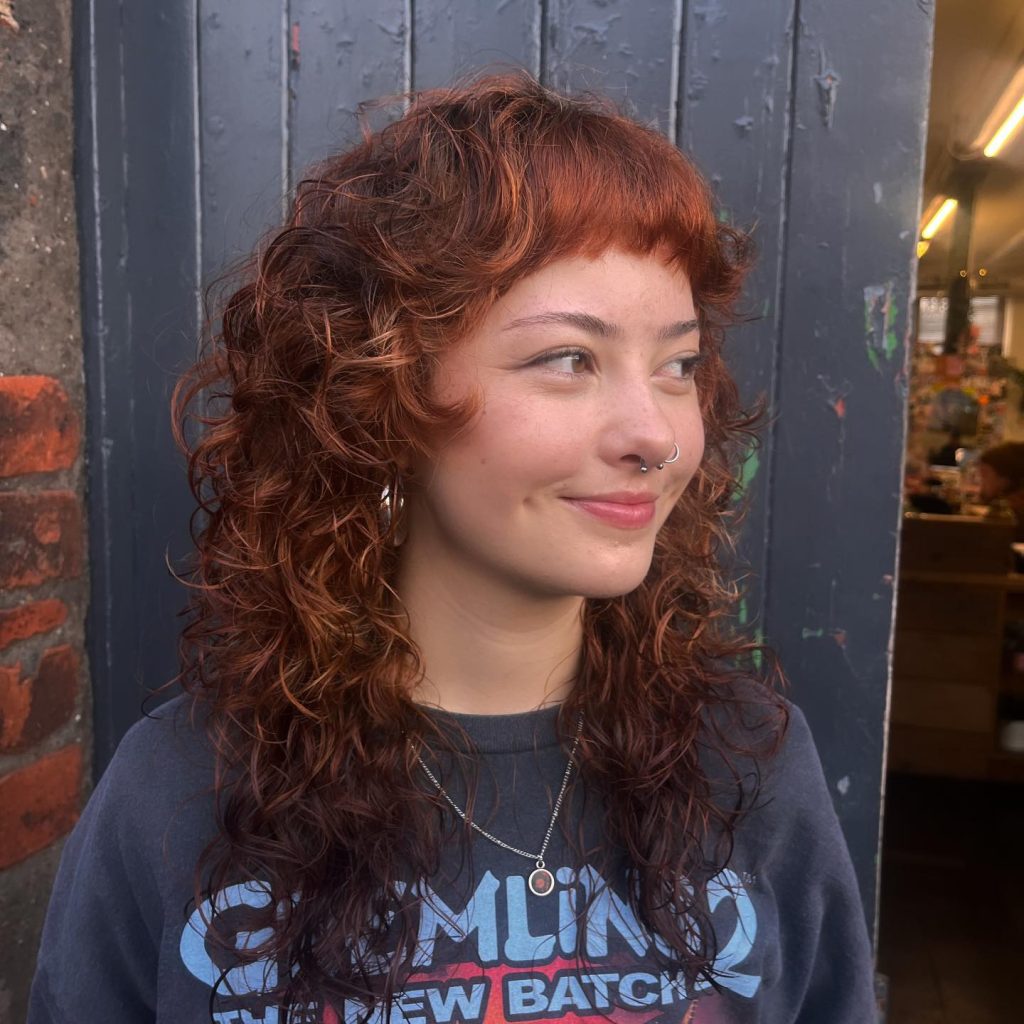
A striking reference for natural wave and curl patterns. This radiant copper-auburn style proves that a shag can perfectly handle tight curls when cut correctly. The structure relies on stacked layers that allow the copper curls to “pop” and define themselves. The unique element here is the curled fringe, showing that you can maintain a bang without having to blow it out straight, supporting the “Wavy Hair is Pure Magic” section.
9. The Contrast-Curly Shag with Caramel Panels
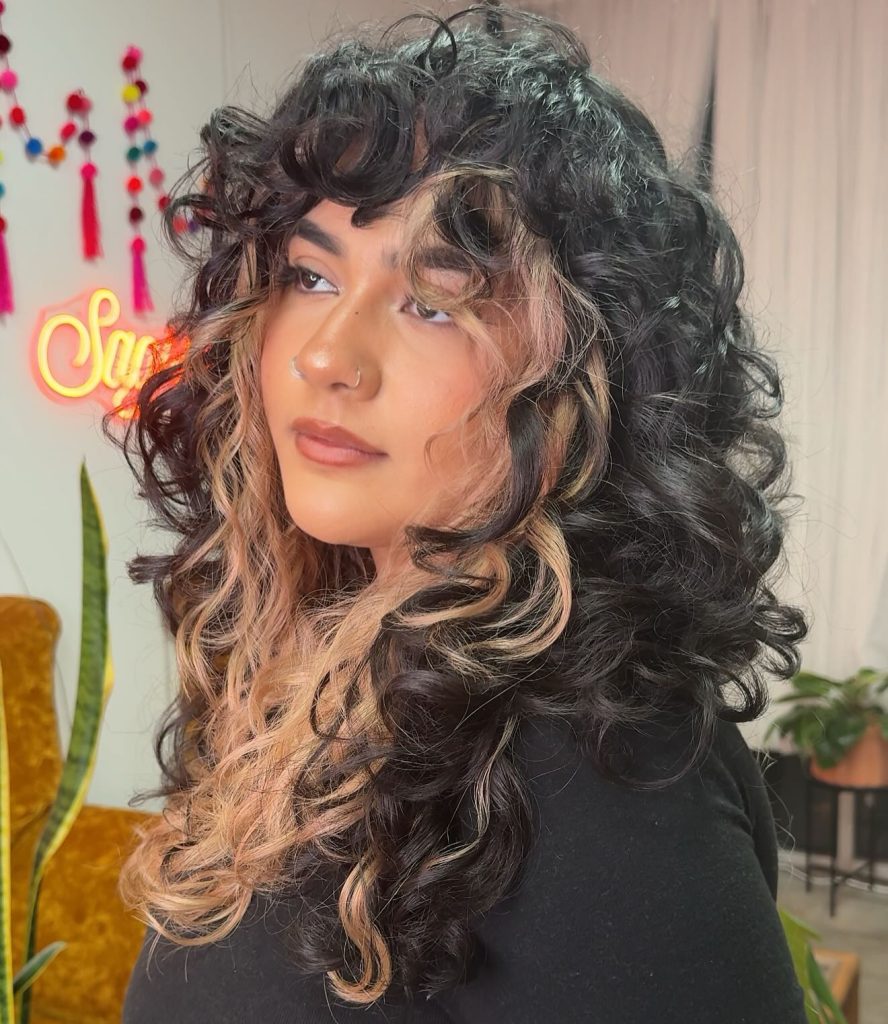
This image is a masterclass in using color to emphasize cut. We see deep, raven-black natural curls cut into a classic shag silhouette with a thick, curly fringe. The technical detail that makes this look “2026” is the intentional placement of wide caramel-blonde panels framing the face. This color placement showcases how internal layers can break up a solid mass of color, creating dimension and depth. It’s an ideal visual for the “Wavy Hair” section.
10. The High-Octane Ginger Mullet-Shag Hybrid
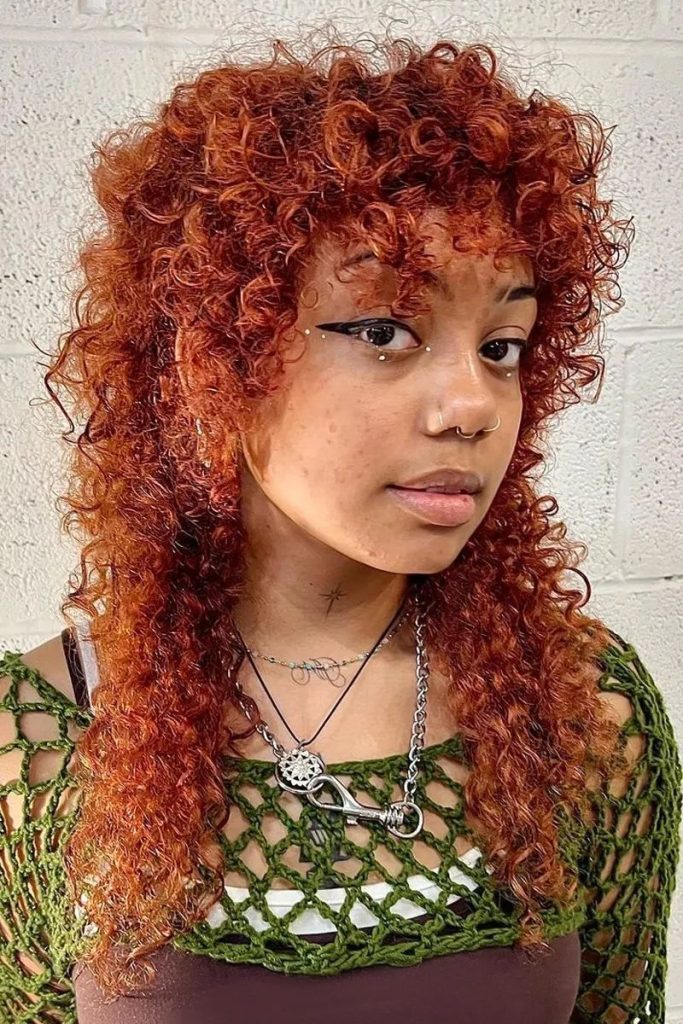
Here we see a beautiful fusion of the shag and a modern mullet on natural, tight copper coils. The structure is heavily stacked at the crown and in the fringe, while the length in the back is kept long and wispy. This technical approach maximizes the texture and volume inherent in coiled hair (Types 3 and 4), proving the shag works for all tight textures. This is a crucial reference point for the “Face Shapes” section, showing how to elongate a look on very curly hair.
11. The Cropped Raven Pixie-Shag
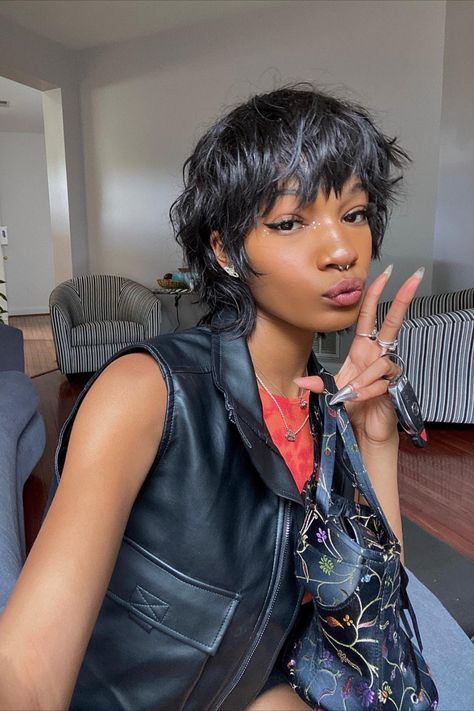
This image provides the perfect look at a very short shag-bob hybrid length, leaning almost into a pixie cut. It’s a fantastic example of the “no-tool result” described in your outline. The cut features sharp, jagged layers that utilize the model’s naturally coarse and dark hair texture to build movement and texture without heavy styling products. It beautifully supports the “Shag Variations” section by defining the shortest edge of the trend.
12. The Long, Auburn air-dried Shag
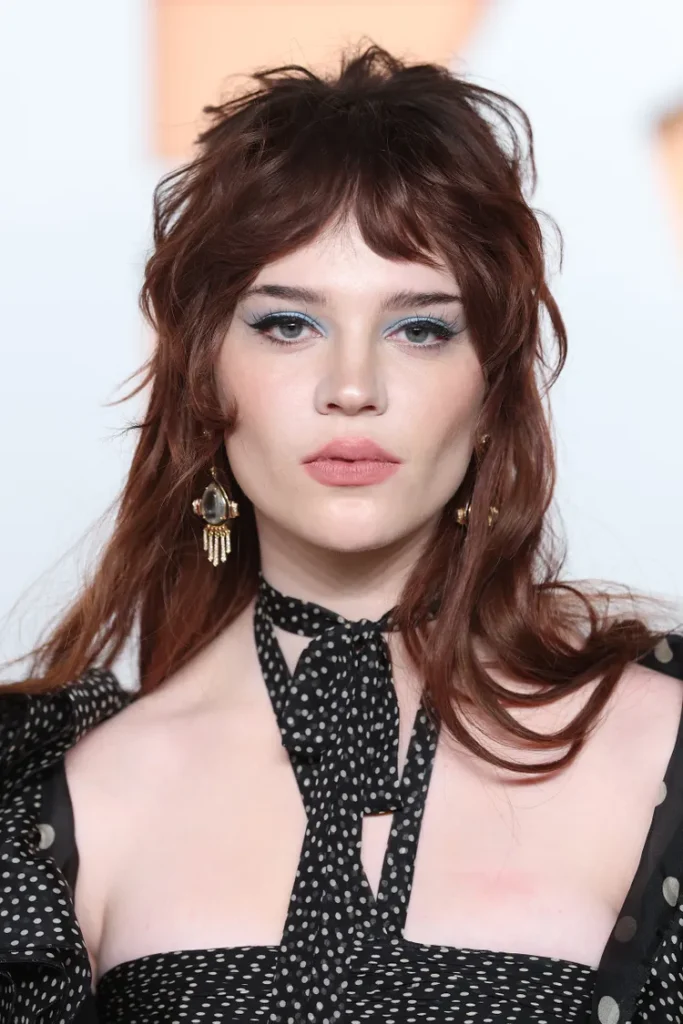
This final reference captures the “cool-girl” aesthetic of the long, layered shag on naturally wavy hair. This auburn look features a softer, point-cut fringe and cascading, seamless layers that enhance the hair’s natural bend. Critically, this look appears intentionally unpolished and air-dried, highlighting the cut’s built-in shape and movement. It supports the “Styling: Air-Dry Option” section, emphasizing the shag’s low-maintenance appeal on natural waves.
13. The Messy Jet-Black Shag with Deep Waves
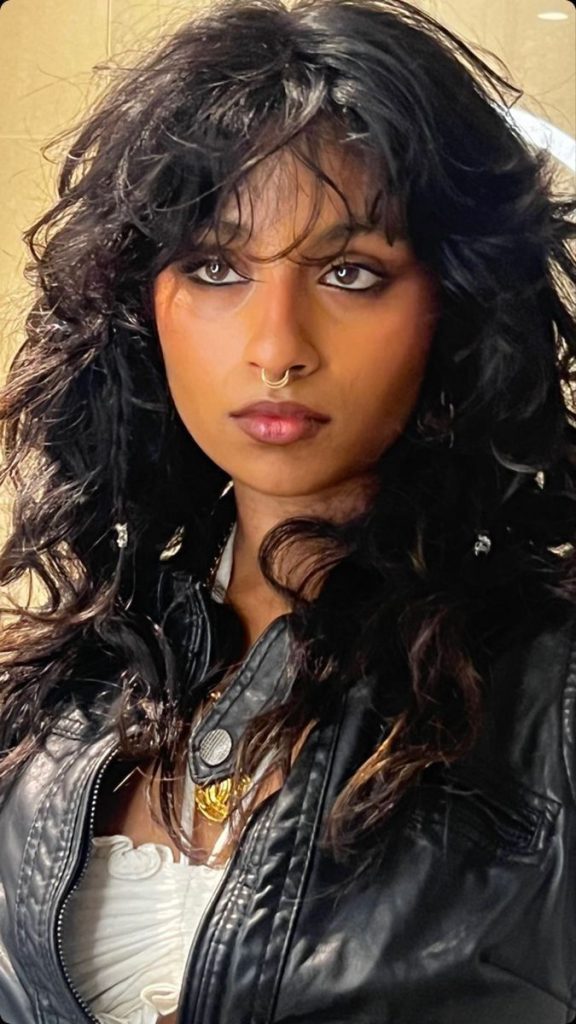
This image highlights how the shag cut embraces rich, natural texture. A dense, deep wave pattern on jet-black hair is cut into short, stacked internal layers around the crown. These layers are point-cut to build maximum volume and volume, while a heavy, choppy fringe frames the eyes. This is a classic example of a high-grit, air-dried shag, showing that messy is very much a functional and desirable styling result.
14. The Polished Espresso Shag with Soft Curtain Bangs
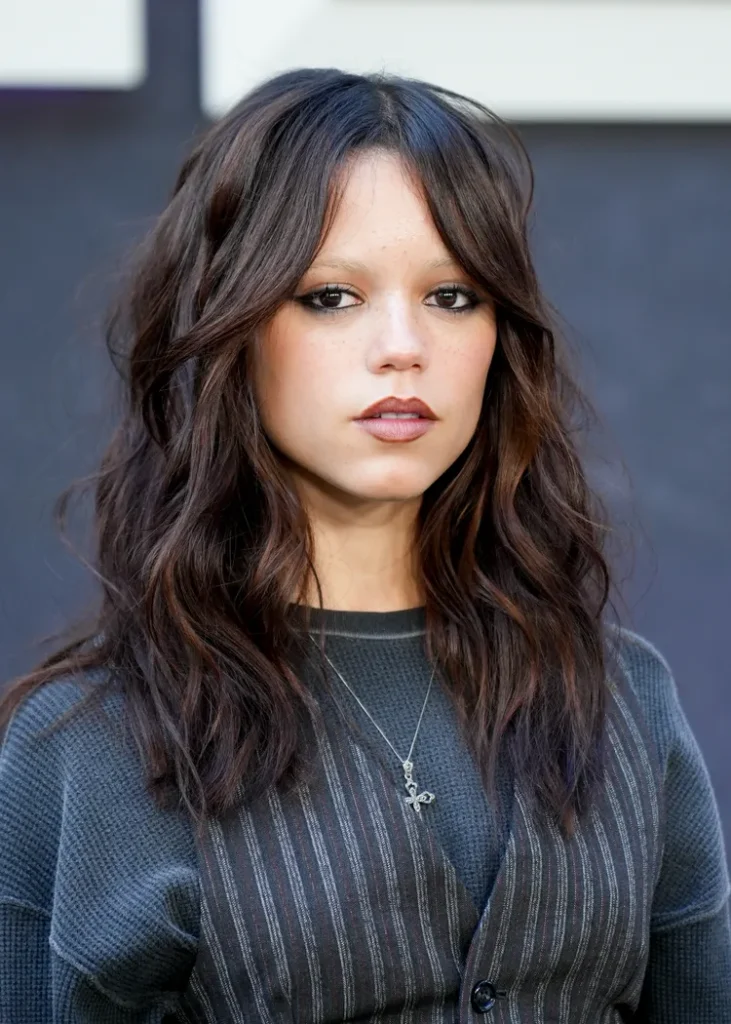
In a dramatic stylistic shift, this image shows the shag on a fine-to-medium hair texture, finished with high-end polished waves. This deep espresso look utilizes soft, subtle layering—rather than aggressive shredding—to build a versatile shoulder-length cut. The focal point is the precise soft curtain bang that seamlessly opens the face, blending into the lengths. This is your go-to reference for a clean-girl interpretation that relies on structural integrity, making it ideal for the “Fine Hair” section.
2. The Shag Cut — Why It’s Back and Why It Looks Better Now
Hook: “The shag never really left. It just had to wait for us to stop doing it wrong.”
What Makes the 2026 Shag Different from the 2022 Version
The resurgence of the shag in 2022 was defined by its rebellion—it was the “Wolf Cut” era, characterized by aggressive, razor-heavy layers and a high-contrast, almost punk-rock silhouette. It was a statement, but it was often high-maintenance and harsh.
In 2026, the aesthetic has shifted toward feathered intentionality. We’ve moved away from the jagged, disconnected layers of the past and toward a seamless, internal structure. The “New Shag” is softer, focusing on air-light movement rather than blunt shock value. While 2022 was about the “shred,” 2026 is about the “sway.” The transition from the fringe to the face-framing layers is now fluid, removing the “shelf” effect that made previous versions difficult to style as they grew out.
The Anatomy of a Shag Cut — What Your Stylist is Actually Doing
Internal Layers vs. Surface Layers A common misconception is that a shag is just “lots of layers.” In reality, the magic happens in the hidden architecture. Modern stylists use internal layering to remove bulk from the mid-lengths without sacrificing the perimeter’s integrity. This creates that coveted “airy” quality. Surface layers are then added sparingly to define the silhouette and catch the light, ensuring the hair moves as one cohesive unit rather than separate tiers.
The Curtain Bang Variation vs. Full Fringe The fringe is the soul of the shag. A full, blunt fringe offers a high-fashion, vintage 1970s appeal, but it requires more frequent trims. The curtain bang, however, is the 2026 favorite. It allows for a soft, tapered opening that highlights the cheekbones and blends effortlessly into the side layers, offering a more versatile “cool-girl” aesthetic that works even on day-three hair.
Point-Cutting vs. Razoring — The Finish Difference The tool defines the texture. While a razor creates a wispy, lived-in look, it can often lead to frizz on certain hair types. Point-cutting with scissors is the gold standard for the modern feathered shag. By cutting into the ends at an angle, the stylist creates soft, blurred edges that look intentional and expensive, providing a “finished” look even before you apply product.
Which Hair Types the Shag Works Hardest For
Thick Hair: The Ultimate Weight-Removal Tool For those with heavy, dense manes, the shag is a functional necessity. It utilizes “negative space” to take the weight out of the back and sides, preventing the “triangle” shape that often plagues blunt cuts. It gives thick hair a sense of levity and bounce that is otherwise impossible to achieve.
Wavy Hair: When the Shag is Pure Magic If you have a natural wave, the shag is your best friend. The tiered layers encourage the hair’s natural bend, allowing waves to “stack” on top of each other. This creates a built-in style that requires almost zero heat intervention.
Fine Hair: What to Ask for and What to Avoid Fine hair requires a delicate touch. You want the illusion of a shag without actually removing too much hair. Avoid aggressive thinning; instead, ask for “visual layering” around the face to create volume and interest without making the ends look transparent.
Pro Tip: Ask for scissors and point-cutting rather than a razor—the result is softer and more flattering on most hair types, especially if you are prone to flyaways.
Face Shapes and the Shag
- Oval: You have the green light for a heavy, eye-grazing fringe.
- Round: Focus on height at the crown and longer, cheek-skimming curtain bangs to elongate the face.
- Square: Incorporate soft, wispy layers around the jawline to diffuse any sharpness.
- Heart: Keep the layers focused from the chin downward to add fullness where the face narrows.
Styling the Shag — The Right Way and the Wrong Way
The Rough-Dry Method To get that effortless volume, flip your head upside down and focus the heat at the roots. Using a tool like the TYMO Blow Dryer Brush on the mid-lengths will help polish the feathered ends without making them look too “done.”
The Air-Dry Option For a low-intervention day, apply a light leave-in conditioner and “scrunch” the hair upward. Avoid touching it until it is 100% dry to prevent disturbing the cuticle and causing frizz.
Products That Actually Work The 2026 shag thrives on grit and “second-day” texture. A light dusting of dry shampoo at the roots provides lift, while a hit of Kenra Volume Spray or a texturizing mist through the ends creates that signature separation.
The Salon Brief: What to Say
“I want a shag with feathered layers—no razor, scissors and point-cutting only. Keep the layers soft and build movement without removing too much weight at the top. I’d like the fringe to blend seamlessly into the side layers for an easy grow-out.”
The Essentials
- TYMO Blow Dryer Brush: For that soft, feathered finish.
- Dry Shampoo: For volume and texture.
- Kenra Volume Spray: To hold the movement without the crunch.
- Wide-tooth Comb: To detangle without breaking up the natural wave pattern.
Closing: Whether you’re reclaiming your texture or looking for a low-maintenance glow-up, the feathered shag is the most intentional choice you can make for your hair this year.
Related Articles The Wolf Cut · The Butterfly Cut · Best Haircuts for Thick Hair
Leave a Reply