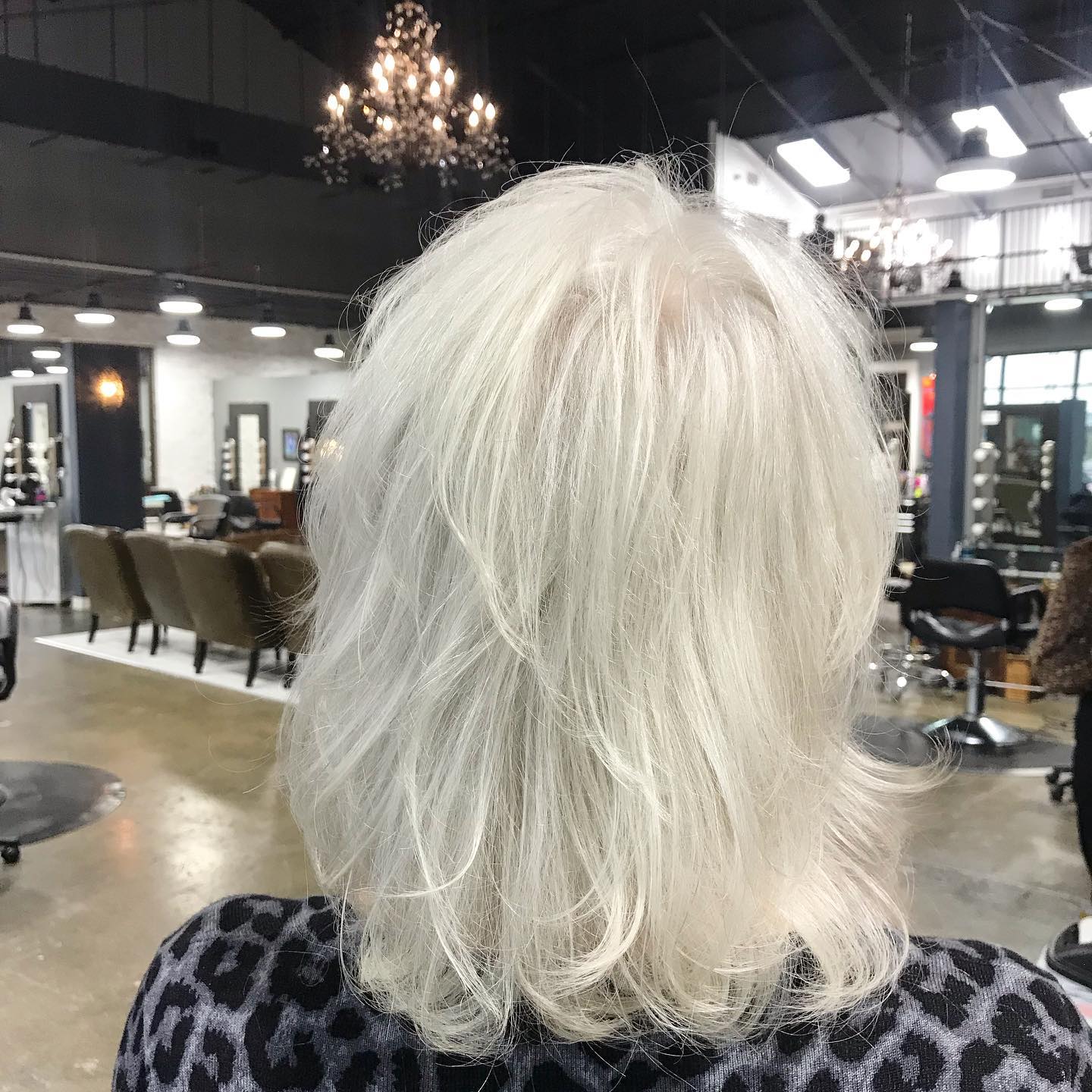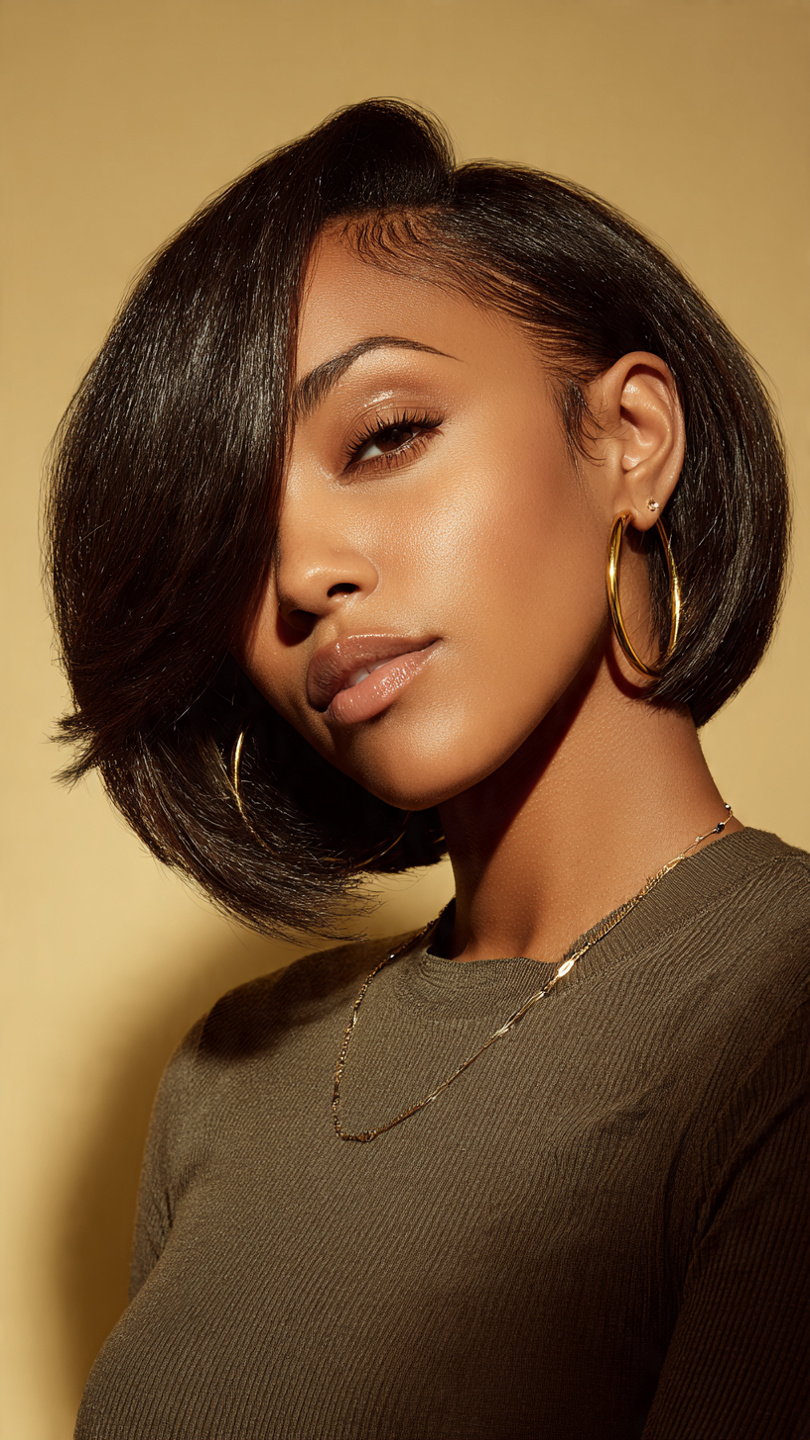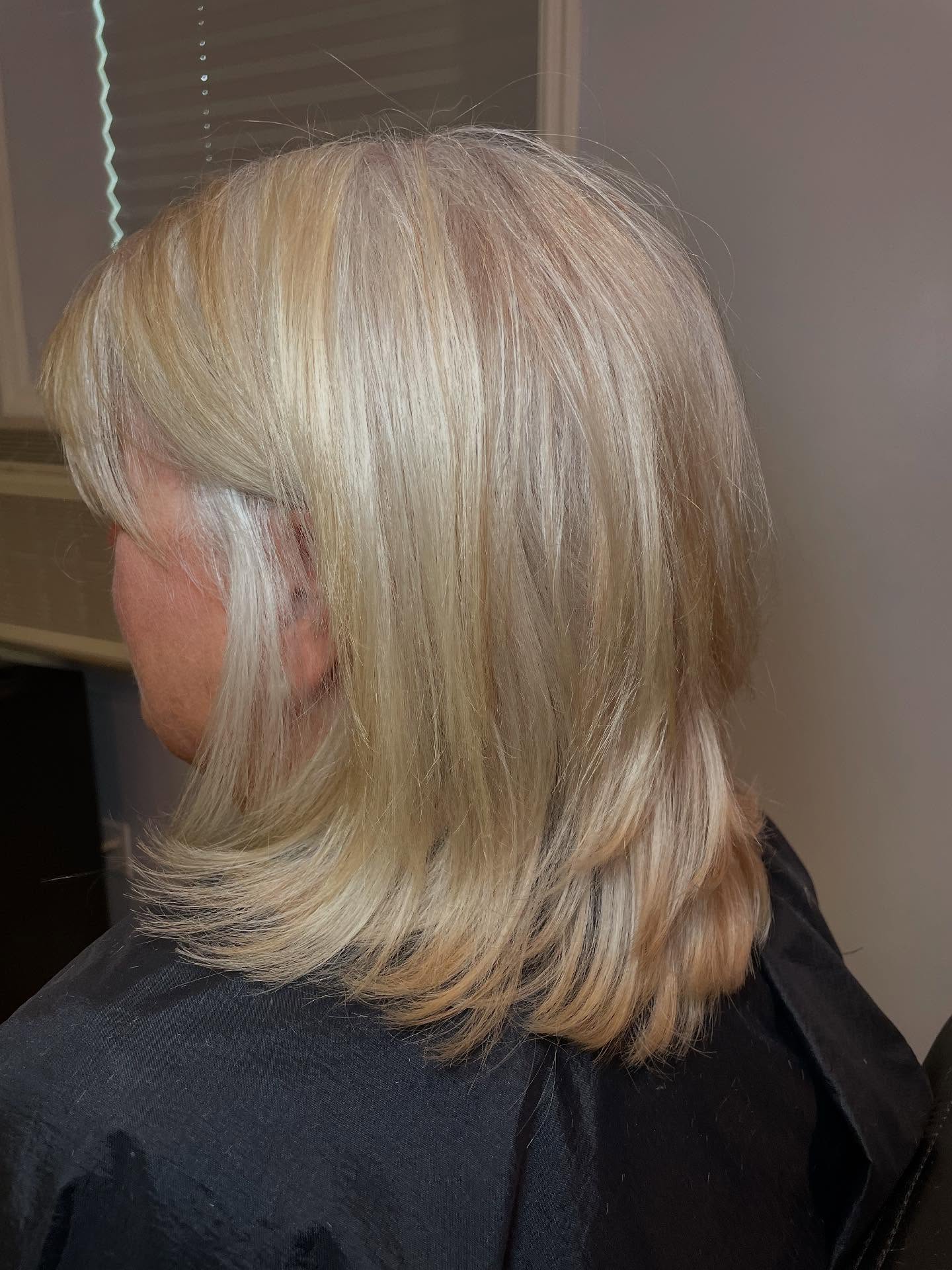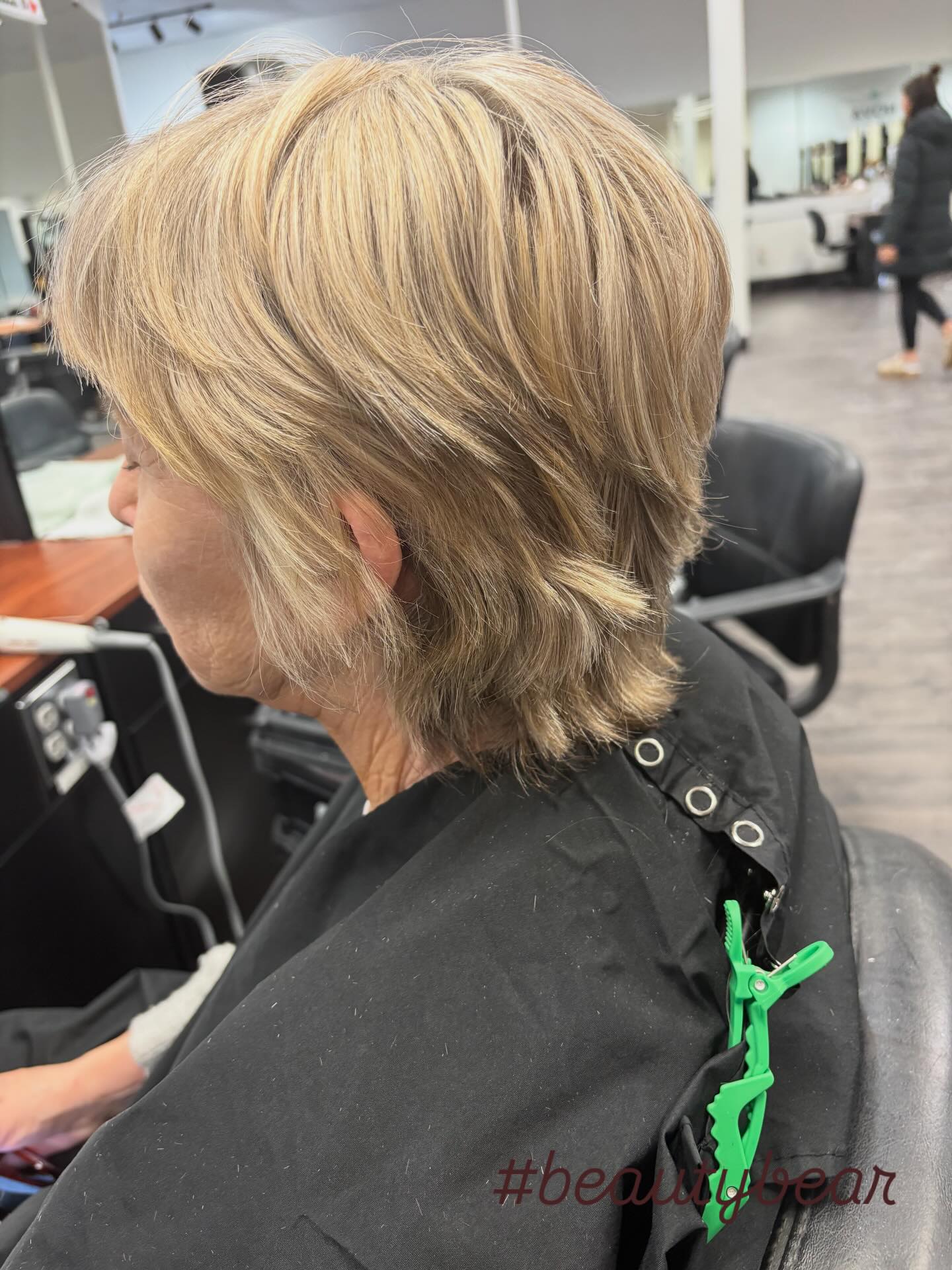
Category: Hairstyles

  • The Butterfly Cut — Why This Layered Look Is Everywhere Right Now

    The Butterfly Cut — Why This Layered Look Is Everywhere Right Now

    Volume without a chop. Movement without the commitment. This is the layered cut that solves the problem women have been asking stylists to fix for years.

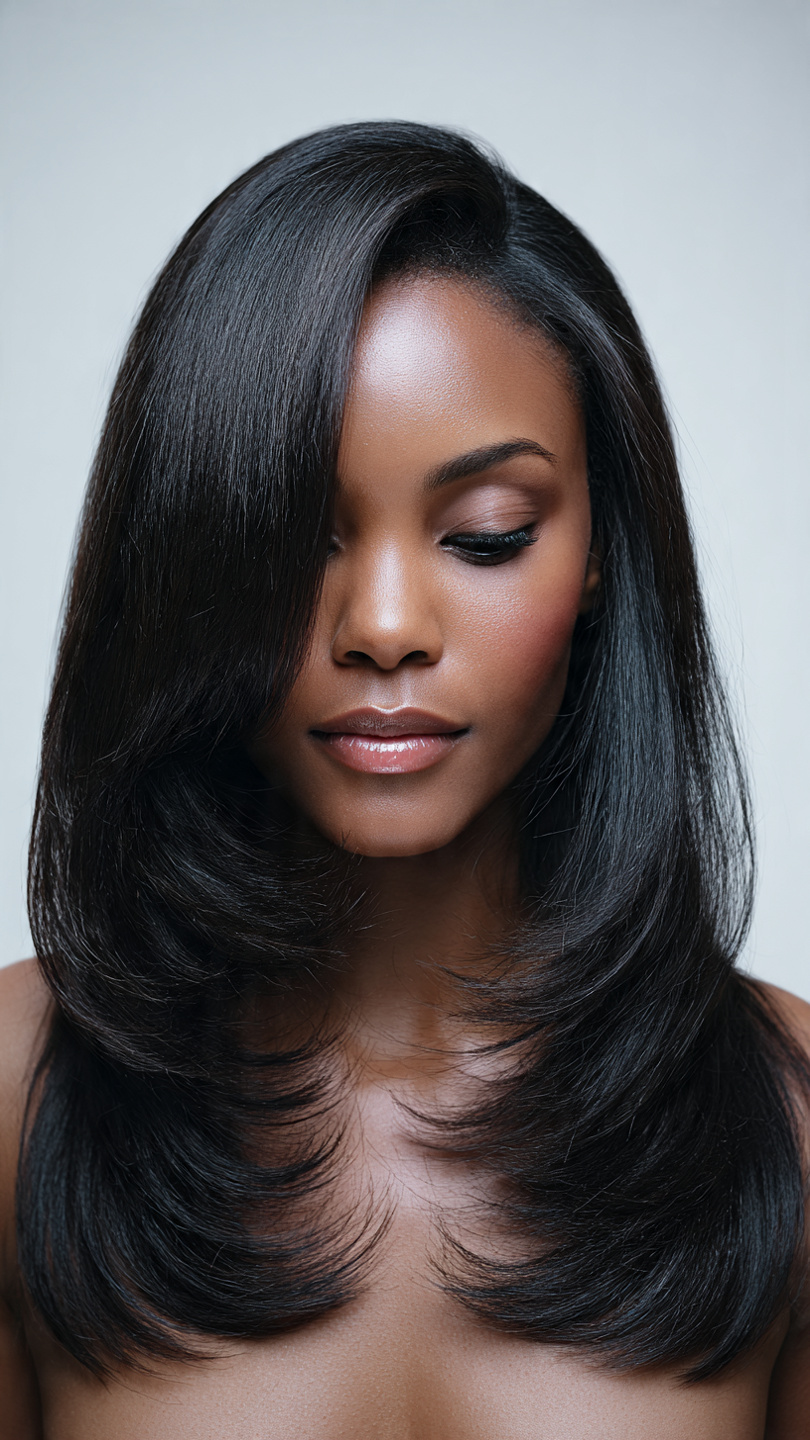
    The butterfly cut in its most flattering form — long layers, face-framing curtain bangs, and effortless movement

    If you’ve been scrolling hair content lately and noticing the same shape appearing again and again — lots of movement, shorter layers around the face, longer flowing length underneath, an irresistible bounce — that’s the butterfly cut. It has over 580 million views on TikTok and is consistently the most-requested layered haircut in salons through 2026.

    But here’s what’s worth knowing beyond the numbers: the butterfly cut isn’t just a trend. It’s a specific layering technique that solves one of the most common hair frustrations — hair that looks flat and heavy despite being long. If you’ve been growing your hair but not loving how it looks, this might be exactly the cut you’ve been circling around.

    What Exactly Is the Butterfly Cut?

    The butterfly cut is defined by a single structural principle: high contrast between two distinct layers. Shorter, face-framing layers cut at roughly chin or cheekbone height sit above longer layers that maintain the overall length beneath. When the hair is styled and those shorter layers flip outward, they create a wing-like shape on either side of the face — hence the name.

    The key distinction:  Unlike a standard layered cut where layers are blended evenly throughout for all-over texture, the butterfly cut relies on deliberate contrast. The short top layer and the long underneath layer are intentionally distinct — it’s that separation that creates the lift and volume.

    Celebrity hairstylist Cindy Duplantis, speaking to Fashion Magazine, describes the face-framing layers as essentially a contouring effect: they’re placed to accentuate the cheekbones or jawline depending on what the individual face shape needs. It’s the secret behind Sabrina Carpenter’s signature blowout — and it’s why the result photographs so well.

    The full butterfly effect — voluminous, face-framing, dramatically layered while keeping every inch of length

    The cut traces its roots to the 1970s shag, evolved through the feathered styles of the ’90s, and has now been refined into something that works equally well air-dried or blow-dried, with or without bangs, on straight hair and wavy hair alike. That adaptability is precisely why it has stayed at the top of salon request lists.

    How It’s Different from Other Layered Cuts

    vs. The Wolf Cut

    The wolf cut has heavier, more dramatic short layers at the crown and a shaggier, more textured overall feel. The butterfly is softer and more refined — less rock band, more French Riviera. The layers are still pronounced but they land with more polish and less intentional dishevelment.

    The butterfly at medium length — textured, airy, and effortlessly soft with natural movement

    vs. Standard Layers

    Standard layers are blended gradually throughout the hair, giving an even distribution of texture from root to tip. The butterfly creates a clear visual break between the shorter face-framing section and the longer body of the hair — that contrast is what gives it its distinctive winged shape and volume at the crown.

    vs. The Shag

    The shag is choppier and more textured throughout, often with visible razored ends. The butterfly is cleaner, with a more deliberate structure. It can share the shag’s energy when styled casually, but it cleans up significantly more easily for polished occasions.

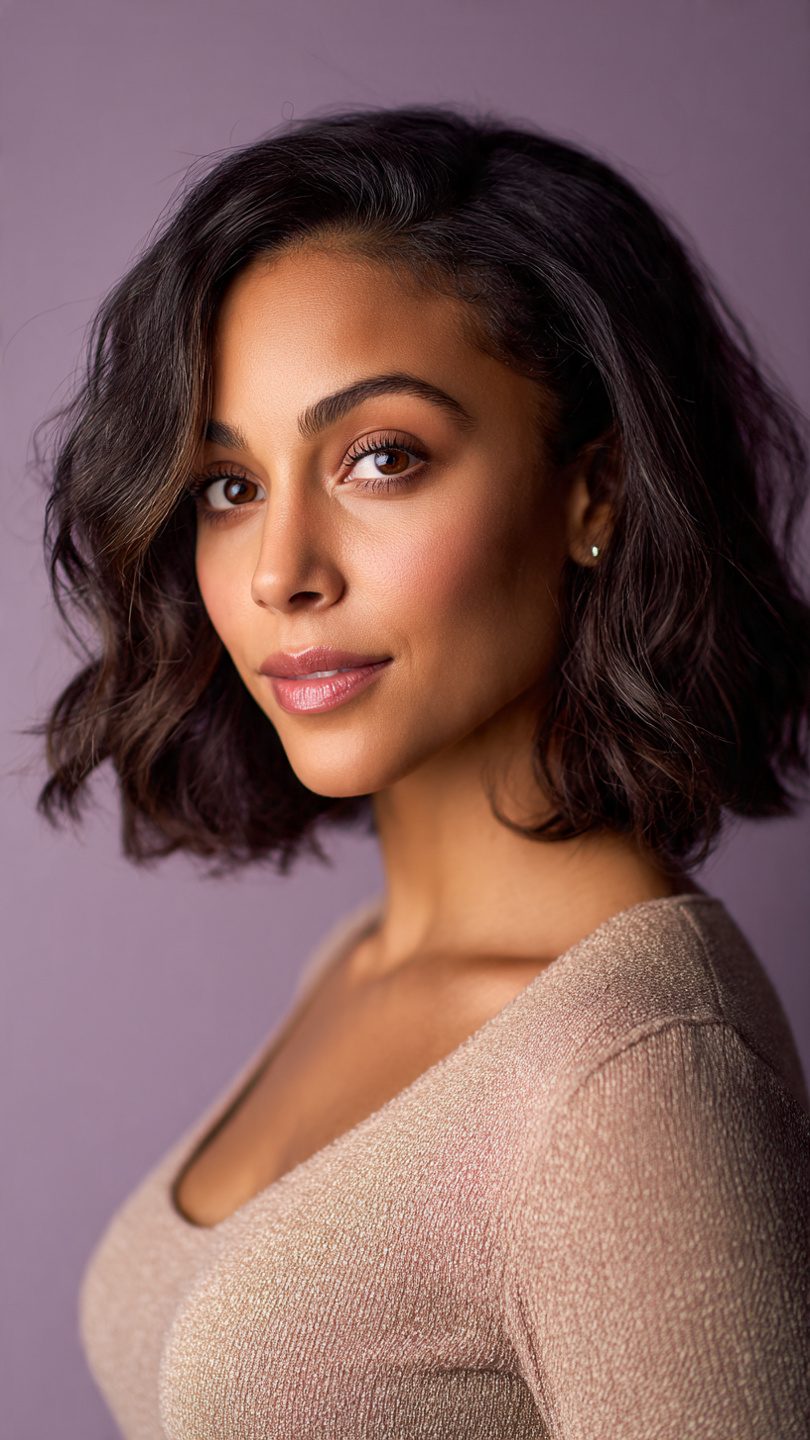
    The butterfly at a shorter medium length — casual, wavy, and air-dry friendly

    Why It Works — The Volume Problem Solved

    The most common hair complaint among women with long hair is that it looks flat, heavy, and shapeless despite the length. Long hair carries significant weight, and that weight pulls layers down, removes volume from the crown, and creates a straight, uninspiring line.

    The butterfly cut interrupts that weight. The short layers at the crown and face have no length below to pull them flat — they’re free to spring up, flip outward, and move independently. The longer layers underneath maintain the length you’ve worked to grow. You get the volume of a shorter cut and the length of a long one simultaneously.

    The waterfall effect from the back — the cascading layers are what make the butterfly so visually distinctive

    Volume and curl at the ends — the layers at different lengths catch and hold movement in a way one-length hair simply can’t

    The grow-out advantage:  The butterfly cut grows out more gracefully than most layered cuts. Because the length differential is intentional rather than blended, the layers can gain length without losing their essential shape. Most clients need trims every 10–14 weeks rather than the 6–8 typically recommended for precision cuts.

    The Variations — Which Version Suits You

    Classic Butterfly — Long

    The original version on long hair: shorter layers landing around the cheekbone or collarbone, longer layers flowing well past the shoulder. The most dramatic version of the cut, with the greatest contrast between sections. Styled with a blow-dry and round brush, the result is the full bombshell effect. Air-dried, it softens into something more relaxed and lived-in.

    Long butterfly on auburn hair — the side profile shows the layering architecture beautifully

    Long butterfly from the back — the distinct sections are clearly visible, especially at the ends

    Butterfly with Curtain Bangs

    The most-requested variation heading into 2026. Curtain bangs blend seamlessly into the shorter face-framing layers, extending the winged shape across the forehead and adding another frame around the face. The combination is particularly flattering on oval and heart-shaped faces. It softens a wide forehead and creates symmetry around the features.

    Butterfly with curtain bangs — the bangs flow naturally into the face-framing layers for a cohesive, balanced shape

    Structured butterfly with a full fringe — the more defined bang adds polish and a slightly retro edge

    Butterfly with Full Fringe

    A more committed version — a fringe that sits at brow level rather than parting to the sides. It’s a stronger statement but pairs beautifully with the softer layers below, creating a contrast between the structured bang and the flowing body of the cut. Works particularly well with medium-length hair.

    Classic butterfly with a full fringe — the straight-across bang anchors the look and emphasises the eyes

    Medium Butterfly

    The butterfly at shoulder to collarbone length. Here the contrast between sections is slightly less dramatic but still very visible — the shorter layers frame the face while the overall silhouette stays manageable and practical. This length is the most low-maintenance version of the cut and grows out the most gracefully.

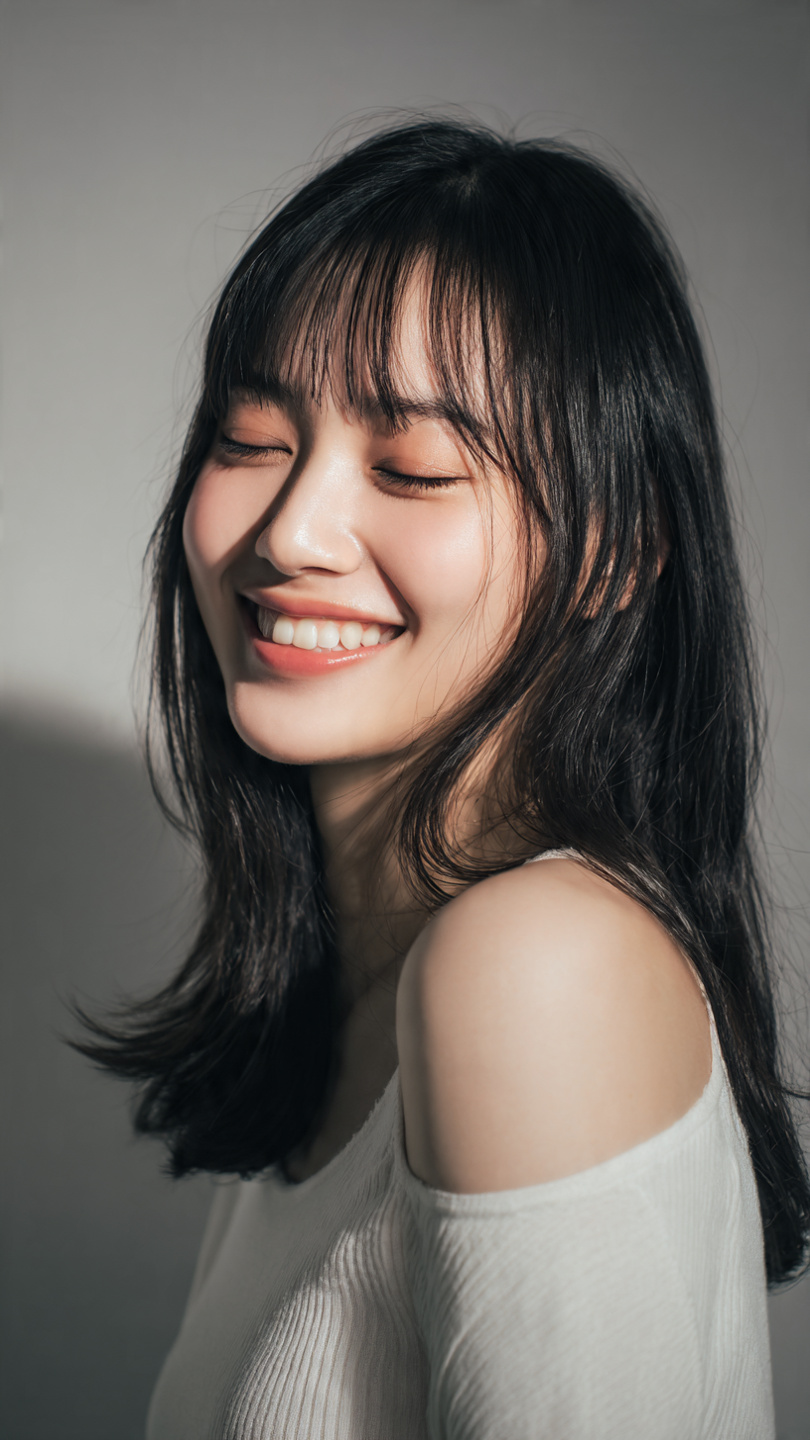
    Black hair butterfly at medium length — the face-framing layers work dramatically on dark hair

    Honey-toned layers at medium-long — the partial face cover from the layers is a signature butterfly styling moment

    Soft & Textured Butterfly

    A looser, less structured interpretation with more blending between the layers. Less dramatic contrast, more movement and texture throughout. This variation air-dries beautifully on wavy or slightly textured hair and requires almost no styling beyond a diffuser or simply leaving it to dry naturally.

    Dark hair, soft side-swept butterfly — the layers are less structured but the movement and volume are still unmistakably butterfly

    Which Face Shapes Does It Suit?

    The butterfly cut is genuinely one of the more universally flattering haircuts available because the face-framing layers can be positioned differently depending on face shape. Here’s the honest breakdown:

    Oval:  Works with any variation. No adjustments needed — the natural symmetry of an oval face carries the butterfly shape effortlessly.

    Round:  Opt for layers that start higher (at the cheekbone rather than the chin) and add length to elongate the face visually. Curtain bangs help add the illusion of length. Avoid very short, chin-level layers that widen the face.

    Square:  Softer layers with a slight flick at the ends soften a strong jaw. Curtain bangs and layers that frame from the cheekbone are the most flattering. Avoid blunt or very structured layers.

    Heart:  The butterfly is particularly flattering — the volume at the lower section balances a wider forehead. Curtain bangs blend beautifully and soften the forehead without hiding it.

    Long:  Keep layers from getting too long, which can elongate the face further. Aim for layers that sit at shoulder length or slightly above for maximum width and balance.

    Diamond:  Curtain bangs work extremely well. Face-framing layers at the cheekbone level soften the widest point and draw attention to the eyes.

    ✂️ Stylist tip: Book a consultation before committing, not just the appointment. A five-minute conversation about face shape, hair texture, and styling routine will get you a better butterfly than the same cut applied without that context.

    Hair Types & Textures

    Straight Hair

    The butterfly works on straight hair but requires more styling effort to maintain the lift and volume. A blow-dry with a round brush is the most effective approach. Without heat styling, straight butterfly layers can fall flat relatively quickly. If you have naturally straight, fine hair, discuss the layer depth with your stylist — very heavy layering can make fine hair look thinner rather than more voluminous.

    Wavy & Textured Hair

    The butterfly’s natural home. Wavy hair responds to the shorter layers by curling and springing upward at the crown, creating effortless volume with minimal effort. The textured ends flip and move in exactly the way the cut is designed for. Air-drying with a diffuser on low heat is all that’s needed to bring out the full butterfly shape.

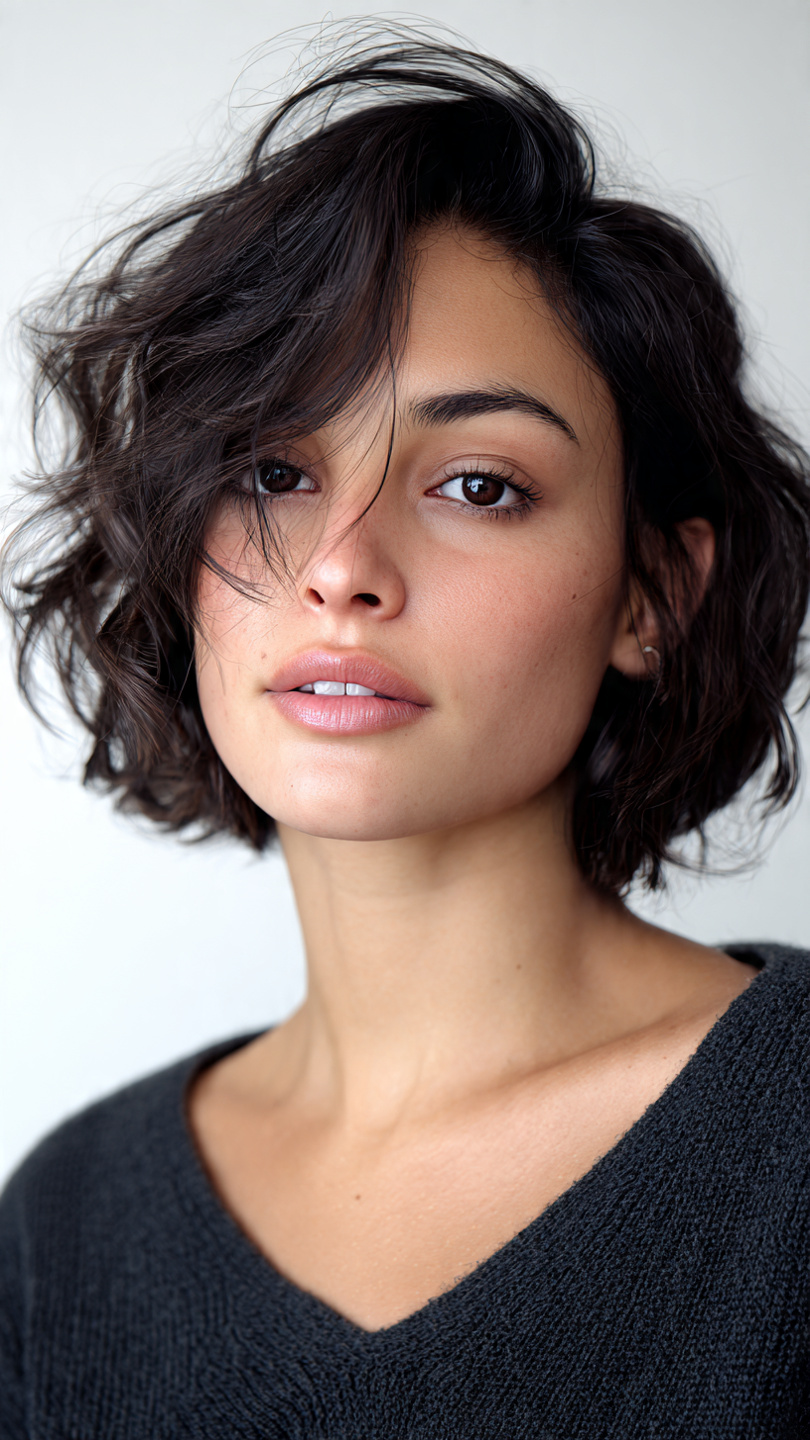
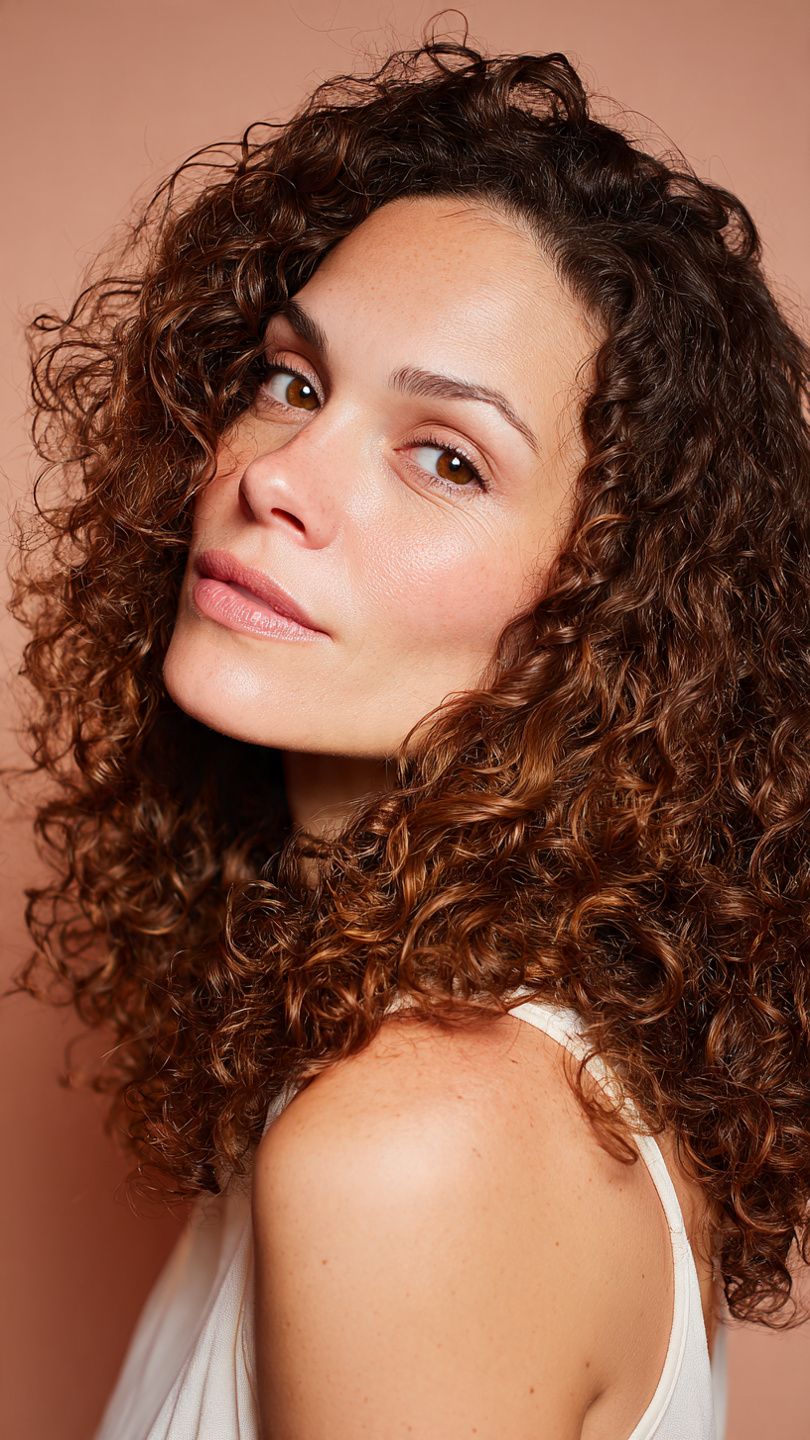
    The butterfly on naturally textured brunette hair — the texture does all the work

    Thick Hair

    Thick hair benefits enormously from the butterfly cut — the weight removal through layering transforms heavy, dense hair into something that moves and lifts. Stylists often combine the butterfly layering with point-cutting at the ends to remove bulk without losing shape.

    Fine Hair

    Possible, but approached differently. Layers on fine hair need to be less dramatic — very short face-framing layers on genuinely fine hair can make it look wispy at the ends. A more subtle version with softer contrast between sections works better. The medium-length butterfly is often the most flattering for fine hair.

    Styling — How to Get the Shape at Home

    The blow-dry method (for maximum volume)

    Apply a volumising mousse or spray to damp hair. Flip the head upside down and rough-dry with a diffuser or low heat until about 70% dry. Flip upright and use a round brush to roll the shorter layers upward and outward at the crown, directing the ends away from the face. This is what creates the wing shape. Finish with a light-hold spray or a drop of serum on the ends for shine.

    The air-dry method (for texture and ease)

    Scrunch a small amount of curl cream or texturising foam through damp hair. Leave it alone. The butterfly cut is one of the most air-dry-friendly layered styles precisely because the contrast between sections creates natural movement and body without intervention. The ends flip on their own as the hair dries.

    Products worth having

    Volumising blow-dry spray for root lift. A round brush — medium to large barrel depending on hair thickness. Light-hold finishing spray that won’t weigh the layers down. A small amount of serum or oil on the ends to define them and control flyaways. For wavy or textured hair, a diffuser attachment for your hairdryer.

    ✂️ Stylist tip: The one styling mistake that collapses a butterfly cut: heavy products applied at the root. Keep serums and oils to the mid-length and ends only — anything at the root will immediately flatten the layers you’re trying to lift.

    What to Say at the Salon

    Screenshots are your best tool — bring two or three images from this article that show the variation, length, and texture closest to what you want. Beyond that, here’s the brief that gives your stylist everything they need:

    The brief:  “I’d like a butterfly cut — shorter face-framing layers around the cheekbone and longer layers kept through the back. I want volume at the crown without losing length. My hair is [texture] and I [do / don’t] blow-dry regularly — please adjust the layer depth for that.”

    That covers the technique, the length intent, the volume goal, and your maintenance reality — the four things that make the difference between a butterfly cut that works for your life and one that only looked good in the salon chair.

    Is This Cut for You?

    If you have long hair that’s been feeling heavy and shapeless, a haircut that’s growing out and losing its energy, or simply hair that you want to look more alive without dramatically changing the length — the answer is almost certainly yes. The butterfly cut is one of the rare styles where the concept is simple, the variations are genuinely wide, and the result is consistently flattering across hair types and face shapes.

    Save the images from this article, take them to your next appointment, and tell your stylist you want the wings.

    Save this — you’ll want it at your salon appointment →

  • Why Your Hair Looks Thinner After 40 (And 4 Fixes That Actually Work)

    Why Your Hair Looks Thinner After 40 (And 4 Fixes That Actually Work)

    You look in the mirror and something feels different. Your ponytail doesn’t wrap around the elastic quite like it used to. Your part seems a little wider. And no matter what you try, your hair just doesn’t have that fullness you remember.

    First, let’s say something that needs to be said: you are not imagining it.

    Hair changes after 40. For many women, it starts subtly—maybe a little more hair in the shower drain, a bit less bounce at the crown. But what’s actually happening might surprise you. It’s not always about losing hair; it’s about your hair changing—in texture, density, and the way it behaves.

    The good news? You don’t need expensive treatments, drastic cuts, or a cabinet full of products to make your hair look fuller. You just need to understand what’s going on and apply a few fixes that actually work.

    Let’s break it down.


    The Real Reasons Your Hair Looks Thinner After 40

    Before we fix anything, it helps to know what’s happening under the surface. This isn’t about getting back to your 20s—it’s about working with your hair’s new rhythm.

    1. The Growth Cycle Slows

    Every hair follicle has a growth phase (anagen) and a resting phase (telogen). After 40, the anagen phase shortens, meaning hairs don’t grow as long before they shed. The result: fewer hairs at maximum length at any given time, so your hair feels less dense overall.

    2. Individual Strands Get Finer

    Hormonal shifts—especially during perimenopause—can cause each hair shaft to become thinner in diameter. So even if you have the same number of hairs, they take up less visual space. That’s why your ponytail feels smaller.

    3. Your Part Widens (But Not How You Think)

    As follicles miniaturize, the area around your part can show more scalp. This is often mistaken for dramatic hair loss, but it’s usually a gradual shift in density. It’s also why your hair may feel “thinner” on top.

    4. Texture Changes

    Many women notice their hair becomes drier, more brittle, or less responsive to styling. When hair loses its natural “grip,” it lies flatter and looks less full. The curl pattern you had in your 30s might now be looser or harder to hold.

    The takeaway: You’re not losing your hair—you’re managing a new texture and density. And with a few smart changes, you can create the look of fuller, healthier hair without spending hours or a fortune.


    Fix #1: The Haircut That Instantly Adds Volume

    The wrong haircut can make thinning hair look limp and sparse. The right one creates the illusion of density and movement—and it starts working the moment you leave the salon.

    What to Ask For

    • Blunt ends, not wispy. A blunt cut (even on longer hair) gives the appearance of thickness. Wispy, heavily layered ends can make hair look even thinner. Keep the weight line at the ends or around the jawline.
    • A long bob (lob) with subtle internal layers. This takes weight off without sacrificing fullness. Layers should start below the chin so density stays at the ends.
    • If you prefer short hair, try a textured pixie or crop. A choppy pixie with piece‑y texture creates lift at the crown and disguises sparseness beautifully.
    • Curtain bangs. Already a favorite on this site—they frame the face and add dimension at the crown, making the top of your head appear fuller.

    What to tell your stylist:
    “I want to keep the ends blunt so my hair looks thicker. Can we add just enough internal movement to give it shape without losing density?”

    Before & After Idea:


    Fix #2: The Styling Shift That Creates Lift

    You don’t need to spend 30 minutes with a blow‑dryer. A few simple technique changes can give you lasting volume with almost no extra time.

    1. Root Lifting Sprays, Not Mousses

    Many mousses weigh hair down. Instead, use a lightweight root‑lifting spray on damp roots. Blow‑dry upside down or use a round brush to lift each section away from the scalp. This gives you volume that lasts.

    2. Volumizing Powders or Dry Shampoo

    Sprinkle a tiny amount at the roots, massage in with your fingertips. Instantly, you’ll have texture, grip, and lift—without any weight. This is a 30‑second trick that works on day‑old hair or even fresh‑washed hair.

    3. Velcro Rollers (Yes, They Still Work)

    Roll the top section of your hair (from the crown forward) while you do your makeup or get dressed. Let them cool, then release. You’ll get a soft, natural lift that lasts all day. It’s a 5‑minute investment that pays off.

    Pro Tip: Avoid heavy serums or oils near the roots. They flatten hair instantly. Keep them for mid‑lengths and ends only.


    Fix #3: The Color Trick That Creates Depth

    Believe it or not, color is one of the most powerful tools for making hair look thicker. Uniform, all‑over color can make thinning hair appear flat. Strategic color adds contrast and the illusion of more strands.

    Techniques to Ask For

    • Root smudge / shadow root. A slightly darker shade at the roots creates depth and makes regrowth less obvious. It also visually thickens the scalp area.
    • Balayage or babylights. Soft, face‑framing highlights add dimension and mimic natural light reflection. This contrast tricks the eye into seeing more density.
    • Avoid all‑over solid color. It can look one‑dimensional and emphasize sparseness. Instead, aim for 2–3 shades woven throughout.

    What to tell your colorist:
    “I want dimension that adds visual density—think a soft root and face‑framing brightness. I’m not looking for a big color change, just more depth.”

    Bonus for gray hair:
    If you’re blending gray, ask for “mushroom blonde” or “ash bronde” tones. Cool shades harmonize with silver and create a multi‑tonal effect that looks naturally full.


    Fix #4: The Product Swap That Actually Matters

    You don’t need an expensive “hair loss” line. You just need the right formulas for finer, more delicate strands.

    What to Use

    • Sulfate‑free shampoo. Gentle cleansing preserves your hair’s natural moisture and doesn’t strip finer strands.
    • Lightweight conditioner. Apply only from mid‑lengths down to avoid weighing down roots. A “volumizing” conditioner is often a good choice.
    • Thickening sprays with polymers. These coat the hair shaft, temporarily increasing its diameter. Look for words like “thickening,” “volumizing,” or “body builder.”
    • Weekly protein treatment. Fine, thinning hair often lacks structure. A protein mask once a week can strengthen and add temporary body. (Don’t overdo it—protein overload can make hair stiff.)

    What to Skip

    • Heavy oils and butters (coconut oil, shea butter) near the roots.
    • “Repair” masks marketed for damaged hair—they’re often too rich for thinning hair.
    • Silicone‑heavy serums that coat the hair and flatten it.

    When to See a Professional (And What to Ask)

    If you notice sudden, patchy, or excessive shedding—or if your part seems to be widening rapidly—it’s worth a visit to a dermatologist or trichologist. Underlying issues like thyroid imbalance, iron deficiency, or hormonal shifts can accelerate thinning. A blood test can rule those out.

    At the salon, use this script:
    “I want a cut that adds volume without requiring daily heat styling. Can we keep the ends blunt and add some internal movement? Also, I’d love to talk about color dimension—maybe a root smudge and a few babylights.”


    The Takeaway

    Your hair after 40 isn’t a problem to be solved—it’s just a new canvas to work with. By choosing the right cut, adjusting your styling routine, using color strategically, and swapping a few products, you can create the look of fuller, healthier hair without spending hours or a fortune.

    Save this guide to show your stylist at your next appointment. And if you’re ready for a change, start with the haircut—it’s the foundation everything else builds on.


    Comments

    Have you noticed changes in your hair after 40? What’s worked for you? Share your experience below—we’d love to hear your tips.

  • Gray-Blended Hair Color for Women Over 40 — Going Silver Beautifully in 2026

    Gray-Blended Hair Color for Women Over 40 — Going Silver Beautifully in 2026

    Forget covering your gray. The most confident, low-maintenance thing you can do with your hair in 2026 is to blend it beautifully — and let it work for you.

    Something shifted. For decades the conversation around gray hair was simple: cover it, fight it, hide it. In 2026 that’s over. Women over 40 are showing up with intentional silver, dimensional salt-and-pepper, and gorgeously blended gray-to-blonde transitions — and they look incredible doing it.

    Gray blending isn’t giving up. It’s a strategic, often gorgeous colour choice that can actually reduce your salon visits, lower your maintenance costs, and give your hair a dimension that box dye simply can’t replicate. This article covers everything: the techniques, the looks by hair type and length, the 2026 color trends worth knowing, and how to care for silver hair at home.

    What is gray blending?  Gray blending is a technique where a colorist works with your natural gray strands rather than against them — using highlights, balayage, glosses, or toning to create a seamless, multi-dimensional result that grows out beautifully with no harsh regrowth line.

    Section 1 — The 6 Gray Blending Techniques Explained

    The technique your stylist uses makes all the difference between a result that feels intentional and one that just looks grown-out. Here’s exactly what each one involves and who it’s best for.

    1. Herringbone Highlights — The Best for Seamless Blending

    Herringbone highlights are applied in a diagonal, overlapping pattern — like the bones of a fish — rather than the traditional vertical sections. This placement means highlighted pieces fall over unlightened sections, creating a far more seamless, natural blend. It’s particularly brilliant for gray blending because the overlapping technique integrates silver strands into the overall color so completely that regrowth becomes almost invisible.

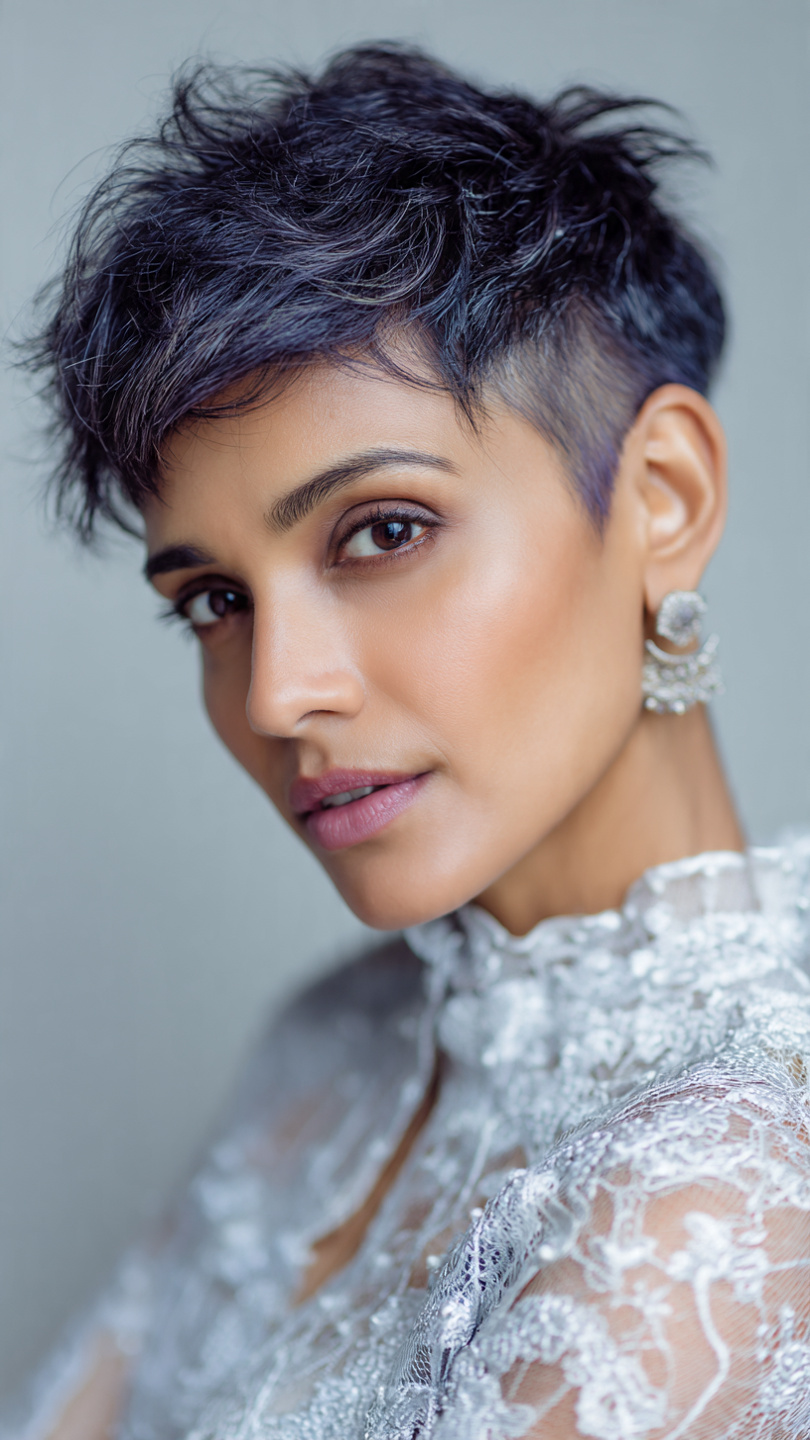
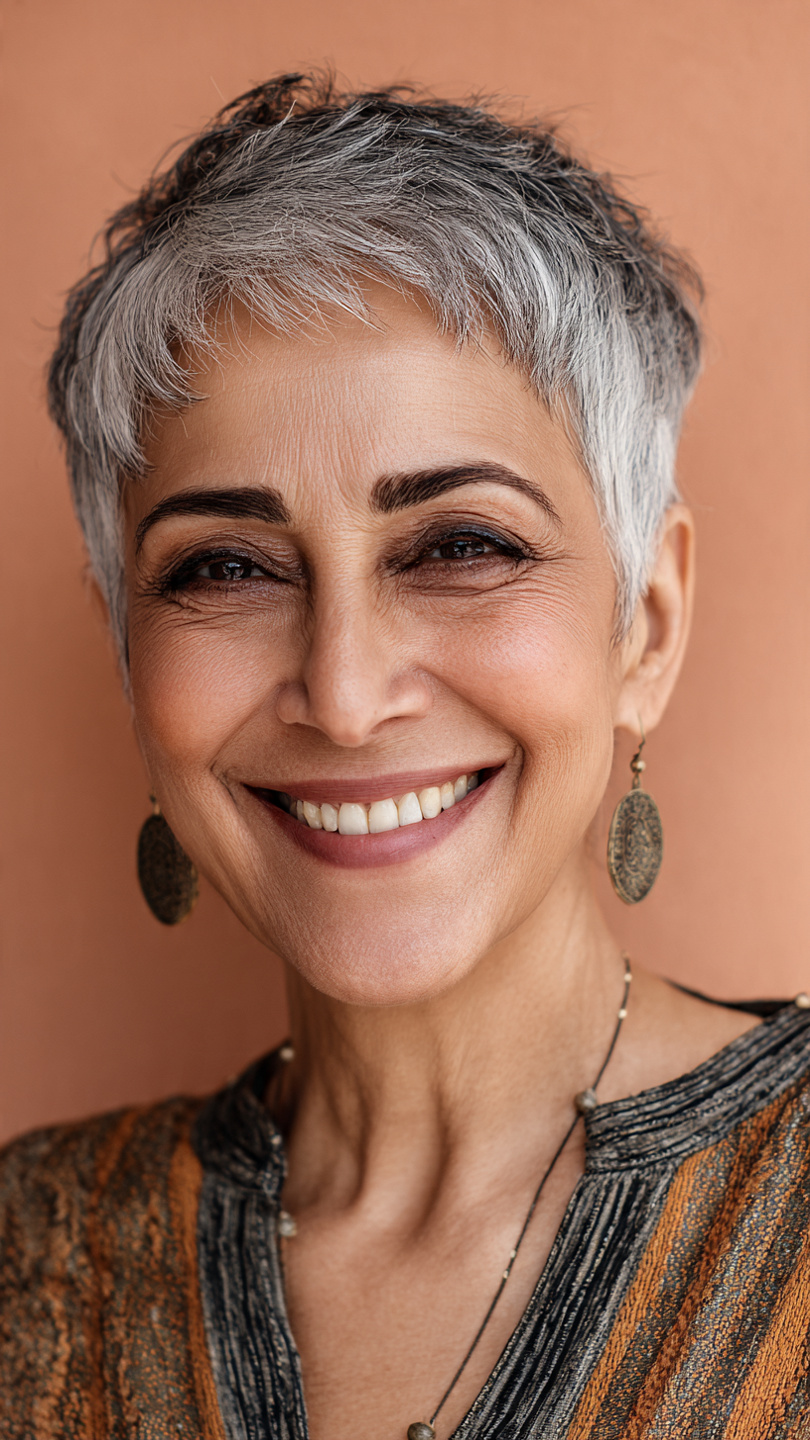
    Herringbone highlights on a short pixie — the diagonal placement creates seamless silver-to-brunette dimension

    💡 Stylist tip: Ask for ‘ash blonde’ or ‘light cool-toned’ highlights alongside your natural gray — warm tones can clash with silver. Cool or neutral tones blend in perfectly.

    Maintenance level: Low. Touch-ups every 12–16 weeks. Best for: All hair lengths, brunette to light brown base.

    2. Babylights — The Most Natural-Looking Gray Blend

    Babylights are ultra-fine, closely-packed highlights — much thinner than traditional foils. They mimic the natural way sunlight hits hair, creating a soft, dimensional result without an obvious highlight pattern. For women with lighter bases (light brown, dark blonde), babylights are often the best route into gray blending because the effect is so subtle that the transition to silver feels completely organic.

    Gray-blended lob — the dimensional color is achieved through fine highlights that integrate naturally with silver

    💡 Stylist tip: If your base is light brown or dark blonde, babylights can be blended with your growing silver to create the illusion of full natural highlighting. No harsh lines, ever.

    Maintenance level: Very low. Grows out beautifully. Best for: Light brown to blonde bases, women just starting to go gray.

    3. Silver Balayage — The Statement Blend

    Balayage involves painting lightener freehand onto sections of hair, concentrating it toward the ends and face-framing pieces. A silver balayage uses cool-toned, ashy tones to bring the overall color toward silver — either enhancing natural gray or creating the silver look from scratch. The result is a gradient from darker roots to luminous silver ends that photographs beautifully and grows out with almost no awkward phase.

    Full silver embraced — long flowing layers where natural silver has been enhanced to a luminous, multi-dimensional finish

    💡 Stylist tip: Ask for a gloss treatment at the end of your balayage appointment. It seals the cuticle, adds incredible shine, and tones any unwanted brassy or yellow undertones.

    Maintenance level: Low-medium. Gloss refresh every 6–8 weeks keeps it vibrant. Best for: Medium to long hair, women wanting a dramatic silver effect.

    4. Root Smudge / Shadow Root — The Grow-Out Lifesaver

    A root smudge (or shadow root) is a technique where your colorist applies a slightly darker color just at the root — blending it gently into your highlights or silver below. Instead of a harsh line where your roots begin, you get a soft, diffused gradient. It’s the single most effective technique for women who are growing out their color or going gray gradually, because it makes regrowth completely invisible for months.

    Long silver layers grown out naturally — the seamless root-to-end transition is the result of strategic root blending

    💡 Stylist tip: A root smudge only adds 15–20 minutes to your appointment and dramatically extends the life of your colour. It’s one of the best value additions you can request.

    Maintenance level: Very low. Lasts 10–14 weeks easily. Best for: Any hair length, women transitioning slowly to silver.

    5. Air Touch Balayage — The Softest Blend Available

    Air touch balayage replaces the traditional backcombing step with a blow-dryer — the air lifts the shorter inner layers away, leaving only the longer outer strands to be painted. The result is an incredibly soft, diffused blend with almost no contrast between highlighted and unhighlighted sections. It’s the most seamless technique available and is particularly popular in 2026 for women who want a gray-blended result that looks truly natural.

    Full silver lob — this level of seamless blending is achieved through soft, diffused highlighting techniques

    💡 Stylist tip: Air touch balayage is a more specialist technique — not every salon offers it. Ask specifically when you book and check the colorist’s portfolio for gray blending work.

    Maintenance level: Very low. Can go 16+ weeks between appointments. Best for: Medium to long hair, women wanting the most natural possible result.

    6. Gray Gloss Treatment — The Maintenance Must-Have

    A gloss is a semi-permanent treatment that adds shine, neutralises unwanted tones, and refreshes color — without lightening or dramatically changing anything. For silver and gray hair, a purple or blue-toned gloss is transformative: it eliminates the yellowish or brassy tinge that gray hair picks up over time, and restores that crisp, luminous silver quality. Many women book a gloss every 6–8 weeks between full colour appointments.

    Gray-blended bob — the dimensional, high-shine finish is maintained with regular toning and gloss treatments

    💡 Stylist tip: You don’t need a full appointment for a gloss. Many salons offer a standalone gloss service in under 30 minutes. It’s the most cost-effective way to keep gray hair looking intentional.

    Maintenance level: Very low. Best used as an add-on every 6–8 weeks. Best for: All gray hair, especially prone to yellowing or brassiness.

    Section 2 — Gray Blending by Your Base Color

    The technique that works best for you depends entirely on where your hair starts. Here’s the honest breakdown.

    Dark Hair — Black to Dark Brown

    Gray blending on dark hair requires the most strategy because the contrast between dark pigment and silver can be stark. The goal is to soften that contrast without going so light that you end up with an obvious stripe. The best approaches are lowlights to add depth alongside the silver, herringbone highlights to create gradual dimension, or embracing a bold salt-and-pepper look — which is one of the most striking and sought-after styles in 2026.

    Dark base with bold silver money pieces — the contrast is intentional and stunning, especially on long layered hair

    💡 Stylist tip: Avoid going too light too fast on a dark base. The transition takes time and rushing it can damage hair significantly. A colorist specialising in gray blending will map out a multi-appointment plan.

    Brunette — Medium to Light Brown

    Medium brunettes have the most flexibility when it comes to gray blending. The contrast between brown and silver isn’t as dramatic as black, which means babylights, balayage, and herringbone highlights all work beautifully. The mushroom blonde shade — a cool, muted brown with ashy undertones — is particularly effective as a bridge color that makes gray strands look like intentional highlights rather than regrowth.

    Brunette base with salt-and-pepper curls — the gray threads read as beautiful natural highlights throughout the curl

    💡 Stylist tip: Ask for ‘mushroom blonde’ or ‘ash bronde’ tones alongside your natural gray. The cool undertones harmonise with silver rather than clashing against it.

    Blonde — From Honey to Platinum

    Blonde is the most straightforward base to transition to gray from, because lighter hair and silver share similar tonal properties. The most popular approach in 2026 is the ‘cloud dancer’ look — a soft, airy platinum-blonde that blends with silver so seamlessly that the two are almost indistinguishable. Women with existing highlights can also simply allow their roots to grow in and request a root smudge to create a polished, intentional gradient.

    Silver-to-blonde graduated pixie — demonstrates how beautifully cool blonde and silver integrate at shorter lengths

    💡 Stylist tip: If you’ve been blonde for years, transitioning to silver is often the path of least resistance. Ask your colorist about ‘progressive lightening’ — gradually cooling your blonde toward silver over 2–3 appointments.

    Section 3 — Going Silver with Natural & Protective Styles

    Gray blending isn’t only for straight or wavy hair. Natural hair textures and protective styles look absolutely extraordinary in silver, salt-and-pepper, and fully embraced gray. This section is for you.

    Natural Silver Afro & Curls

    Natural curly and coily hair carries silver and gray in a way that is genuinely unlike anything else. The curl pattern catches light differently at every angle, creating a depth and dimension that straight hair simply cannot replicate. Whether you’re fully silver, salt-and-pepper, or embracing a blended gray afro, the effect is bold, confident, and magnetic.

    Silver-blended natural afro — the gray threads through the curl create extraordinary dimension and volume

    Fully embraced silver curls — the most joyful, confident energy in the room

    Natural silver crop — minimal and powerful

    💡 Stylist tip: Gray and silver natural hair tends to be drier than pigmented hair. A weekly deep conditioning treatment and a satin bonnet at night make a significant difference to moisture retention and curl definition.

    Silver Curly Lob

    A curly lob with salt-and-pepper or silver blending is one of the most wearable and flattering looks for women over 40. The curl creates volume and movement, the silver adds dimension, and the lob length is universally flattering. It’s the sweet spot for women who love their natural texture but want a polished, intentional look.

    Dark curly hair with silver highlights threaded through — the salt-and-pepper effect is completely natural here

    💡 Stylist tip: For curly gray blending, ask your colorist for silver-toned babylights specifically placed on the curls that naturally catch light — crown and face-framing sections. This mimics the most beautiful natural gray pattern.

    Silver & Gray Protective Styles — Braids, Twists & More

    One of the most visually striking developments in the going-gray conversation is how women with natural hair are embracing silver in protective styles. Gray and silver braiding hair — whether in box braids, cornrows, twists, or locs — creates a look that is simultaneously modern, intentional, and deeply beautiful. These styles also protect your natural gray from manipulation and breakage while you grow it out.

    Silver twist updo — protective, glamorous, and completely on-trend for 2026

    Short gray box braid bob — structured, chic, and completely effortless to maintain

    Long silver braids — the length creates stunning movement and the silver tones look intentional and elegant

    💡 Stylist tip: When choosing silver or gray braiding hair, look for multiple tones rather than a single flat gray — the variation creates a much more realistic, dimensional result that mirrors natural gray blending.

    Section 4 — Gray Blending by Hair Length

    Short Hair — Pixies, Crops & Short Bobs

    Short hair is one of the boldest and most effective canvases for going silver. Because the length is minimal, the gray blending reads as intentional colour — not neglect. A gray-blended pixie or crop is also the most maintenance-free option: you’re not fighting regrowth on a long canvas, and the shape stays sharp with regular trims every 6–8 weeks.

    Short pixie with herringbone highlights blending natural gray throughout — requires almost no colour maintenance

    💡 Stylist tip: If you’re transitioning to gray and have short hair, the most efficient route is often simply to cut regularly and let the gray grow in — with a root smudge to keep it polished during the transition.

    Medium Length — Lobs & Shoulder-Length

    Medium-length hair offers the most styling versatility for gray blending. A lob or shoulder-length cut can show off the full gradient of a silver balayage, carry babylights beautifully, and still be tied back on busy days. The medium length also means the grow-out process is much faster than long hair — you can see significant progress in 3–4 months.

    Silver-blended lob with incredible volume and movement — medium length is the sweet spot for gray blending

    Gray-blended bob — front, side and back views show how dimensional the color reads at all angles

    Long Hair — Layers & Beyond

    Long gray hair is one of 2026’s most powerful beauty statements. It signals confidence, self-assurance, and a complete lack of interest in hiding who you are. The key at longer lengths is keeping the hair healthy — gray hair tends to be coarser and drier, so regular deep conditioning and trimming are non-negotiable. The silver balayage and root smudge techniques work particularly well on long hair because the grow-out is so graceful.

    Long flowing silver — this is the ‘cloud dancer’ moment: luminous, dimensional, and absolutely commanding

    Long silver layers — the selfie that proves going fully silver at length is one of the boldest and most beautiful choices

    💡 Stylist tip: Long gray hair needs a monthly deep conditioning mask as a minimum. Look for products containing keratin, argan oil, or shea butter — these combat the coarseness that gray hair develops over time.

    Section 5 — The 2026 Gray Color Trends Worth Knowing

    Cloud Dancer — The Pantone-Inspired White-Blonde

    Inspired by Pantone’s 2026 Color of the Year, Cloud Dancer is a soft, luminous white-blonde with a cool, milky quality — the most sophisticated end of the silver spectrum. It’s defined by a translucent, high-lift blonde with a soft-focus finish that blends seamlessly with silver and white hair. For women over 40 who are already predominantly gray or silver, Cloud Dancer toning gives the hair a polished, intentional quality that feels genuinely editorial.

    ● Cloud Dancer — Cool white-blonde, almost platinum but softer. Zero warmth, maximum luminosity.

    Dimensional Silver — The Anti-Flat Gray

    The worst version of going gray is flat, one-dimensional, uniform silver — it can look washed out and add years. The 2026 approach is the opposite: mixing silver, slate, white, and dark strands for a multi-tonal, light-catching result that looks expensive and youthful. Dimensional silver is what you get when a skilled colorist adds depth lowlights alongside the brightening highlights — the result has movement even when the hair is standing still.

    Dimensional silver-blended wavy lob — the mix of tones is what creates the youthful, expensive quality

    ● Dimensional Silver — Multi-tonal mix of slate, silver, white and dark threads. Never uniform. Always moving.

    Salt and Pepper — The Most Flattering Natural Look

    Salt and pepper — the natural blend of dark pigment and silver strands — is having its biggest cultural moment in decades in 2026. Rather than being seen as something to fix, it’s now recognised as one of the most sophisticated, flattering, and individual hair colors a woman can wear. The key to beautiful salt-and-pepper hair is the ratio: ideally 40–60% silver to dark, distributed so neither dominates. A colorist can add strategic lowlights to achieve the ideal balance if your natural ratio isn’t there yet.

    Natural salt-and-pepper curls — the ratio of dark to silver here is close to perfect

    ● Salt and Pepper — Dark base with 40–60% silver woven throughout. The goal is balance, not uniformity.

    Mushroom Blonde Gray Blend — The Most Wearable 2026 Look

    Mushroom blonde is a muted, cool-toned brown with ashy undertones — and it’s the perfect bridge color for women blending their brunette base into gray. The shade sits right between brown and silver tonally, which means it harmonises with natural gray strands rather than creating contrast. It’s the most low-maintenance color option for brunettes going gray: it grows out so seamlessly that many women find they only need a salon visit every 4–5 months.

    ● Mushroom Blonde — Cool, muted brown-ash. No warmth, no brassiness. The ideal gray transition color for brunettes.

    Section 6 — Keeping Gray & Silver Hair Beautiful at Home

    Gray hair requires slightly different care than pigmented hair. Here’s what actually makes a difference — and what you can stop spending money on.

    The 4 Non-Negotiables

    Purple shampoo —  Use once or twice a week to neutralise the yellow or brassy tone that gray hair picks up from water minerals, UV light, and pollution. Leave it on for 3–5 minutes rather than rinsing immediately. The longer it sits, the more effective the toning.

    Deep conditioning mask —  Gray hair is naturally drier and more porous than pigmented hair because it lacks melanin, which also has moisturising properties. A weekly deep conditioning mask — look for ingredients like shea butter, argan oil, or hyaluronic acid — is non-negotiable. Apply to damp hair, leave for 10 minutes, rinse in cool water.

    UV protection —  Sun exposure oxidises gray hair and is one of the primary causes of that unwanted yellow tinge. A leave-in product with UV filters, or simply a hat on sunny days, makes a significant difference to how long your color stays crisp.

    Sulfate-free shampoo —  Sulfates strip color and moisture from hair. For gray and silver hair — especially if you’ve had any highlights or toning — a sulfate-free formula is the simplest switch you can make to extend the life and vibrancy of your color.

    When to book a gloss:  If your silver hair has started looking yellow, dull, or flat between appointments — book a standalone toning gloss. It takes 20–30 minutes, costs a fraction of a full color service, and transforms the hair instantly.

    What to Tell Your Stylist

    Bring this to your next appointment and say exactly this:

    The script:  “I want to blend my gray rather than cover it. I’m looking for a low-maintenance result that grows out without a harsh line. Can we talk about herringbone highlights / babylights / a root smudge? I’d like to keep some dimension — not a flat silver.”

    That single sentence tells your colorist everything they need to know — your goal, your maintenance preference, and your aesthetic. The more specific you are, the better the result.

    Save this article — you’ll want it at your next salon visit →

    Related: 20 Bob Haircuts for Women Over 40 (2026)  |  Curtain Bangs for Women Over 40 — The Anti-Aging Cut

  • Curtain Bangs for Women Over 40 — The Anti-Aging Cut Nobody’s Talking About

    Curtain Bangs for Women Over 40 — The Anti-Aging Cut Nobody’s Talking About

    They frame your face, soften fine lines, and take five minutes to style. Curtain bangs are the quiet upgrade your hair has been waiting for.

    If you haven’t seriously considered curtain bangs yet, you’re not alone — most bang content online targets women in their 20s. But here’s what the hair world isn’t saying loudly enough: curtain bangs may be the single most flattering, low-maintenance addition a woman over 40 can make to her hair.

    They frame the cheekbones. They soften the forehead. They work with every hair length from a short bob to long layers. And unlike blunt or heavy fringe, curtain bangs grow out gracefully — so there’s none of that awkward in-between stage. This guide covers 20 of the best curtain bang styles for women over 40 in 2026, with a styling tip and face shape guide for every single one.

    What are curtain bangs?  Curtain bangs are wispy, face-framing fringe that part in the middle (or slightly off-centre) and sweep gently to either side — like curtains opening on a stage. Unlike heavy blunt bangs, they blend seamlessly into the rest of your hair.

    Curtain Bangs with Short Hair & Bobs

    1. Curtain Bangs with a Wavy Bob — The Effortless Everyday Look

    The curtain bang and bob combination is magic. The wispy fringe draws attention to your eyes and cheekbones while the wavy bob keeps everything feeling relaxed and undone. This is the ‘I woke up like this’ look that actually takes five minutes. Honey blonde or bronde tones brighten the complexion beautifully alongside this style.

    Honey blonde wavy bob with soft curtain bangs — the most wearable combo of 2026
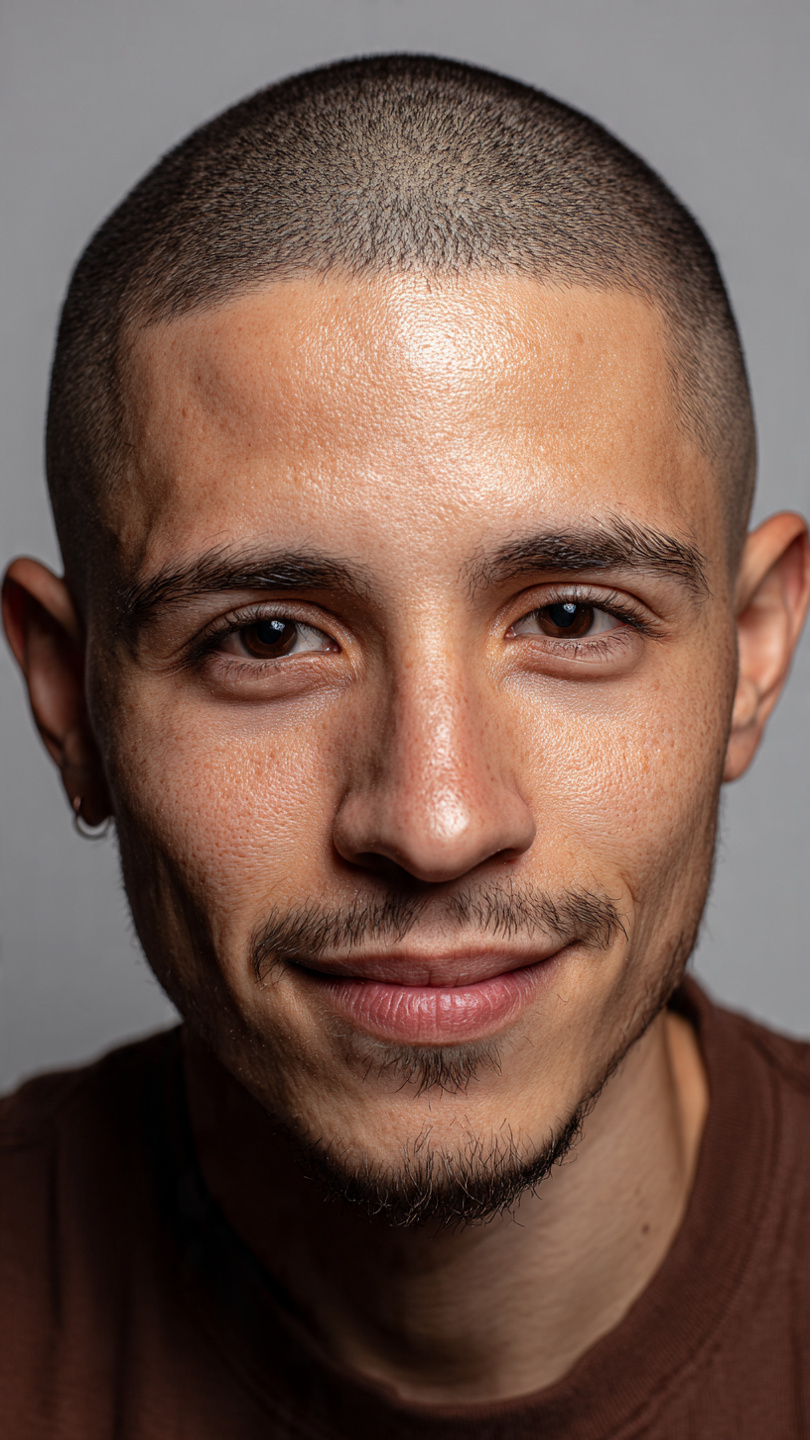
    💡 Styling tip: Blow-dry your bangs last, using a round brush to guide them gently to each side. A tiny amount of texturising cream keeps the wave without crunch.

    ✔ Best for: Oval, heart and square face shapes · fine to medium hair

    2. Curtain Bangs with a Copper Bob & Glasses

    Curtain bangs are a game-changer for women who wear glasses — they sit above the frame and draw the eye upward, making glasses feel like a style choice rather than an afterthought. The warm copper colour adds warmth to the complexion and pairs beautifully with the wispy fringe texture.

    Copper wavy bob with curtain bangs and glasses — proves bangs and specs work beautifully together

    💡 Styling tip: Keep bangs slightly longer if you wear glasses so they don’t rest on the frames. Ask your stylist for ‘eyebrow-skimming’ length.

    ✔ Best for: All face shapes · especially flattering for glasses wearers · medium to thick hair

    3. Curtain Bangs with a Brunette Bob — Before & After

    One of the most striking things about curtain bangs is how dramatically they transform a face — without touching the length. This before-and-after shows exactly what a set of soft face-framing bangs does: the forehead is softened, the cheekbones are highlighted, and the whole look feels more intentional and modern.

    Before and after — brunette bob, same length, same colour. Curtain bangs make all the difference

    💡 Styling tip: Don’t be afraid to ask your stylist to cut them dry rather than wet — dry cutting gives a softer, more natural curtain bang shape.

    ✔ Best for: Round, oval and heart face shapes · straight to wavy hair

    Curtain Bangs with Medium Length Hair

    4. Soft Curtain Bangs on a Gray-Blended Lob — The Bedroom Mirror Selfie

    This is the style that’s exploding on Pinterest right now: a silver-and-brunette blended lob with soft curtain bangs that are just grown-out enough to feel effortless. The lived-in, not-trying-too-hard energy is exactly what makes it so appealing. It looks like real life — because it is.

    Gray-blended lob with soft curtain bangs — cosy, confident, completely real

    💡 Styling tip: If your bangs feel heavy as they grow out, a single trim every 6–8 weeks keeps the curtain shape without losing the grown-out ease.

    ✔ Best for: Oval and oblong face shapes · women transitioning to gray · all hair textures

    5. Curtain Bangs with Ash Blonde Long Layers — The Side Profile Winner

    Curtain bangs on long blonde layers create one of the most naturally flattering silhouettes possible. The fringe draws a beautiful frame around the face, while the layers give body and movement through the length. This side profile view shows how elegantly the bangs blend into the rest of the hair — no obvious ‘bang line’ at all.

    Ash blonde long layers with soft curtain fringe — the side profile shows how seamlessly they blend

    💡 Styling tip: Ask for your curtain bangs to be feathered into the front layers so there’s no hard transition. This is what keeps them looking grown-in rather than cut.

    ✔ Best for: All face shapes · medium to fine hair · women with highlights or balayage

    6. Auburn Curtain Bangs — Medium Layers, Salon Fresh

    Rich auburn is having a huge moment in 2026 — and curtain bangs are its perfect companion. The warm reddish tones around the face create a natural-looking glow effect that brightens the complexion instantly. This medium layered cut with face-framing fringe is achievable in one salon visit and requires minimal daily styling.

    Auburn medium layers with soft curtain bangs — warm, radiant, and completely wearable

    💡 Styling tip: Auburn fades quickly — use a colour-protecting shampoo and rinse with cool water to keep the warmth between salon visits.

    ✔ Best for: Fair to medium skin tones · oval, heart and square face shapes · medium to thick hair

    7. Copper Curtain Bangs — Short Wavy Shag

    For women who love a little drama in their haircut, this short wavy shag with copper curtain bangs delivers. The combination of the wispy fringe and the voluminous shaggy layers creates a bold, textured look that still feels feminine and age-appropriate. The warm copper tone adds incredible dimension without needing heavy highlighting.

    Copper curtain bangs on a short wavy shag — bold, textured and full of personality

    💡 Styling tip: Diffuse on low heat while scrunching upward to build that voluminous shag shape. Finish with a light-hold curl cream through the ends.

    ✔ Best for: Round and oval face shapes · naturally wavy or curly hair · women who want maximum volume

    Curtain Bangs with Long Hair

    8. Curtain Bangs on Long Copper Layers — The Café Selfie

    Long copper layers with curtain bangs is a look that simply glows in real life. The fringe adds a face-framing element to what would otherwise be a straightforward long hairstyle — and the difference is enormous. This is the style for women over 40 who love their length but want their hair to feel more purposeful and modern in 2026.

    Copper long layers with curtain bangs — warm, glowing and full of movement

    💡 Styling tip: Copper tones look incredible when the hair has natural wave. Enhance it with a sea-salt spray while damp and let it air dry three-quarters of the way before diffusing.

    ✔ Best for: All face shapes · medium to thick hair · women who want to keep their length

    9. Silver Curtain Bangs — Long Hair, Garden Selfie

    If you’re going gray or already there — curtain bangs are your best friend. The fringe softens the hairline transition and gives structure to silver hair, which can sometimes look flat or formless. This long silver lob with soft swept bangs is proof that embracing your natural color and looking absolutely radiant are not mutually exclusive.

    Silver long hair with curtain bangs — confident, glowing and completely natural

    💡 Styling tip: Silver hair benefits enormously from regular gloss treatments to add shine. A purple toning shampoo once a week keeps it bright and prevents yellowing.

    ✔ Best for: All face shapes · women embracing natural gray · medium to fine hair

    10. Blonde Long Layers with Curtain Bangs — The Classic

    There’s a reason this combination is everywhere in 2026: it works on almost everyone. Warm honey blonde long layers with softly swept curtain bangs is simultaneously youthful and sophisticated. The face-framing bangs highlight the best features while the movement through the layers adds that effortless, lived-in quality that’s so sought-after right now.

    Honey blonde long layers with curtain bangs — the most universally flattering combination

    💡 Styling tip: Blow-dry the bangs over a round brush in the very last step of your routine. Two minutes of attention here makes the whole look polished.

    ✔ Best for: Oval, heart and round face shapes · fine to medium hair · all ages over 40

    11. Paris Street Style — Dark Curtain Bangs, Long & Undone

    French women have been wearing this look for decades and it never gets old: long dark brunette hair with heavy-but-wispy curtain bangs that are just a touch overgrown. The undone, slightly dishevelled quality is the whole point — it’s confident and unbothered in the most stylish way possible. This works best on women with strong cheekbones.

    Paris street style curtain bangs — dark, undone, effortlessly chic

    💡 Styling tip: Let this style air dry naturally. The more you try to perfect it, the less Parisian it looks. A tiny bit of dry shampoo at the roots is all you need.

    ✔ Best for: Oval and oblong face shapes · straight to lightly wavy hair · dark to medium brunette

    Curtain Bangs Before & After — The Transformations

    12. Before & After — Bronde-to-Copper Curtain Bang Transformation

    Sometimes curtain bangs aren’t enough on their own — a colour shift alongside them amplifies the transformation dramatically. This before-and-after shows the same face, same general length, but with a colour refresh and curtain fringe added. The result looks like a completely different (and younger) person. The symmetry and warmth the bangs bring to the face is striking.

    Before: warm bronde, no bangs. After: richer copper tone with curtain fringe — remarkable difference

    💡 Styling tip: If you’re adding curtain bangs at the same time as a colour change, always do the colour first and cut the bangs last — that way the colourist can see how the fringe will sit.

    ✔ Best for: Women making a bold change · oval and oblong faces · any hair length

    13. Before & After — Brunette Curtain Bangs on a Shorter Bob

    This transformation is the most relatable one in the article: long, slightly overwhelming brunette hair with no real shape — versus a beautifully framed shorter bob with curtain bangs. The bangs alone lift the whole face. The shorter length removes the weight. Together, they take years off without touching a single anti-aging product.

    Brunette bob with curtain bangs — natural daylight selfie, completely real

    💡 Styling tip: If you’re nervous about going shorter at the same time as adding bangs, do the bangs first in a single appointment and see how you feel before committing to the length change.

    ✔ Best for: Women considering a big change · round and heart face shapes · medium to thick hair

    How to Style Curtain Bangs in 5 Minutes

    The most common fear about curtain bangs is the styling time. Here’s the truth: once you know the technique, it takes under five minutes and you don’t need any special tools.

    The 3-step method

    Step 1 — Dry first. Blow-dry the rest of your hair before you touch the bangs. Curtain bangs respond best when they’re the last thing you style.

    Step 2 — Round brush & low heat. Section out just the bang area. Using a small round brush, roll it under the bang section and guide each side gently outward and downward — not under, outward. Two passes per side is enough.

    Step 3 — Set & go. A light-hold spray or a tiny drop of serum through the fingers, then leave them alone. The more you touch curtain bangs after styling, the flatter they get.

    Air-dry option:  On days when you don’t want to style at all, part them in the middle while wet and let them dry naturally. They’ll form a soft, undone curtain shape on their own.

    Which Curtain Bang Style Is Right for Your Face Shape?

    Round face: Go for longer curtain bangs that skim the cheekbones — they elongate the face. Avoid short, wide-set bangs.

    Oval face: You can pull off any curtain bang style. Lucky you — even short, wide curtain bangs work beautifully.

    Heart face: Longer curtain bangs that sweep below the cheekbones balance a wider forehead and narrower chin perfectly.

    Square face: Soft, slightly wispy curtain bangs are ideal — they break the strong jawline without covering too much forehead.

    Oblong / long face: Curtain bangs are genuinely one of the most flattering cuts for a longer face. They visually shorten the forehead and add horizontal width across the face.

    Ready to Book?

    Screenshot the style closest to what you want and bring it to your next appointment. Curtain bangs are one of the easiest things to explain to a stylist — just show them a photo and say ‘longer on the sides, parted in the middle, keep them soft.’ That’s genuinely all you need.

    The best part? If you’re not sure yet, curtain bangs grow out in 6–8 weeks into a gentle face-frame — there’s no awkward phase, and no commitment. It’s the lowest-risk hairstyle change you can make this year.

    Save this article before your next salon visit! →

  • 20 Bob Haircuts for Women Over 40 That Are Absolutely Trending in 2026

    20 Bob Haircuts for Women Over 40 That Are Absolutely Trending in 2026

    If you’ve been thinking about making the chop — or just refreshing your current bob — this is your sign. These 20 styles are flattering, modern, and designed to work with your hair, not against it.

    The bob has never been more exciting. In 2026, stylists are leaning into cuts that feel personalized, effortless, and quietly confident — exactly the energy that suits women over 40. Whether your hair is fine, thick, curly, or color-treated, there’s a bob on this list that was made for you.

    We’ve rounded up the 20 most flattering, on-trend bob styles for women over 40 in 2026 — each with a quick styling tip so you can walk into the salon (and out the door every morning) knowing exactly what you’re doing.

    1. The Soft Layered Bob

    This is the go-to bob of 2026 for women over 40. Internal layers are cut throughout the length to create movement and remove that dreaded heaviness — while keeping the silhouette clean from the outside. It sits between the jawline and chin and works on straight, wavy, or fine hair. The softness of the layers prevents it from ever looking too severe.
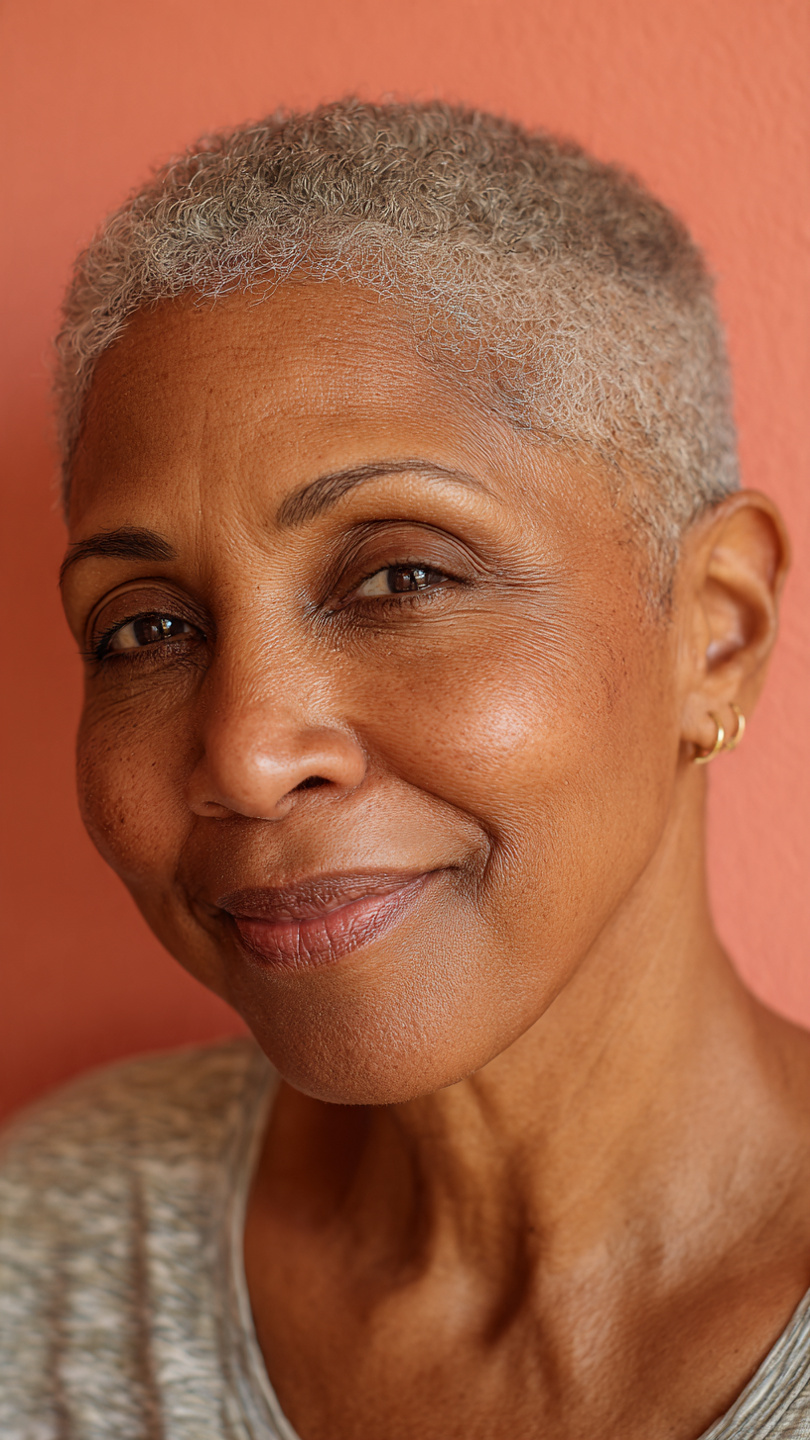
    Platinum lob — sleek, bold, effortlessly modern

    💡 Styling Tip: Blow-dry with a round brush rolling outward at the ends for a polished, bouncy finish. A few drops of argan oil add shine without weight.

    ⏱ Best for: Fine or thinning hair, oval and heart face shapes

    2. The Flippy Bob (Bell-Bottom Bob)

    This playful style flicks the ends outward using a flat iron, adding instant energy and youthfulness to any look. It’s one of the biggest trends for 2026 and works incredibly well as the hair grows out — meaning fewer salon visits. Cut it a couple of inches below the chin to give yourself enough length to work with.
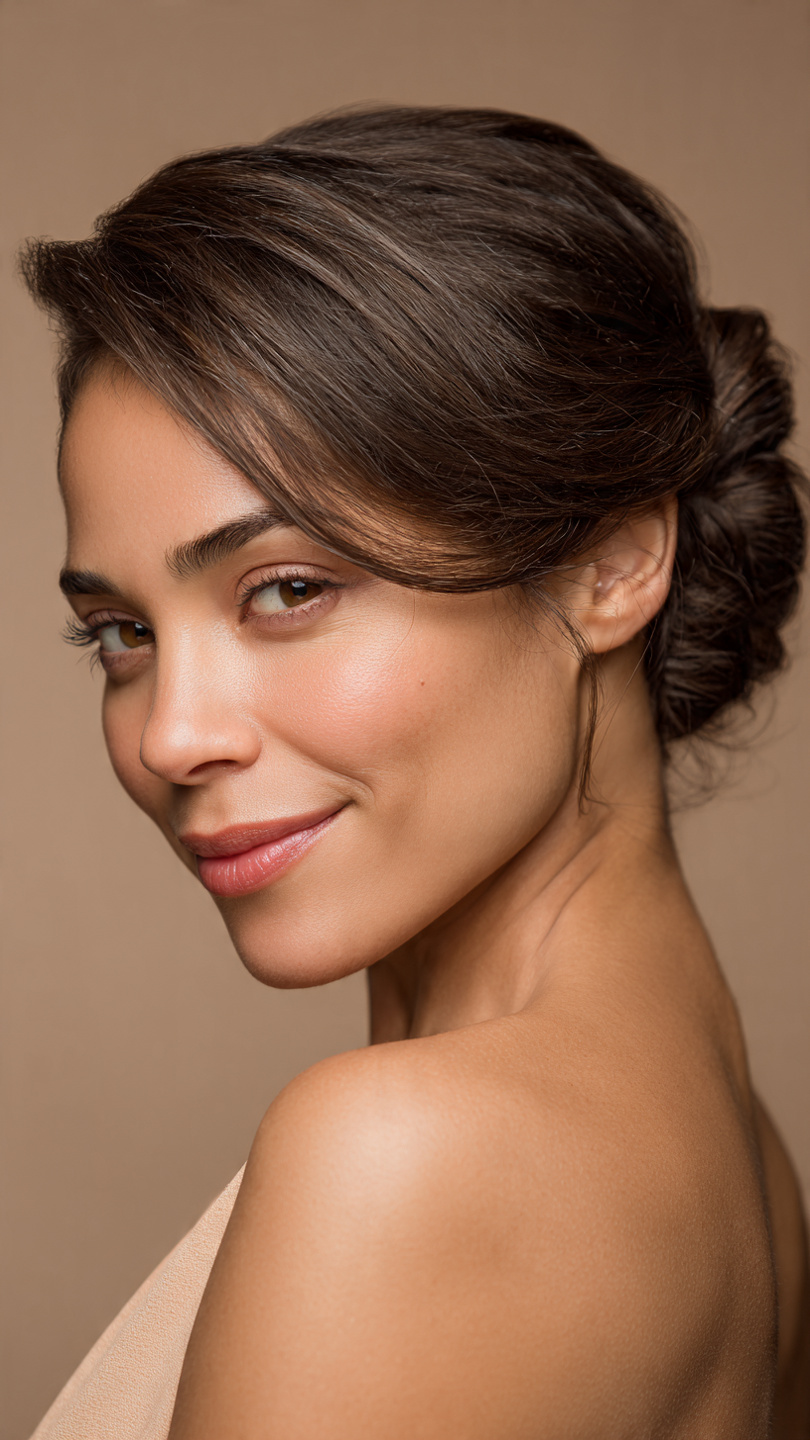
    Wavy short bob — tousled, light and full of movement

    💡 Styling Tip: Use a 1-inch flat iron and flip sections outward in the last inch of each section. Finish with a light-hold spray.

    ⏱ Best for: All hair textures, especially those with medium density

    3. The Box Bob (Italian Box Bob)

    Structured, clean-lined, and completely modern — the box bob features a blunt perimeter with even weight across both sides and the back. The squared shape creates the illusion of thickness and lends itself beautifully to sleek styling. Think of it as the ‘little black dress’ of haircuts: minimal, architectural, and intentional.

    Blonde box bob with fringe — structured and striking

    💡 Styling Tip: Keep ends razor-smooth with a flat iron and finish with a gloss serum for a fashion-forward polish.

    ⏱ Best for: Straight or slightly wavy hair, square and oval face shapes

    4. The Lob (Long Bob)

    Collarbone-length and completely timeless, the lob is perfect for women over 40 who aren’t quite ready to go short but want a fresh, lighter feel. It frames the shoulders beautifully, allows natural movement, and is easy to tie back on busy days. The 2026 version pairs beautifully with a beige blonde melt or soft bronde color for a low-maintenance, modern look.
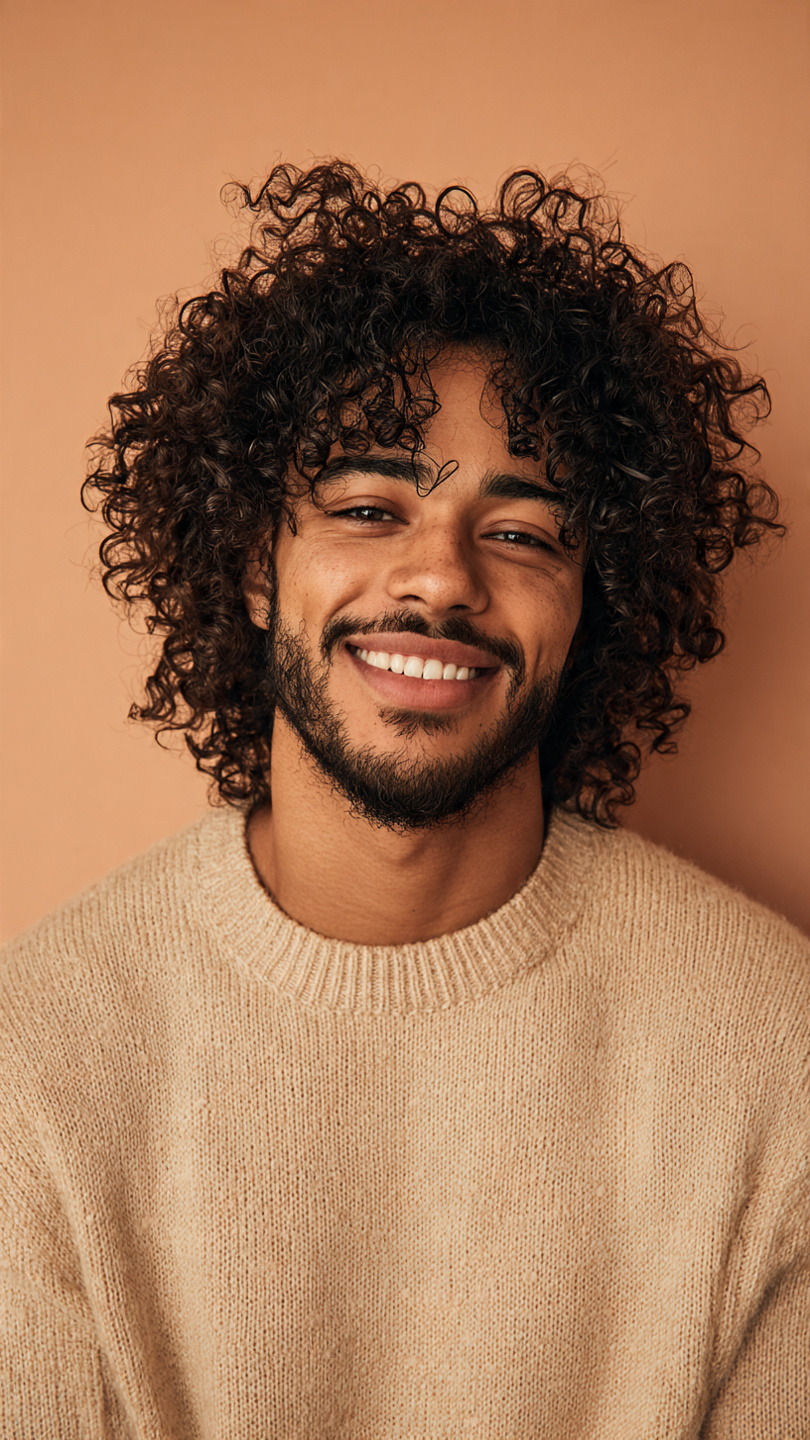
    Brown lob — effortless everyday styling

    💡 Styling Tip: Air-dry and scrunch with a curl cream to enhance natural texture, or blow-dry smooth for an effortlessly polished look.

    ⏱ Best for: All face shapes; especially great for women transitioning from long hair

    5. The Graduated (Stacked) Bob

    Shorter at the back with length building toward the front — this classic shape adds instant volume and lift at the crown where mature hair often goes flat. The stacking at the back creates a beautiful sculpted silhouette, while the longer front pieces soften the face. It’s a smart choice if your hair has lost density.

    Layered stacked bob — salon-fresh volume, front and back

    💡 Styling Tip: A round brush blowout emphasizes the stacked shape. Ask your stylist for subtle stacking, not too dramatic, to keep it wearable.

    ⏱ Best for: Fine and flat hair, round and square face shapes

    6. The Blunt Chin-Length Bob

    Clean, confident, and jaw-droppingly chic — the blunt chin-length bob highlights your cheekbones and gives a youthful, structured edge. Straight tresses also help soften fine lines around the face. It’s classic enough to feel timeless but sharp enough to turn heads in 2026.

    Blunt chin bob — clean lines, dark brunette depth

    💡 Styling Tip: Always use a heat protectant before straightening. Try a keratin-infused product to keep it glossy and frizz-free.

    ⏱ Best for: Straight or easily straightened hair, oval and square face shapes

    7. The Wavy Lob with Long Layers

    For women with a natural wave or bend in their hair, this style is a dream. Long layers enhance the natural movement, reduce heaviness, and give you that beachy-but-refined look that’s everywhere in 2026. Paired with a sandy bronde dimension color, it requires minimal styling to look effortlessly put-together.

    Soft dark wavy chin bob — natural, unfussy and chic

    💡 Styling Tip: Scrunch in a sea salt spray while hair is damp and let it air-dry for effortless waves. Avoid over-touching as it dries.

    ⏱ Best for: Naturally wavy or wavy-with-help hair, all face shapes

    8. The Angled A-Line Bob

    Longer in the front, shorter in the back — the A-line bob creates a sleek, elongating effect that’s universally flattering. The forward fall of the front pieces draws the eye downward, which is especially flattering for rounder face shapes. Pair with an icy beige blonde or soft brunette for a bright, wearable look.

    Side-swept dark bob — glamorous, face-framing flow

    💡 Styling Tip: A deep side part amplifies the A-line angle beautifully. Straighten the front pieces for a sleek, editorial effect.

    ⏱ Best for: Round, square, and heart face shapes; all hair textures

    9. The Curly Bob

    Embracing natural curl is one of the most freeing decisions a woman over 40 can make — and the curly bob delivers. Shaped to encourage bounce and avoid the dreaded triangle silhouette, this cut defines and lifts your curls beautifully. Deep chocolate or rich chestnut tones add shine and dimension that makes curls look their most vibrant.

    Wavy brown bob — bouncy, warm and full of personality

    💡 Styling Tip: Use the LOC method (Leave-in, Oil, Cream) on wet hair to define curl pattern. Diffuse on low heat to avoid frizz.

    ⏱ Best for: Naturally curly or coily hair, oval and long face shapes

    10. The Undone Shag Bob

    Not a typical shag and not a typical bob — this hybrid brings together piecey, choppy layers with a bob length for a look that’s playful, edgy, and completely wearable. The 2026 version is softer than its rock-and-roll predecessor, with wispy layers around the face to keep it feminine.
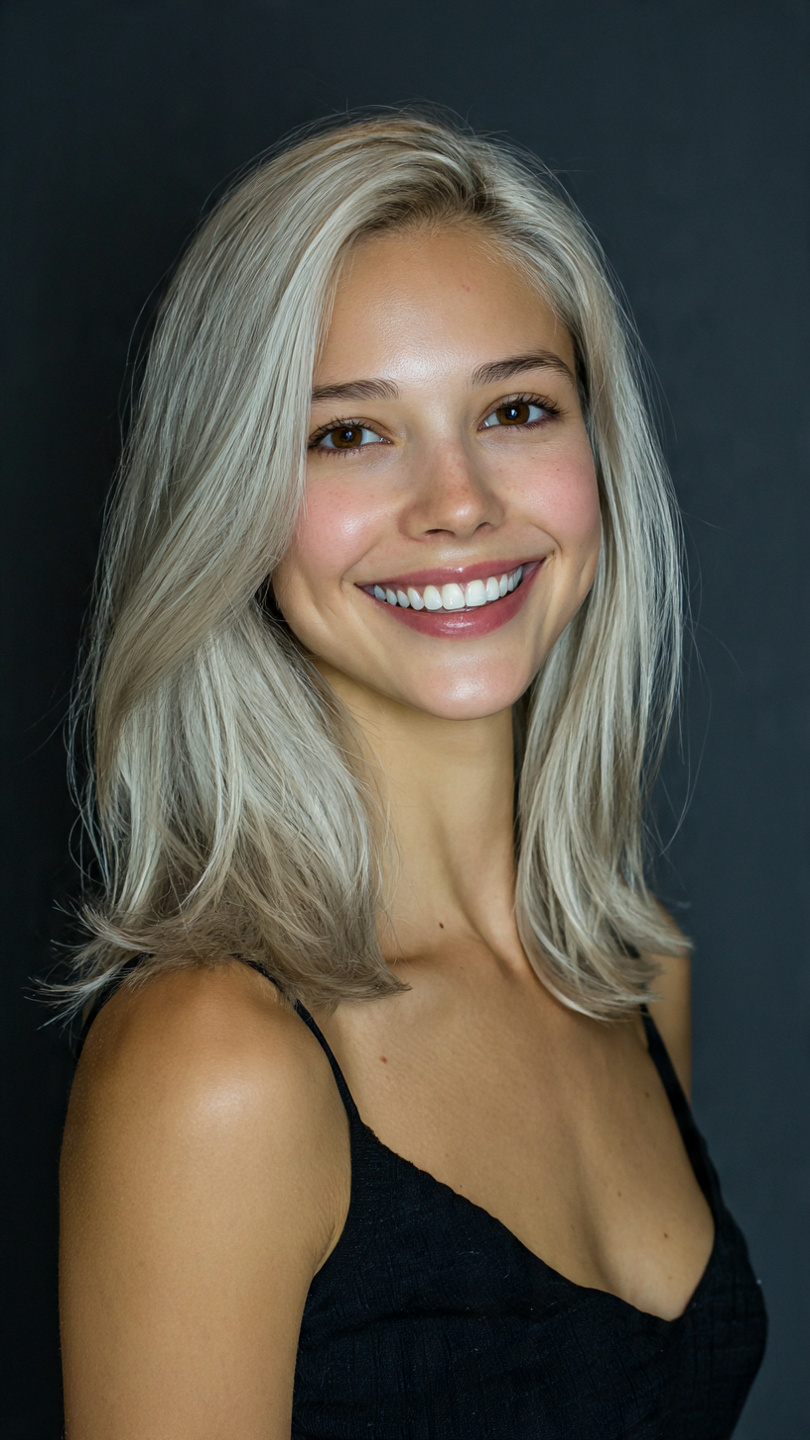
    Shaggy textured bob — tousled, edgy and effortlessly cool

    💡 Styling Tip: Texturizing spray is your best friend here. Work it through damp hair and scrunch — the messier, the better.

    ⏱ Best for: Medium to thick hair, women who want a low-maintenance style with edge

    11. The Cloud Bob

    Soft volume, airy texture, effortless movement — the cloud bob is all about that full, fluffy silhouette that looks touchable and modern without stiffness. Light layering and rounded shaping create the signature look. It’s especially popular for women over 40 because it gives hair body without requiring excessive styling or heat.

    Silver cloud bob with fringe — full, soft, beautifully shaped

    💡 Styling Tip: Use a large round brush when blow-drying, lifting at the roots for that signature cloud-like volume. Finish with a light volumizing mousse.

    ⏱ Best for: Fine to medium hair that needs volume and body

    12. The Side-Swept Bob

    A deep side part changes everything. The side-swept bob creates instant lift at the roots and camouflages flatness at the crown — a common concern for women over 40. The longer side sweeps elegantly over the eye, adding a touch of old-Hollywood glamour that never goes out of style.

    Side-parted black bob — bright, open and beautifully balanced

    💡 Styling Tip: Blow-dry in the direction of your part using a paddle brush, then set with a spritz of medium-hold hairspray.

    ⏱ Best for: Flat or fine hair, oval and heart face shapes

    13. The Feathered Bob

    Subtle, face-framing layers that feather outward give this bob its signature swing and softness. Enhanced with golden or silver tones to brighten the complexion, it’s a natural, unfussy style that looks like it took effort but didn’t. The refined, grown-up version of classic 70s layers.

    Silver-white lob — soft waves, graceful and sophisticated

    💡 Styling Tip: A large-barrel curling iron set on low heat creates gentle, feathery movement. Brush through lightly to soften the waves.

    ⏱ Best for: Women wanting a softer, face-framing look, straight to slightly wavy hair

    14. The Choppy Textured Bob

    Piece-y, undone, and full of character — the choppy textured bob uses razored or point-cut ends to create an effortlessly cool look. Toasted almond or warm chestnut tones add dimension that makes the texture pop even more. This cut keeps hair looking full and alive without needing constant styling.

    Blunt black bob — modern confidence, clean silhouette

    💡 Styling Tip: Rough-dry with your fingers, then add a pea-sized amount of pomade or wax through the ends to define the pieces.

    ⏱ Best for: Medium to thick hair, women wanting low-maintenance but high-style

    15. The Hydro Bob

    The most glamorous bob on the list — the hydro bob sits at or just above the collarbone with a high-gloss, shine-enhanced finish. Less about the cut and more about the styling: creamy, polished, intentionally radiant. A sleek, bold statement that commands any room.

    Sleek black blunt bob — polished, precise, powerful

    💡 Styling Tip: Use a shine serum on dry hair and a boar-bristle brush to smooth the surface. A gloss treatment at the salon every few months maintains the mirror-like finish.

    ⏱ Best for: Straight hair, women who love a polished, put-together look

    16. The Mushroom Blonde Bob

    It’s not just a cut — it’s a color moment. The mushroom blonde bob pairs a clean, blunt or softly layered bob with a cool-toned, muted blonde shade that flatters mature skin tones beautifully. The harmonious color creates a chic, wearable look that feels current without requiring frequent touch-ups.

    Platinum lob — sleek, bold, effortlessly modern

    💡 Styling Tip: Ask for a toner refresh every 6–8 weeks to keep the mushroom blonde cool and fresh. A purple shampoo twice a week maintains the tone.

    ⏱ Best for: Women going lighter, those wanting low-maintenance color, medium to fine hair

    17. The Pixie Bob

    The best of both worlds: shorter at the back and sides like a pixie, but with slightly longer front pieces that skim the jawline like a bob. This style opens the face beautifully, adds volume at the crown, and requires almost no styling time. A cut that looks intentional even when you’ve just rolled out of bed.

    Pixie bob — short structured back, lovely side profile

    💡 Styling Tip: A small amount of styling cream worked through the front pieces in the morning is all you need. Air-dry or a quick diffuse.

    ⏱ Best for: All hair textures, women ready for something bolder and very low maintenance

    18. The Asymmetrical Micro Bob

    Bold, modern, and totally customizable — the asymmetrical micro bob sits at cheekbone to jaw length with one side cut slightly longer than the other. The unexpected asymmetry adds edge and movement to a short cut without losing elegance. One of the most expressive and individual cuts on this list.

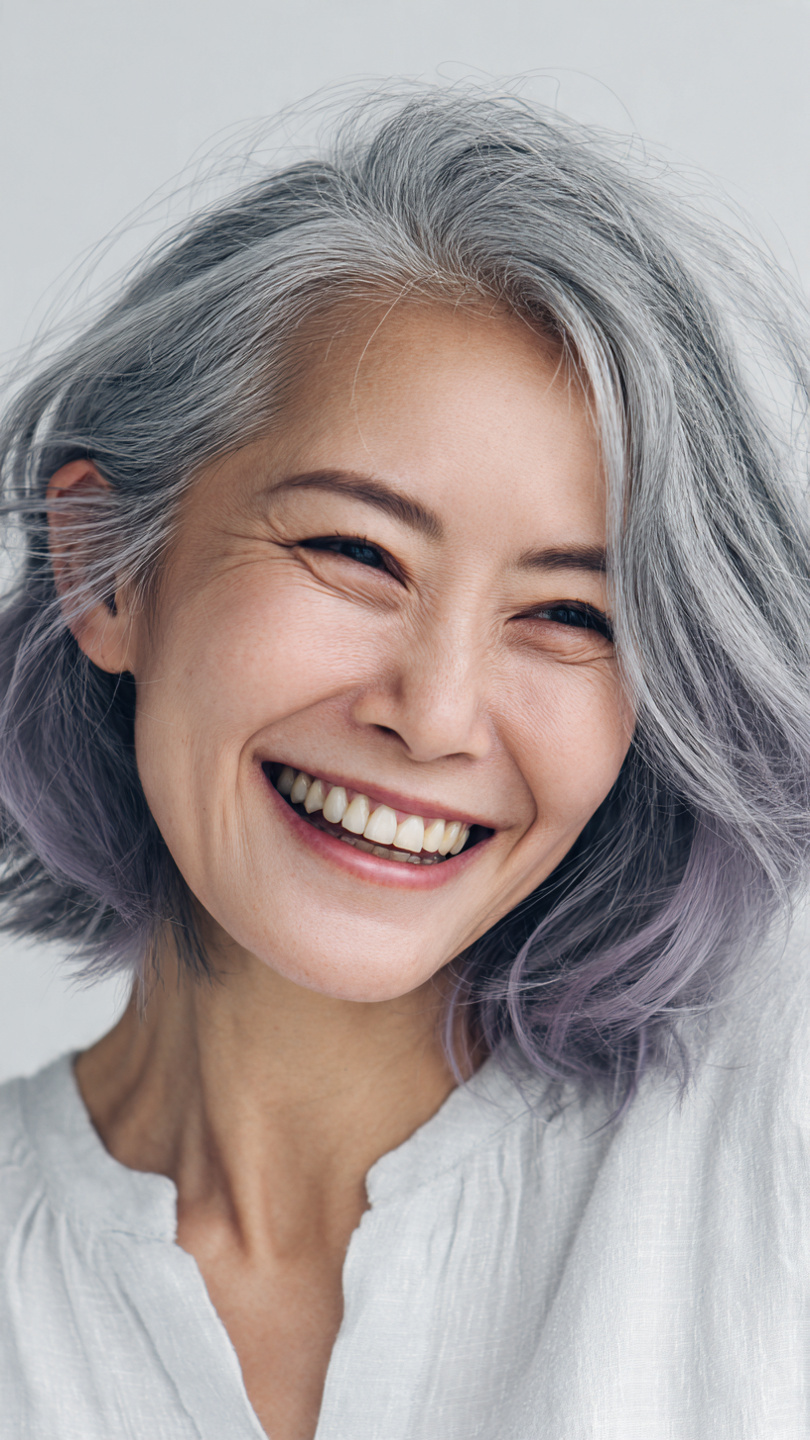
    Silver pixie with purple tones — daring, dimensional and fun

    💡 Styling Tip: Keep the longer side tucked behind the ear for a sleek day look, or let it fall forward for a dramatic evening feel.

    ⏱ Best for: Confident style-forward women, straight to wavy hair, oval and long face shapes

    19. The Sleek Tucked Bob

    Minimalist, modern, and incredibly polished — the sleek tucked bob sits neatly with a cool silver or platinum tone that makes the cut look purposeful and architectural. No fuss, no layers, no drama. Just clean lines and quiet confidence. A perfect choice for women who want hair that means business.

    White silver lob — timeless elegance, effortless style

    💡 Styling Tip: Use a flat iron on low heat and a tiny amount of smoothing serum to achieve that perfectly polished finish.

    ⏱ Best for: Straight hair, minimalist style preferences, professional settings

    20. The Gray-Blended Graduated Bob

    Embracing your silver is one of the most powerful beauty moves a woman over 40 can make — and a graduated bob is the perfect canvas for it. The stacking adds shape and volume, while gray blending adds depth and dimension that makes the cut look expensive and intentional. This isn’t ‘going gray’ — it’s a statement.

    Textured silver pixie — bold, modern, low-maintenance

    💡 Styling Tip: Ask for a ‘gray blending’ technique rather than a full gray grow-out — this softens the line between your natural color and silver for a seamless, gorgeous result.

    ⏱ Best for: Women embracing their natural gray, medium to thick hair, all face shapes

    Which Bob Is Right for You?

    The best bob is the one that fits your life. If you’re low-maintenance, go for the Pixie Bob or Soft Layered Bob. If you love a polished look, try the Hydro Bob or Box Bob. If you’re embracing your texture, the Curly Bob or Wavy Lob will be your new best friend.

    The key takeaway: bobs in 2026 are not about one look. They’re about your look. Find the variation that matches your texture, your lifestyle, and your confidence — then show your stylist this list.
    Save This for Your Next Salon Visit!

    Screenshot your favorite styles and bring them to your appointment. The more specific your references, the better your result.

  • 28 Textured Pixie Trends Redefining Maturity in 2026
    28 Textured Pixie Trends Redefining Maturity in 2026

    Short hair is having a “Master Maker” moment. This collection of 25 pixie styles moves beyond the traditional, introducing internal layers, ghost fringes, and the viral “Textured Shullet.” We’re breaking the rules of “age-appropriate” hair and replacing them with high-fashion silhouettes that frame the face and highlight your best features with edgy, artistic precision.

    Meet the 2026 Style Icons

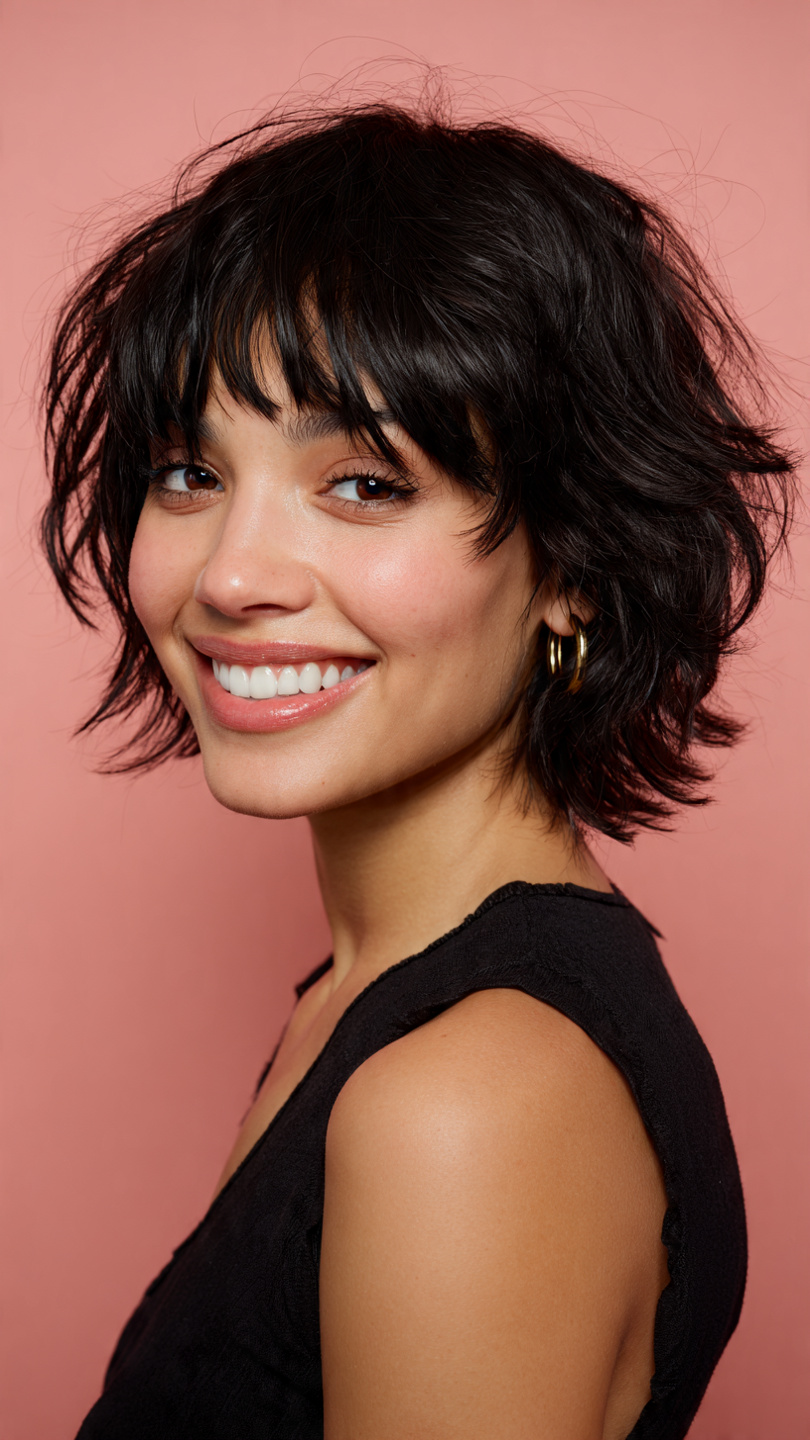
    1. The Sculpted Raven Shullet

    Our first model wears a deep brunette, textured “Shullet” that beautifully bridges the gap between a classic pixie and a modern shag.

    • The Look: Choppy, intentional layers create movement throughout the crown, while a soft, wispy fringe frames the forehead.
    • Why it Works: This style adds “internal lift,” providing volume that looks natural and effortless. It’s the perfect companion for a bold leopard print ensemble, proving that edgy silhouettes have no age limit.

    2. The Red-Carpet Power Pixie

    Showcasing sophisticated precision, our second model rocks a classic, tight-tapered pixie with a polished finish.

    • The Look: Close-cropped sides with just enough length on top to create a sleek, side-swept effect.
    • Why it Works: This cut highlights the bone structure—specifically the cheekbones and jawline—acting as an “architectural sculptor” for the face. It’s the ultimate choice for high-profile events where elegance is the priority.

    3. The “Silver Wing” Platinum Crop

    Our third model demonstrates the power of light and height with a stunning platinum-blonde textured cut.

    • The Look: Upward-swept layers at the crown provide incredible vertical volume, while the sides are kept neat and tapered.
    • Why it Works: By drawing the eye upward, this “Soft-Cloud” variation provides an instant brightening effect to the entire face. It’s a masterclass in using light colors to create a halo of sophisticated, modern energy.

    4. The “Internal Lift” Textural Pixie

    Our fourth model shows exactly how to manage fine or thinning hair with architectural layering.

    • The Look: This cut utilizes “Ghost Layers”—internal layering that provides incredible height at the crown without making the ends look thin.
    • Why it Works: By manually fluffing the top layers, as seen in the model’s styling process, you create a “Soft-Cloud” effect that radiates youthful energy. It is the ultimate “Master Maker” style for daily volume.

    5. The “Hollywood Architectural” Side-Sweep

    Demonstrated with red-carpet precision, this look is all about high-contrast silhouettes and bold confidence.

    • The Look: A deep, polished side-part with a long, sweeping fringe that grazes the eyes, paired with tightly tapered sides.
    • Why it Works: This is the “Architectural Sculptor” in action. It frames the face with a diagonal line, which naturally draws the eye upward and sharpens the cheekbones. It’s a sophisticated choice for evening elegance.

    6. The “Scandi-Precision” Taper

    For those who prefer a clean, streamlined aesthetic, this profile view showcases the beauty of a perfect taper.

    • The Look: The hair is cut close to the nape of the neck with longer, textured layers cascading forward from the crown.
    • Why it Works: It highlights the neckline and ears, making it the perfect frame for statement jewelry. This “wash-and-wear” style is for the woman who values a disciplined, expensive-looking silhouette that requires zero morning fuss.

    7. The “Internal Lift” Honey Pixie

    Our seventh model demonstrates the power of multidimensional color paired with strategic layering.

    • The Look: This style uses “Ghost Layers”—internal thinning and layering that provides volume at the crown while keeping the perimeter soft and wispy.
    • Why it Works: The honey-blonde highlights catch the light on every textured peak, making it an ideal choice for women looking to add the illusion of thickness to fine hair.

    8. The “Silver Halo” Precision Cut

    Showcasing the ultimate in sophisticated minimalism, this platinum look is all about a clean, bright frame.

    • The Look: A deep, side-swept fringe that blends seamlessly into tapered sides, creating a sleek, aerodynamic silhouette.
    • Why it Works: By keeping the length concentrated in a soft, forward-swept bang, this cut acts as an “Architectural Sculptor” for the eyes, drawing focus upward and providing a bright, open expression.

    9. The “Textured Shullet” in Espresso

    Our ninth model brings a rebellious, indie-sleaze energy to a mature silhouette with this dark, piecey cut.

    • The Look: Features a micro-fringe and elongated texture at the nape, perfectly capturing the viral “Shullet” trend.
    • Why it Works: The short, jagged bangs provide a bold frame for the face, while the added length at the back offers a soft, modern edge that breaks the rules of traditional “age-appropriate” styles.

    10. The “Radiant Rose” Color Transformation

    Our tenth model demonstrates how a bold color shift can completely revitalize a classic pixie silhouette.

    • The Look: A soft, rose-pink hue paired with a side-swept, layered fringe that adds immediate warmth and brightness to the complexion.
    • The Impact: This style moves away from the “standard” and embraces playful, high-fashion tones that break traditional age barriers.

    11. The “Architectural Auburn” Sculptor

    This model rocks a rich, copper-toned pixie that emphasizes sophisticated volume and clean lines.

    Story Pin image
    • The Look: Polished, upward-swept layers at the crown provide a structured, “expensive” feel while perfectly framing the cheekbones.
    • The Impact: This is the quintessential “Master Maker” style—disciplined, deliberate, and undeniably chic

    12. The “Platinum Precision” with Statement Frames

    Our twelfth model showcases how a textured pixie serves as the ultimate canvas for bold accessories.

    • The Look: A cool-toned platinum crop with “Ghost Layers” that provide soft, internal lift without excess bulk.
    • The Impact: By keeping the hair sleek and textured, it draws the eye to face-framing elements like cat-eye glasses, proving that short hair is an architectural asset for a curated look.

    13. The “Natural Coil” Micro-Pixie

    Our thirteenth model showcases the beauty of natural texture in a tight, architectural crop.

    • The Look: A very short, uniform length that follows the natural curve of the head, allowing the salt-and-pepper texture to shine.
    • The Impact: This is the pinnacle of “low-maintenance luxury”. It highlights facial features with zero distraction, making it the perfect choice for women who want a bold, unapologetic look.

    14. The “Shattered Silver” Wing

    This model rocks a highly textured, multi-tonal grey pixie that is all about movement and “internal lift.”

    • The Look: Long, piecey layers at the crown are swept forward and upward, creating a “shattered” effect that breaks up the hairline.
    • The Impact: By using darker lowlights against a silver base, this cut adds incredible dimension and density to the hair, acting as a “Soft-Cloud” style that feels light and airy.

    15. The “Sleek Steel” Side-Part

    Our fifteenth model demonstrates a polished, sophisticated take on the pixie with a deep side-sweep.

    • The Look: A clean, disciplined part with hair smoothed across the brow, transitioning into perfectly tapered sides.
    • The Impact: The cool, steel-grey tone provides a modern, high-fashion edge that pairs beautifully with bold geometric prints, embodying the “Architectural Sculptor” aesthetic.

    16. The “Bright Silver” Spiked Taper

    Our sixteenth model proves that silver hair is the ultimate canvas for “vertical volume.”

    This may contain: an older woman with grey hair smiling at the camera, wearing a black and white dress
    • The Look: Tightly cropped sides with a “shattered” top that is styled upward and forward.
    • Why it Works: This acts like a natural facelift. By drawing all the textural energy upward, it sharpens the jawline and opens up the eye area.

    17. The “Scandi-Sleek” Bowl Pixie

    A masterclass in precision and discipline, this platinum-blonde look is for the minimalist.

    Story Pin image
    • The Look: A heavy, straight-across fringe that blends into a rounded, ear-grazing silhouette.
    • Why it Works: This is the “Architectural Sculptor” in its purest form. It creates a bold, horizontal line that highlights the cheekbones and gives the illusion of thicker, denser hair.

    18. The “Wavy Wing” Platinum Bob-Pixie

    For those who want a softer transition from a bob to a pixie, this hybrid style is the winner.

    • The Look: Elongated, wavy layers on one side with a deep tuck behind the ear.
    • Why it Works: The “S-curve” of the wave softens facial features while the short back keeps it feeling light and modern.

    19. The “Mulberry” Textured Crop

    Our nineteenth model brings a bold, wine-colored energy to the collection.

    • The Look: A high-contrast, piecey pixie with jagged micro-bangs and deep mahogany tones.
    • Why it Works: The dark, rich color adds “visual weight,” making it perfect for women who want their hair to feel substantial and edgy.

    20. The “Golden Hour” Spiked Pixie

    Our twentieth model rocks a warm, honey-blonde pixie that prioritizes “vertical movement.”

    • The Look: This style features long, wispy pieces at the crown that are styled upward and outward to create a sun-drenched, airy silhouette.
    • Why it Works: The warm tones soften the complexion, while the height at the top provides that sought-after “natural lift” for the jawline.

    21. The “Minimalist Silver” Micro-Taper

    For the woman who wants total sophistication with zero effort, this multi-angle view shows the beauty of a perfect taper.

    • The Look: This is a classic “Scandi-Crop”—cut extremely close to the nape of the neck with soft, uniform texture across the crown.
    • Why it Works: It is the ultimate “Architectural Sculptor.” By removing bulk from the neck and ears, it highlights the natural elegance of the profile.

    22. The “Emerald Rebel” Textural Crop

    This model proves that bold, high-fashion color isn’t just for the younger generation.

    • The Look: A vivid forest-green pixie with deep, textured layers that allow for “fluffed” volume at the roots.
    • Why it Works: This style breaks all the “age-appropriate” rules. The bold color draws focus to the eyes, while the textured top makes it a perfect “Soft-Cloud” variation for thinning hair.

    23. The “Slate Wing” Profile

    Our twenty-third model demonstrates a flawless silver-grey profile that emphasizes height and flow.

    • The Look: The hair is swept back from the face in a “Winged” motion, paired with a clean, tapered finish behind the ears.
    • Why it Works: This look acts as a frame for statement jewelry (like those stunning silver discs). It’s disciplined yet full of life, embodying the “Master Maker” spirit.

    24. The “Silver Coil” Architectural Pixie

    Our twenty-fourth model showcases the ultimate fusion of natural curls and high-fashion structure.

    • The Look: This is a “Soft-Cloud” masterpiece. The natural silver coils are tapered closely at the sides and nape, leaving maximum volume and “bounce” at the crown.
    • Why it Works: It uses the hair’s natural “gauge” to create height. By keeping the perimeter tight, the curls act as a sculptural element that lifts the features and celebrates texture without the bulk.

    25. The “Golden Ghost” Layered Fringe

    We finish with a polished, multidimensional blonde pixie that relies on precision internal work.

    • The Look: This style features “Ghost Layers”—internal thinning that allows the hair to lay flat and sleek while maintaining a hidden, airy volume that moves with you.
    • Why it Works: The piecey, eye-grazing fringe provides a youthful frame, while the warm golden tones offer a high-end salon finish. It’s the “Plain Beanie” of haircuts: seemingly simple, but technically superior.

    26. The “Silver Coil” Sculpted Taper

    A striking, high-contrast look that celebrates natural texture through a refined, architectural silhouette.

    • The Look: This style features a tight, graduated taper on the sides and back, transitioning into a lush, coiled crown. The silver-and-charcoal palette creates a “salt and pepper” depth that defines every individual ringlet.
    • Why it Works: By keeping the perimeter clean and short, the focus shifts upward to the volume and movement of the curls. It’s the “Tailored Blazer” of haircuts: sharp, professional, and effortlessly sophisticated.

    27. The “Cloud-Shadow” Textural Pixie

    A soft yet structured cut that plays with the interplay between deep natural tones and bright, airy highlights.

    • The Look: This pixie utilizes a “shadow root” technique, where the darker base at the temples and nape provides a grounded foundation for the frosted, spiraled layers on top.
    • Why it Works: The tight crop around the ears emphasizes the cheekbones, while the bouncy texture on top adds height without the weight. It’s the “Silk Scarf” of styles: adding a touch of elegance and lightness to a classic frame.

    28. The “Sonic Spike” Platinum Shag

    A bold, avant-garde take on the short crop that uses aggressive internal texturizing to create a high-energy finish.

    • The Look: This style is defined by “Point Cutting”—snipping into the ends at an angle to create jagged, multidimensional spikes. The cool platinum tone enhances the visual “sharpness” of the hair.
    • Why it Works: It breaks away from traditional soft shapes to offer something edgy and tactile. The crown is designed for maximum “lift,” making it the “Leather Jacket” of the group: rebellious, textured, and full of personality.

    Deconstructing the Modern Pixie

    Contrary to popular belief, the pixie is not merely a “short haircut”—it is a masterclass in architectural weight distribution.

    • The Texture: Observe the “point-cutting” technique along the top. This strategic removal of bulk infuses the hair with movement and prevents the dreaded “helmet-head” effect, allowing the style to breathe.
    • The Taper: The sides and back are closely cropped or faded to hug the natural contour of the head. This sharp definition elongates the neck and creates a clean, sophisticated silhouette that frames the face.

    Achieving the Silver Luminescence

    Natural grey hair possesses a unique texture; it is often coarser and more prone to dullness due to environmental stressors.

    • Neutralizing Brass: Grey hair can develop a yellowish cast from sun exposure or mineral buildup in water. To maintain an “icy” silver, recommend a purple shampoo used once weekly to banish warmth and keep the tone radiant.
    • The Hydration Imperative: Because grey hair lacks melanin, it can feel drier to the touch. To achieve that “HD” glossy finish seen in the remastered photos, a lightweight smoothing oil or leave-in conditioner is non-negotiable for sealing in moisture and shine.

    Versatility in Styling

    The true genius of this cut lies in its transformative range.

    • The “Piecey” Texture: For an undone, modern look, work a matte pomade or wax through dry hair to define individual strands and create separation.
    • The Sleek Finish: For a high-impact, red-carpet aesthetic, apply a light-hold gel and comb the hair flat against the head for a slick, architectural finish.
    • The Amplified Volume: To inject a dose of youthful edge, a sprinkle of root-lifting powder at the crown adds instant height and attitude.

    The Conclusion

    The pixie cut transcends convenience; it is an architecture of confidence. It removes the safety net of lengthy hair to put the focus squarely where it belongs: on the eyes, the bone structure, and the expression. Whether embracing the natural grey transition or seeking a dramatic refresh, the pixie stands as proof that less is not just more—it is everything.