
The transition into your 50s often brings a shift in hair texture, with strands becoming finer and density naturally decreasing. While thinning hair can feel like a challenge, it is actually an invitation to embrace precision cutting and strategic styling that prioritizes health and movement. The goal isn't just to add volume, but to choose a silhouette that complements your facial structure and fits a lifestyle centered on intentionality and ease.
Finding the right look is about moving away from heavy, weighed-down lengths and toward styles that create the illusion of thickness. From architectural bobs to textured pixies, modern techniques can breathe new life into fine hair, proving that sophisticated, high-impact style doesn't require a high-maintenance routine. Whether you prefer a polished, "quiet luxury" aesthetic or a soft, lived-in feel, these curated cuts are designed to celebrate your natural texture while providing the longevity and lift you need.
20 Masterful Haircuts for Fine, Thin Hair To Try In 2026:
The Dimensional Midi-Cut
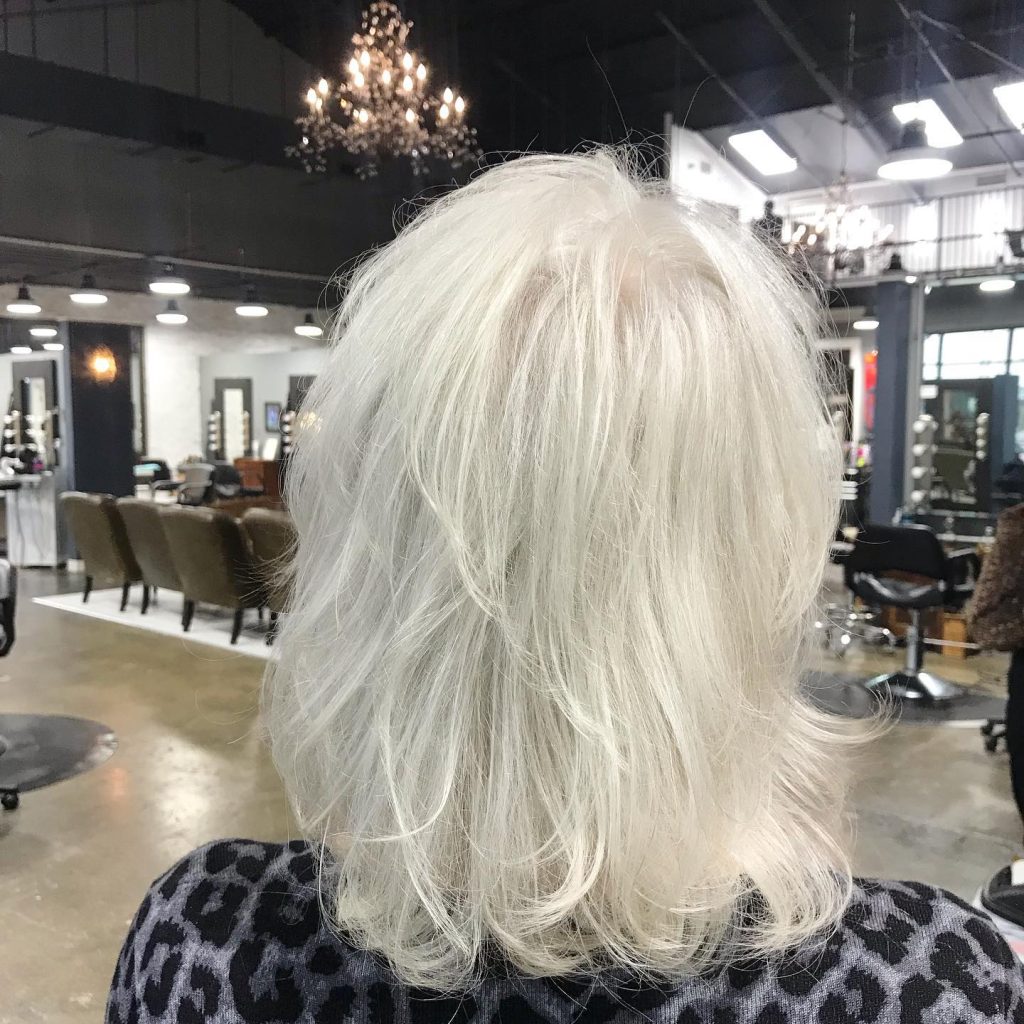
For those who aren't ready to commit to a short crop, a mid-length cut with internal layering is an excellent choice. By incorporating soft, graduated layers throughout the back and sides, the hair gains a sense of movement that prevents fine strands from laying flat against the scalp. This style works particularly well for women with natural silver or platinum tones, as the layers catch the light and create a multi-dimensional effect that mimics the appearance of thicker hair.
The Precision Stacked Bob
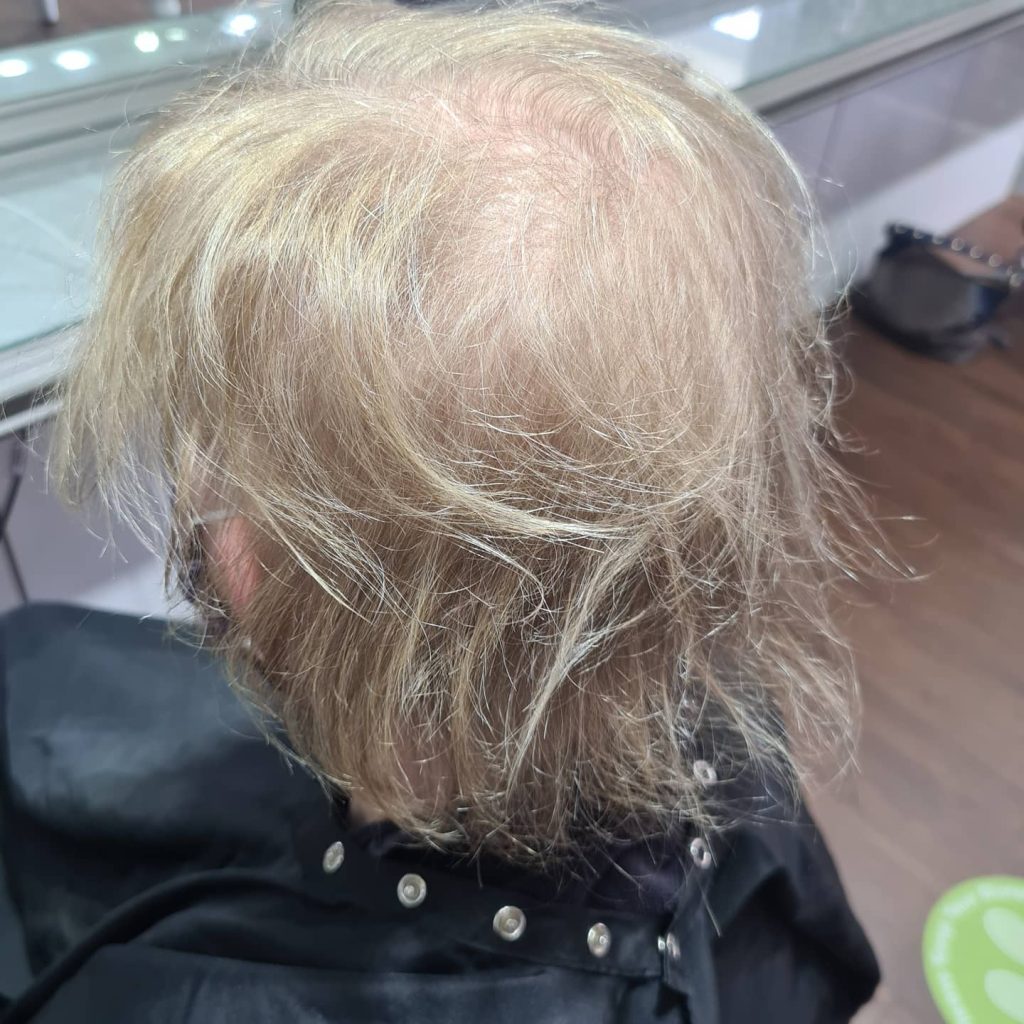
A classic stacked bob is perhaps the most effective silhouette for creating immediate density. By concentrating the weight at the nape of the neck and tapering the hair inward, the style naturally pushes the remaining hair upward and outward. This architectural approach provides a "built-in" lift at the crown, offering a sophisticated and polished look that requires very little daily styling to maintain its shape.
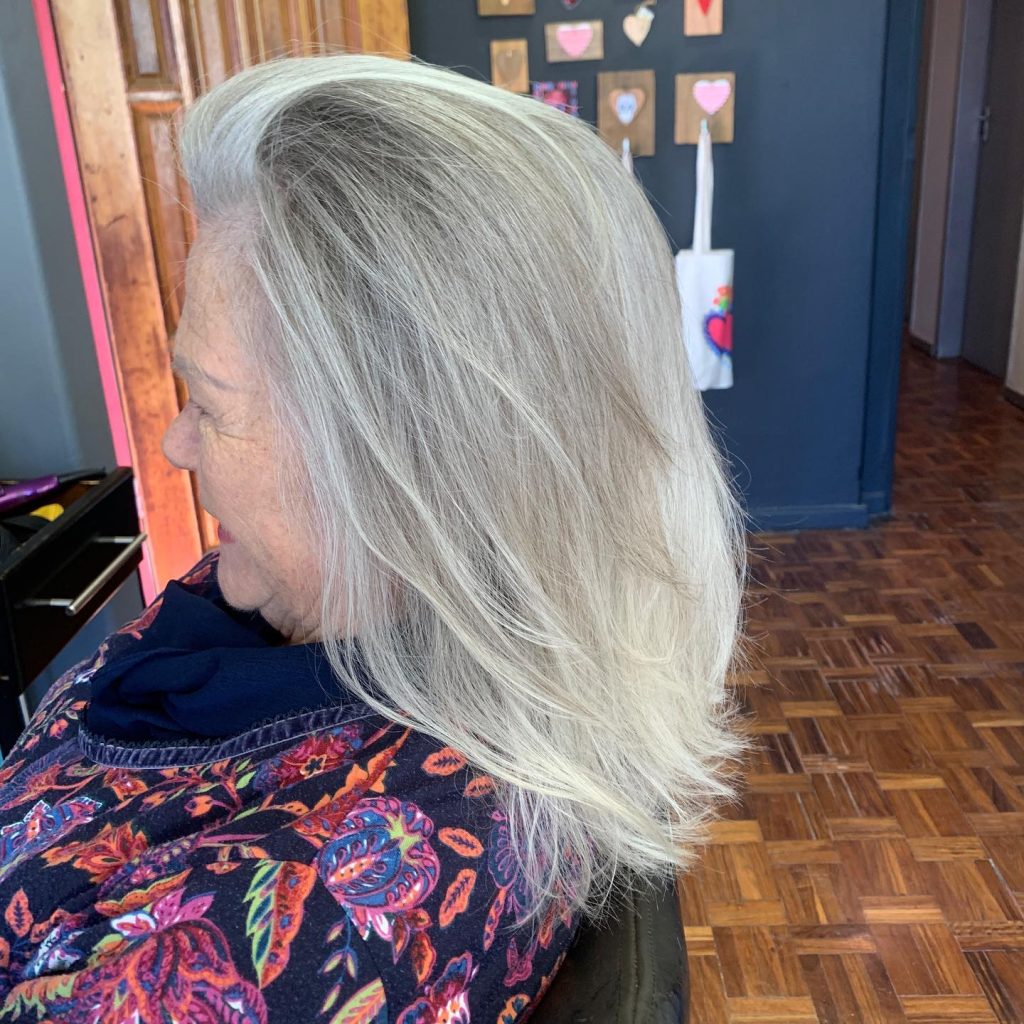
The Swept-Back Voluminous Lob
Length can often weigh down fine hair, but a long bob (or "lob") that is styled away from the face can counteract this. Utilizing a deep side part or sweeping the hair back from the hairline creates height right where thinning is often most noticeable. This technique keeps the ends blunt to maintain a strong perimeter line—making the hair look fuller from root to tip—while the face-framing flow adds an air of effortless elegance.
Protective Styling and Scalp Care
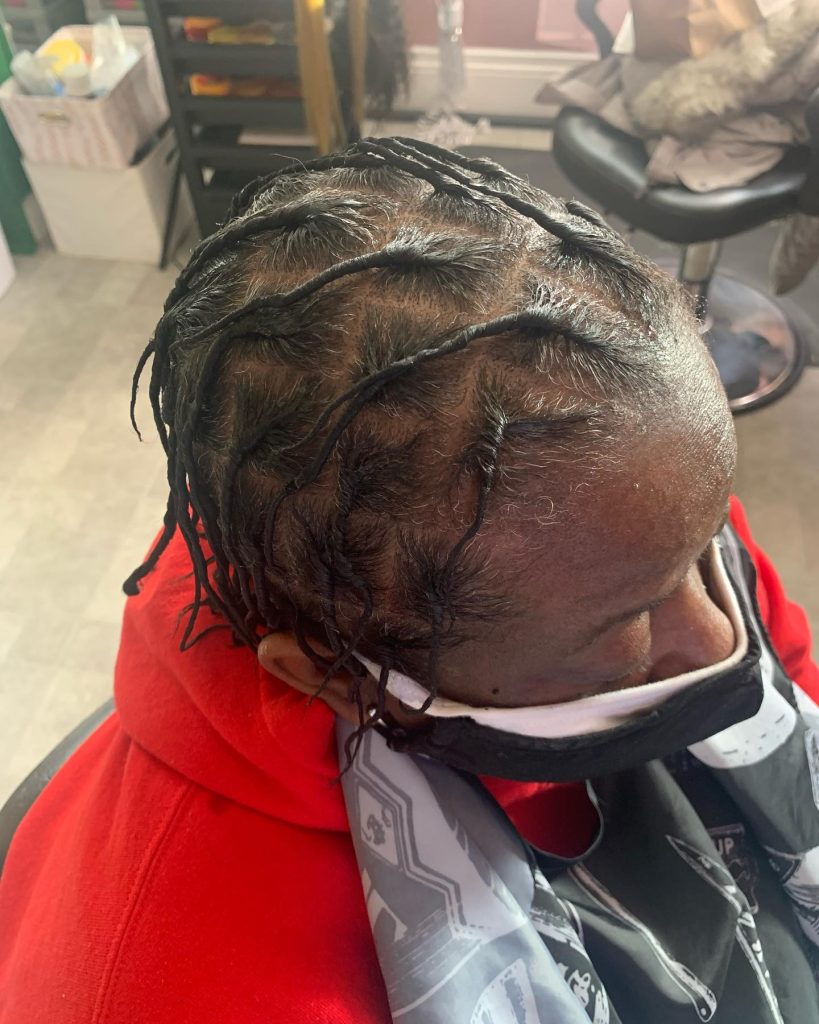
Addressing thinning hair also involves protective techniques that prioritize scalp health and minimize tension on fragile follicles. For women experiencing more significant thinning, strategic sectioning and soft, protective styles can provide a clean and intentional look. These methods allow for the use of scalp treatments and provide a rest period for the hair, ensuring that the focus remains on long-term hair health and comfort without sacrificing personal style.
The Textured Tapered Pixie
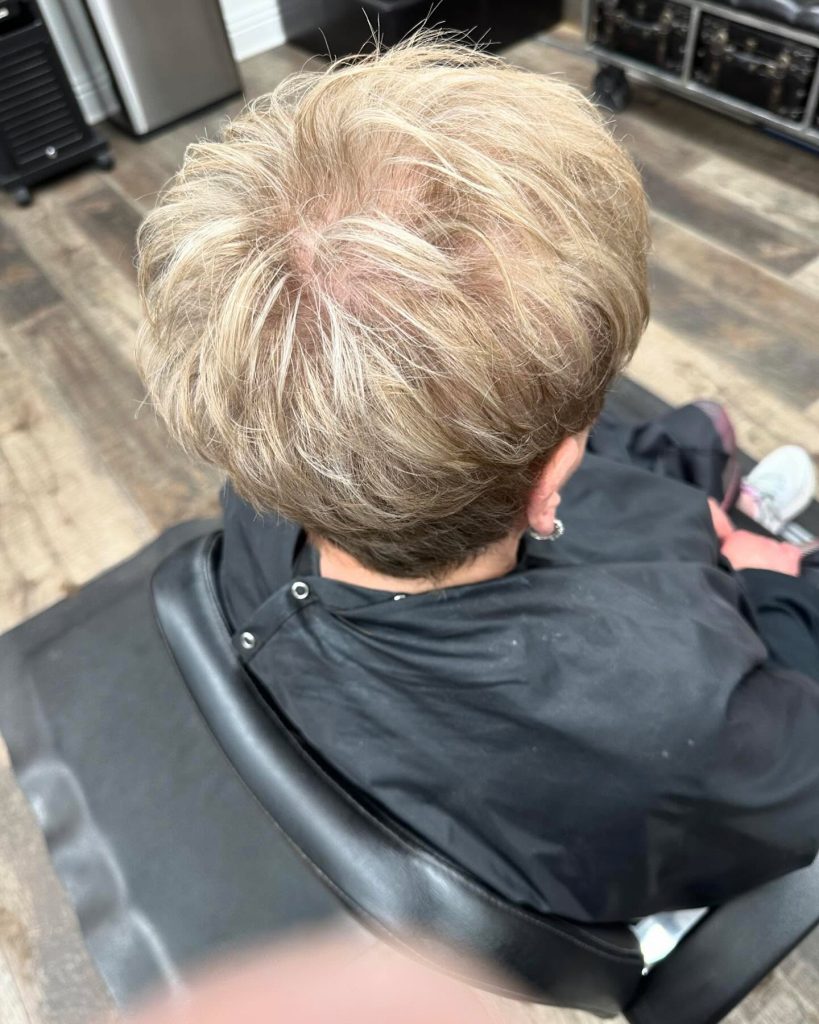
For women experiencing thinning at the crown, a tapered pixie with piecey texture is a game-changer. By keeping the hair shorter on the sides and back, the eye is naturally drawn upward toward the fuller sections on top. Using a lightweight texturizing paste allows you to "lift and separate" the strands, which hides the scalp more effectively than a flat, uniform cut. This style is the epitome of effortless chic, offering a youthful energy that is incredibly easy to manage.
The Sculpted Wedge
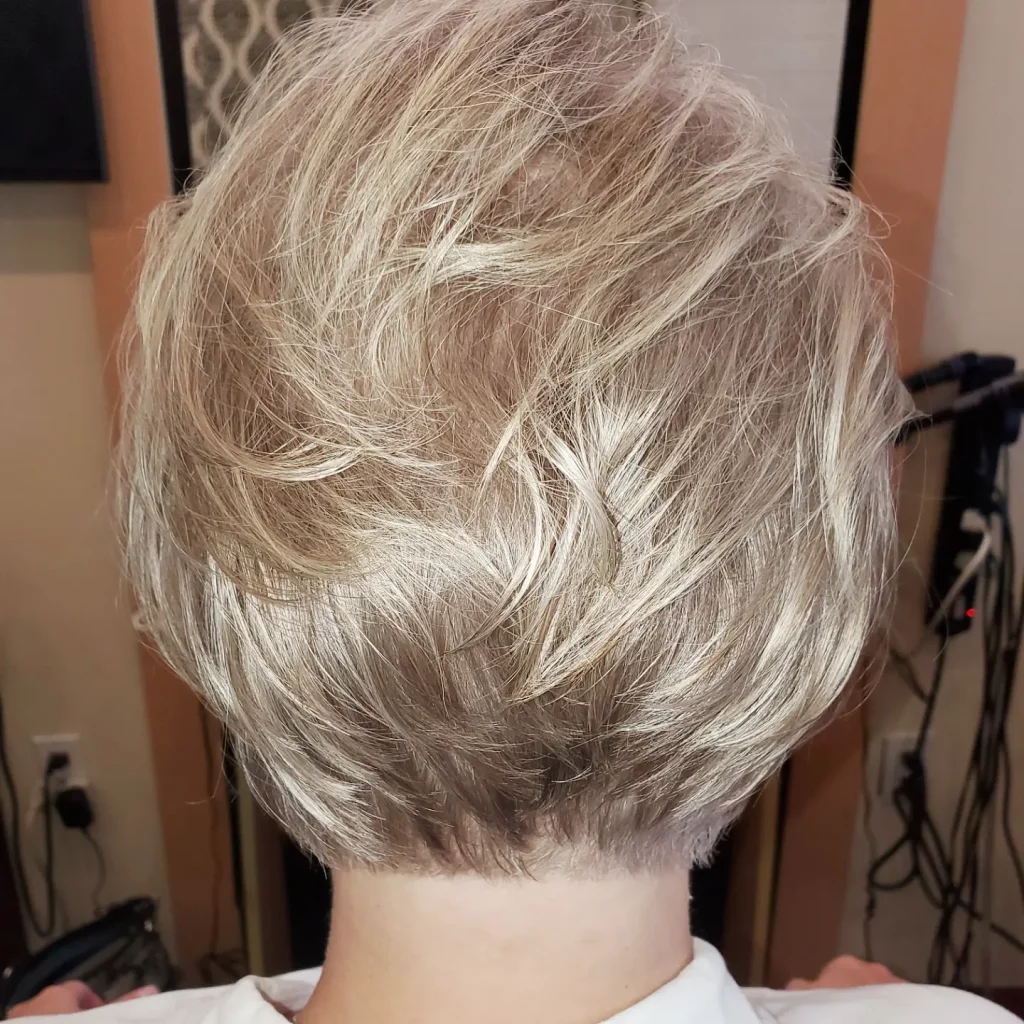
The sculpted wedge is a masterclass in using geometry to create the illusion of thickness. By creating a sharp, clean line at the nape and allowing for soft, wispy layers through the mid-section, this cut provides a structural foundation that fine hair often lacks. The result is a silhouette that looks intentional and dense from every angle, making it an ideal choice for those who want a sophisticated, "quiet luxury" finish to their look.
The Soft-Feathered Crop
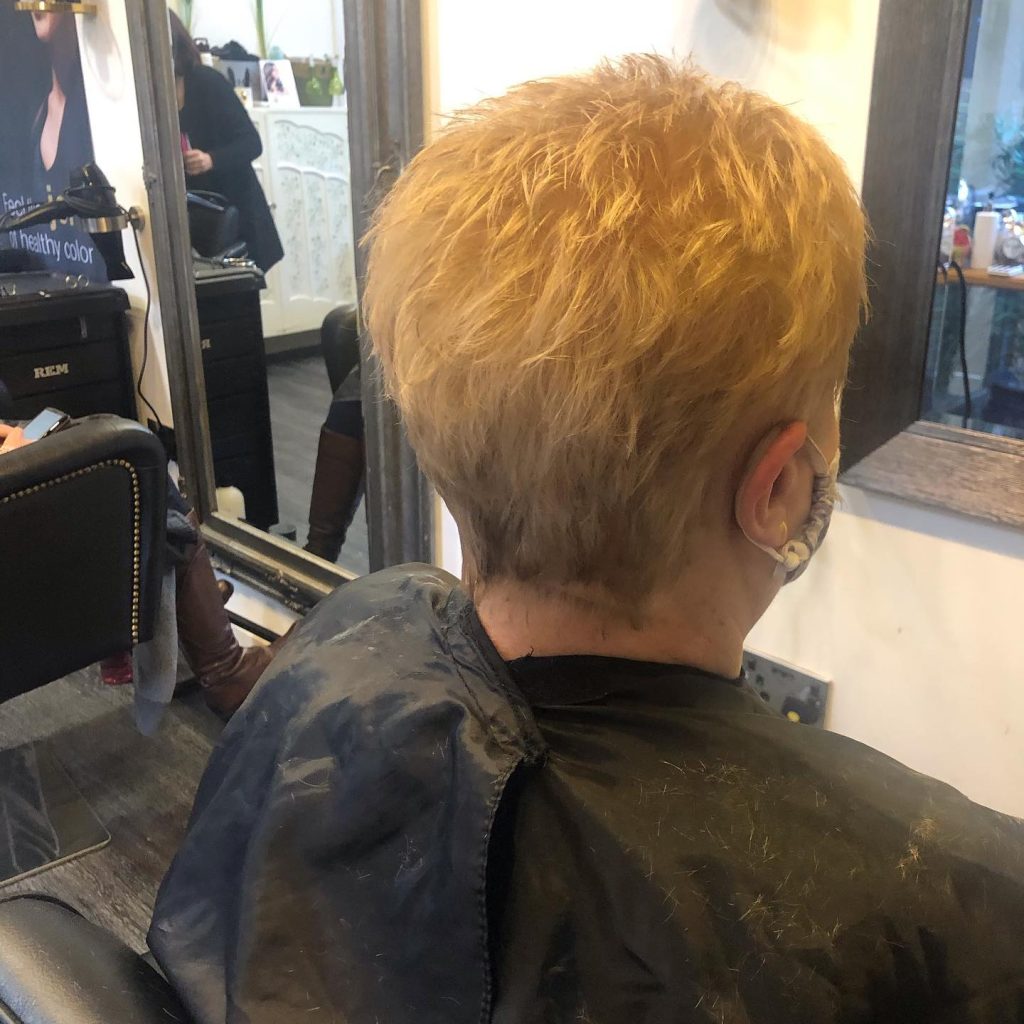
If your hair is fine but still has a bit of natural bend, a soft-feathered crop is a beautiful way to embrace that movement. This cut relies on light, feathery layers that can be brushed forward or swept to the side to provide coverage where needed. The multidimensional tones of blonde or silver further enhance this effect, as the highlights and lowlights create depth, making the hair appear much more voluminous than a single-toned, blunt cut would.
Intentional Styling for Hair Health
When working with delicate or sparse strands, the focus shifts to low-tension techniques that protect the hair you have. Incorporating soft twists or sectioned styles can offer a unique aesthetic while keeping the hair organized and reducing the need for harsh heat or heavy product buildup. This approach prioritizes the longevity of the hair and the health of the scalp, ensuring that your style remains as resilient as it is beautiful.
The Blunt-Edge Midi
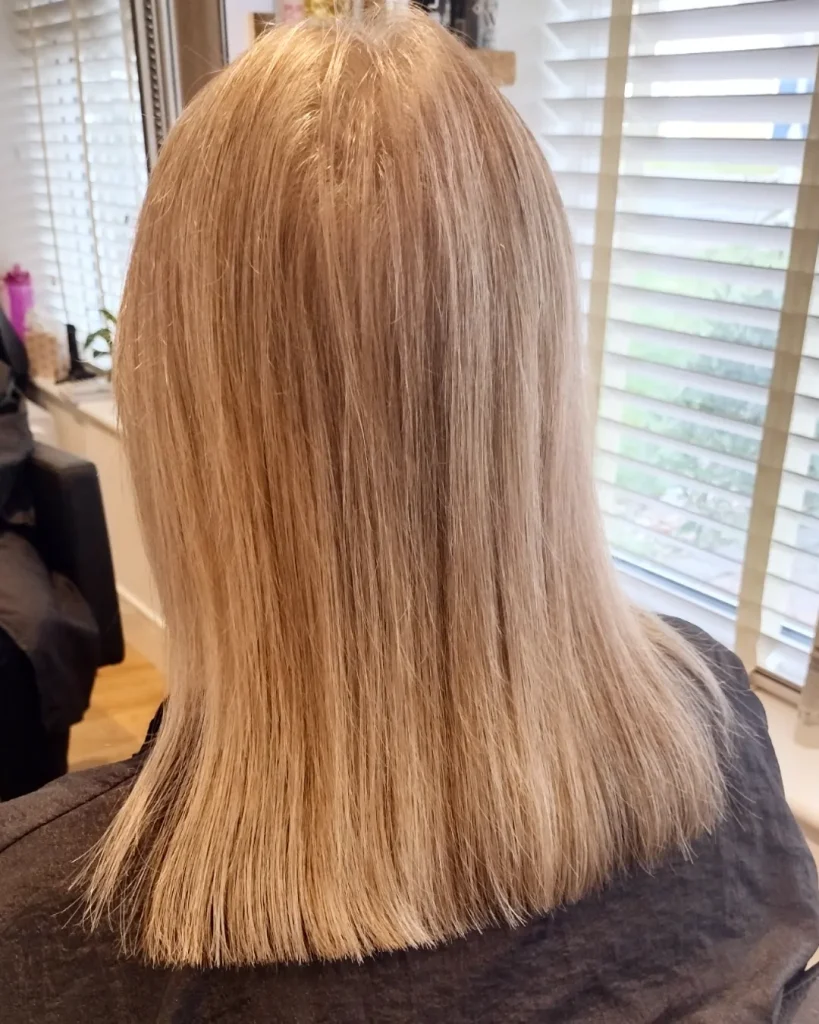
While layering is a common go-to for fine hair, a blunt-cut midi style offers a different kind of power. By maintaining a crisp, straight line at the ends, you create a visual "weight" that makes thin hair appear much denser than it actually is. This look is perfect for those who prefer a minimalist, clean aesthetic. Keeping the length just past the shoulders provides enough versatility for an elegant low bun or a sleek, polished down-look, embodying a timeless sense of "aesthetic longevity."
The Faux-Hawk Pixie
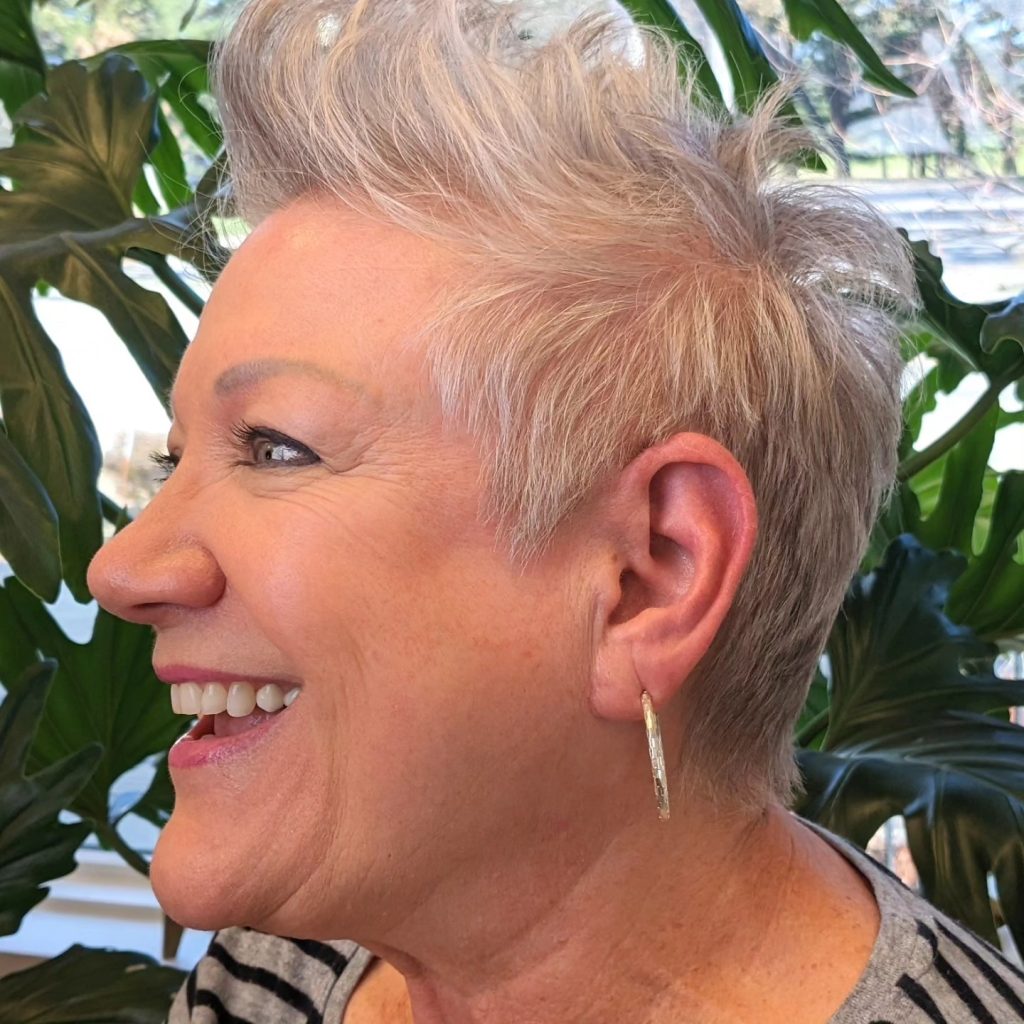
For a bold, high-energy transition, the faux-hawk pixie uses verticality to solve the problem of flat hair. By keeping the sides tightly tapered and the top section longer and swept upward, you create instant height and volume. This architectural style draws focus to the eyes and cheekbones, offering a spirited and modern alternative to more traditional short cuts. It is an ideal solution for those who want to turn thinning into a deliberate, edgy style statement.
The Voluminous Shag with Bangs
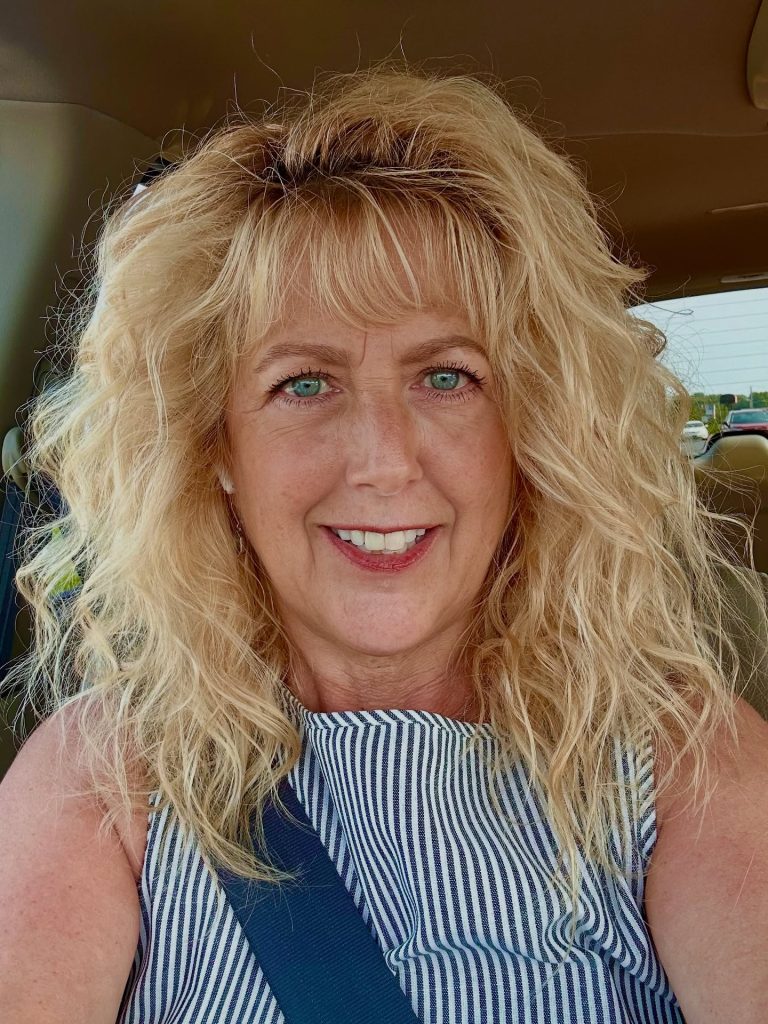
Embracing natural waves and curls is one of the most effective ways to mask thinning. A modern shag utilizes shorter layers around the crown and soft, wispy bangs to create a halo of volume. The "organized chaos" of the curls adds surface area to the hair, making the overall silhouette look much fuller. Adding fringe is particularly helpful for concealing a receding hairline or thinning at the temples, providing a soft, face-framing effect that feels both nostalgic and fresh.
The Soft Ringlet Crop
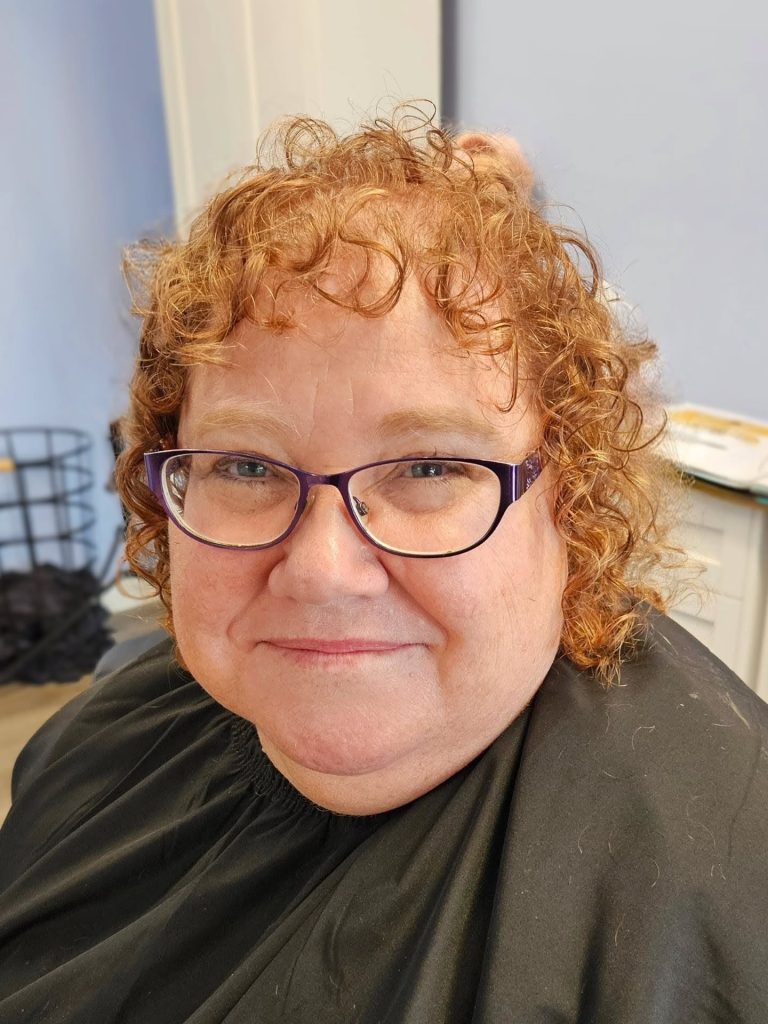
Natural curls don't have to be long to be high-impact. A short, rounded crop that follows the natural curl pattern allows fine hair to "stack" upon itself, creating organic lift without the need for heavy styling products. By keeping the length concentrated around the face and forehead, this cut provides excellent coverage while highlighting a playful, effortless vibe. It’s a low-maintenance choice that relies on the hair's natural bounce to provide all the necessary volume.
The Angled Micro-Bob
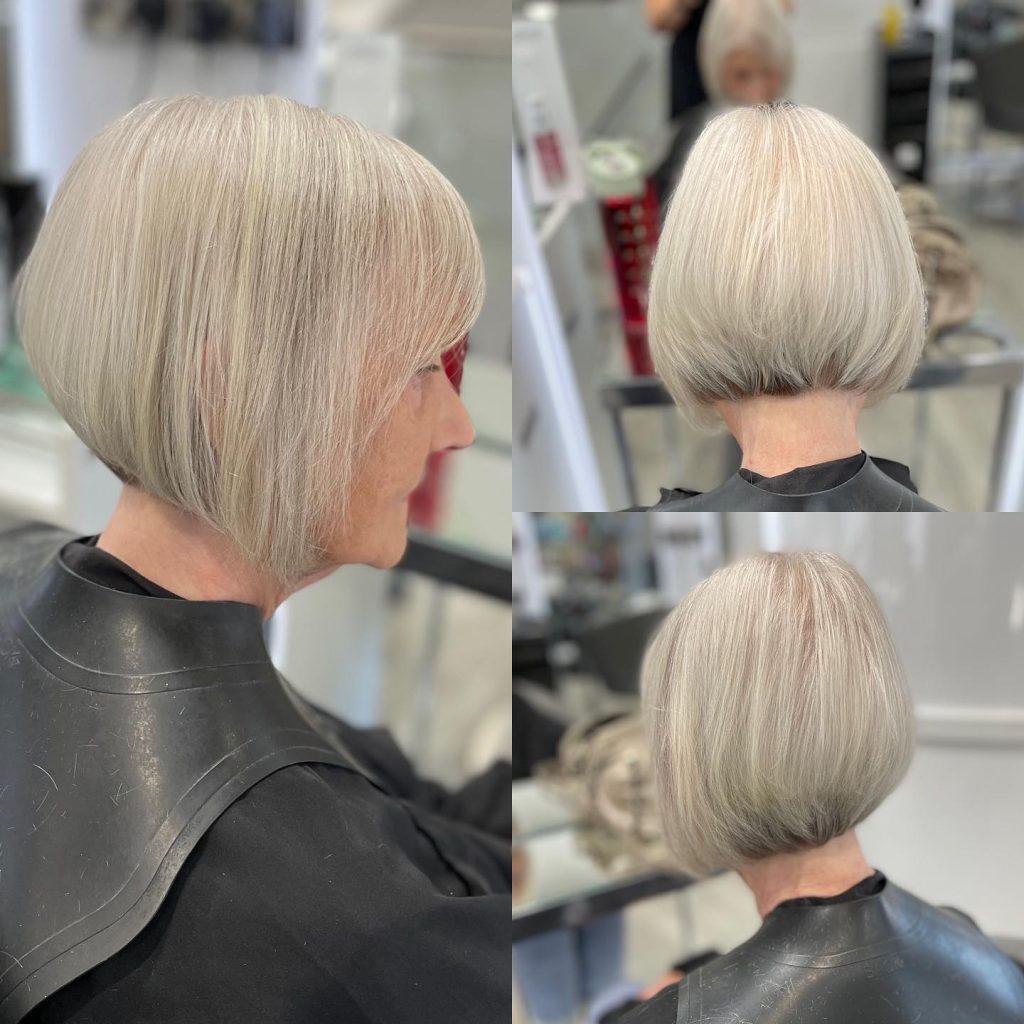
A sharp, angled bob that hits just below the earlobe is a masterclass in creating density through structure. By keeping the length slightly shorter in the back and allowing it to graze the jawline in front, you create a dramatic silhouette that feels thick and intentional. This architectural cut works beautifully for those who want a polished, high-fashion look that remains manageable. The clean, straight lines minimize the appearance of "wispy" ends, providing a solid frame that enhances the facial structure.
The Sculpted French Twist
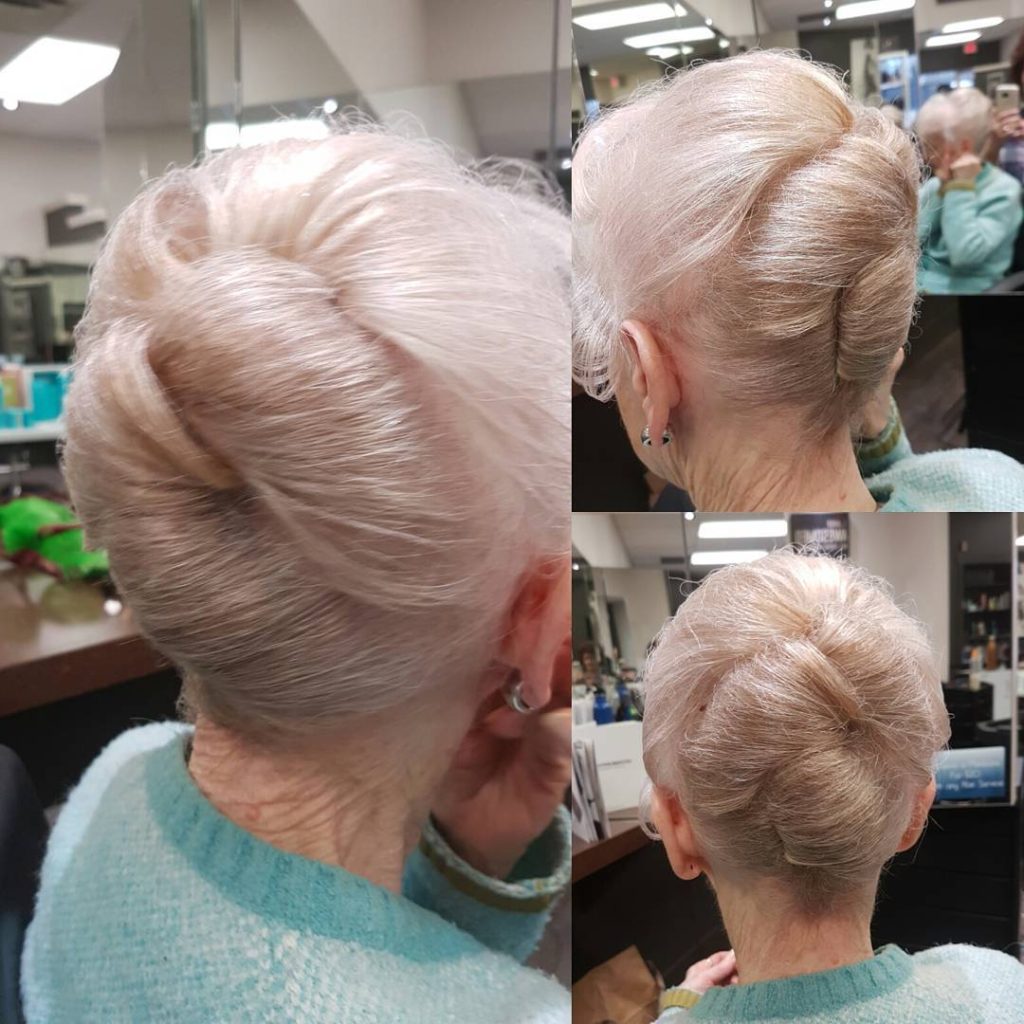
Formal styling for fine hair is all about strategic placement and volume-building techniques. A soft, sculpted French twist is an excellent choice for special occasions, as the folding process allows you to tuck ends away and create a sense of fullness at the back of the head. By gently loosening a few strands around the crown, you can create a soft, airy height that masks thinning areas while maintaining a sleek, secure hold.
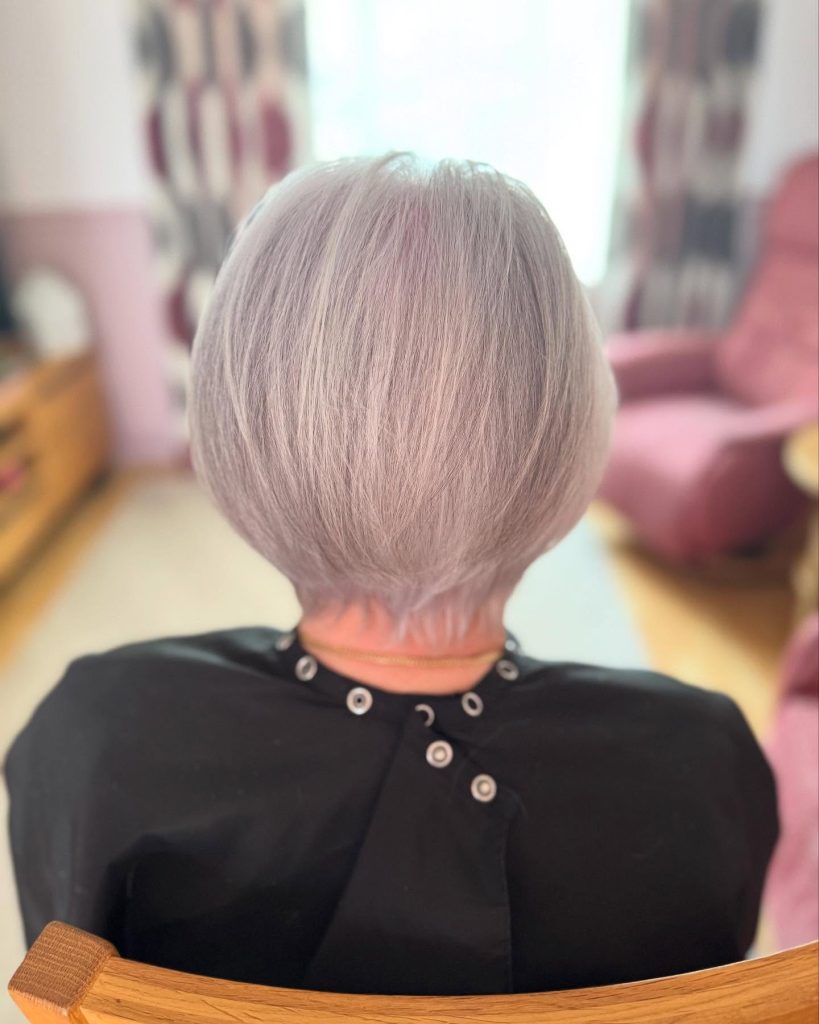
The Platinum Pageboy
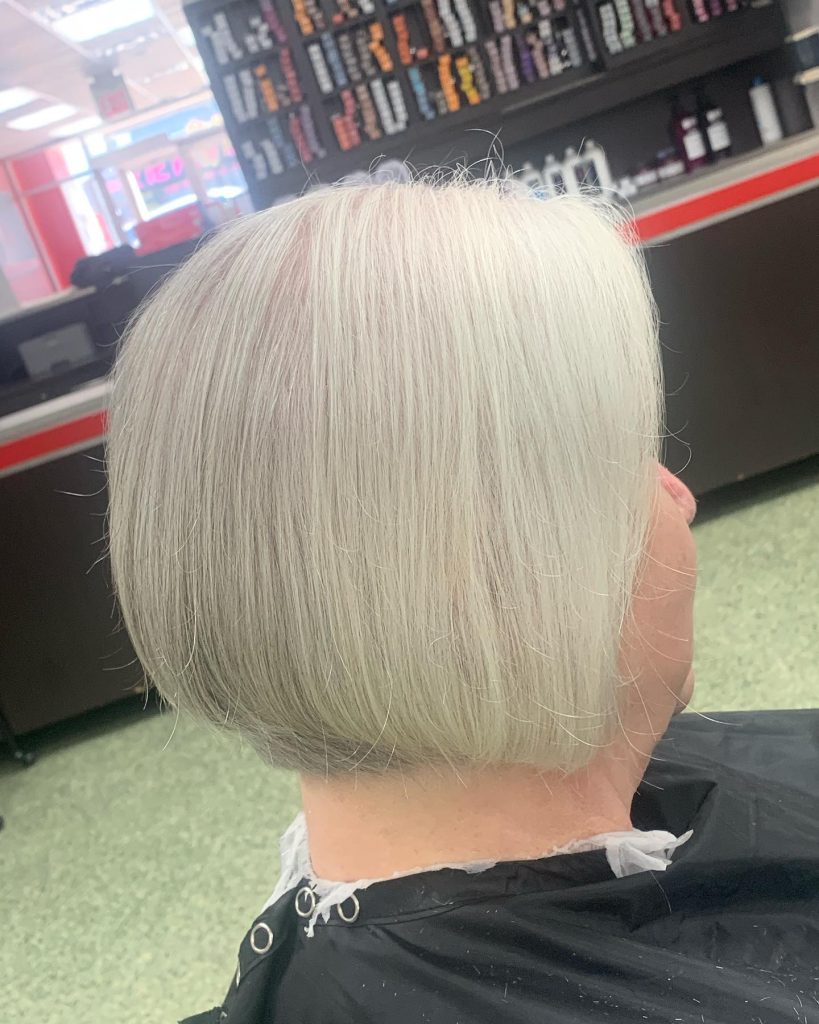
The classic pageboy cut is reimagined for modern elegance with a soft, rounded perimeter and smooth finish. For fine hair, this style is particularly effective because it relies on a uniform length to create a "curtain" of hair that looks exceptionally healthy and dense. When paired with bright platinum or silver tones, the light reflects off the smooth surface, giving the hair a luminous, vibrant quality that feels both youthful and incredibly refined.
The Intricate Low Chignon
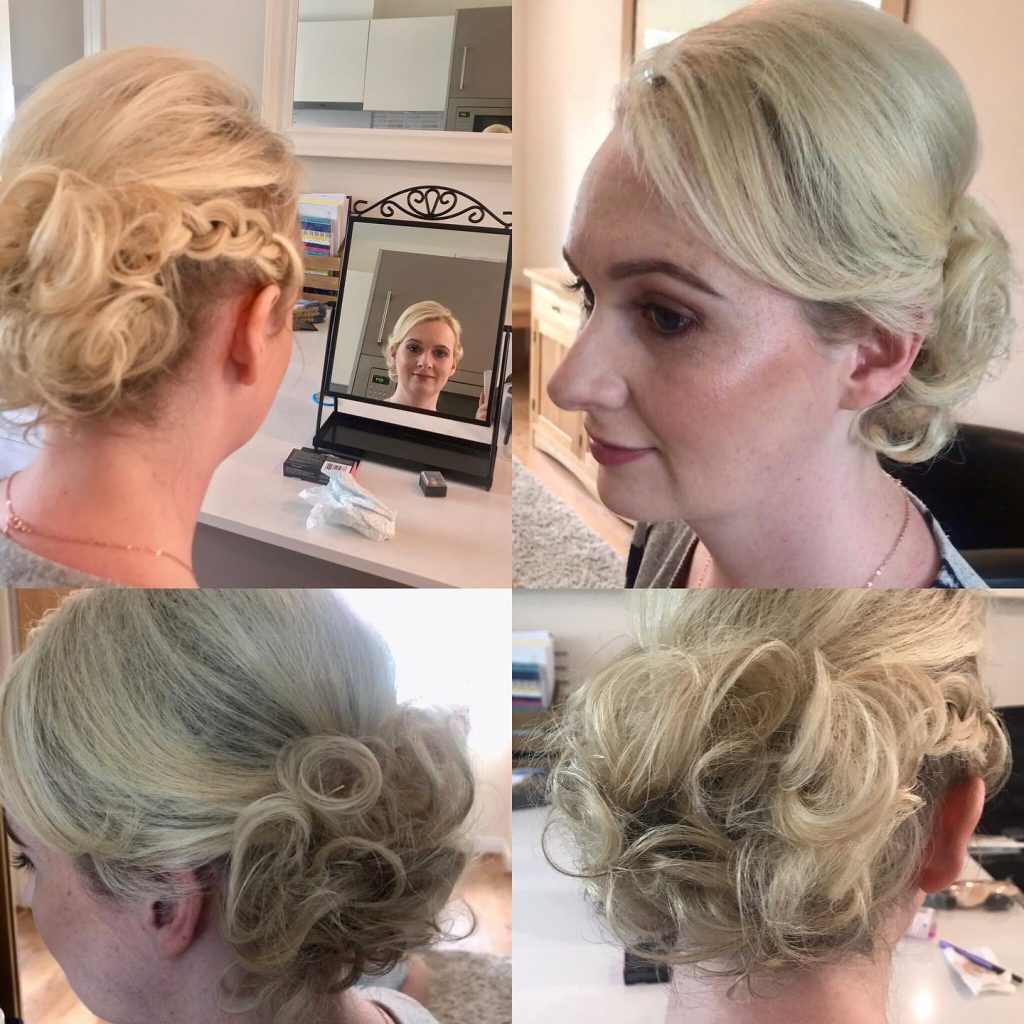
Creating a low chignon with fine hair often involves using texture and pinning techniques to maximize every strand. By incorporating soft rolls, loops, or light braiding, you can expand the surface area of the hair, making a small amount of hair look like an intricate, voluminous masterpiece. This style is perfect for formal events where you want a secure, "set" look that radiates grace and intentionality without putting excessive tension on the hairline.
The Wispy Graduated Midi
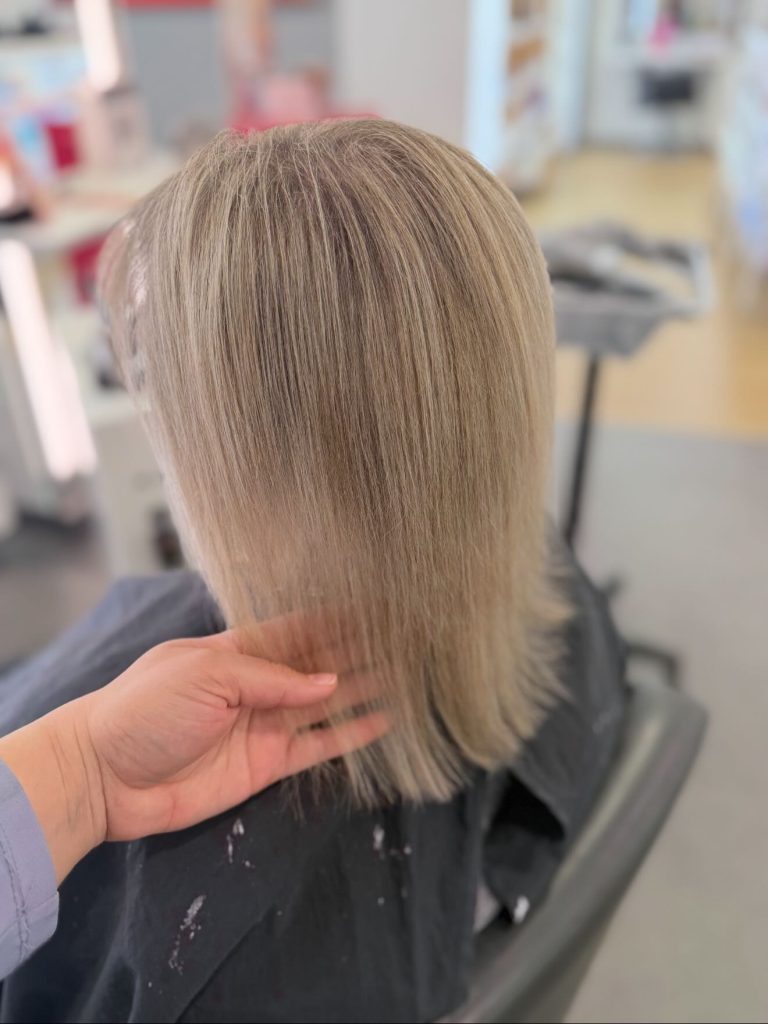
When fine hair begins to lose its density, a graduated midi-cut with wispy ends can provide a much-needed sense of lightness. By thinning the very ends of a medium-length cut, the hair gains a feather-like quality that moves beautifully. This approach avoids the "heavy" look that can often make thin hair appear limp, instead creating a soft, ethereal silhouette. It is an ideal middle ground for those who prefer some length but need a style that doesn't drag down the facial features.
The Razor-Cut Bob with Fringe
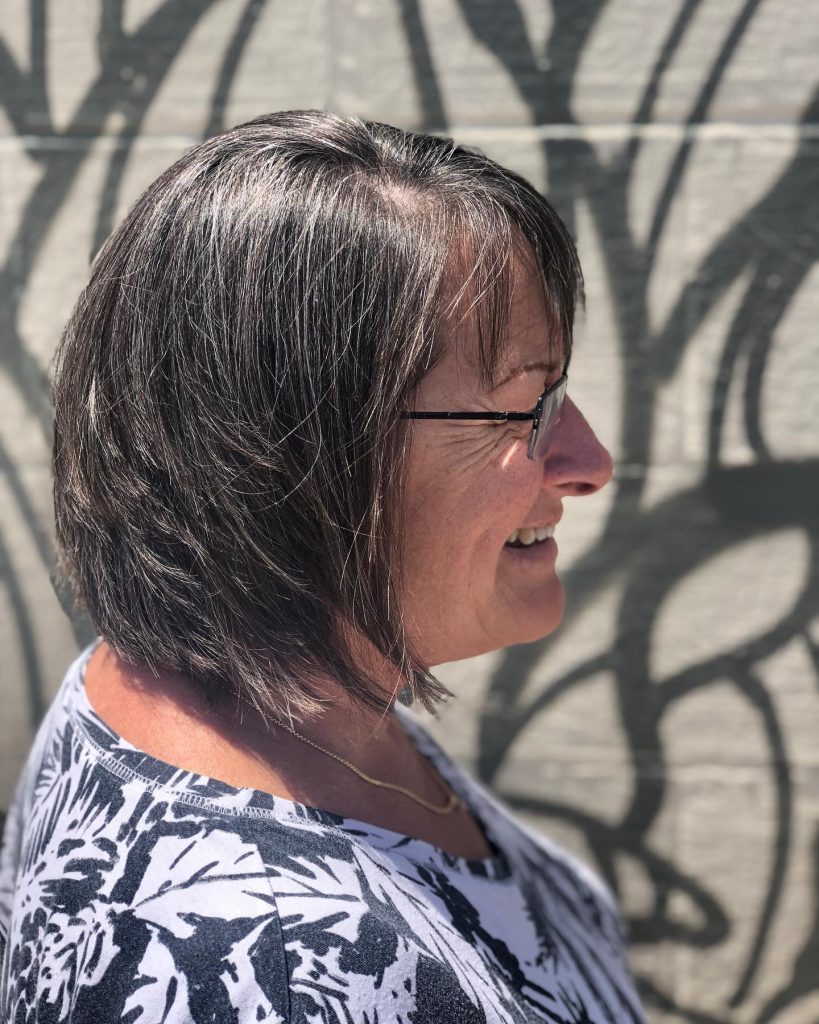
Incorporating a razor-cutting technique into a classic bob adds an immediate edge and "lived-in" texture that is perfect for disguising sparse areas. The addition of a light, wispy fringe helps to frame the eyes and soften the forehead, while the shattered layers throughout the sides create a sense of volume and grit. This style is particularly effective for darker hair tones, as the shadows between the textured layers create a visual depth that makes the hair appear thicker and more vibrant.
The Feathered Shixie
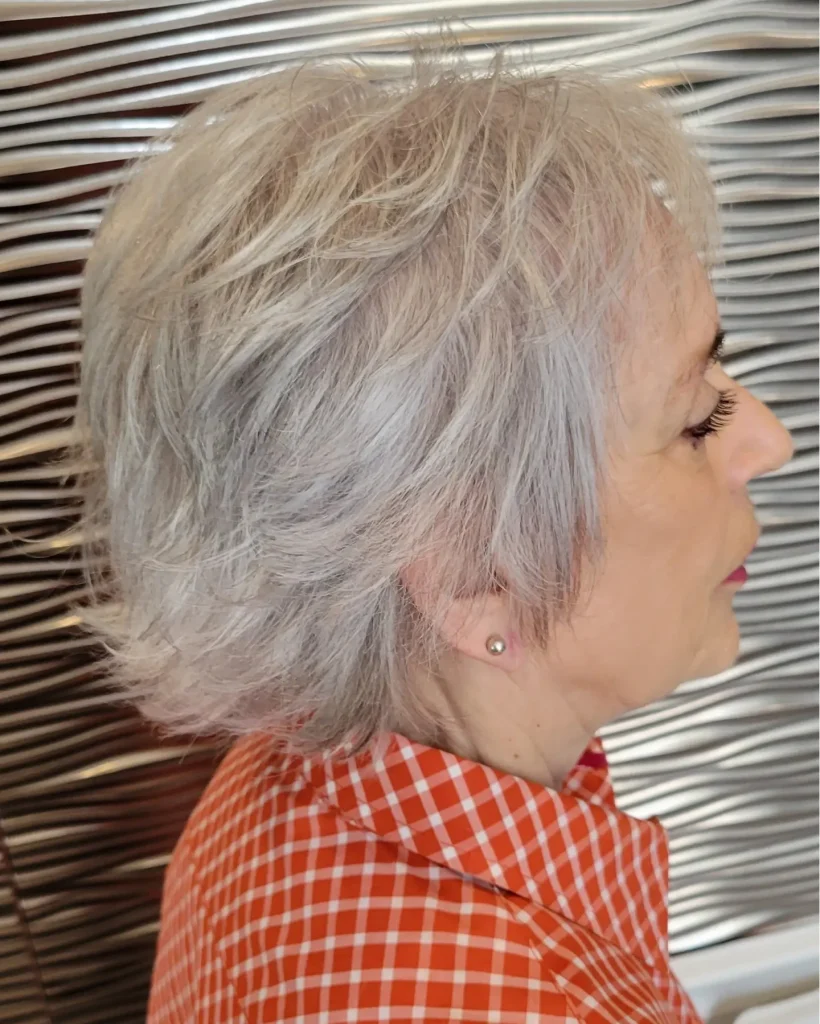
The "shixie"—a hybrid between a shag and a pixie—is a masterclass in utilizing short, feathered layers to create maximum lift. By concentrating volume at the crown and keeping the ears softly covered, this cut provides a balanced, feminine shape that feels incredibly modern. The multi-directional layers catch the light and add a textured "halo" effect, making it a go-to choice for women who want a high-impact, low-maintenance style that radiates confidence and intentionality.
The Ear-Length Minimalist Bob
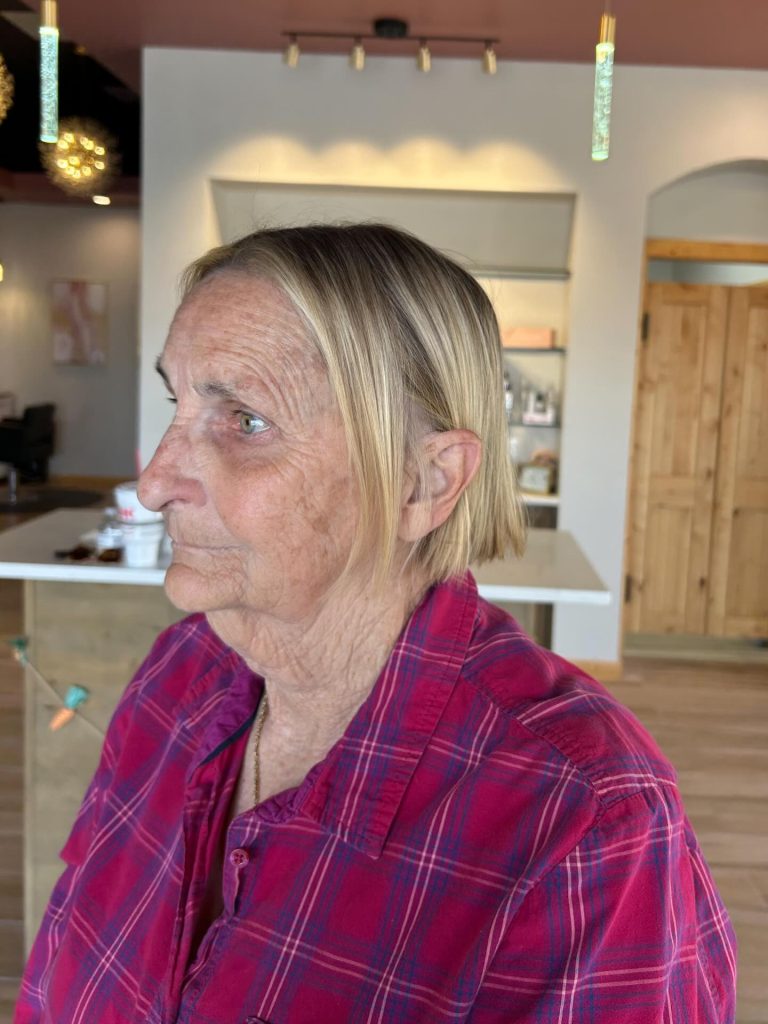
For a look that prioritizes "quiet luxury" and ease, a minimalist bob tucked behind the ear offers a clean and timeless aesthetic. By cutting the hair to a uniform, ear-grazing length, you reinforce the perimeter of the hair, making it look as healthy and dense as possible. This "no-fuss" approach is perfect for showcasing natural color transitions and works seamlessly for those with a busy lifestyle who still want to look curated and polished.
The "Crown Lift" Rule – Why Hair Changes After 50
After menopause, declining estrogen levels often lead to finer strands, a more visible scalp, and reduced volume—especially at the crown and hairline. The solution isn't more length. It's smarter architecture.
Key principles of the Crown Lift Rule:
- Prioritize lift at the roots – Volume at the crown creates the illusion of fuller hair overall.
- Preserve density at the ends – Avoid over-layering that makes fine hair look wispy or see-through.
- Ask for internal layering – Short layers hidden beneath longer ones prop hair up from within.
- Ditch the middle part – A deep side part instantly creates height and disguises a thinning crown better than any product.
- Keep the perimeter strong – A blunt or softly rounded edge looks thicker than a feathered, wispy one.
3 Products That Actually Work for Fine, Thin Hair (No Grease Allowed)
A great haircut fails without the right products. Fine hair needs grip and lift—not moisture and oil.
Product #1: Volumizing Mousse
- Apply only to damp roots (skip the lengths)
- Use a golf-ball-sized amount
- Look for words like "fullness" or "thickening"
- Avoid any mousse labeled "smoothing"
Product #2: Dry Texture Spray
- Not the same as dry shampoo
- Adds weightless grip so your cut holds its shape
- Helps fine hair hold style for 2–3 days
- Spray on dry roots and scrunch lightly
Product #3: Root Lifting Powder
- A tiny shake at the crown is all you need
- Rub in with fingertips for instant height
- Lasts all day without residue
- Use sparingly—a little goes a long way
What to avoid completely:
- Heavy conditioners applied to roots
- Argan oil, coconut oil, or any hair oil
- "Repair" or "restorative" masks
- Leave-in creams or butters
Exactly What to Say to Your Stylist (A Script That Works)
Avoid miscommunication by using these exact phrases.
Say this (do's):
- "I want to keep the perimeter strong but add internal texture so it doesn't look see-through."
- "Please use point-cutting, not thinning shears."
- "I need lift at the crown—can you add short, hidden layers there?"
- "Keep the ends blunt or softly rounded, not wispy."
Never say this (don'ts):
- "Just take off the dead ends" (leads to a blunt, heavy cut with no volume)
- "Thin it out a little" (invites thinning shears, which cause frizz)
- "I want to keep my length" (long hair on fine, thin strands looks stringy)
Red flag to watch for:
- If your stylist reaches for thinning shears, politely say: "Could we use point-cutting instead? Thinning shears make my fine hair frizzy."
The 3-Minute Blow-Dry That Doubles Your Volume
No haircut looks its best air-dried on fine, thin hair. Follow these steps in order.
Step-by-step method:
- Flip your head upside down – This immediately separates roots from the scalp.
- Apply mousse only to your roots – Avoid the lengths entirely.
- Dry roots first – Use medium heat and focus only on the crown area.
- Ignore the ends until roots are dry – They will dry naturally as you work.
- Switch to the cool shot button – Once roots are lifted, blast them with cool air for 10 seconds to lock the volume in.
- Backcomb just the crown – Gently tease a small section, then smooth the top layer over it.
- Finish with a deep side part – This adds even more height instantly.
What not to do:
- Don't use a round brush on soaking wet hair (causes breakage)
- Don't apply conditioner to roots before blow-drying
- Don't skip the cool shot (volume will fall within an hour)
Conclusion: Fine Hair After 50 Deserves Strategy, Not Length
Let go of the old rule that long hair equals youthful hair. For women with fine, thin hair after 50, the most flattering cuts follow these truths:
- Shorter is often better – Chin-length bobs, textured pixies, and soft shags look healthier than wispy, shoulder-length strands.
- Architecture matters more than inches – The right cut removes weight from the inside while keeping the perimeter strong.
- Products must be weightless – Mousse, texture spray, and lifting powder add grip without grease.
- Technique is everything – A 3-minute blow-dry with cool air locks in volume that lasts all day.
- Communication with your stylist saves results – Say "point-cutting" and "internal layers," not "thin it out."
If you've been hiding your fine hair under a ponytail or letting it air-dry flat, consider this your invitation to try something new. Book a consultation. Ask for internal layers. Avoid thinning shears. Embrace a shorter cut with confidence.
The goal isn't to fake thickness. It's to work with the texture you have and style it with intention.
Your hair after 50 shouldn't whisper. It should have lift, light, and life.
Leave a Reply