
The transition from the poolside to the water should be seamless, yet for many women, the looming threat of tangled knots and chlorine damage causes a moment of hesitation. Hair is porous, and without a strategic approach, it acts like a sponge for salt and chemicals, leading to brittle ends and faded color. However, functionality doesn't have to come at the cost of aesthetics. By choosing styles that prioritize structural integrity and minimize friction, you can protect your hair’s health while maintaining an elevated, intentional look. This guide explores curated styling solutions that keep your hair secure, manageable, and resilient against the elements.
12 Tangle-Free Hairstyles for Your Next Swim:
1. Braided High Ponytail with Side Detail
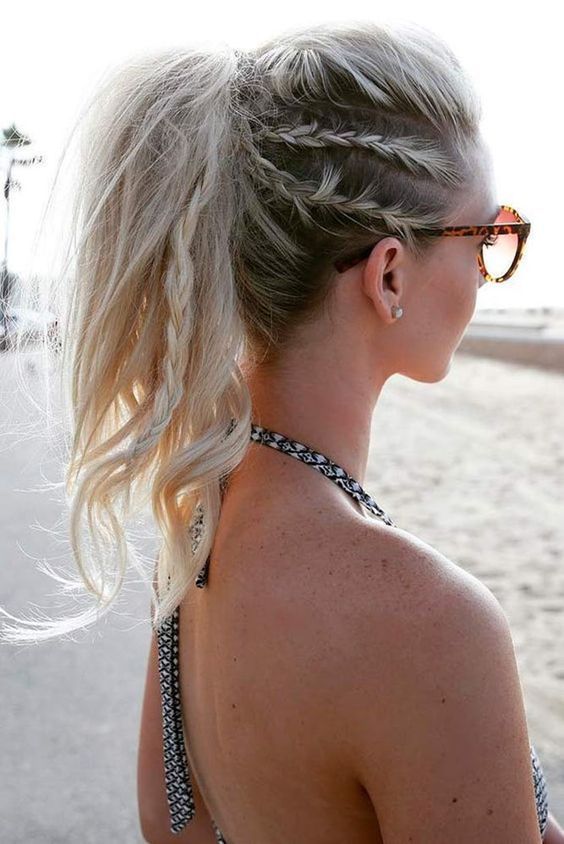
A textured, high-volume ponytail is elevated by tight side braids that sit flat against the scalp. This technique is ideal for keeping shorter face-framing layers secure, preventing them from slipping out if you choose to wear a swim cap or face the wind on a boat deck. The braided accents add a touch of intentional edge to a classic silhouette, making it a versatile choice for a beach-to-boardwalk transition.
2. Sculpted Dutch Braid Low Bun
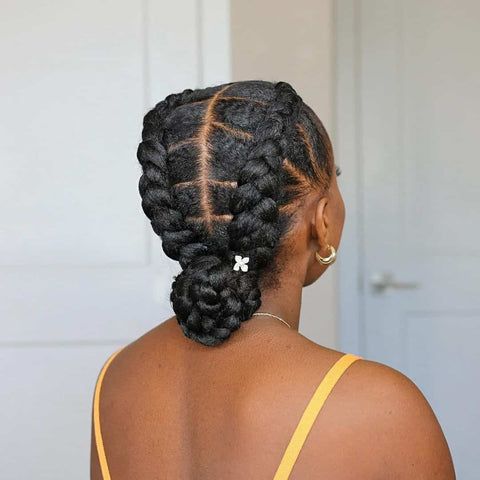
For maximum security and structural integrity, these thick Dutch braids offer a symmetrical, organized look that keeps every strand in place. By feeding the braids into a compact low bun at the nape, the weight of the hair is evenly distributed, reducing tension on the scalp. This style is particularly effective for those with thick or textured hair, providing a flat base that fits comfortably under silicone caps.
3. Sun-Kissed Braided Low Chignon
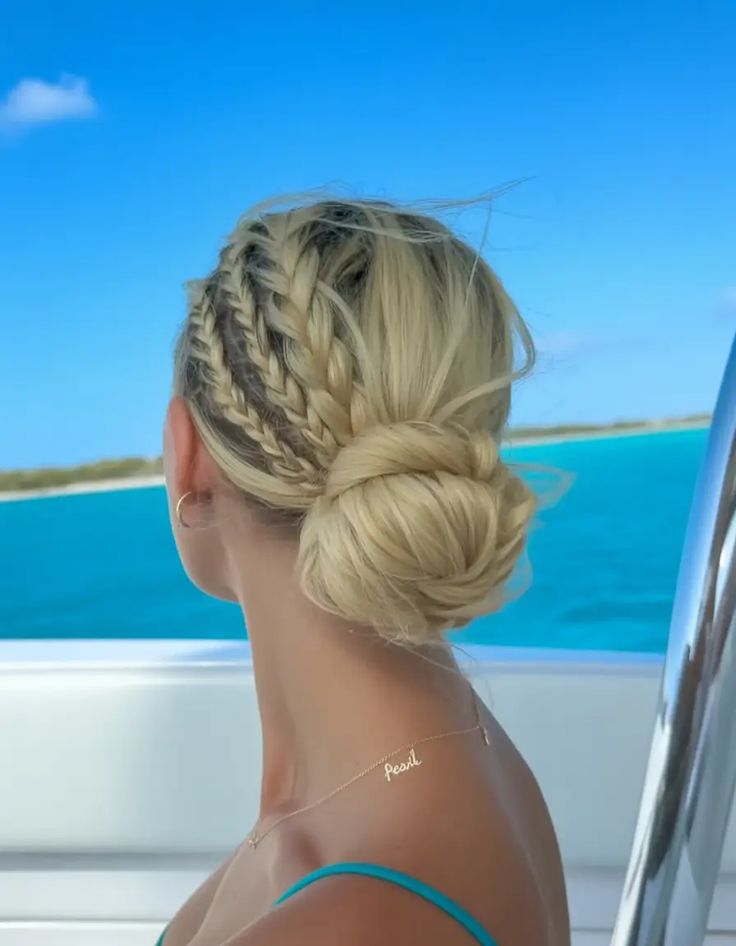
This style blends effortless summer vibes with functional design. Diagonal braids lead into a soft, coiled low bun, creating a look that feels elevated yet practical for a day by the pool. By keeping the hair gathered low, you minimize the risk of tangling caused by water movement, while the intricate braided detail ensures the style remains secure even as it dries.
4. Precision Braided High Bun
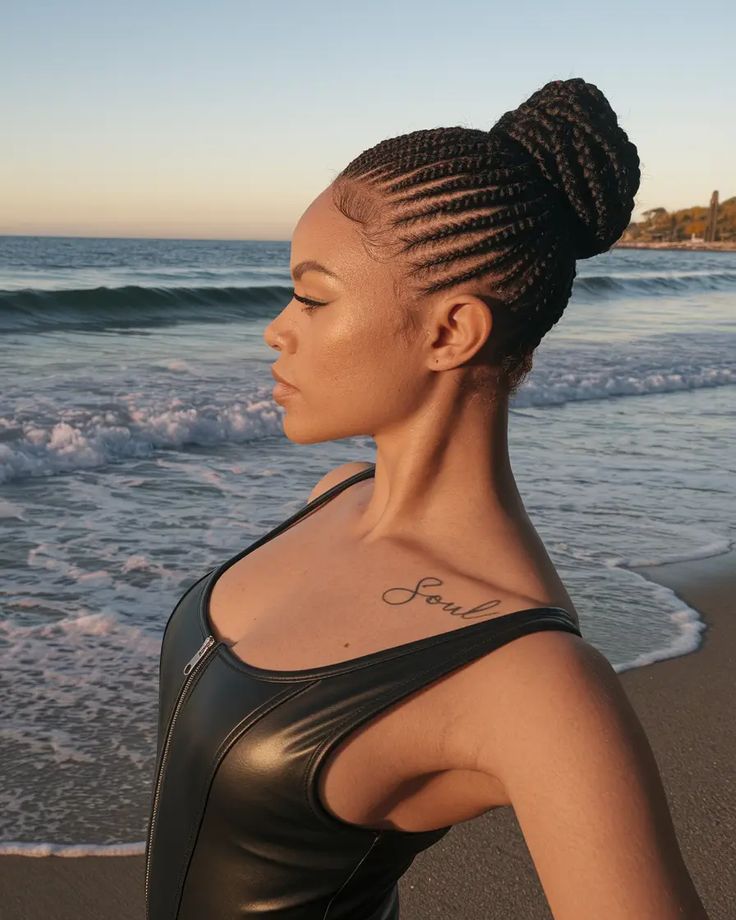
A masterclass in protective styling, these fine, uniform braids are gathered into a sleek, high-profile bun. This look offers total control and minimizes the hair's overall porosity by keeping it tightly wound and off the shoulders. It is a highly durable option for active swimmers, providing a clean, "quiet luxury" aesthetic that highlights the facial features while offering the ultimate defense against salt and chlorine.
5. The Dual Bubble Ponytail
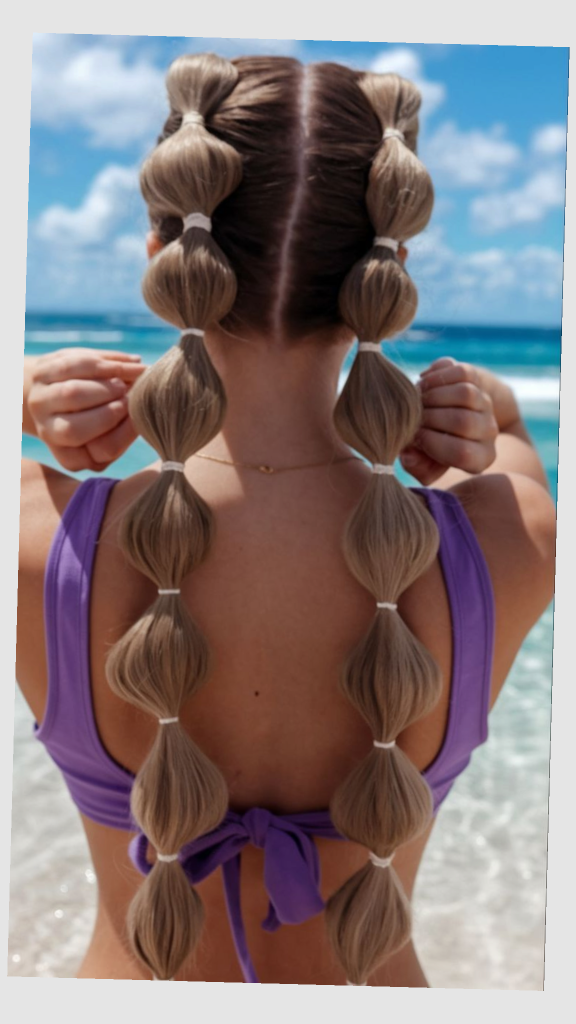
A playful twist on the traditional functional ponytail, this segmented style is perfect for very long hair. By using soft elastics to create "bubbles" down the length of two separate ponytails, the hair is segmented, drastically reducing the risk of mid-length tangling or "matting" when wet. This method keeps the hair aerodynamic and organized, offering a modern aesthetic that transitions effortlessly from the pool to poolside lounging.
6. Quad Dutch Braid Low Buns
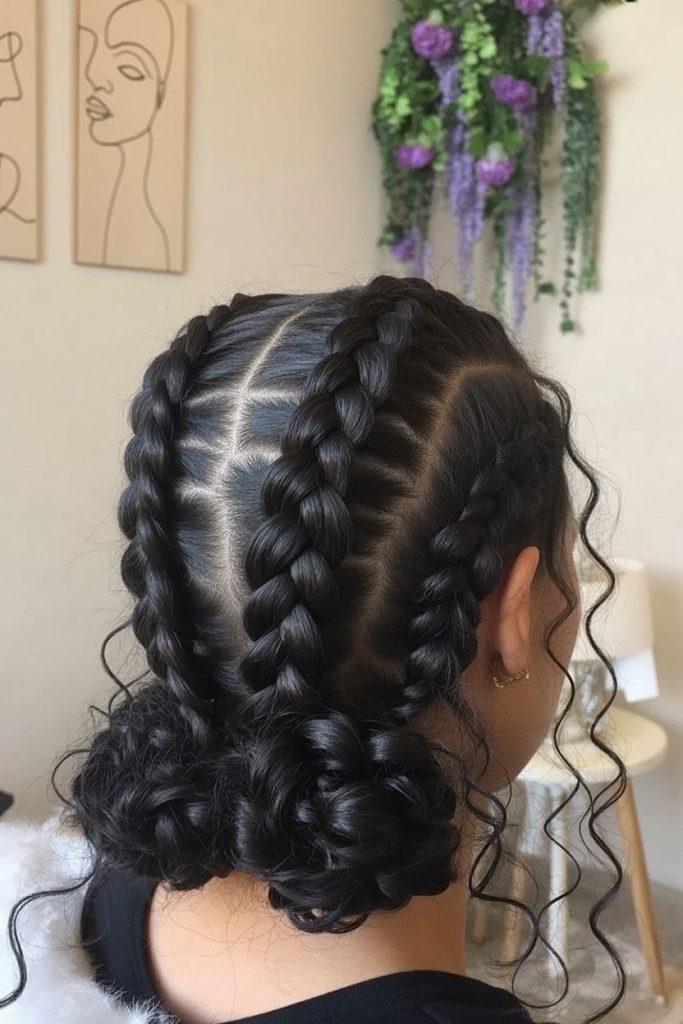
For maximum control and the ultimate "cap-ready" profile, this style utilizes four tight, parallel Dutch braids that lead into compact buns at the nape. This symmetrical design offers superior grip, ensuring that no stray layers escape during vigorous activity. The low bun placement is essential for a proper, snag-free swim cap fit, while the intricate, structured look maintains a high-end, powerful athletic vibe when worn without a cap.
7. The "X" Crossover Dutch Braids
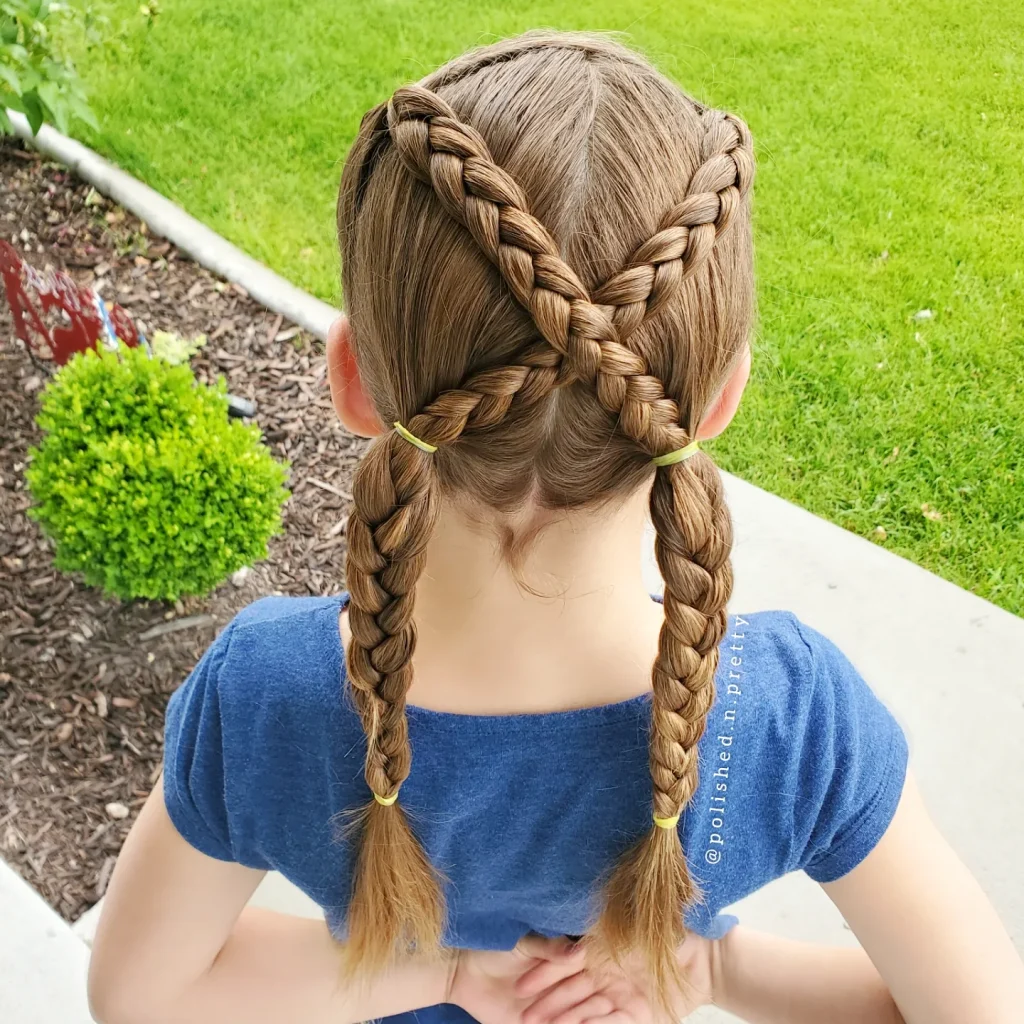
A geometric, high-security option that leverages the structural integrity of intersecting braids. Two Dutch braids cross over each other and merge into secure pigtails, creating a robust, low-tension hairstyle that distributes weight evenly across the scalp. This technique is highly effective at anchoring hair against drag in the water, providing a durable, friction-resistant solution for active swimmers.
8. The Sleek Dual-Merging Braid
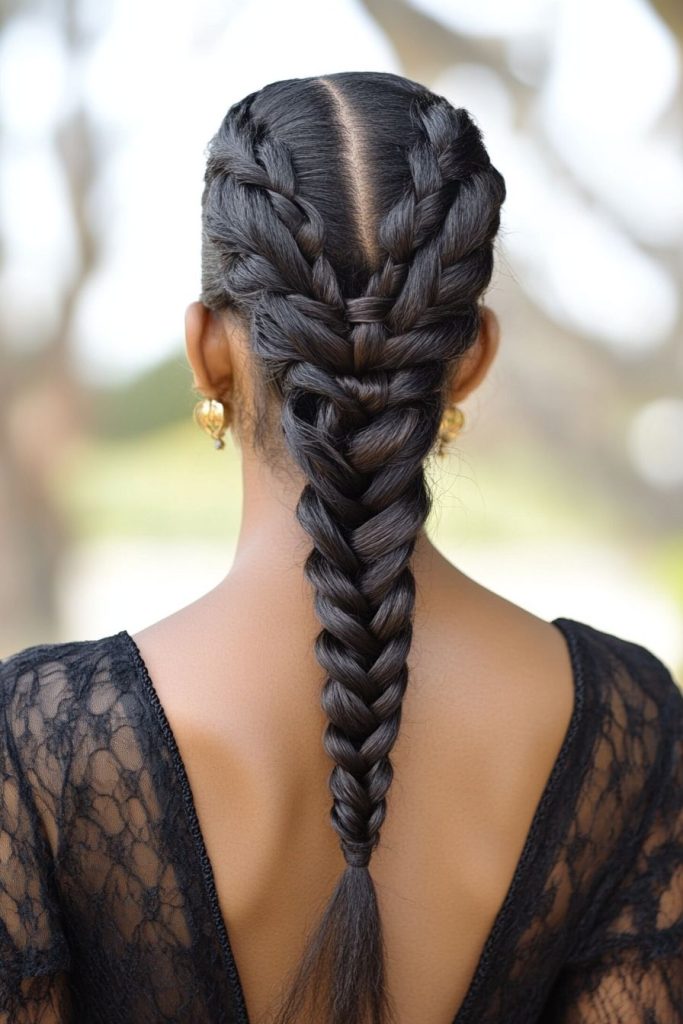
A sophisticated combination of security and minimalism. Two clean Dutch braids follow the contour of the head, merging into a single, polished braid at the nape. This sleek design reduces drag while offering comprehensive coverage, keeping hair flat and secure against the head. It is an ideal style for those requiring maximum hydrodynamic performance without sacrificing an elegant, composed presentation.
9. Twisted Halo with Segmented Tail
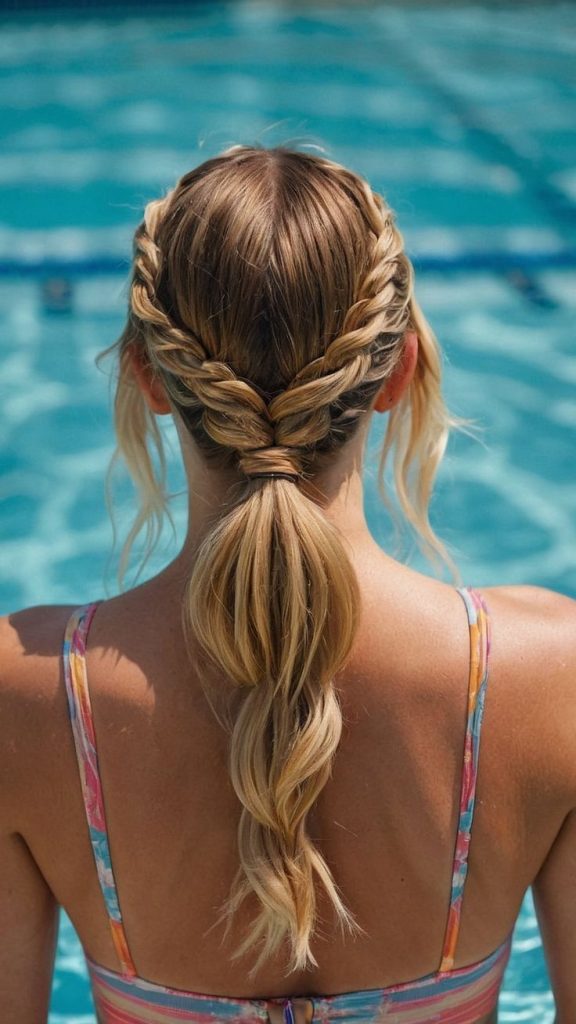
This elegant style combines the security of a crown twist with the modern utility of a bubble ponytail. By twisting the side sections away from the face and securing them at the nape, you manage shorter layers that often fly loose. The addition of segmented elastics down the remaining length prevents the mid-shaft and ends from knotting in the water, offering a romantic yet highly functional aquatic look.
10. The Effortless High Space Buns
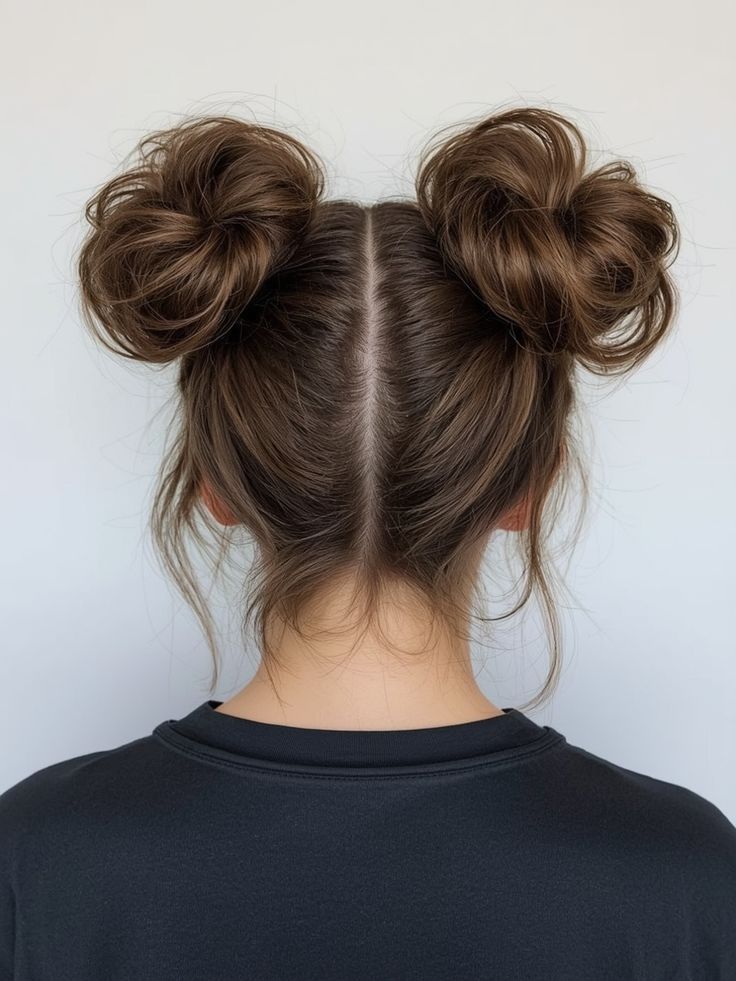
A playful and youth-focused classic, these high-set space buns are a go-to for keeping hair completely out of the water while wading or lounging. By dividing the hair into two symmetrical top-knots, you distribute the weight away from the nape, allowing for comfort during movement. This style is particularly effective for those who want to avoid getting their ends wet while maintaining a vibrant, photogenic aesthetic.
11. Braided Accent Space Buns
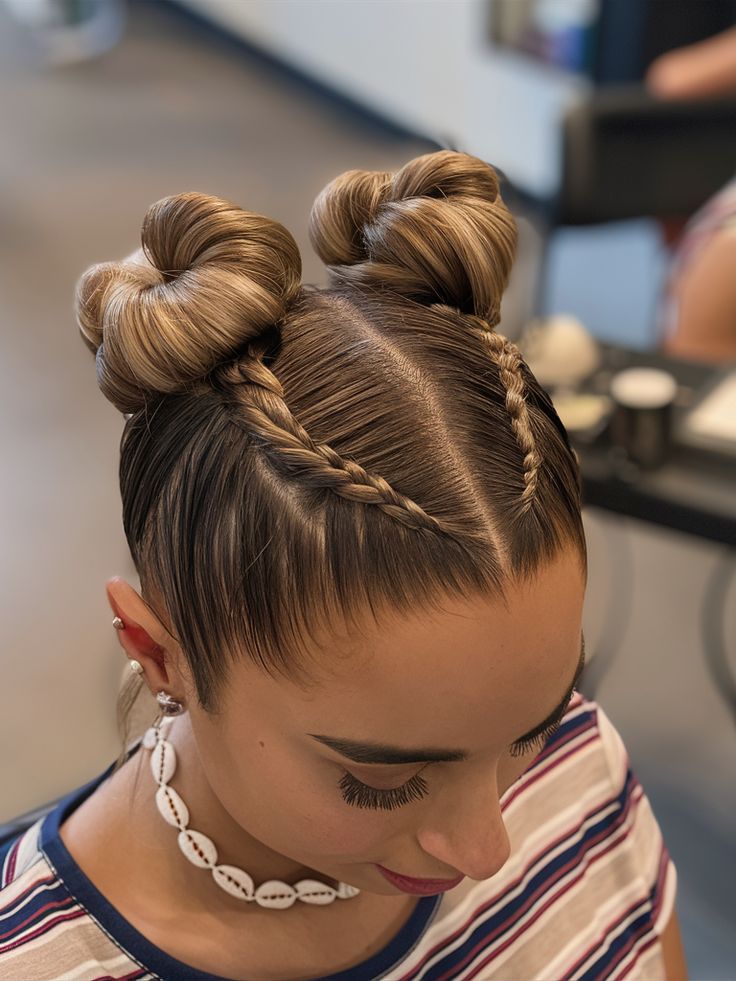
For a more structured take on the space bun trend, these tight micro-braids lead directly into coiled buns. The braiding adds a layer of scalp security, ensuring that fine hair or baby hairs stay flat and organized. This is an ideal transition style for those who move from a morning workout to a social afternoon, as the braids keep the foundation of the style crisp and sleek even in humid, poolside conditions.
12. The Ultra-Secure Twisted Braid
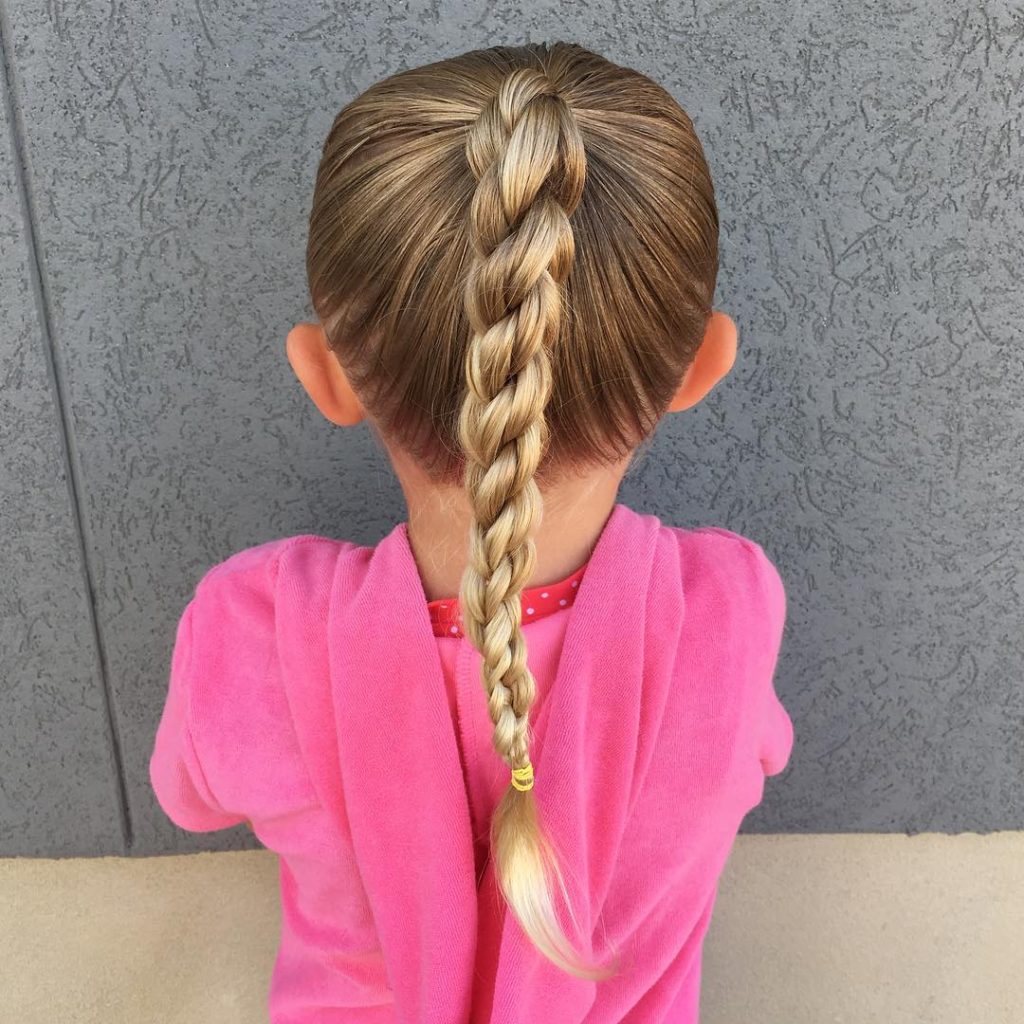
A masterclass in streamlining, this high-tension twisted ponytail offers a singular, dense braid that significantly reduces the hair's surface area. By tightly winding the strands, you create a rope-like effect that is less prone to absorbing excess chlorine and much easier to detangle post-swim. This style provides a clean, athletic profile that is both incredibly durable and aesthetically minimal.
The Pre-Swim Ritual – Sealing Out the Elements
- Saturate with fresh water first. Dry hair absorbs up to 35% of its weight in pool water. Rinsing thoroughly with clean water before entering fills the hair shaft, leaving little room for chlorine or salt to penetrate.
- Apply a protective sealant. Use a lightweight, water-resistant leave-in conditioner or a few drops of vitamin E, argan, or coconut oil. This creates a temporary barrier along the cuticle, repelling chemicals while locking in moisture.
- Avoid soaking dry hair in chlorinated water. Think of the pre-swim routine as a raincoat for your strands—invisible, fast, and highly effective at preventing brittleness and color fade.
- Time investment: under 60 seconds. This small habit saves minutes of post-swim detangling and extends the life of your hair color and elasticity significantly.
Strategic Styling – Three High-Performance Looks
Option 1: The High-Tension Bubble Pony (Best for long, straight or wavy hair)
- Segment the ponytail into small sections using snag-free elastics every two inches to create "bubbles."
- Position the ponytail high on the head to keep hair out of the water during backstroke and reduce drag.
- Finish with a silicone swim cap—the textured surface grips the bubbles better than a smooth ponytail.
Option 2: The Low-Profile Dutch Braid Crown (Best for thick, curly, or textured hair)
- Create an inverted Dutch braid starting at the nape and working upward, wrapping around the head like a halo.
- Pin the end discreetly behind an ear; this distributes tension evenly and eliminates pressure points.
- Fits comfortably under Lycra or silicone caps without leaving crimp marks or causing breakage along the hairline.
Option 3: The Four-Strand Flat Braid (Best for medium, fine, or color-treated hair)
- Use four strands instead of three to create a flatter braid that lies closer to the scalp, reducing water exposure.
- Apply minimal tension to protect fragile follicles from traction alopecia.
- Alternate between left-leaning and right-leaning versions on consecutive swim days to prevent repetitive stress.
Post-Swim Recovery – Restoring What the Water Took
- Rinse within 15 minutes. Use cool or lukewarm fresh water immediately after leaving the pool. Hot water opens the cuticle, locking in chemical residue instead of releasing it.
- Use the right shampoo. Once a week, apply a chelating shampoo to remove minerals like copper and iron (the culprits behind green discoloration in blonde and gray hair). On daily swim days, stick to a gentle sulfate-free cleanser.
- Condition and detangle carefully. Apply a pH-balancing conditioner, then a leave-in detangler while hair is still damp. Use a wide-tooth comb starting from the ends and working upward.
- Never brush wet hair aggressively. Wet strands are at their lowest elasticity; aggressive brushing guarantees breakage.
- Air-dry whenever possible. Heat styling immediately after chlorine exposure produces straw-like texture. If you must use heat, apply a thermal protectant and use the lowest effective setting.
- Consistency is key. With daily recovery habits, your hair can withstand years of regular swimming without visible compromise.
Conclusion
The modern swimmer no longer has to choose between peak performance and personal style. By embracing techniques that prioritize protection—reducing friction, limiting chemical absorption, and securing strands against the pull of the water—you transform hair care from an afterthought into an intentional part of your routine. Whether you opt for a sleek, low-tension bun, a series of durable braids, or a silicone-lined cap paired with a pre-swim sealant, the principle remains the same: preparation prevents damage. Ultimately, the art of the aquatic mane isn't about fighting the water; it's about working with it. With the right style in place, that moment of hesitation before diving in becomes a quiet confidence—knowing your hair is as resilient as you are.

Leave a Reply