
You look in the mirror and something feels different. Your ponytail doesn’t wrap around the elastic quite like it used to. Your part seems a little wider. And no matter what you try, your hair just doesn’t have that fullness you remember.
First, let’s say something that needs to be said: you are not imagining it.
Hair changes after 40. For many women, it starts subtly—maybe a little more hair in the shower drain, a bit less bounce at the crown. But what’s actually happening might surprise you. It’s not always about losing hair; it’s about your hair changing—in texture, density, and the way it behaves.
The good news? You don’t need expensive treatments, drastic cuts, or a cabinet full of products to make your hair look fuller. You just need to understand what’s going on and apply a few fixes that actually work.
Let’s break it down.
The Real Reasons Your Hair Looks Thinner After 40
Before we fix anything, it helps to know what’s happening under the surface. This isn’t about getting back to your 20s—it’s about working with your hair’s new rhythm.
1. The Growth Cycle Slows
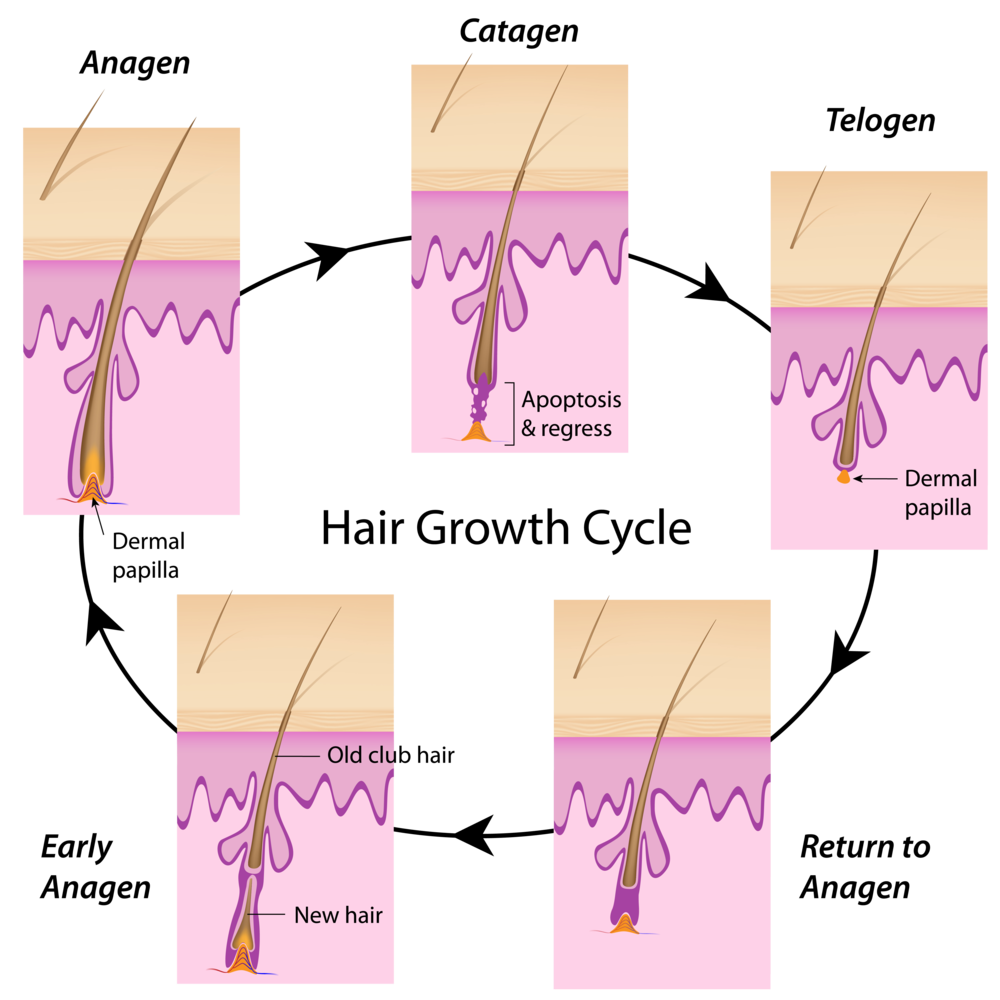
Every hair follicle has a growth phase (anagen) and a resting phase (telogen). After 40, the anagen phase shortens, meaning hairs don’t grow as long before they shed. The result: fewer hairs at maximum length at any given time, so your hair feels less dense overall.
2. Individual Strands Get Finer
Hormonal shifts—especially during perimenopause—can cause each hair shaft to become thinner in diameter. So even if you have the same number of hairs, they take up less visual space. That’s why your ponytail feels smaller.
3. Your Part Widens (But Not How You Think)
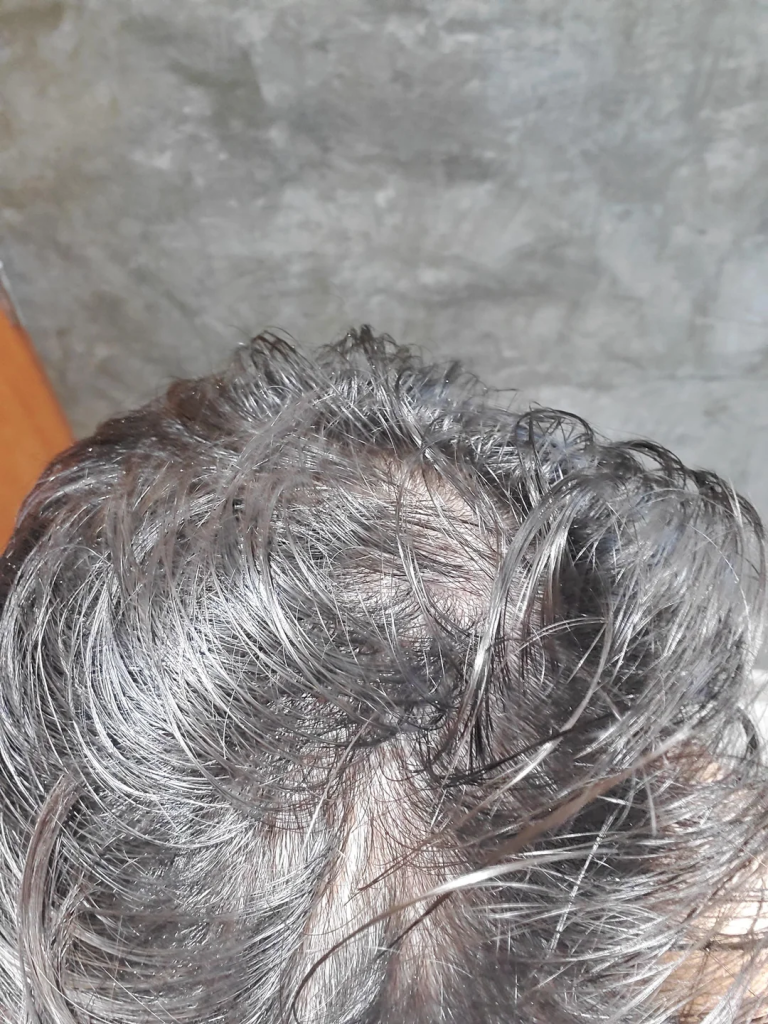
As follicles miniaturize, the area around your part can show more scalp. This is often mistaken for dramatic hair loss, but it’s usually a gradual shift in density. It’s also why your hair may feel “thinner” on top.
4. Texture Changes
Many women notice their hair becomes drier, more brittle, or less responsive to styling. When hair loses its natural “grip,” it lies flatter and looks less full. The curl pattern you had in your 30s might now be looser or harder to hold.
The takeaway: You’re not losing your hair—you’re managing a new texture and density. And with a few smart changes, you can create the look of fuller, healthier hair without spending hours or a fortune.
Fix #1: The Haircut That Instantly Adds Volume
The wrong haircut can make thinning hair look limp and sparse. The right one creates the illusion of density and movement—and it starts working the moment you leave the salon.
What to Ask For
- Blunt ends, not wispy. A blunt cut (even on longer hair) gives the appearance of thickness. Wispy, heavily layered ends can make hair look even thinner. Keep the weight line at the ends or around the jawline.
- A long bob (lob) with subtle internal layers. This takes weight off without sacrificing fullness. Layers should start below the chin so density stays at the ends.
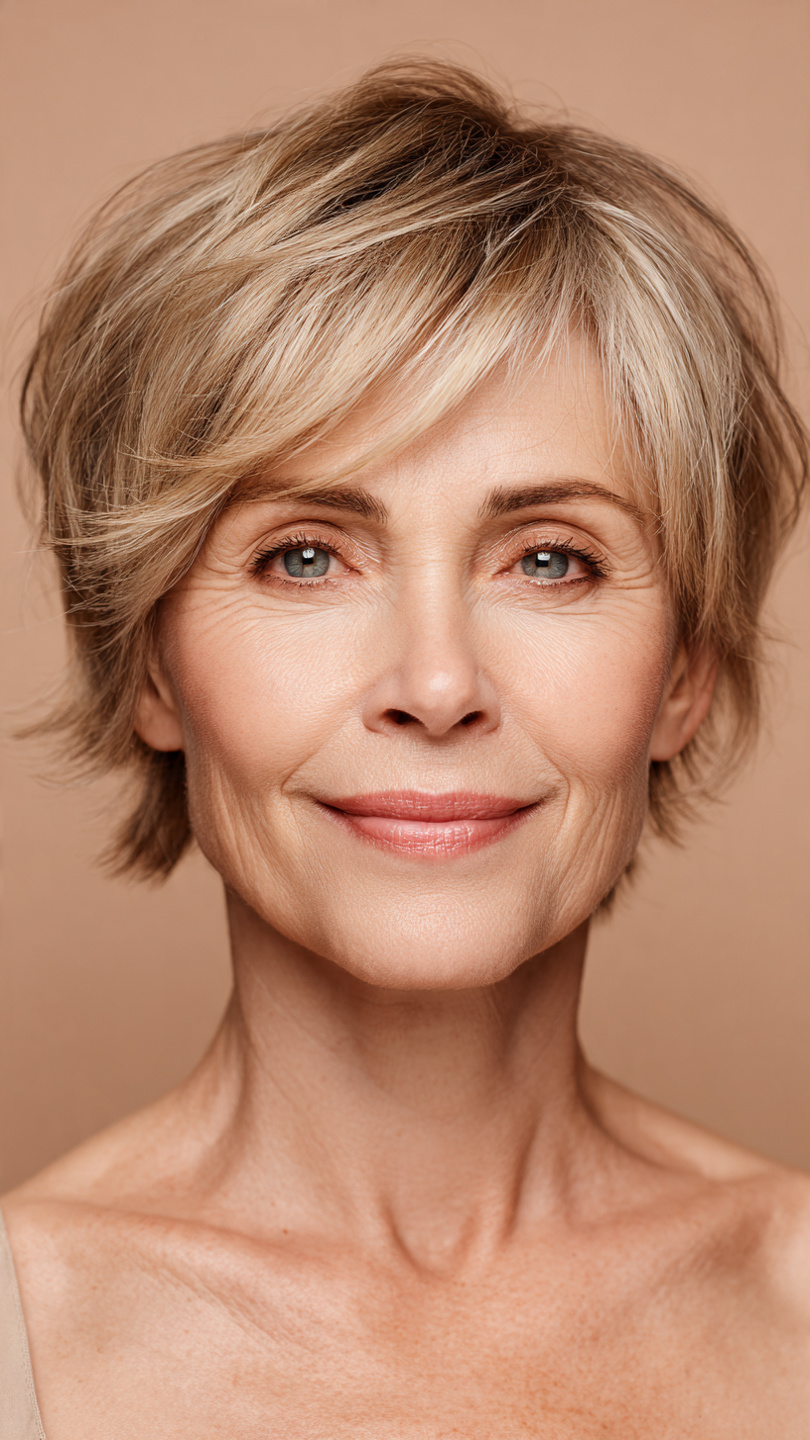
- If you prefer short hair, try a textured pixie or crop. A choppy pixie with piece‑y texture creates lift at the crown and disguises sparseness beautifully.
- Curtain bangs. Already a favorite on this site—they frame the face and add dimension at the crown, making the top of your head appear fuller.
What to tell your stylist:
“I want to keep the ends blunt so my hair looks thicker. Can we add just enough internal movement to give it shape without losing density?”
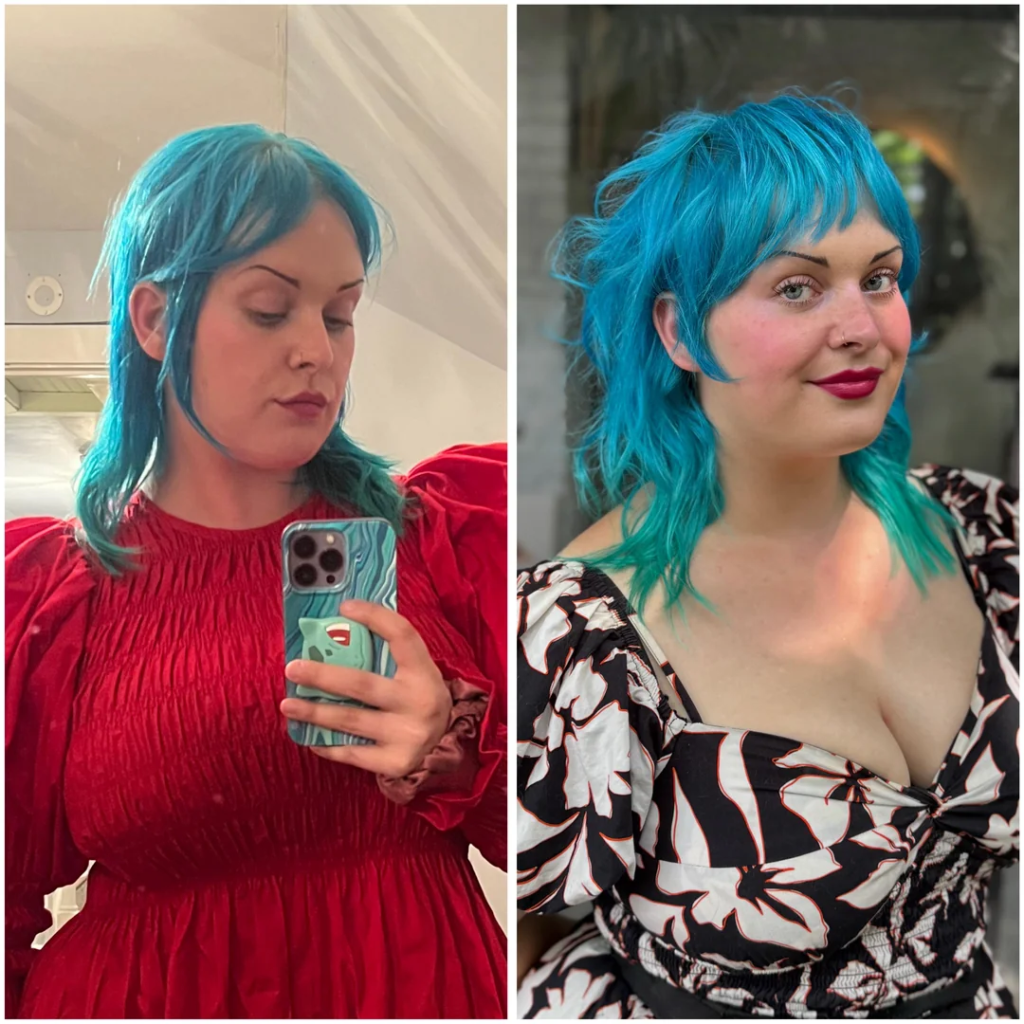
Before & After Idea:
Fix #2: The Styling Shift That Creates Lift
You don’t need to spend 30 minutes with a blow‑dryer. A few simple technique changes can give you lasting volume with almost no extra time.
1. Root Lifting Sprays, Not Mousses
Many mousses weigh hair down. Instead, use a lightweight root‑lifting spray on damp roots. Blow‑dry upside down or use a round brush to lift each section away from the scalp. This gives you volume that lasts.
2. Volumizing Powders or Dry Shampoo
Sprinkle a tiny amount at the roots, massage in with your fingertips. Instantly, you’ll have texture, grip, and lift—without any weight. This is a 30‑second trick that works on day‑old hair or even fresh‑washed hair.
3. Velcro Rollers (Yes, They Still Work)
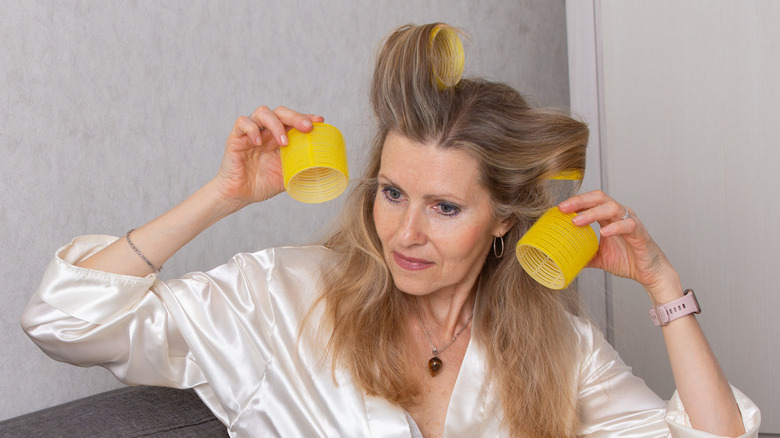
Roll the top section of your hair (from the crown forward) while you do your makeup or get dressed. Let them cool, then release. You’ll get a soft, natural lift that lasts all day. It’s a 5‑minute investment that pays off.
Pro Tip: Avoid heavy serums or oils near the roots. They flatten hair instantly. Keep them for mid‑lengths and ends only.
Fix #3: The Color Trick That Creates Depth
Believe it or not, color is one of the most powerful tools for making hair look thicker. Uniform, all‑over color can make thinning hair appear flat. Strategic color adds contrast and the illusion of more strands.
Techniques to Ask For
- Root smudge / shadow root. A slightly darker shade at the roots creates depth and makes regrowth less obvious. It also visually thickens the scalp area.
- Balayage or babylights. Soft, face‑framing highlights add dimension and mimic natural light reflection. This contrast tricks the eye into seeing more density.
- Avoid all‑over solid color. It can look one‑dimensional and emphasize sparseness. Instead, aim for 2–3 shades woven throughout.
What to tell your colorist:
“I want dimension that adds visual density—think a soft root and face‑framing brightness. I’m not looking for a big color change, just more depth.”
Bonus for gray hair:
If you’re blending gray, ask for “mushroom blonde” or “ash bronde” tones. Cool shades harmonize with silver and create a multi‑tonal effect that looks naturally full.

Fix #4: The Product Swap That Actually Matters
You don’t need an expensive “hair loss” line. You just need the right formulas for finer, more delicate strands.
What to Use
- Sulfate‑free shampoo. Gentle cleansing preserves your hair’s natural moisture and doesn’t strip finer strands.
- Lightweight conditioner. Apply only from mid‑lengths down to avoid weighing down roots. A “volumizing” conditioner is often a good choice.
- Thickening sprays with polymers. These coat the hair shaft, temporarily increasing its diameter. Look for words like “thickening,” “volumizing,” or “body builder.”
- Weekly protein treatment. Fine, thinning hair often lacks structure. A protein mask once a week can strengthen and add temporary body. (Don’t overdo it—protein overload can make hair stiff.)
What to Skip
- Heavy oils and butters (coconut oil, shea butter) near the roots.
- “Repair” masks marketed for damaged hair—they’re often too rich for thinning hair.
- Silicone‑heavy serums that coat the hair and flatten it.
When to See a Professional (And What to Ask)
If you notice sudden, patchy, or excessive shedding—or if your part seems to be widening rapidly—it’s worth a visit to a dermatologist or trichologist. Underlying issues like thyroid imbalance, iron deficiency, or hormonal shifts can accelerate thinning. A blood test can rule those out.
At the salon, use this script:
“I want a cut that adds volume without requiring daily heat styling. Can we keep the ends blunt and add some internal movement? Also, I’d love to talk about color dimension—maybe a root smudge and a few babylights.”
The Takeaway
Your hair after 40 isn’t a problem to be solved—it’s just a new canvas to work with. By choosing the right cut, adjusting your styling routine, using color strategically, and swapping a few products, you can create the look of fuller, healthier hair without spending hours or a fortune.
Save this guide to show your stylist at your next appointment. And if you’re ready for a change, start with the haircut—it’s the foundation everything else builds on.
Comments
Have you noticed changes in your hair after 40? What’s worked for you? Share your experience below—we’d love to hear your tips.


Leave a Reply