
For decades, you’ve been told that a clean scalp is a healthy scalp. But after 50, hormonal shifts thin your skin and reduce natural oil production, making frequent washing a direct route to dryness, flaking, and persistent itch. Understanding why less is more—and how to adjust your routine—can restore comfort without sacrificing cleanliness.
Who Is This For?
This article is for anyone over 50 who experiences persistent scalp tightness, visible flakes that aren't dandruff, itching that worsens after shampooing, or a feeling that their scalp is "too clean." It also applies to menopausal and postmenopausal women, as well as older men whose sebaceous glands have naturally slowed down.
6 Ideas to Prevent a Dry, Itchy Scalp After 50
1. Cut washing down to twice a week
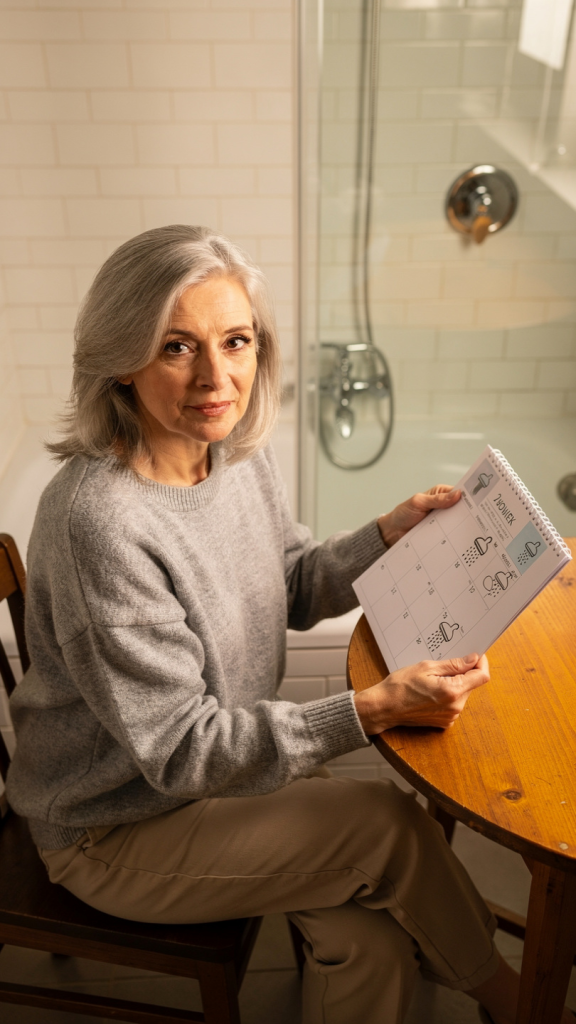
Overwashing strips the already fragile lipid barrier on mature scalps, so spacing out shampoos allows natural oils to replenish and protect.
2. Switch to sulfate-free, moisturizing shampoos
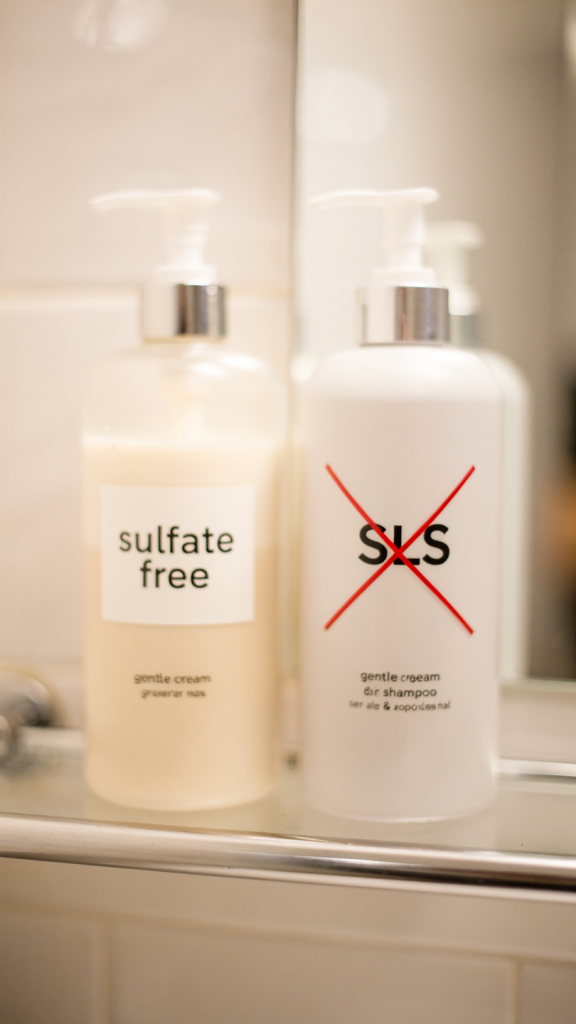
Harsh detergents like sodium lauryl sulfate remove too much oil; gentle, hydrating formulas clean without triggering tightness or irritation.
3. Use lukewarm, not hot, water
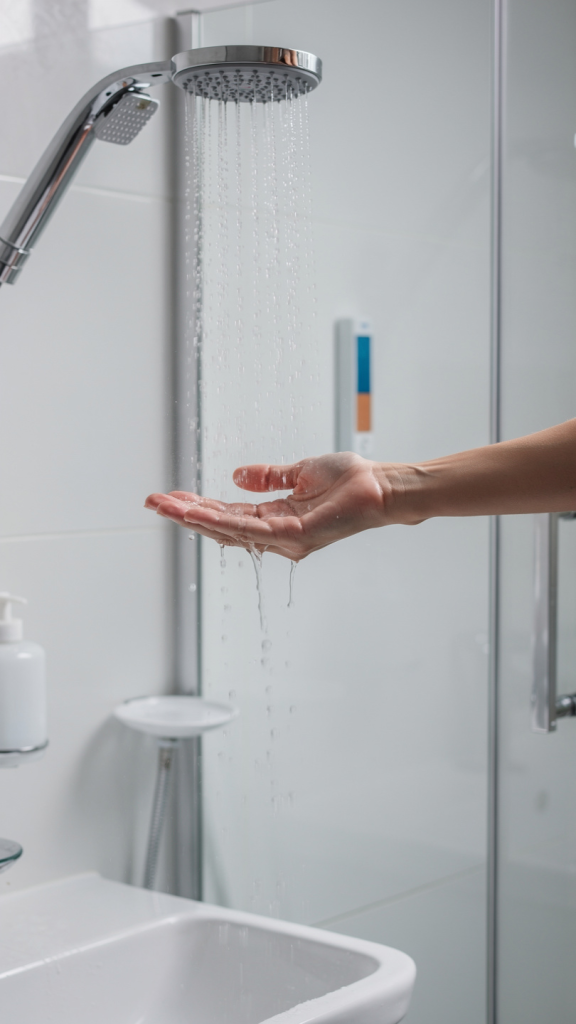
Hot water accelerates moisture loss from aging skin, while lukewarm water dissolves dirt without weakening the scalp’s natural defenses.
4. Apply a pre-shampoo scalp oil treatment
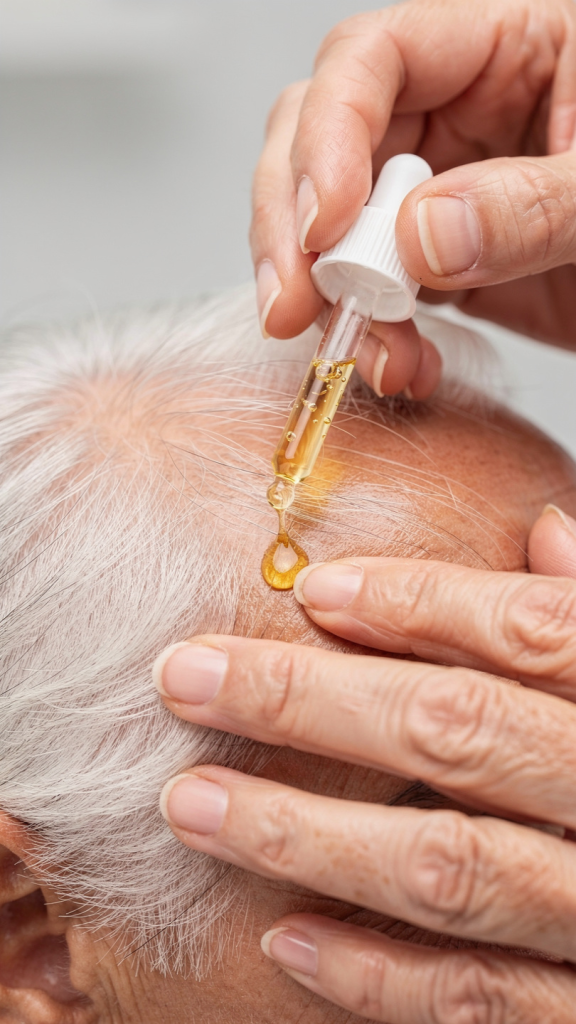
Massaging a few drops of jojoba or squalane oil before washing protects the skin barrier and prevents the shampoo from over-drying sensitive areas.
5. Skip daily conditioner on the roots
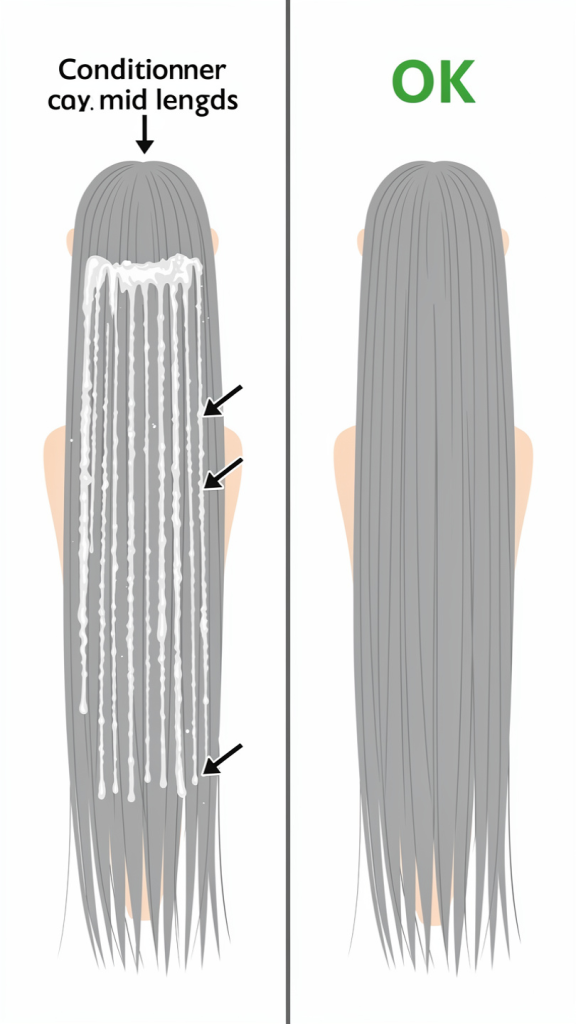
Conditioner ingredients can build up on a low-oil scalp, clogging follicles and worsening itch; focus conditioner only on the mid-lengths and ends of hair.
6. Add a humidifier to your bedroom

Dry indoor air after 50 pulls moisture from your scalp overnight; a humidifier keeps relative humidity above 40%, reducing itch without changing your wash routine.
Signs You Are Overwashing (And Don't Know It)
- Your scalp feels dry and tight immediately after drying your hair.
- Flakes appear within 24 hours of washing, but they are small and white (not yellow or greasy).
- Itching intensifies on days you shampoo.
- Your hair looks dull and brittle despite using conditioner.
- You wash more often because your scalp "feels dirty," but the dryness never improves.
What to Avoid
- Clarifying or anti-dandruff shampoos – They are too aggressive for mature, dry scalps.
- Scalp scrubs with granules – Physical exfoliation damages thin, aging skin.
- Alcohol-based styling sprays or mousses – They evaporate quickly and take remaining moisture with them.
- Washing every time you shower – Simply rinsing hair with water is fine; shampoo is the problem.
When to See a Dermatologist
See a doctor if your scalp develops open sores, weeping, or yellow crusts, or if itching keeps you awake at night. You may have seborrheic dermatitis, psoriasis, or a fungal infection — all of which require different treatment than simple dryness from overwashing.
Quick Reference: Your New Weekly Routine
| Day | Action |
|---|---|
| Monday | No wash – just water rinse if needed |
| Wednesday | Sulfate-free shampoo + conditioner (ends only) |
| Friday | Scalp oil treatment before shower + shampoo |
| Weekend | No wash – use humidifier in bedroom |
Conclusion
After 50, your scalp is not the same as it was at 30. It produces less oil, regenerates more slowly, and loses moisture faster. Continuing to wash it daily — or even every other day — only accelerates the cycle of dryness, irritation, and itch.
The solution is counterintuitive but simple: wash less, choose gentler products, and add moisture through oil treatments and humidifiers rather than more shampoo. Within two to three weeks of reducing washes to twice weekly, most people notice less flaking, reduced itching, and softer hair.
Listen to your scalp, not the old "clean is better" rule. Sometimes, doing less is the most effective care you can give.



Leave a Reply