
That post-shower ritual of vigorously rubbing your hair with a towel might feel efficient, but it’s actually causing microscopic damage to the fine, delicate hairs around your hairline and crown—often called "baby hair." These strands are more fragile, more prone to breakage, and once they snap, they take months to regrow.
Why Baby Hair Is Different from the Rest of Your Hair
Baby hair isn't just shorter—it's structurally different. These fine, wispy strands around your hairline and nape have a thinner cuticle layer (the protective outer shell) and a smaller cortex. That means they lack the tensile strength of mature hair. While the hair on your scalp can withstand moderate pulling and rubbing, baby hair breaks after significantly less force. Think of it like comparing cotton thread to dental floss—both useful, but one snaps with a single sharp tug.
Below are 10 gentle alternatives to protect your baby hairs and keep your mane intact.
10 Ideas to Protect Your Baby Hair from Towel Breakage
1. Swap to a microfiber towel or soft T-shirt
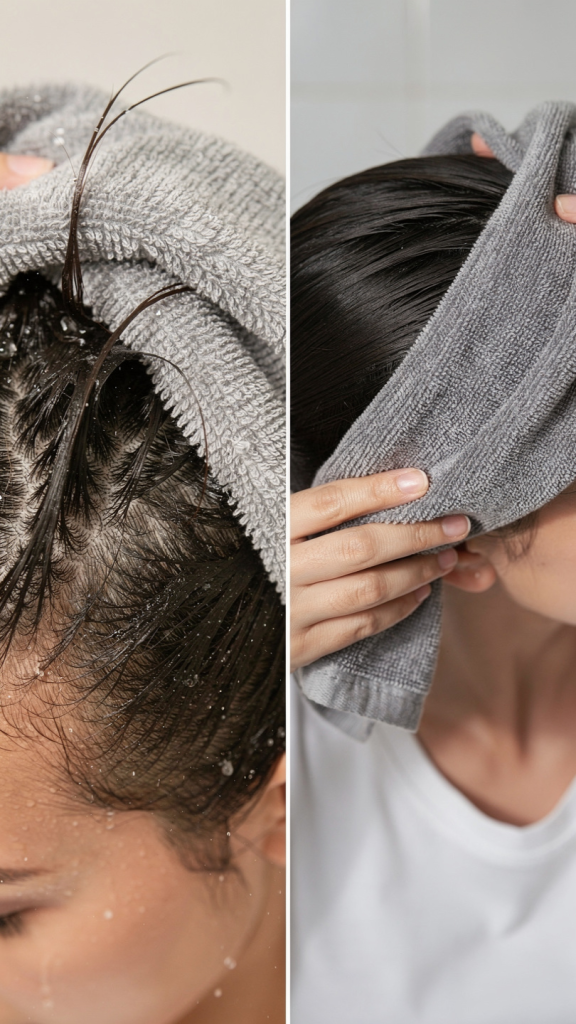
Rough terry cloth fibers snag and tear baby hairs, whereas smooth microfiber or cotton jersey absorbs moisture without friction.
2. Squeeze, don’t rub
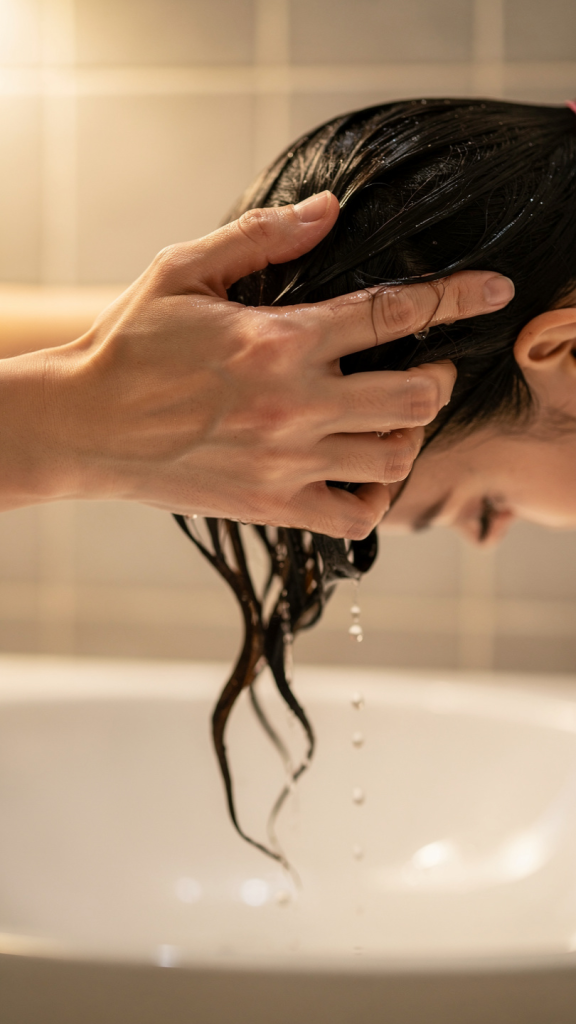
Gather sections of hair in the towel and press gently to remove water—rubbing twists and snaps the cuticle, especially on short, fragile strands.
3. Apply leave-in conditioner before drying
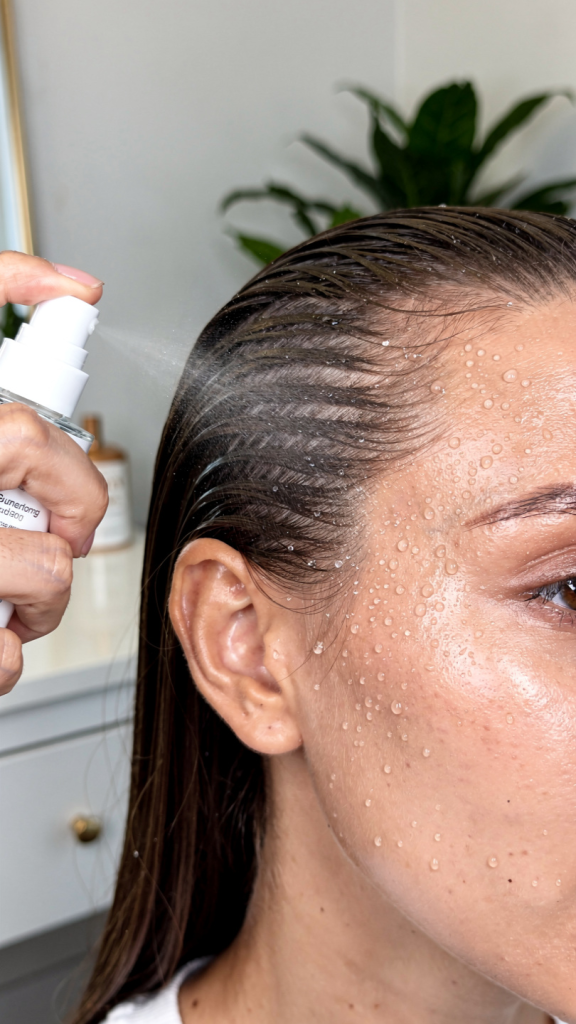
A lightweight leave-in adds slip, reducing drag on baby hairs as you blot or wrap your hair.
4. Use the “plopping” method for curls and waves
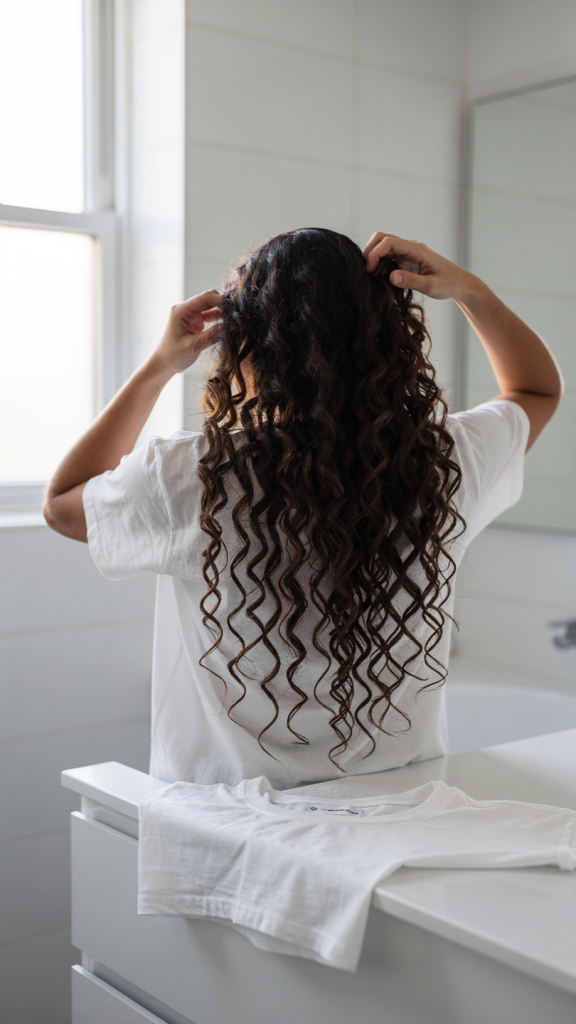
Lay a T-shirt flat, flip your head down, lower your curls onto it, then wrap and tie—this dries hair without any abrasive motion.
5. Detangle with a wide-tooth comb before toweling
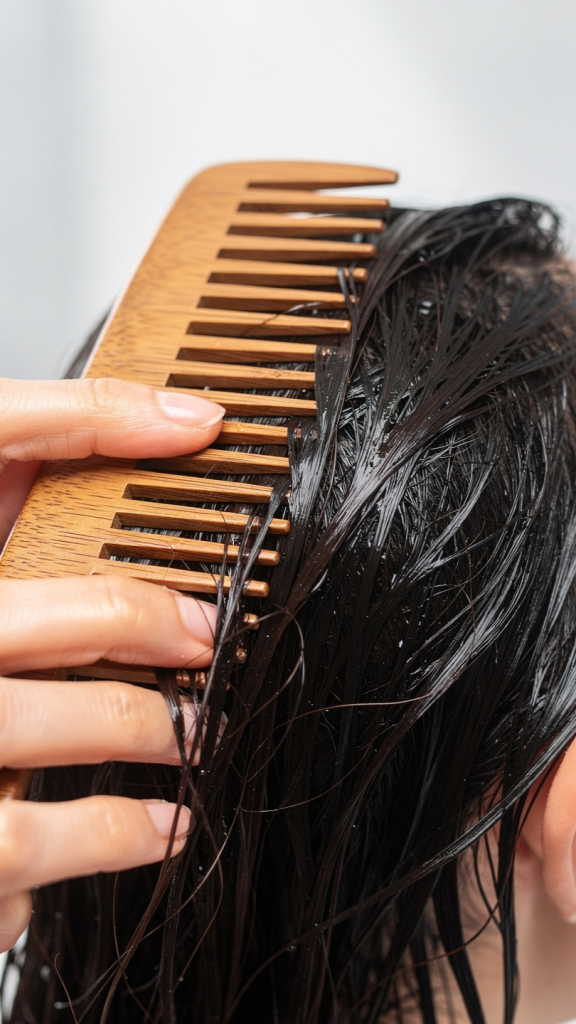
Removing knots first means fewer tangles for the towel to catch and pull on your delicate baby hairs.
6. Never use a terry towel on soaking wet hair
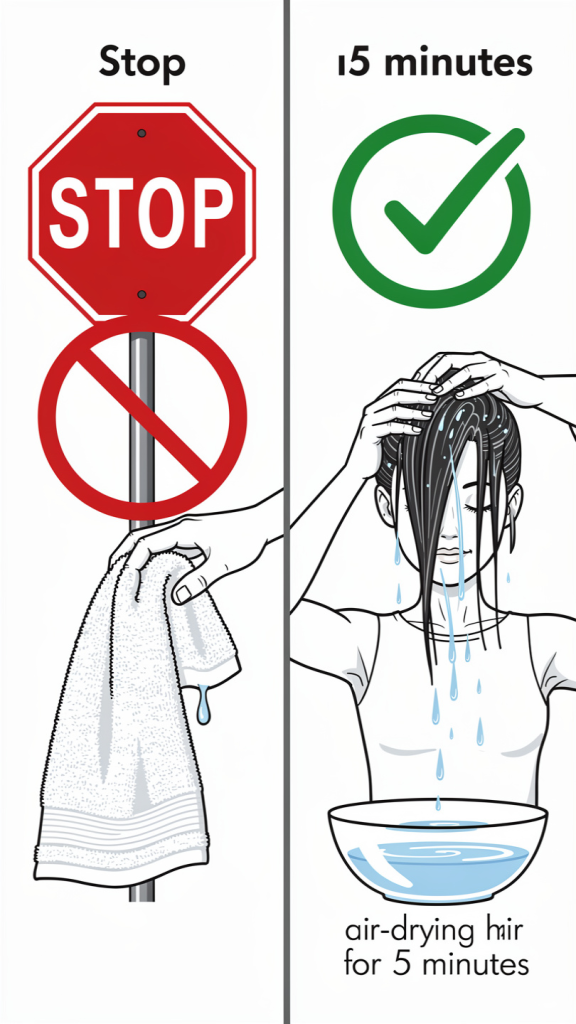
Wet hair is at its weakest; terry cloth fibers act like tiny hooks. Air-dry for 5 minutes first, then gently blot.
7. Pat baby hairs separately with your fingertips
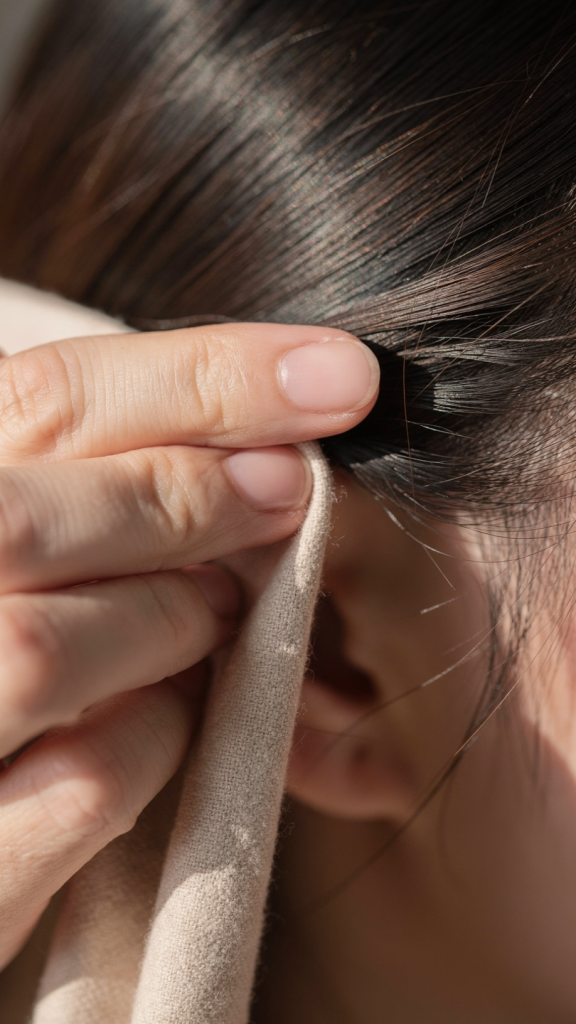
Instead of dragging a towel across your hairline, use a small corner of a soft cloth to lightly press along the edges.
8. Apply a few drops of hair oil to baby hairs before drying
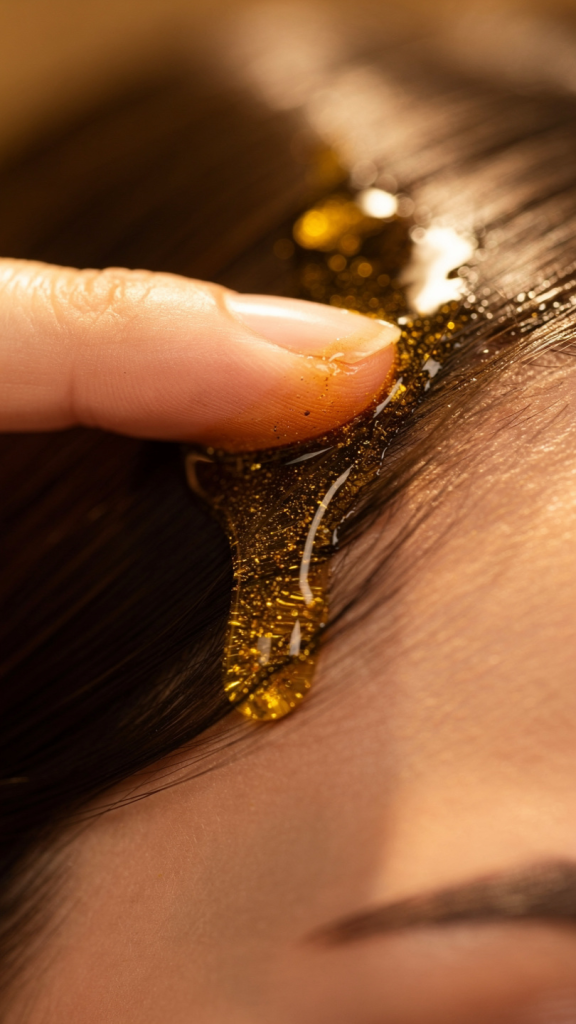
Oil seals the cuticle temporarily, creating a non-stick barrier that prevents the towel from grabbing and snapping those fine strands.
9. Swap vigorous drying for a loose microfiber turban
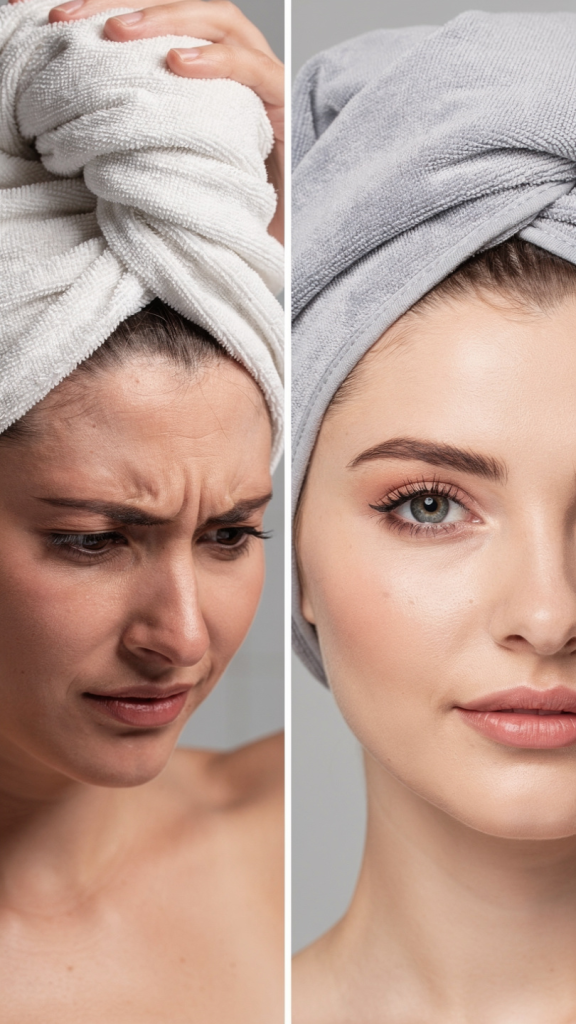
Flipping and twisting a heavy towel creates tension at the hairline—a lightweight turban holds hair in place without pulling.
10. Finish with cool air from a dryer on low speed
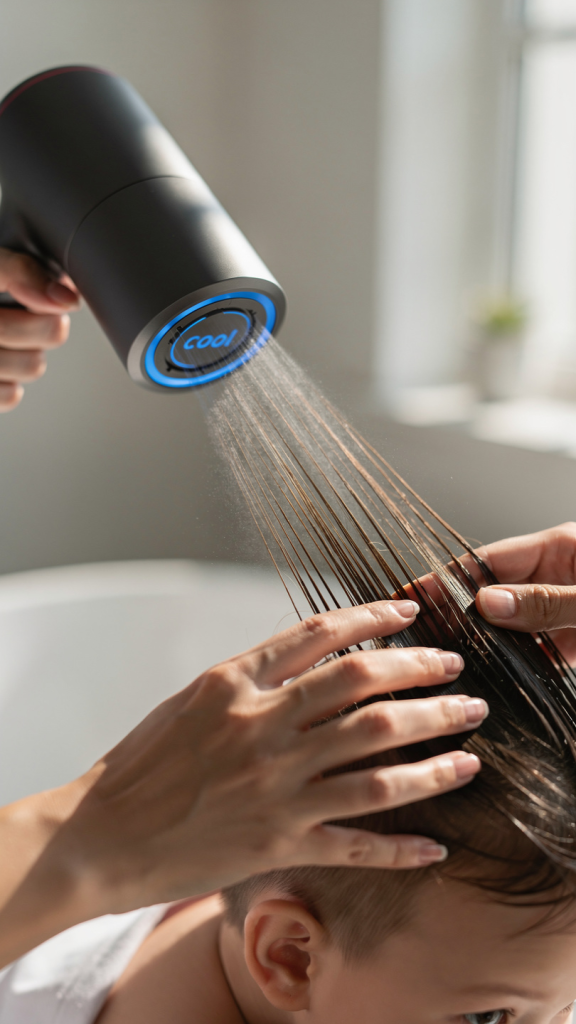
If you need faster drying, skip the towel friction entirely and use a dryer’s cool setting while finger-combing from mid-lengths to ends.
Signs You're Already Breaking Your Baby Hair
Not sure if rough towel drying is affecting you? Look for these four red flags:
- Frizz that won't lie flat – especially right after drying, not from humidity.
- Short, stubby hairs sticking up at your hairline – these are broken strands, not new growth (new growth tapers at the end; broken hair has a blunt tip).
- Tenderness along the hairline – friction can irritate follicles and even cause small inflammation.
- Thinning edges – if your baby hair area looks sparse compared to six months ago, mechanical damage is likely the culprit.
The Right Way to Dry Your Hair in 4 Simple Steps
Replace the rub-and-rip routine with this gentle workflow:
Step 1: Let your hair drip over the tub or sink for 1–2 minutes after turning off the water.
Step 2: Gently squeeze out excess water from roots to ends using just your hands.
Step 3: Wrap your hair in a microfiber towel or soft T-shirt—no twisting. Just fold and clip or tie loosely.
Step 4: After 5–10 minutes, remove the wrap and either air-dry or use a cool blow-dryer on low speed. Blot any remaining dampness at the hairline with your fingertips.
Products That Help (and One to Avoid)
Recommended:
- Microfiber hair wrap (look for "smooth weave" not "plush")
- 100% cotton jersey T-shirt (old, soft ones work best)
- Leave-in conditioner spray with slip agents (e.g., glycerin or aloe vera)
- Lightweight hair oil (argan, jojoba, or grapeseed)
Avoid:
- Terry cloth towels labeled "extra absorbent" – the loops are baby hair magnets
- Any towel dried with fabric softener – softener residue increases friction on hair
How Long Until You See a Difference?
If you stop rough towel drying today, here's the realistic timeline:
- 1 week – Less post-shower frizz, hair lies smoother at the hairline.
- 3–4 weeks – New, undamaged baby hairs begin sprouting (you'll see soft, tapered ends).
- 8–12 weeks – Noticeable regrowth along the edges; broken blunt ends will have grown out or been trimmed.
- 6 months – Full recovery, provided you maintain gentle habits.
Conclusion
Your baby hairs aren't weak because they're unhealthy—they're weak because they're designed to be fine and soft. That very softness makes them vulnerable to a habit most of us learned as children: rubbing hair vigorously with a towel. The good news is that damage is entirely preventable. You don't need expensive treatments or salon visits. You just need to stop rubbing, start blotting, and swap terry cloth for microfiber or T-shirt cotton.
Think of it this way: you wouldn't scrub a silk blouse with a rough sponge. Treat your baby hairs with the same consideration. In a few months, you'll see a fuller, smoother hairline—no broken strands, no stubborn frizz, just healthy regrowth. Your future hair will thank you for every gentle squeeze and every towel you retired.



Leave a Reply