
Walk down any supplement aisle, and you’ll see shiny bottles of biotin promising longer, stronger, thicker hair. But here’s the reality that marketing won’t tell you: for the vast majority of people experiencing thinning hair, biotin is not the solution. While a severe biotin deficiency can cause hair loss, true deficiency is incredibly rare. Below, we break down the science and myths to explain why your biotin gummies likely aren’t working.
Who Actually Needs Biotin?
Biotin supplements are legitimately helpful for a very small group of people. This includes individuals with biotinidase deficiency (a rare genetic disorder), people on long-term IV nutrition, those who consume large amounts of raw egg whites (which contain a protein that blocks biotin absorption), and patients with certain intestinal absorption issues. If you don't fall into one of these categories, taking biotin is unlikely to change your hair.
Signs You Might Have a Real Vitamin Deficiency (Not a Biotin Problem)
Before assuming a supplement will help, look for these actual signs of nutritional deficiency: sudden diffuse shedding all over the scalp, brittle nails that split easily, extreme fatigue, unexplained weakness, or a smooth, red tongue. These symptoms warrant a doctor's visit and blood test for ferritin (iron storage), vitamin D, zinc, and thyroid hormones—not just a quick fix from the drugstore.
10 Reasons Biotin Isn’t Fixing Your Thinning Hair
1. True biotin deficiency is extremely rare.
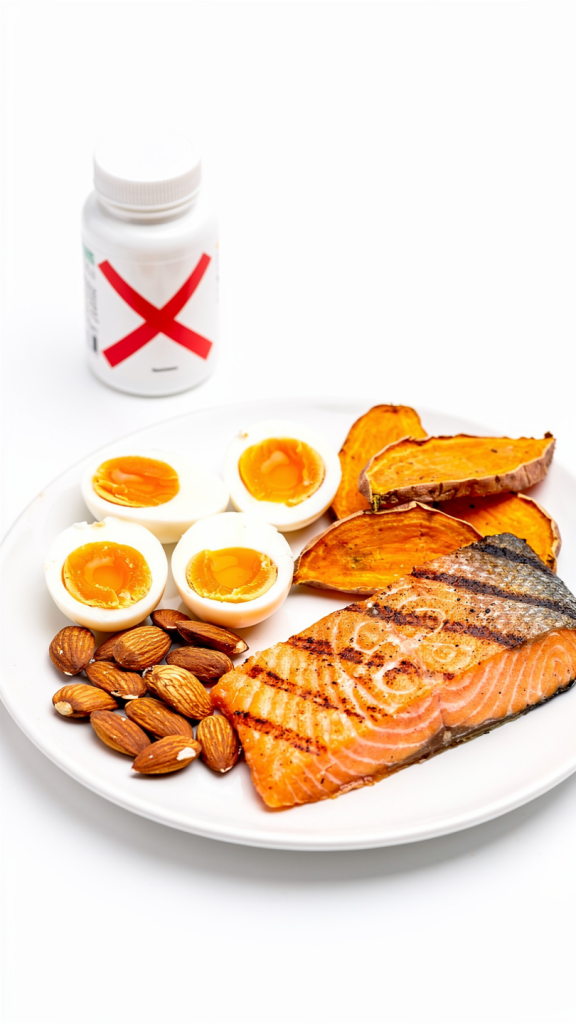
Most people get enough biotin from their daily diet (eggs, nuts, salmon), so adding more doesn’t fix hair loss caused by genetics or hormones.
2. Thinning hair is almost never due to a lack of biotin.
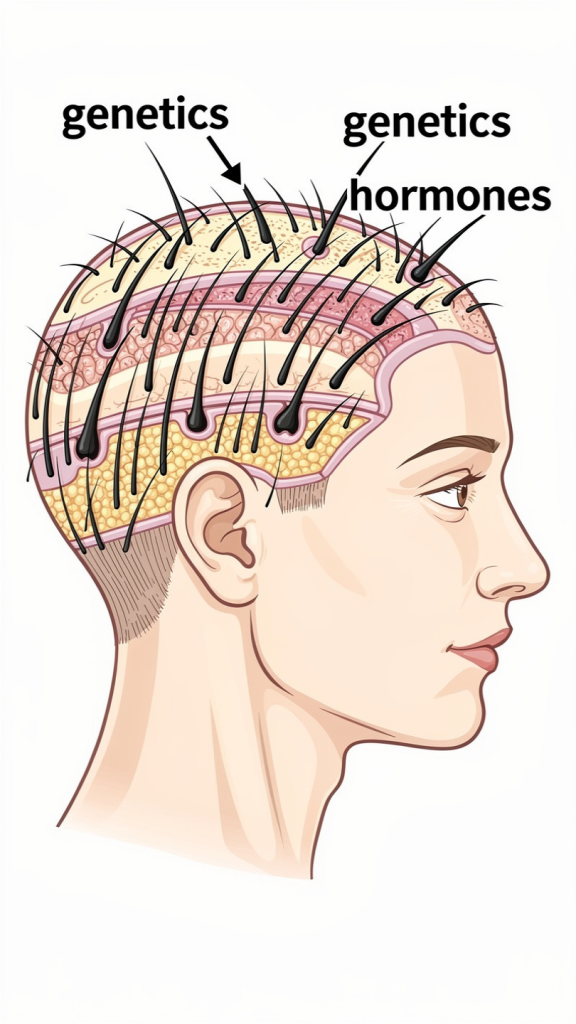
Androgenetic alopecia (pattern baldness), telogen effluvium (stress shedding), and thyroid issues are the real culprits—none of which biotin can treat.
3. High doses can actually skew lab test results.
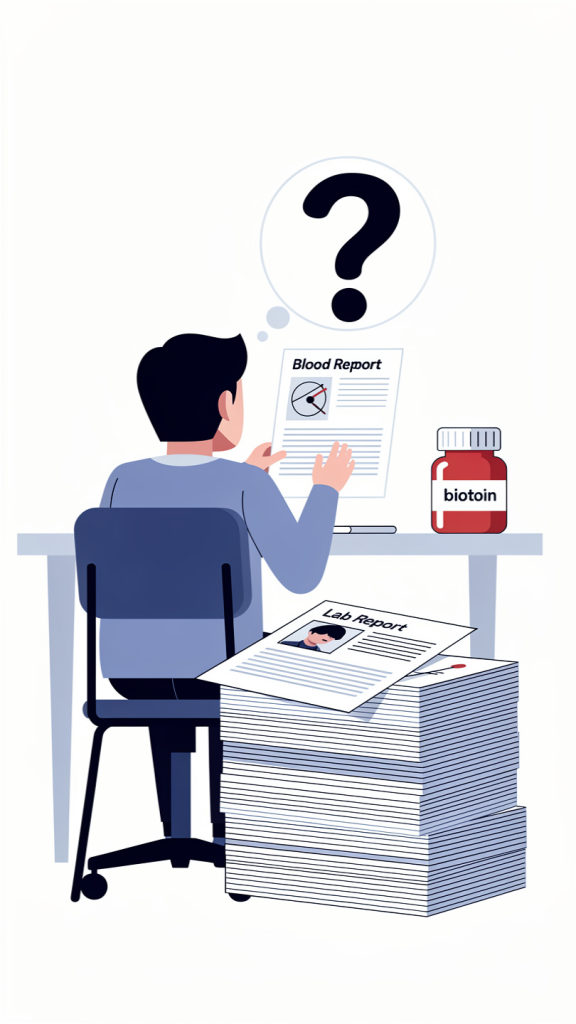
Biotin supplements have been shown to interfere with thyroid and cardiac biomarker tests, leading to false diagnoses that delay real treatment for your hair.
4. No strong evidence supports biotin for healthy individuals.

Most studies claiming biotin benefits are small, poorly controlled, or conducted only on people with existing medical conditions or deficiencies.
5. You’re likely excreting 95% of what you take.
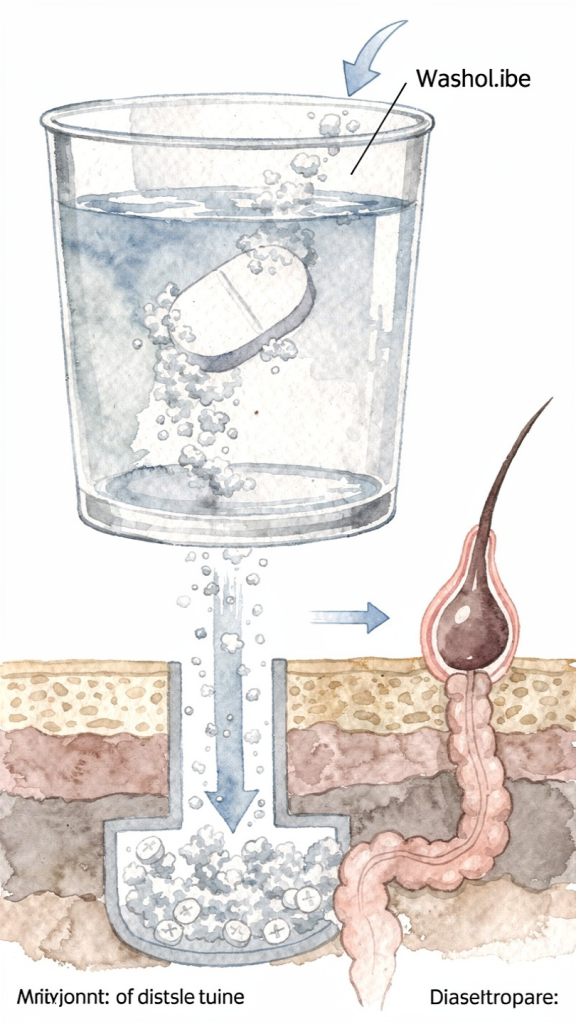
Biotin is water-soluble, meaning your body absorbs only what it needs and flushes the rest out in your urine—expensive urine, not better hair.
6. Hair growth cycles don’t respond to random vitamin boosts.
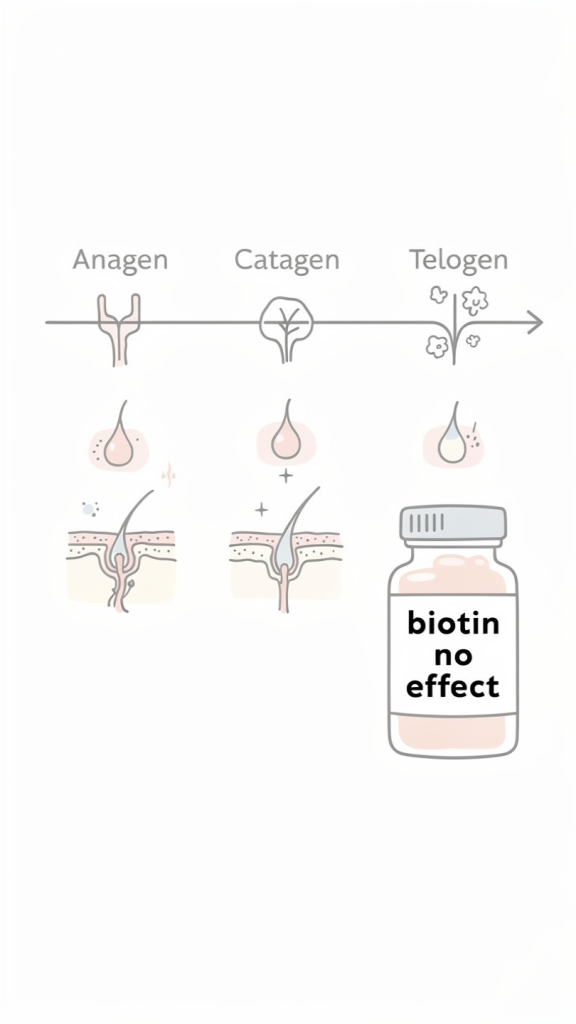
Your hair grows in phases over months. Adding extra biotin won’t switch dormant follicles back on if they’ve been miniaturized by DHT or inflammation.
7. It can cause acne and skin rashes in high doses.
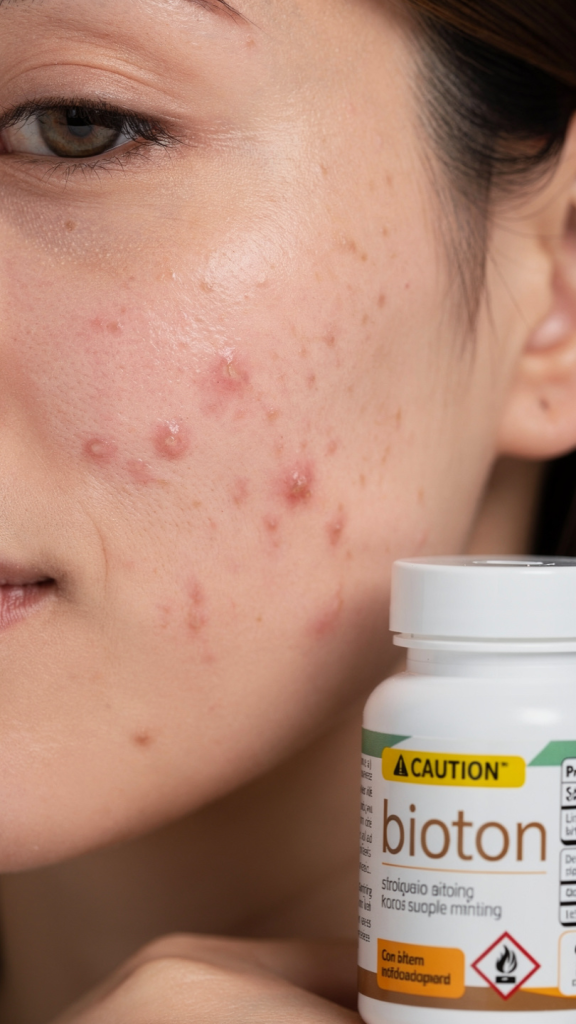
Paradoxically, some users report breakouts on their face and chest after starting megadoses of biotin—hardly a confidence booster.
8. Real results come from complete nutrition, not single vitamins.
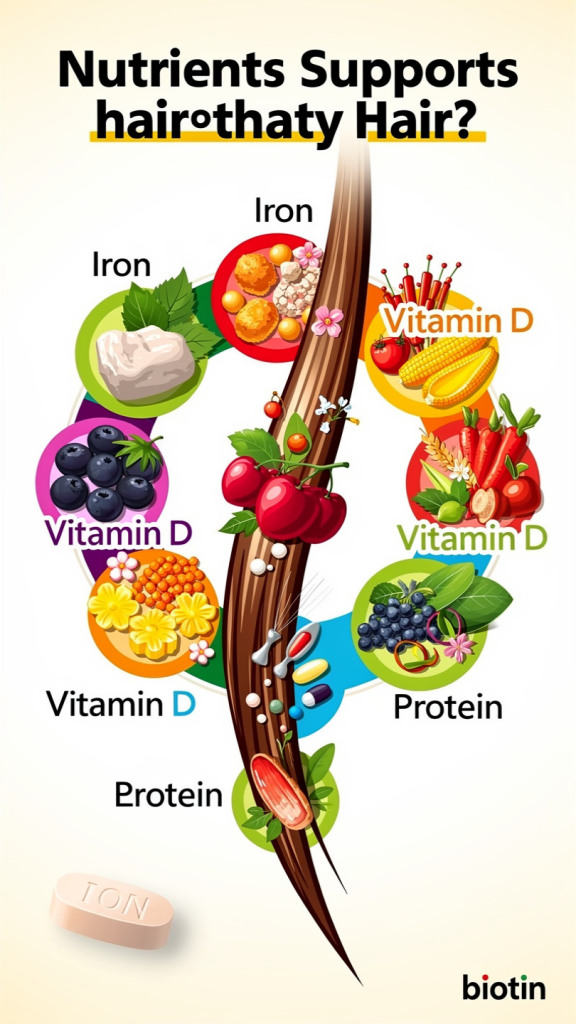
Iron, zinc, vitamin D, and protein are far more likely to be deficient and affect hair. Biotin alone is rarely the missing link.
9. Many “success” stories are from people who also changed other habits.
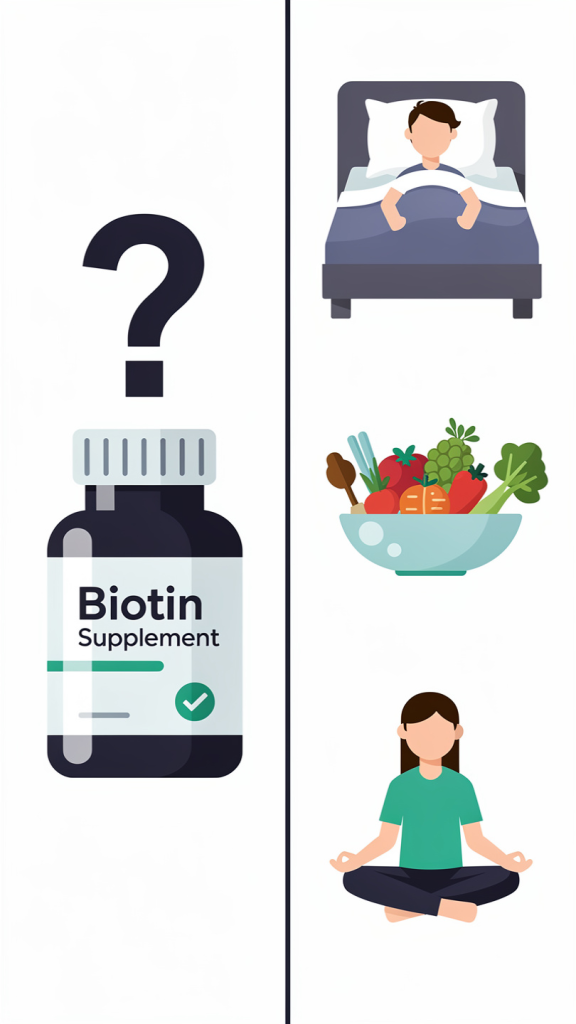
When someone starts biotin and reduces stress, eats better, or uses minoxidil, the biotin gets the credit—but it’s the other changes doing the work.
10. FDA-approved treatments target the actual causes.
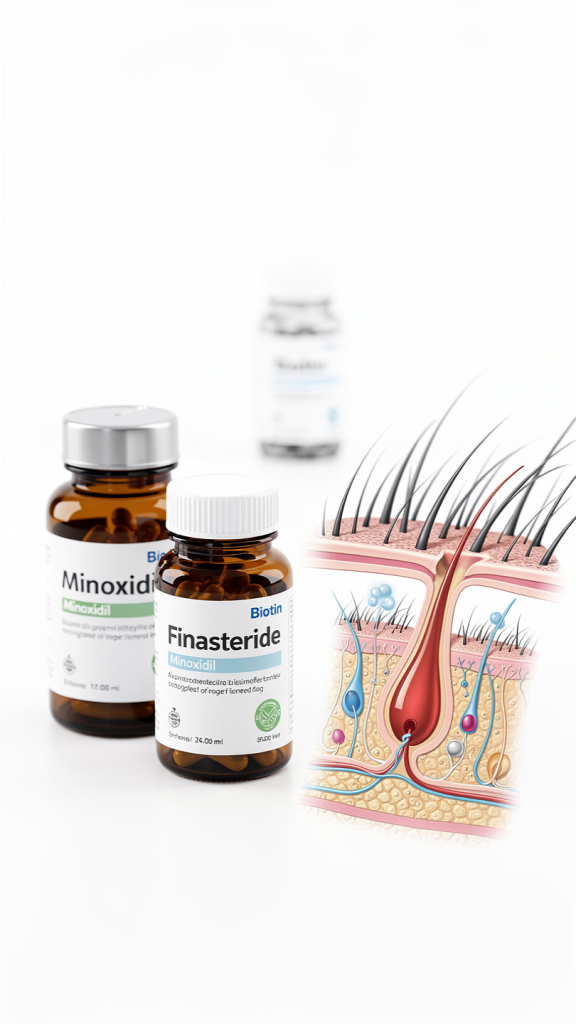
Minoxidil (Rogaine) and finasteride (Propecia) have decades of clinical trials proving they slow or reverse thinning. Biotin has no such equivalent data.
What to Do Instead of Taking Biotin
Step 1: See a dermatologist or primary care physician for a proper diagnosis. They can distinguish between telogen effluvium (temporary shedding), androgenetic alopecia (pattern loss), alopecia areata (autoimmune), or scarring alopecias.
Step 2: Get blood work done. Ask for ferritin, vitamin D, B12, zinc, thyroid panel (TSH, free T3, free T4), and a complete blood count.
Step 3: If deficiencies are found, supplement exactly what you're missing (e.g., iron for low ferritin, vitamin D for deficiency).
Step 4: Consider proven treatments: topical minoxidil (women and men), oral finasteride or dutasteride (men only, off-label for some women), low-level laser therapy, or PRP (platelet-rich plasma) injections.
Step 5: Address lifestyle factors—reduce chronic stress, improve sleep quality, avoid crash diets, and eat adequate protein (at least 50–60 grams daily).
When to Be Skeptical of Supplement Marketing
If a product promises "dramatic results in 30 days," uses before-and-after photos with different lighting and angles, calls itself a "doctor-approved secret," or lists proprietary blends without exact dosages—be wary. Biotin is often added to "hair, skin, and nails" gummies because it's cheap, safe (in small doses), and legally allowed to make structure/function claims without FDA approval. Marketing buzzwords are not medical evidence.
Conclusion
Here’s the bottom line: Biotin is not your enemy. It's a necessary vitamin that supports healthy hair growth—when you're actually deficient. But for the overwhelming majority of people dealing with thinning hair, popping a high-dose biotin gummy every morning is like pouring extra water into an already full glass. You’ll just be making expensive urine.
Thinning hair is frustrating, even heartbreaking. That frustration makes you an easy target for supplement companies who profit from hope, not science. The real truth is that most hair loss has underlying causes—genetics, hormones, stress, medical conditions, or nutritional gaps that go far beyond biotin.
The good news? Many of those causes are treatable. But the first step isn't buying another bottle of biotin. It's getting a proper diagnosis from a medical professional who can run the right tests and recommend treatments that actually work. Save your money, skip the hype, and invest your time in evidence-based solutions. Your hair—and your wallet—will thank you.



Leave a Reply