
For years, thin-haired individuals have reached for volumizing shampoos hoping for lift and body, only to end up with drier, tanglier, or even limper strands. The truth is that most volumizing formulas work by roughing up the hair cuticle — a temporary trick that backfires on fine hair, leading to breakage, friction, and long-term thinning. Here’s why everything changed once we understood the real science.
6 Well-Structured Ideas with Explanations
1. Volumizing shampoos strip natural oils too aggressively.
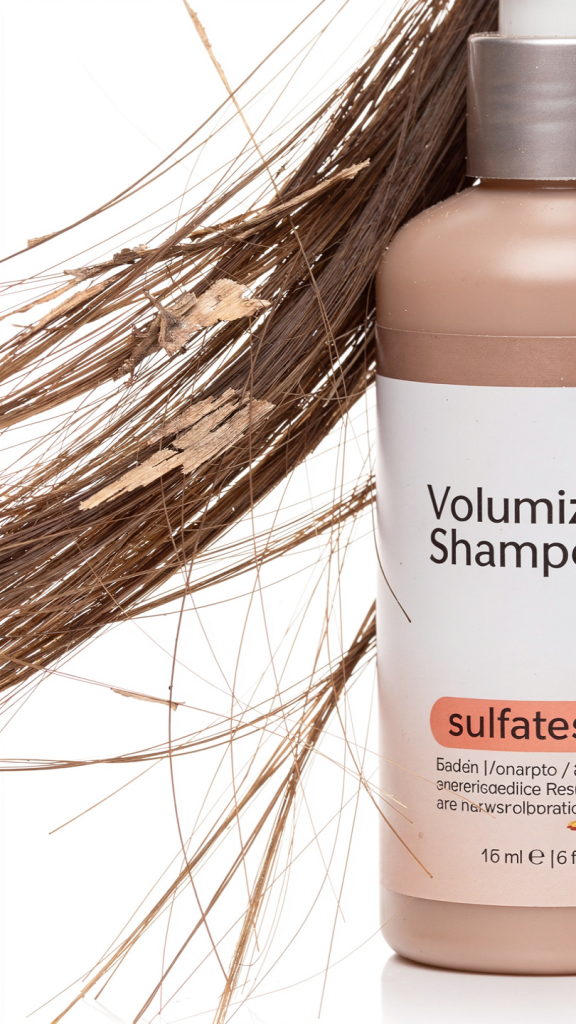
By using harsh sulfates to remove every trace of sebum, they leave fine hair brittle and prone to static, not the soft, bendable volume you actually want.
2. They rely on cuticle-lifting polymers that cause breakage over time.
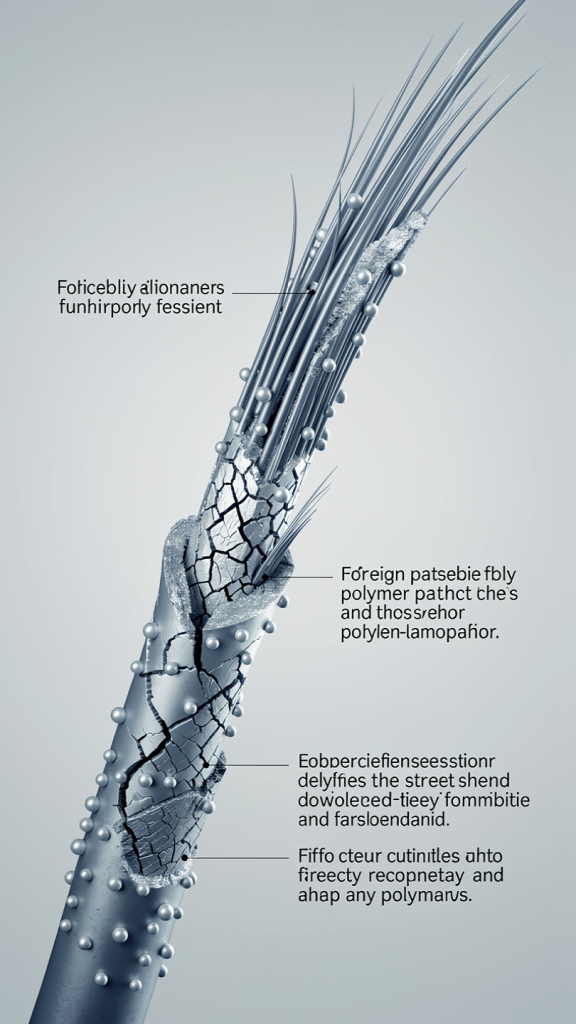
These polymers prop up each strand by forcing the cuticle open, which weakens the hair shaft and leads to split ends and flyaways on already delicate thin hair.
3. The “rough texture” they create makes strands snag and clump together.
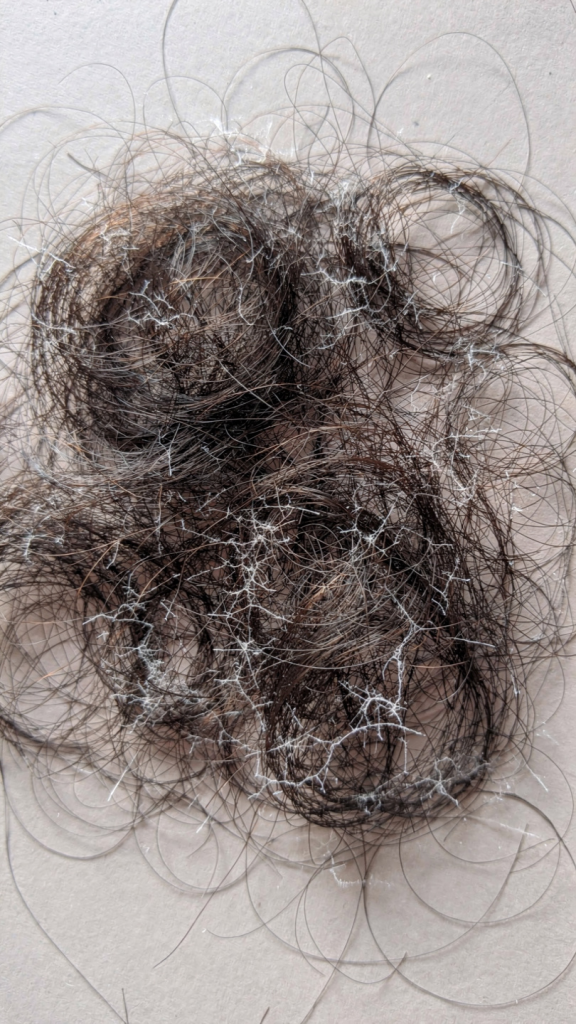
Instead of separate, bouncy strands, rough cuticles cause friction that tangles hair instantly, making thin hair look sparse and patchy rather than full.
4. Build-up from film-forming ingredients weighs thin hair down within days.
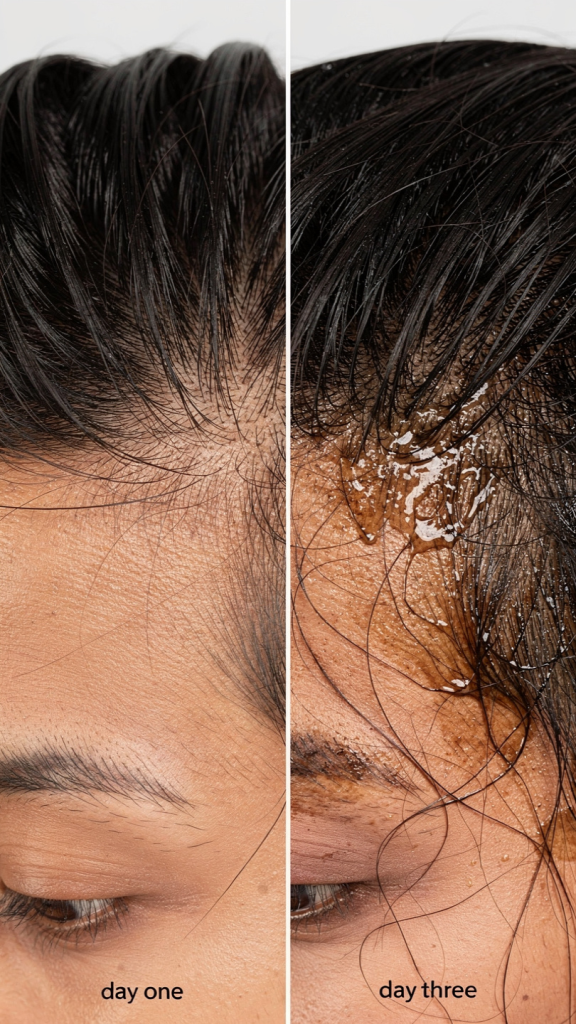
Cationic polymers and waxes in many volumizing shampoos accumulate quickly, turning an initial lift into heavy, lank strands by the second or third wash.
5. They trick you into skipping the real solution: lightweight hydration.
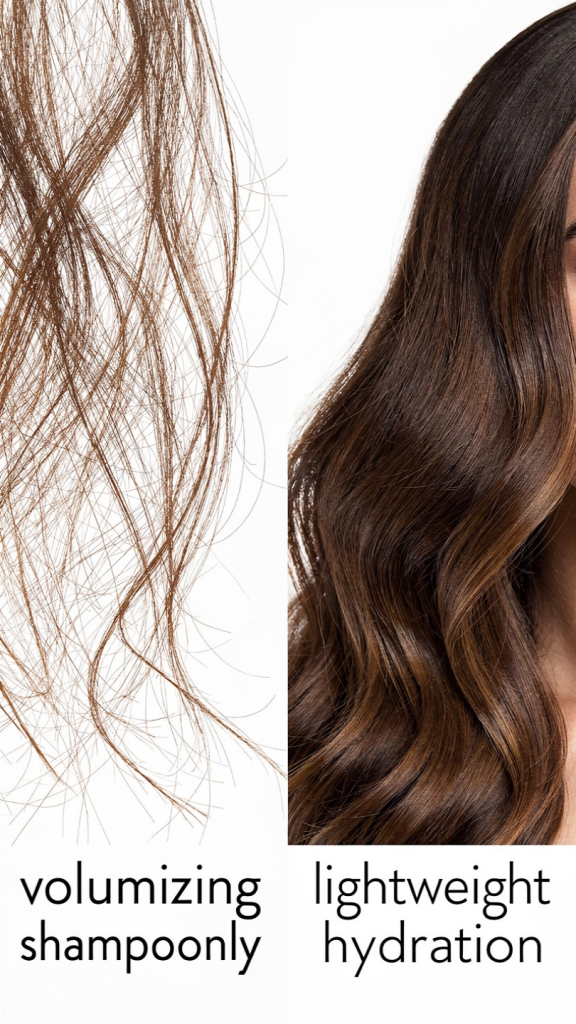
Thin hair needs flexible moisture to maintain shape, but volumizing shampoos leave it parched — so you overcompensate with heavy conditioners, defeating the purpose.
6. Everything changed when experts replaced “stripping” with “scaffolding.”
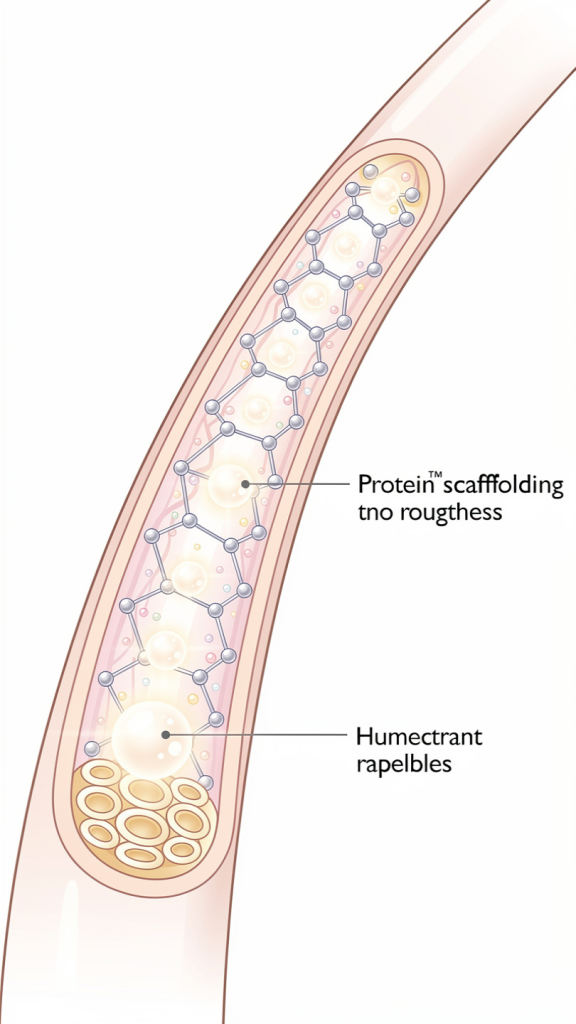
New clean-volume formulas use biomimetic proteins and low-weight humectants to support hair from within, proving that true body comes from strand strength, not cuticle damage.
Why Most "Volumizing" Claims Are Misleading (The Label Loophole)
When a shampoo says "volumizing," it's not regulated by the FDA or any hair-health authority. Brands can use the term simply because the formula creates temporary body — even if that body comes from damage. In fact, many volumizing shampoos share nearly identical ingredients with budget clarifying shampoos. The only real difference? Marketing.
The One Ingredient to Avoid at All Costs (And What to Look For Instead)
Avoid Sodium Lauryl Sulfate (SLS) and Sodium C14-16 Olefin Sulfonate — two common stripping agents in volumizing shampoos. Instead, look for Coco Glucoside, Decyl Glucoside, or Disodium Cocoyl Glutamate. These gentle cleansers remove dirt without attacking the cuticle. Also seek out hydrolyzed rice protein or silk amino acids — they add temporary, wash-out volume by coating the hair evenly, not by roughing it up.
The Right Way to Wash Thin Hair (A 3-Step Routine That Actually Works)
Step 1: Pre-wash scalp oiling (optional but powerful).
Apply a few drops of lightweight oil like grapeseed or jojoba to your ends before shampooing. This protects the fragile lengths from any cleanser.
Step 2: Use a sulfate-free, protein-enhanced shampoo.
Focus only on your scalp, not the ends. Let the suds run down naturally. Thin hair needs less product — about a dime-sized amount.
Step 3: Condition only the mids-to-ends, never the roots.
Rinse with cool water to seal the cuticle flat. Then gently blot with a microfiber towel — no rough towel-drying.
Myth vs. Fact: Quick Reference Table
| Myth | Fact |
|---|---|
| Volumizing shampoos train hair to be fuller over time. | They only create temporary, damage-based lift that worsens thin hair with repeated use. |
| Fine hair needs strong sulfates to feel clean. | Gentle cleansers remove dirt without stripping the protective lipid layer. |
| More lather means more volume. | Lather comes from harsh detergents — it has no relation to body or lift. |
| You should wash thin hair every day. | Every 2–3 days is ideal; daily washing accelerates moisture loss and breakage. |
Real Alternatives: 3 Product Types That Actually Help Thin Hair
1. Mousses with heat protection.
Modern lightweight mousses use polymers that harden only after heat is applied, giving bendable hold without the morning-after crunch.
2. Root-lifting sprays (water-based).
Spray directly onto damp roots before blow-drying. They work like a temporary "scaffold" — exactly what stripping shampoos failed to provide.
3. Dry texture powders.
These absorb tiny amounts of oil at the root while adding grip. One tap gives instant lift without any wash-day damage.
When to See a Trichologist (And When to Just Change Your Shampoo)
If you switch to a gentle, protein-balanced shampoo for 6 weeks and still see excessive shedding, visible scalp, or no change in body, book a consultation with a trichologist or dermatologist. Thin hair from genetics, hormones, or nutritional deficiencies won't improve with any shampoo — volumizing or otherwise. But for the vast majority of people, the fix is as simple as putting down the stripping bottle.
Conclusion
Everything changed when we stopped believing that damage equals volume. For years, the haircare industry sold thin-haired people a lie: that stripping, roughening, and drying their strands would somehow make them look fuller. The truth is brutally simple. Volumizing shampoos make thin hair worse — not better — by breaking down its natural structure wash after wash. True volume doesn't come from a rough cuticle. It comes from clean, hydrated, flexible strands that move together without tangling or snapping. So here's the real secret: ignore the "volumizing" label. Look for gentle cleansers, lightweight proteins, and common sense. Your thin hair wasn't the problem. Your shampoo was.




Leave a Reply