
You’ve likely been told that wet hair is vulnerable, but few realize just how much damage a single brush stroke can inflict. While it’s tempting to detangle right after a shower, brushing soaking wet strands stretches, snaps, and strips away your hair’s natural defenses—leading to breakage, frizz, and long-term thinning.
10 Ways Brushing Wet Hair Damages Your Strands
1. Excessive Stretching and Elasticity Loss
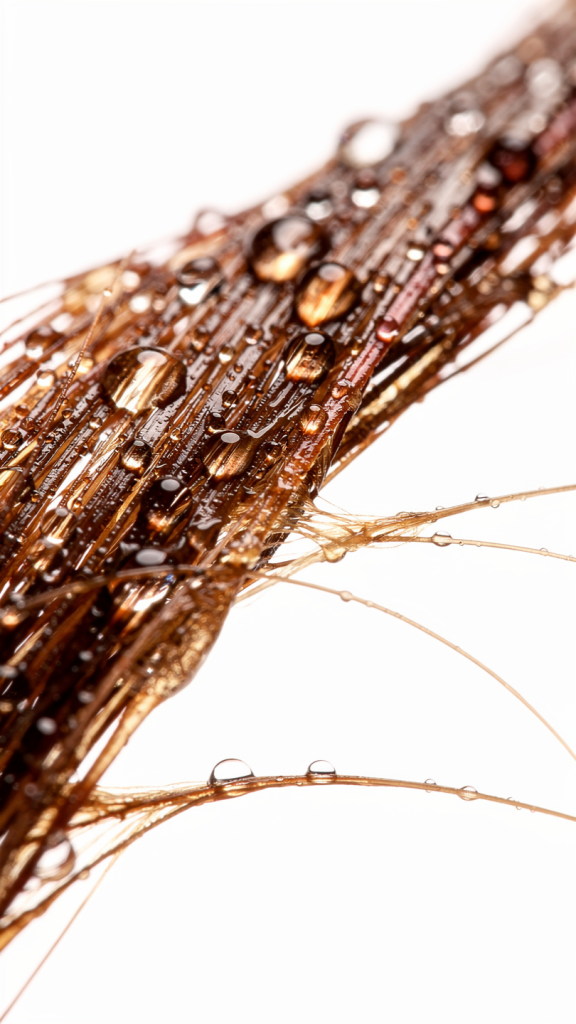
Wet hair can stretch up to 30% longer than dry hair, but brushing pulls it past its natural limit, permanently deforming the hair shaft and reducing its ability to bounce back.
2. Cuticle Ripping and Fraying
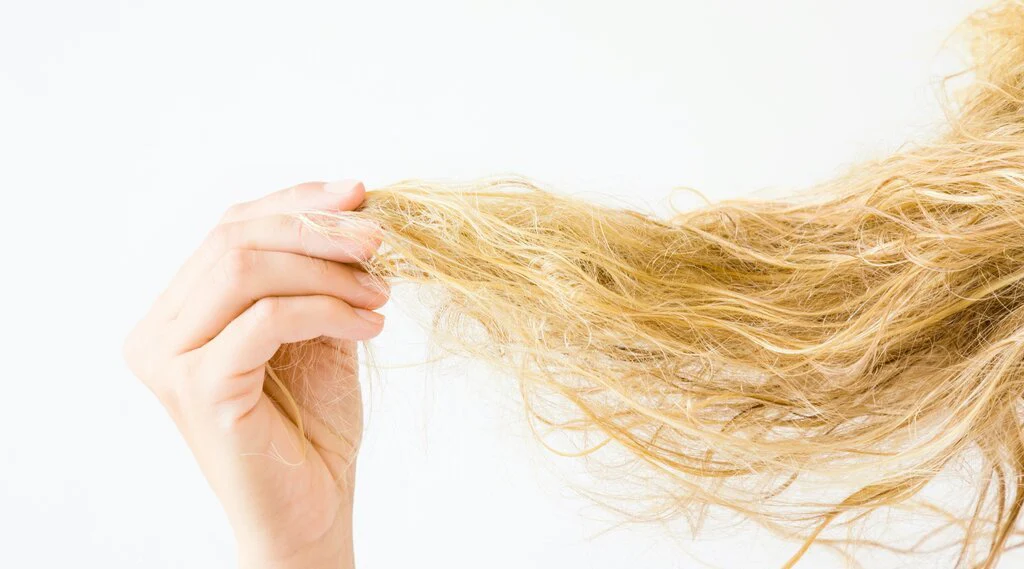
The hair’s outer protective layer (cuticle) is raised and softened when wet; a brush easily scrapes it off, leaving the inner cortex exposed, rough, and prone to splitting.
3. Increased Breakage from Lack of Lubrication
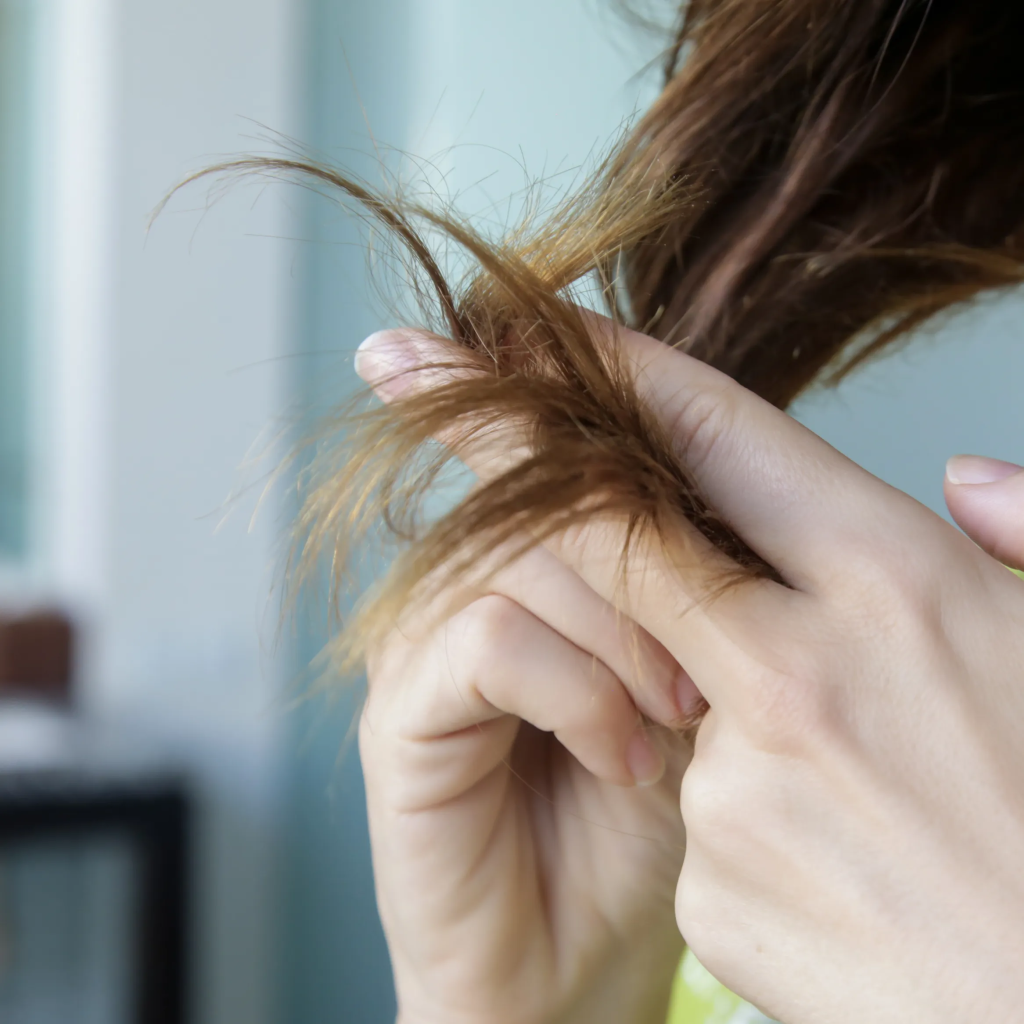
Unlike dry hair, wet hair lacks natural oils to reduce friction, so brush teeth snag and snap mid-length and ends instead of gliding through.
4. Formation of “Knot Tunnels”
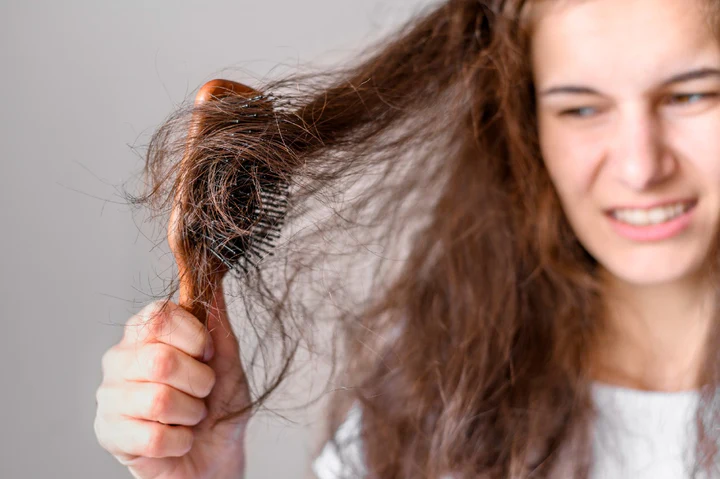
Aggressive brushing forces tangles downward, tightening them into hard, compressed knots that must be cut out later—creating weak spots that will eventually break.
5. Weakening of the Hair’s Protein Bonds
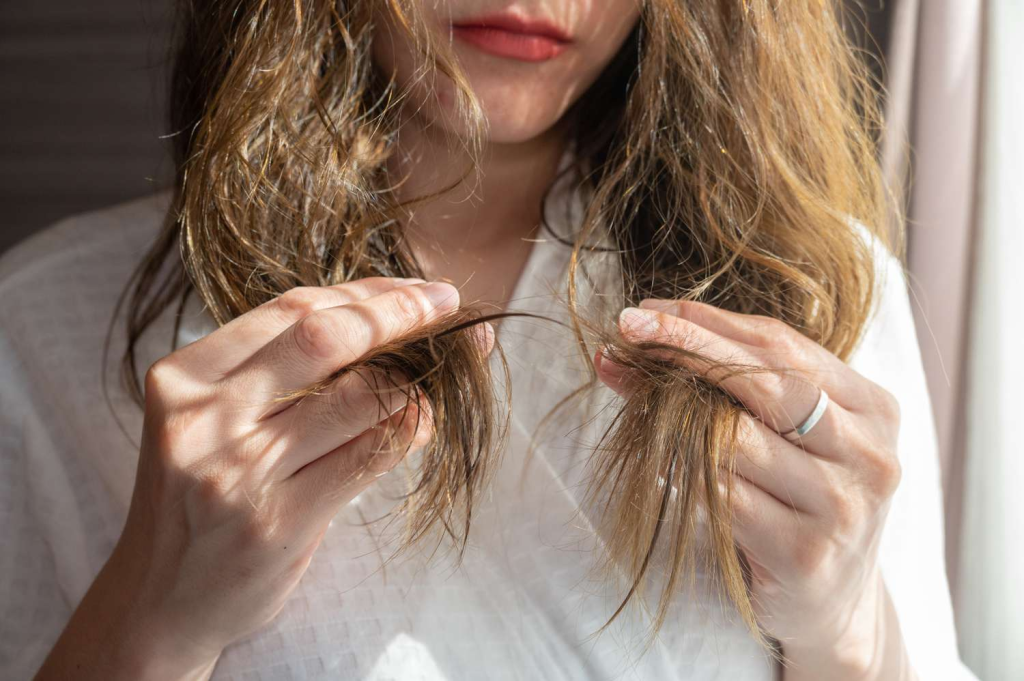
Wet hair relies on hydrogen bonds for shape; brushing disrupts these bonds harshly, permanently damaging the protein structure and making strands limp and brittle.
6. Scalp Trauma and Follicle Damage
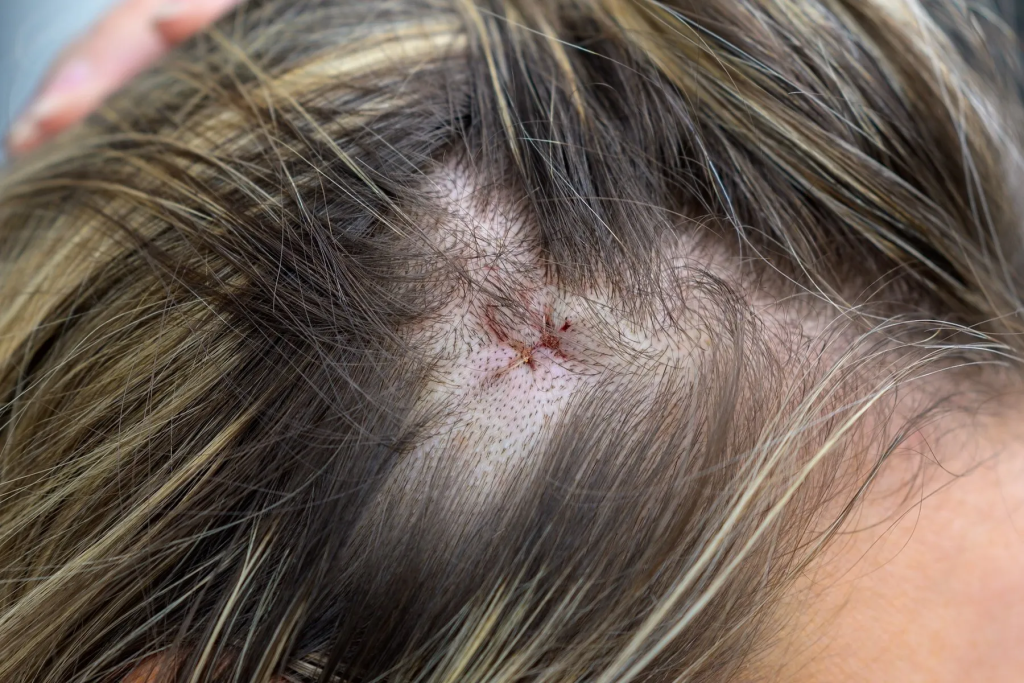
Pulling a brush through wet, tangled hair tugs directly at the roots, causing inflammation, temporary follicle loosening, and even traction alopecia over time.
7. Creation of Frizz That Cannot Be Fixed
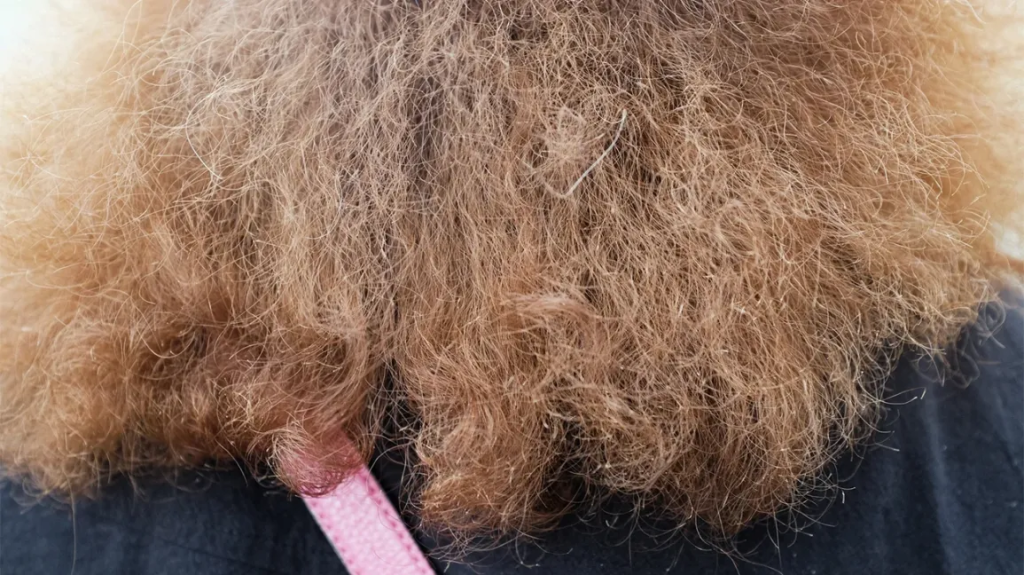
Ripped cuticles stand up straight once dry, trapping humidity and creating permanent, unruly frizz that no serum can fully smooth.
8. Accelerated Color Fading
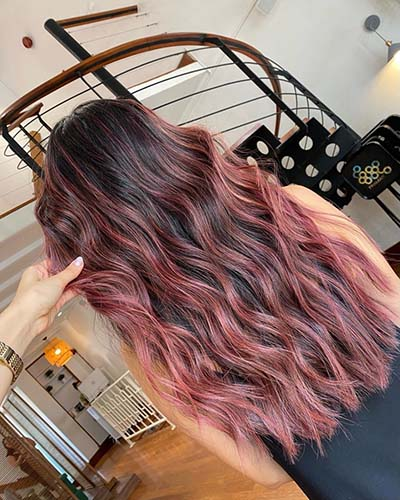
For color-treated hair, brushed-open cuticles allow dye molecules to escape rapidly, washing out your color in half the usual time.
9. Splitting That Travels Up the Shaft
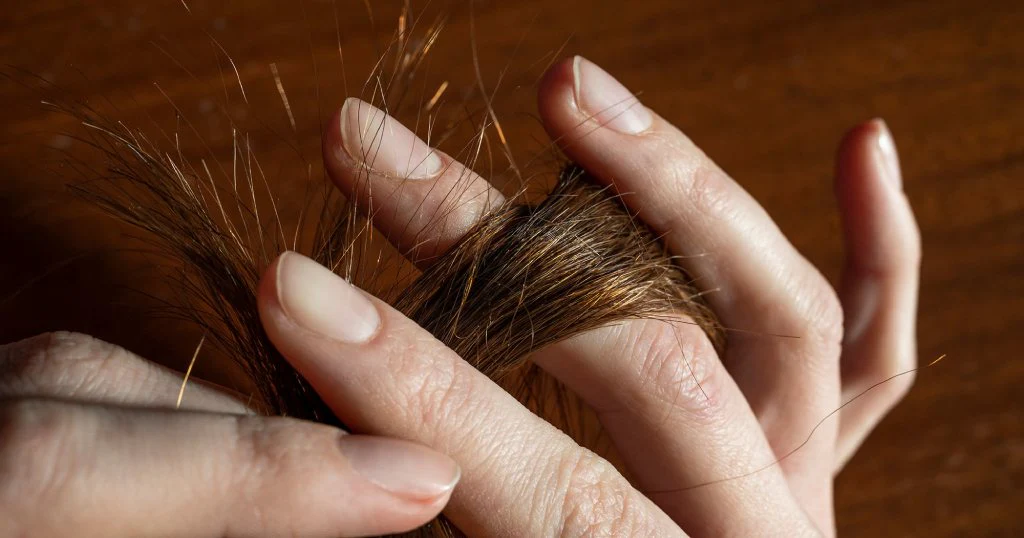
A single brush-induced crack at the end can split all the way to the root, turning one damaged strand into dozens of frayed fibers.
10. Loss of Natural Wave and Curl Pattern
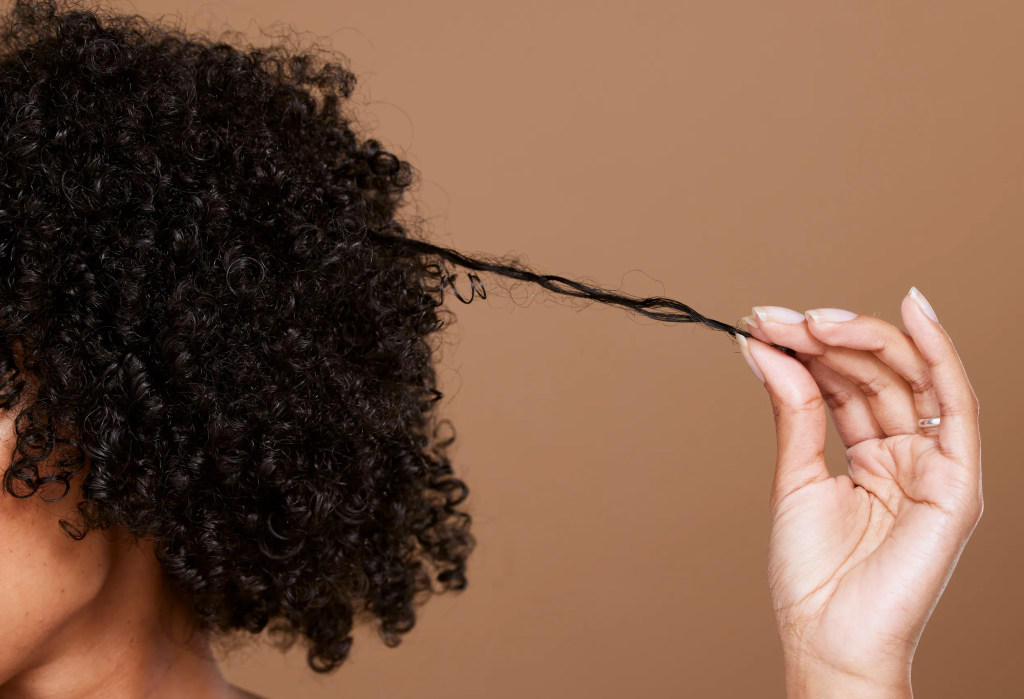
In curly or wavy hair, brushing wet disrupts the clumped alignment of curls, replacing defined patterns with a shapeless, poofy texture that requires heat to fix.
How to Tell If You've Already Caused Damage
Look for these four signs after brushing wet hair:
- "Springy" strands – Stretch a wet hair gently; if it doesn't return to its original length, you've exceeded its elastic limit.
- White dots along the shaft – These are stress fractures that will eventually snap.
- Persistent frizz that resists serums – Ripped cuticles cannot be smoothed back down.
- More hair in your brush than usual – Breakage, not natural shedding (natural shed hairs have a white bulb at the root).
The Right Way to Detangle Wet Hair
Replace your damaging routine with this gentle method:
- Wait 5–10 minutes after showering. Hair is strongest when damp, not soaking wet.
- Apply a leave-in conditioner or detangler – This adds slip and lubrication.
- Use a wide-tooth comb or wet brush – These are designed to separate without pulling.
- Start from the bottom – Hold the strand mid-length, detangle ends first, then work upward.
- Work in small sections – Patience prevents breakage.
What Tools to Use (and What to Avoid)
| Safe for Wet Hair | Never Use on Wet Hair |
|---|---|
| Wide-tooth comb | Paddle brush |
| Wet brush (flexible bristles) | Round brush |
| Detangling brush with soft nylon bristles | Boar bristle brush |
| Your fingers | Any brush with ball-tipped bristles |
When Is It Actually Safe to Brush Wet Hair?
Very rarely. The only exceptions are:
- Hair that is naturally fine, straight, and low-porosity – These strands have tightly closed cuticles and less swelling when wet.
- After applying a high-slip mask or conditioner – Lubrication temporarily protects the strand.
- With a specialized "wet brush" using slow, gentle strokes – Even then, start from the ends.
For everyone else, wait until hair is at least 80% dry.
Conclusion
Brushing your hair when wet feels like a harmless daily habit, but the evidence is clear: it is one of the most damaging things you can do to your strands. From stretched-out protein bonds and ripped cuticles to follicle trauma and permanent frizz, each stroke trades short-term tidiness for long-term weakness.
The good news is that this damage is entirely preventable. By switching to a wide-tooth comb, applying a detangler, and waiting just a few minutes after your shower, you can keep your hair stronger, shinier, and healthier for years to come. Your hair in its wet state is not an enemy to be conquered with force—it is a delicate material that rewards patience.
Next time you step out of the shower, put the brush down. Your future hair will thank you.



Leave a Reply