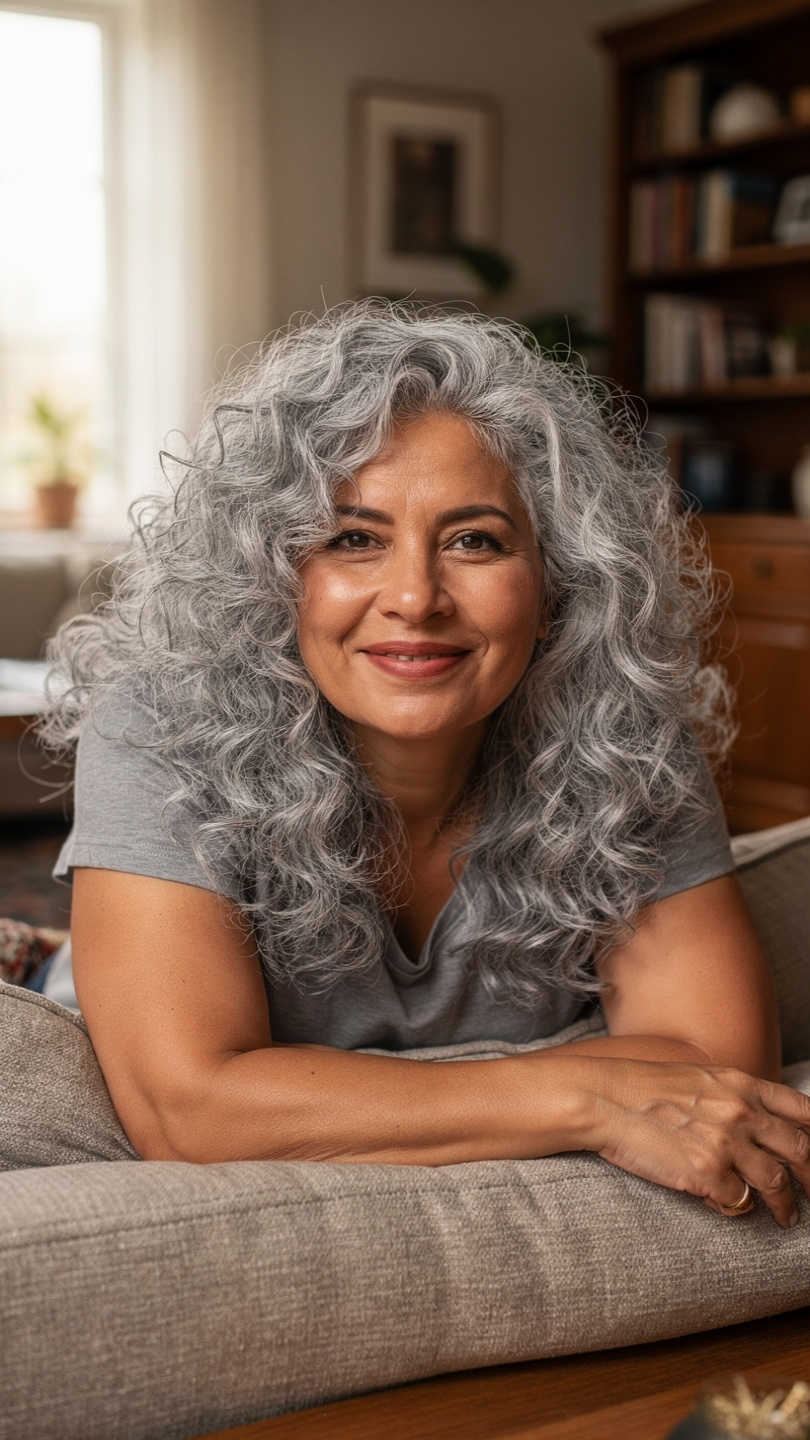
As we age, our hair naturally becomes drier, finer, and more fragile due to declining estrogen levels and a slower oil production cycle. While traditional shampoos create a satisfying lather using strong detergents called sulfates (like SLS and SLES), these same ingredients can strip mature hair of its precious moisture, leading to brittleness, frizz, and even colour fade. Switching to a sulfate-free formula helps preserve your scalp’s natural barrier, retain colour, and promote softer, more resilient strands.
How to Choose the Right Sulfate-Free Shampoo for Your Hair Type
Not all sulfate-free shampoos are created equal. Look for these ingredients based on your specific needs:
- For dry, brittle hair: Seek out shampoos with shea butter, argan oil, or glycerin.
- For fine, thinning hair: Choose lightweight formulas with biotin, saw palmetto, or rice protein.
- For curly or coily grey hair: Opt for creamy cleansers with coconut oil or aloe vera.
- For sensitive scalp: Avoid fragrances and essential oils; look for oat extract or chamomile.
Below are 10 compelling reasons why women over 50 should make the switch—and how to choose the right formula.
1. Preserve Natural Oils to Combat Dryness
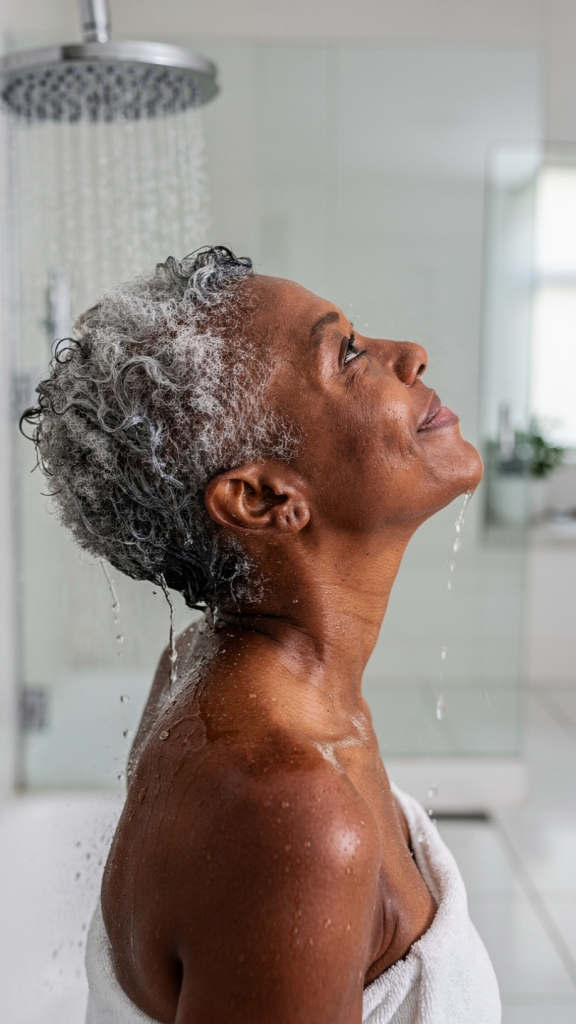
Sulfates strip away sebum aggressively, but a sulfate-free cleanser removes dirt without eliminating the natural oils mature hair desperately needs to stay supple.
2. Protect Colour-Treated or Highlighted Hair
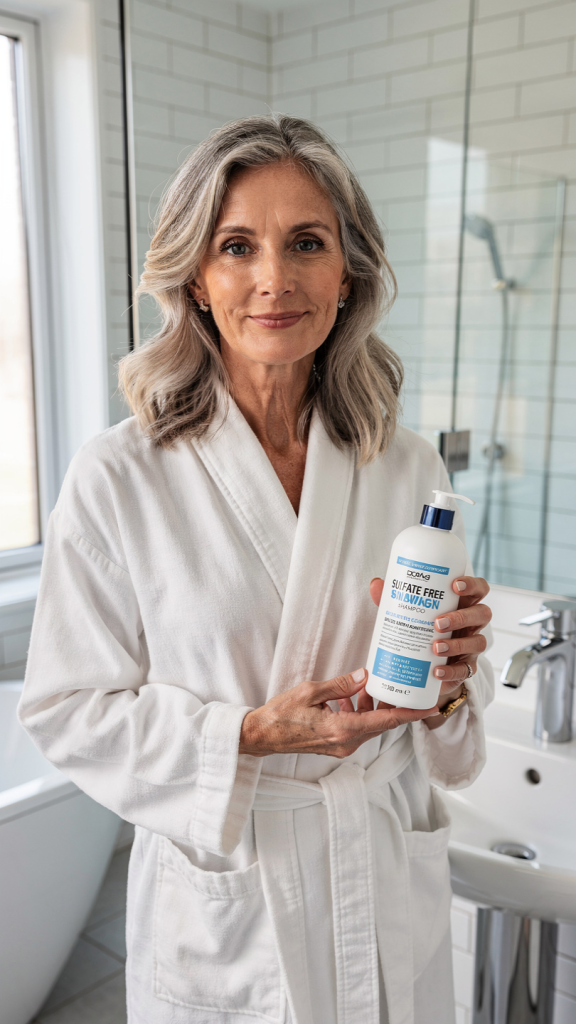
If you cover greys or add highlights, sulfates accelerate fading by opening the hair cuticle; sulfate-free formulas lock in colour vibrancy for weeks longer.
3. Reduce Scalp Irritation and Sensitivity
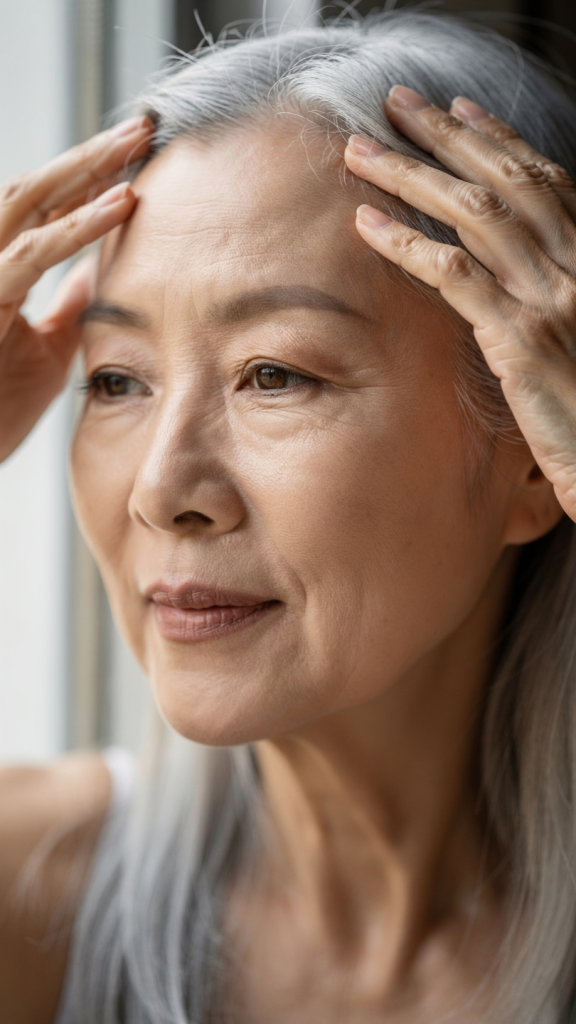
Menopausal and post-menopausal scalps often become more sensitive or prone to flaking; sulfate-free cleansers are gentler, reducing itchiness and inflammation.
4. Maintain Volume Without Heavy Buildup
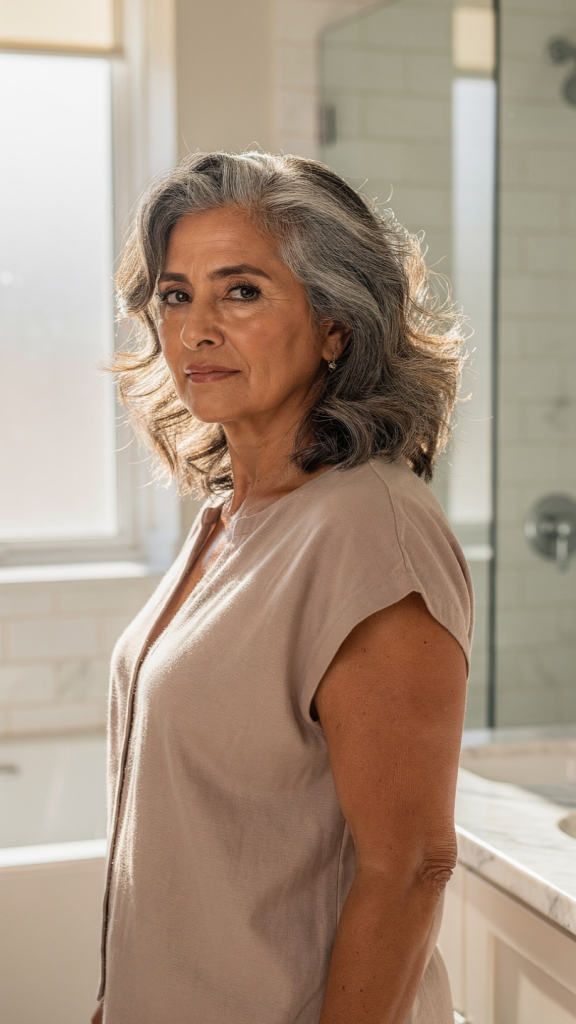
Many women fear sulfate-free shampoos will flatten fine hair, but modern lightweight formulas remove residue without weighing hair down, preserving natural lift.
5. Keep Keratin or Smoothing Treatments Intact
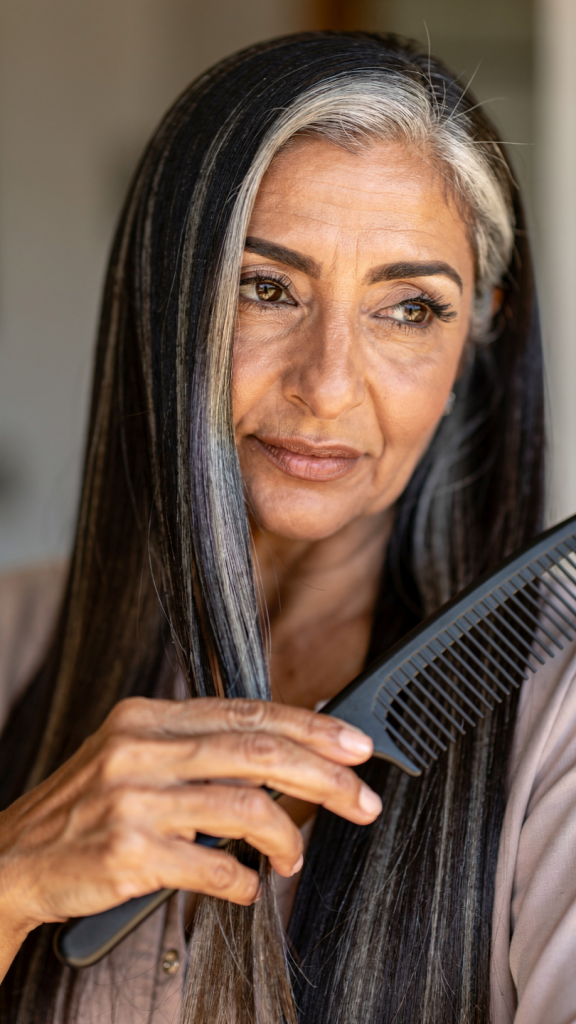
If you’ve invested in a smoothing or anti-frizz treatment, sulfates will dissolve it prematurely; sulfate-free washing extends the life of these professional services.
6. Improve Manageability for Curly or Textured Grey Hair
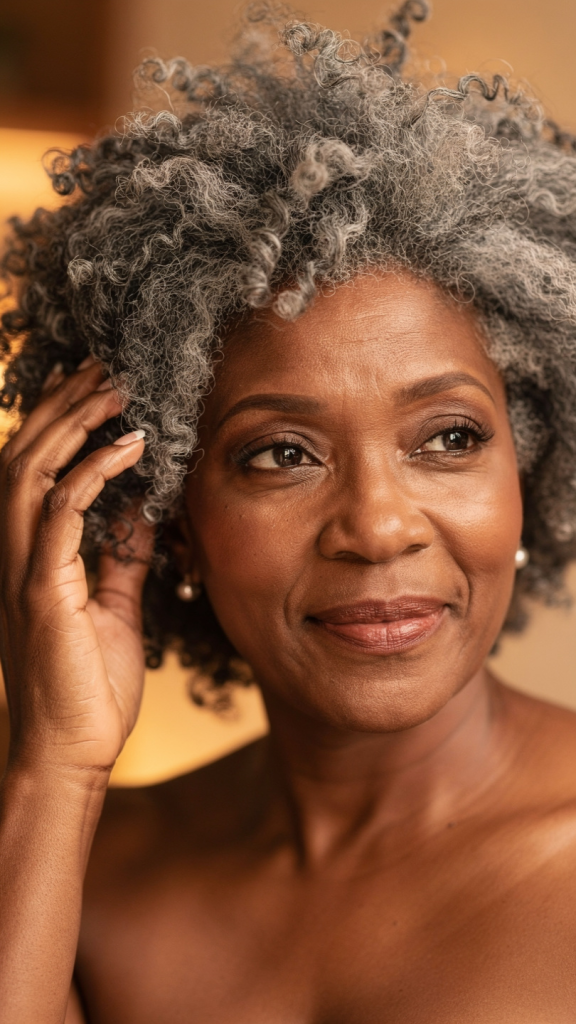
As hair naturally coarsens with age, sulfates cause frizz and tangling; a sulfate-free routine leaves curl patterns defined and easier to detangle.
7. Prevent Split Ends and Breakage
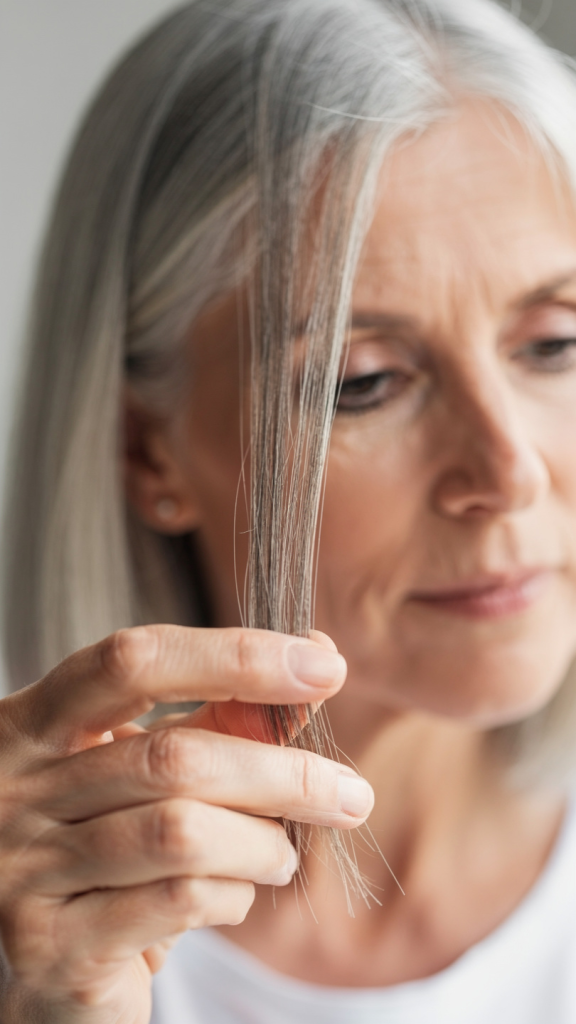
By preserving moisture and the hair’s outer cuticle layer, sulfate-free shampoos reduce friction and snapping, especially around the hairline and nape.
8. Support a Healthier Microbiome on the Scalp
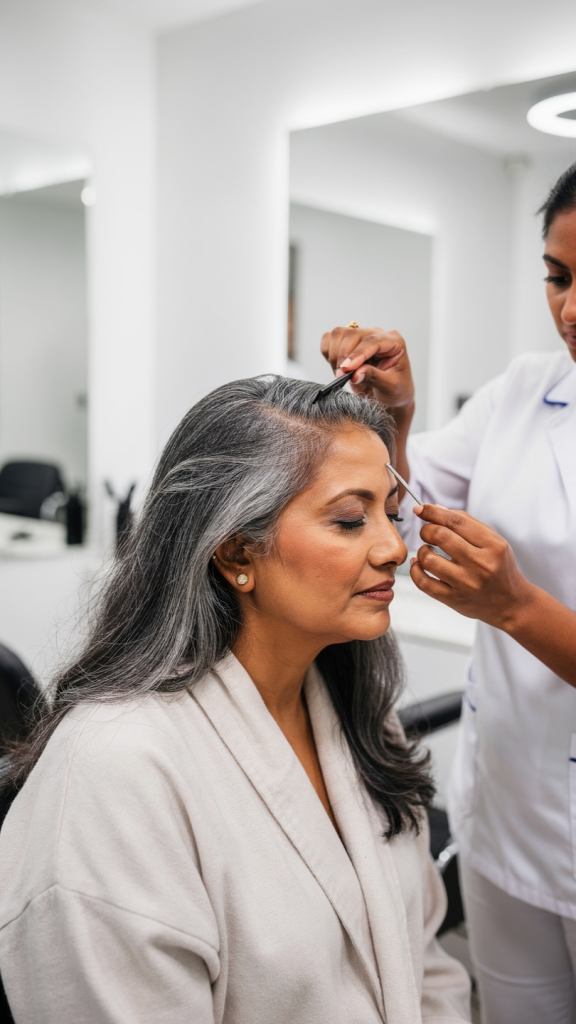
Harsh detergents disrupt the scalp’s protective acid mantle, which can worsen conditions like seborrheic dermatitis; gentler cleansing allows beneficial microbes to thrive.
9. Extend Time Between Washes
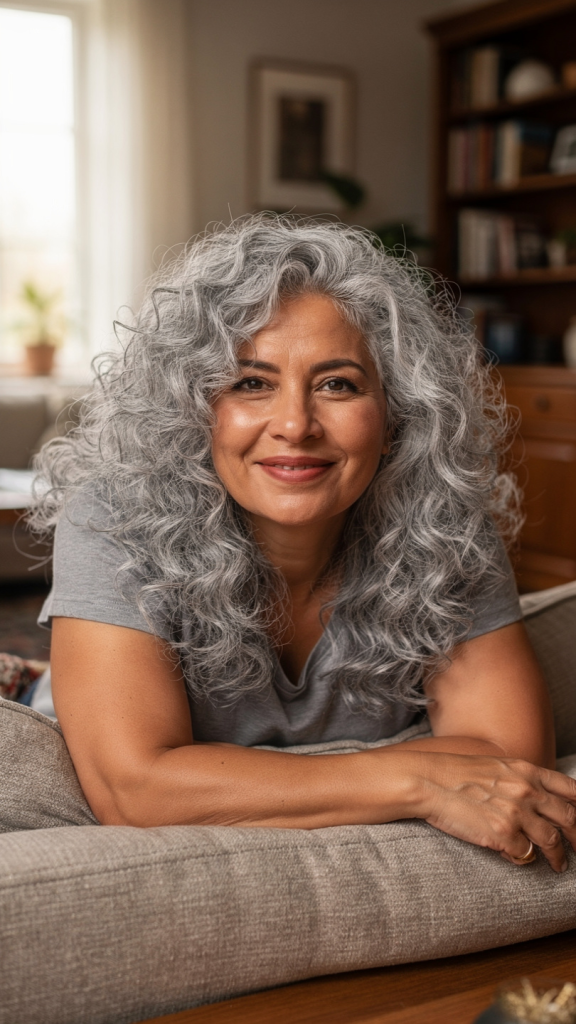
Because sulfate-free shampoos don’t over-strip oils, your scalp won’t overcompensate by producing excess grease, letting you wash every 2–3 days instead of daily.
10. Layer Easily with Anti-Aging Hair Serums
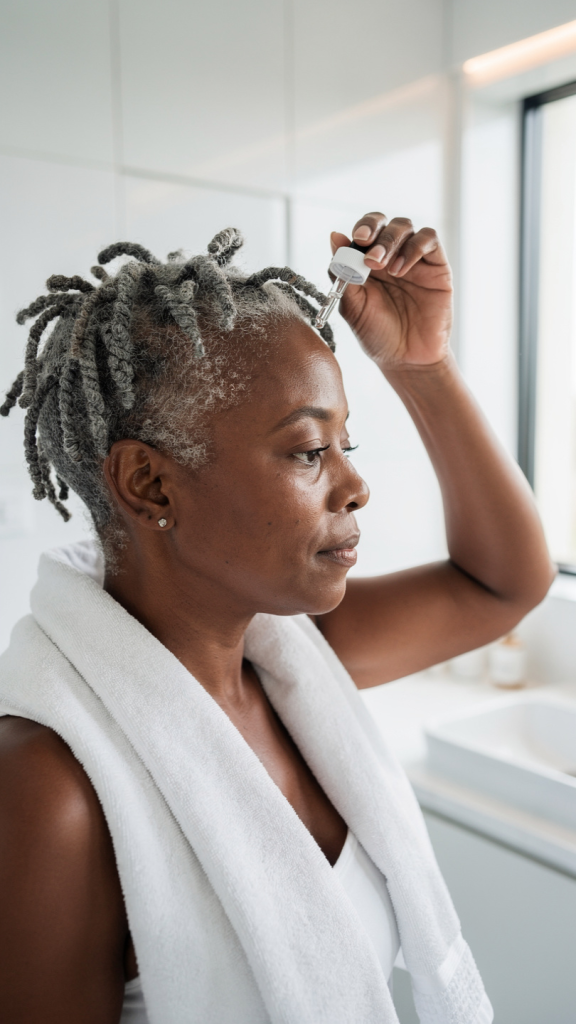
Sulfate-free shampoos leave the hair slightly more porous for subsequent products, allowing restorative serums (with peptides or biotin) to penetrate deeper for better results.
Key Ingredients to Look For (And What to Avoid)
Look for these gentle cleansers:
- Decyl glucoside
- Coco-glucoside
- Sodium cocoyl isethionate
- Disodium cocoyl glutamate
Avoid these harsh sulfates:
- Sodium lauryl sulfate (SLS)
- Sodium laureth sulfate (SLES)
- Ammonium lauryl sulfate (ALS)
Bonus beneficial ingredients for women over 50:
- Peptides (stimulate hair follicles)
- Niacinamide (soothes scalp inflammation)
- Ceramides (repair the hair cuticle)
How to Transition to Sulfate-Free Shampoo (First 2 Weeks)
Many women experience an adjustment period. Here’s what to expect and how to manage it:
Week 1: Your hair may feel waxy or heavy. This is normal—sulfate-free formulas don’t strip everything, and your scalp is rebalancing oil production.
Week 2: You might need to double-cleanse (wash, rinse, repeat) if you have product buildup from silicones or hairsprays.
Tip: Do a final “clarifying wash” with a sulfate shampoo before switching. Then commit to sulfate-free for at least 14 days before judging results.
The Best Application Technique for Mature Hair
How you apply shampoo matters just as much as what you use:
- Wet hair thoroughly with lukewarm water (hot water strips oils).
- Dilute the shampoo with a little water in your hands before applying.
- Focus on the scalp only—let the suds run down the lengths.
- Massage gently with fingertips (never nails) for 60 seconds.
- Rinse with cool water to seal the cuticle and boost shine.
Common Myths About Sulfate-Free Shampoo Debunked
Myth 1: “It doesn’t lather, so it isn’t cleaning.”
Truth: Sulfates create foam for psychological effect, not cleaning power. Sulfate-free cleansers work without the bubble show.
Myth 2: “It’s only for curly or coloured hair.”
Truth: Women over 50 with straight, fine, or thinning hair benefit equally from gentler cleansing.
Myth 3: “It leaves buildup over time.”
Truth: Only if you use silicones. Pair sulfate-free shampoo with a silicone-free conditioner for best results.
Myth 4: “It’s too expensive.”
Truth: Many drugstore brands (like OGX, Love Beauty and Planet, SheaMoisture) offer affordable sulfate-free options under $10.
When to Avoid Sulfate-Free Shampoo (Yes, Exceptions Exist)
Sulfate-free isn’t for everyone in every situation:
- If you use heavy oils or waxes (like some natural hair butters), a sulfate shampoo once a month may be needed for deep cleansing.
- If you have severe dandruff caused by malassezia yeast, some medicated shampoos require sulfates to deliver active ingredients.
- If you swim in chlorinated pools frequently, a sulfate shampoo helps remove chlorine buildup (follow with a sulfate-free moisturizing wash).
In these cases, use a sulfate shampoo occasionally—not daily.
Conclusion
Turning 50 isn’t about accepting dull, dry, or fragile hair. It’s about understanding how your body has changed and choosing products that work with your biology, not against it.
Sulfate-free shampoo is a small switch with outsized results. By preserving your scalp’s natural oils, protecting colour investments, reducing irritation, and extending time between washes, you’re not just buying a different bottle—you’re embracing a gentler, smarter approach to hair care.
Your hair deserves the same respect and care you give your skin. After all, both are living barriers that age beautifully when treated kindly.
Start with one sulfate-free wash. Give it two weeks. Then run your fingers through softer, stronger, healthier strands—and wonder why you didn’t switch sooner.
Leave a Reply