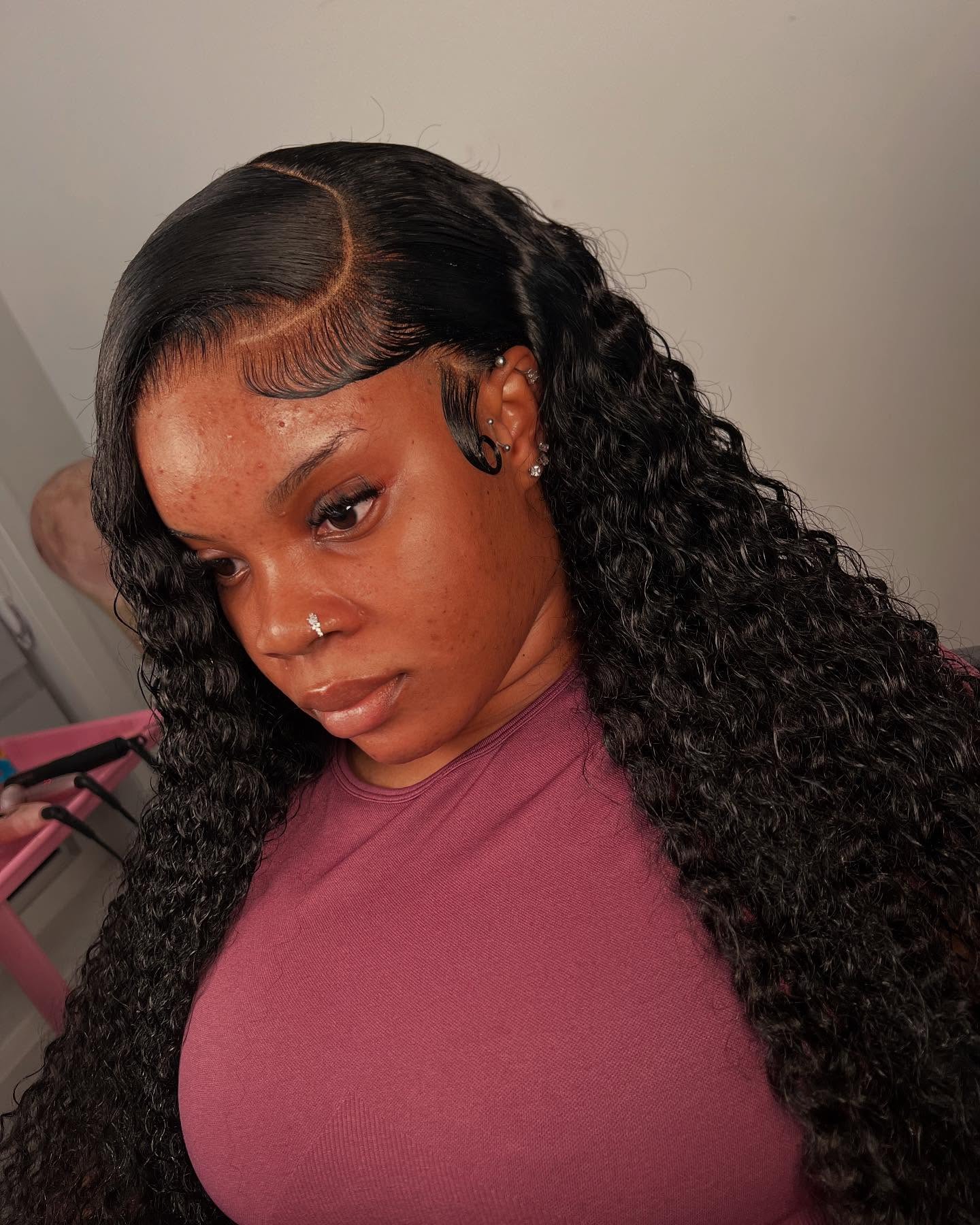
The middle part had its moment. The side part is taking it back.
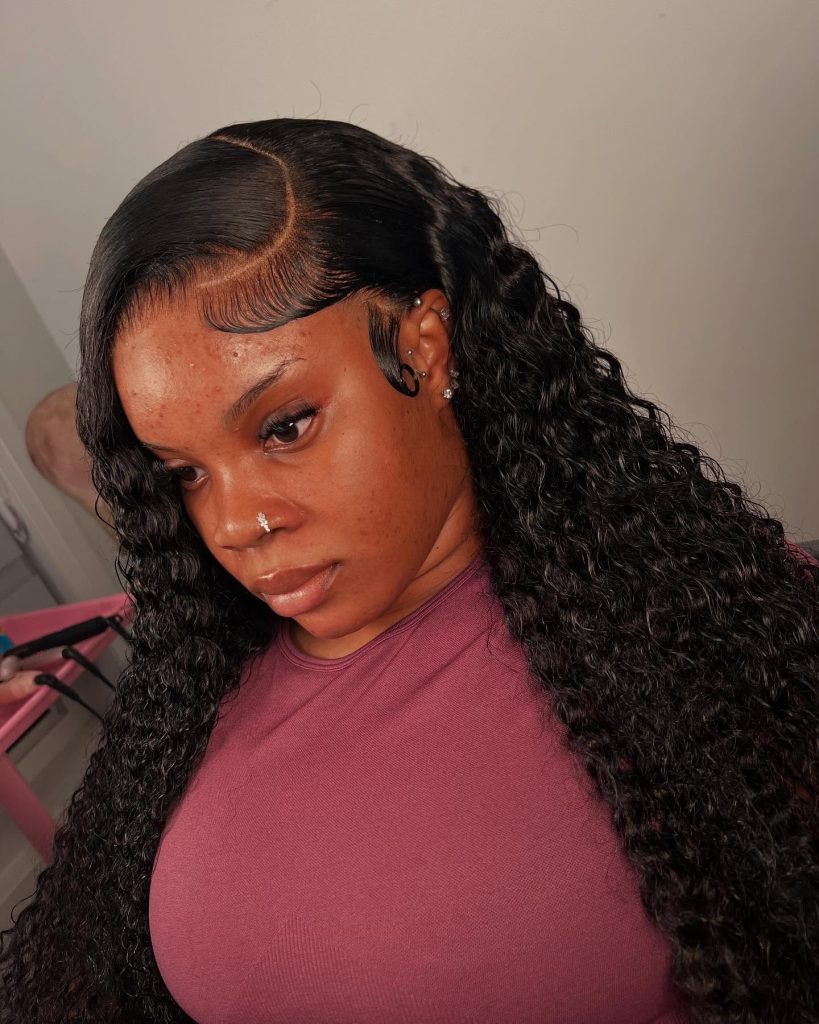
The side part in 2026 — textured, lived-in, and entirely intentional
After years of being declared dated, the side part has officially reclaimed its place in 2026’s trend reports. Multiple celebrity hairstylists and major fashion publications have confirmed it: the deep side part is back, and it’s back in a way that looks more intentional and modern than it did the last time around.
But the 2026 side part isn’t the same as the flat-ironed, one-length side part of the early 2010s. The modern version is paired with texture, with movement, with cuts that have layers and life in them. It works with curtain bangs that have been brushed gently to one side. It works with the butterfly cut’s face-framing layers. It works with loose waves and a diffused, undone finish. This guide explains the styling difference between a dated side part and a current one, which cuts it pairs with best, and how to use it to add volume to the crown — the most flattering result it produces.
Why the Side Part Is Back — and What Changed
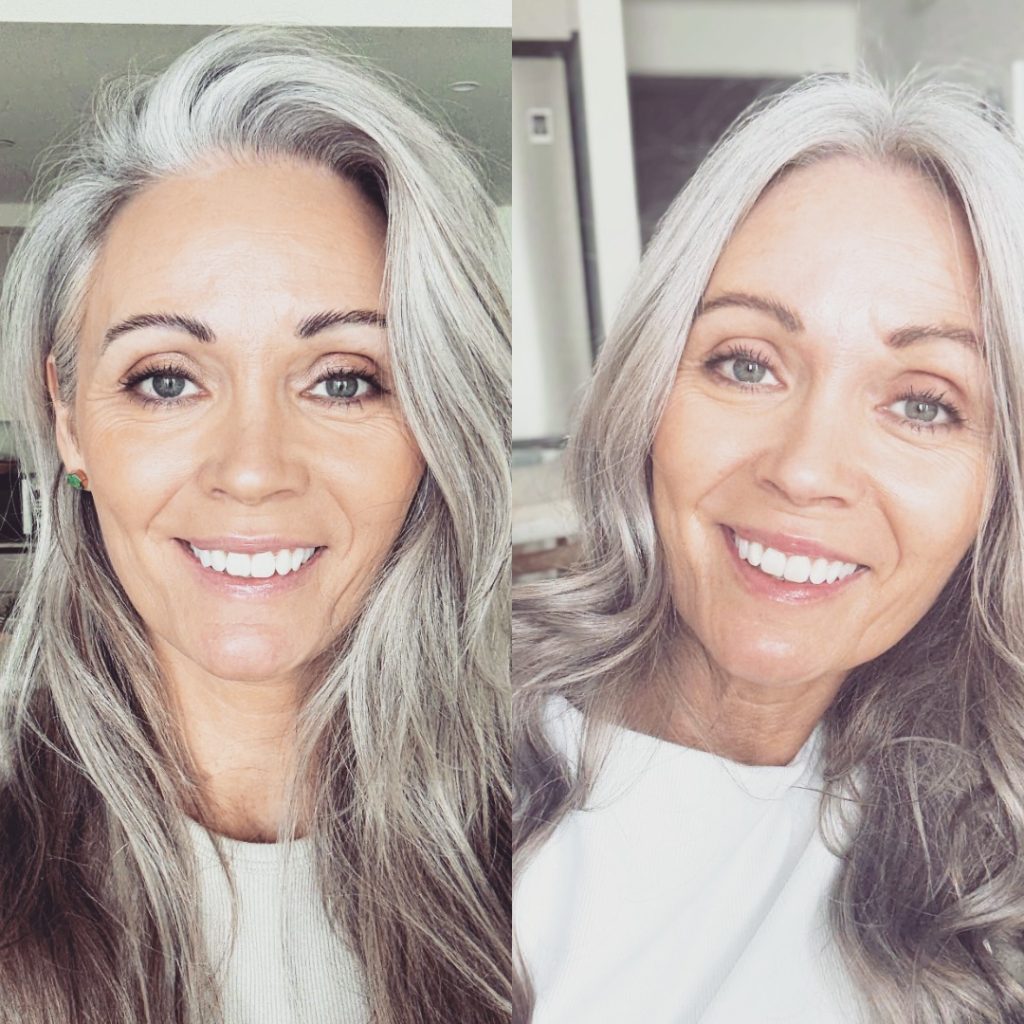
Same cut, same day. The side part adds height and asymmetry in a way the centre part simply can’t.
The centre part had a long run. For most of the 2010s and into the 2020s, it was the default — the clean, symmetrical, no-decision parting that went with everything from beachy waves to sleek blowouts. But there’s a ceiling to what a centre part can do. It lies flat. It creates even weight on both sides. It doesn’t add height at the crown. And for the majority of face shapes, symmetry isn’t actually the most flattering thing.
The side part solves several things at once. It creates asymmetry, which makes the face look more dimensional. It adds lift and volume at the crown on the parted side, where hair is naturally trained to fall flat. It works with the face’s existing bone structure rather than ignoring it — drawing the eye toward the cheekbone on the longer side and creating a natural diagonal that most faces find very flattering.
The 2026 version works specifically because it’s been stripped of the styling context that made it feel dated. The old side part was associated with very straight, very smooth, heavily heat-styled hair — a rigid, polished look that sat on top of trends rather than inside them. The 2026 side part lives inside texture. It appears mid-wave, mid-air-dry, mid-blowout-brush, as a directional choice rather than a structural mandate. That’s the difference.
→ Tool for crown lift: Teasing brush or velcro rollers (https://www.amazon.com/s?k=teasing+brush+hair+volume+root+lift&tag=5minutesready-20)
How the Side Part Flatters Different Face Shapes
The side part is genuinely one of the most universally flattering styling choices a woman can make — not because it suits every face shape equally, but because it can be adjusted to address what each face shape actually needs.
Round face
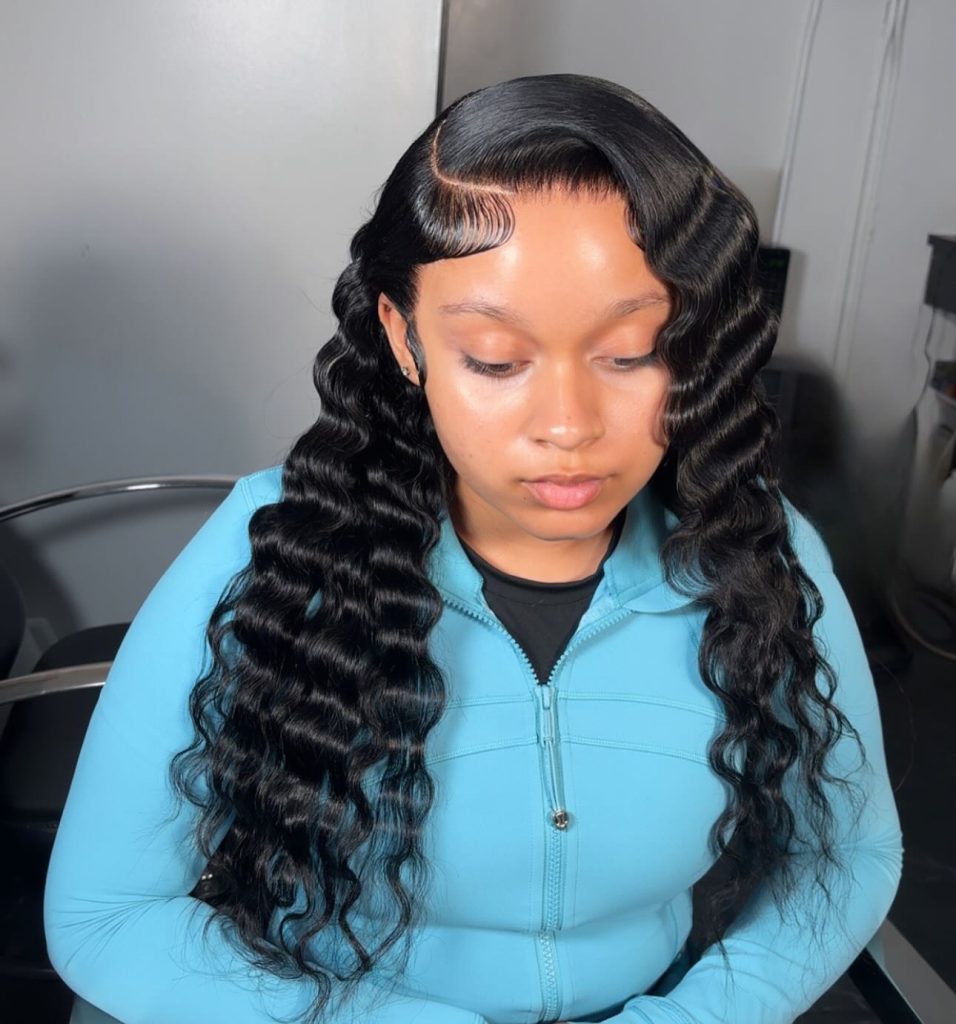
The side part creates a diagonal line across the forehead that visually lengthens a round face shape.
For round faces, the side part is genuinely transformative. The diagonal line created across the forehead breaks the horizontal symmetry that makes round faces appear wider, and the lift at the crown adds vertical height that the face shape needs. Pair a deep side part with long layers or curtain bangs swept gently to one side and the difference is immediate. The face looks longer, the cheekbones more prominent, the whole silhouette more balanced.
Oval face
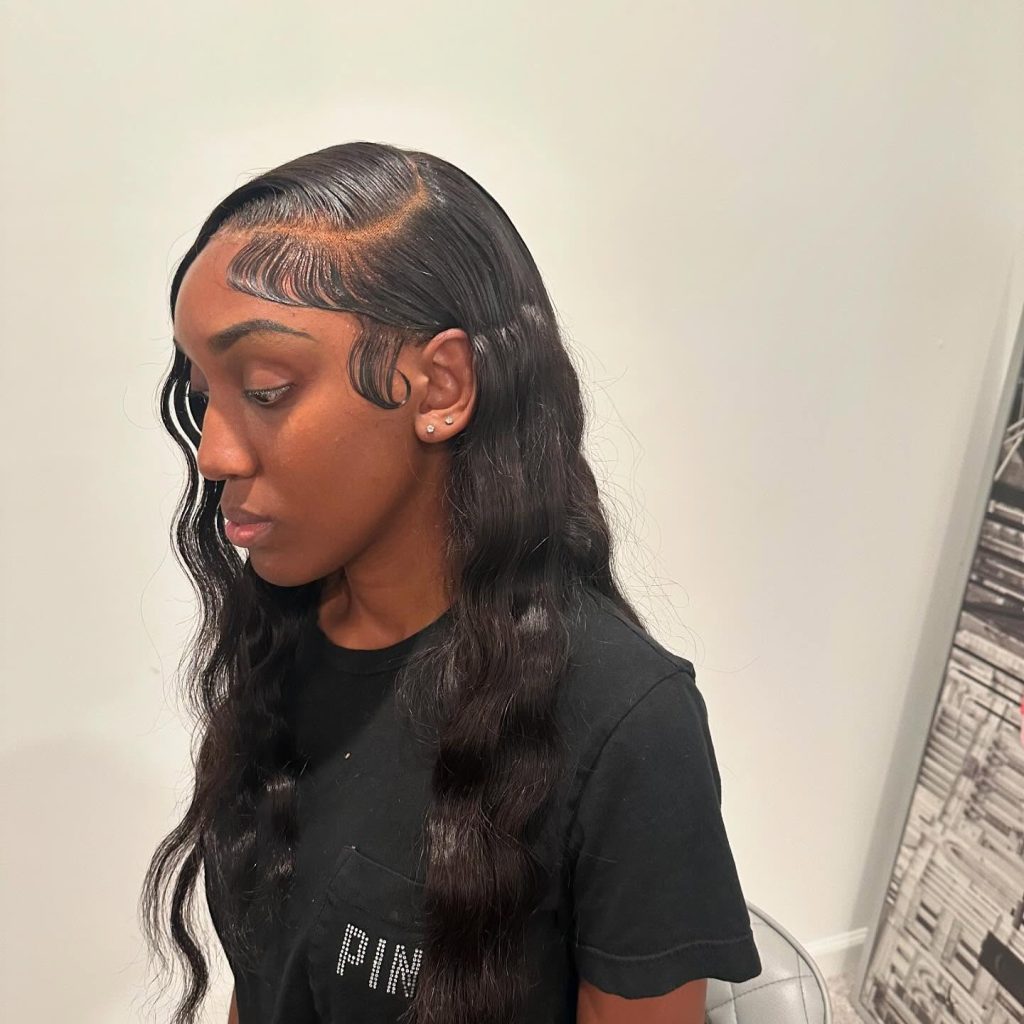
Oval faces have the most flexibility — a deep side part, a soft side part, or a centre part all work well. If anything, the side part on an oval face allows you to play with asymmetry purely for aesthetic interest rather than corrective purpose. A deep part with face-framing layers or a butterfly cut creates a striking, editorial look that a centre part simply doesn’t.
Square face
The side part on a square face softens the jaw by creating a diagonal that pulls focus upward and away from the strong horizontal line of the jawline. A soft side part (1.5–2 inches from centre) works particularly well here — deep enough to create movement and asymmetry, not so dramatic that it draws attention to the straight side of the forehead.
Heart face
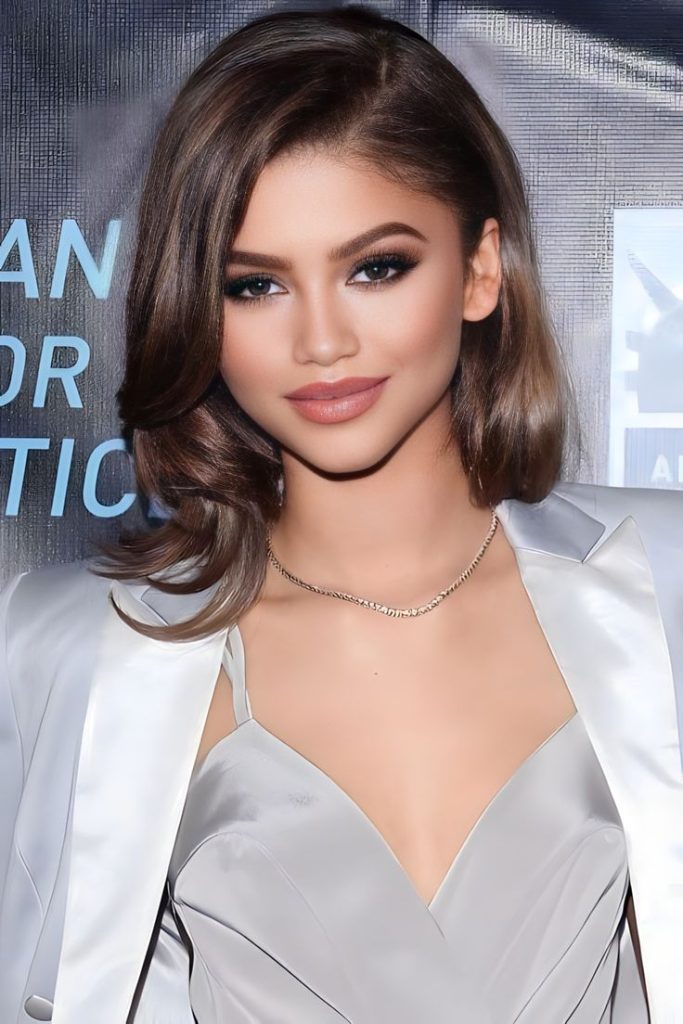
Heart faces — wider at the forehead, narrower at the chin — benefit from a soft side part that reduces the visual width of the forehead without covering it entirely. A side part that sits close to the hairline on the wider side gently balances the proportions. Pair with curtain bangs or wispy fringe swept to one side for maximum effect.
Styling tip: Don’t part when the hair is soaking wet. Part when the hair is about 50% dry — the natural direction will hold better and the part will look less rigid and more lived-in. If you’re blow-drying, direct the heat along the part line while the hair is still damp.
The Deep Side Part vs The Soft Side Part
These are not the same thing — and choosing between them makes a significant difference to the result.
The deep side part — 1 inch from centre
The deep side part sits approximately one inch from the centre of the hairline, creating a pronounced diagonal that gives the style its dramatic, asymmetric quality. This is the version with the most visual impact — it sweeps significantly more hair to one side, creates maximum lift at the crown, and produces the kind of old-Hollywood glamour that photographs particularly well. It works best with waves, textured blowouts, and cuts that have movement through them — the butterfly cut, the lob, long layers.
The deep side part is also the version associated with the 2026 resurgence. When trend reports refer to the side part being back, this is what they mean: the committed, directional, unapologetically off-centre part that creates a sweep of hair across the forehead rather than a modest shift from the midline.
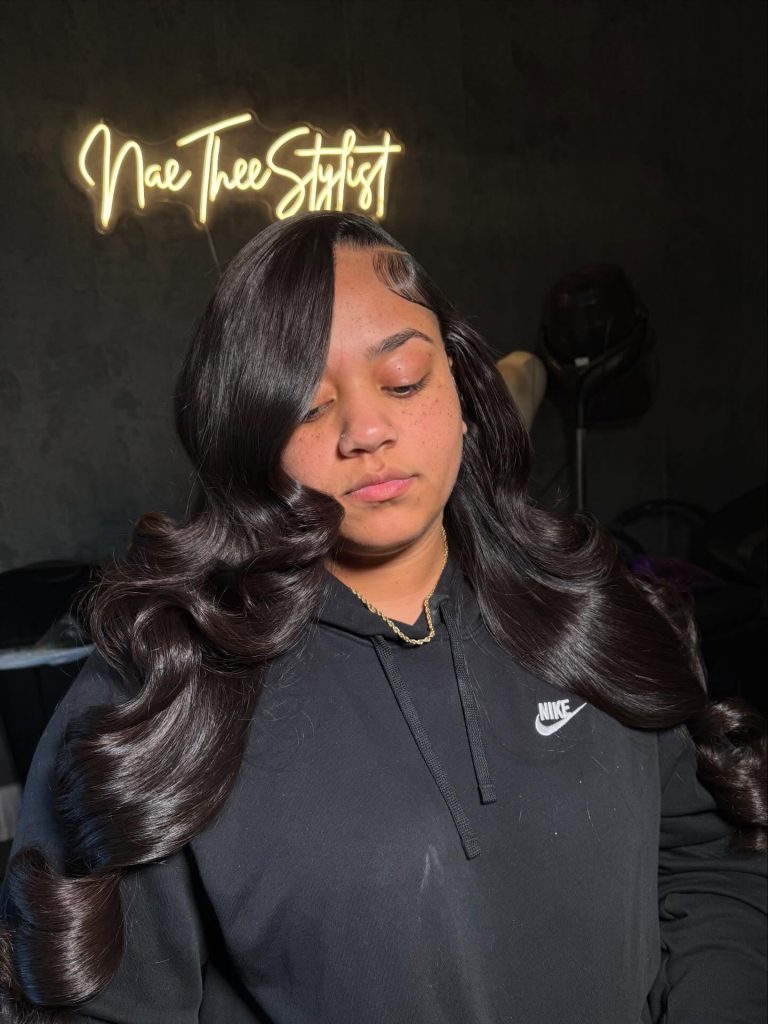
The deep side part with curtain bangs is 2026’s most-saved side part combination on Pinterest.
The soft side part — 1.5 to 2 inches from centre
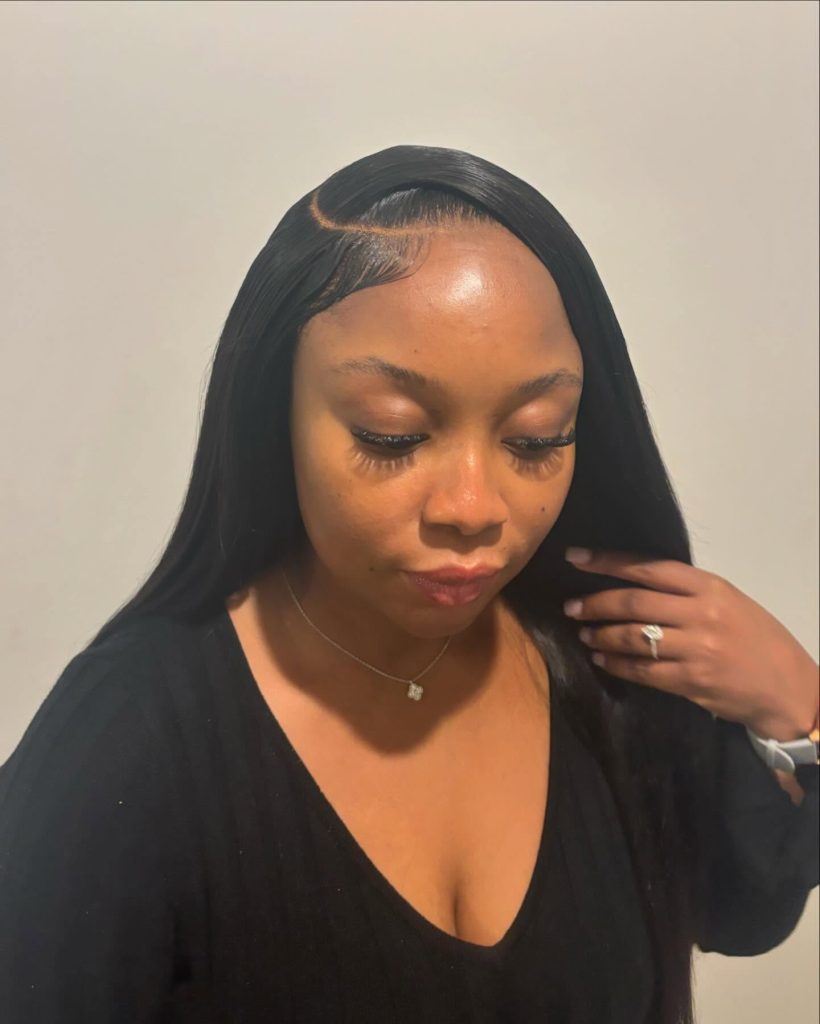
Two inches from centre: enough to add lift and asymmetry without the drama of a deep part.
The soft side part is the everyday, lower-commitment version. Sitting about 1.5 to 2 inches from the centre of the hairline, it adds asymmetry and crown lift without the strong directional pull of the deep part. This is the version that works well on almost every face shape, with almost every haircut, without requiring the hair to behave in a specific way. It’s particularly flattering on fine hair because it creates natural-looking root lift at the crown without the density needed to carry a deep sweep.
→ Styling tip: To find your natural side part: push all your hair forward over your face when it’s damp, then shake your head gently. Where the hair naturally separates is usually where a side part will fall most comfortably for your hair growth pattern.
The Side Part on Fine Hair — Why It Works Particularly Well
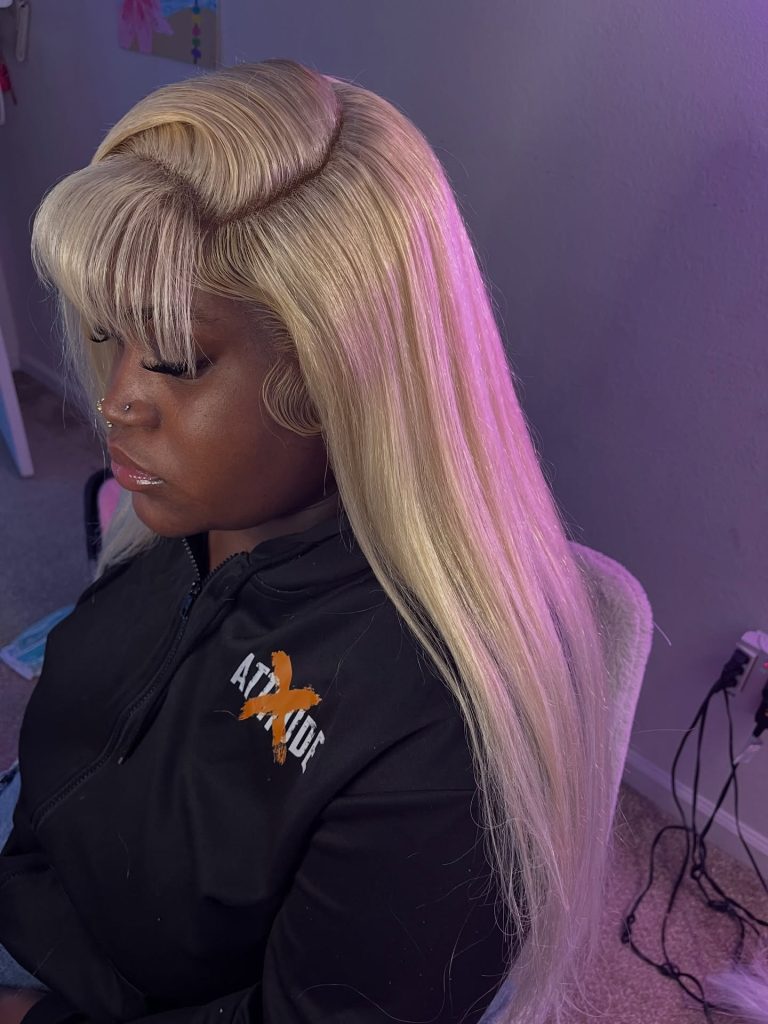
Fine hair benefits enormously from a side part — the parting itself creates lift that products alone struggle to achieve.
Fine hair and the side part have a specific relationship worth understanding. For fine hair, root volume is the constant challenge — hair trained to part at the centre lies flat and close to the scalp, with the part line itself becoming a visible dividing line that emphasises how little density the hair has.
A side part changes this in two ways. First, it lifts the hair on the parted side away from the scalp at the crown, creating the appearance of volume at the root without any product assistance. Second, the directional fall of the hair — sweeping across the forehead — creates a visual layer of depth that flat, centred hair simply doesn’t have. The side part on fine hair is essentially free volume. It’s the one styling choice that does more work than anything in the bottle.
→ Styling tip: For fine hair: apply a volumising root spray at the crown section before blow-drying, then dry the hair in the direction of the part with a paddle brush, lifting at the root as you go. The combination of product and directional heat locks in the lift better than either alone.
→ For root lift: Volumising root spray or teasing brush (https://www.amazon.com/s?k=teasing+brush+hair+volume+root+lift&tag=5minutesready-20)
Which Cuts the Side Part Pairs with Best in 2026
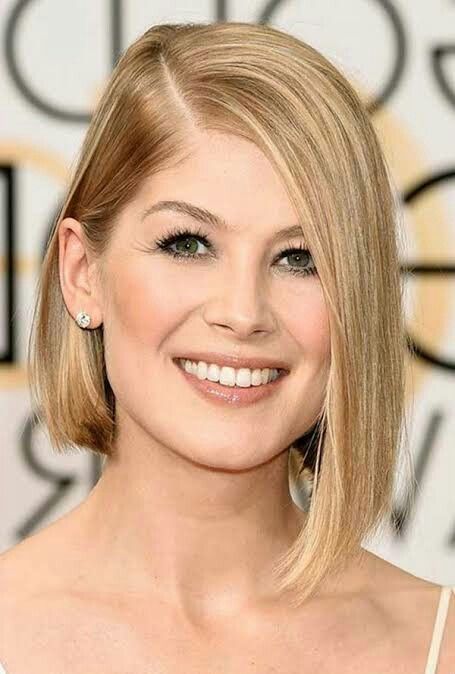
The lob and the side part are 2026’s most natural pairing — the collarbone-length cut carries the asymmetric sweep beautifully.
The side part doesn’t exist in isolation — it’s a directional choice that interacts with the haircut underneath it. Some cuts carry it better than others, and knowing which combinations work best saves a lot of morning frustration.
The lob and side part
The lob is the ideal side part haircut for 2026. The collarbone-grazing length gives the swept hair enough weight and movement to fall naturally to one side without the awkwardness of a shorter cut, and the side part adds asymmetry to what can otherwise be a very symmetrical, straight-forward shape. The combination photographs beautifully and requires almost no daily decision-making — the lob with a side part simply works, every morning, without fuss.
The butterfly cut and side part
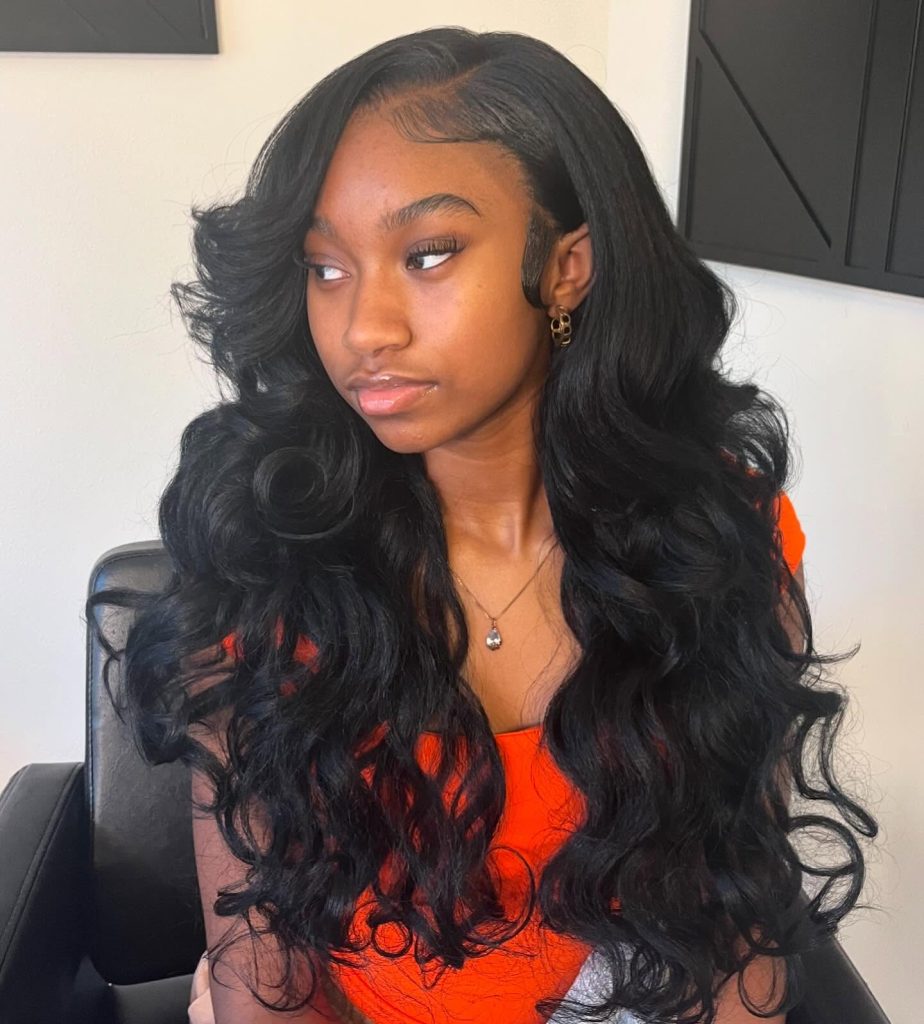
The butterfly cut’s layered structure makes it the most dramatic side part canvas. The crown layers lift at the parted side, the face-framing layers sweep naturally forward and to one side, and the longer underneath layers add volume to the sweep. The result is one of the most visually interesting combinations currently trending — textured, dimensional, and deeply flattering on almost every face shape.
The side part with curtain bangs
Curtain bangs swept gently to one side rather than parted symmetrically is the side part’s most elegant companion in 2026. The fringe creates a soft, sweeping diagonal from the parting line across the forehead, adding the face-framing effect of a fringe while avoiding the perfectly centred look. This is the combination that’s appearing most consistently across 2026 hair content.
Long layers and side part
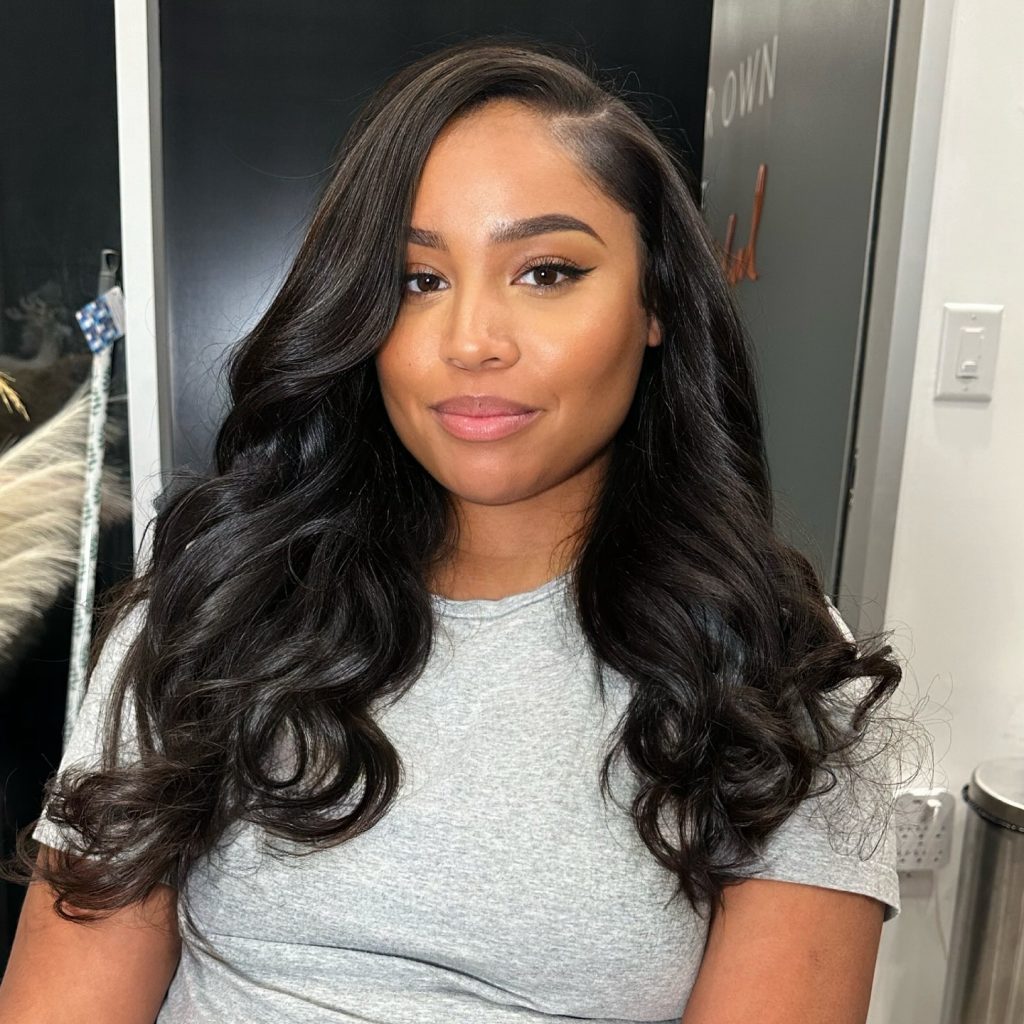
For women with long hair, the side part adds the structure and intention that long layers alone sometimes lack. Long layers create movement, but without a directional part to anchor the style, they can look merely grown-out. A deep side part gives the layers a direction — everything sweeps one way, the face-framing pieces follow the diagonal, and the result looks like a considered hairstyle rather than hair that simply happens to be long.
Styling the Side Part for Volume and Longevity
The most common complaint about the side part is that it collapses. By mid-morning the hair has migrated back toward the centre, the crown is flat again, and the whole effect is lost. This happens because the part was set too late in the drying process, or because the hair was trained to part in a different direction for years and reverts instinctively. Both are solvable.
Setting the part at the right stage of drying
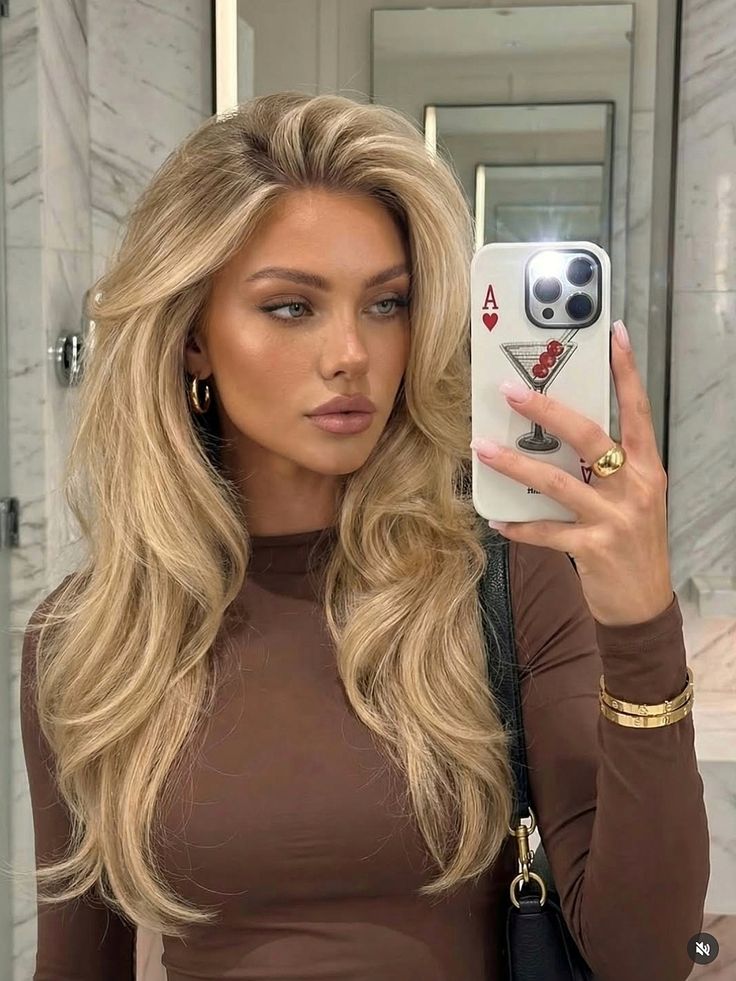
Directional blow-drying along the part line while the hair is still damp is what makes the side part hold all day.
The part needs to be established when the hair is approximately 50% dry — not soaking wet (which means the hair will move too easily and dry without any set), and not almost dry (which means the shape has already been determined by gravity and you’re fighting it). At 50% dry, the hair is still malleable enough to accept a new direction, but has enough moisture for the heat to set it in place.
Use a wide-tooth comb or your fingers to establish the part line first, then follow the direction of the part with the hairdryer, directing the heat along the part from root to mid-length on the lighter side (the side with less hair). This lifts the root at the crown and trains the hair in the direction of the side part. Two minutes of focused drying at the part line does more work than ten minutes of general drying.
The blow-dry for crown lift
The crown lift on the parted side is the most valuable result of the side part — and it requires specific technique to achieve it. After establishing the part, focus the dryer at the root of the parted section, lifting the hair away from the scalp while directing hot air underneath it. A round brush pulled upward at the crown creates the most dramatic lift; a paddle brush gives a softer, more natural result. Finish with a cool shot — the cold air sets the lifted root in place and is the step most people skip, then wonder why the volume disappears.
The velcro roller method for maximum hold
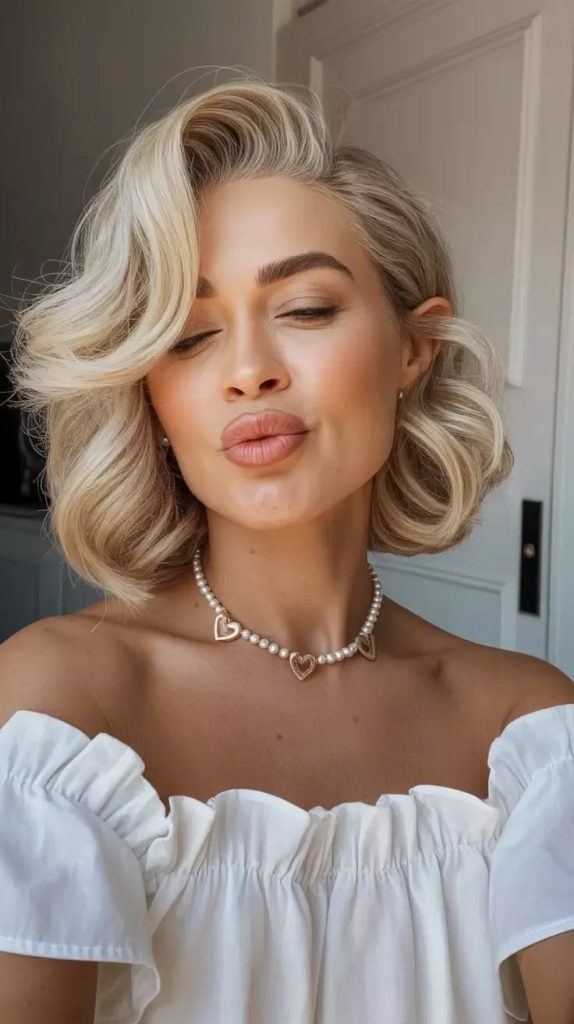
A large velcro roller placed at the crown for 5 minutes while the rest of the style dries sets the side part lift without any additional heat.
For maximum crown lift that holds all day, the velcro roller is the most underused tool in most women’s styling kit. After blow-drying the crown section on the parted side, roll that section upward onto a large velcro roller while the hair is still slightly warm, and pin it in place. Leave it while you finish the rest of your hair and do your makeup. When you remove the roller, the lifted shape has fully set. It sounds old-fashioned. The results are genuinely better than any product.
→ Styling tip: Velcro rollers work best when the hair is just finishing its warm stage — not hot and not fully cool. Place the roller and leave it for 8–10 minutes for a shape that holds all day without hairspray.
→ For the velcro roller set: Velcro rollers (medium size) (https://www.amazon.com/s?k=velcro+hair+rollers+medium+size+volume&tag=5minutesready-20)
Making it hold on day 2 and beyond
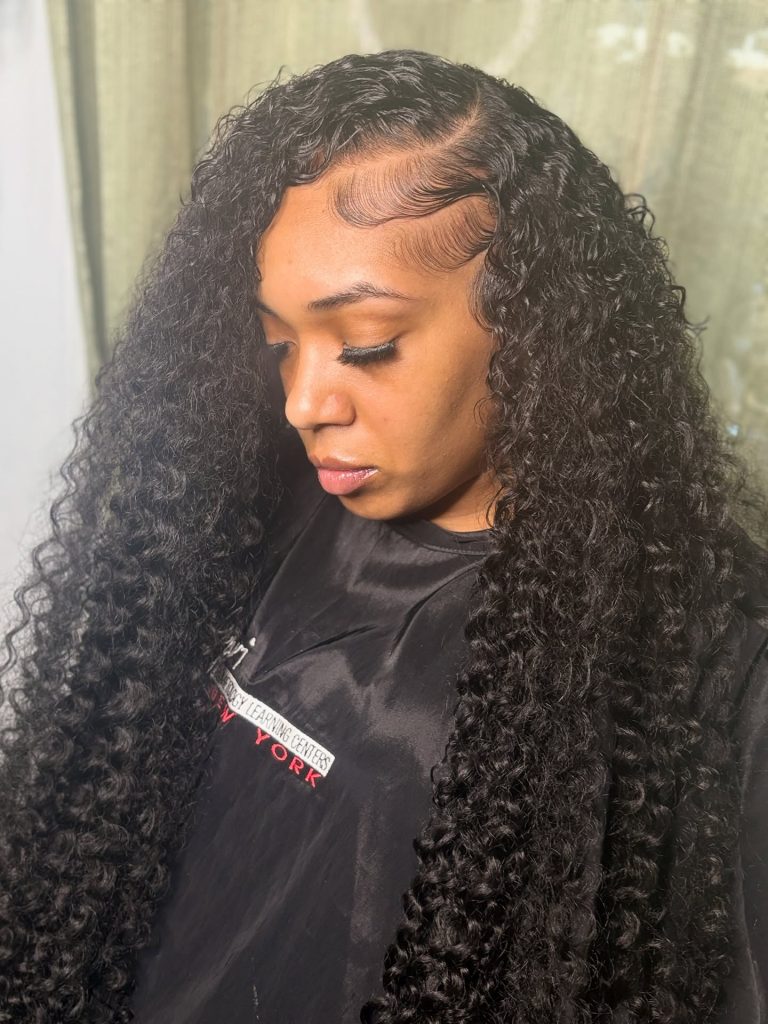
Dry shampoo applied directly at the root of the parted section refreshes the volume and re-trains the direction on day 2.
Day 2 of a side part is where most women give up and default back to the centre part or a ponytail. But the day 2 refresh is actually simple. Apply dry shampoo directly to the root of the parted section — not all over the head, but specifically at the crown on the lighter side where the volume needs refreshing. The dry shampoo adds grip and texture that makes the hair want to stay in the parted direction. Tilt your head to the opposite side briefly to encourage the natural fall, then set with a light-hold spray if needed.
→ For day 2 refresh: Dry shampoo for volume (https://www.amazon.com/s?k=dry+shampoo+volume+fine+hair&tag=5minutesready-20)
Leave a Reply