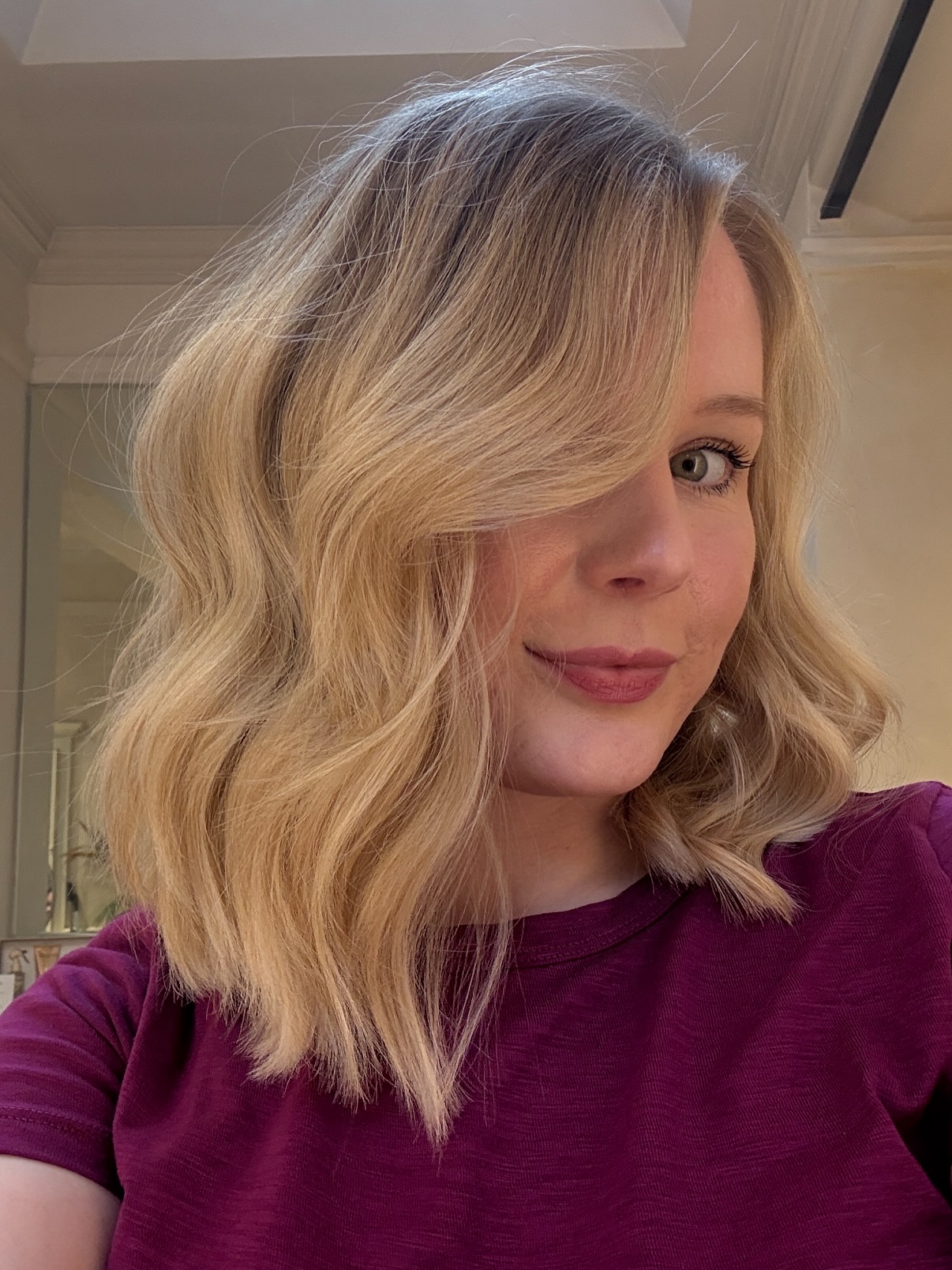
Thick hair is a gift that most thick-haired women spend years trying to manage. The right cut is the answer.
Thick hair’s biggest problem isn’t volume — it’s weight. Dense, heavy hair pulls layers flat, resists movement, and makes some of the most popular cuts (the lob, the blunt bob) look solid and blocky rather than sharp and graphic. The solution isn’t more product or more time with heat tools. It’s a cut that removes the right weight from the right places.
This guide covers the techniques that transform thick hair: point-cutting, internal layering, thinning shears used strategically, and the specific cuts that wear the best on dense hair — the butterfly cut, the wolf cut, the long shag, and the specific bob variations that work when the perimeter isn’t undermined by bulk. It also covers what not to do, because a bad cut on thick hair is genuinely more difficult to live with than a bad cut on any other texture.
→ When asking for weight removal on thick hair, be specific about where: ‘I want the bulk removed from the underneath sections and the mid-lengths, but I want to keep the perimeter clean.’ This tells your stylist exactly where to thin without disrupting the shape.
14 Professional Techniques for Dense Hair:
1. The French Girl Bob with Sliced Ends
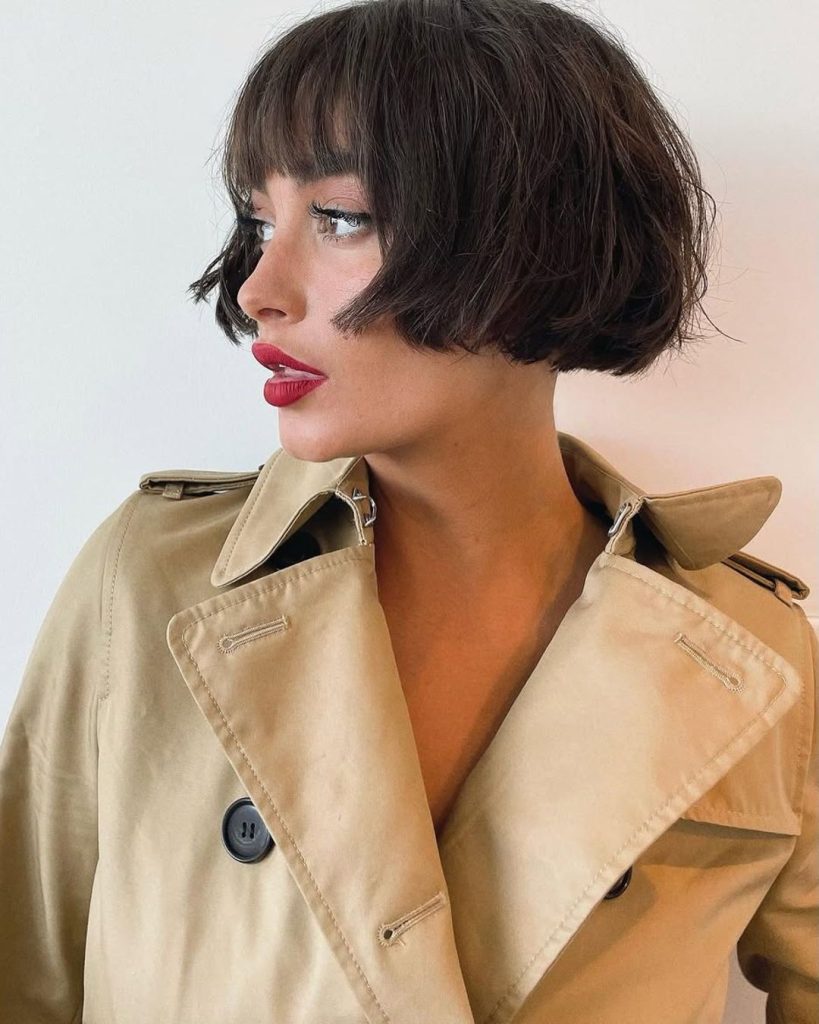
This chin-length bob is the ultimate solution for thick-haired women who fear the “mushroom” effect. By utilizing a “slicing” technique through the mid-lengths and ends, the stylist removes the internal bulk that usually causes short cuts to flare out. The result is a sharp, graphic silhouette that hugs the jawline beautifully. The addition of a soft, wispy fringe further breaks up the density of the hair, ensuring the style feels airy and Parisian-chic rather than heavy and solid.
2. The Internal Layered Butterfly Cut
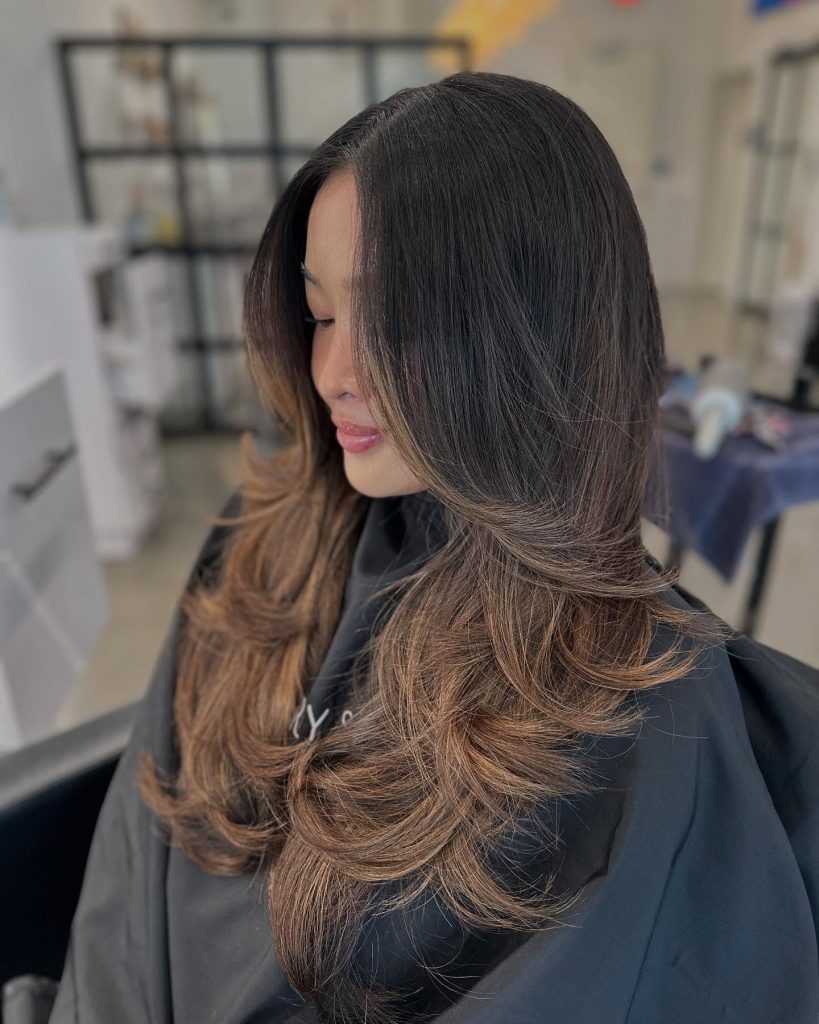
For those who want to maintain maximum length, this butterfly cut is a masterclass in strategic weight removal. The face-framing layers provide instant lift and volume at the crown, while the longer, internal layers ensure the hair flows without feeling like a heavy curtain. By point-cutting the ends, the stylist creates a “shattered” look that allows the thick texture to move with fluidity. This cut is perfect for transforming dense, flat hair into a bouncy, multi-dimensional style that feels significantly lighter.
3. The Textured Modern Wolf Cut
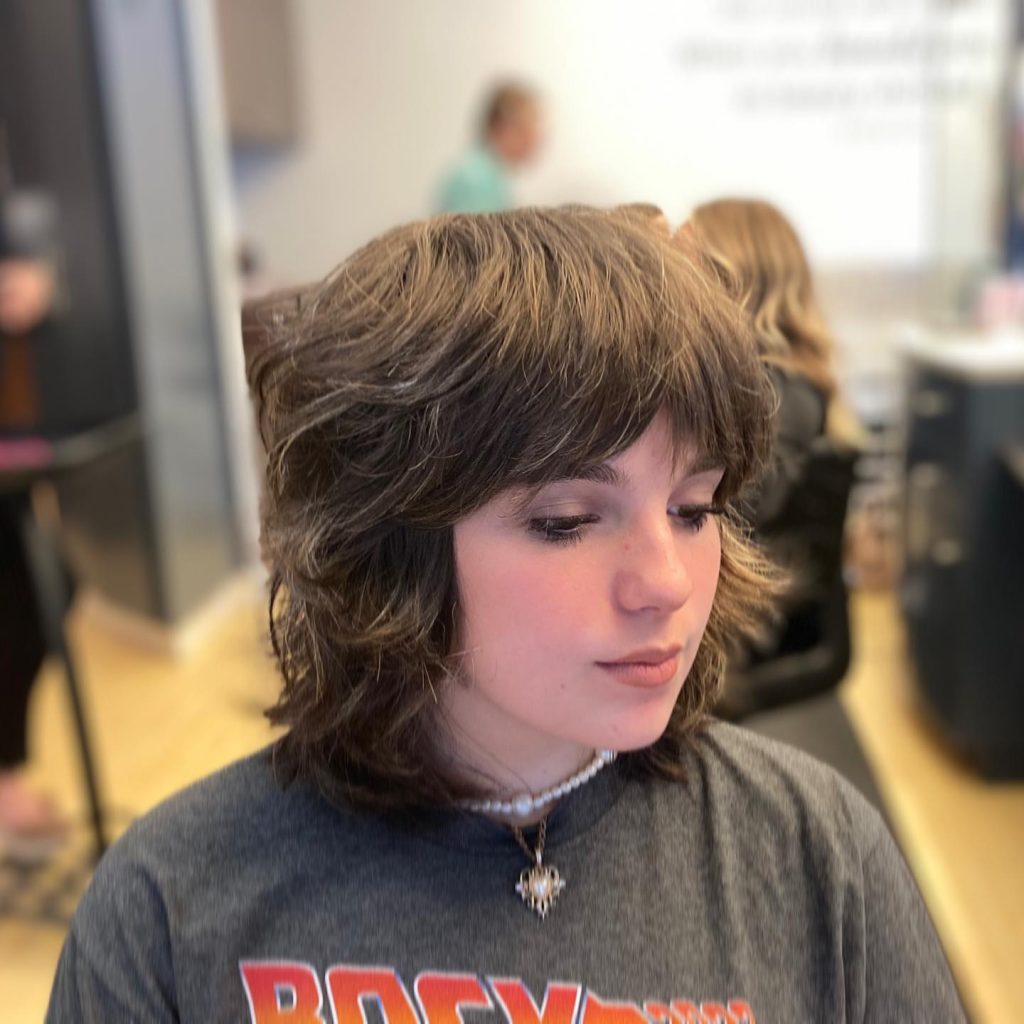
The wolf cut is a game-changer for naturally thick hair because it leans into the hair’s volume rather than fighting it. This style features heavy layering throughout the crown and mid-lengths, which effectively “debulks” the hair while creating a cool, edgy texture. The choppy, shaggy ends prevent the hair from looking blocky at the shoulders, making it an ideal choice for someone looking to reduce daily styling time while maintaining a deliberate, high-fashion shape.
4. The Sleek Sliced Lob
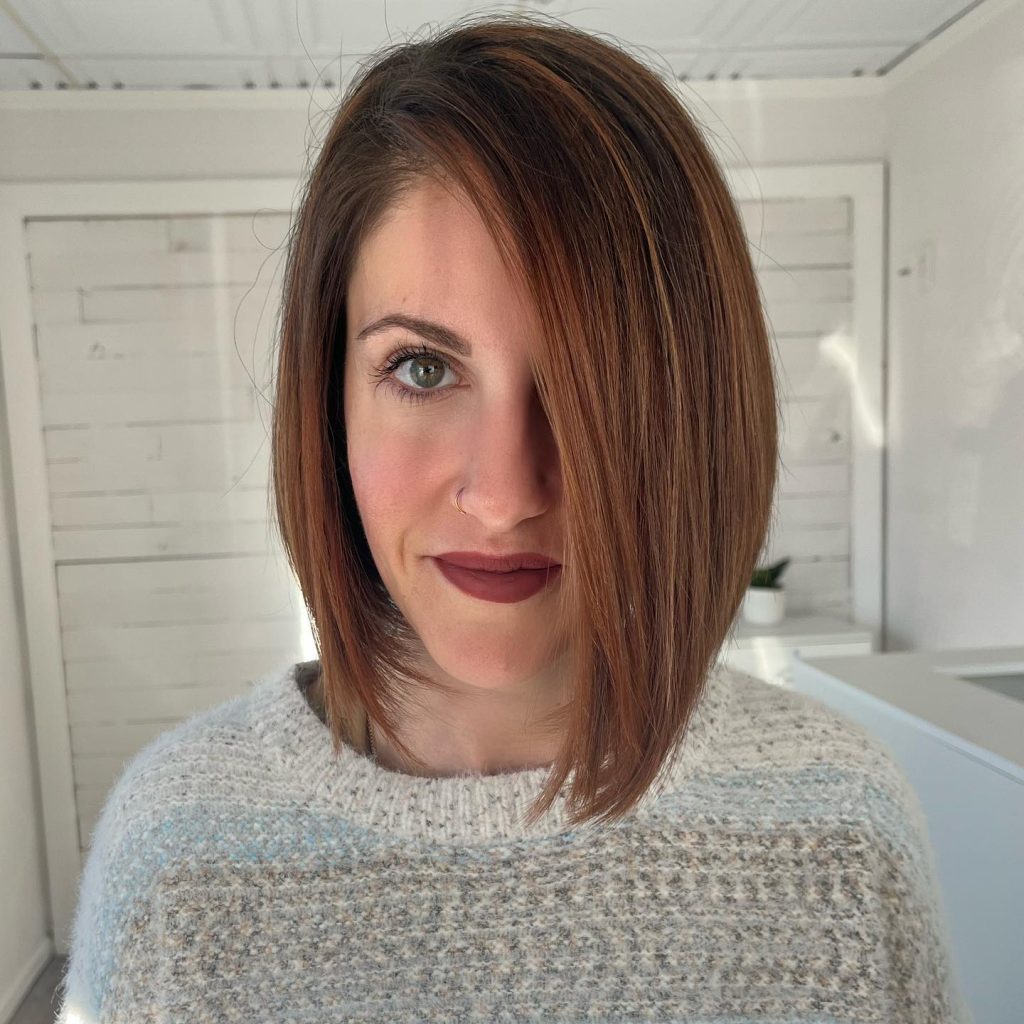
This sophisticated long bob (lob) demonstrates how thick hair can look sleek and streamlined when the perimeter isn’t undermined by bulk. By removing significant weight from the underneath sections at the nape of the neck, the hair is able to lay flat and follow the curve of the shoulders. The subtle, invisible layering throughout the lengths ensures the hair remains manageable and smooth, proving that you don’t need a massive amount of volume to make a statement with thick hair.
5. The Stacked Graduation Bob
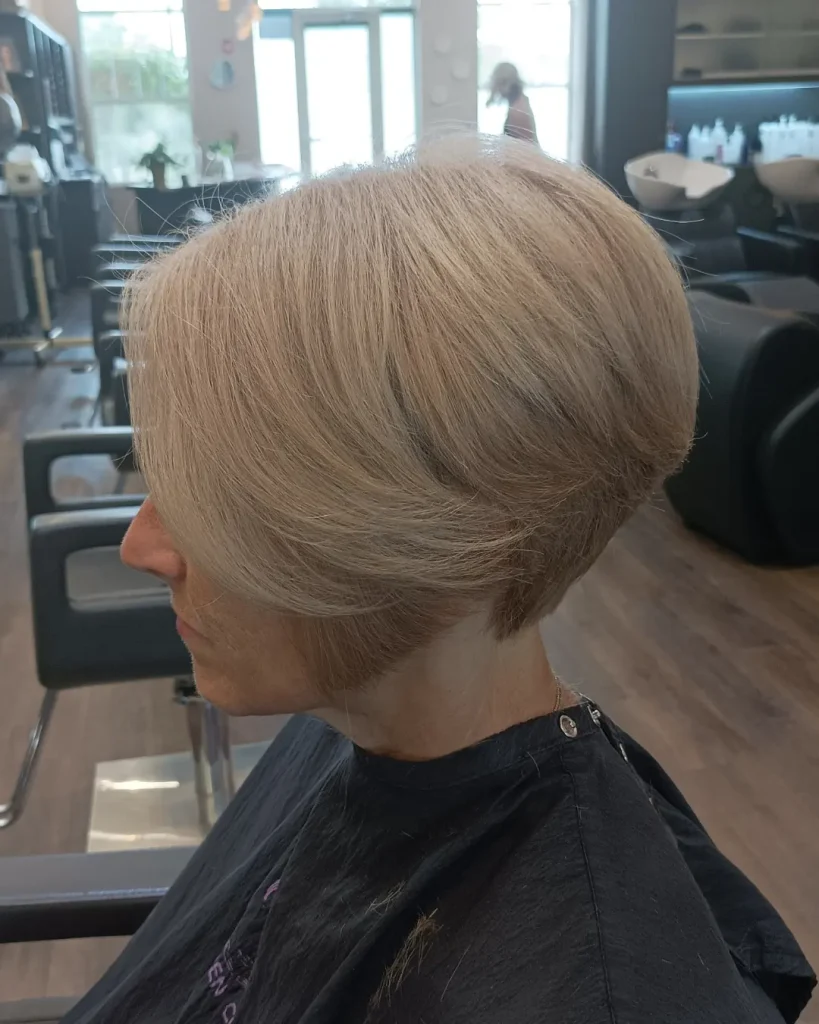
A stacked bob is the ultimate architecture for thick hair, using graduated layers at the nape to build a structured, lifted shape. By cutting the hair shorter at the back and leaving more length toward the front, the weight is shifted upward and away from the neck. This creates a sharp, angled profile that feels incredibly lightweight while still showcasing the natural density of the hair in a controlled, sophisticated way.
6. The Textured Shaggy Lob
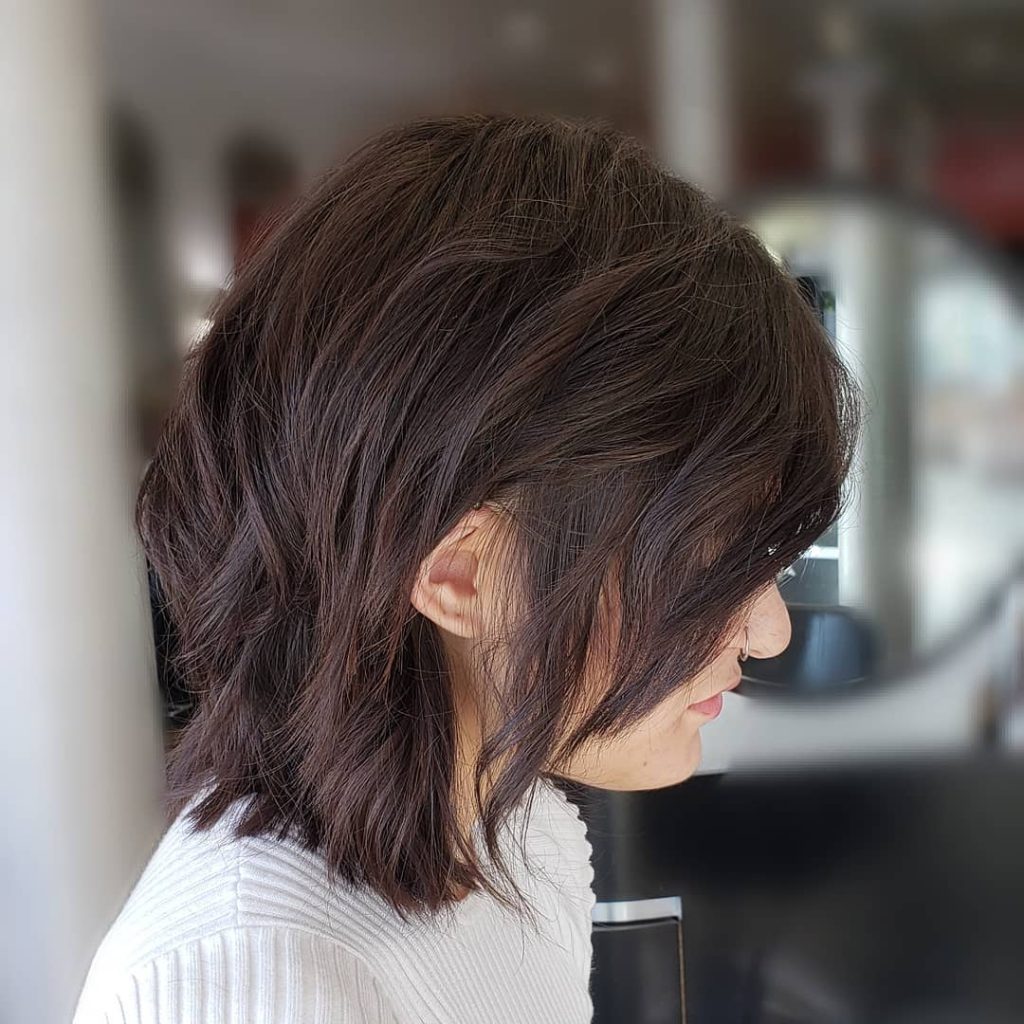
This medium-length cut is all about removing bulk through choppy, disconnected layers. For thick hair that tends to feel like a “curtain,” this shaggy approach introduces “windows” of airiness, allowing for natural waves and movement. The feathered ends prevent the style from looking too bottom-heavy, making it an effortless option for someone who wants a wash-and-go look that doesn’t sacrifice style for manageability.
7. The Face-Framing Internal Layer Cut
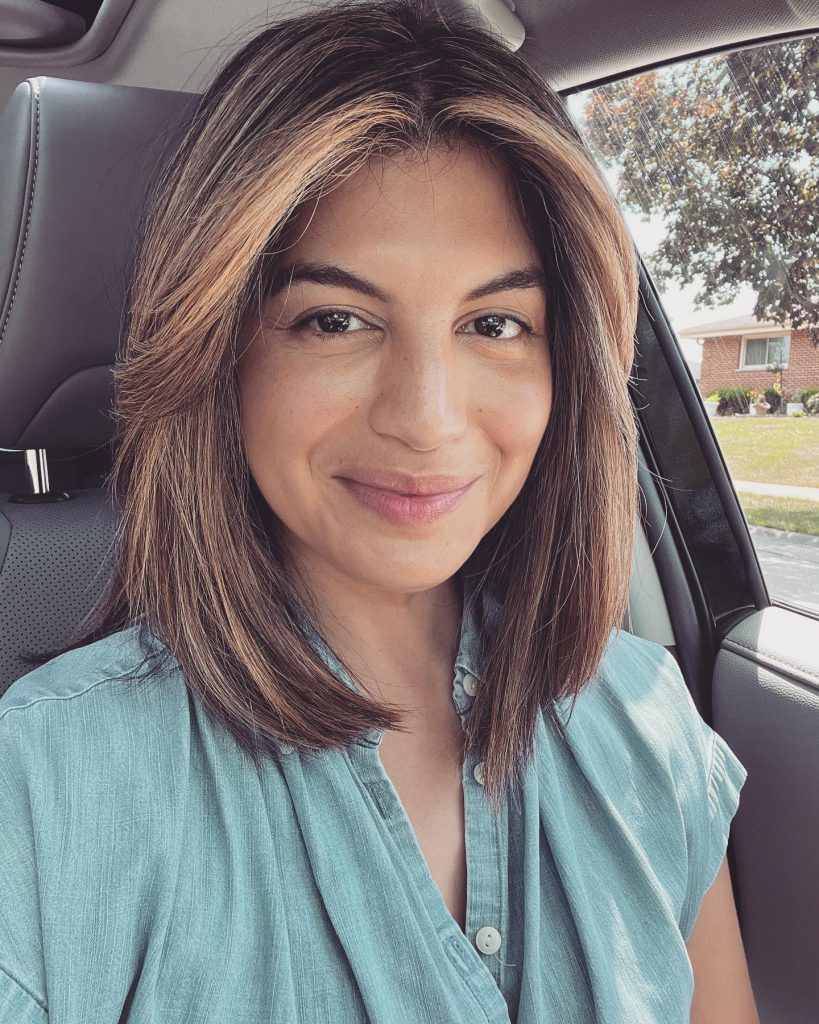
When keeping length is the priority, internal layering is the secret weapon. This cut features long, sweeping layers that start around the collarbone to frame the face without thinning out the perimeter too much. It addresses the “heavy” feeling by thinning the mid-lengths, ensuring the hair has plenty of swing and bounce. This is a perfect example of a “stealth” cut—it looks like one solid length at first glance, but it’s engineered to feel much lighter.
8. The Precise A-Line Lob
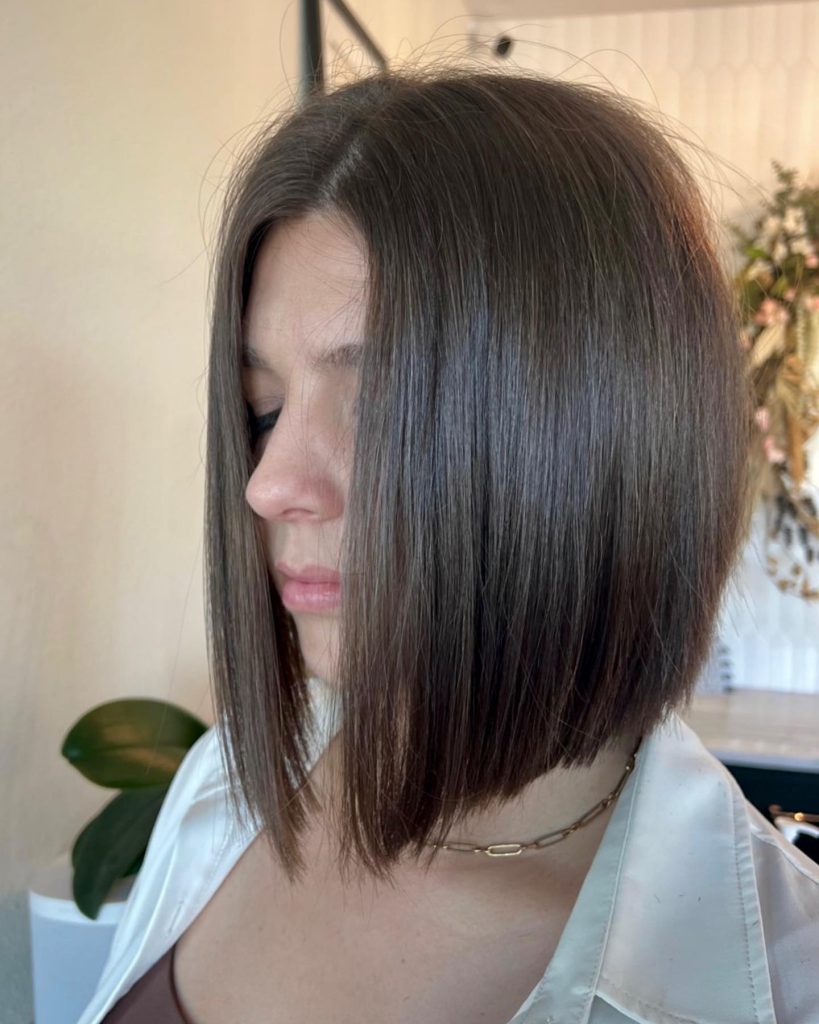
For those who love a sleek, polished aesthetic, the A-line lob provides a clean perimeter without the blockiness. The hair is slightly shorter in the back to help the front sections lay flat and forward, preventing the “bell shape” often associated with thick, blunt cuts. By utilizing point-cutting on the ends, the stylist ensures the bottom edge remains sharp and graphic rather than chunky, resulting in a streamlined look that radiates intentionality.
9. The Feathered Shag with Internal Layering
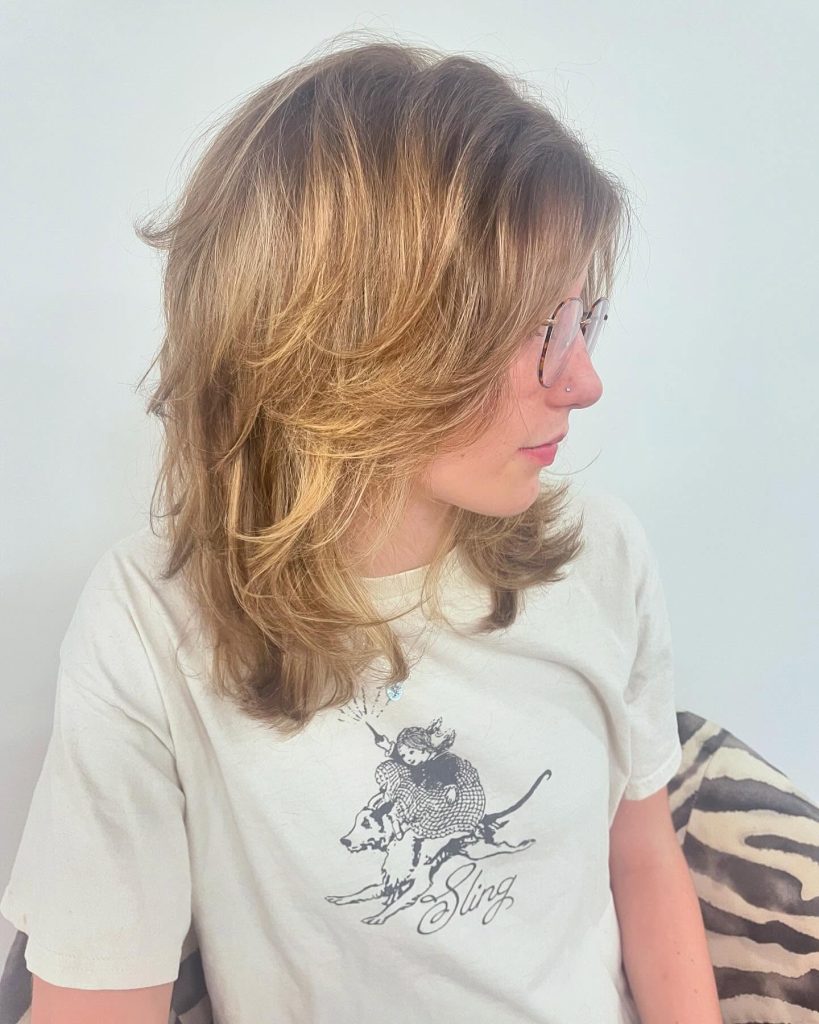
This shaggy cut is a perfect example of how internal layering can reduce weight without losing substantial length. By integrating hidden layers throughout the mid-shaft, the stylist removes the bulk that typically makes thick hair feel heavy. The face-framing layers are highly textured and point-cut to create a soft, feathery silhouette that looks effortless and cool. This technique allows for beautiful movement, preventing the hair from collapsing into a dense, flat curtain.
10. The Internal Volume Butterfly Cut
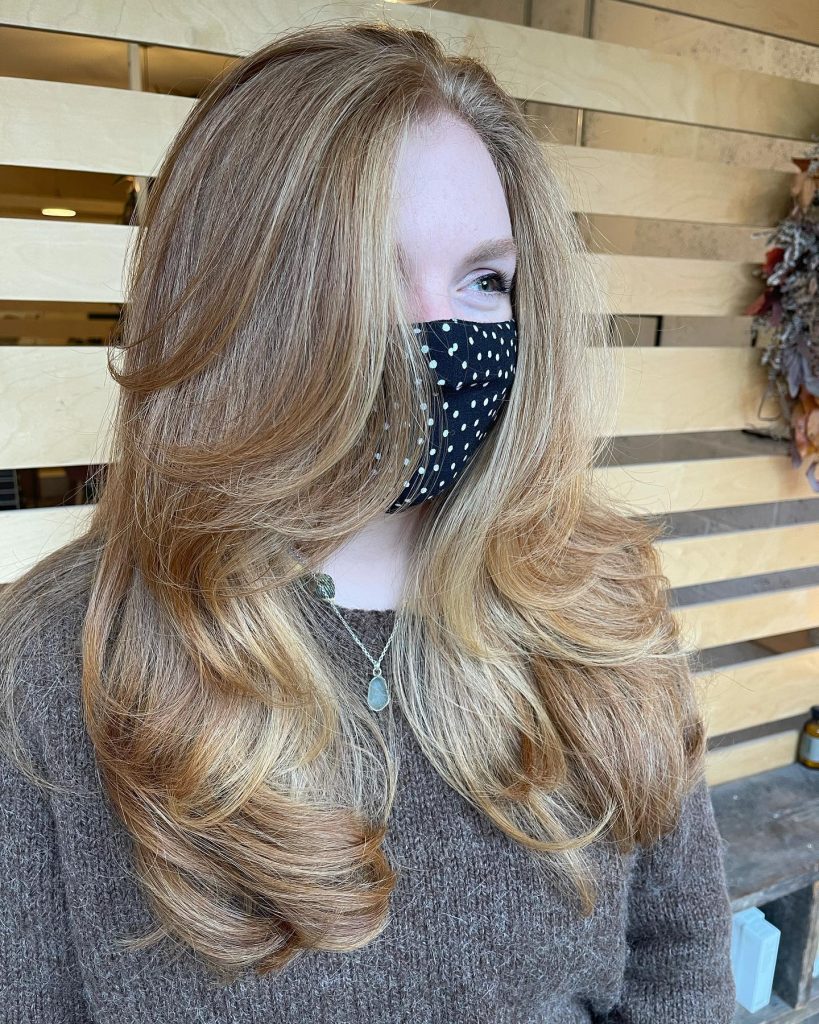
For maximalists who want both volume and length, this voluminous butterfly cut is the ultimate choice. It utilizes deep, invisible internal layers starting near the collarbone to significantly reduce the bulk while still supporting a grand, bouncy look. The perimeter is point-cut rather than blunt, ensuring a “shattered” end texture that gives the multi-dimensional structure a light, flowing finish. It proves that weight removal can be used to engineer more movement and swing.
11. The Texturized Long A-Line Lob
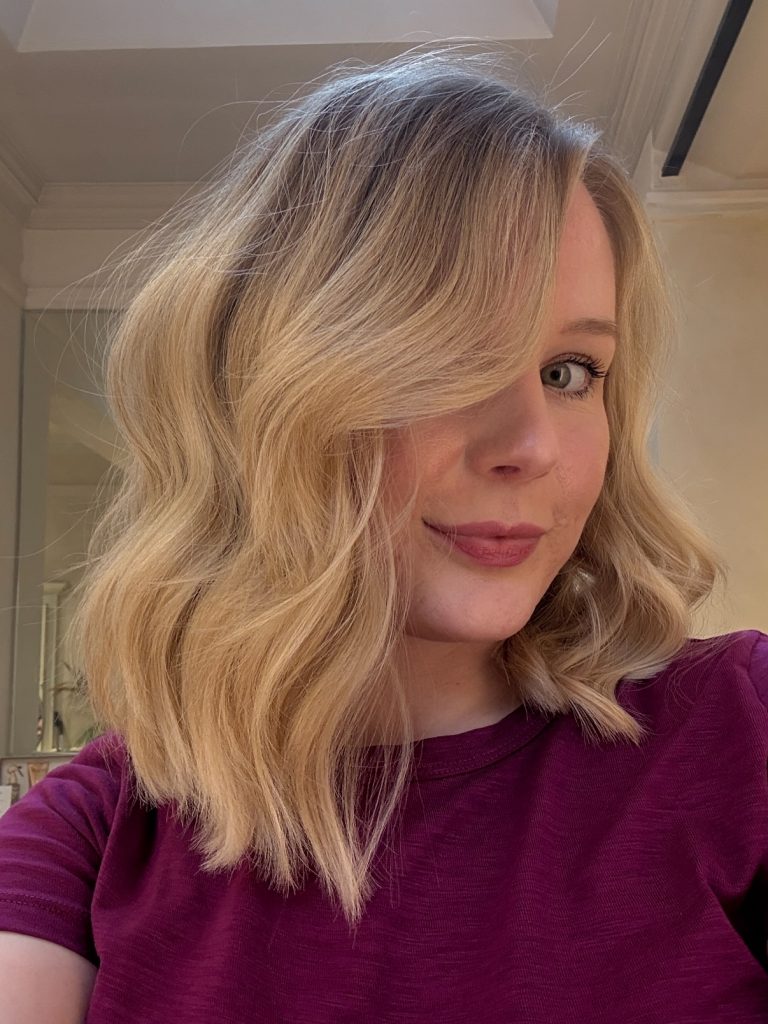
This long A-line lob is a masterclass in weight distribution for a short-to-medium length. The cut is subtly shorter in the back, shifting the weight forward for a streamlined profile. Heavy point-cutting and texturizing throughout the ends prevent the “blocky” effect, creating a shattered, airy look that allows the natural wave of thick hair to define the style. The internal bulk has been removed, making the collarbone-length perimeter sharp and graphic rather than chunky.
12. The Ultra-Long Face-Framing Sweep
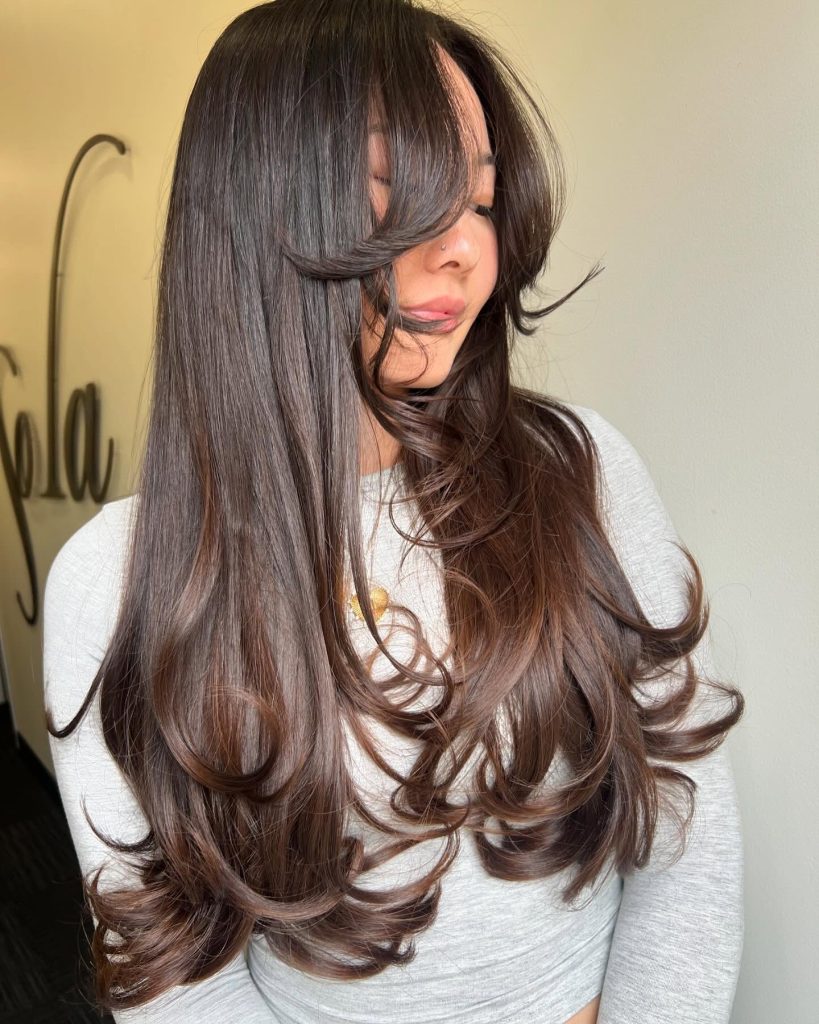
This striking cut is designed for women who refuse to lose any length. The “weight” problem is solved by point-cutting extensive, long face-framing sections that start near the chin and cascade dramatically. This removes a significant amount of bulk around the face and shoulders. For the extremely long perimeter, the stylist uses invisible, internal thinning at the mid-lengths to ensure the hair doesn’t feel like an immovable mass, resulting in a dramatic sweep of lightened-up texture.
13. The Textured Short Shag
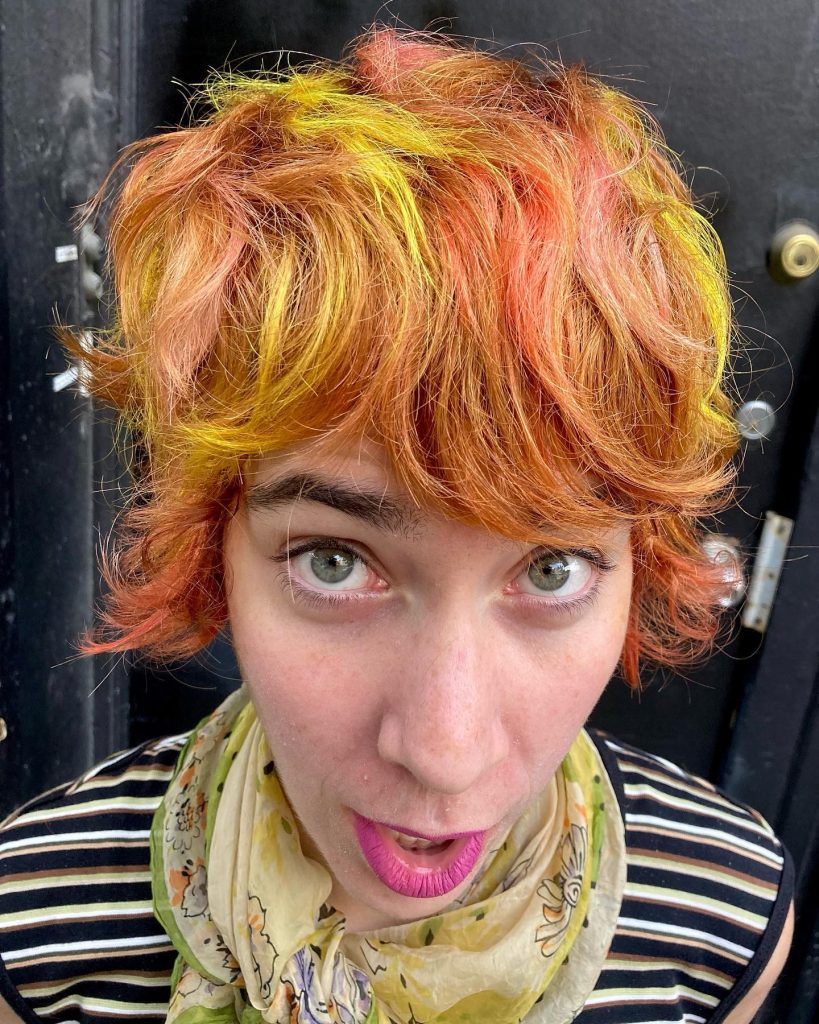
For thick-haired women who want a dramatic change, this short shag is a brilliant example of intentional texture over sheer volume. By utilizing heavy point-cutting and slicing throughout the top and sides, the stylist removes the bulk that typically makes short cuts on dense hair look round or “helmet-like.” The result is a piecey, edgy silhouette where the hair moves independently. This cut turns density into an advantage, providing a built-in structure that holds its shape with minimal styling effort.
14. The Multi-Dimensional Internal Layer Cut
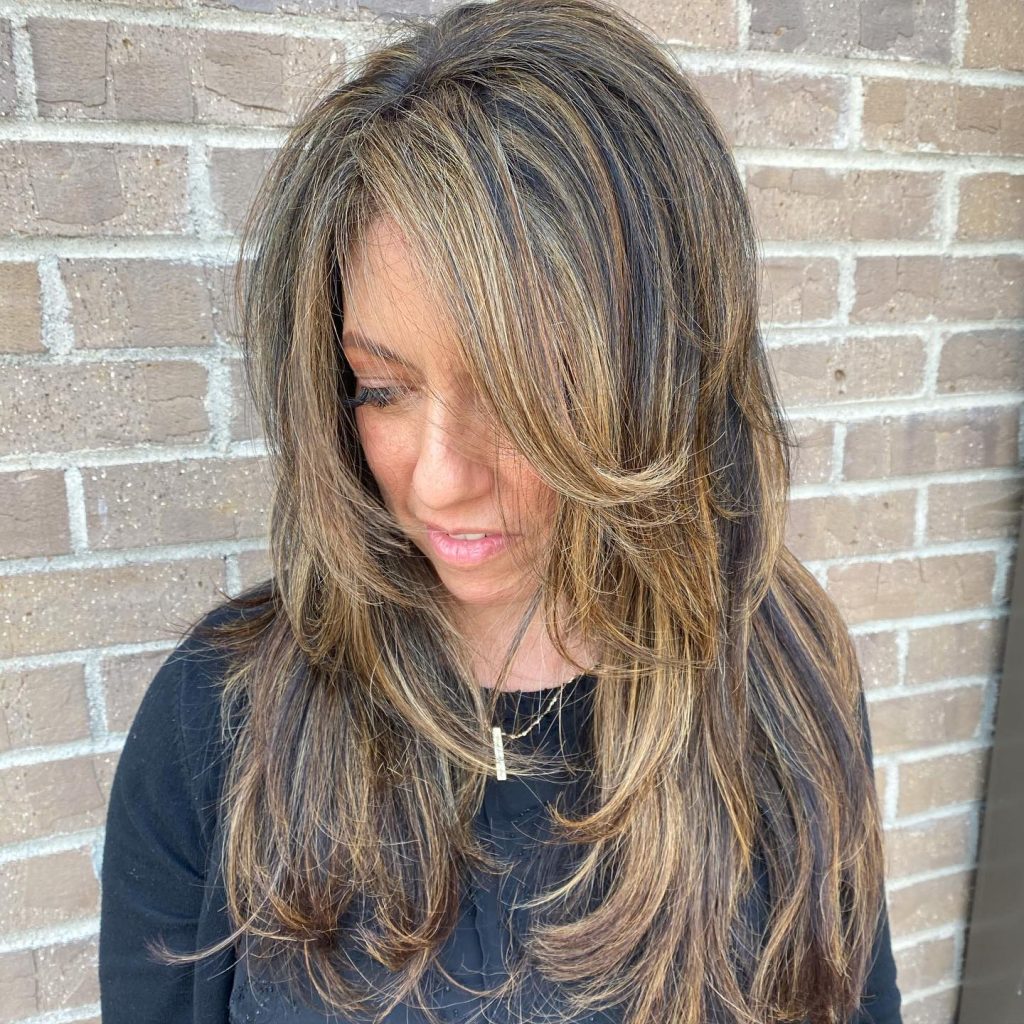
This long-layered look is engineered for maximum swing. The stylist has implemented deep internal layering and mid-length thinning to “debulk” the hair without compromising the lush, thick appearance. Strategic face-framing layers beginning at the cheekbone add a sense of lightness and lift, preventing the weight of the hair from pulling the crown flat. By point-cutting the perimeter, the ends remain soft and fluid, allowing the multi-toned texture to catch the light and create a sense of depth and airiness.
What to Avoid: The “Red Flags” for Dense Hair
- The “Triangle” Effect: Why blunt perimeters with no internal movement result in hair that flares out at the bottom.
- Over-Layering the Crown: How too-short top layers can result in a “pouf” that is difficult to tame.
- The “Mushroom” Bob: Why thick hair requires a graduated or undercut approach to avoid looking overly round.
- Extreme Razoring: Why a razor on certain thick, coarse, or wavy textures can lead to frayed ends and flyaways.
The Stylist Script: How to Talk the Talk
- Be Specific on Location: “I want the bulk removed from the underneath sections and the mid-lengths, but I want to keep the perimeter clean.”
- Ask for “Slicing”: Requesting a slicing technique rather than just thinning shears for a more tailored finish.
- Visual Aids: Bringing photos that match your specific hair texture (wavy vs. straight) so the stylist understands how your hair responds to weight removal.
Styling the “New” Texture: Maintaining the Airiness
- The “Rough Dry” Technique: Why thick-haired individuals should blow-dry the roots and under-sections first to prevent the hair from settling into a heavy shape while damp.
- Choosing Weightless Finishers: * Switching from heavy waxes to dry texture sprays to highlight the new layers.
- Using lightweight hair oils only on the ends to prevent the “bulk” from returning via frizz.
- The Role of Tension: How using a large round brush can help “stretch” the density, making the weight removal even more apparent and sleek.
- Managing Regrowth: Why thick hair needs a “dusting” or a “weight-refresh” every 6–8 weeks to prevent the internal layers from becoming bottom-heavy again.
Conclusion: Embracing the Lightness
- Confidence in Density: Reiterate that thick hair is a luxury once the “weight” is managed correctly.
- The Stylist Partnership: Remind the reader that a great cut is a collaboration—be vocal about your hair’s history and how it behaves in humidity.
- The Final Result: You don’t have to choose between length and manageability; with the right architectural approach, you can have both.
Sidebar/Tip Box: A quick guide to “The Nape Secret”—Ask your stylist to undercut or heavily thin the bottom two inches of hair at the base of the skull. This allows the rest of your hair to lay closer to your head, instantly reducing the “volume” without losing any visible length.
Leave a Reply