You look in the mirror and notice them: those stubborn dark spots scattered across your cheeks, forehead, or upper lip. Maybe they appeared after a pregnancy, surfaced from sun exposure years ago, or lingered long after a blemish finally healed.
Whatever their origin, hyperpigmentation is one of the most frustrating skin concerns—and one of the most common. The good news? You don’t need expensive laser treatments or a cabinet full of harsh products to fade those spots. With consistency and the right ingredients, you can see real results.
Here is a simple, mom-friendly routine to fade dark spots and even out your skin tone.
First, Understand Your Enemy
Hyperpigmentation is simply an overproduction of melanin—the pigment that gives your skin its color. It shows up in a few common forms:
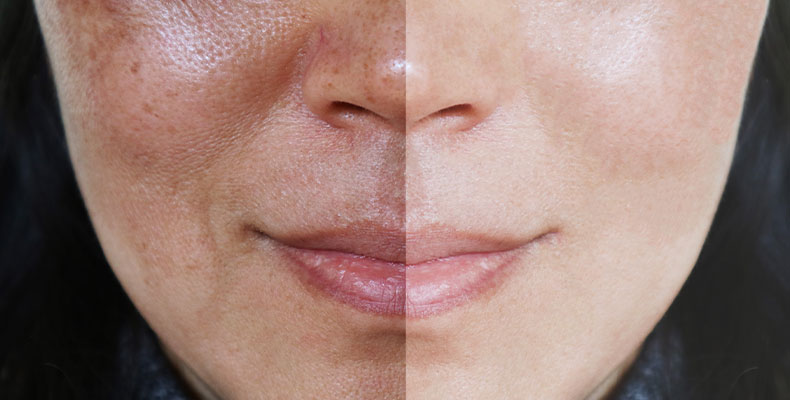
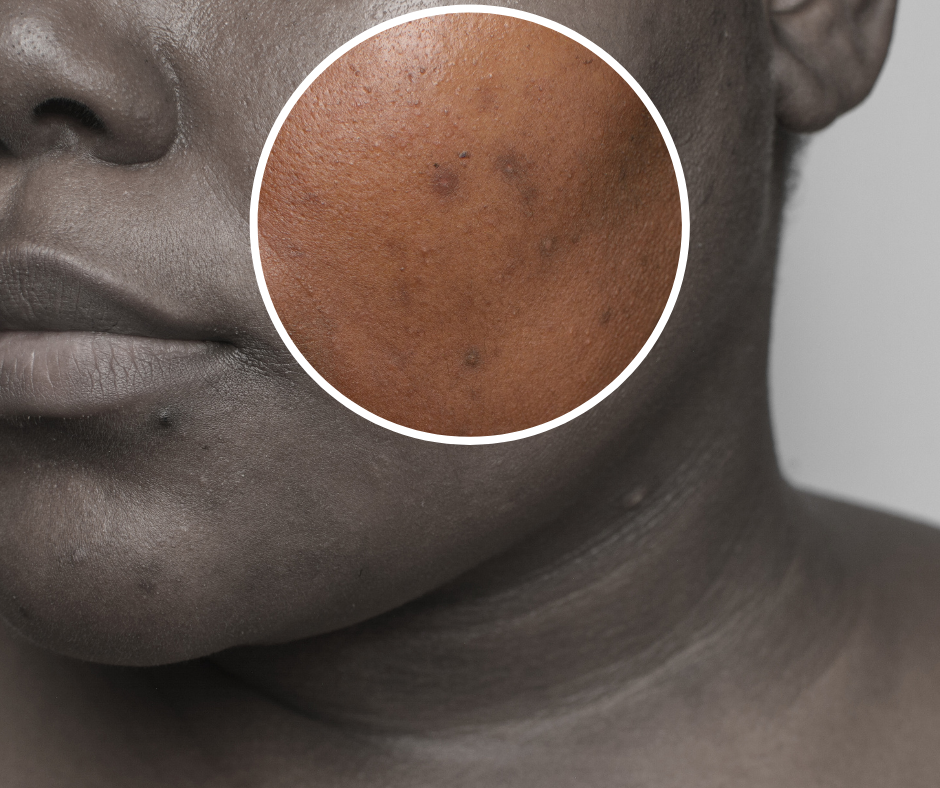
- Post-inflammatory hyperpigmentation (PIH): Dark marks left behind after a pimple, scratch, or rash. Common for moms dealing with hormonal breakouts or “maskne.”
- Melasma: Sometimes called “the mask of pregnancy,” these larger patches are triggered by hormones and sun exposure.
- Sun spots: Also called age spots or liver spots, these appear after years of cumulative sun damage.
The treatment approach is similar for all three: prevent further darkening and encourage cell turnover to fade existing spots.
If you are just starting your skincare journey, first build a foundation with our beginner-friendly 5-step night routine . Once you have that down, layer in these targeted steps.
The Golden Rule: Sunscreen Is Non-Negotiable
Here is the truth that no one likes to hear: if you don’t wear sunscreen every single day, nothing else you do will matter.
Sun exposure triggers melanin production. If you are using brightening ingredients without protecting your skin, you are essentially fighting a battle with one hand tied behind your back. The sun will undo all your hard work.
Your sunscreen needs to be:
- Broad spectrum (protects against UVA and UVB rays)
- SPF 30 or higher
- Worn every day—even when it’s cloudy, even if you’re mostly indoors
For a dermatologist-approved morning routine that includes sunscreen, check out our 4-step morning skincare guide .
The Fading Formula: Key Ingredients That Work
Not all brightening ingredients are created equal. Here are the ones dermatologists and skincare experts recommend for fading dark spots.
Vitamin C (Morning)
Vitamin C is a powerful antioxidant that brightens skin and protects it from environmental damage. It inhibits melanin production, which helps prevent new spots from forming while fading existing ones.

How to use: Apply a vitamin C serum in the morning after cleansing and before moisturizer. Look for stable formulations like ascorbic acid combined with vitamin E and ferulic acid for maximum effectiveness.
Niacinamide (Morning or Night)
Also known as vitamin B3, niacinamide is a multitasking ingredient that brightens dark spots, calms redness, and strengthens the skin barrier. It plays well with most other ingredients, making it easy to add to your routine.
How to use: You can use niacinamide morning or night, in serum or moisturizer form.
Retinoids/Retinol (Night)
Retinoids speed up cell turnover, pushing fresh, evenly pigmented cells to the surface faster. They are the gold standard for treating hyperpigmentation—but they require patience and proper use.
How to use: Start slowly—once or twice a week at night. Always follow with moisturizer, and never use retinoids without sunscreen the next morning. If you are pregnant or nursing, avoid prescription retinoids and check with your doctor about over-the-counter options.
Azelaic Acid (Morning or Night)
Azelaic acid is a gentle but effective ingredient for fading dark spots, especially for those with sensitive skin or melasma. It also has anti-inflammatory properties, making it great for acne-prone skin.
How to use: Can be used morning or night, often in serum or cream form.
Alpha Hydroxy Acids (AHAs) (Night, 2-3x weekly)
AHAs like glycolic acid and lactic acid exfoliate the skin’s surface, helping to shed the top layer of pigmented cells. They work well alongside other treatments but should not be used on the same night as retinoids.
How to use: Use an AHA toner or serum 2-3 times per week at night, on nights you aren’t using retinol.
Your Simple Fading Routine
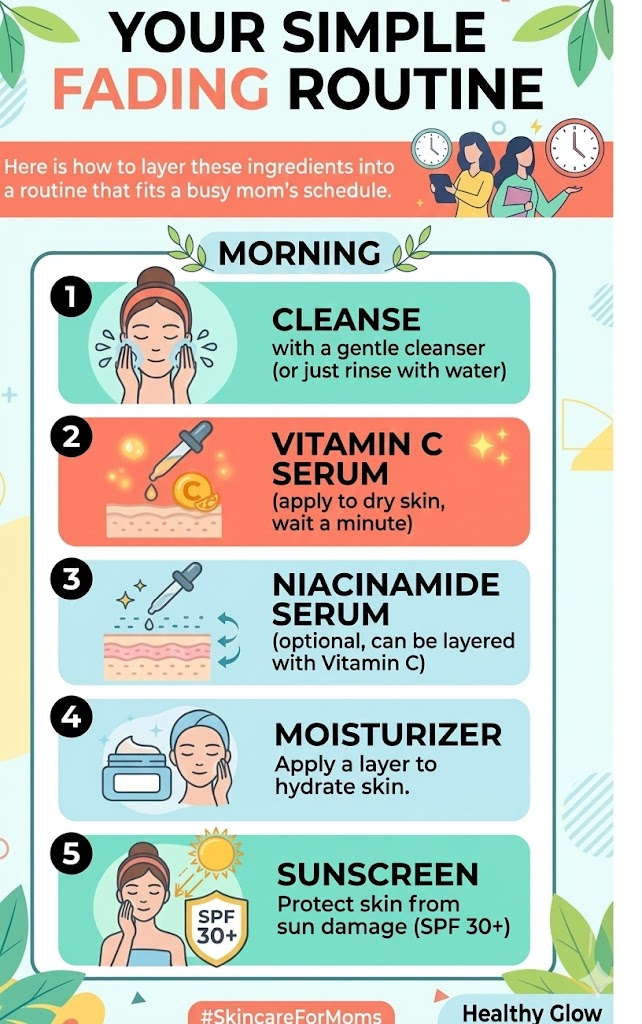
Here is how to layer these ingredients into a routine that fits a busy mom’s schedule.
Morning
- Cleanse with a gentle cleanser (or just rinse with water)
- Vitamin C serum (apply to dry skin, wait a minute)
- Niacinamide serum (optional, can be layered)
- Moisturizer
- Sunscreen (SPF 30+)
Evening
- Double cleanse if wearing makeup or sunscreen (oil cleanser followed by gentle cleanser)
- Treatment—choose ONE per night:
- Retinol (1-2 nights per week to start)
- AHA exfoliant (1-2 nights per week)
- Azelaic acid or niacinamide (on other nights)
- Moisturizer (look for barrier-repairing ingredients like ceramides)
The Weekly Boost: Exfoliation + Masking
In addition to your daily routine, these weekly steps can accelerate fading.
Exfoliate 1-2 times weekly: Use a gentle scrub or an enzyme mask to physically remove dead skin cells. This helps your brightening products penetrate better.
Use a brightening mask 1 time weekly: Look for masks containing vitamin C, kojic acid, or licorice root extract. Apply after cleansing and leave on for 10-15 minutes before continuing with your routine.
Our 5-step night routine includes a full breakdown of weekly exfoliation and masking.
Patience Is Everything
Here is the honest truth: fading dark spots takes time.
You will not see results overnight. With consistent use of the right ingredients, you may notice subtle changes in 4 to 6 weeks. More significant fading can take 3 to 6 months. Melasma, in particular, can be stubborn and may require ongoing maintenance.
Think of it like getting in shape. You wouldn’t expect a flat stomach after one workout. Your skin works the same way.
What to Avoid
Just as important as what you add is what you avoid.
Don’t pick at your skin. That pimple you squeeze today becomes a dark spot tomorrow. Hands off.
Don’t skip sunscreen. Seriously. We cannot say this enough.
Don’t use too many actives at once. Layering retinol, AHAs, and vitamin C in the same night is a recipe for irritation, which can actually worsen pigmentation. Rotate your treatments and listen to your skin.
Don’t expect miracles from natural remedies. Lemon juice, toothpaste, and other DIY “treatments” often do more harm than good. Stick with proven ingredients.
When to See a Professional
If you have tried a consistent routine for 6 months with minimal results, or if your dark spots are changing in shape, size, or color, it is time to see a dermatologist.
A professional can offer stronger treatments like prescription-strength hydroquinone, chemical peels, or laser therapy. They can also check any suspicious spots to rule out skin cancer—always a good idea, especially for sun-damaged skin.
The Takeaway
Fading dark spots doesn’t require a complicated routine or expensive products. It requires:
- Daily sunscreen (non-negotiable)
- Consistent use of proven ingredients (vitamin C, retinoids, niacinamide, AHAs)
- Patience (results take time)
- Protection (keep treating your skin gently)
You have the power to improve your skin. Start with these steps, stay consistent, and give your skin the grace of time.
Once your skin is glowing and even, learn exactly where to place your makeup to highlight your best features with our bronzer, blush, and contour placement guide . A smooth canvas deserves beautiful makeup application.
Leave a Reply