
Curly hair doesn't need to be tamed. It needs a cut that understands what it's doing.
The history of curly hair and haircuts is largely a history of stylists trained on straight hair attempting to apply the same techniques to a completely different structural reality. Dry cutting — cutting curly hair in its natural state rather than wet and straight — changed everything when it became mainstream, and the curly haircut is now one of the most specialised and considered techniques in a modern salon.
This guide covers the best cuts for curly hair in 2026: the DevaCut philosophy and what it means in practice, how the butterfly cut translates to natural curl patterns (dramatically), what the wolf cut and shag look like on curly hair, and why the lob and micro bob behave completely differently on curls than on straight hair. It also covers the most important conversation to have with your stylist before any curly cut: shrinkage, and how much length to account for.
→ Before any curly haircut: ask your stylist if they cut curly hair dry or wet. A stylist who cuts curly hair wet and then straightens it to check the shape has not cut your curly hair — they've cut your straight hair. The two are different cuts.
11 Sophisticated Curly Haircuts To Try In 2026:
The Sculpted Curly Bob with Full Fringe

This modern take on the curly bob avoids the dreaded triangle shape by utilizing strategic internal layering to create a soft, rounded silhouette that frames the face perfectly. By incorporating a full, curly fringe, the cut draws immediate attention to the eyes while maintaining a sophisticated balance of volume throughout the crown. It is an ideal choice for those seeking a manageable yet high-fashion look that celebrates the natural spring of tighter curl patterns without the weight of excess bulk.
Mid-Length Voluminous Layers for Defined Curls
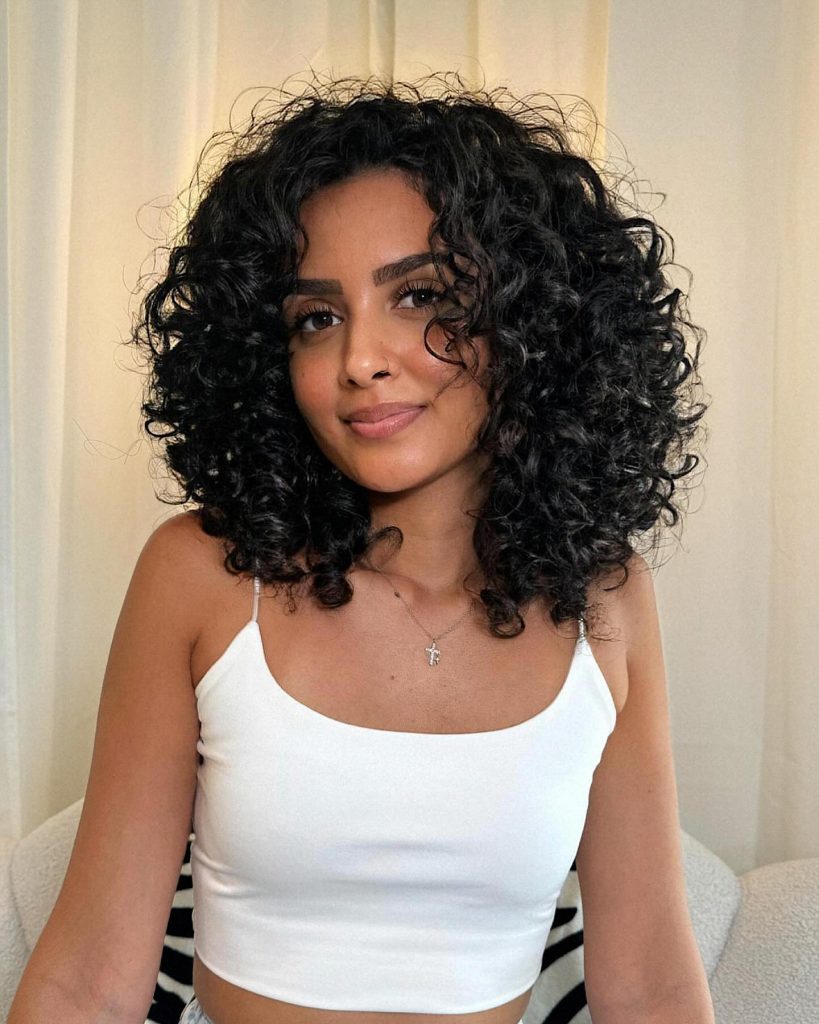
For curls that crave movement and height, this mid-length layered cut provides the ultimate structural foundation to prevent the hair from looking flat at the roots. The shorter layers surrounding the face create a beautiful cascading effect, allowing each ringlet to bounce independently and showcase its unique coil definition. This style is the epitome of "quiet luxury" for curly hair, offering a polished and intentional look that transitions seamlessly from casual days to high-end events.
The Maximum Volume Curly Shag
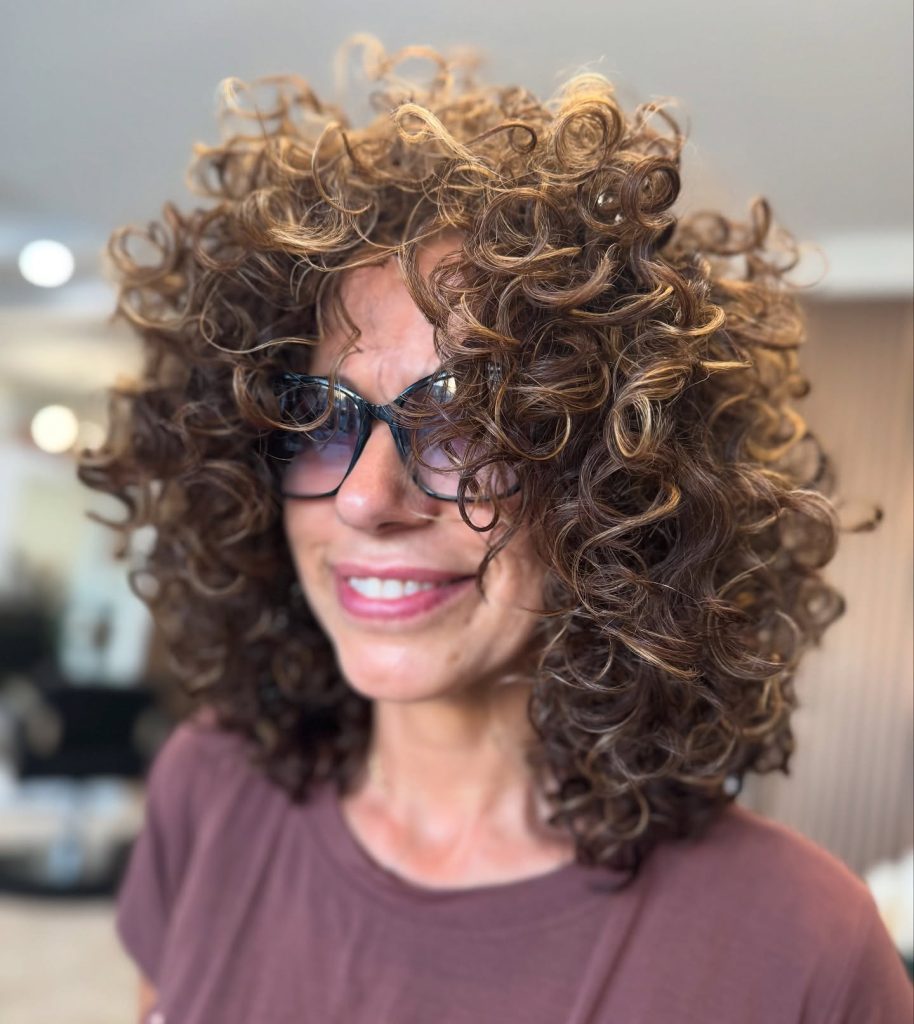
Embracing a more bohemian and effortless aesthetic, this highly textured shag uses short, choppy layers to amplify volume and create a bold, expansive shape. The highlights throughout the curls add a dimension of light and shadow, making the texture pop and giving the hair a sun-kissed, lived-in feel. It’s a powerful statement cut that works with the hair's natural inclination toward frizz and fullness, turning what many fight against into a deliberate and stylish asset.
Dramatic Butterfly Layers on Cascading Curls
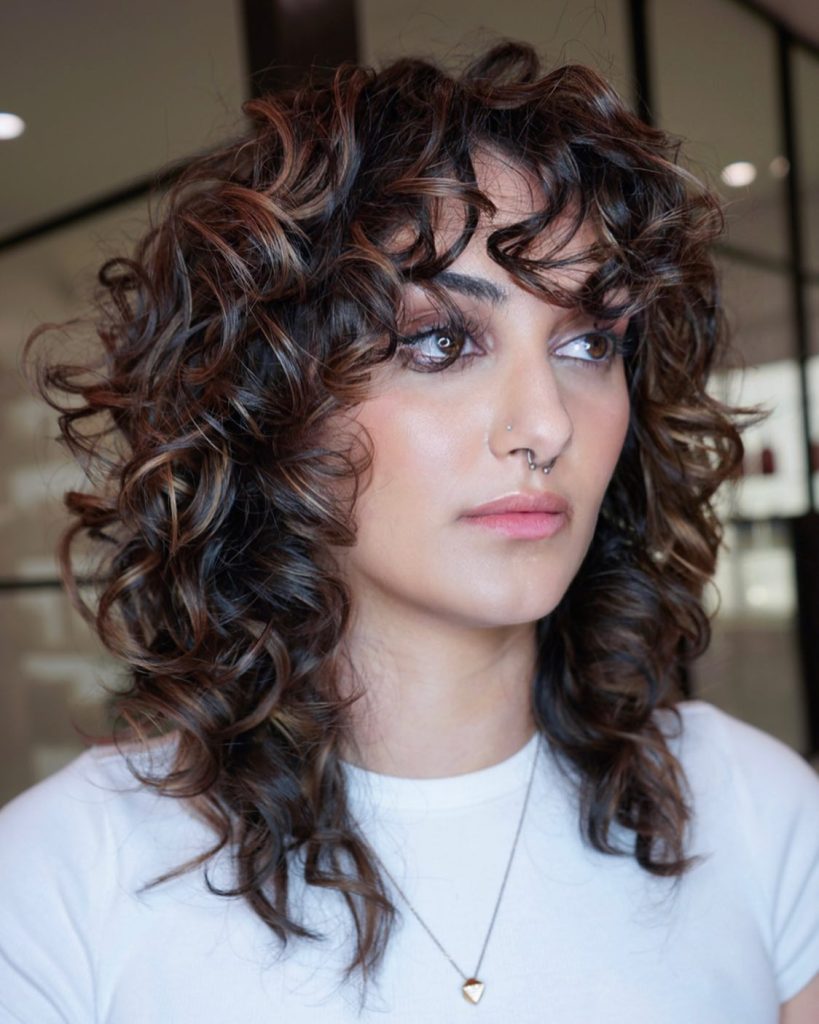
The butterfly cut remains a top trend for 2026 because of its ability to offer the illusion of short hair's volume while maintaining long-hair length. These dramatic, face-framing "wings" are cut into the curls to provide incredible lift around the cheekbones and jawline, while the longer back sections provide a beautiful flow of ringlets down the shoulders. This sophisticated silhouette is perfect for the minimalist who wants a high-impact transformation that enhances natural texture through expert-level engineering.
The Tapered Long Cut for 3b Curls
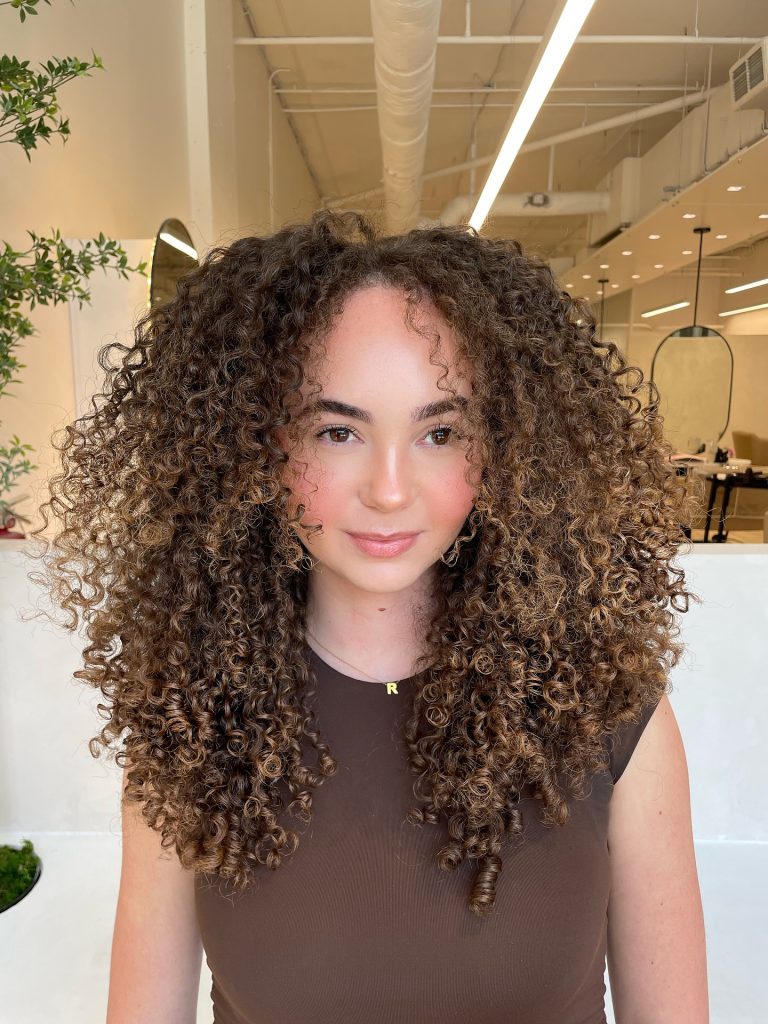
This elongated silhouette demonstrates the importance of weight distribution in tighter 3b curl patterns, ensuring the hair maintains height at the crown without losing its vertical flow. By incorporating subtle, face-framing "bits" and a centered part, the cut allows the curls to frame the features with intentionality rather than overwhelming them. It is a sophisticated choice for those who want to keep their length while benefiting from the structural integrity that a professional dry-cut provides.
The Rounded Copper Coily Cut
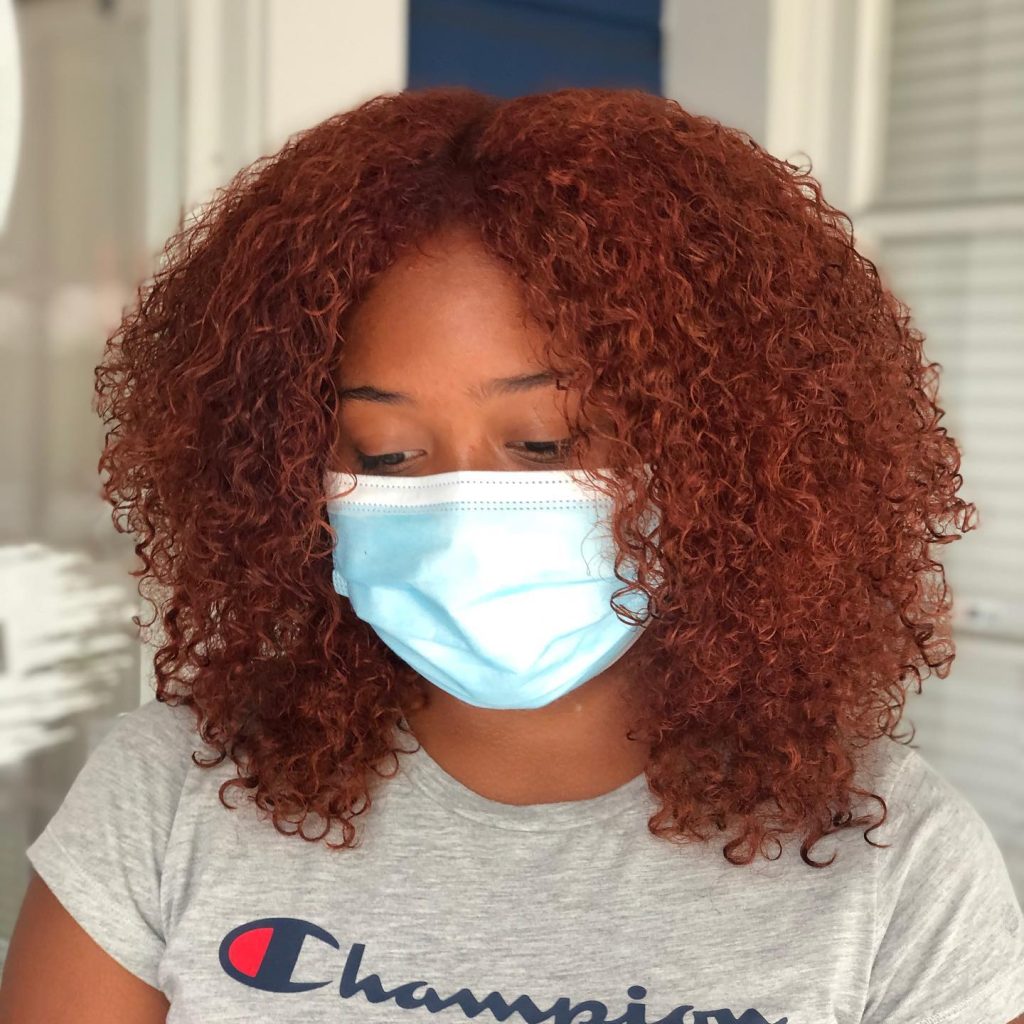
Specifically engineered for high-density coily textures, this rounded cut focuses on architectural shape to celebrate the hair’s natural volume and "fro" potential. The vibrant copper hue enhances the depth of the layers, while the tapered sides prevent the style from feeling too heavy around the jawline. This look is a testament to the "curl-by-curl" philosophy, as it ensures a perfectly symmetrical and balanced halo that remains consistent as it dries and shrinks.
Deep Side-Parted Layered Curls
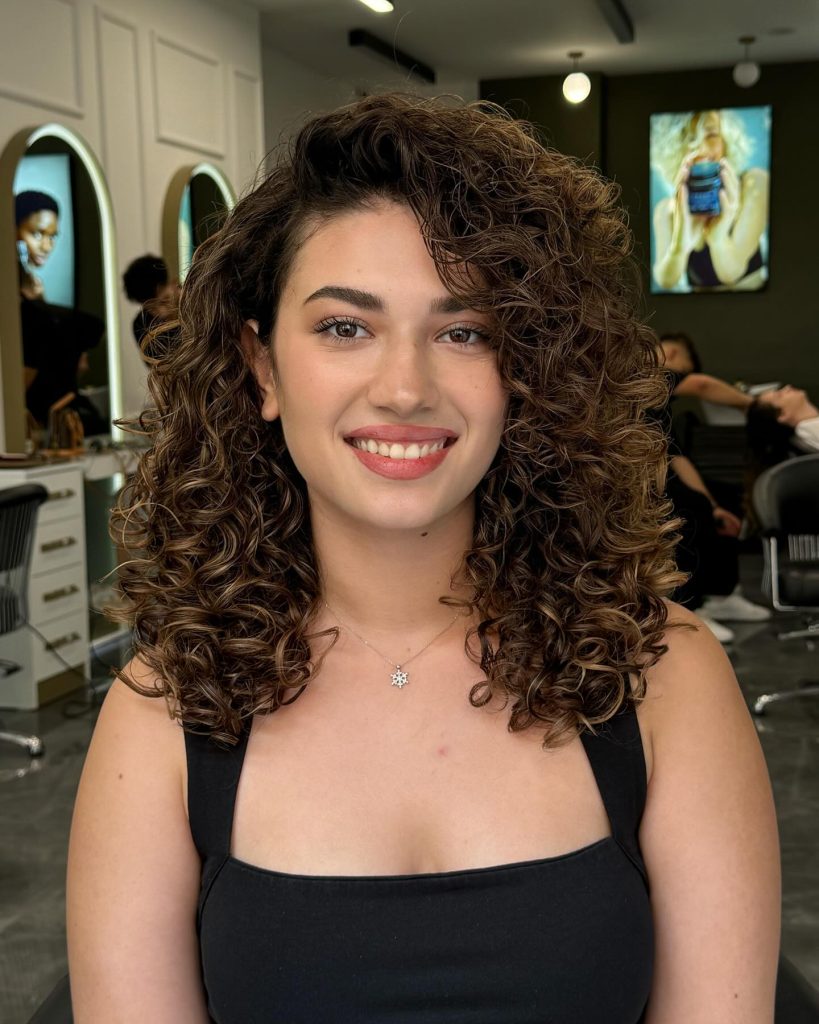
For a glamorous and high-contrast aesthetic, the deep side-parted cut utilizes extreme layering to create a dramatic sweeping effect that adds immediate volume to the top of the head. This technique allows the curls to cascade elegantly over one shoulder, highlighting the defined ringlets and providing a soft, romantic frame for the face. It’s an ideal "quiet luxury" style that feels curated and polished, perfect for showcasing healthy, hydrated 3a-3c curls with maximum bounce.
The Bright Blonde Curly Shag with Bangs
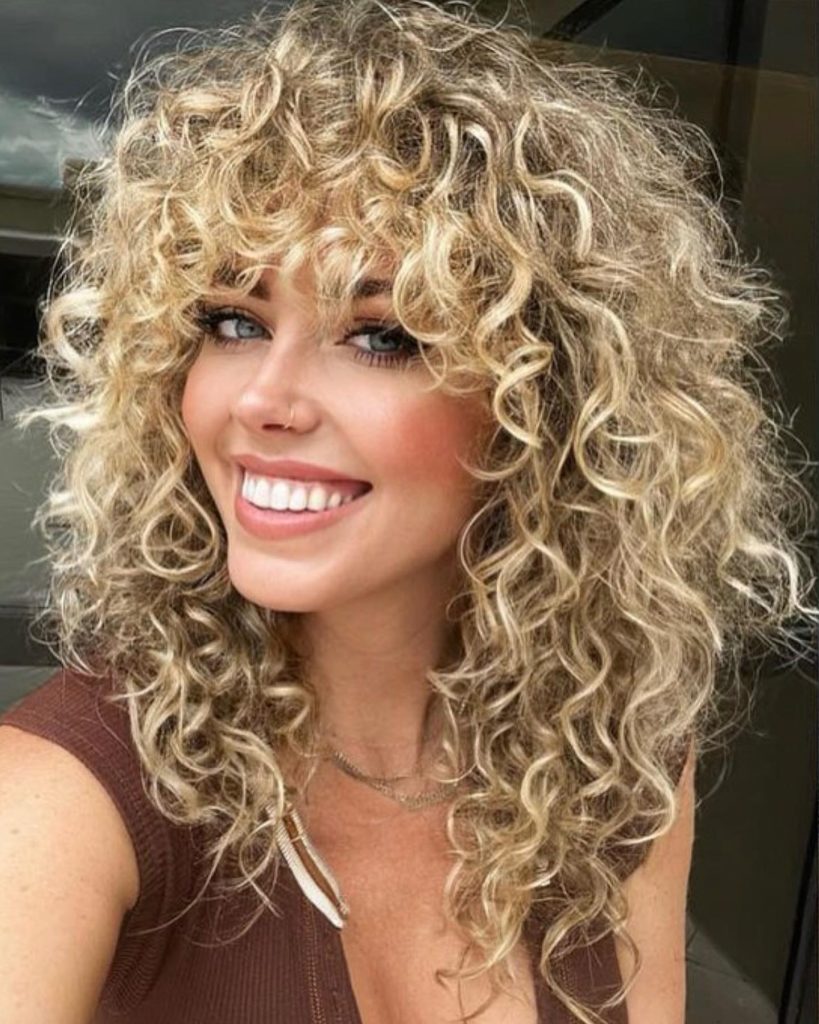
This high-impact blonde shag combines a bold color choice with a heavy, textured fringe to create a youthful and energetic silhouette. The short layers throughout the crown are designed to prevent the hair from pulling flat, while the bright highlights accentuate each individual coil's movement and shape. This cut is perfect for the minimalist who wants their hair to be their primary accessory, offering a balanced blend of "90s cool" and modern styling intentionality.
Raven Side-Swept Cascading Curls
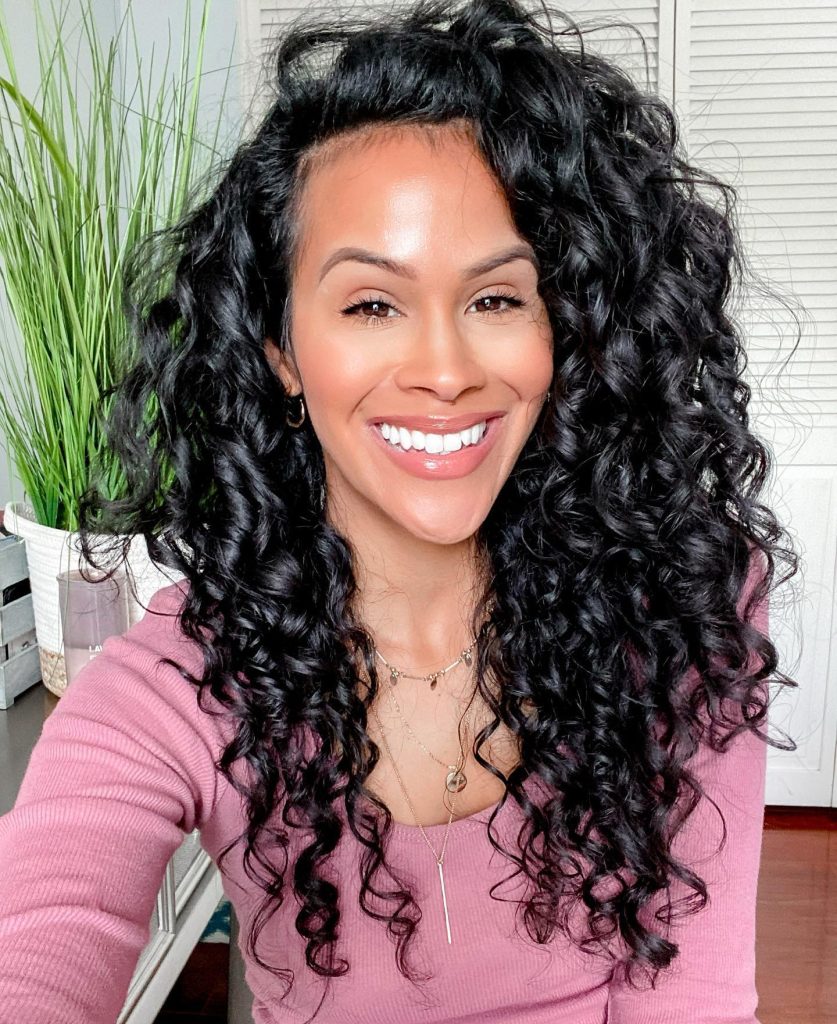
This high-contrast, jet-black style utilizes long layers to manage the weight of high-density 3a-3b curls, preventing the hair from pulling flat at the roots. By maintaining a deep side part, the cut encourages a dramatic sweep of volume that creates an elegant, asymmetric frame for the face. It is a perfect example of "quiet luxury" for the minimalist woman who wants a look that feels naturally effortless yet remains structurally sound through intentional layer placement.
The Platinum Curly Halo with Soft Fringe
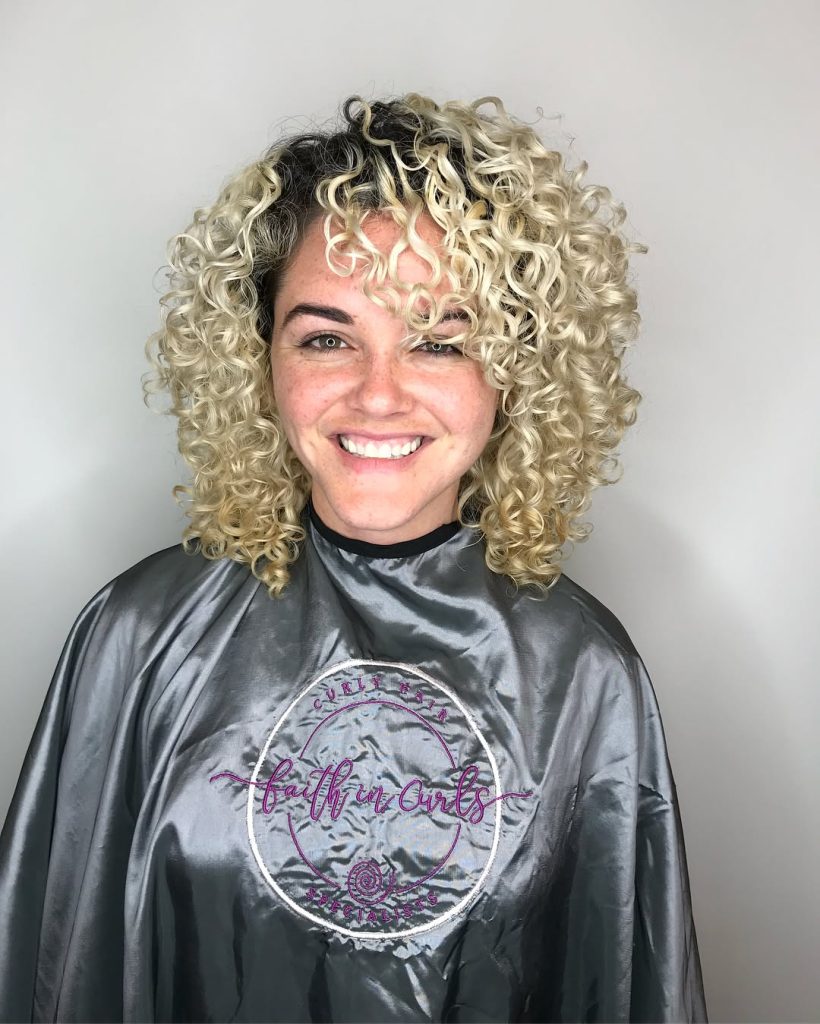
This expertly shaped mid-length cut showcases the power of the "dry cut" technique, ensuring a perfectly rounded perimeter that respects the natural bounce-back of 3c curls. The introduction of a soft, eyebrow-skimming fringe breaks up the forehead and draws immediate focus to the eyes, while the platinum blonde color adds a modern, high-fashion edge to the texture. This silhouette is specifically designed to eliminate the "triangle" effect, providing a balanced and airy volume that feels fresh and curated.
The Effortless Curly Pixie Shag
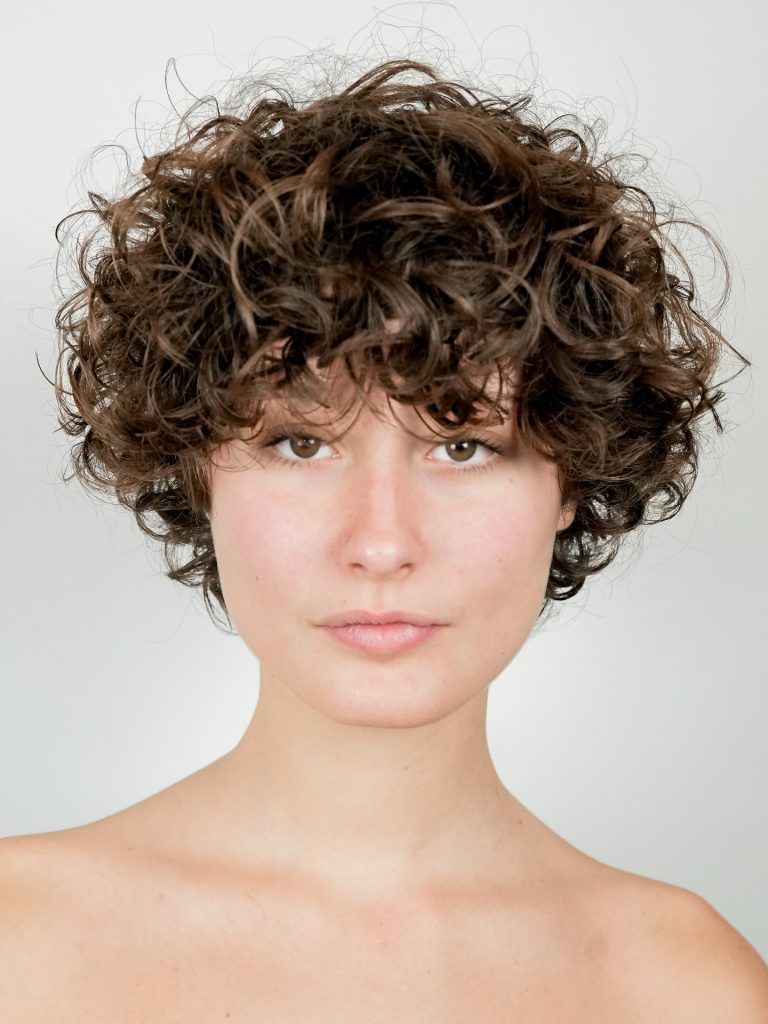
Short, cropped, and undeniably chic, this curly pixie shag is the ultimate beginner-friendly style for those transitioning to a more manageable length. By keeping the density focused at the crown and incorporating a tousled, piecey fringe, the cut highlights the cheekbones and creates a playful yet sophisticated profile. This style works with the hair’s natural movement to provide a "wake-up-and-go" aesthetic that perfectly aligns with the intentionality of a modern, minimal beauty routine.
Curl Pattern Guide — Tailoring the Cut to Your Type
Wavy (2a–2c):
Wavy hair exists in a delicate balance—it craves volume but is easily flattened by excess weight. The primary goal for this texture is strategic weight removal. Without it, waves can form a triangle shape, looking heavy at the ends while lacking lift at the root. Techniques like point-cutting and long internal layers are essential. These methods remove bulk from the interior of the hair without disturbing the wavy perimeter, allowing the natural "S" shape to spring up. Asking your stylist to "ghost layer" (creating very subtle, weightless layers) can encourage lift at the crown without sacrificing the length that gives waves their characteristic movement.
Curly (3a–3c):
Curly hair requires a mathematical approach to cutting. Because curls contract as they dry, a cut that looks perfect when wet can shrink into a shapeless mass when dry. The focus here is strategic layer placement and calculating the "bounce back" factor—the percentage of shrinkage unique to your curl density. A skilled stylist will typically cut curly hair dry (or use the curl-by-curl method) to see exactly how each curl cluster sits. The goal is to distribute volume evenly, preventing the dreaded "pyramid" shape (narrow at the top, wide at the bottom) by using layering that supports the curl pattern from the root to the tip, ensuring the shape remains consistent as the hair dries and contracts.
Coily (4a–4c):
For coily textures, the cut is less about managing individual strands and more about sculpting a silhouette. Because coily hair experiences the highest degree of shrinkage (often 50-75%), traditional layering can sometimes lead to unintended bulk. The most effective approach is shape-first cutting, often referred to as tapering or fro-shaping. This involves cutting the hair in its naturally shrunken, dry state to define the overall outline—whether a rounded Afro, a high-top, or a tapered nape. This method celebrates the hair's structural integrity, ensuring that the shape looks intentional and polished whether the hair is in a stretched state or its full, glorious coily volume.
V. Styling Foundation: Post-Cut Maintenance
A great haircut is a blueprint, but how you style it determines the final structure. Establishing a consistent post-wash routine is the key to making your cut last between salon visits.
The LOC Method:
This three-step method is the gold standard for sealing in moisture, which is critical for preventing breakage and maintaining the integrity of your cut.
- Leave-in (L): Start with a water-based leave-in conditioner on soaking wet hair. This is the hydration base.
- Oil (O): Apply a sealing oil (like jojoba, argan, or castor oil) over the leave-in. Oil penetrates the hair shaft and locks in the water and conditioner.
- Cream (C): Finish with a thick curl cream or butter to define the curl clumps and smooth the cuticle. This creates a barrier against humidity and seals the shape you just paid for.
The Art of the Finish:
- Diffusing: Using a diffuser attachment on low heat with a "hover" method (not touching the hair until a cast forms) encourages root lift and faster drying. This method is ideal for adding volume and setting a structured shape.
- Air-Drying: The gentlest option, air-drying allows the curl pattern to form entirely naturally. For thick hair, this requires patience. To prevent the weight of water from elongating the curls and ruining the shape, use a microfiber towel to gently scrunch out excess water first.
Preserving the Shape:
To protect your cut while you sleep:
- The "Pineapple": Gather your hair into a very loose, high ponytail right at the very top of your forehead. This prevents friction on the ends and preserves the curl clumps.
- Silk Protection: Sleep on a silk or satin pillowcase or wear a satin bonnet. This eliminates friction that causes frizz and breakage, ensuring the shape lasts for 3-4 days post-wash.
- [Inline Link #2] Recommended styling tools: PATTERN Beauty Curl Mousse for lightweight hold without crunch, or the Tangle Teezer for Curls to detangle wet hair without disrupting the curl pattern.
VI. The "In-Between" Phase: Managing Growth and Health
As your hair grows, the weight and density change. Managing this phase is crucial to maintaining the shape and health of your hair until your next cut.
Trimming for Growth:
There is a significant difference between maintenance trims and shaping cuts. A "dusting" involves trimming only the very tips (¼ inch or less) to eliminate split ends while preserving every millimeter of length. This is ideal if you are actively trying to grow your hair longer. A structural cut, on the other hand, is required every 8–12 weeks to maintain the shape of a specific style (like a shag or a layered cut) and prevent the hair from looking bottom-heavy.
The Density Factor:
As hair gains length, gravity changes the game. A product cocktail that worked for shoulder-length thick hair may be too heavy for waist-length hair, or not moisturizing enough for a new pixie cut. You will need to adjust the amount of product you use based on the weight distribution. As hair grows, the "weight" moves lower, often requiring lighter products (like swapping a heavy cream for a mousse) to prevent the roots from looking flat.
The Scalp Connection:
A healthy cut starts at the scalp. Buildup of dead skin cells and product can clog follicles, hindering new growth and causing inflammation.
- Exfoliation: Use a scalp scrub or a brush with soft silicone bristles to physically exfoliate the scalp once a week.
- Stimulation: Regular scalp massages (using oils like rosemary or peppermint) increase blood flow to the follicles, promoting a healthy environment for strong, resilient hair to grow into your new cut.
VII. The Salon Brief: Managing Your Appointment
The outcome of your cut hinges on communication. Because curl patterns vary so widely, you must act as the expert on your own hair during the consultation.
The Script:
Be specific to avoid misinterpretation. Instead of saying "just a trim," use phrases like:
- "I want to maintain my length, but I need the density reduced from the underneath sections to remove the bulk."
- "Please account for shrinkage. I want the dry shape to hit my collarbone, even if it looks shorter when wet."
- "I prefer a dry cut so you can see my true curl pattern before taking off length."
Visual Communication:
Bring reference photos, but use them as a guide for vibe and shape, not as a carbon copy. Acknowledge the limitations of your specific curl type. A photo of a loose, wavy butterfly cut (2b) is not a realistic expectation for tight coils (4c), but it is a great reference for layering placement. Point to the specific elements you like in the photo—"I love the volume at the crown and the face-framing pieces in this picture"—to give your stylist actionable goals.
VIII. Conclusion & Expert Resources
The Final Word:
Thick, curly hair is not a problem to be solved; it is a unique texture to be engineered. The frustration of heavy, shapeless hair is rarely a flaw in the hair itself, but rather a mismatch between the cut technique and the hair’s density and curl pattern. By understanding the principles of weight removal, strategic layering, and proper styling maintenance, you transform your thick hair from a burden into a manageable, expressive asset. A well-engineered cut offers freedom—the freedom to wash-and-go, to wear your hair with confidence, and to spend less time fighting your texture and more time enjoying it.
Product Recommendations:
- Curlsmith Kit: Ideal for experimenting with protein and moisture balance to find what makes your specific cut look its best.
- PATTERN Mousse: Excellent for providing hold on thick hair without the crunch, preserving the shape of layers.
- Universal Diffuser Attachment: Essential for drying thick hair efficiently while encouraging curl clumping and root volume.
- Silk/Satin Pillowcase: A non-negotiable investment to preserve the shape of your cut and prevent overnight frizz.
- Tangle Teezer for Curls: The best tool for detangling thick, curly hair in the shower while conditioner is in, preventing mechanical damage.
Related Reading:
- The Butterfly Cut: A deep dive into the layered technique ideal for removing weight from thick, long hair while keeping perimeter length.
- The Wolf Cut: How this hybrid shag-mullet style works specifically for thick, curly textures to create a rock-and-roll silhouette.
- Air-Drying Techniques: A guide to refreshing and drying thick, curly hair without heat to maintain the integrity of your cut.
Leave a Reply