
Fine hair doesn't need more product. It needs a better cut.
Fine hair is consistently one of the top hair concerns for women — not because fine hair is difficult to style, but because most women with fine hair have been given the wrong cut for it and compensated with an exhausting product routine ever since. The right cut for fine hair creates the illusion of volume structurally, without relying on mousse, dry shampoo, and constant backcombing to hold a shape that collapses by lunchtime.
This guide covers the cuts that work hardest for fine hair in 2026: the lob with invisible layering, the blunt bob, the bixie, the butterfly at medium length with conservative layering, and the specific pixie variations that add visual density. But more importantly, it covers the cuts that actively hurt fine hair — the very short layers and dramatic layering techniques that make fine hair look thinner, not fuller. The difference is specific and actionable.
→ The single most damaging thing you can do to fine hair: over-layer it. Too many layers on fine hair leave the ends wispy and the overall style looking thin. Ask your stylist for 'minimal layering — just enough for movement' rather than 'lots of layers for volume.'
The Fine Hair Edit: 15 Structural Cuts for Effortless Density:
1. Two-Tone Pixie Undercut

Structural Support for Fine Hair: This style utilizes two key 2026 principles to maximize volume. Structurally, the very short undercut on the sides eliminates weight that often drags fine hair flat. Visually, the contrast between the darker base color and the light grey top creates a shadow effect at the root, simulating greater hair density at the scalp.
2. Beveled Bob with Full Fringe
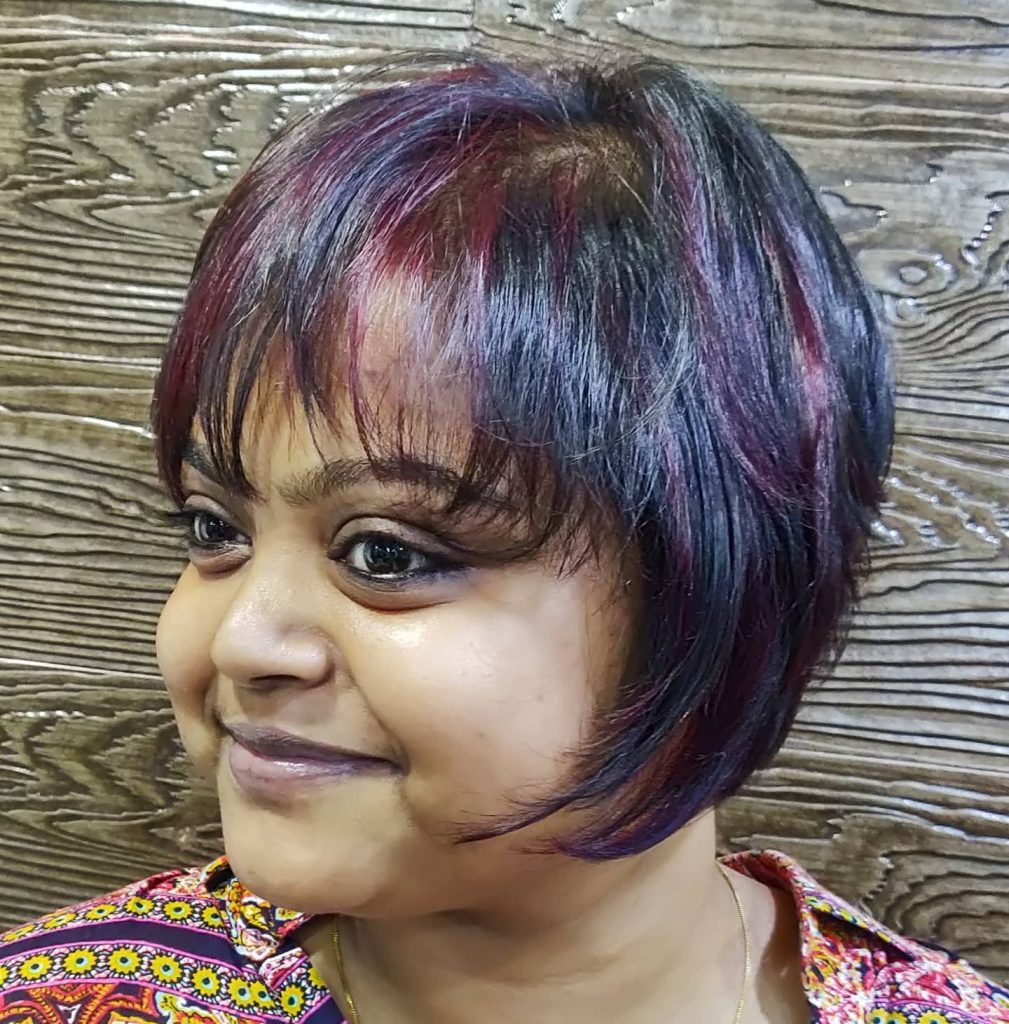
The Blunt Perimeter and Hairline Architecture: This cut achieves visual thickness by employing a strict, blunt weight line at the chin. By keeping the ends heavy, it prevents the classic "wispy" look fine hair can acquire at shoulder length. The addition of a full, structured fringe provides immediate volume at the forehead, effectively framing the face and adding overall presence to the haircut.
3. Copper Tapered Short Cut
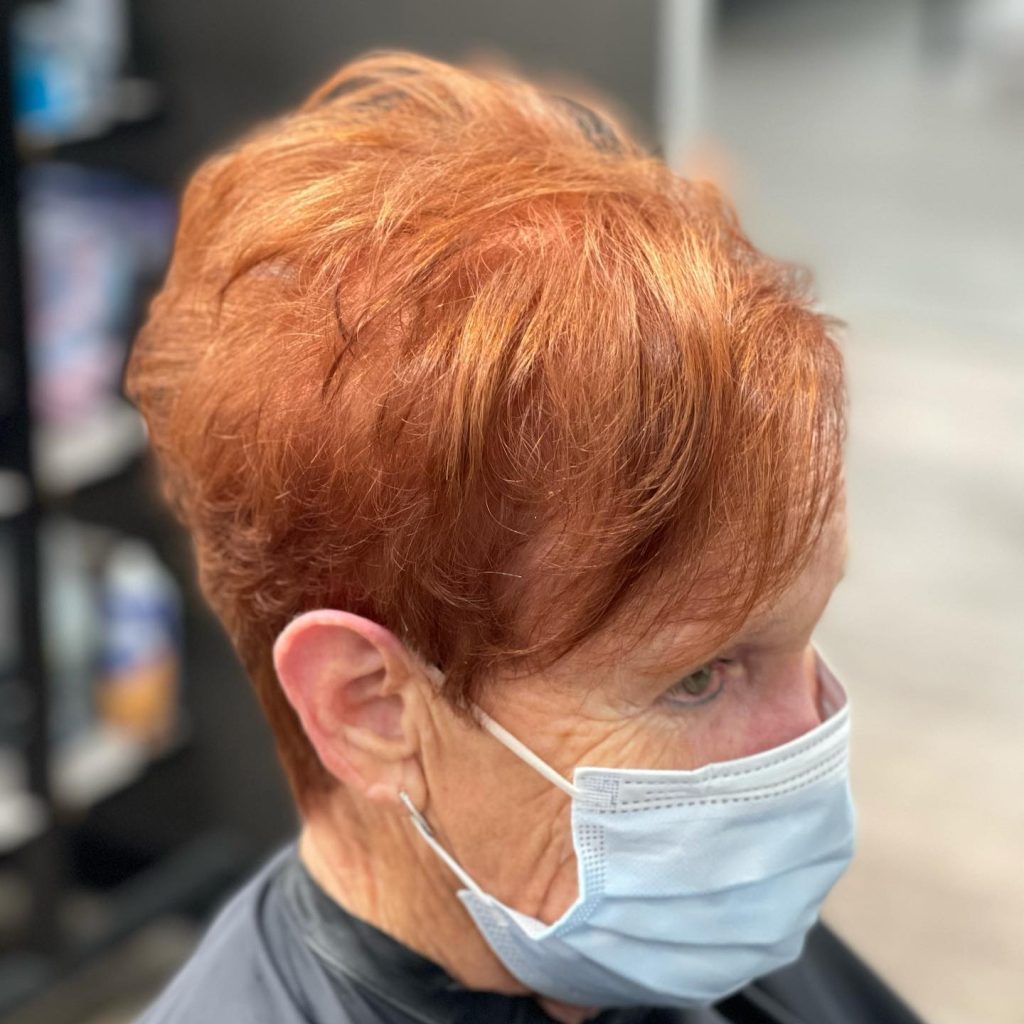
Nape Management and Crown Density: The volume in this cut is entirely architected by the structure of the taper. By meticulously removing length at the nape and sides, all the natural weight of the hair is effectively pushed upward. This concentration of hair at the crown, combined with subtle texture, provides a permanent, gravity-defying lift that lasts all day without relying on sticky products.
4. Classic Grey Volume Crop

Soft Structure and Integrated Layering: This haircut focuses on building fullness through a softly rounded silhouette. Integrated internal layering is used strategically to create pockets of air and lift among the fine strands, preventing them from compacting together and laying flat. This style emphasizes softness and shape rather than sharp lines, making it an excellent option for natural texture.
5. Conservative Butterfly for Curly Fine Hair
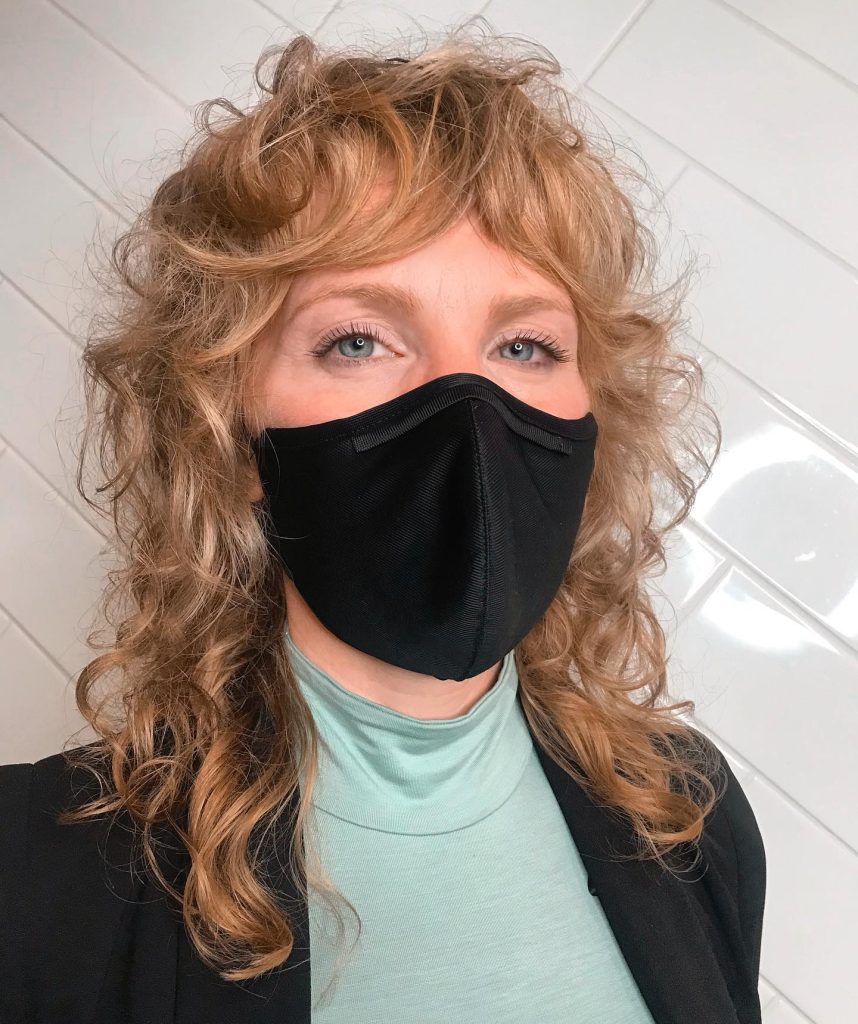
Modified Layering for Long-Length Density: This is an ideal visual for adapting the popular "Butterfly Cut" for fine texture. The key modification is the concentration of volume: the shortest, face-framing layers provide lift and shape near the crown and eyes, but the underlying structure and perimeter at the shoulders remain blunt and dense. This careful balance prevents the ends of the hair from looking sparse or see-through.
6. The Mid-Length Lob with Soft Face-Framing
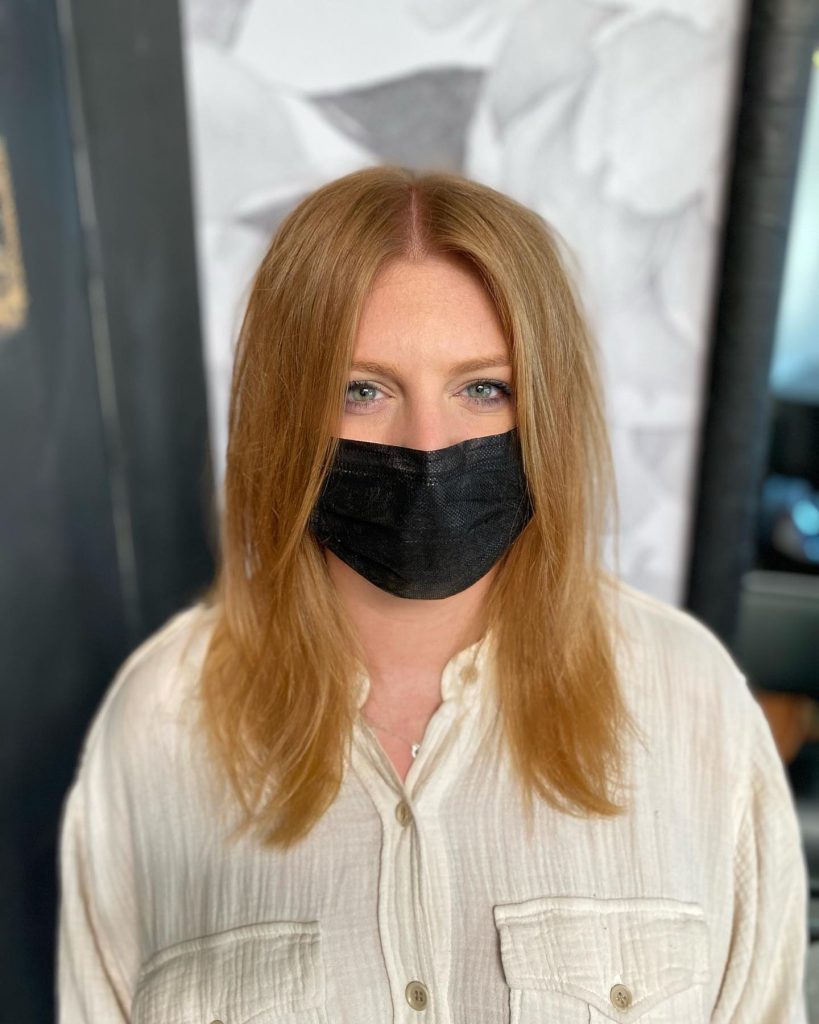
Strategic Weight Distribution for Fine Strands: This cut illustrates the "safe zone" for fine-haired clients who want length. By maintaining a blunt perimeter at the base, the hair retains its maximum visual density. The internal weight is kept intact, while subtle face-framing pieces add movement and lift around the eyes without thinning out the overall silhouette.
7. The Textured Bixie with Micro-Fringe
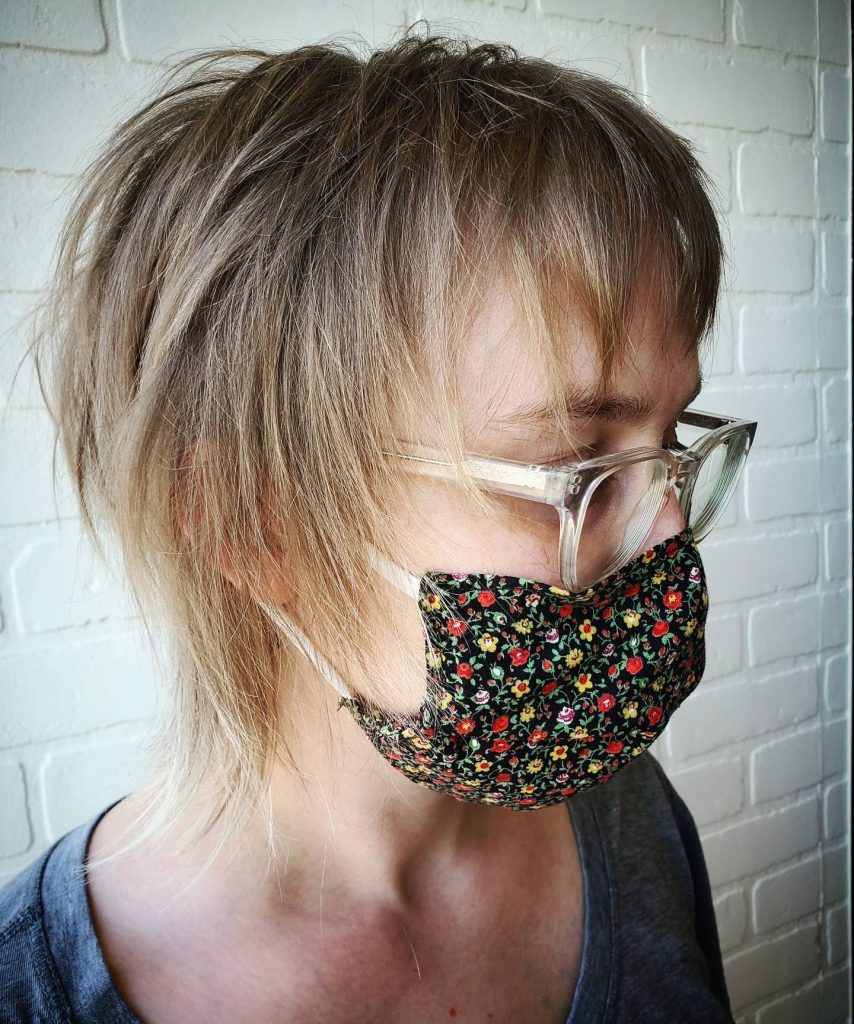
Internal Texture and Crown Volume: A masterclass in "short but structured," this cut uses internal texture to create height and separation. By keeping the nape and sides closely tailored, the fine hair on top is forced to stand up and create volume rather than lying flat. The micro-fringe adds an edgy, intentional feel that draws focus to the structure of the cut rather than the thickness of individual strands.
8. The Platinum Graduated Bob
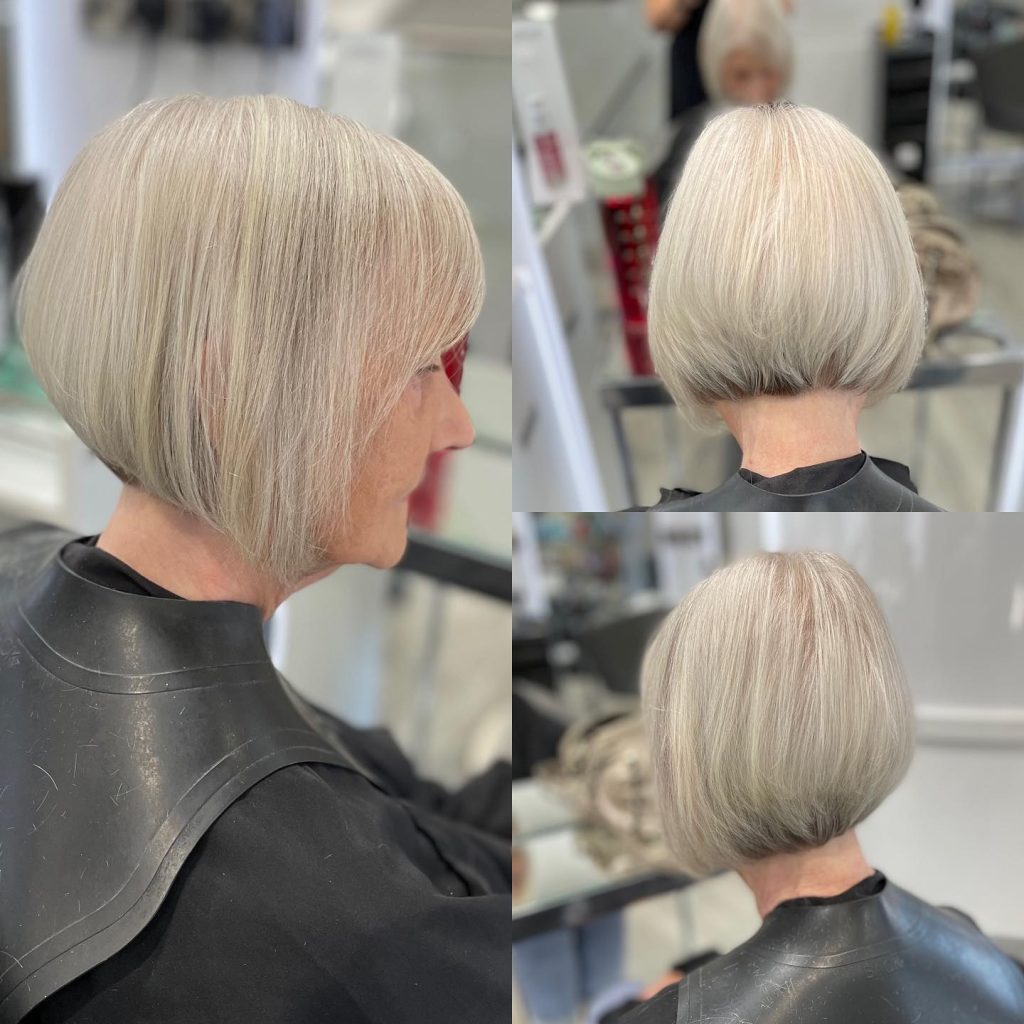
Structural Stacking and Perimeter Strength: This is the ultimate "density" cut. The graduated stack at the back creates a solid foundation that literally props up the crown layers, providing volume that won't collapse. The crisp, razor-straight lines at the jawline create a clear horizontal weight line, making the hair appear significantly thicker and more voluminous from every angle.
9. Long Fine Hair with Sun-Kissed Ribboning
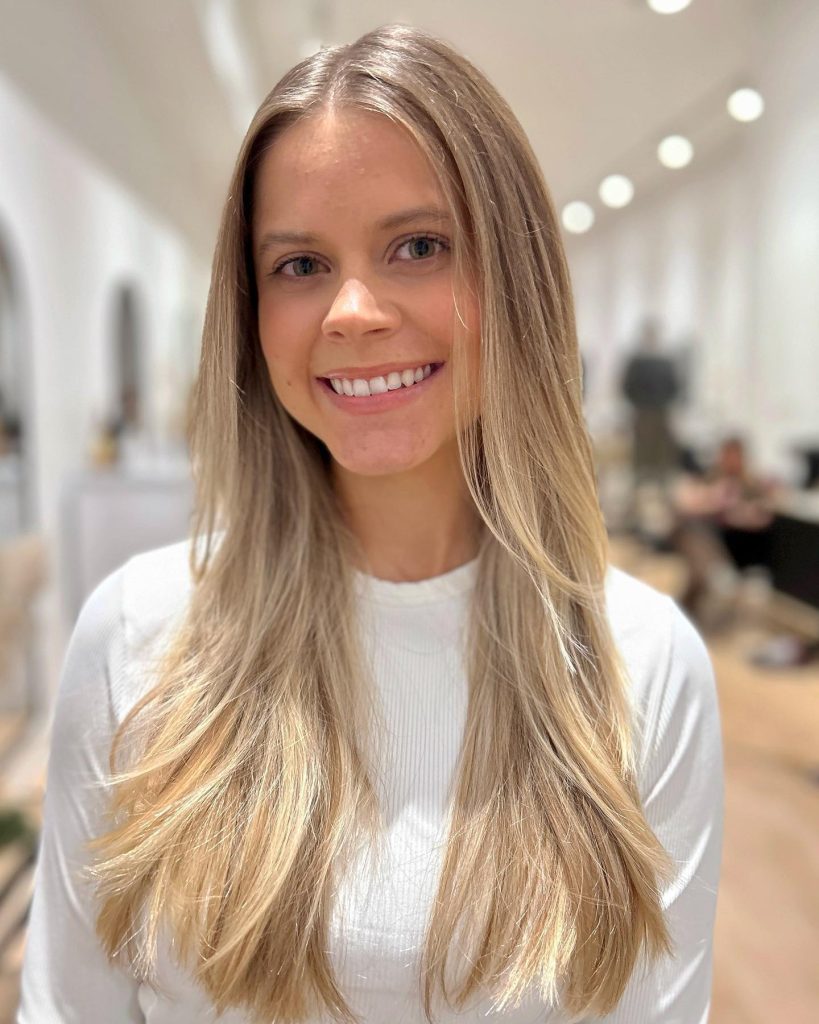
Visual Dimension Through Color and Blunt Ends: For those who refuse to go short, this style demonstrates how to manage long, fine hair in 2026. The ends are cut in a solid, blunt line to avoid a wispy finish, while "ribboned" highlights add visual dimension. This color technique creates an optical illusion of depth, making the hair look multi-layered and full without the need for actual, thinning layers.
10. The Ultra-Blunt Midi-Lob
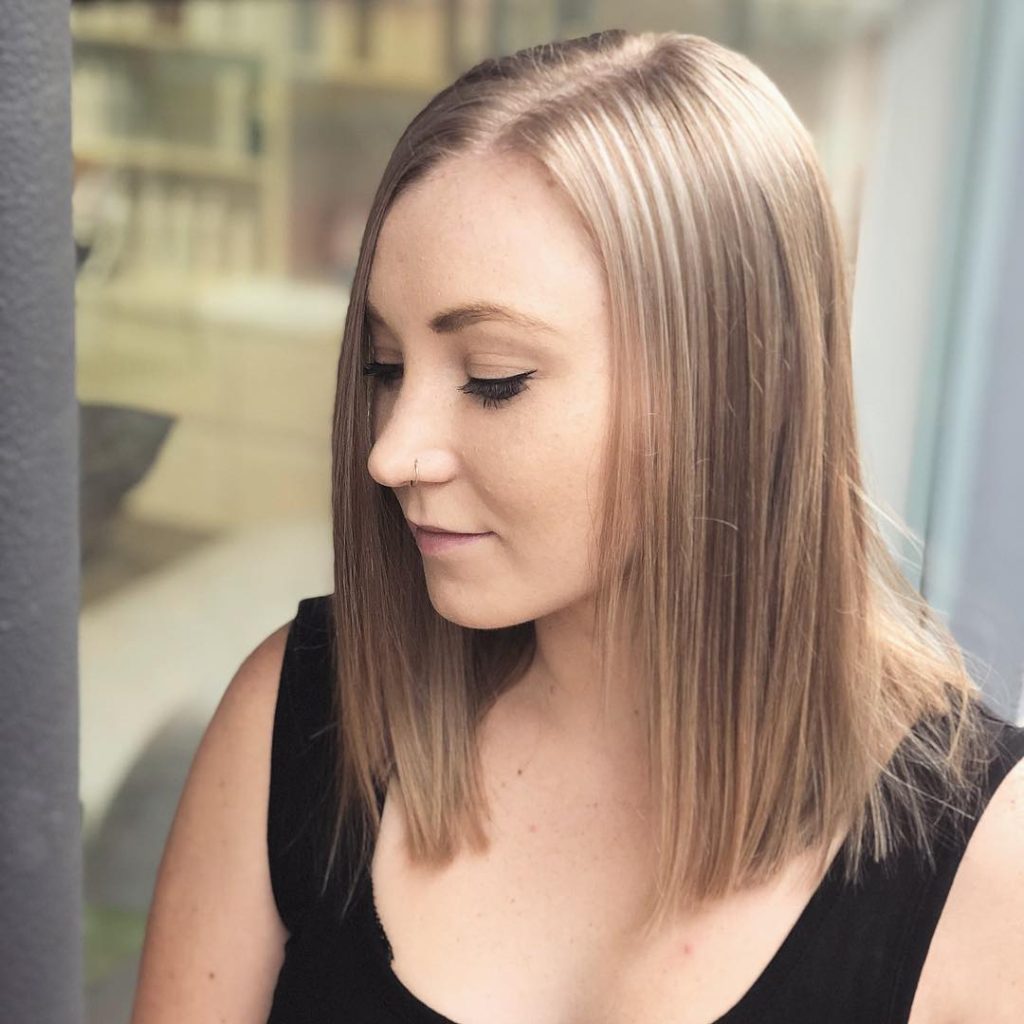
Maximum Density Through Weight Lines: This cut is the definitive answer to "wispy" ends. By maintaining a sharp, horizontal line just above the chest, the hair appears uniformly thick from roots to tips. The absence of traditional layering keeps the bulk of the hair intact, allowing the natural weight to create a sleek, expensive-looking finish that doesn't collapse by midday.
11. The Texturized Bob with Wispy Fringe
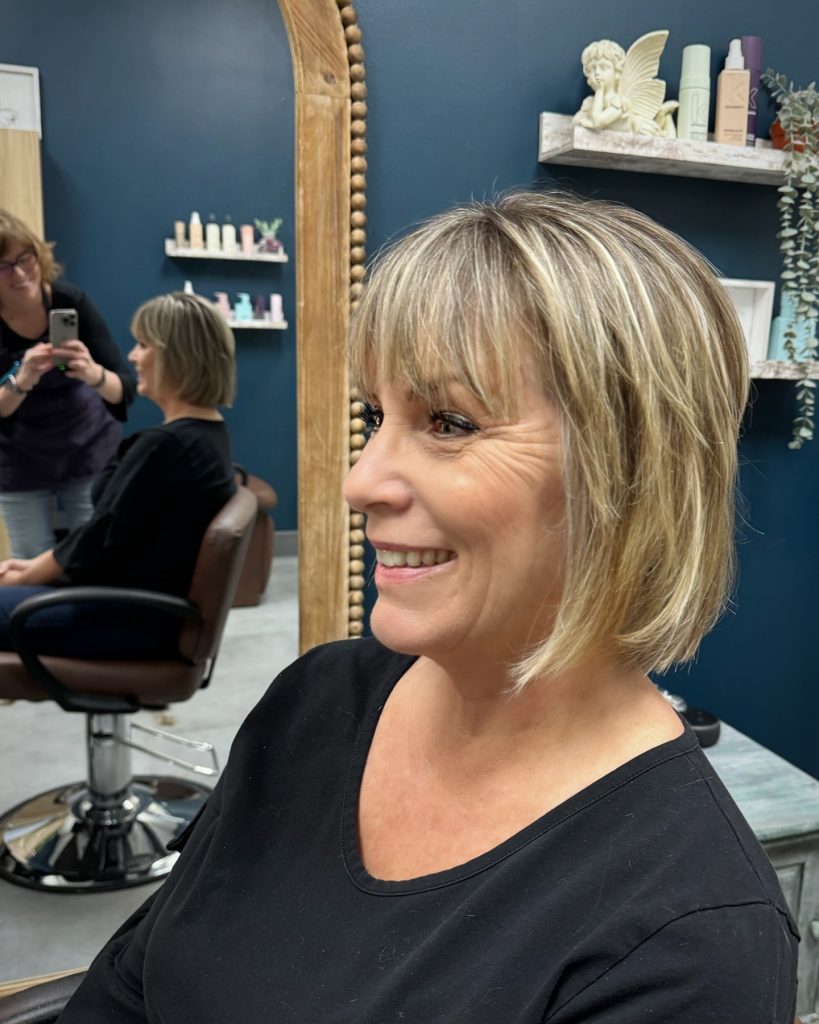
Strategic Movement and Airiness: For fine-haired individuals who prefer a "lived-in" look, this bob uses internal texturizing rather than heavy external layers. The soft, piecey fringe adds immediate interest and volume at the crown, while the slightly shattered ends provide movement. This structure allows for a "messy" style that still feels full and intentional.
12. The Dimensional Wavy Lob

Volume Through Wave and Color Architecture: This style demonstrates how a great cut and color work in tandem. The blunt mid-length provides the necessary foundation, while soft, internal "invisible" layers allow for the hair to hold a wave. The multi-tonal blonde highlights act as a "visual plumper," adding depth and the illusion of a much thicker hair fiber.
13. The A-Line Sleek Bob
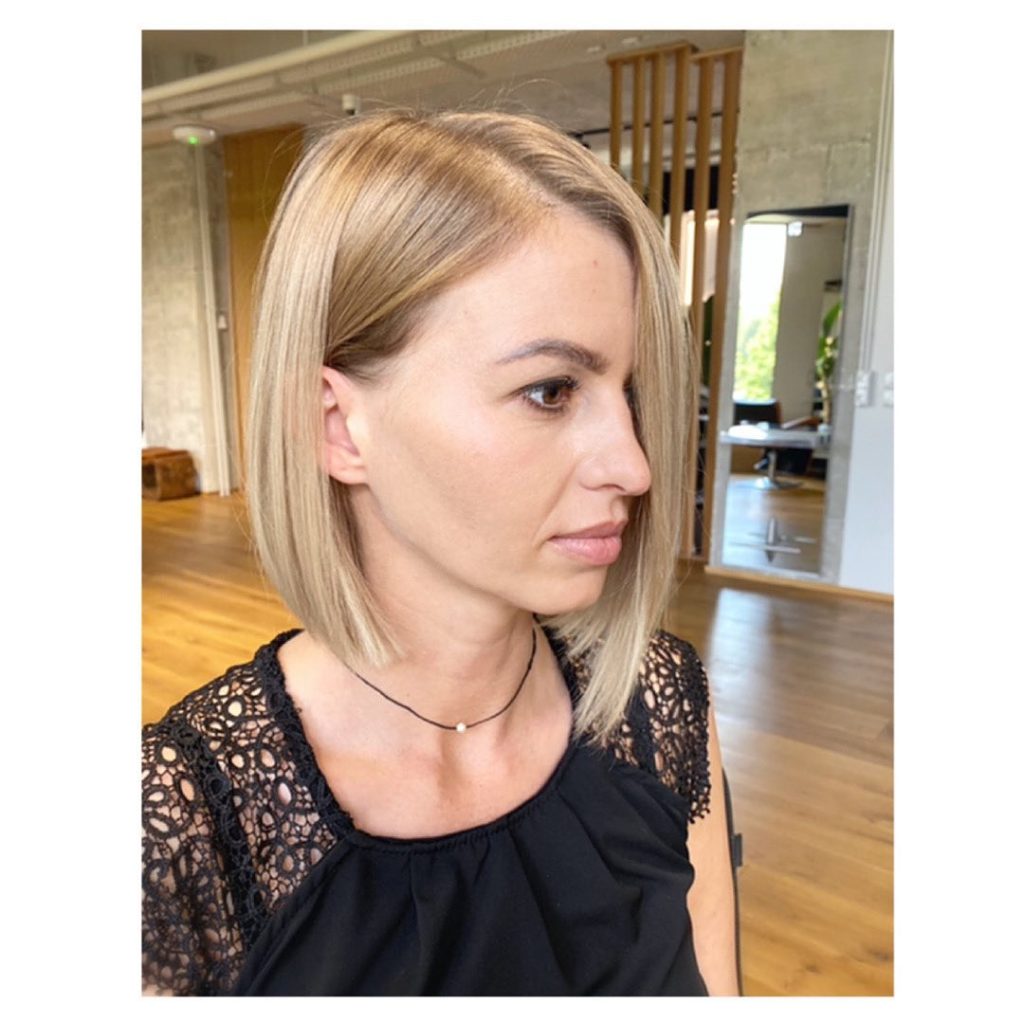
Structural Forward Weighting: By subtly angling the cut so the hair is slightly longer toward the front, this style creates a "swing" that adds natural volume. This geometric approach directs the visual weight toward the face, ensuring the hair looks dense and healthy. It’s an ideal "zero-drama" cut that looks polished with minimal styling effort.
14. The Classic Shoulder-Length Blunt Cut
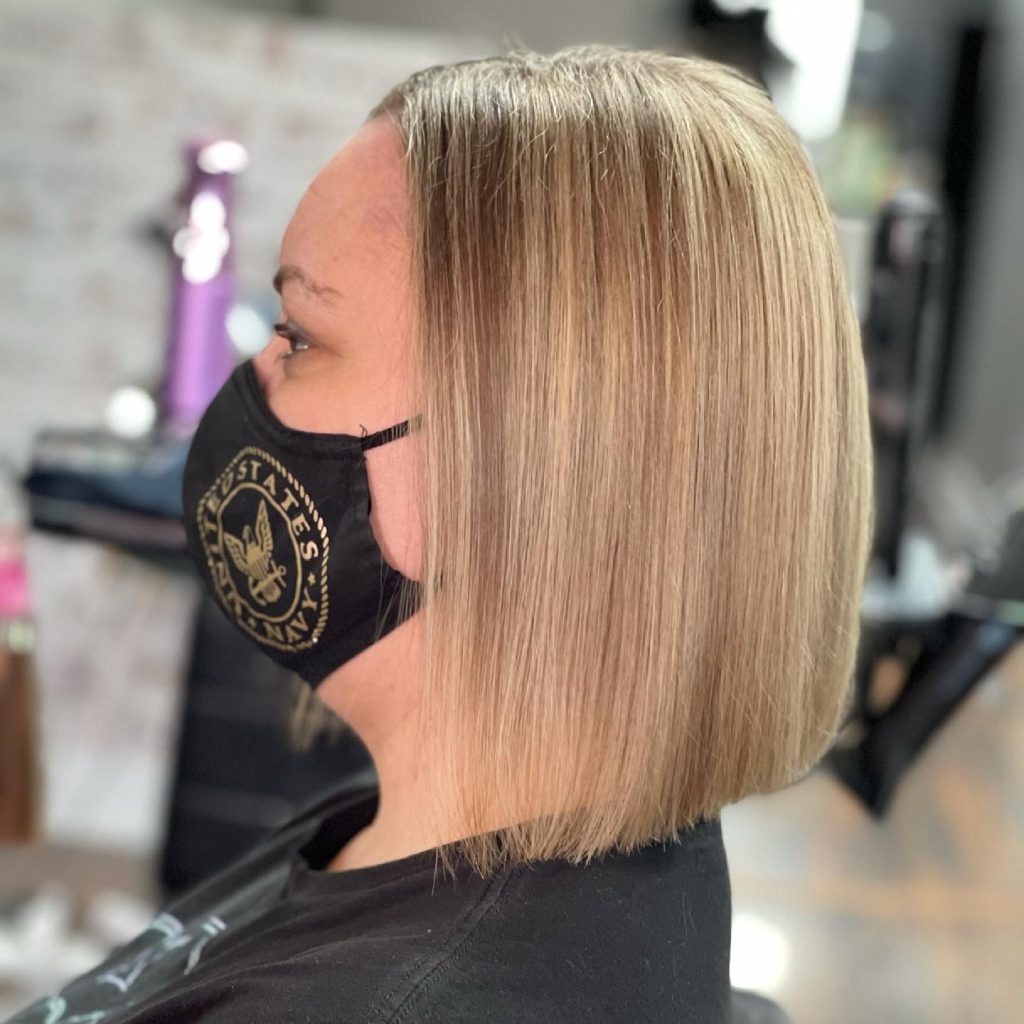
The "Gold Standard" for Fine Hair: This image perfectly captures the power of a solid perimeter. By keeping the length consistent all the way around, the hair achieves a "curtain of silk" effect. The lack of thinning ensures that every strand contributes to the overall silhouette, providing a structural fullness that layering simply cannot replicate for fine textures.
15. The Modern Soft Shag with Bottleneck Fringe

Structural Movement without the Sparse Ends: This 2026 adaptation of the shag proves that fine hair can handle layers when executed with precision. By utilizing "bottleneck" fringe and face-framing "petals," the cut creates significant volume at the crown and cheekbones where it matters most. To avoid the common pitfall of wispy ends, the perimeter is kept relatively blunt, ensuring the hair maintains its structural density while offering a breezy, effortless movement.
Beyond the Chair: The "Fine Hair" Protocol
- The "Root-Only" Rule: Guidelines for applying products only where they are needed to avoid collapsing the structure.
The fastest way to sabotage a great cut is to weigh it down with product. Volumizers, mousses, and even conditioners should be applied primarily to the mid-lengths and roots (for lift), while keeping the ends as light as possible. A heavy, product-laden end will drag the entire style down. Less is always more; start with a pea-sized amount and add only if necessary. - Thermal Protection without the Weight: Prioritizing lightweight mists over heavy oils/creams for 2026’s "clean" aesthetic.
The modern “clean” look prioritizes movement and airy texture, which is perfect for fine hair. Swap heavy serums and oils for ultra-fine thermal protection mists or sprays. These provide necessary heat protection without the slick, heavy coating that causes fine hair to stick together and look greasy or stringy. - Strategic Drying: Using a "rough dry" technique to 80% completion to encourage natural lift before introducing a brush.
How you dry is as important as how you cut. Begin by “rough drying”—using your fingers to lift and agitate the hair at the roots while directing the hairdryer’s nozzle up and around the head. This sets the foundation for volume. Only when the hair is 80% dry should you bring in a brush to smooth and refine the ends. This technique locks in structural lift that can last for days. - The Micro-Trim Schedule: Why a 6–8 week "dusting" is essential to keep the blunt edges looking sharp and thick.
The precision of a blunt edge is what creates the illusion of density for fine hair. As soon as those ends become uneven or begin to split, the solid line is lost, and the hair looks thinner. A “dusting” (a micro-trim of just a quarter inch) every 6–8 weeks is non-negotiable. It keeps the perimeter sharp, prevents splits from traveling up the shaft, and preserves the integrity of the cut.
Conclusion: Confidence in the Cut
- Structure Over Substance: Reiterate that the "drama" of styling ends when the physics of the haircut begins.
The goal is to stop fighting your hair. When the cut is engineered correctly—whether it’s the solid line of a blunt bob or the internal architecture of a lob—the structure does the work for you. The endless cycle of “dramatic” styling—the backcombing, the dry shampoo buildup, the midday collapse—simply becomes unnecessary. A great cut is a foundation, not just a style. - The Freedom of Less: A final note on the time and money saved when you stop over-purchasing products.
Fine hair is often the biggest spender in the beauty aisle, buying every “volumizing” product in hopes of a fix. The right cut flips that equation. By investing in precision haircuts instead of a cabinet full of band-aids, you reclaim both time and money. The daily routine becomes streamlined, effective, and intentional. - Final Thought: Fine hair isn't a problem to be solved; it's a texture to be mastered.
Fine hair has a unique set of properties—it’s often silky, malleable, and responsive. When approached as a texture to be understood and enhanced with precise cuts and strategic styling, it becomes an asset. The goal is not to force it to be something it’s not, but to master its natural qualities to create looks that are chic, confident, and effortlessly full of life.

Leave a Reply